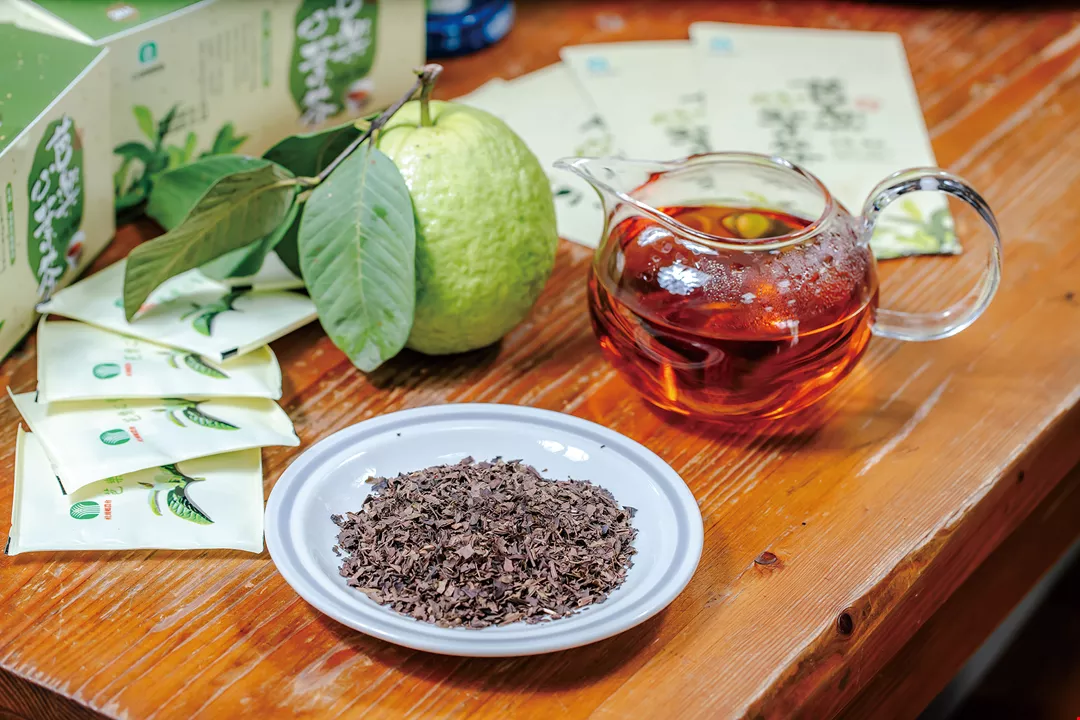
Farmers growing Pear guavas under contract to processors pick their pesticide-free leaves at early dawn using the “one tip, two leaf” gathering technique—picking the terminal bud (tip) along with the two youngest adjacent leaves. The processors then follow the traditional tea-making process, including withering (moisture removal), fixation (using heat to deactivate enzymes), rolling (twisting to break down cell walls and expose internal flavors), and drying. The resulting tea has an elegant mild guava taste and a sweet aftertaste, and is caffeine-free. Meanwhile, the SFA has collaborated with Asia University to confirm that this tea can lower blood sugar and has antioxidant effects.
In order to find uses for substandard fruits, the SFA has leveraged the many guava varieties to develop a diverse range of products. Dried guava, the most popular with consumers, is made using the Pearl, Jintsui, Emperor, or red-fleshed varieties, each with its own flavor, firm texture, and pleasant aftertaste. However, Crystal guava is unsuitable for this purpose due to its higher water content.
The SFA also produces guava juice. The drink, undiluted with water and with no added sugar, has a balanced sweet–sour taste. It can be consumed on its own or blended with other beverages. Another SFA product is the aromatic, refreshing guava popsicle, made using 80% Perfume and 20% Pearl guavas.
What other ways are there to use guavas? In Shetou, a living historic site for guava production, one can see first-hand the extensive possibilities of this common and affordable fruit.
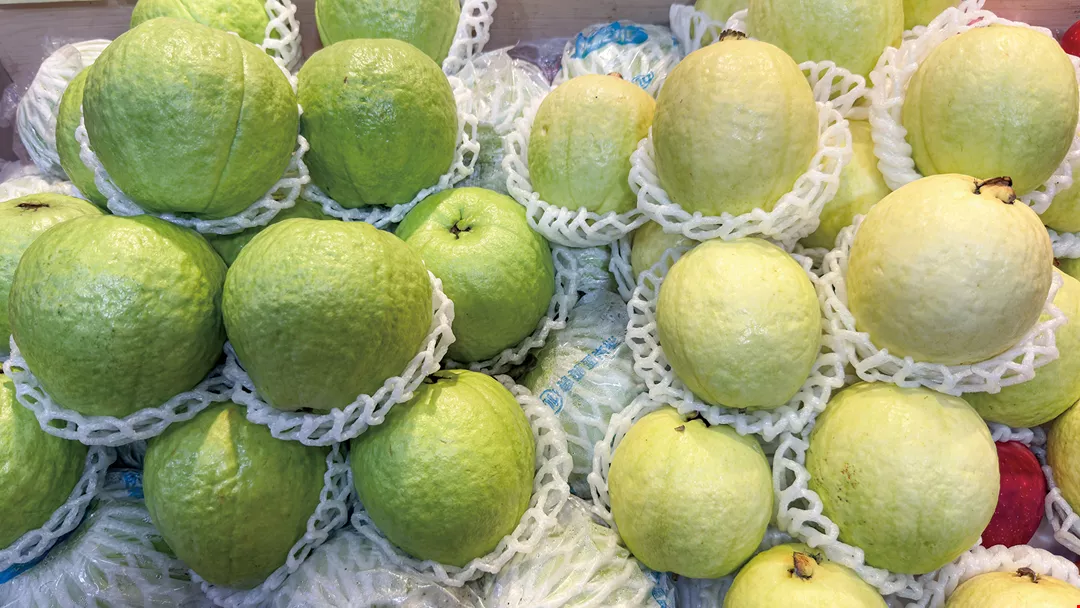
There is a long history of guava cultivation in Shetou, with numerous varieties being produced in large numbers. At left: Pearl guavas. At right: Crystal guavas.
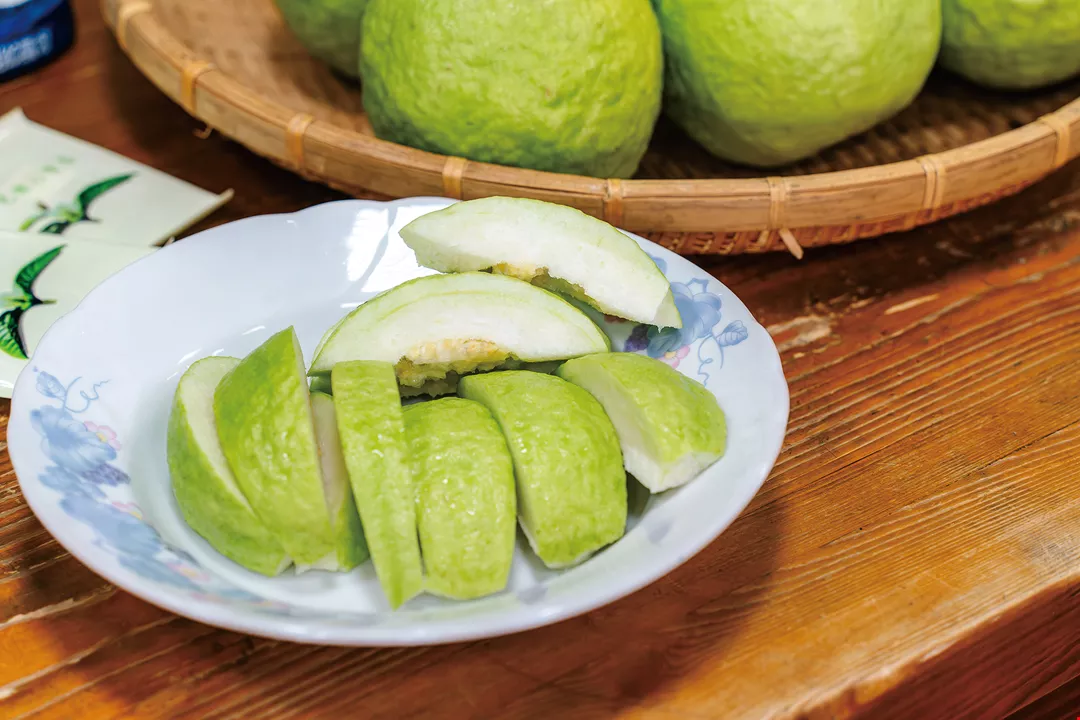
Top-grade guavas are best eaten fresh.
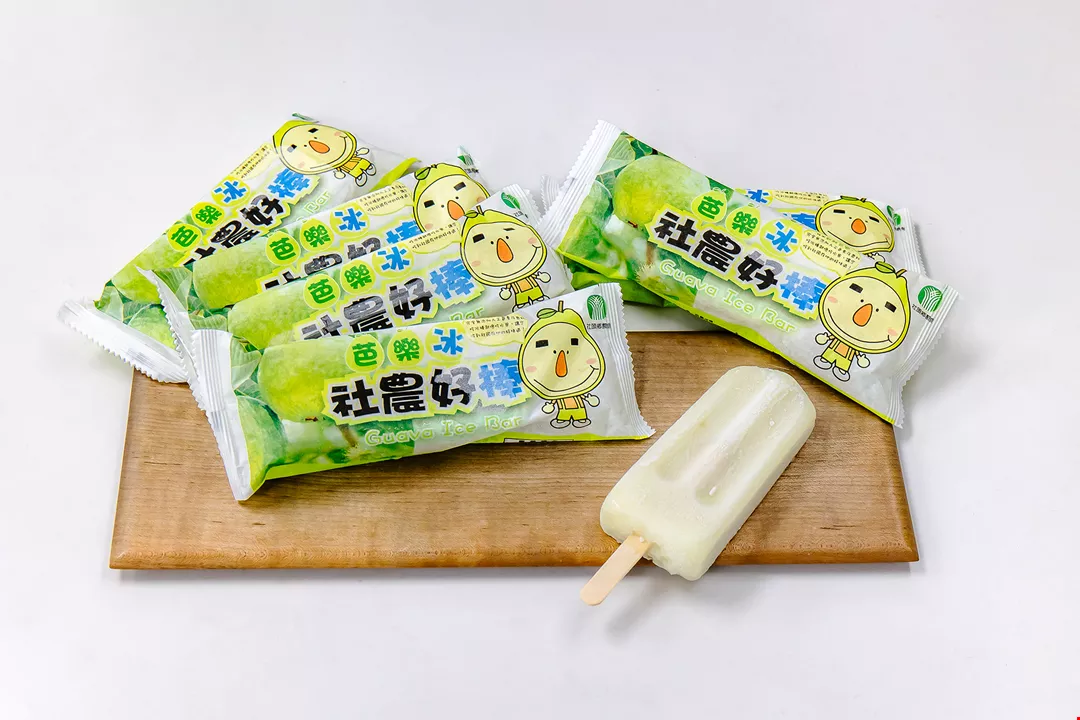
Guava popsicles are fragrant and refreshing.

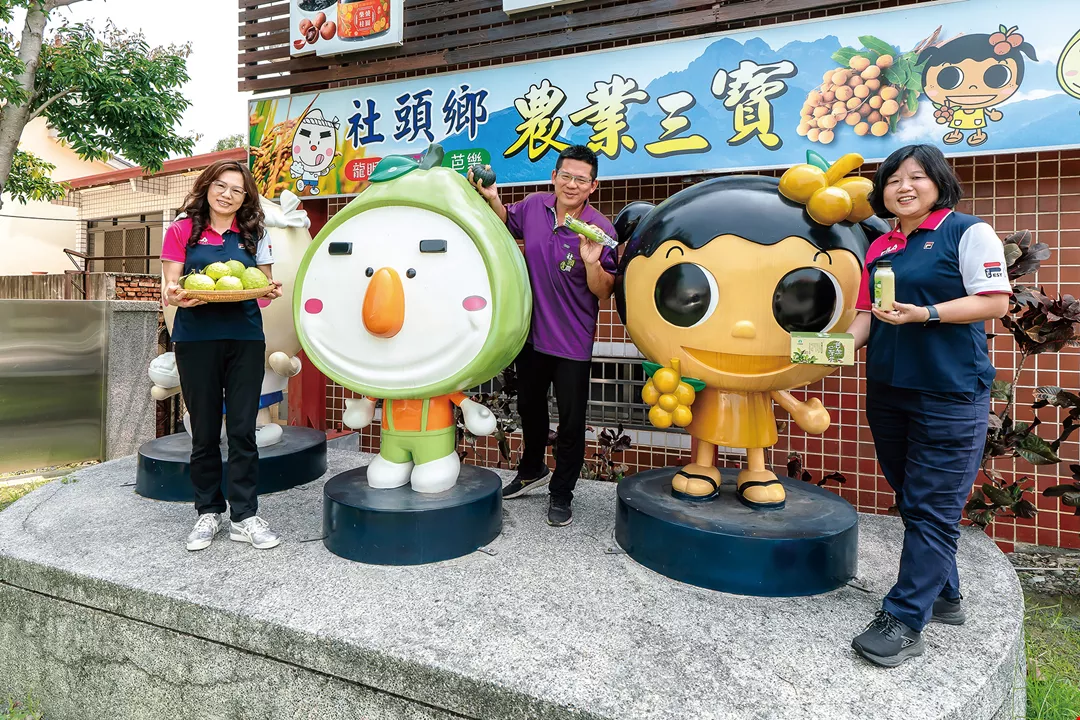
Shetou Farmers’ Association direct sales points, which sell a wide variety of local agricultural products, also serve as ideal destinations for visitors to pick up agricultural souvenir gifts.






@List.JPG?w=522&h=410&mode=crop&format=webp&quality=80)


@List.jpg?w=522&h=410&mode=crop&format=webp&quality=80)


