Buildings That Can Think:
Intelligent Buildings and the Future
Cathy Teng / photos Jimmy Lin / tr. by Phil Newell
June 2022


The Shalun Green Energy Technology Demonstration Site (SGETDS) at the Smart Green Energy Science City in Shalun, Tainan, demonstrates the future of daily life with green energy technology. (courtesy of ITRI)
Have you ever imagined that buildings could be not merely places that provide shelter from the elements, but might also be transformed into intelligent housekeepers? That they could gather and analyze a variety of detailed information from your daily life, and take action? For example, when they detect that there is too much carbon dioxide in a room, they could ventilate it; they could set room temperatures at the best level to balance comfort and energy efficiency; and they could give early warnings when equipment is about to malfunction. In fact, this kind of “intelligence” is already making its way into our lives, providing us with intangible yet meticulous care.
Taiwan’s information and communications technology (ICT) industry is well developed, and has advanced capabilities in sensing technology, big data, the Internet of Things (IoT), fifth-generation (5G) telecommunications, artificial intelligence (AI), intelligent building materials, and cloud computing. Myriad solutions are on offer or in preparation that employ technologies that can autonomously detect the status of various parameters, to enhance the quality of life while also facilitating an energy-saving, sustainable future.
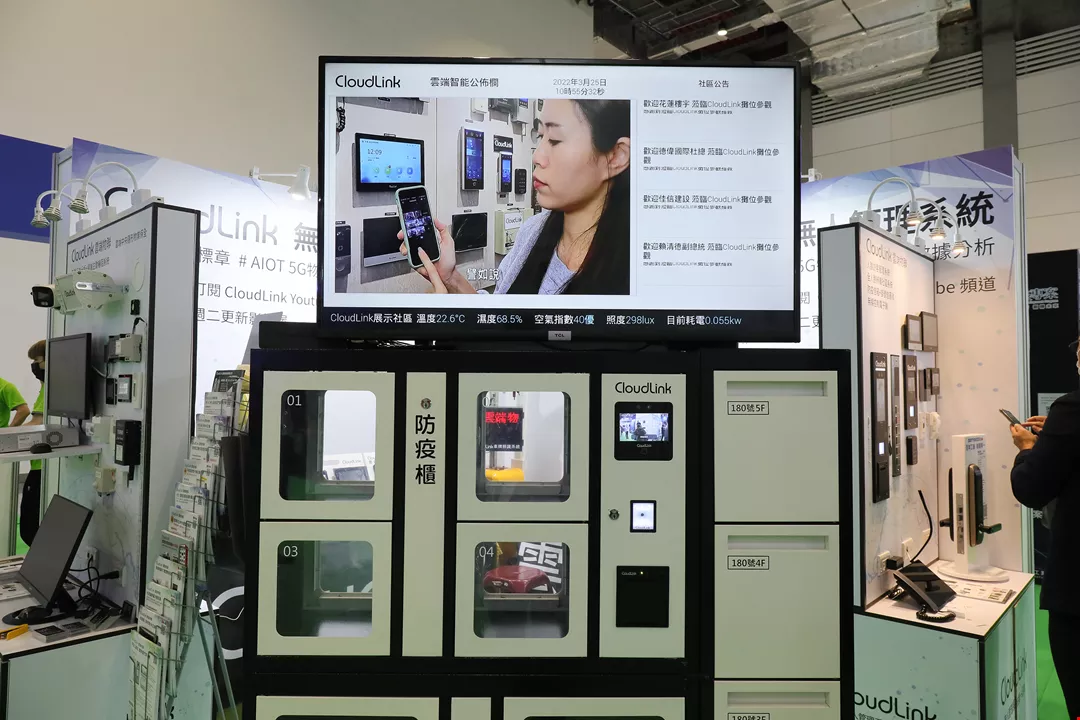
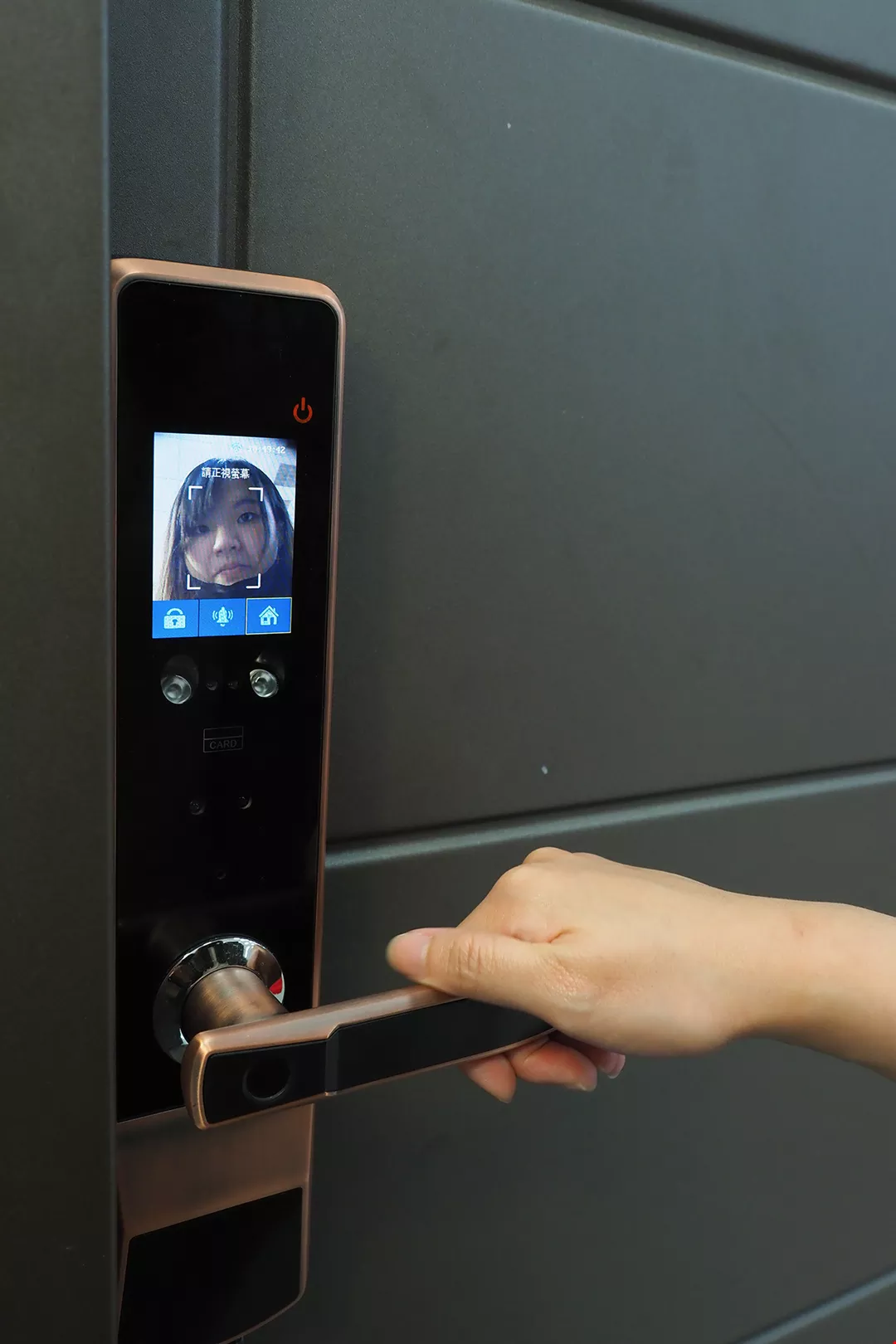
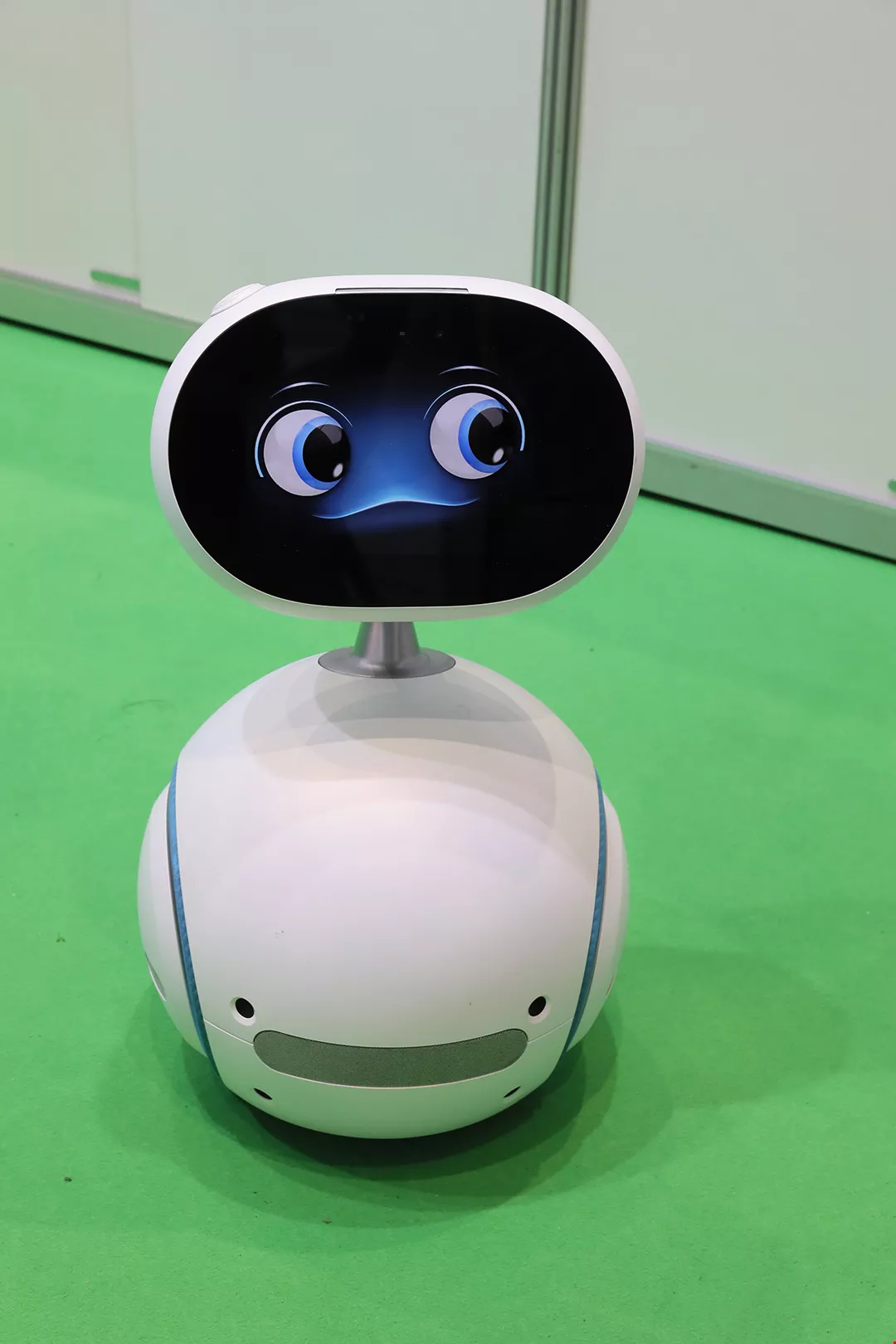
Taiwan has a well-developed ICT sector that now can provide a myriad of solutions using autonomous sensing technology. This kind of “intelligence” is already making its way into our lives.
Design with people in mind
“Why do we need to make buildings ‘intelligent’? In fact the purpose is to generate value—both ‘human value’ and ‘commercial value,’” says Wen Show-ling, president of the Taiwan Intelligent Building Association.
Back in the day the cell phone maker Nokia had the slogan “Connecting People.” Translated into Chinese, it became the popular catchphrase “Technology always comes from human nature.” Looking at the original English-language version of this phrase, when technology is applied to intelligent buildings it can demonstrate vividly the concept of “connecting people.” Wen offers the following example of children who live separately from their parents: How can the children stay aware of their parents’ health and wellbeing? By using technology, such as web-connected blood pressure meters or IoT lightbulbs, they can gather data on their parents’ physical condition and daily routine. If anything is out of the ordinary, a phone call from the children asking after their parents’ wellbeing allows the elders to feel the warmth of familial love. At times like this technology really does close the distance between people and enables us to convey human warmth.
At the same time, intelligent buildings also have commercial value. With its competitive advantages, Taiwan’s ICT sector plays a pivotal role in the world, and when you consider that communications infrastructure in Taiwan has greater coverage and is more comprehensive than in most other countries, many businesses have begun experimenting with systems integration and innovative services, with outstanding results so far.
The government in Taiwan is providing impetus to this process. Taiwan got a relatively early start with its intelligent building evaluation system. In 1999 the government began promoting the EEWH green building certification system, followed by intelligent building certification in 2003, green building materials certification in 2004, and intelligent building materials certification in 2010. In line with international calls for net-zero carbon emissions, the next step is to work toward “intelligent zero-carbon buildings,” with 2050 as the target year. The promotion of relevant programs has begun, with public buildings leading the way. The government now requires green building certification for any public building constructed at a cost of NT$50 million or above, and intelligent building certification for those costing over NT$200 million. In this way the government is driving new trends and guiding industry in making diverse trials and advances in the fields of intelligent buildings and intelligent building materials.
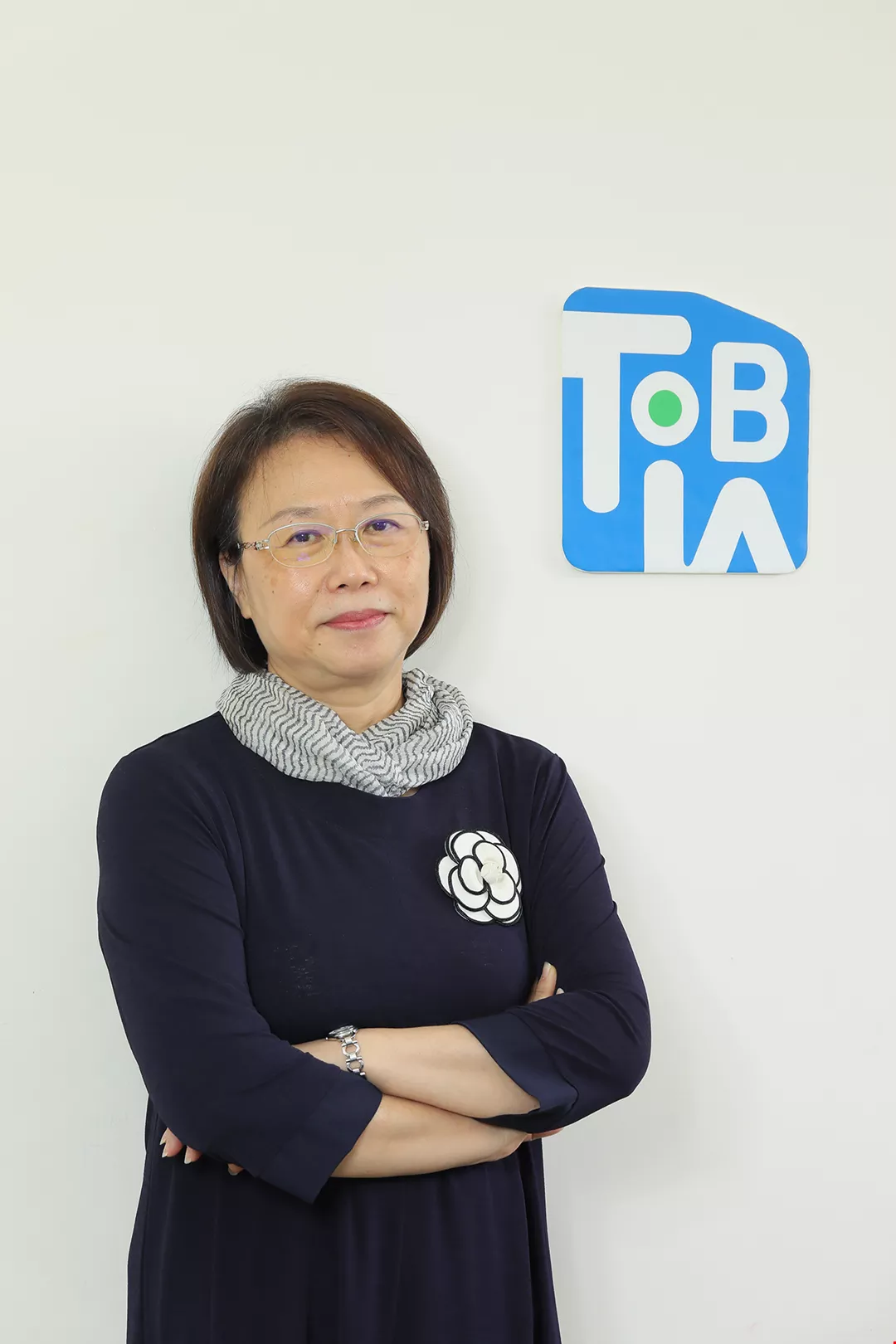
Wen Show-ling believes the key to developing intelligent buildings is user-centered sustainable services.
What makes a building intelligent?
How do intelligent buildings operate? Wen explains: “Simply put, the process is ‘detect, display, act.’” Through a variety of sensing devices—somewhat like the human sensory system—buildings can collect large amounts of data, and by statistical analysis we can understand the relationships between different data items. “Any data can be interpreted, and it will tell you things you never knew before.” Wen points for example to a residence she designed for elderly people living alone, in which sensors record data on such things as the number of times a resident opens the refrigerator or goes to the bathroom. “If the refrigerator is opened 20 times in five minutes, for instance, this is a sure sign that the person is anxious or restless.” Every piece of data is meaningful, for it provides clues to the elderly person’s psychological and physiological state. By collecting and analyzing such data, one can prevent all kinds of adverse events.
Another example is rapid alerts in case of fire. Devices in an intelligent building can learn autonomously through the Artificial Intelligence of Things (AIoT), and if they detect that the temperature in a room is different from the usual daily pattern, they will infer that there may be a fire. Then they will act, for example by turning on the smoke ventilator or turning off the air conditioning, electricity, and gas to avoid them making the fire worse. Finally they will release access controls on doors and can even detect the location of the fire and indicate an appropriate escape route.
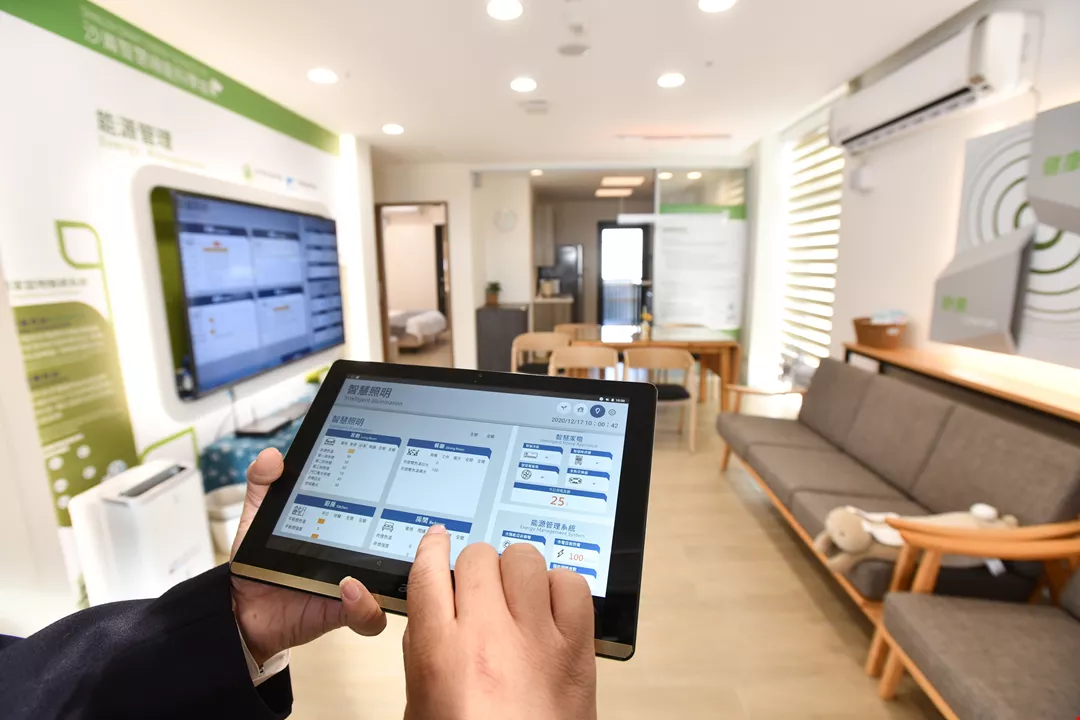
The Intelligent Green Energy Demonstration Community at the SGETDS uses an energy management system to optimize energy production, storage, and use, to achieve net-zero energy consumption. (courtesy of ITRI)
Energy saving and sustainability
There is a multiplier effect to be had in energy savings by combining intelligent building and green building principles. Jeng Ming-shan, deputy general director of the Green Energy and Environment Research Laboratories at the Industrial Technology Research Institute (ITRI), talks about the Shalun Green Energy Technology Demonstration Site (SGETDS) at the Smart Green Energy Science City in Shalun, Tainan. The site’s original design not only took account of sunlight, air, water, and ecology, and used passive design methods such as building orientation, ventilation, exposure to sunlight, and courtyards to reduce the buildings’ energy consumption, it also adopted green building approaches like façade shading, thermal insulation in exterior walls, rain recycling, and recycled building materials. Within the SGETDS there is also an Intelligent Green Energy Demonstration Community with energy-saving buildings that are multistory single-family dwellings of the type so common in Southern Taiwan. There are solar panels installed on the roofs and lithium batteries to store electricity, and the whole system is regulated to optimize energy production, energy storage, and energy usage to achieve net zero energy consumption. “This type of system with virtually zero energy consumption can be used in any kind of residential building of up to five stories, whether they are single-family dwellings or apartment buildings,” says Jeng.
In addition, the five large office buildings in the SGETDS share an ice-making central chilled water system to provide air conditioning. Jeng explains that this system is like an energy management center, with the center producing chilled water that is circulated into every building to generate cool air. This approach facilitates intelligent control, as the energy management center can continually calculate how much ice to make, based on the outdoor temperature and the number of people using the buildings. Moreover it makes ice at night, when energy demand is low, and keeps the compressor turned off during the day, when energy demand is high. Through heat exchangers, the ice is used to chill water, which is piped into all of the buildings to cool air for air conditioning. “This is a classic example of the things intelligent buildings can do, and is also a product of ITRI’s own R&D efforts.” Using intelligent building principles to make buildings sustainable is an established trend for the future.
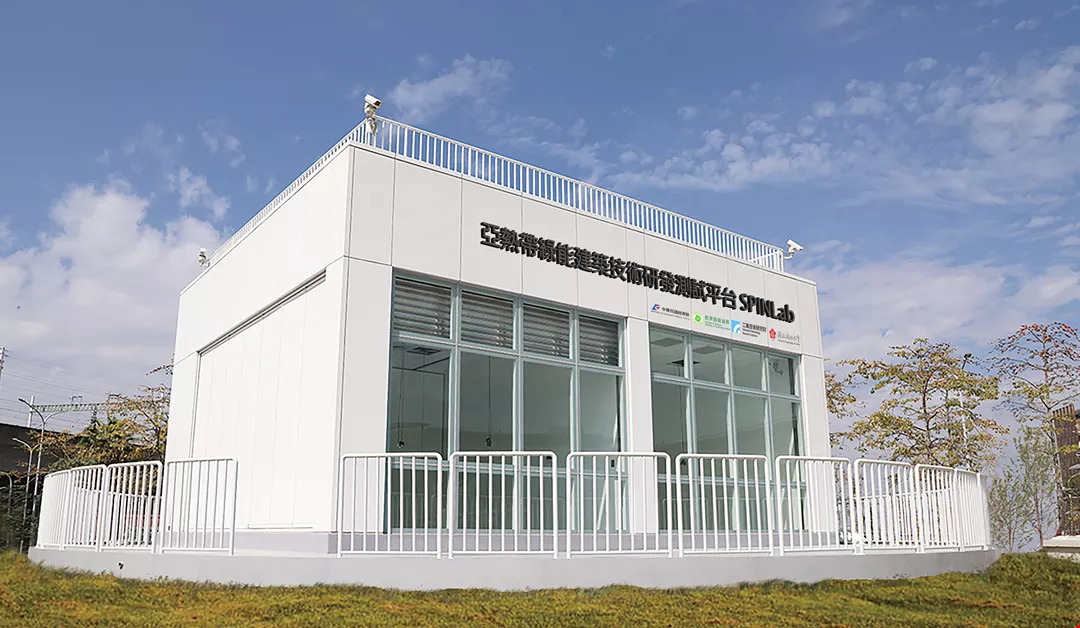
SPINLab, located at the SGETDS, is only the third rotatable building technology lab in the world, and the first in the subtropics. (courtesy of ITRI)
Creating a comfortable home life
The development of intelligent buildings started with commercial office buildings, but has gradually spread to the field of residential living. Heran, a Taiwanese appliance manufacturer, has in recent years been proactively expanding into the smart home arena. Heran vice chairman Andy Tsai lived in Australia for 12 years and has observed the differences between Eastern and Western lifestyles. He says that in Western countries people spend much of their leisure time in outdoor activities, whereas in ethnic Chinese households the television is central. Therefore, his blueprint for smart homes uses the television as a platform operated by voice control. There is a higher barrier to entry for this technology since it requires overcoming the problems of ambient noise and interference. But he says with a laugh: “I’m a lazy person, too lazy even to look for a remote control.” Taking the way consumers actually use technology as the starting point for proposing possibilities for future living is Tsai’s strategy for the future.
As early as 2015 Heran extended their product line to include more than 200 home appliances, and Tsai now requires that Heran appliances include Bluetooth and Wi-Fi to provide more added value and enhance the products’ cost–performance ratio. “I want us to form a home appliance ecosystem.”
In fact, in developing his market strategy Tsai early on worked with the company’s R&D department to develop and patent technology for the Internet of Vehicles even before electric cars became popular. He says that an app can be installed in cars so that when the vehicle gets within a few kilometers of home, the home will intelligently turn on the air conditioning or draw bathwater, just like something out of the movies. Having spotted the potential of the smart home appliance market, Heran set out plans to use the Internet of Things to break into the smart products market, thereby sketching a vision of life in the future.
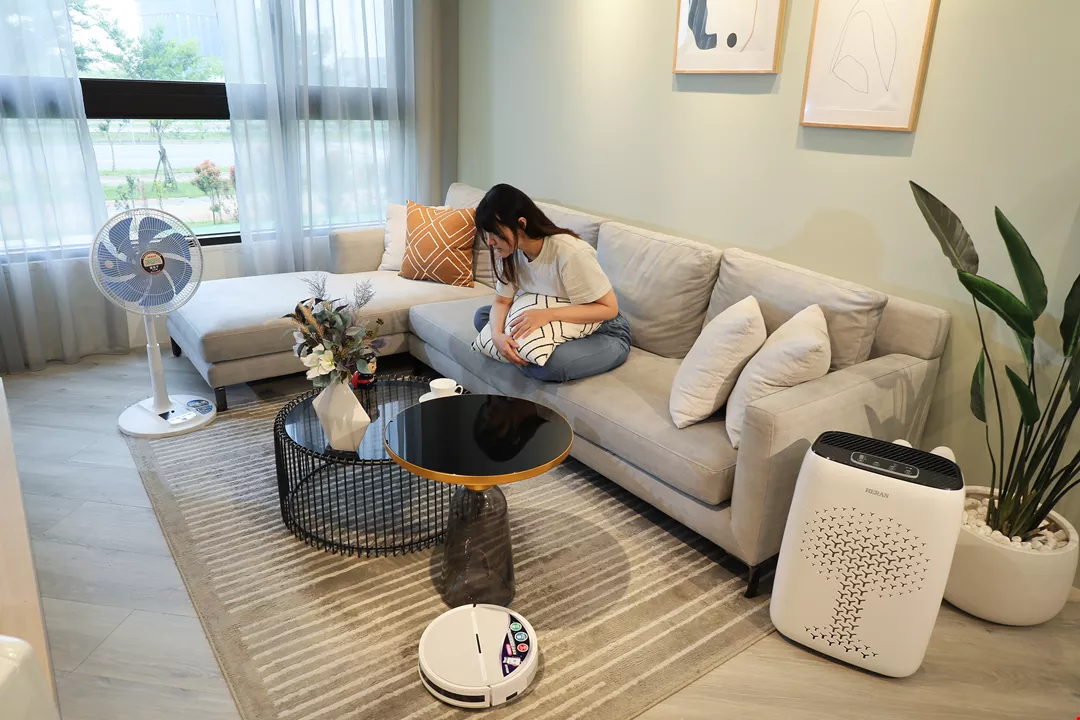
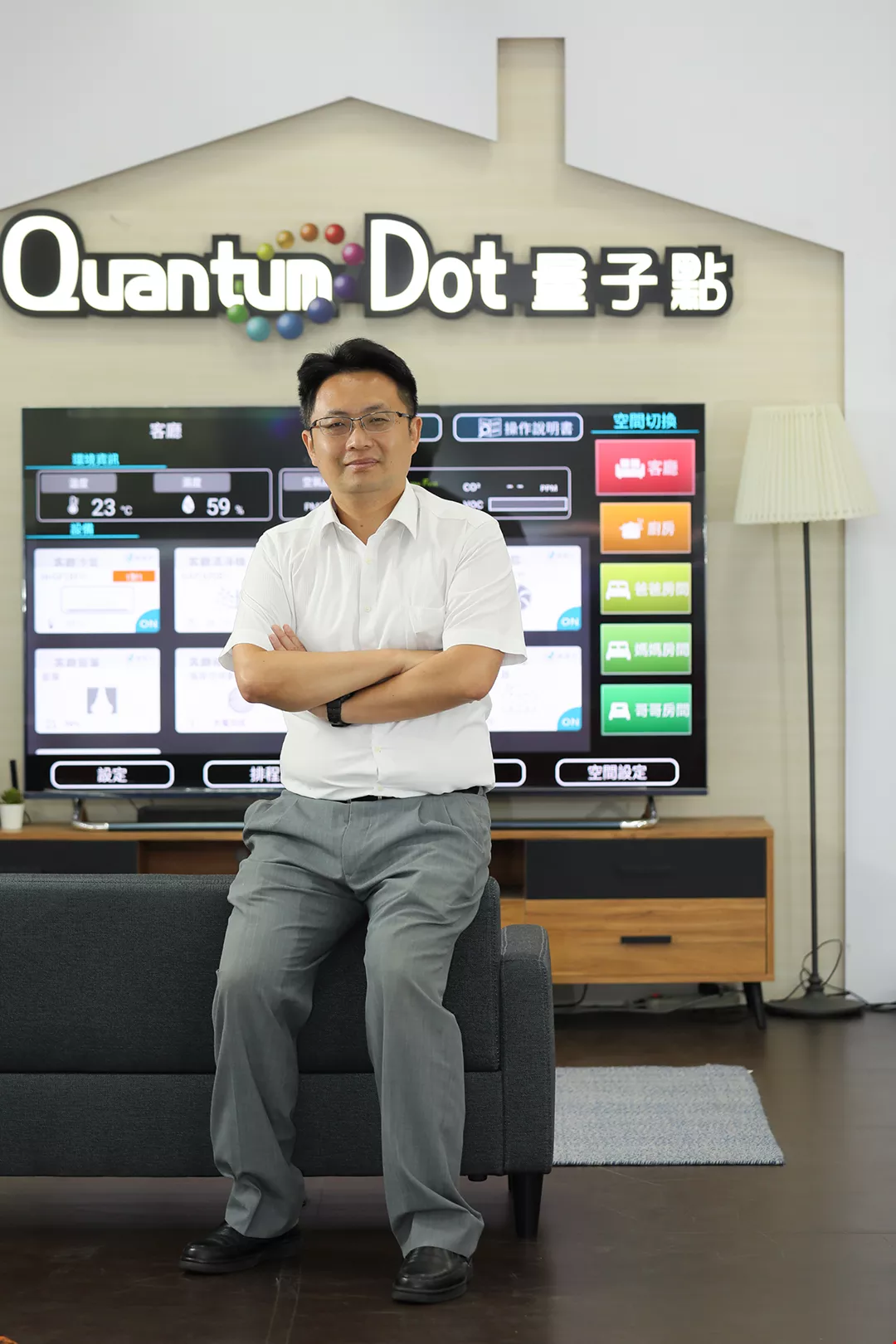
Heran vice chairman Andy Tsai noticed the potential of smart home appliances long ago. He ensures his company’s appliances are web-enabled to give them a place in the intelligent products market, thereby sketching a vision of life in the future.
The last mile: Integration
Intelligent buildings function according to the “detect, display, act” model. In this, monitoring and control systems play a critical role. The various systems installed in buildings can all be aggregated into a single interface platform. But this requires integrating tens of systems, which may have many thousands of monitoring and control nodes.
Lucon Automation Company, founded in 1992, is one of Taiwan’s oldest firms in the field of intelligent buildings. Lucon managing director John J.C. Chen was involved in the monitoring and control system project for Taiwan’s very first intelligent building, the Taipower Building (the headquarters of the Taiwan Power Company).
Lucon’s achievements over the years have included the National Theater and Concert Hall, Taipei Veterans General Hospital, and National Cheng Kung University Hospital. In 2018 Lucon won a platinum award in the “System” category at the Asia Pacific Intelligent Green Building Alliance Awards. It’s worth noting that the Chicony Smart Green Building, which won a platinum award in the “Design” category the same year, and the Taipower Building, which won a platinum award in the “Renovation” category that year, both use Lucon monitoring and control systems. Lucon assistant vice president Lin Tsui-ling states: “The Chicony Smart Green Building was a brand new project. It included 24,546 monitoring and control nodes, so it was a huge challenge. When it came to replacing the central monitoring and control system in the Taipower Building, on the other hand, we had been maintaining the old system for more than a decade. Having both a new project and an old one win awards made the recognition even more meaningful.”
John Chen explains the path Taiwan has followed from its initial involvement with monitoring and control systems to becoming expert developers of them: “Our strength lies in integration. Monitoring and control in intelligent buildings requires integration of dozens of systems, such as the fire alarm control unit, the A/C water chiller control units, digital electric power meters, uninterruptible power supply systems, building access management systems, public information systems, and cloud-based energy management systems. Moreover, systems made by different companies have different data transmission interfaces and formats, so we have to devise ways to collect all the signals to enable the system to act in an integrated way.”
Having heard enough theory, we wanted to see for ourselves how an intelligent building functions in practice. But all we got to see was a simple and straightforward central control room. Lin Tsui Ling compares monitoring and control systems to point-and-shoot cameras: The details are all hidden in the programming, so you don’t have to set your own parameters like white balance, aperture, and shutter speed. This comparison makes these systems instantly comprehensible.
“An intelligent building is a service system,” says Wen Show-ling. As technology advances, in the future more and more novel technologies will be introduced into buildings. But when it comes to the “last mile”—the connection with the end users, i.e. people—designers still have to start from the user’s perspective and create user-friendly human–machine interfaces so that the system can be operated smoothly and easily. Only in this way will we have an intelligent, sustainable, and energy-saving future.
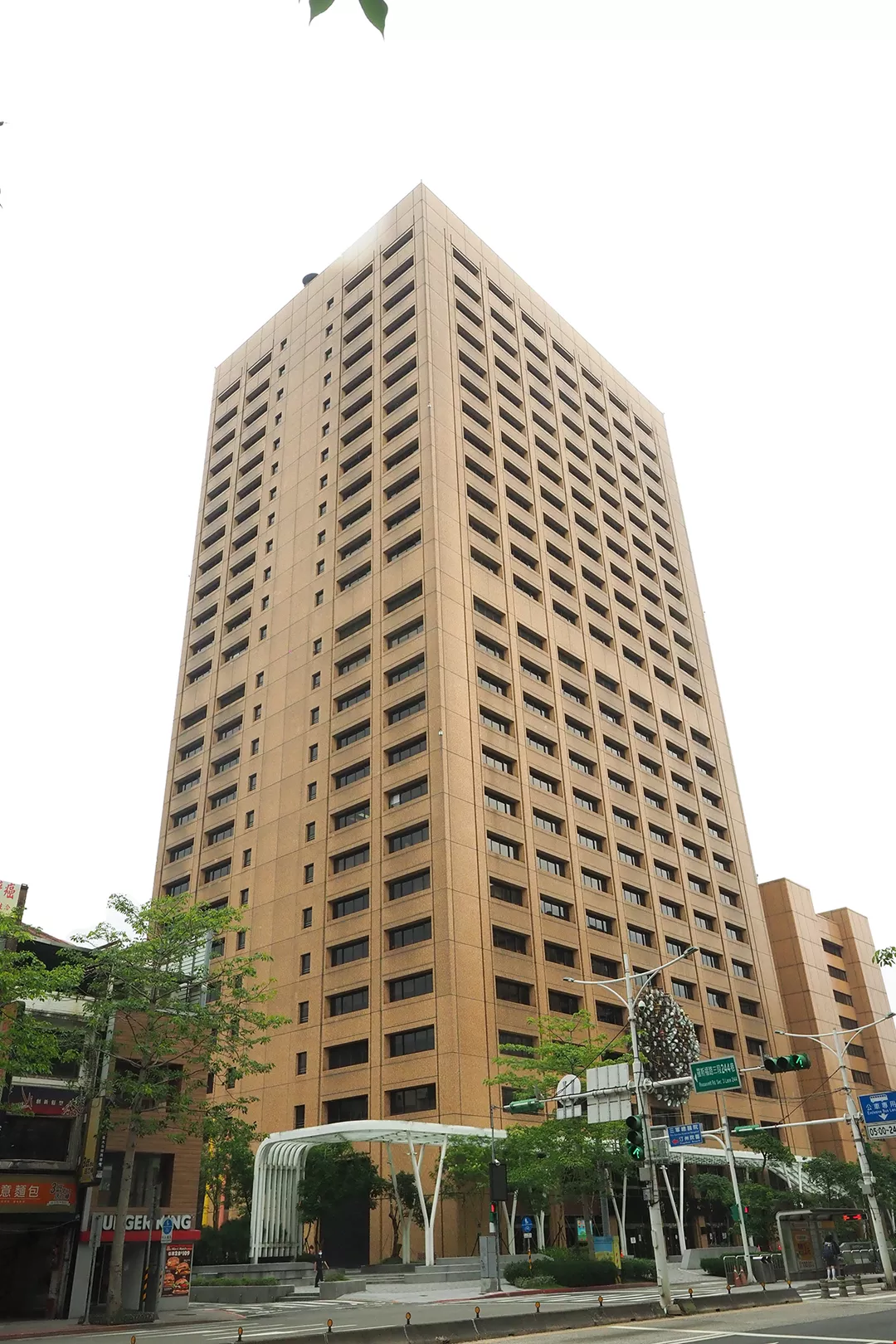
The Taipower Building won a platinum award in the “Renovation” category at the 2018 Asia Pacific Intelligent Green Building Alliance Awards.
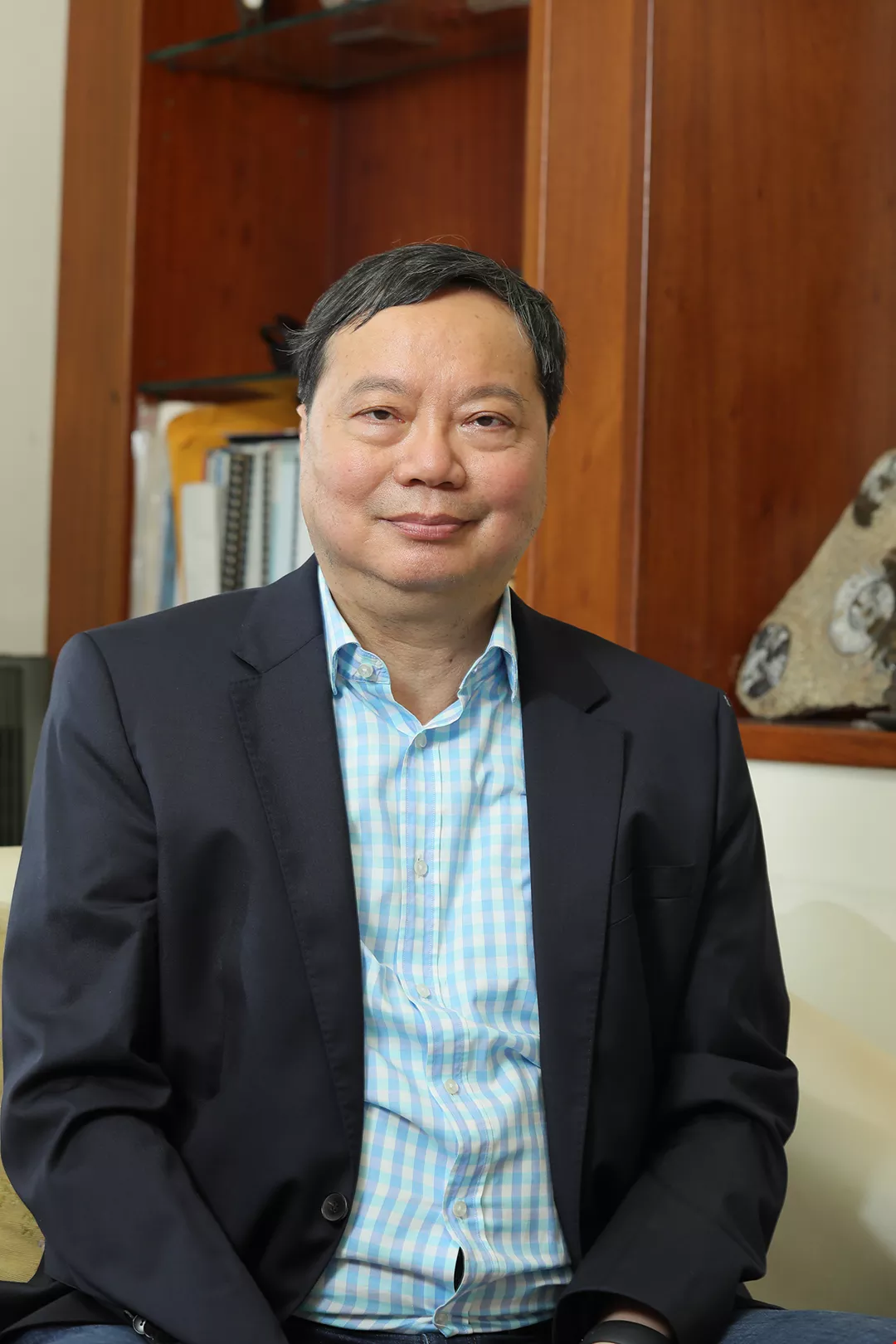
Lucon Automation managing director John J.C. Chen has for many years been doing R&D on monitoring and control systems for intelligent buildings. He was involved in creating the monitoring and control system for Taiwan’s first intelligent building, the Taipower Building.
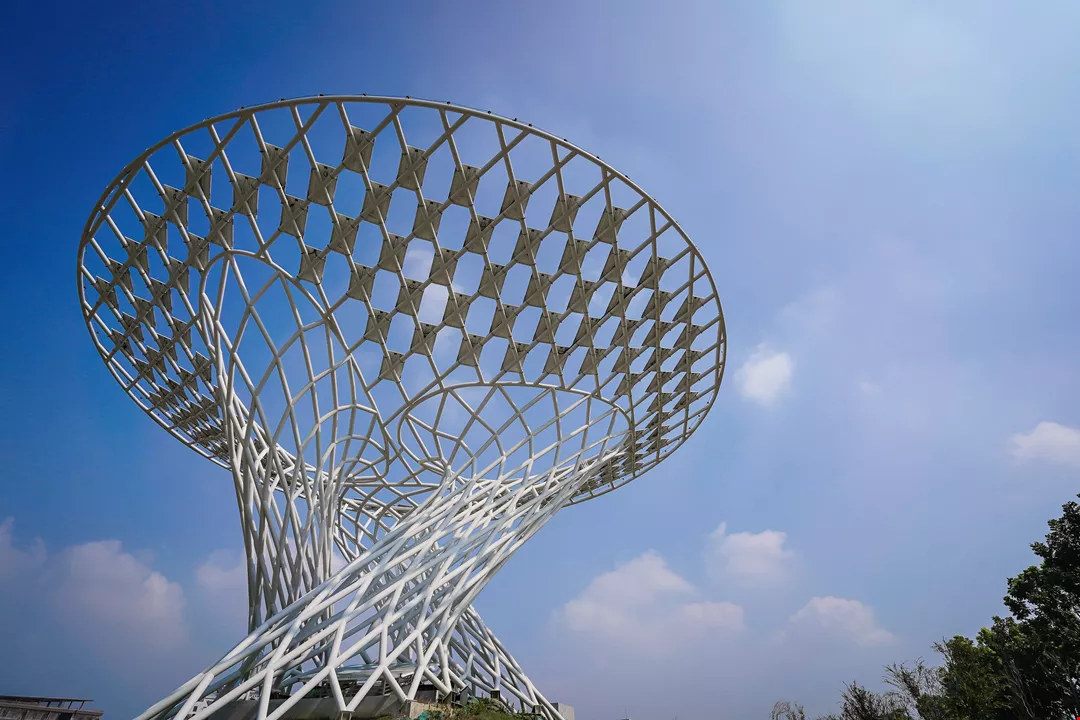
Intelligent buildings that can save energy and enhance sustainability are the wave of the future. (courtesy of ITRI)

@List.jpg?w=522&h=410&mode=crop&format=webp&quality=80)

@List.jpg?w=522&h=410&mode=crop&format=webp&quality=80)


