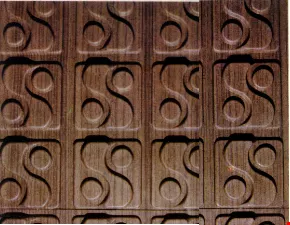
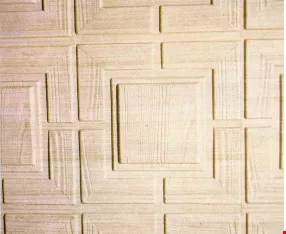
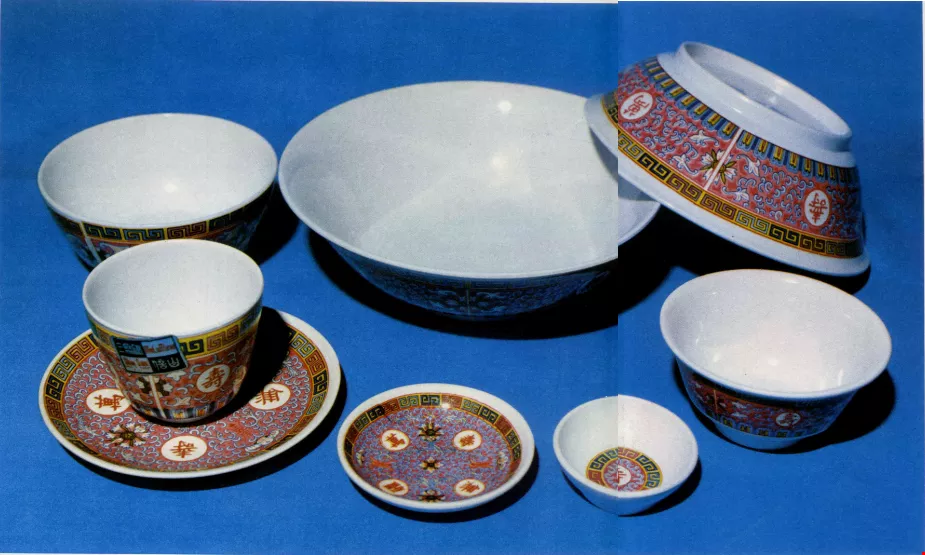
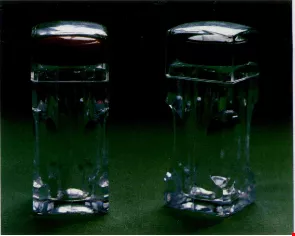
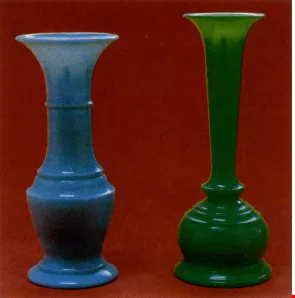
With their good quality and competitive prices, plastic products have for many years been a leading export item for the Republic of China. In 1977, total export value was US$610 million, an increase of nine percent over the previous year. Many well established lines and some newly developed products were on view at an exhibition organized by plastic manufacturers at the Chinese Display Center in Taipei recently. Whilst utilitarian themes predominated, the most eye-catching items were decorative goods whose exquisite appearance belied the connotations usually associated with plastic. Some wall panels, for instance, looked as if they were made of genuine teak, with delicate carved patterns, and only touching or tapping would reveal the difference. The paneling is made of rigid PVC by the Formosa Plastics Corp., largest manufacturer in Taiwan, under a US$33 million project. It is currently being exported to countries in Southeast Asia and Europe, and Formosa is actively engaged in opening up the U.S. market. Imitation porcelain items on view at the exhibition look so much like the original in brightness and delicacy that visitors handle them with great reverence. But in fact, they are made of unbreakable and heat-resistant plastic. As transparent as glass, but not so easily broken, are the small acrylic spice bottles on view. Buddhist deities made of imitation brass and ivory cannot be distinguished from the originals at first glance. If plastics can be made as hard as porcelain, can they also be made as soft as wool? Apparently so, judging from the unshrinkable, colorfast hats made by local manufacturers which have already been exported to the world's fashion center, Paris. Other products attracting attention at the exhibition were Christmas decorations, tents and rafts, all made of Taiwan's versatile plastic.




@List.jpg?w=522&h=410&mode=crop&format=webp&quality=80)


