2016 Tang Prizes Awarded
Liu Yingfeng / photos Tang Prize Foundation / tr. by David Mayer
November 2016

.jpg?w=1080&mode=crop&format=webp&quality=80)
The organizers of the Tang Prize—established as the “Nobel Prize of the East”—held the second Tang Prize award ceremony in late September at the National Dr. Sun Yat-sen Memorial Hall. The six award recipients (or their representatives, in two cases), who accepted their awards from the previous Tang Prize winners, have compiled a record of brilliant accomplishments in the fields of energy, biopharmaceutical science, sinology, and the rule of law. While in Taiwan to receive the awards, the winners and representatives shared their insights on topics of great interest to our nation, including energy and the development of the biotech industry.
The Tang Prize is Taiwan’s first international-level academic prize that grants recognition to accomplished individuals or organizations from around the world. The Tang Prize Foundation was established in 2012 by Samuel Yin, chairman of the Ruentex Group, with an endowment of NT$3 billion. Prizes are awarded in the four categories of Sustainable Development, Biopharmaceutical Science, Sinology, and Rule of Law. Each prize is worth NT$50 million (NT$40 million in cash and a research grant of NT$10 million). The monetary amount of the prize thus tops that of a Nobel Prize, and indeed that of any other academic prize in the world.
This past June, the Tang Prize Foundation announced the winners of the second Tang Prizes for Sustainable Development (US scientist Arthur Rosenfeld), Biopharmaceutical Science (shared by scientists Emmanuelle Charpentier, Jennifer Doudna, and Feng Zhang), Sinology (William Theodore de Bary), and Rule of Law (Louise Arbour).
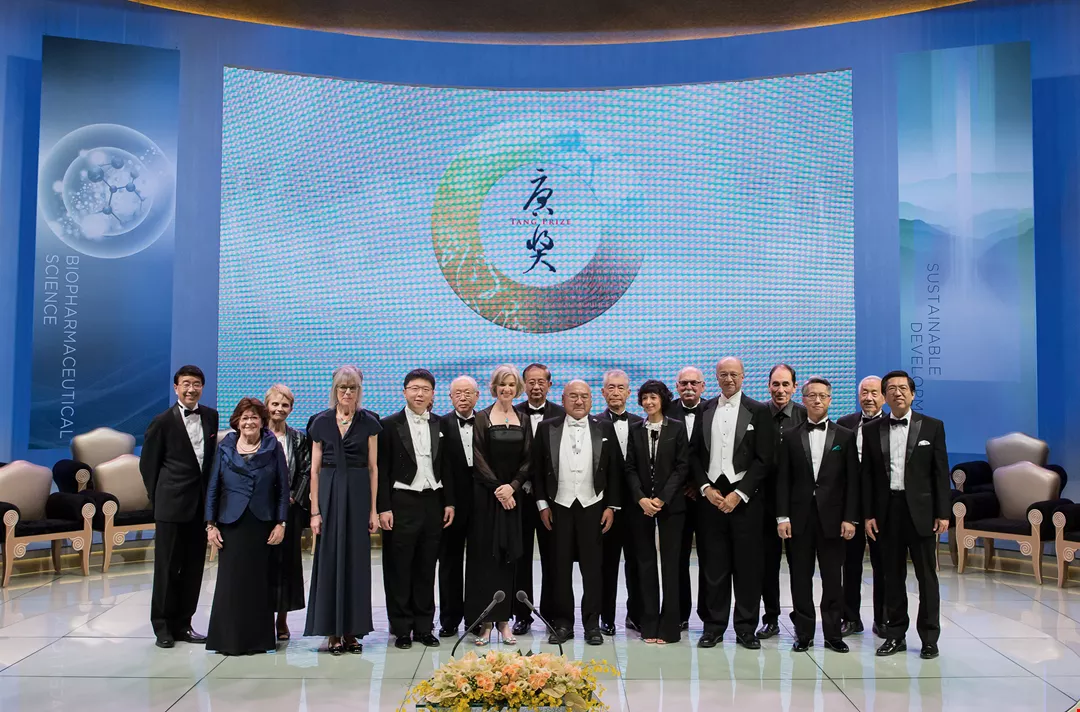
The Dr. Sun Yat-sen Memorial Hall was the scene in late September of the second Tang Prize award ceremony. Tang Prize founder Samuel Yin (center) is shown here with the winners and their representatives.
Godfather of energy efficiency: Art Rosenfeld
The winner in the Sustainable Development category, US scientist Arthur H. Rosenfeld, helped the government of California get through the two big energy crises of the 1970s, and thereafter worked continually to develop energy-efficient light bulbs, smart windows, and other energy-saving technologies.
Known as the “godfather of energy efficiency,” Rosenfeld has spent his career creating new innovations in the field of energy efficiency. At the Lawrence Berkeley National Laboratory he created the Center for Building Science, which developed high-frequency electronic ballasts that made possible compact fluorescent lighting that uses a quarter of the energy of incandescent lighting and lasts over ten times longer. Rosenfeld also innovated low-emissivity “smart windows,” which let in light but block out heat and thus make buildings warmer in the winter but cooler in the summer, while using much less energy.
In addition to his contributions to technology, Rosenfeld also worked actively to develop new energy policies. In the 1970s, as California faced the specter of electric power shortages and many were calling for more coal-fired power plants, Rosenfeld bucked the trend by maintaining that there was no need to build more power plants. Instead, he argued, the problem could be resolved by using energy more efficiently.
He persuaded the California government to adopt efficiency standards for appliances such as refrigerators and air-conditioners. As a result, the power requirement of fridges in California dropped sharply over 25 years, saving US$30 billion in electricity bills. It is estimated that by 2030 such energy standards will have saved a total of US$1.8 trillion and 7 billion tons of CO2 emissions worldwide.
Because the 90-year-old Rosenfeld was unable to make the long trip to Taiwan, he asked a former student, Dr. Ashok Gadgil, to accept the award and deliver an address on his behalf. Gadgil started studying under Rosenfeld in 1973 amidst the US energy crisis, and the two worked together on energy efficiency research. Rosenfeld has continued his research activities ever since. In addition to his work on energy efficiency, he has recently been studying indoor ventilation and water treatment.
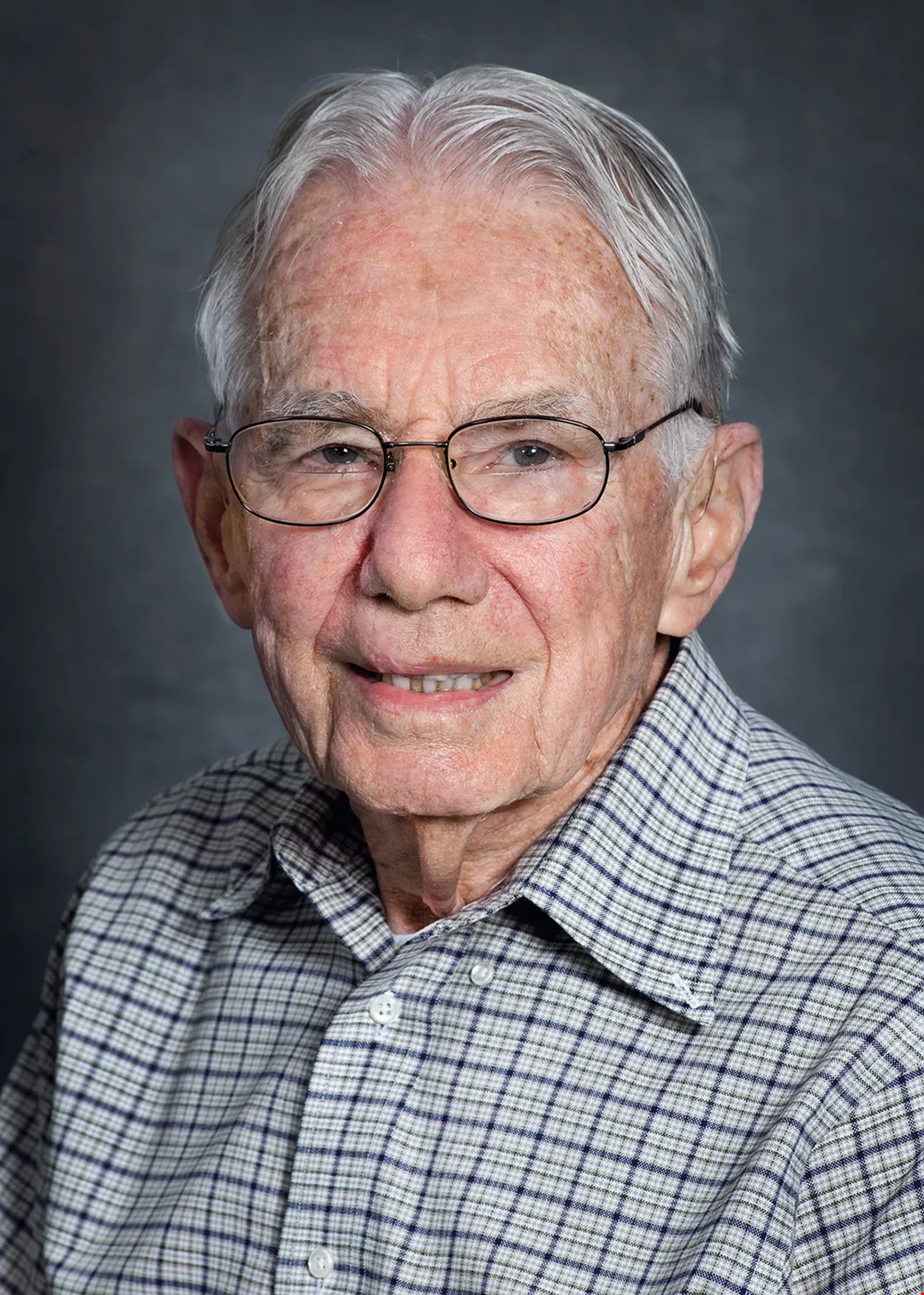
Known as the “godfather of energy efficiency,” Arthur Rosenfeld helped the government of California get through the two big energy crises of the 1970s.
Confucianism no obstacle to modernization
The Tang Prize Foundation established a Tang Prize in Sinology in part to make up for the paucity of international prizes in this field, but more significantly because sinology offers the Western world an important way to learn about Eastern civilization, and is what the greatest number of scholars can agree upon as constituting the field of China studies in its broadest sense. The point of this prize is to place sinology in a broader setting and link it up to a line of historical inquiry that extends back to antiquity, so that the Tang Prize in this field will become an internationally recognized seal of excellence. This year’s recipient, Professor William Theodore de Bary, has been a pioneer in the field, using both Eastern and Western academic focal points and trends to build a bridge between contemporary Confucianism and the rest of the world.
An emeritus professor from Columbia University whose academic career spans nearly 70 years, de Bary has written and edited over 30 books, making groundbreaking contributions to the Western study of Chinese Confucianism and helping to introduce it to a global audience.
During World War II, de Bary served in American military intelligence in the Pacific Theater. After the war, he returned to his alma mater, Columbia University, to continue his studies, eventually receiving a PhD in 1953 and joining the faculty there. Having exerted a huge influence on the field of East Asian studies in the United States, de Bary retired in 1990 and stayed on at Columbia as provost emeritus. In 2013 he was awarded the US National Humanities Medal.
Professor de Bary’s study of Confucianism began with the masterpiece Waiting for the Dawn by Huang Zongxi, a scholar active in the late Ming and early Qing periods. Through this work he strove to understand internal problems China faced through its history, ideals and traditions, free from Western preconceptions, theories, and values. Professor de Bary went on to pioneer the field of Neo-Confucianism in the United States in the 1950s.
David Der-wei Wang, a professor of Chinese literature at Harvard University, notes that de Bary has presided over the translation of Eastern classics at Columbia University, turning out English versions of over 150 classics. This work serves as a key foundation for East Asian studies in the West. Says Wang: “I have truly seen a non-Chinese scholar with a great passion for traditional Chinese learning, with a clear point of view, and a critical mind.” In promoting understanding of Confucianism, de Bary neither praises nor condemns Chinese culture, but argues that the importance of Confucianism lies in the fact that it can complement the shortcomings of Western civilization and foster a global conversation between East and West.
He continues to work even in his nineties to promote a dialogue on human civilization, in 2013 publishing The Great Civilized Conversation: Education for a World Community. Wang Fan-sen, a former vice president of Academia Sinica, points out that de Bary’s view of Confucianism not only has introduced new concepts to the Western world, but has even influenced the world of Chinese letters. His Sources of Chinese Tradition, in particular, has run to multiple editions and is a must on the bookshelves of sinologists.
.jpg?w=1080&mode=crop&format=webp&quality=80)
Ashok Gadgil, a member of the US National Academy of Engineering, delivers an address in Taipei on behalf of Arthur Rosenfeld, winner of the Tang Prize for Sustainable Development.
Genome editing platform sparks major advances
Sharing the 2016 Tang Prize for Biopharmaceutical Science are Emmanuelle Charpentier (a microbiologist from France), Jennifer A. Doudna (an RNA structural biologist from the United States), and Feng Zhang (a Chinese-born US bioengineer), who were selected for their contributions to the development of CRISPR/Cas9, a groundbreaking technology for genome editing in mammalian and human cells that has revolutionized biomedical research and disease treatment strategies.
Known as the “blueprint of life,” the human genome is highly complex, with 3 billion nucleotides; to identify individual genes at the nucleotide level and “edit” out defective genes is like finding a needle in a haystack. But the CRISPR/Cas9 genome editing platform developed by Charpentier, Doudna and Zhang has overcome these difficulties and made it possible to accurately locate and edit defective genes. This technology can be applied to the treatment of human diseases, and may one day even be used to develop new bioenergy sources and improve crops.
CRISPR/Cas (clustered regularly interspaced short palindromic repeats/CRISPR-associated proteins) were originally identified in bacteria and archaea as their adaptive immune defensive systems against invading foreign DNA. Cas9 is an endonuclease which cuts DNA. As an analogy, we can think of Cas9 as a pair of scissors which can precisely cut a string of pearls. The string of pearls is our DNA (or genome), which has 3 billion pearls or nucleotides. To pick out one particular pearl out of the 3 billion is extremely difficult, if not impossible. Remarkably, Cas9 is equipped with a “GPS” system, in this case RNA species, which can guide Cas9 to where the target DNA is.
For many years, those in the biotech field have dreamed of someday finding a way to effectively edit the human genome and advance medical science. Now, the CRISPR/Cas9 platform developed by Charpentier, Doudna and Zhang has brought an unprecedented leap forward in our ability to edit DNA efficiently and accurately. This breakthrough has had a huge impact on both science and medicine, as is evident from the number of studies on related topics published in recent years. As of 2010, fewer than 50 studies had been published in this area, but by 2015 the number had risen greatly. Observers expect the fields of biotechnology and medicine to be the biggest direct beneficiaries of the development of the platform. In the future, we will probably be able to repair defective genes, eliminate cancer-causing genes, and cleave invading viral DNA.
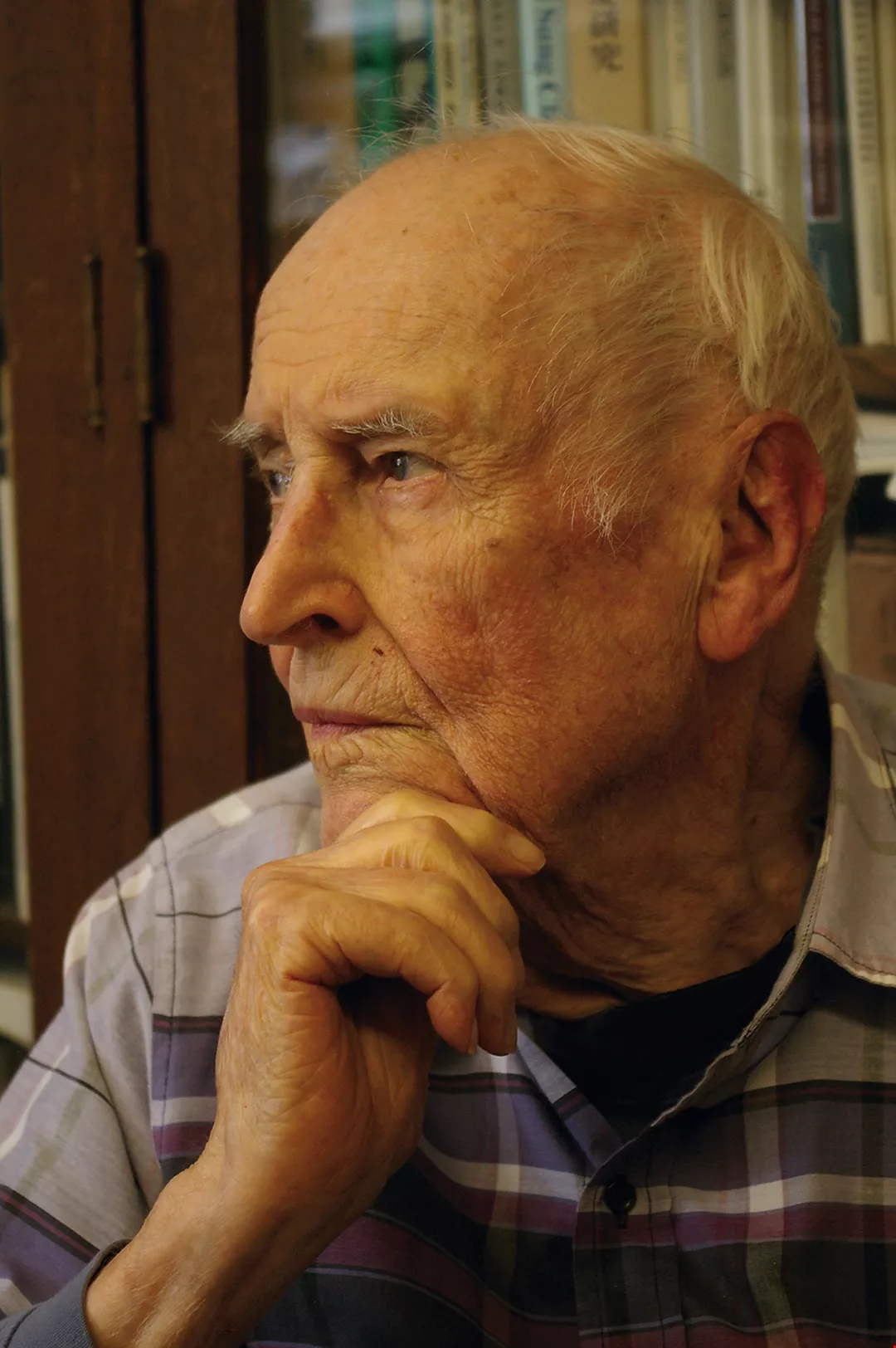
During an academic career that spans nearly 70 years, William Theodore de Bary, winner of the Tang Prize for Sinology, has written and edited over 30 books, making groundbreaking contributions to the Western study of Chinese Confucianism and helping to introduce it to a global audience.
Louise Arbour: Law as a force for good
The winner of this year’s Tang Prize for Rule of Law is the Canadian jurist Louise Arbour, who has long fought for transitional justice, human rights within the correctional system, and the abolition of capital punishment. Among her most notable contributions are those made during her tenure (1996‡1999) as chief prosecutor for the United Nations International Criminal Tribunals for the former Yugoslavia (ICTY) and for Rwanda (ICTR). In both these tribunals, she led the effort to prosecute national leaders who engaged in genocide during civil wars in those two countries.
While serving as a judge of the Court of Appeal for Ontario, Arbour headed an inquiry into incidents of abuse at a women’s prison. The incidents violated the basic human rights of female inmates and minorities.
After completing the inquiry she released the Arbour Report, which recommended that the administration of correctional institutions be brought back in line with the Canadian Constitution and other legislation. In addition, the report put forward recommendations regarding the rights of female inmates and minorities. The report sparked a round of reforms to Canada’s correctional service.
While on the bench of the Supreme Court of Canada, Arbour contributed to judgments advancing the protection of human rights in several areas of the law. The court, for example, struck down the prisoner disenfranchisement law, and Arbour advocated that imprisonment is no reason to disregard inmates’ basic rights.
In 1996 Arbour was appointed by the UN Security Council as chief prosecutor of the ICTY and ICTR.
The ICTY and ICTR were only just getting set up at the time, and while they were very much in the limelight, it was actually very difficult for them to achieve their purpose of bringing war criminals to trial. However, Arbour made skillful use of her under-resourced organizations and overcame many complex obstacles related to international politics, persuading numerous countries and the North Atlantic Treaty Organization to cooperate. She successfully achieved the arrest of major war criminals, and prosecuted former Yugoslavian dictator Slobodan Milosevic and others.
The work of the ICTY and ICTR reaffirms the significance of international criminal justice for post-conflict communities in the search for peace, justice, and reconciliation.
After stepping down as chief prosecutor of the ICTY and ICTR in 1999, Arbour returned to Canada and became a Supreme Court justice. Then in 2004 she became the UN High Commissioner for Human Rights.
The 69-year-old Arbour has spent her entire career fighting for human rights. During remarks delivered at the Tang Prize awards ceremony, she quoted the 19th-century French preacher Henri Lacordaire: “Between the strong and the weak, between the rich and the poor, between the master and the slave, it is freedom which oppresses and the law which sets free.” Expressing her firm belief in law as a force for good, Arbour stated that humans seek justice and accountability, and must not give in to despair.
After the conclusion of the awards ceremony, Jennifer Doudna and Rachel Chung (representing Prof. de Bary) proceeded to National Chung Hsing University and National Central University, respectively, to take part in round-table discussions with young Taiwanese students, whom they encouraged to be curious and stay open-minded.
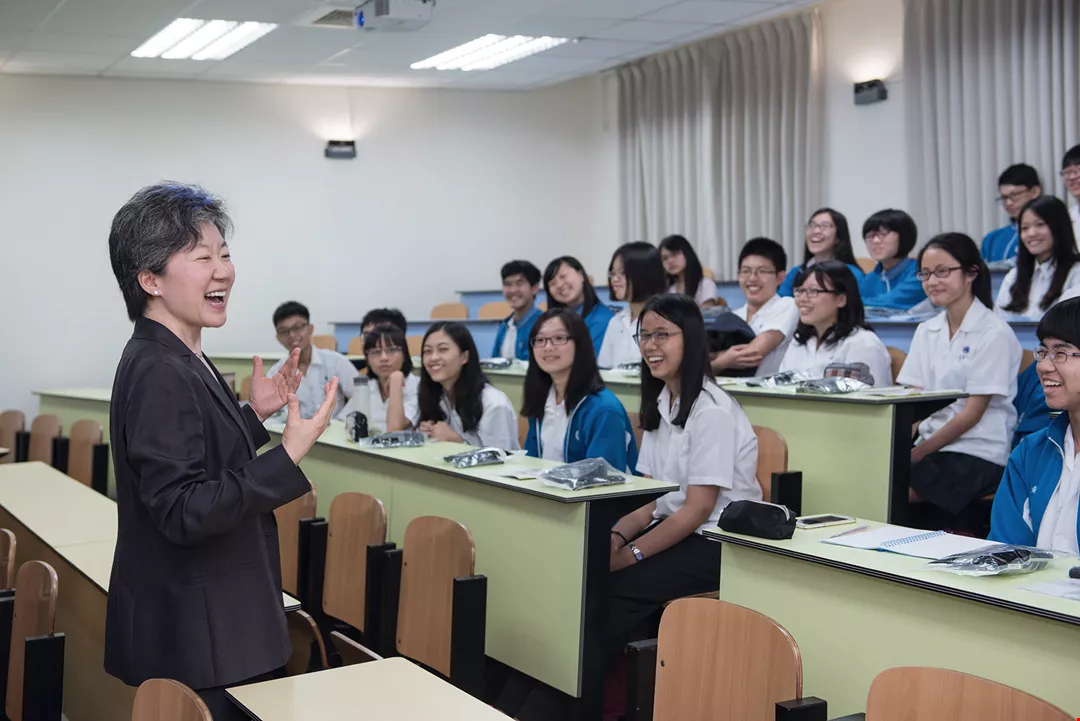
At National Central University Rachel E. Chung, associate director of the Columbia University Committee on Asia & the Middle East, took part in a wide-ranging discussion of sinology with local high-school students, whom she encouraged to engage in active cultural exchange between East and West.
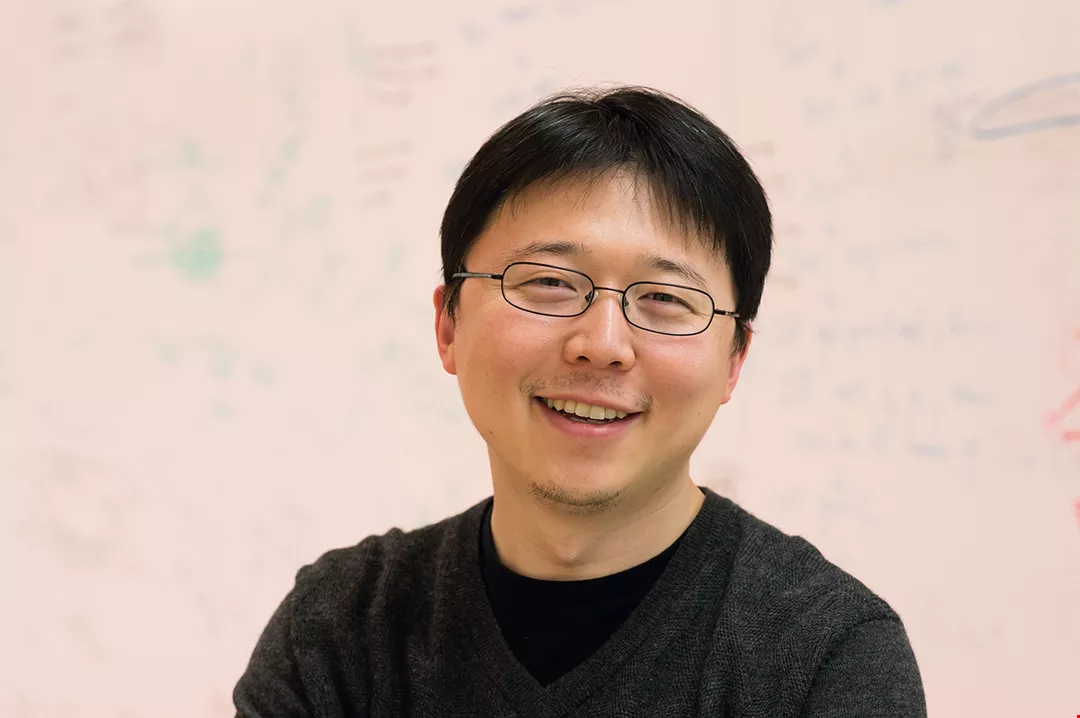
Chinese-American bioengineer Feng Zhang, microbiologist Emmanuelle Charpentier and American RNA structural biologist Jennifer Doudna were jointly awarded the 2016 Tang Prize for Biopharmaceutical Science for their contributions to the development of a groundbreaking technology for genome editing.
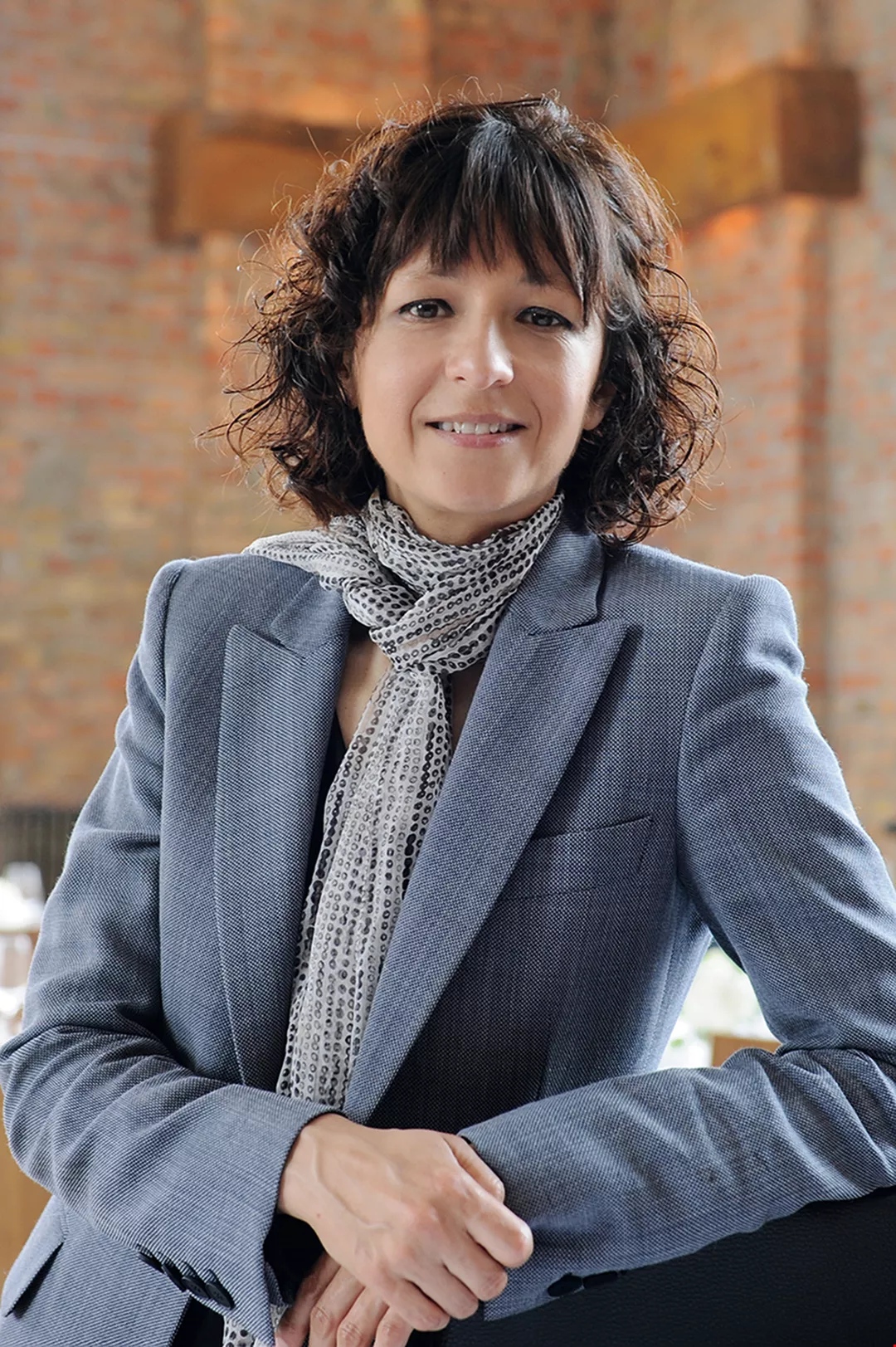
French microbiologist Emmanuelle Charpentier, American RNA structural biologist Jennifer Doudna and Chinese-American bioengineer Feng Zhang were jointly awarded the 2016 Tang Prize for Biopharmaceutical Science for their contributions to the development of a groundbreaking technology for genome editing.
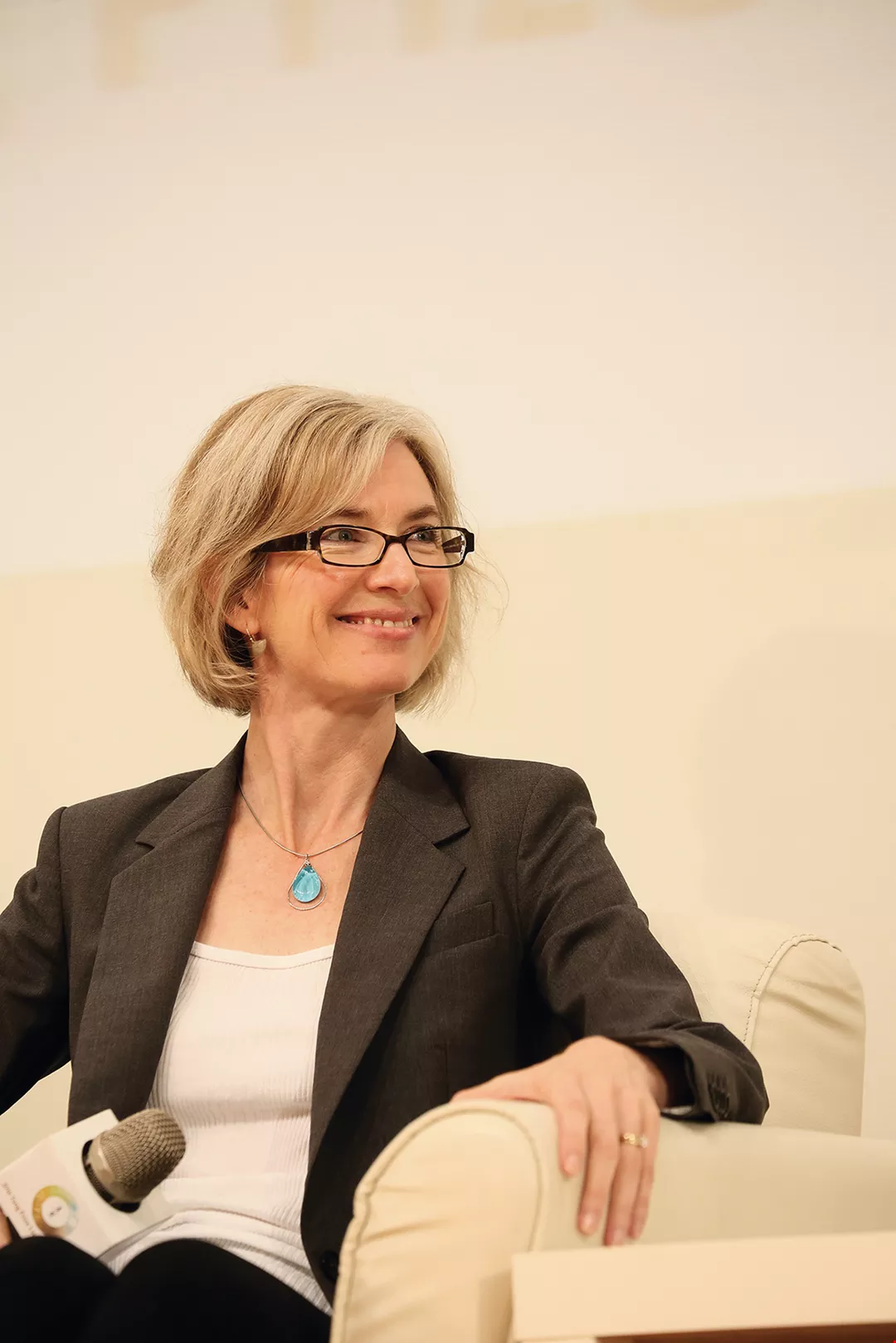
American RNA structural biologist Jennifer Doudna, French microbiologist Emmanuelle Charpentier and Chinese-American bioengineer Feng Zhang were jointly awarded the 2016 Tang Prize for Biopharmaceutical Science for their contributions to the development of a groundbreaking technology for genome editing.
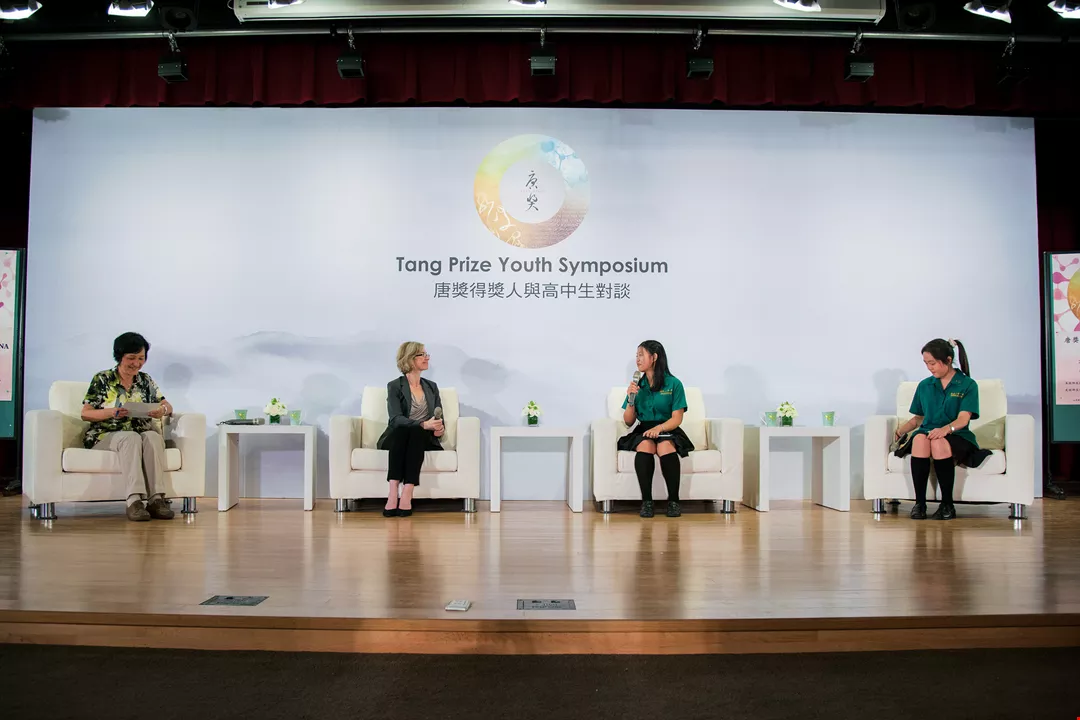
Jennifer Doudna speaks to students from Taipei First Girls High School about her academic career, and encourages them to courageously pursue their interests no matter what difficulties they may encounter.
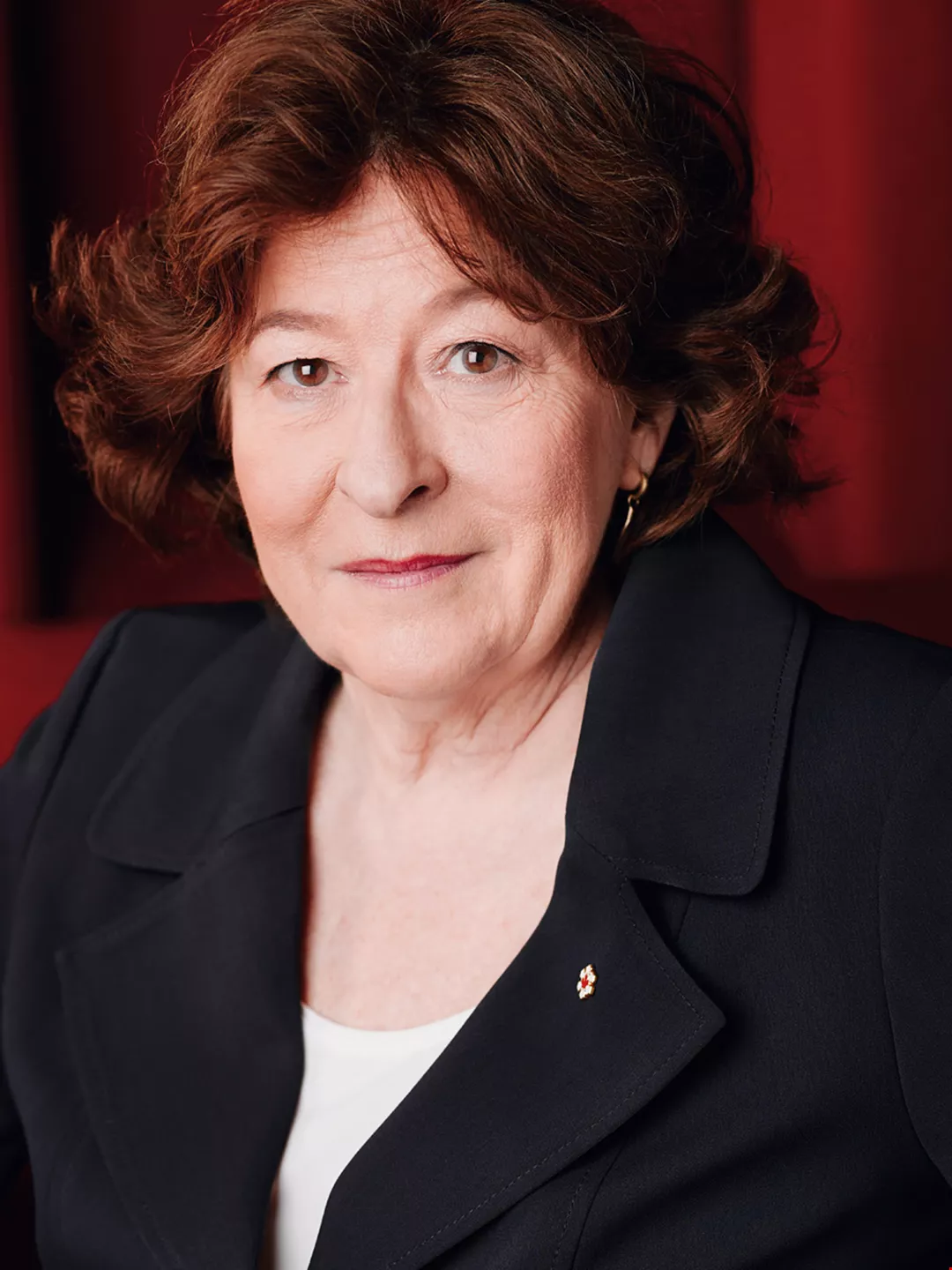
Canadian jurist Louise Arbour, winner of this year’s Tang Prize for Rule of Law.
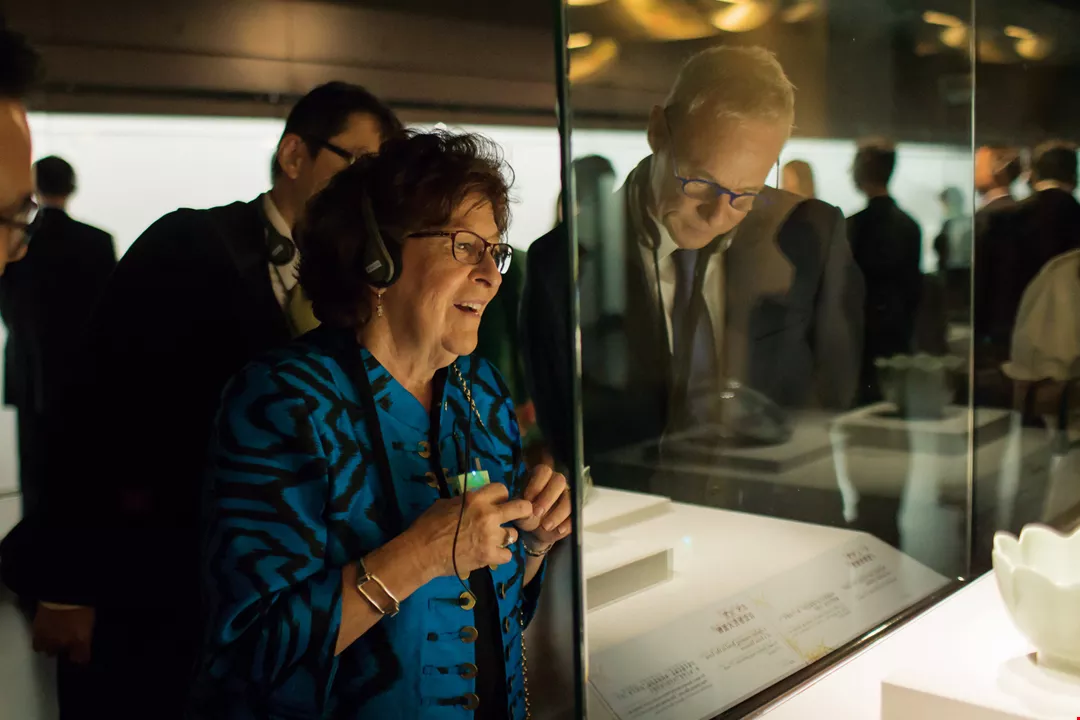
Canadian jurist Louise Arbour has spent her entire career fighting for human rights. While in Taiwan to receive her Tang Prize for Rule of Law, she went to the National Palace Museum to see “Viewing Nature in Chinese Art: A Special Exhibit of Select Artifacts from the Museum Collection to Celebrate the 2016 Tang Prize.”


@List.jpg?w=522&h=410&mode=crop&format=webp&quality=80)


