Powerful Tools for Biotechnology-Biochips
Chang Chiung-fang / photos Hsueh Chi-kuang / tr. by Robert Taylor
September 2000


Worldwide, biotechnology is a rising star of the industrial stage.
In Taiwan, in recent years the Ministry of Economic Affairs, the National Science Council and the National Health Research Institutes have been strongly pursuing "biochip" research programs. In the last two years, three biochip companies have also been set up in Taiwan.
Just what are biochips? What use are they to mankind? Why do so many people have such confidence in their future? What is the current state of this field in Taiwan? And what are the prospects for future development? Let's take a closer look.
In just a few years' time, or a few decades, the following scenario could become a reality: When you're feeling under the weather, all you need to do is buy a diagnostic biochip from the chemist's shop, put a drop of urine onto it, and you will find out what is wrong with you-a health check will be as easy as a pregnancy test today.
Everyone will carry with them a biochip bearing a record and analysis of their own DNA. From it one will not only be able to see one's own physical condition, but even to predict what diseases one will have in the future. It will be like an ID card, needed when looking for work, buying insurance or even seeking a partner for love and marriage.
Laboratories will no longer need all kinds of large instruments, for all stages of their experiments will be carried out on little biochips, saving time, effort and money.
Today, the scenes outlined above may just seem like pipe dreams. But these dreams could yet come true, and the key to that happening is those little biochips.
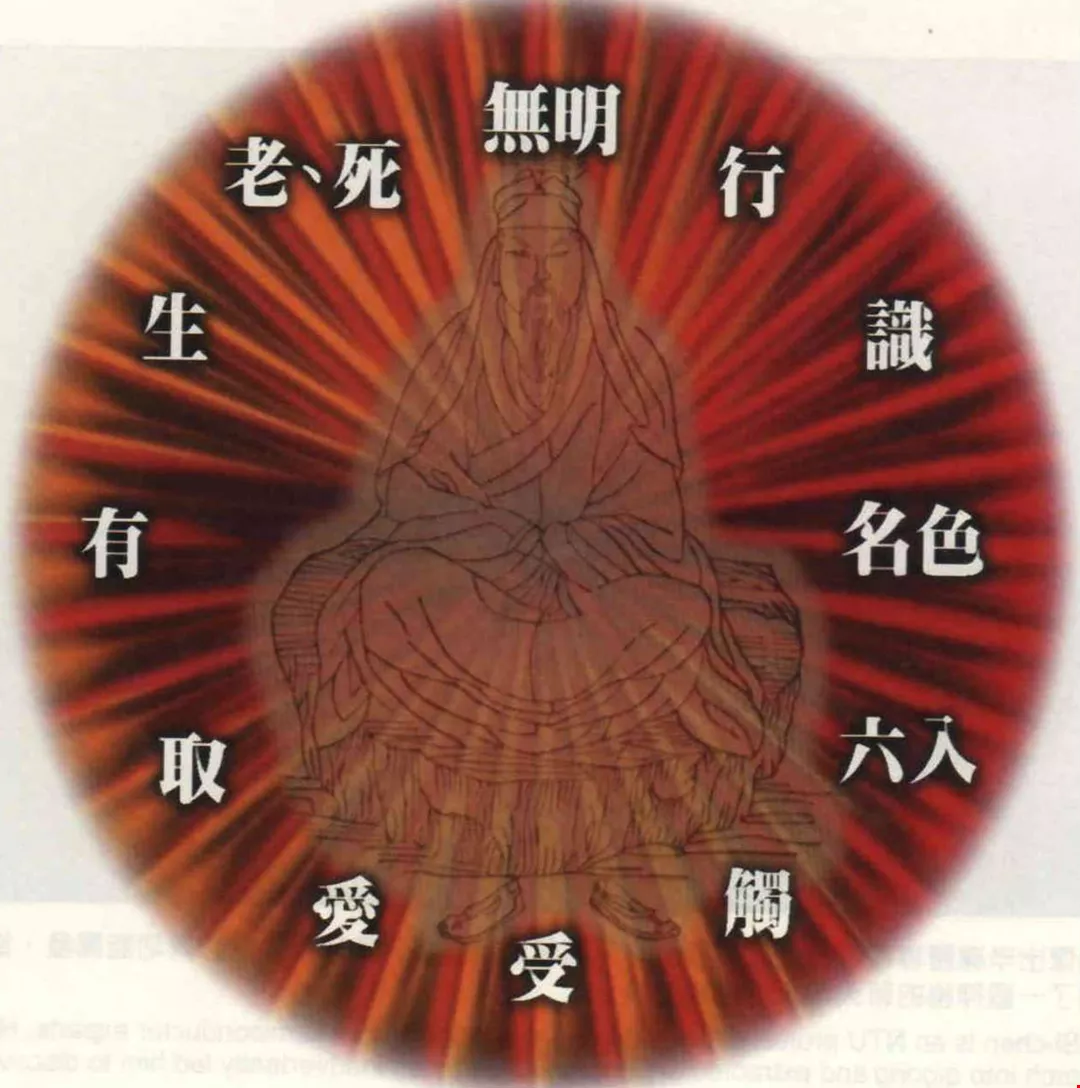
Humanity's attachment to the world of the senses has caused it unending suffering. Buddhism's "twelve links of dependent origination" are aimed at getting people to loosen their grip on the material world and return to their true selves. Many questions that have stumped scientists after a lifetime of effort turn out to have been answered by religion long before. (photo by Jimmy Lin)
A dream come true?
Developments such as the sequencing of the human genome and the rapid development of genetic engineering have spawned biotechnology industries like bioinformatics, biomaterials and pharmaceutical engineering, which have emerged as the rising stars of 21st-century industry.
As part of the government's efforts to promote the biotechnology industry in Taiwan, in July 1999 the Industrial Technology Research Institute (ITRI) set up the Biomedical Engineering Center (BMEC) to actively develop biomedical engineering technologies. Biochips are one of the core technologies in the field.
BMEC general director Dr. Johnsee Lee says that the ITRI's four-year R&D program in biochip applications and technology is now in its second year. Its initial objectives are mainly focused on developing sensor chips to screen for infectious diseases, while later goals will be to develop technologies to test for genetic diseases and cancers.
As well as this new research establishment, in the two years since September 1998 three commercial companies have been set up in Taiwan to make biochips: U-Vision Biotech, Taiwan Genome Sciences and DR. Chip Biotechnology. Of these, DR. Chip attracted much attention this year when it developed a chip to detect enteroviruses, a deadly epidemic of which has gripped Taiwan over the last two years.
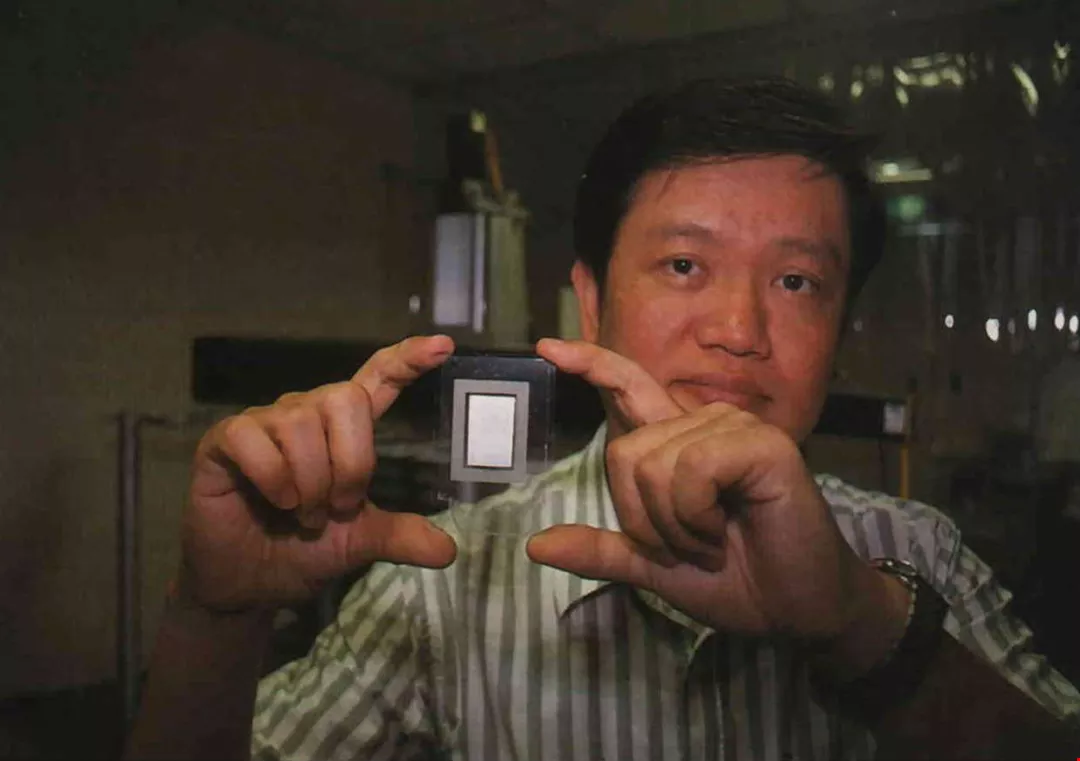
The cheaper nylon-based biochips developed by Konan Peck, an associate research fellow at Academia Sinica's Institute of Biomedical Sciences, have been called the "poor man's biochip." They have a bright future.
Fever chips
DR. Chip Bio-technology was set up in September 1998. Vice president Wang Shin-hwan states that the company successfully applied to the Ministry of Economic Affairs for funding to help it pursue a development program for enterovirus detection chips and test technology. Today, the enterovirus chip is in the testing phase, and DR. Chip is collaborating with Taipei Veterans General Hospital to obtain samples with which to establish the accuracy of the chip.
What is so remarkable about the enterovirus detection chip when compared with traditional test methods?
There are 68 known forms of non-polio enterovirus. The detection chip does not simply determine whether a person is infected with enterovirus, but can also differentiate between different virus groups, for instance showing whether a sample contains the deadly Entero 71 virus, or Coxsackie A16, which is easily confused with Entero 71.
In addition, the chip and its accompanying PCR kit greatly reduce the time required for testing. Wang Shin-hwan notes that traditional bacterial and viral cultures take seven to ten days to prepare, and even with the newer molecular biology testing techniques it takes three days to get a result. But DR. Chip has developed methods to reduce the sample preparation time, which enables a result to be obtained in only six hours when used in combination with their enterovirus chip. Furthermore, the initial results of joint trials by DR. Chip, Chang Gung University and National Cheng Kung University suggest that the chip is over a thousand times more sensitive than traditional test methods.
"In addition to enterovirus, we plan to develop chips to detect other infectious diseases such as hepatitis B, hepatitis C and HIV," says Wang Shin-hwan.
Apart from the enterovirus chip, which is already at the testing stage, the ITRI's Molecular Biomedical Technology Division is also conducting research and development on biochip applications and technology. Research program director Pan Chao-chi states that at present they are actively developing a "fever chip" with a wide range of applications. Pan explains that in clinical practice, the causes of fever are difficult to quickly diagnose. A "fever chip" bearing the DNA of common fever-causing viruses and bacteria could be used to determine the cause of the fever and the type of pathogen involved would be a valuable tool.
However, Pan points out that because of the difficulties in substantially reducing the time needed for sample preparation, the usefulness of such a fever chip is still limited, so that it cannot yet be widely promoted.
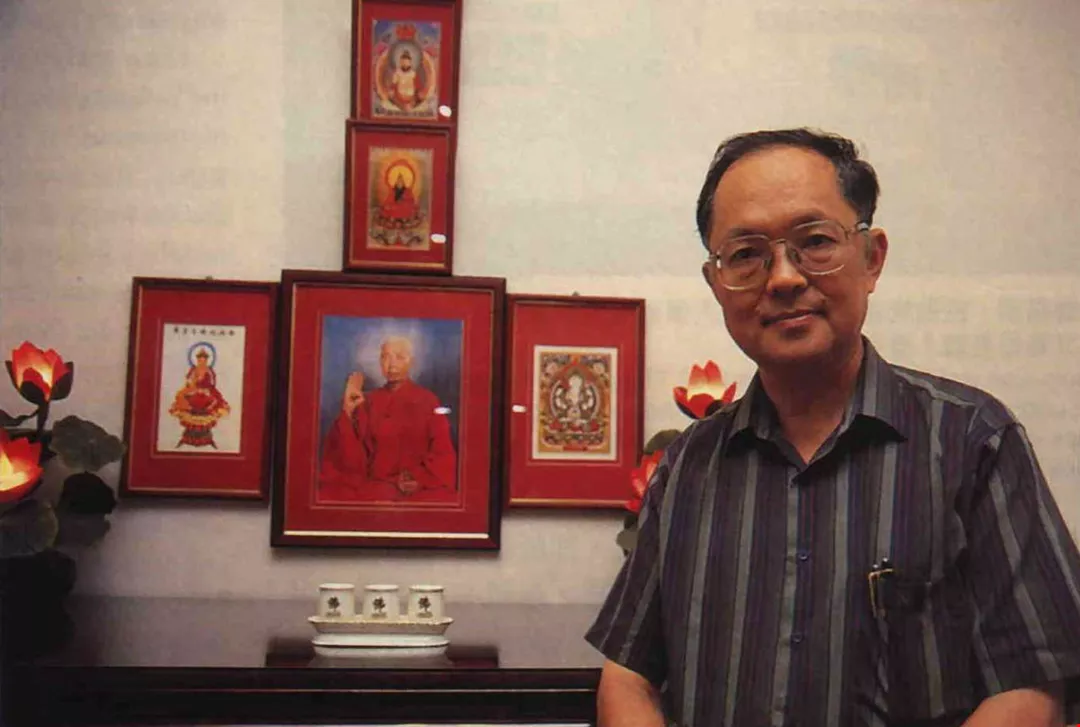
Liang Nai-tsung, who is both a physicist and a high-ranking tantric Buddhist monk, has devoted many years of hard work to exploring the connections between science and Buddhism. His research has caused quite a stir.
Where the real money is
At present, most applications for biochips are in academic research and the development of new pharmaceutical drugs. Demand for them is growing rapidly.
Johnsee Lee says that according to US market research estimates, the worldwide annual consumption of microarray chips is currently around 250,000; in two years this is expected to grow to 1.2 million. Based on a market price per chip of US$1,000, the size of the world market in biochips could grow to US$1.2 billion in 2003, and to US$40 billion over the next decade. Thus some people have set their sights on the biochip market, and believe that following Taiwan's success in the semiconductor field, the island could go on to be a major center for contract manufacture of biochips.
Be that as it may, the small number of biochip companies so far established in Taiwan still find their market in domestic research establishments and pharmaceuticals manufacturers. Although they are also actively developing overseas markets, what interests them most is not biochips per se, nor are they content merely to be contract manufacturers.
"The chips are only a tool, and the big money is not in chip sales. What counts is the R&D behind them." Jerry Huang, executive vice president of U-Vision Biotech, reveals that U-Vision, which was set up in September 1999, has signed a contract with the US company Zen-Bio to jointly develop human adipocyte cDNA microarray chips.
Huang states that research in recent years has revealed that adipocytes (fat cells) are active regulators of the energy balance in the body, and play an important role in disorders such as obesity, diabetes, osteoporosis and cardiovascular disease. Thus it is hoped that research into human adipocytes can help in the search for drugs and other therapies to treat these disorders.
Apart from this, U-Vision is also conducting a one-year bacterial genome project, which aims to map the genome of a certain drug-resistant bacterium as a basis for developing new vaccines and drugs.
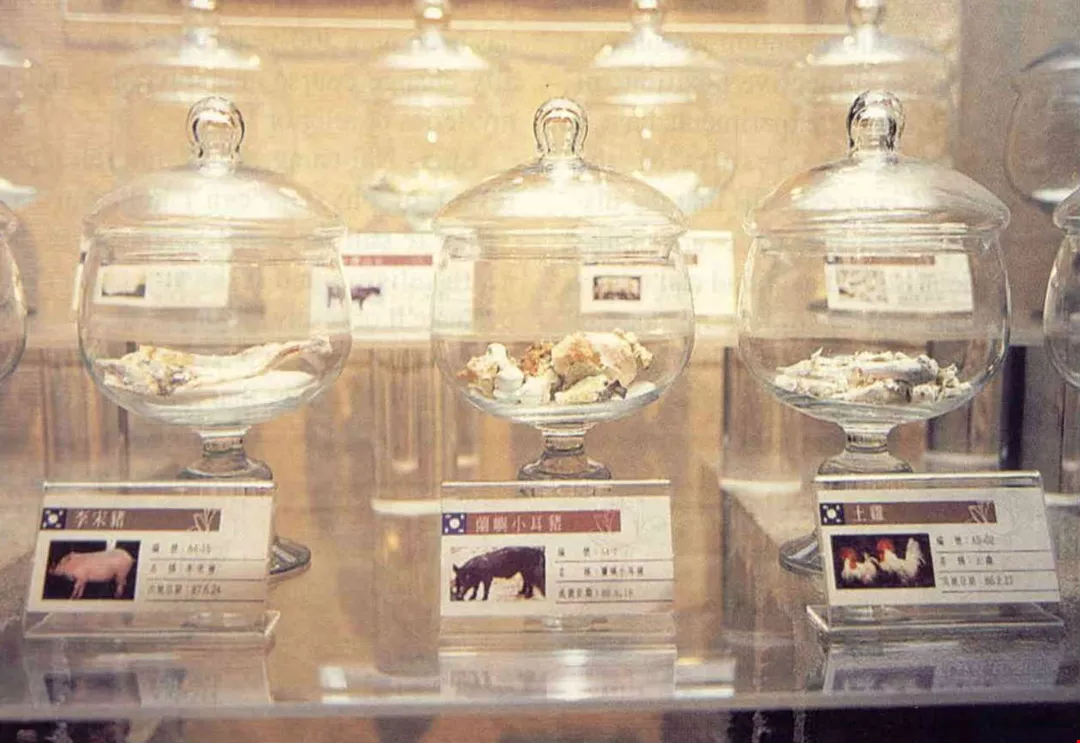
Can the cremation of animals also yield holy Buddhist relics? The pellets (which are traditionally associated with living Buddhas) taken from the ashes of the cremated animals of Forshang Buddhist devotees are indeed composed of animal bone. But it is still unclear how they were made or what they mean.
Drug development
Taiwan Genome Sciences (TGS), which was set up in November 1999 as a joint venture by the Uni-President Enterprises Group, Yuen Foong Yu and Tuntex Groups, only entered the biotechnology fray in April of this year. CEO Andrew Kuo says the investors came to the view that Taiwan needs to develop its biotechnology industries, and therefore they combined their resources to make a long-term investment in the field.
TGS's strategy is to invest in a number of US genome research companies, and to sign technology transfer agreements and chip production contracts with them. Kuo comments that contract production of chips is merely a service activity and a source of income for the company-TGS's ultimate goal is in doing R&D work to identify gene sequences as targets for developing new drugs.
Kuo states that at present, the number of known target sequences for disease-treating drugs is only around 500, but as the human genome is mapped out this number can be expected to increase tenfold. Currently, TGS has its sights set mainly on doing research into diseases which are especially prevalent in Asia, such as liver and stomach cancers.
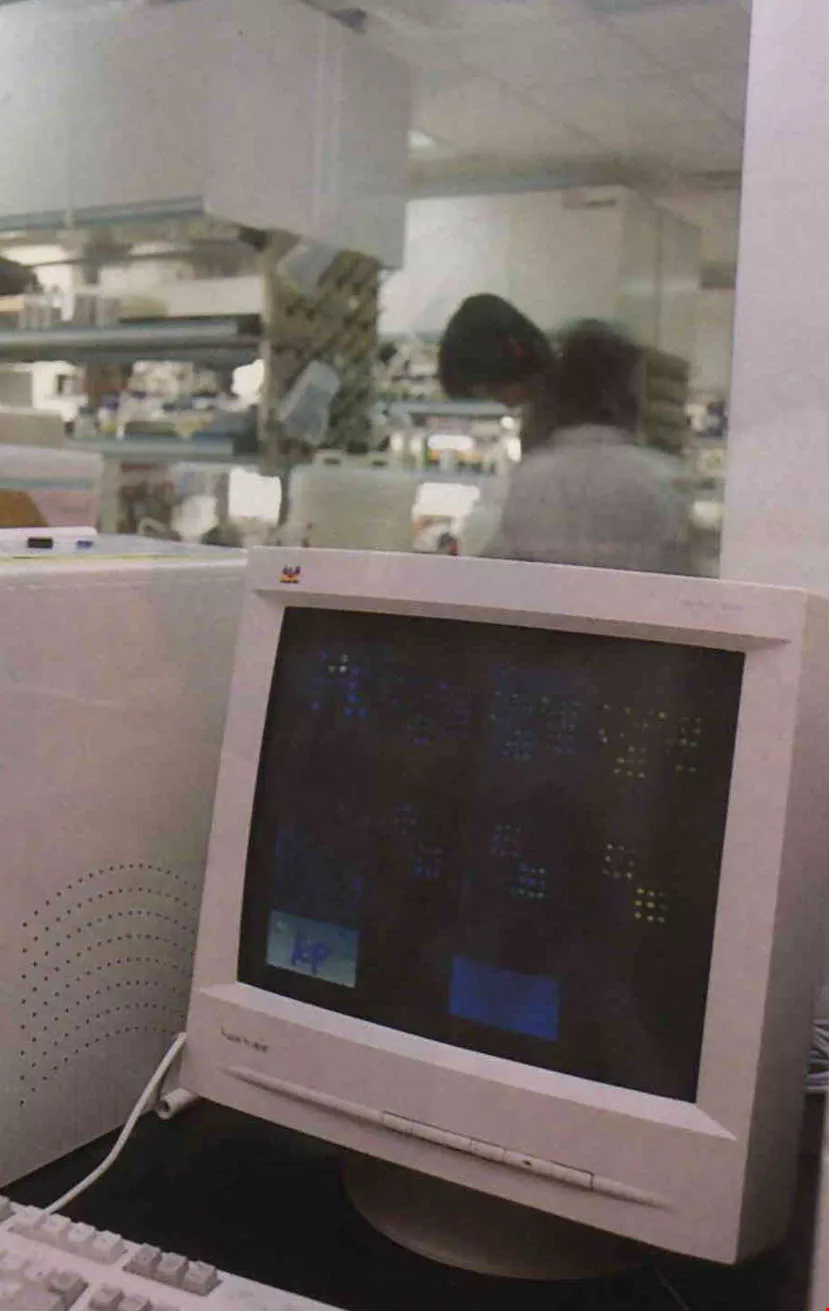
A biochip can test the expression of tens of thousands of genes simultaneously. The results of the hybridization reaction are displayed on a computer screen.
A chip revolution
However, the potential uses for biochips go far beyond the medical applications outlined above.
Dr. Johnsee Lee, who as well as heading up the Biomedical Engineering Center is also general director of Union Chemical Laboratories, a research institute under the ITRI umbrella, says that due to biochips' advantages of miniaturization, parallelism, speed and the ability to reveal the "big picture," they have a very wide range of applications. They can not only be used as a research tool in biological, medical and pharmaceutical research and development, and as a clinical diagnostic tool for doing health checks, testing for infectious pathogens, screening blood and so on, but they can also find uses in such areas as defense applications, police forensic work, environmental testing and food testing.
Biochips come in two main types: the microfluidics chip or "lab-on-a-chip," and the microarray chip or "DNA chip." Microfluidics chips bring together biotechnology, microelectronics, micromachining and other technologies to integrate the functions of multiple laboratory instruments onto a single chip in miniaturized form. Meanwhile on microarray chips, biological molecules such as gene segments, oligonucleotides, proteins or antibodies are bound to the chip surface in an array of tiny spots, and a single chip may carry many tens of thousands of such spots.
BMEC researcher Pan Chao-chi uses the example of blood screening for a blood bank to illustrate the difference between the two kinds of chips. To test a blood sample using a microarray chip, the sample must first go through many preparatory steps such as purification, nucleotide extraction, copying, amplification and labeling before being put onto the chip where the "hybridization" reaction takes place. Finally, the results are analyzed using a detection system. Hence these chips are only suitable for use in the laboratory.
In contrast, with a lab-on-a-chip system, all the laboratory preparation stages will be done on the chip itself, so that the user need only place a drop of blood directly onto the chip to obtain a result.
At present, microfluidics technology is not yet mature, and no such chips have been launched as commercial products anywhere. But, says Pan Chao-chih: "This is the way future biochip development will go."
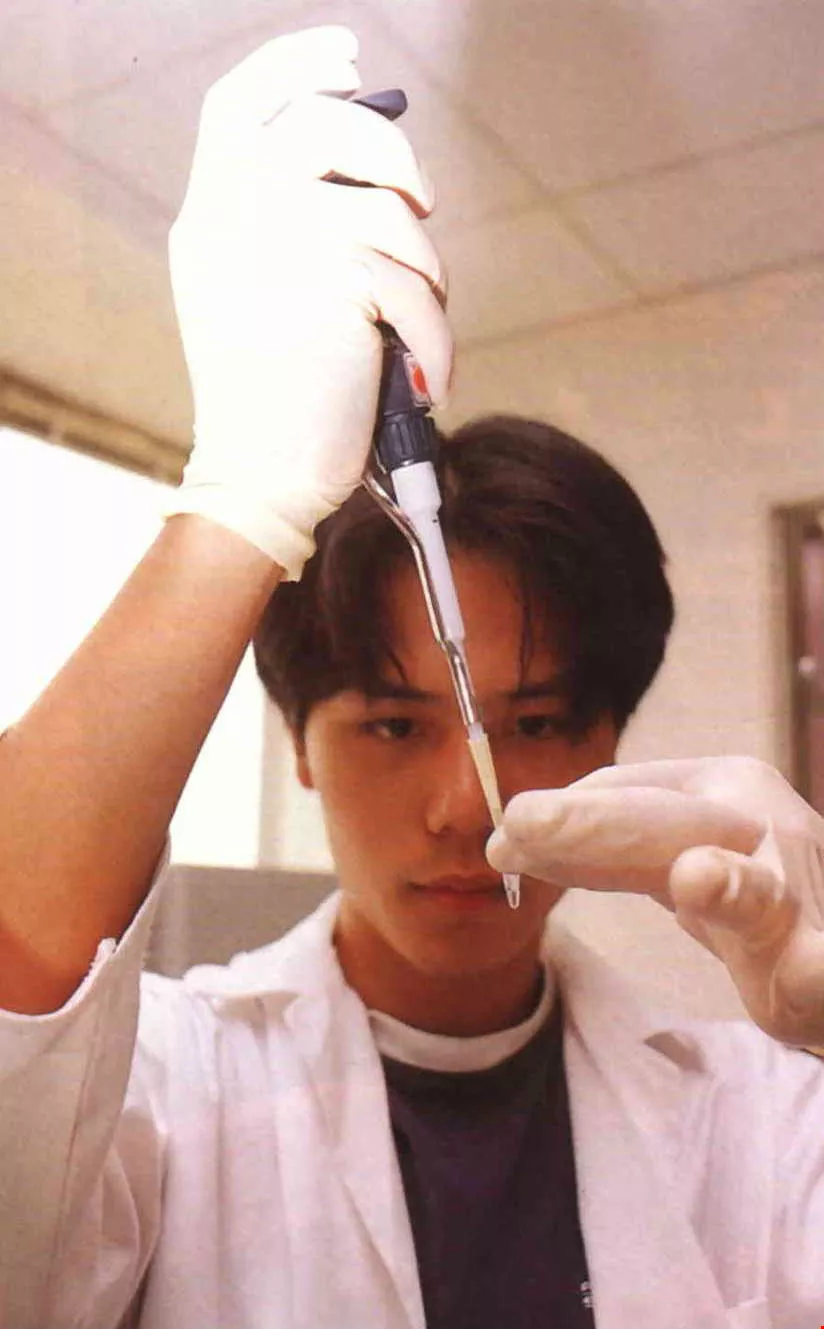
Biochips come in two types. Microarray chips, which have already reached the market, are mainly used for research purposes, because the preparation of samples still needs to be done in the laboratory.
The poor man's chip
Future prospects also seem infinite for microarray chips, which are already widely used in laboratories and research establishments.
Jerry Huang notes that DNA chips are an indispensable research tool in molecular biology. On one little biochip, tens of thousands of gene segments can be arranged to simultaneously detect the expression of tens of thousands of genes. In other words, whereas in the past researchers had to investigate each gene individually, today, using biochips, they can obtain test results for tens of thousands of genes at once.
In particular, biochips not only can speed the pace of research, but can also replace laboratory animals such as rats and rabbits in many experiments, with tests being carried out directly on human genes on the chip. Thus as research tools biochips are not only convenient and quick, but also more humane.
Dr. Konan Peck, an assistant research fellow at Academia Sinica's Institute of Biomedical Sciences (IBMS), says that biochips need to be made more widely available as a molecular biology research tool. With this in mind, Peck has developed nylon-based biochips which have been called "the poor man's biochip," since they cost a third less than glass chips. Apart from the material itself being cheaper, the nylon chips use a visible-spectrum colorimetric system to display results, so that they can be read using an ordinary optical scanner, which costs 50-70% less than using a special laser detector.
The nylon membrane biochips currently produced by TGS and U-Vision Biotech are all derived from the technology developed by Konan Peck.
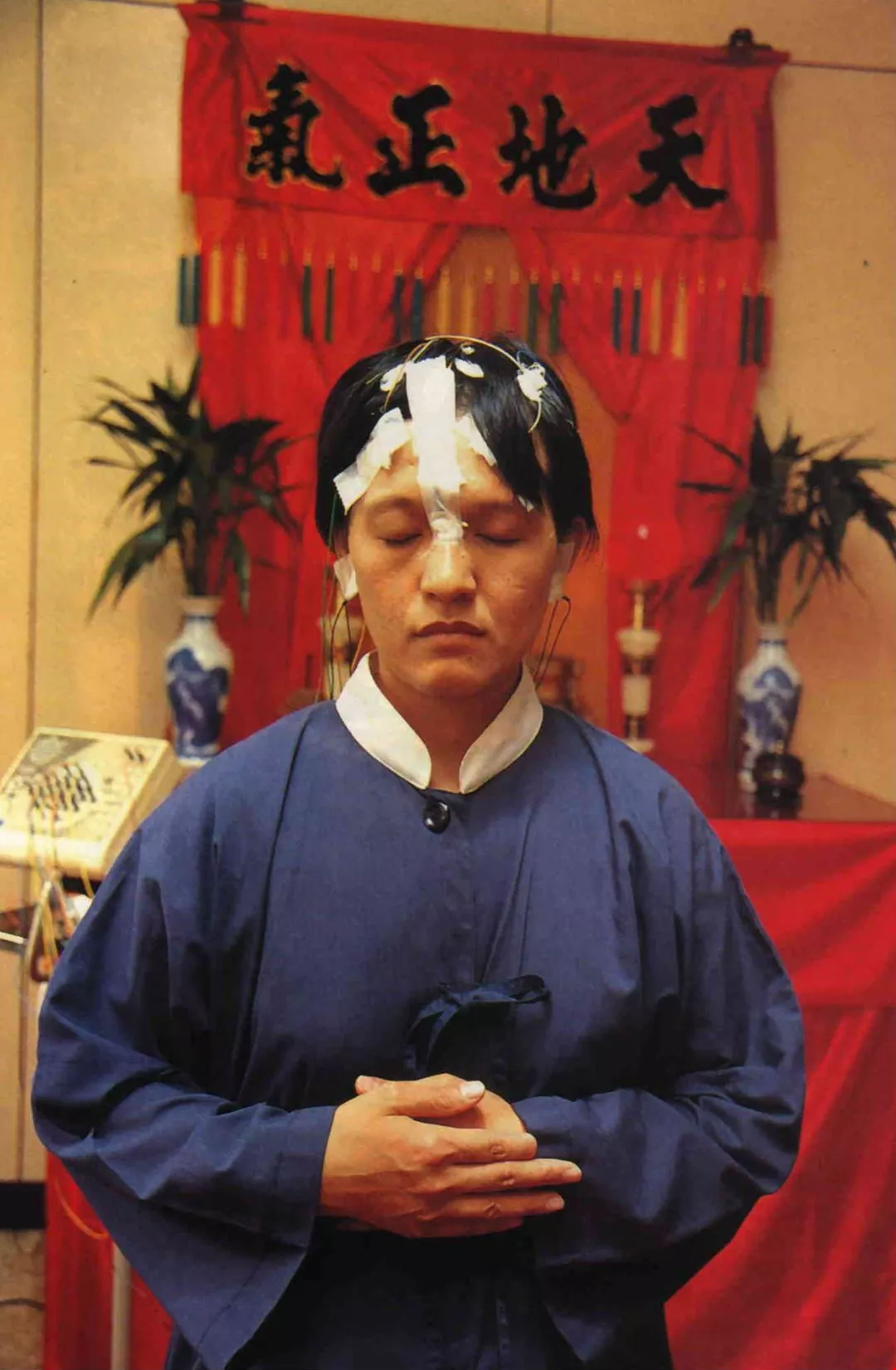
T'ienti Teachings emphasize the importance of "moving in accord with the universe" and using scientific methods to explore the mysteries of religion. The photo shows professor Huang Min-yuan, "an envoy between Heaven and mankind," conducting a brainwave experiment.
Cutting edge
Can Taiwan really repeat its success in the semiconductor industry, to become a major production center for biochips?
BMEC director Johnsee Lee observes that the level of scientific and technical know-how required for biochip production is very high, so that the opportunities for contract manufacture are limited.
However, due to Taiwan's early entry into biochip research and development, and the high state of development of its semiconductor industry, the island is well supplied with relevant technology and skills. Thus, says Lee, "Taiwan should have opportunities to enter this field not merely as a contract manufacturer."
The potential and importance of biochips is plain to see, but in this new, interdisciplinary industry, there are still many obstacles and difficulties to overcome. Apart from the fact that the technology is not yet mature, and that generally accepted, mutually compatible international standards have not yet emerged, the biggest bottleneck for biochips at the moment is the many thousands of patents which have been taken out in the field, which limit the avenues available to each player.
"Because this area is a patents minefield, it's impossible to create a product which from start to finish doesn't infringe on anyone else's patents," says Johnsee Lee. In his view, this problem may be resolved in the future by the exchange of patented technologies between players. In other words, at this stage companies must actively carry out research and development, and obtain international patents, in order to have bargaining chips in future negotiations.
At present, the BMEC has over 10 patents pending in the areas of microfluidics biochips, chip surface processing technology and probe design and applications.
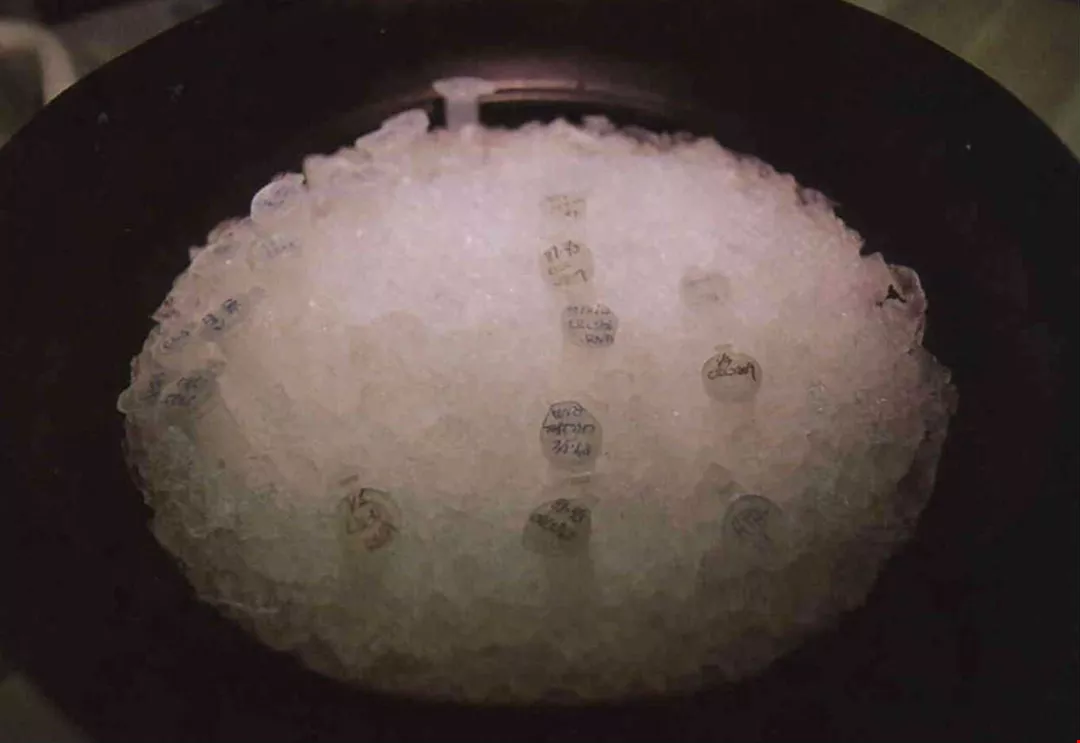
After DNA is taken out of refrigerated storage at -70°C, it has to be kept on ice to prevent it deteriorating.
Pushing the envelope
Although at their present stage of development, biochips are already a great help to researchers, they are still far removed from ordinary people's lives. But one day they will play an important role in all our lives.
"Applications and commercialization are our goal," says Johnsee Lee. He says that only if research results are commercialized does research produce an economic payback. Equally, to have a really broad market biochips need to go beyond the laboratory researcher, and into hospitals, clinics and homes, and to individual users.
Lee points out that before biochips will be worth commercializing, sample preparation needs to be made convenient, reading results must be simple and easy, the chips' speed and accuracy must be high, and their cost must be low. He predicts that in one to two years, biochips will be suitable for use in supplemental tests, and after around three years for high-throughput screening; in five years time it should be possible to develop them into general screening tools which will be as easy to use as the pregnancy test kits on the market today.
IBMS associate research fellow Konan Peck agrees that in the foreseeable future, diagnostic chips will enable everyone to learn their current state of health and know what diseases they may develop in the future. But in a situation where testing technology is ahead of medical treatment technology, the medical problems so discovered may not be treatable.
Mankind is always challenging his limits, and when, in the near future, biochips lift the veil of many diseases, the next challenge will have only just begun.
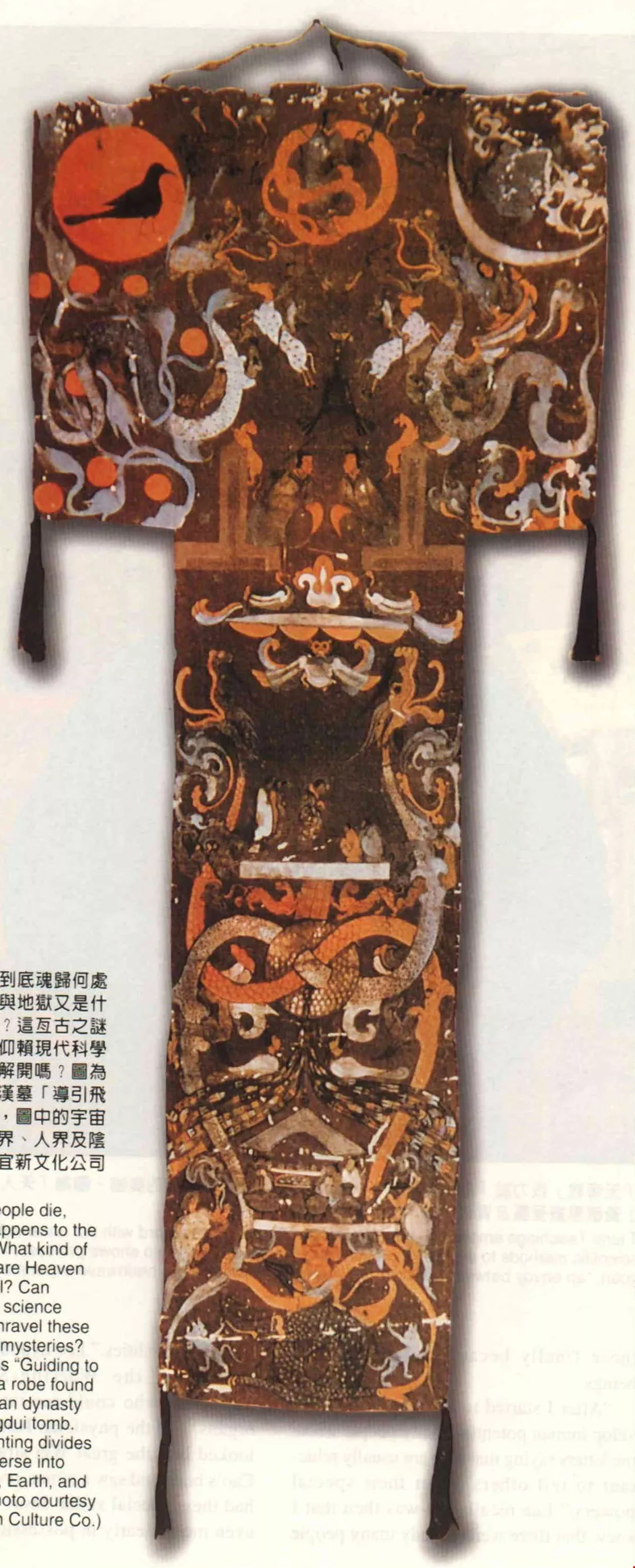
After people die, what happens to the spirit? What kind of places are Heaven and Hell? Can modern science really unravel these ancient mysteries? Shown is "Guiding to Flight," a robe found in the Han dynasty Mawangdui tomb. The painting divides the universe into Heaven, Earth, and Hell. (photo courtesy of Yihsin Culture Co.)
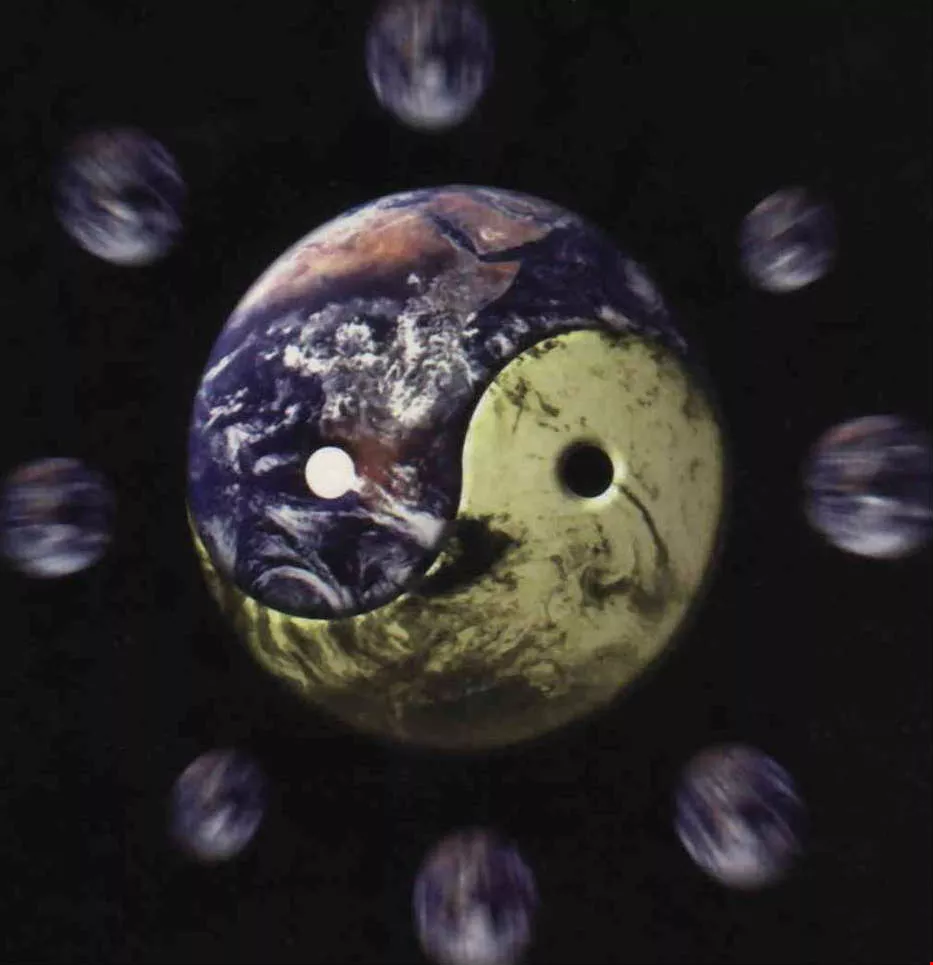
In the beginning the chaos split into darkness (yin) and light (yang), and from them sprang the myriad things. Or so goes the Taoist legend. Modern physics has discovered that whether one is speaking of male and female, motion and stillness, or absence and plenty, all things in fact contain their opposites. This concept is very similar to the meaning behind the symbol of the yin and yang. (designed by Tsai Chih-pen)
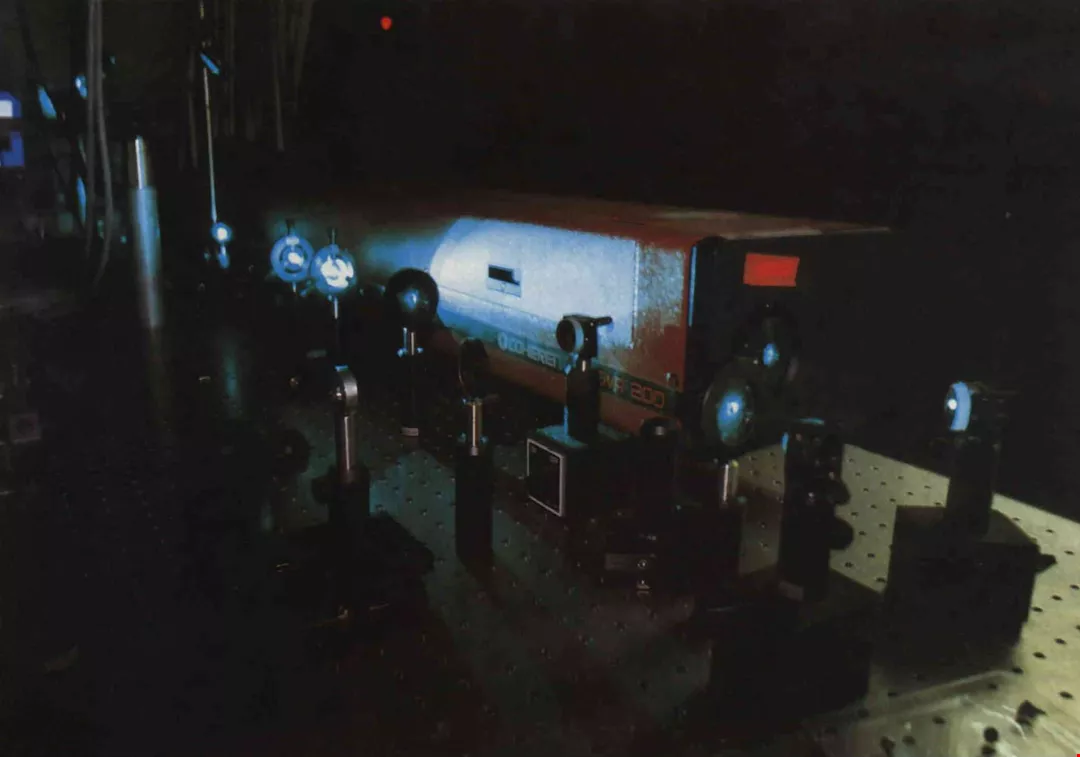
There are three methods of reading results from biochips. Shown here is a laser scanner needed for fluorescence detection. These machines cost around NT$2 million each, and there are currently only three in all Taiwan.
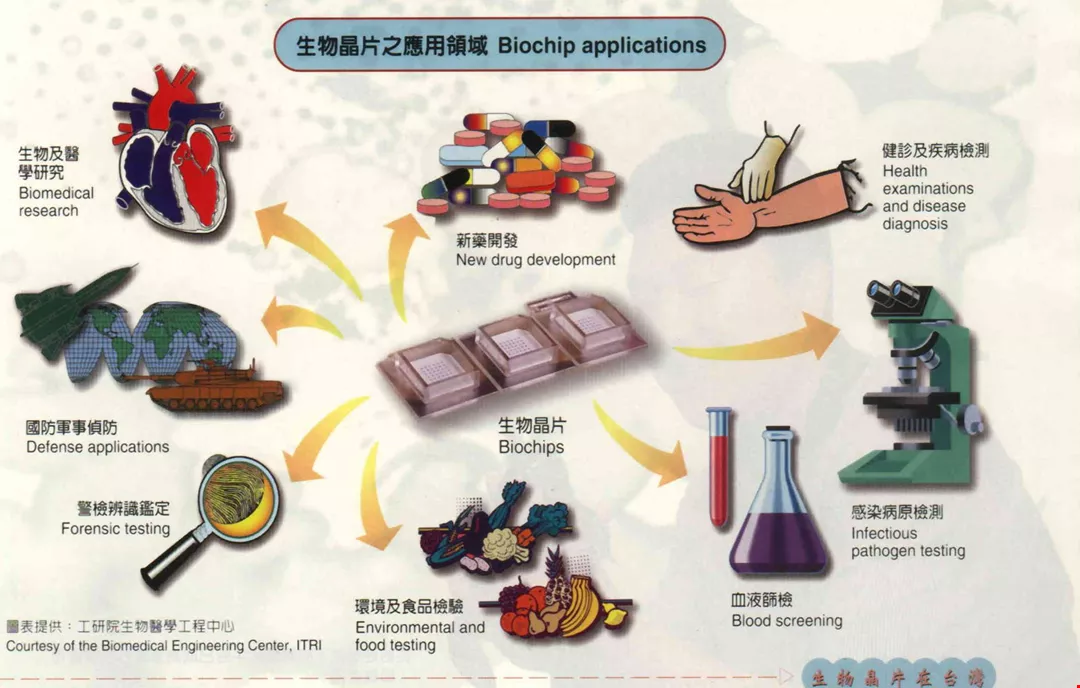
Biochip applications Infectious pathogen testing Health examinations and disease diagnosis New drug development Defense applications Forensic testing Environmental and food testing Blood screening Courtesy of the Biomedical Engineering Center, ITRI.

@List.jpg?w=522&h=410&mode=crop&format=webp&quality=80)


