The National Museum of Taiwan Literature: A Glorious Century
Liu Yingfeng / photos National Museum of Taiwan Literature / tr. by Geof Aberhart
July 2016
Alongside Tainan City’s central roundabout, from which several major roads radiate out, sits a literary landmark that preserves the architecture of Japanese-era Tainan Prefecture: the National Museum of Taiwan Literature.
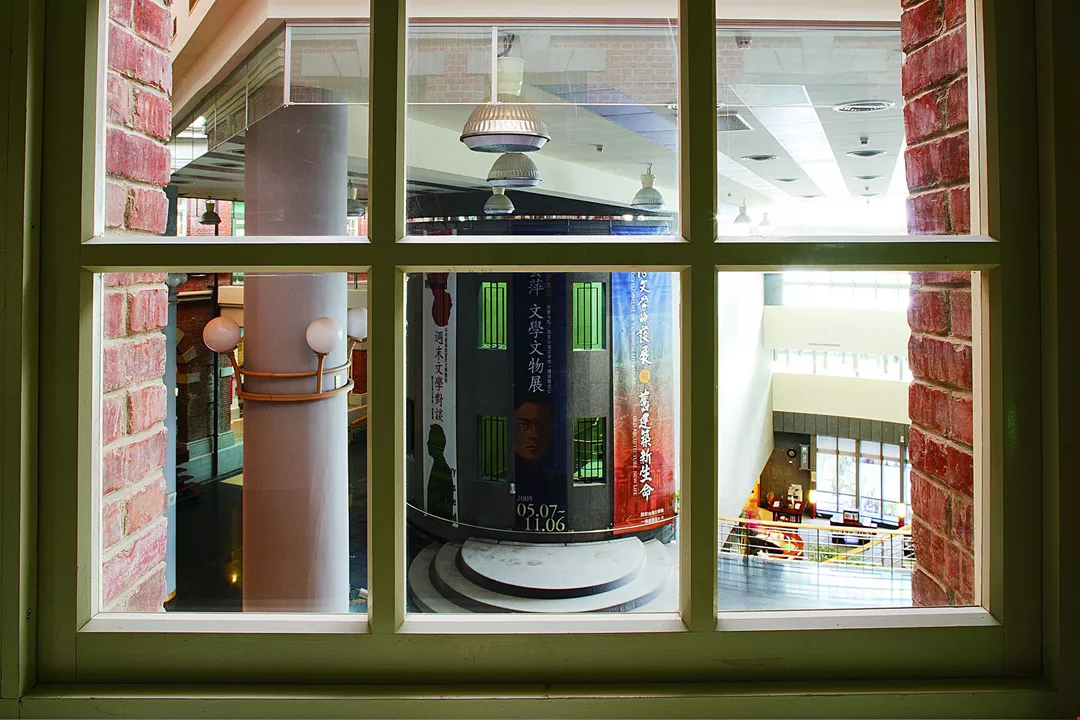
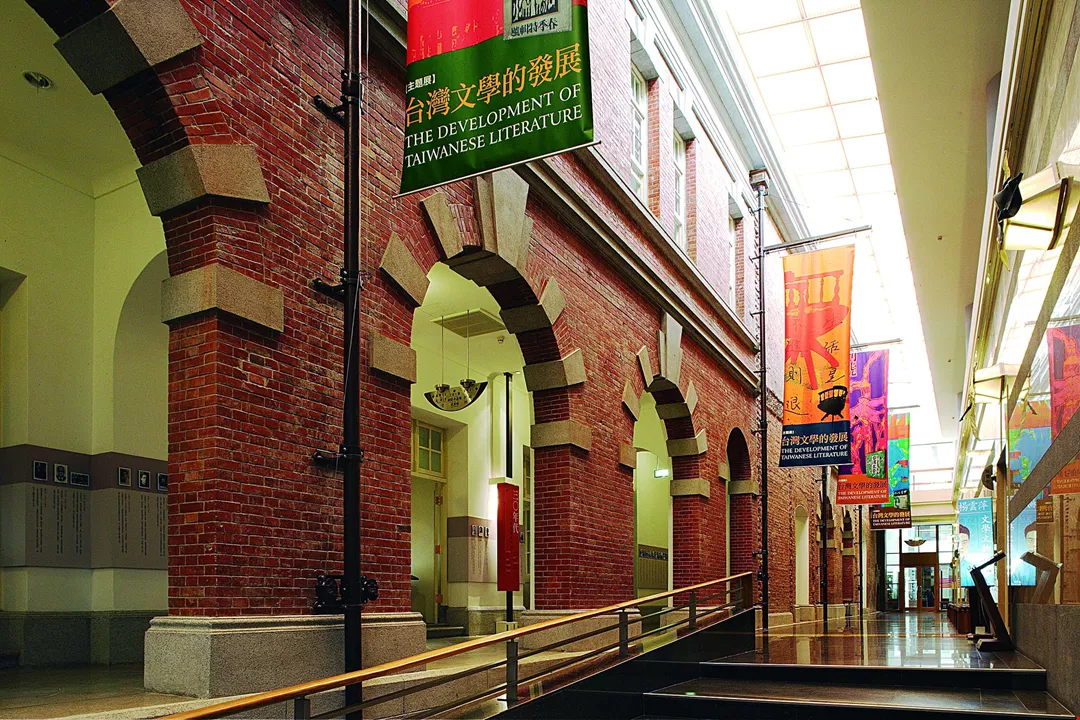
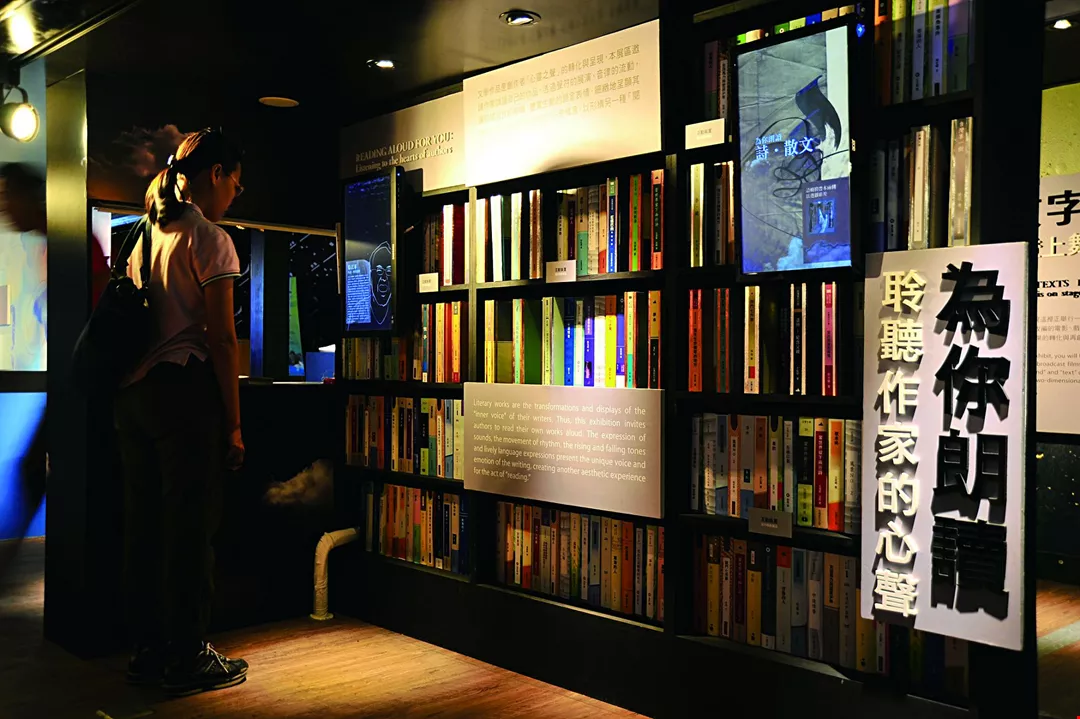
With its tall mansard roof and a main structure that still bears the scars of US bombing during World War II, it makes a powerful impression. The interior, meanwhile, is a flowing, open, newer style of space, hidden behind the historic brick walls. Stepping inside the towering marble and mottled brick structure is like stepping into another time. The exhibition “The Inner World of Taiwan Literature” brings together precious manuscripts by authors like Lin Haiyin, Yuan Chiung-chiung and Lin Hwai-min, their smeared handwriting offering insights into the tortuous road of creative endeavor.
Over the years, this old Japanese-style building has played many roles: Tainan Prefecture Office, ROC Air Materiel Command, Tainan City Hall, and now the National Museum of Taiwan Literature. As it celebrates its centennial, it once again strives to showcase its perfect combination of the old and the new.
The museum was built in 1916 as the Tainan Prefecture Office, and was a work by Japanese architect Matsunosuke Moriyama, whose other works included the Taiwan Governor-General’s Office (now the Presidential Office Building) and the Taichu (Taichung) Prefecture Office.
The façade makes use of brick, stone, and pebbledash to create a combination of modern and classical European styles. Later, due to demand for office space, the building was extended, creating the familiar sight of today. During World War II, US bombing raids led to the destruction of the mansard roof and the wooden window frames, leaving only the main brick structure.
The roof was given some basic repairs in 1949, after the Air Materiel Command took up residence. Later, when the Tainan City Government made the building their office space, even they found themselves unable to restore the characteristic mansard.
In 1992, the Council for Cultural Affairs (now the Ministry of Culture) chose to make the building home to the National Museum of Taiwan Literature and the National Center for Research and Preservation of Cultural Properties. With the precious old building having lost its luster thanks to historical and human factors, the CCA set to reviving it.
Through seven years of restoration, the old mansard roof, watchtower, dormers, and more were brought back to their former brilliance. In 2003, the ribbon was cut and the transformation was complete, with the former prefectural office now Taiwan’s first literature-focused museum.
Now, over a decade later, the National Museum of Taiwan Literature has become a must-visit for those interested or involved in literature in Taiwan, boasting a collection of 150,000 items donated by writers themselves or their families. Most of the collection, including manuscripts, letters, newspapers, and other artifacts, is stored underground. It includes handwritten manuscripts by Chu Hsi-ning, donated by her daughter Chu Tien-wen; manuscripts by Sanmao (Echo Chan) and tokens of love shared between her and her husband José Maria Quero y Ruiz; and scripts from playwright Yao Yiwei, along with the suitcase he brought with him to Taiwan from China.
As a well-known literary destination, the museum shares close links with other artistic and cultural destinations in Tainan. Next door sits the former Tainan Police Department, now restored and serving as the home of the Tainan Museum of Fine Arts, and not far away one can find the Confucius Temple Cultural Park, Yeh Shih-tao Literature Memorial Hall, and various stores in restored buildings like the Hayashi Department Store.
To help foster literary appreciation in Tainan, the National Museum of Taiwan Literature organizes “literary walking tours.” One such tour leads readers around scenes from the daily life and writings of Tainan author Ye Shih-tao, while another combines literature and history by exploring ten religious and cultural destinations in the city tied to classical poetry. Local literary experts like writers Chen Xiaoyi, Xue Jianrong, and Zeng Guodong are even invited to lead such tours.
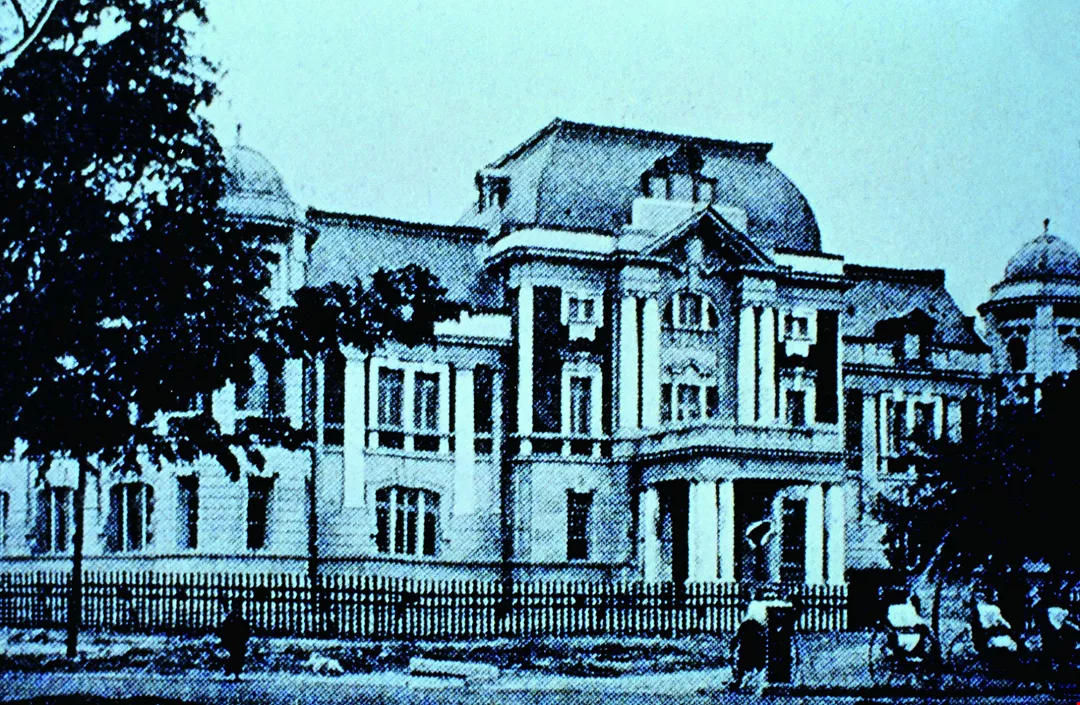
With its mansard roof and unique fusion of Eastern and Western classical styles, the Tainan Prefecture Office building was the work of Japanese architect Matsunosuke Moriyama, and stands as one of his many contributions to the Taiwanese architecture of the early 20th century. (courtesy of Tainan City Government)

Digging through the archives
To usher in the hundredth anniversary of the museum building, museum staff made a special trip to Japan, visiting the descendants of architect Matsunosuke Moriyama and some of the sites he designed after his return to Japan in 1921, including ones in Ginza and the Shinjuku Gyoen National Garden in Tokyo.
Museum director Chen Yi-yuan says that during the Japanese colonial period, many of the new generation of Japanese architects—like Moriyama—were able to experiment in Taiwan with Western architectural ideas. After they returned to Japan, the influence of Taiwan could still be felt in their designs. We can see this in the Taiwan pavilion (kyūgoryōtei) designed by Moriyama in Shinjuku Gyoen, which shows elements of Taiwanese Minnan architecture.
The museum has also launched an effort to encourage the public to donate photographic or written records connected to the history of the Tainan Prefecture Office building.
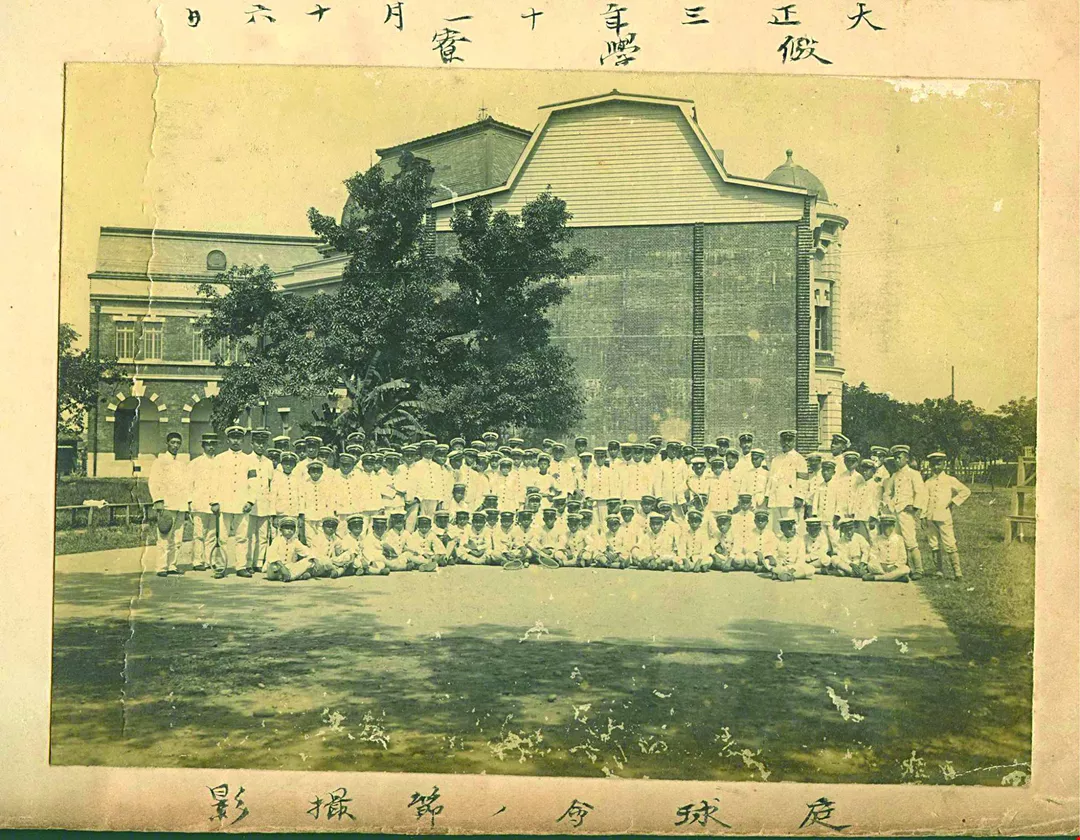
In 2014, National Tainan Second Senior High School alumnus, media professional, and director of the Tainan Cultural Property Association Zhan Qiao was commissioned by his old school to compile a school history for their centennial. His efforts helped bring back to light many valuable historical items and gave the outside world a better look at the building from 100 years ago.
In one photograph, we see students from Tainan Middle School all lined up, and to one side in the background is the Tainan Prefecture Office, the archway on the side that would later be built onto clearly visible.
“The discovery of this photo is tremendously exciting and extremely important,” explains museum research assistant Wang Chia-ling. Over its history, the Tainan Prefecture Office was built onto two times, and all that was left of the original plan was blueprints and written records. Even most of the extant photographs of the office are post-extension. This photograph is evidence of the fact the building was added to twice.
Similarly, postcards collected by Kuo Hsuan-hung have revealed what the area around the Tainan Prefecture Office was like a century ago. An avid collector of old photographs and postcards, Kuo has amassed a collection numbering in the hundreds, with several even depicting Tainan before the construction of the office. On these postcards we see a sprawling space where the office would later be, giving us a chance to look back into a time before the start of that building’s history.
With their long, deep connections with Tainan, Kuo and Wang often find themselves recognizing places while going through the piles of old photographs and records. “If we weren’t both Tainan locals and so familiar with the place, many of these photos would just look like ordinary photos from Japanese-era Taiwan,” says Kuo.

Looking through the latticed windows, a literary age crystallizes before your eyes.
Literature is life
The Tainan teahouse Tea Serving, on Gongyuan Road, bore witness to the transformation of the old prefecture office building during the late 1990s.
Located just across from the National Museum of Taiwan Literature, Tea Serving was born when owner Ye Dongtai renovated an old building he had begun renting. When the teahouse opened, what is now the museum was still home to the Tainan City Government. Behind the museum, Ye points out, is Taiwan’s oldest Confucian temple. Given their proximity, the museum is almost like the temple library. It truly does seem more than appropriate that Tainan was chosen to host Taiwan’s first museum of literature.
Ye, chairman of the Foundation for Historic City Conservation and Regeneration, describes the successful renovation and repurposing of the old prefecture office building as Tainan’s first government-driven old building revitalization project, and one that fits well with the foundation’s 2008-launched “New Uses for Old Buildings” project. “While the public sector played the main role in the renovation of the National Museum of Taiwan Literature, our past work served as a model for it,” says Ye.
Today, weaving through old streets and visiting historic buildings has become one of Tainan’s most popular tourist activities. As always, the National Museum of Taiwan Literature stands between old and new, radiating new life from the city’s central roundabout.

Wandering the old streets and looking at the historic architecture is a popular activity with visitors to Tainan, and the National Museum of Taiwan Literature makes the perfect place to start. (photo by Chuang Kung-ju)

National Tainan Second Senior High School alumnus Zhan Qiao was commissioned to compile a school history for their centennial, and in the process he stumbled across several precious images of the Tainan Prefecture Office not long after its construction. (courtesy of Zhan Qiao)

National Tainan Second Senior High School alumnus Zhan Qiao was commissioned to compile a school history for their centennial, and in the process he stumbled across several precious images of the Tainan Prefecture Office not long after its construction. (courtesy of Zhan Qiao)

Part historic brick building, part towering new marble building, walking through the revitalized National Museum of Taiwan Literature is an experience in the fusion of old and new.

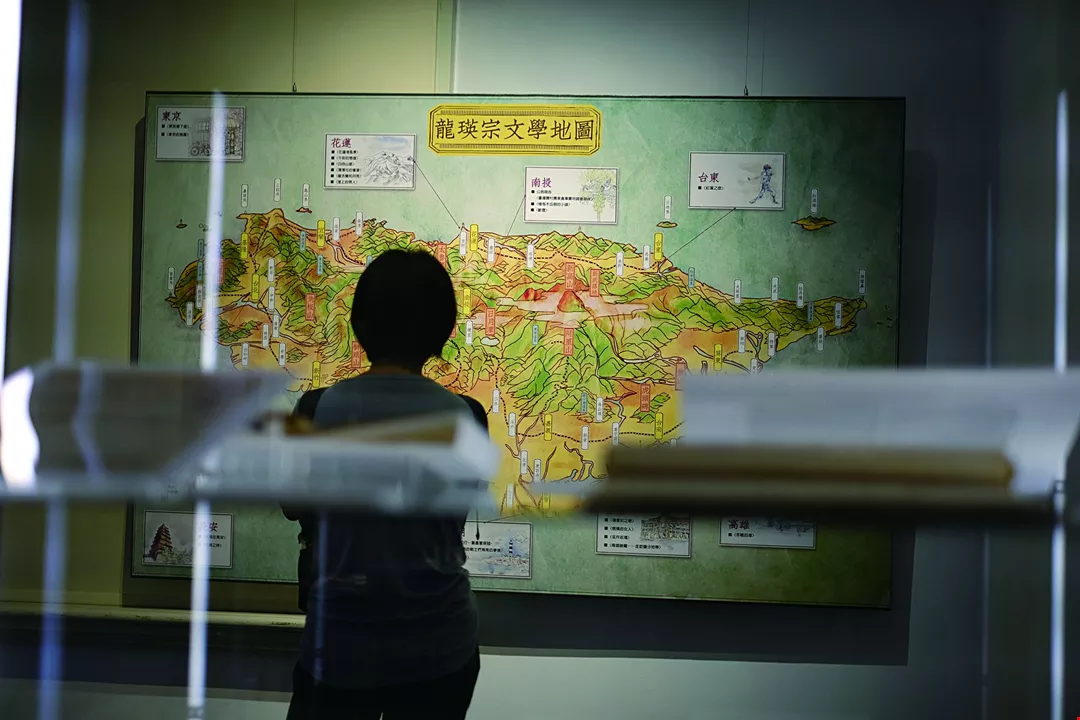
Since opening in 2003, the National Museum of Taiwan Literature has accumulated a collection of over 150,000 items, including manuscripts, artifacts and historical records relating to Taiwanese authors. (photo by Chuang Kung-ju)

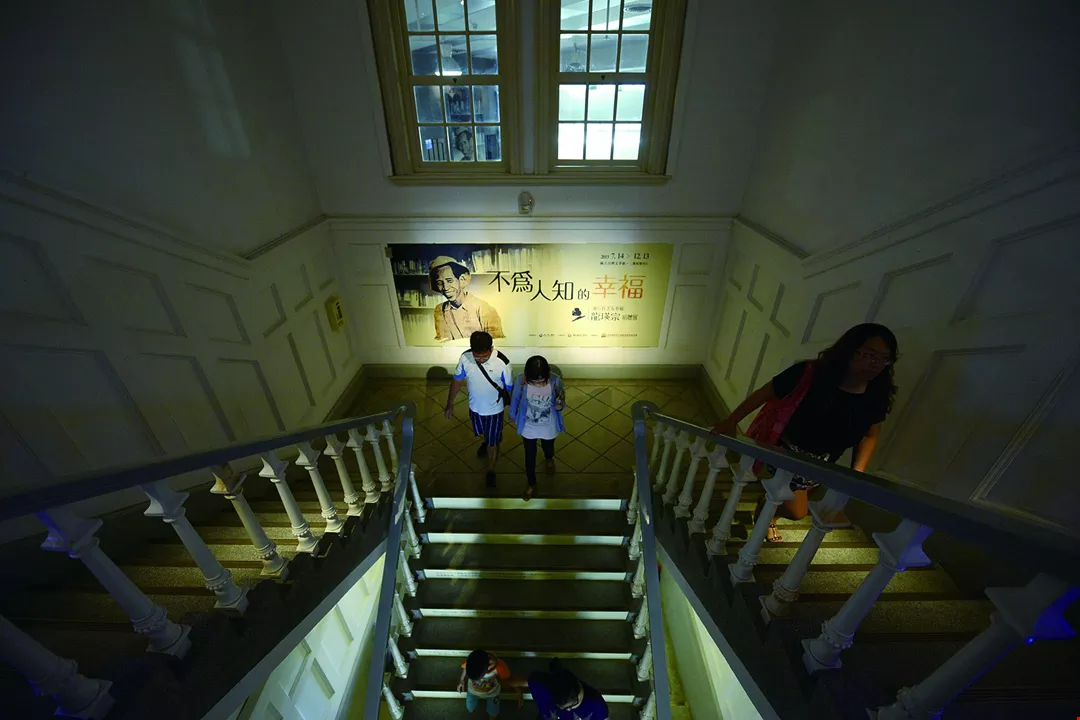
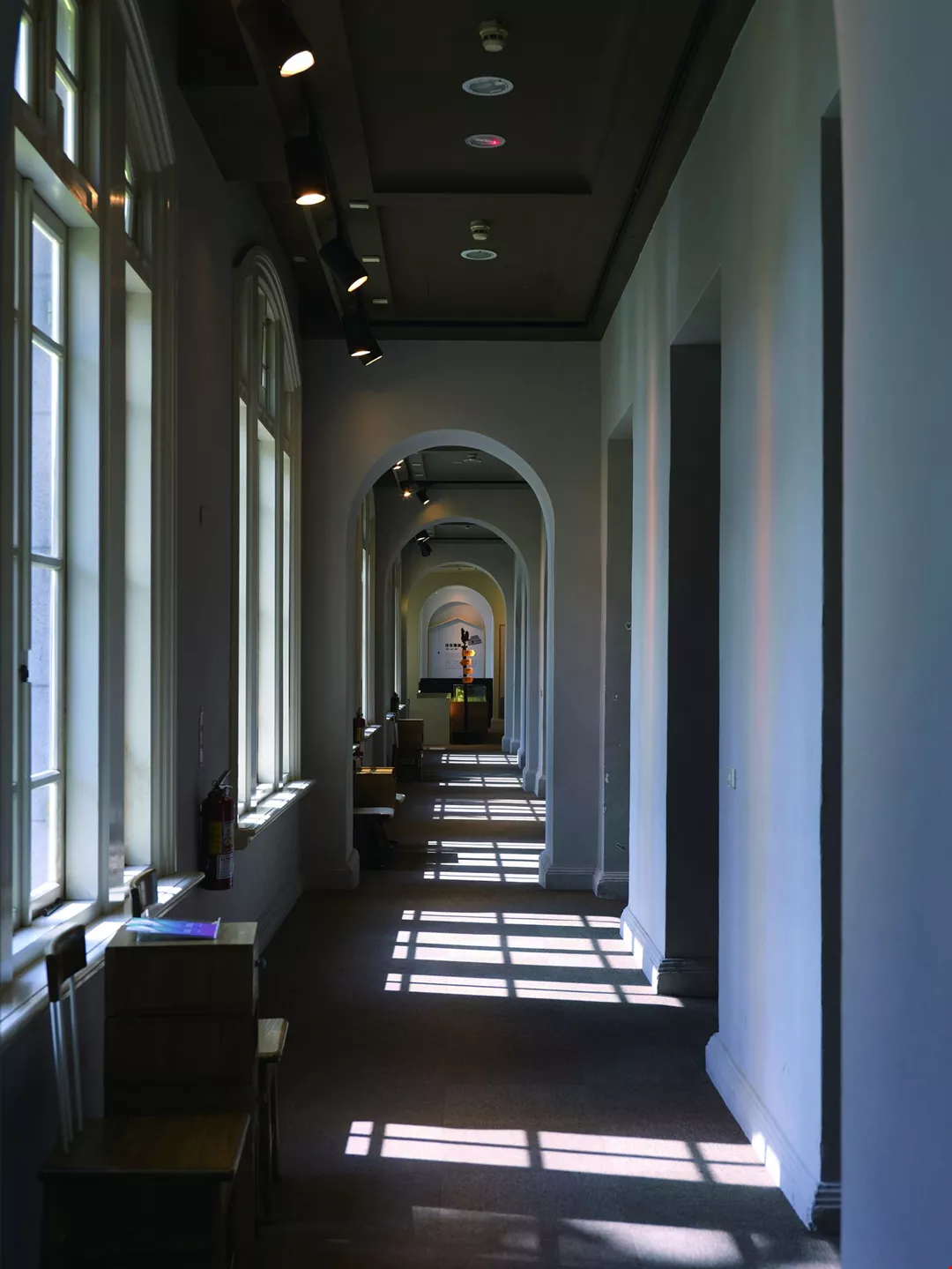
Strolling through the tall arches and long corridors, the wonderful history of the museum washes over you.

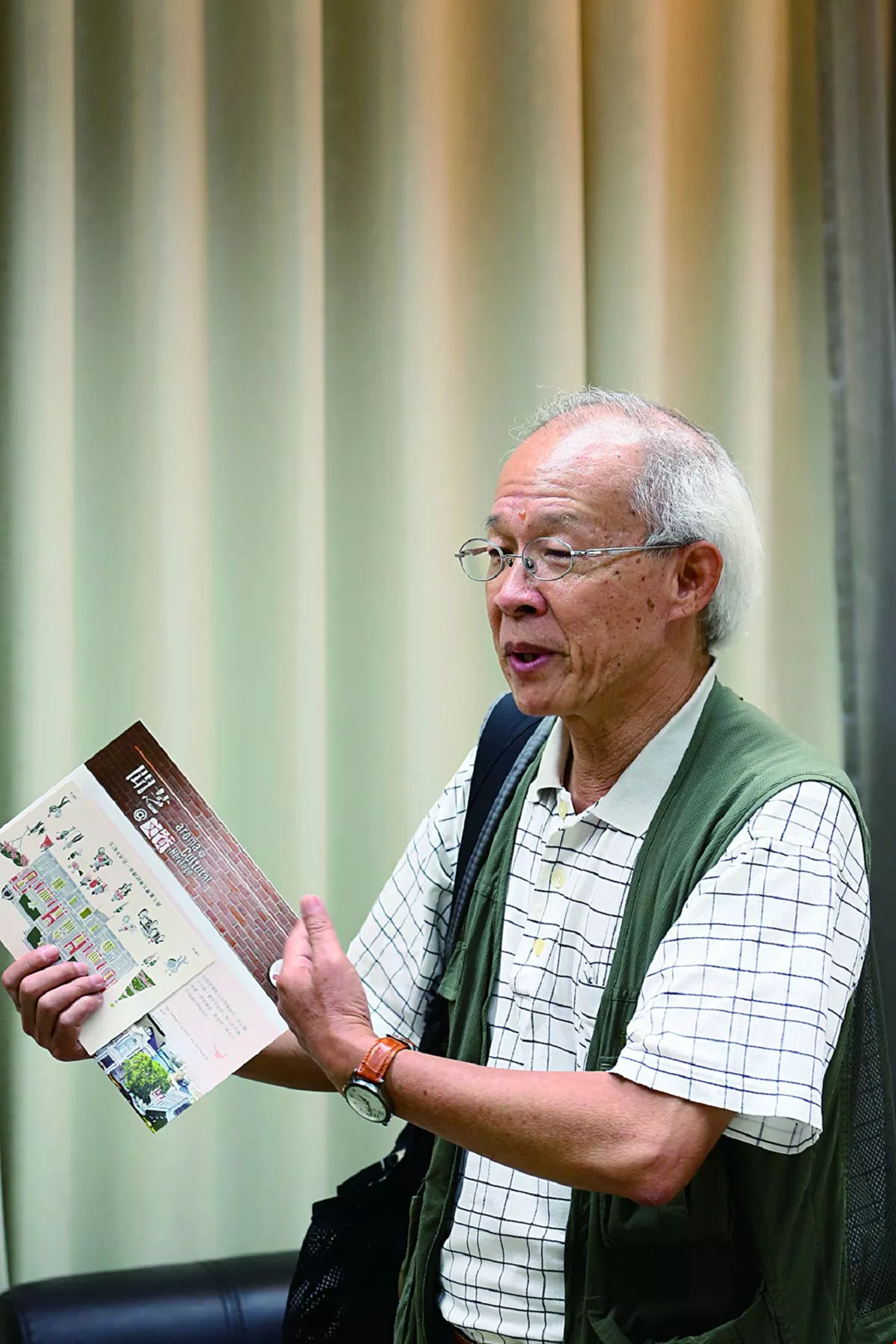
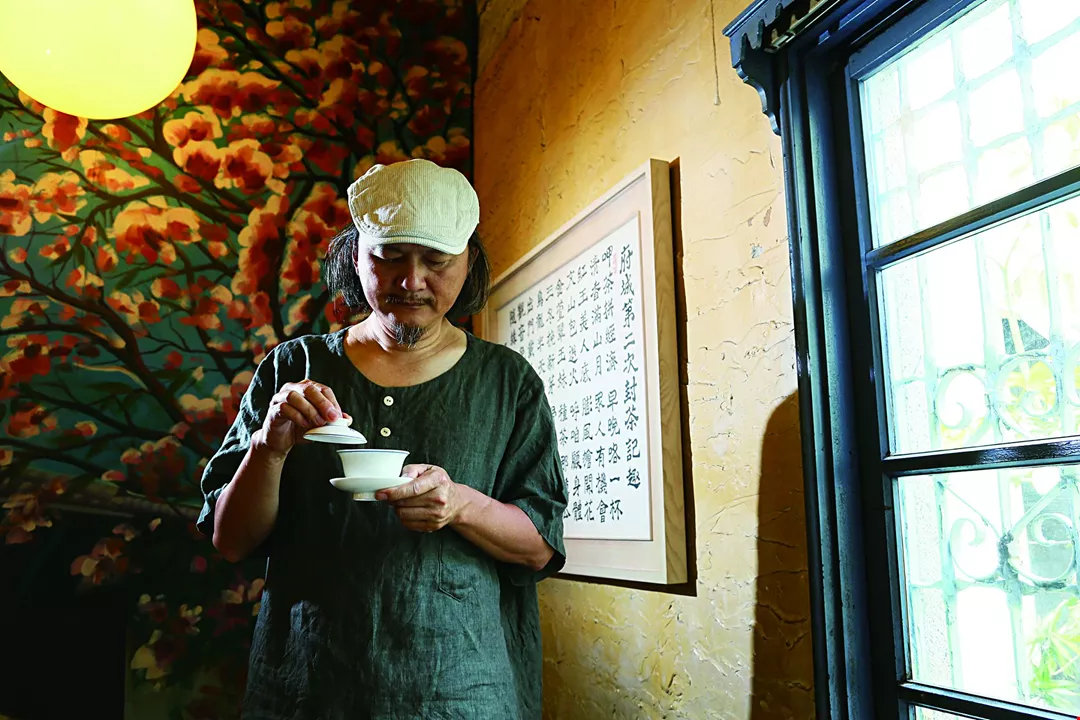
Opening his own teahouse, Tea Serving, near the National Museum of Taiwan Literature has given poet and poetry fan Ye Dongtai the chance to live the literary lifestyle. (photo by Jimmy Lin)

Attentively watching and listening to the museum’s “Reading Aloud for You—Listening to the Hearts of Authors” presentations, audiences can experience new literary life in this historic building.