Natural crop protection
In the area of pest and disease control, various regional agricultural research and extension stations have developed “crop protection products” to replace pesticides and herbicides in organic farming. These products include microbial fertilizers, biologics (substances derived from living organisms or their products), and botanical extracts.
Yang Ta-chi gives us an example. HLST, a mixture produced using saponins extracted from camellia oil seeds along with a plant extract processed according to a secret formula, is kryptonite for small pests such as aphids, whiteflies, spider mites, and thrips. Moreover, when sprayed over a cultivated area, it can help suppress diseases affecting vegetables, fruits, and flowers. It is effective against pests and diseases that damage wendan pomelos and other citrus fruits, including black spot disease and green mold.
Farmers have also long been troubled by bacterial soft rot, incurable in many crops, but now a microbial agent named HL_B01 is undergoing certification as a pesticide for organic farming. This is the only microbial agent available in Taiwan that is effective against soft rot in vegetables such as scallions and leafy vegetables.
Yang adds that Taiwanese companies already have plans to mass-produce plant protection products developed here, including for example a microbial agent that is broadly effective against hay bacillus (a.k.a. grass bacillus), which they also intend to export to nations such as Malaysia and Vietnam.

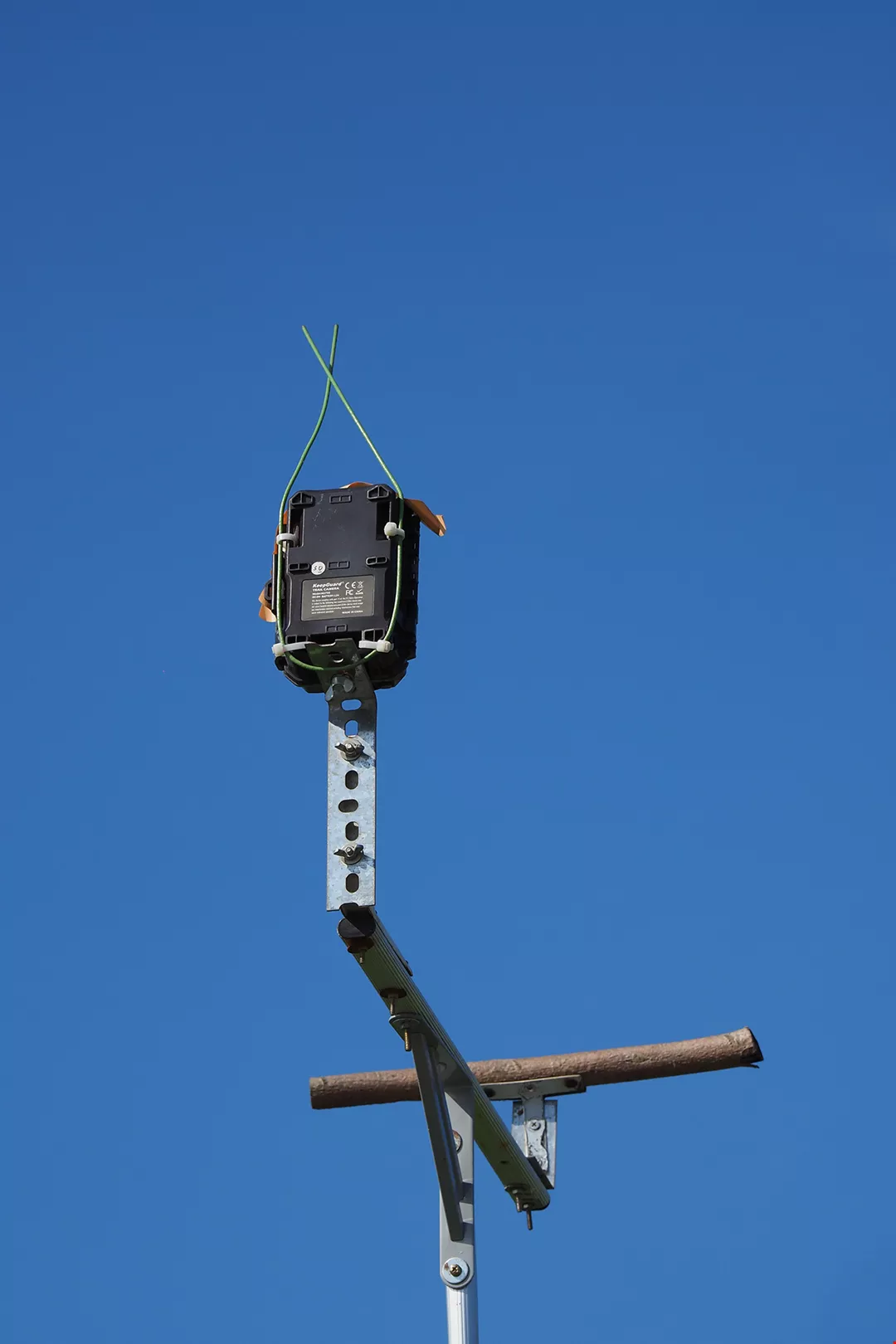
By erecting perches for birds of prey, organic farms can reduce crop damage by rodents.

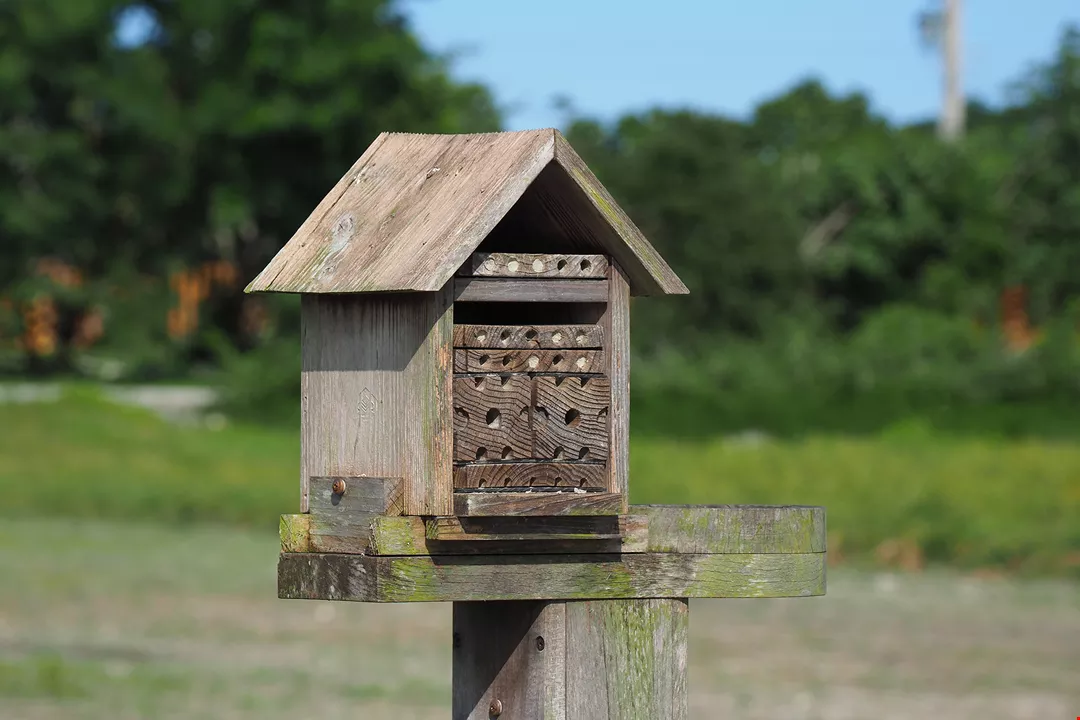
This “solitary bee hotel” set up in a field offers a home to solitary bees and wasps, which can moderate pest damage and can act as pollinators. They have become indicators of ecological farming.