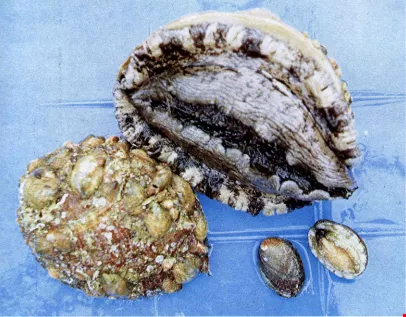
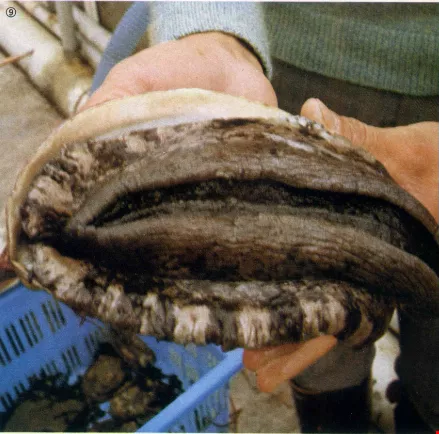
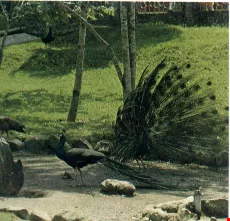
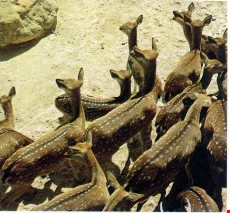
Throughout history, the abalone has held a special place in Chinese cuisine for its delicious flavor and nutritional qualities. The sea-fish is said to contain hormone and pearl powder which are good for the eyesight, enhance beauty and have a rejuvenating effect. The Chinese are known as an epicurean people. In recent years, the improved standards of living have led to increasing demand for dietary delicacies. Because of this demand, and the fact that the abalone is not found in coastal waters around Taiwan, the fish has always been a high-priced luxury. Thus, a significant amount of foreign exchange is expended each year on imports of canned and cured abalone. This state of affairs set a local businessman, Chang Yao-liang wondering: "Taiwan is surrounded by the sea, therefore, it does not make sense to spend a large amount of money on imported sea-food each year. If we can cultivate abalone ourselves, we can meet the demand on the local market. Later, perhaps, we can develop the export trade to earn foreign exchange instead of spending it." Chang Yao-liang, now aged 50, graduated in engineering, and for many years ran an engineering company which won a good reputation after being awarded many important contracts. Although fame also brought money, Chang was far from satisfied with his achievements, and began to yearn for the simple, rustic life. At first, he merely satisfied his desire by cultivating flowers and trees, raising deer and peacocks, perhaps to form the basis of a large park some day, he thought. Then, he hit upon the idea of raising abalone. Ever since he was a child, Chang has been influenced by an old Chinese saying, roughly equivalent to the English proverb: "God helps those who help themselves." With this in mind, he recruited a crew of 12 workers, and started on what was to be his most ambitious project to date--founding Taiwan's first abalone farm.
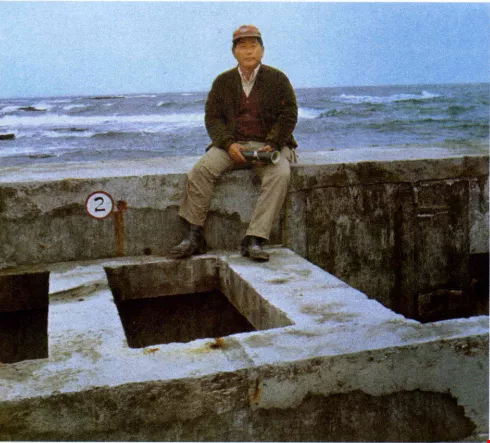
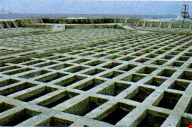
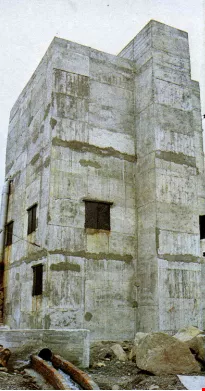
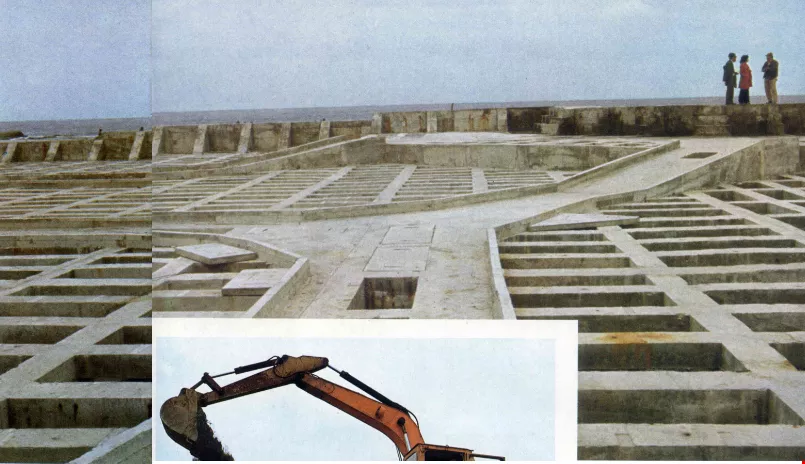
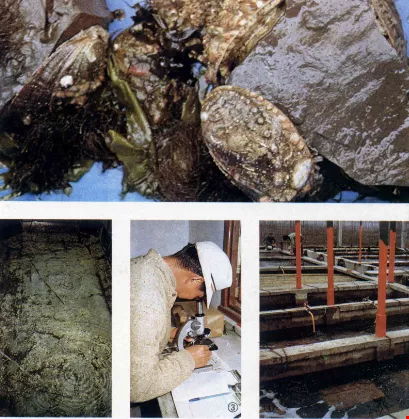
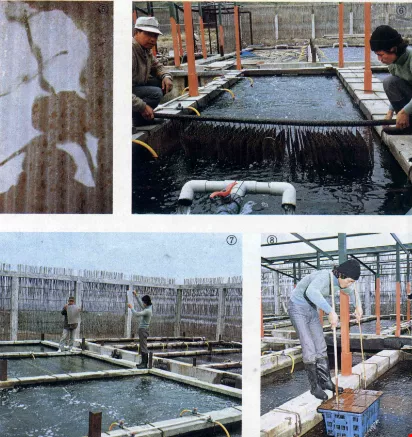
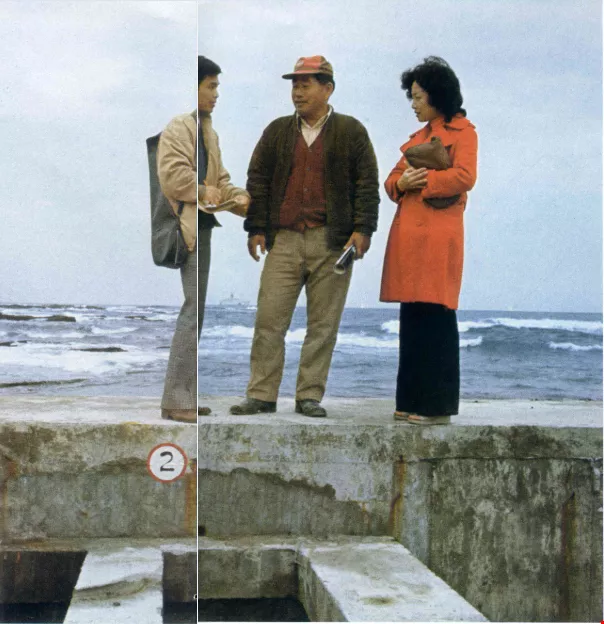
When a team of reporters arrived at Chang's aquaculture farm at Makang in northern Taiwan, he was operating a clam excavator, in order to turn a nearby piece of land into an asparagus plot. Wearing ragged overalls, and a pair of muddy, worn-out shoes, he proffered a grimy, greasy hand. Chang's outward appearance, at first blush, seemed to belie the fact that this was the proprietor of many enterprises involving tens of millions of dollars in capital. But in retrospect, it did capture the essence of a hard-driving man whose down-to-earth philosophy is the cornerstone of his success. Covering an area of 18,000 square feet, Chang's farm juts out into the briny deep for six meters, and is protected by reinforced concrete walls. The area is divided into two sections, separated with stainless steel netting to facilitate the disposal of the waste left by the fish. Thus, a delicate balance is kept between the acid and alkali content of the water, which helps to improve the growth of the abalone. Pumping sea-water through the spawning pond and into a water tower in the incubation chamber is achieved by one of the most important construction projects. at the abalone farm. The conduit leading to the sea is 100 meters long and 4 meters deep, while the actual pumping is done by a 100-horse-power engine in the water tower. The 300 square-meter spawning pond has many cisterns, each equipped with blast pipes, to facilitate the circulation of fresh seawater. The incubation chamber is spacious, topped by a broad expanse of glass to provide ample light. It is temperature-controlled, and contains eight ponds with filtered water. In addition to the cisterns, blast pipes, and sea-water filtering facilities, the incubation chamber is equipped with vultra-violet lamps, microscopes and transparent incubation boxes. Side by side with the abalone, a related fish, whose name is pronounced as "chiukung" in Chinese, is also cultivated in the aquaculture farm. In comparison with the abalone, it is much smaller in size, but similar in flavor. Chang Yao-liang estimates that it has taken five years for his aquaculture experiment to pay its own way and even make a small profit. But small wonder that he has earned the Chinese nickname of "The Baron of Abalone."





@List.jpg?w=522&h=410&mode=crop&format=webp&quality=80)


