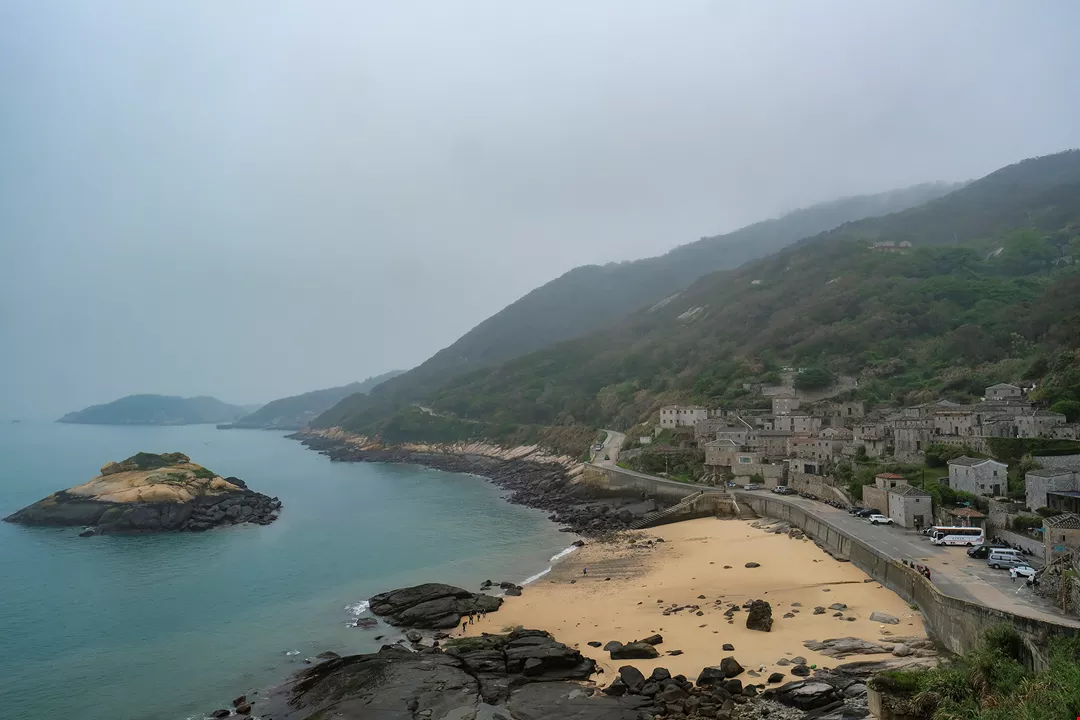
It is early morning, and people crowd Shizi Market in Jieshou Village on Nangan, one of the Matsu Islands. Amid stalls selling pot-side paste and vermicelli with “old wine,” I detect a scent of coffee, sidle up to the counter at VII Coffee, and try their famed HI!KAJU, a mixture of coffee and “old wine.” Long a ho-hum part of everyday life in Matsu, “old wine” is now attracting the close attention of younger generations.
“Old wine” is made by placing freshly brewed rice wine in earthen jars and storing it in cellars to age until it acquires a smooth mouthfeel. The whole process was brought to Matsu by settlers from Eastern Fujian. In earlier times, fishermen used it to keep warm in winter, and women partook to regain strength during postpartum recovery. The brewing leaves behind tasty red vinasse, which cooks use to spice up various dishes, such as red vinasse pork, red vinasse eel, red vinasse fried rice, and more. These are the shared memories of local people.
But during Matsu’s period under military administration (1956‡1992), private brewing of alcoholic products for sale was prohibited. In addition, consumption habits changed, and “old wine” fell out of favor. People came to see “old wine” as “wine for old folks.”
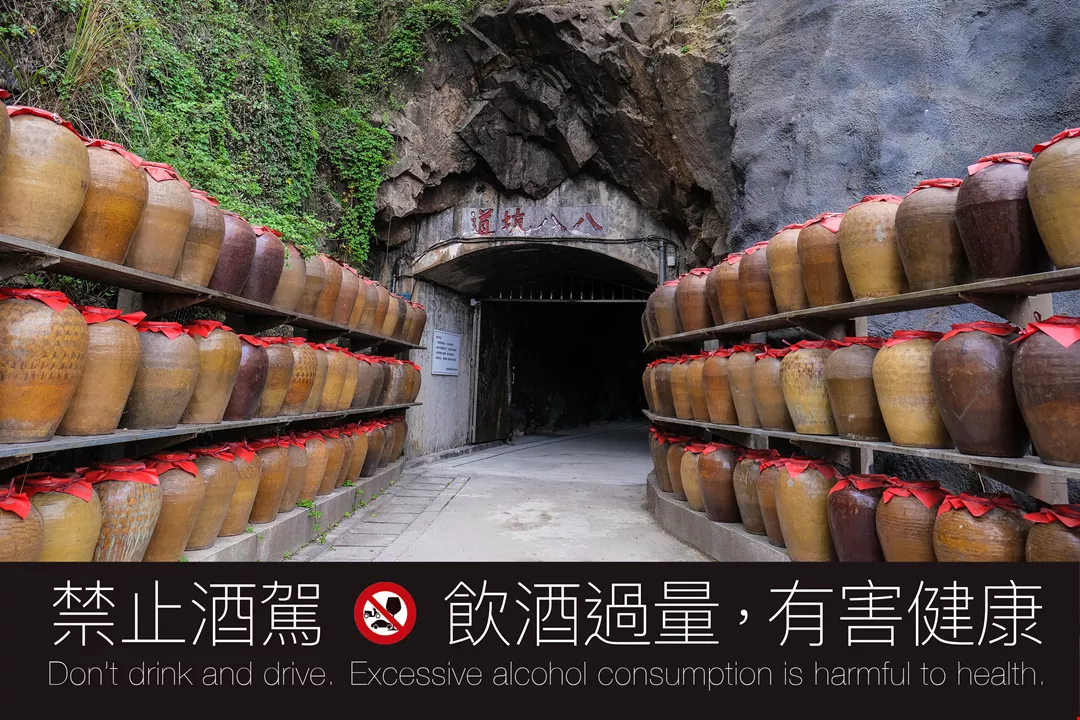
Tunnel 88, a noted Matsu landmark, is used today as a cellar to store vats of “old wine” and Kaoliang liquor.
Local winery goes brand name
High quality at the Matsu Liquor Factory has long relied on three key factors: aging in Tunnel 88, the availability of pure water, and sophisticated brewing and distillation processes. But the value of the Matsu Liquor Factory’s output has spiked upward in recent years thanks to a successful branding effort. The company’s general manager, Jeremy Liu, says that it used to operate mostly as a contract brewer and distiller, and didn’t much try to build up its own brand name until around 2016.
The adoption of a new corporate logo, a sole distributorship system, package design, and a marketing strategy, plus participation in international spirits competitions and major religious pilgrimages in Taiwan, have raised the Matsu Liquor Factory’s brand profile both in Taiwan and overseas.
Liu notes that even though Kaoliang liquor is the company’s biggest seller, the Matsu Liquor Factory continues making “old wine” because it is culturally significant in Matsu, and is valuable to the brand.
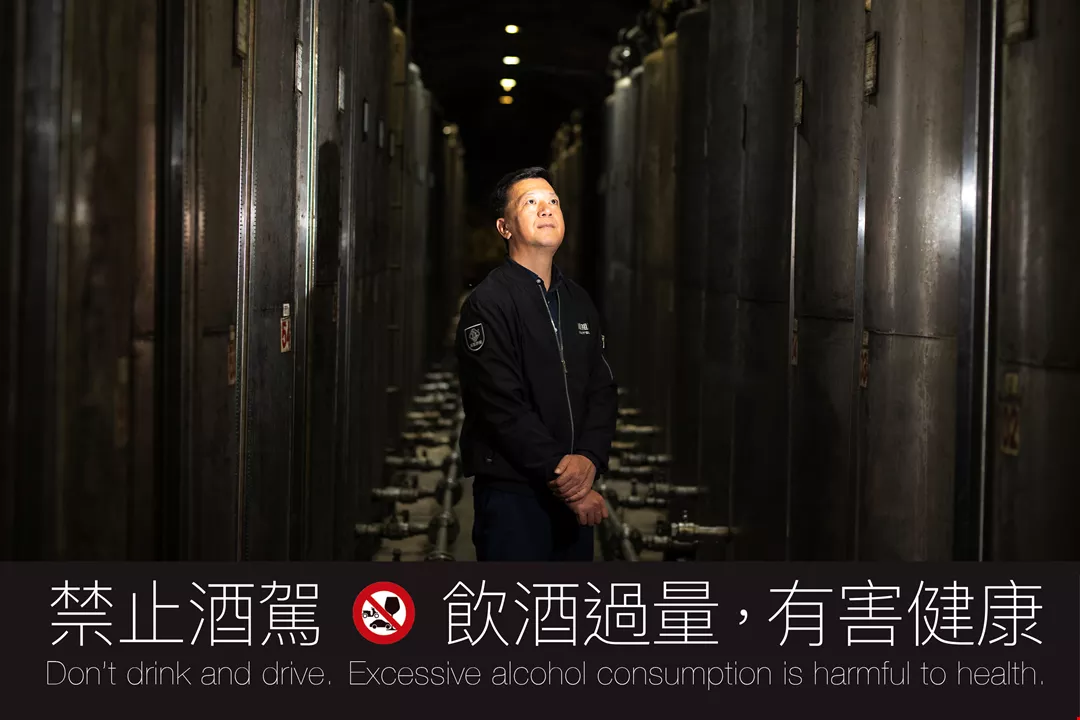
General Manager Jeremy Liu of the Matsu Liquor Factory says that in Tunnel 88 the temperature and humidity remain constant year-round. Newly distilled liquor ages here in stainless steel vats.
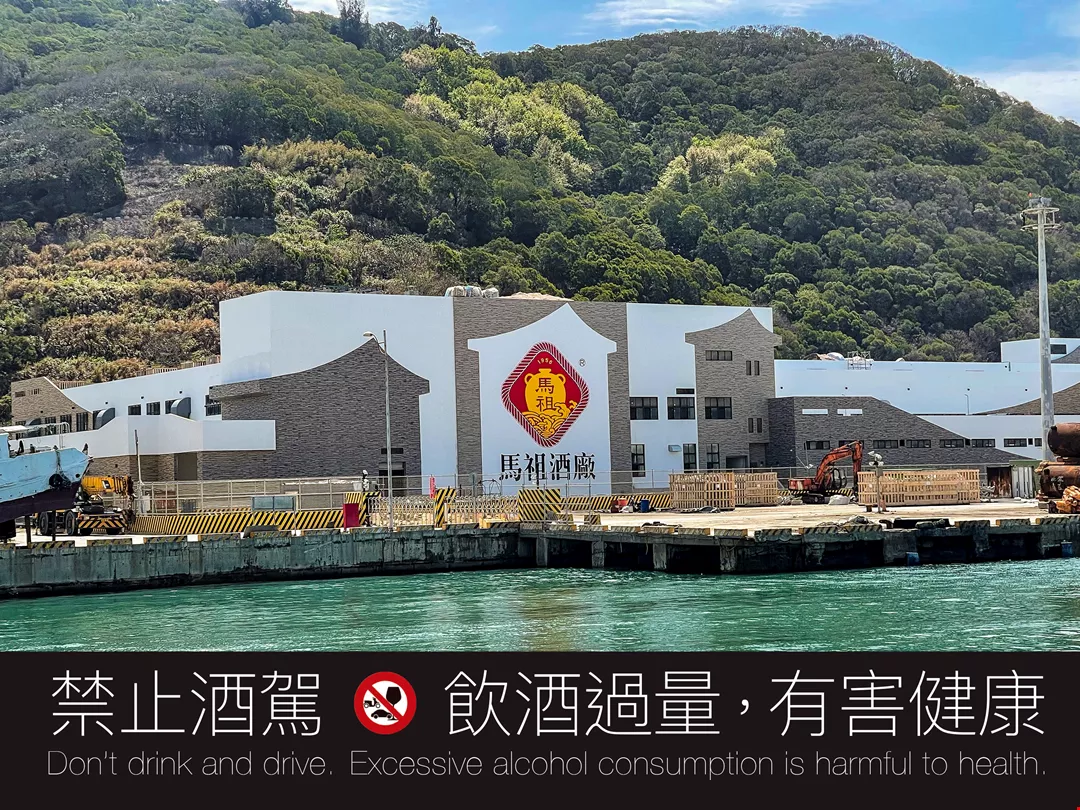
Matsu Liquor Factory was founded 70 years ago. Shown here is the building that will house the new Nangan Distillery #2, with the company logo showing clearly on the wall. (courtesy of Matsu Liquor Factory)
Old wine, new times
Another force for change has been the creativity of youth. After the founder of VII Coffee, Qiu Siqi, returned to his native Matsu, he mixed “old wine” and Kaoliang liquor with coffee beans, and roasted the beans to create his unique HI!KAJU coffee. Then he created special packaging that highlights things that make Matsu special, such as “sea sparkle” bioluminescent plankton, known in Taiwan as “blue tears,” and the annual Baiming Festival. The products and packaging have been combined into gift boxes that were named one of the 100 best souvenir gifts in Taiwan.
In just eight years, VII Coffee has grown from a street-market stall into a franchise that sells via Taiwan High Speed Rail, department stores, and convenience stores. It has also linked up with partners around Taiwan to become a sales outlet and logistics platform for local products.
Fu Cheng-wei, proprietor of Muguang & Co., is married to a local woman, and has used his outsider’s perspective to dream up local products with a new twist. Having noticed that alcoholic beverages make excellent gift items but are inconveniently heavy, he developed chocolates with syrupy cores made from “old wine” or Kaoliang liquor, and packaged them into exquisitely designed gift boxes that have proved popular with consumers.

VII Coffee blends traditional Matsu liquor with specialty coffee, using creative recipes and savvy marketing to bring familiar flavors to a younger generation.
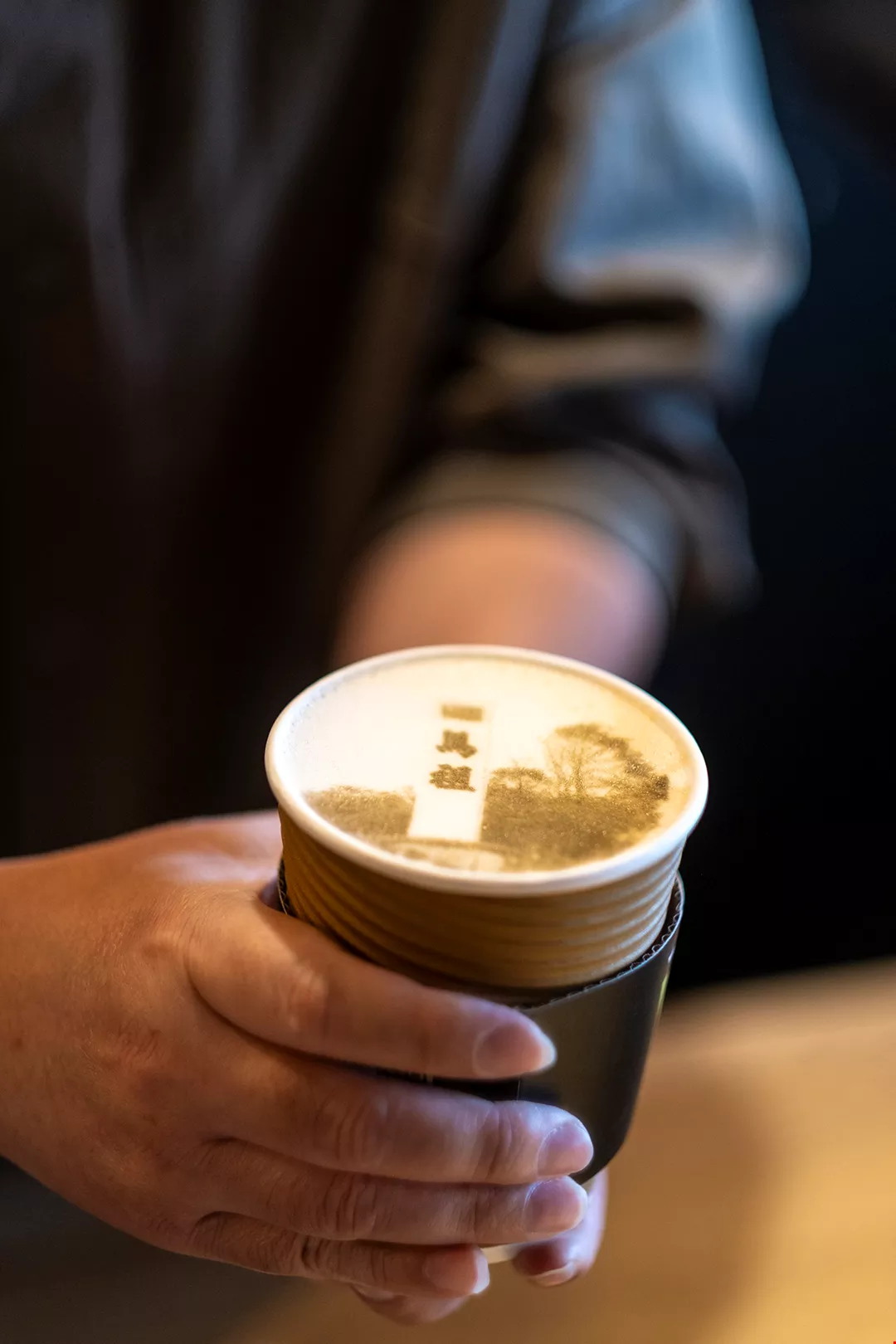
VII Coffee depicts local Matsu scenes in their latte art, which makes these beverages a must item for out-of-town visitors.
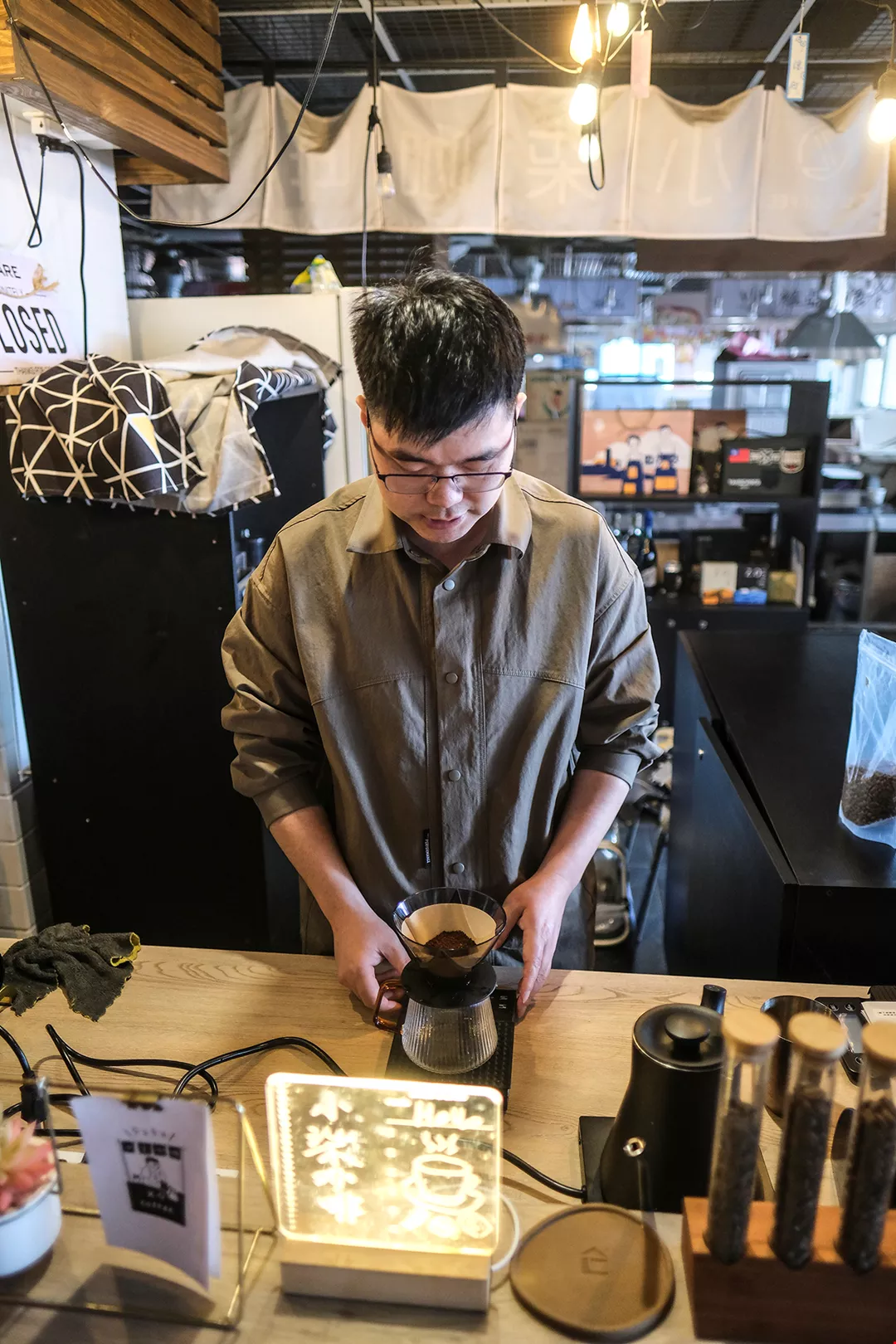
Starting out with a market stall, Qiu Siqi built VII Coffee into a brand that is popular in Matsu and throughout Taiwan, thus raising the profile of Matsu’s local industry.
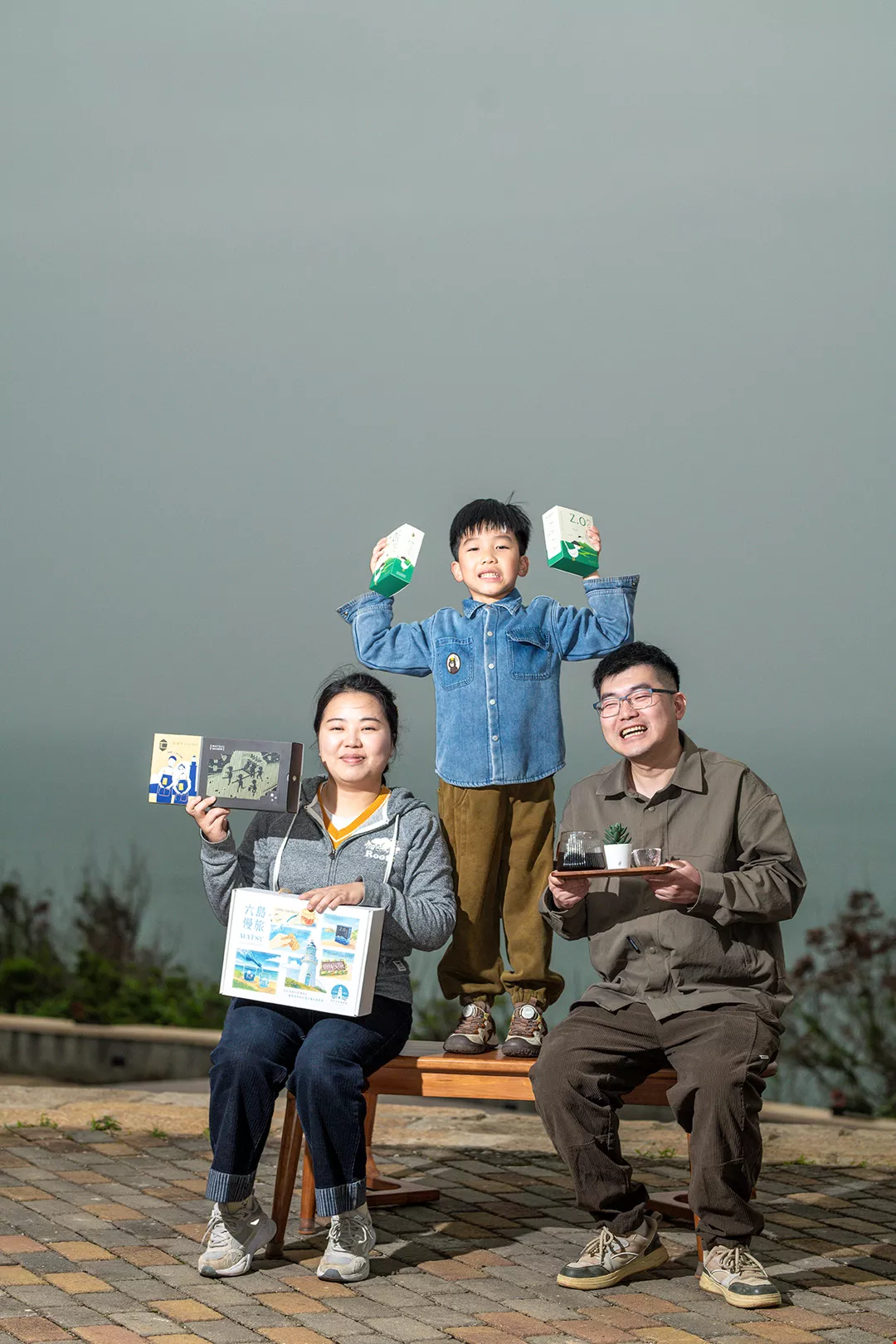
VII Coffee: It all started with a pour-over kettle
Qiu Siqi’s business venture began with a sneaky purchase of a NT$6,800 pour-over coffee kettle. After his wife found out, “she told me to set up a stall to earn the money back.” The stall got off to a slow start, and his wife sold some of the gold jewelry from her wedding dowry to keep him afloat. Later his coffee became popular, and customers came in looking specifically for his stall. “They said they were there to help my wife earn back her jewelry.” VII Coffee today is one of Matsu’s leading coffee brands, and has become a portal by which travelers familiarize themselves with Matsu culture.
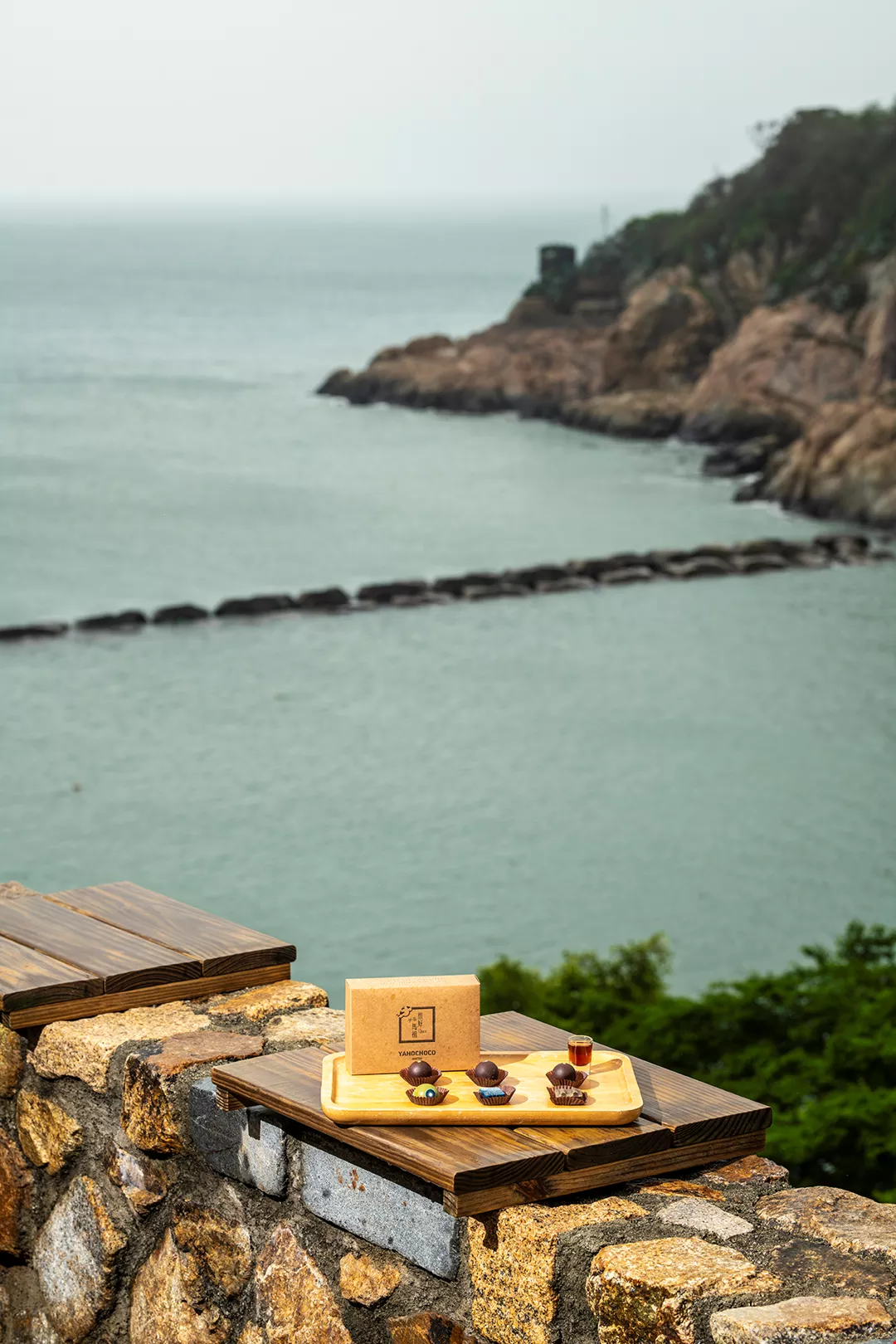
Muguang & Co. runs a B&B in Jinsha Village, and has developed gift packs containing chocolates with liquor fillings that break open in a rush of syrupy delight.
An island’s taste in a drop of wine
Teddy Ouyang founded Matsu 2845 on Beigan Island. She used Western-style wine tasting and mixology methods to identify five different flavors of “old wine”—sour, sweet, bitter, salty, and umami—and likens “old wine” to a “miracle berry.”
She says the culinary and island culture of the Eastern Fujian region show through in “old wine.” She teaches visitors how to spot them, and expresses the hope that one day “old wine” will attract foreigners to come and get to know Taiwan, as happens with Oktoberfest in Munich.
Wang Yuansong, general manager of Golden Dragon Holiday Villa, has noticed that Taiwan’s other offshore islands are not Matsu’s only competitors for tourists. Rivals now include destinations in Japan and South Korea, so instead of competing on price, Matsu needs to concentrate on offering engaging experiences that provide insights into local culture.
Many a tale
Teddy Ouyang fell in love with Beigan Island, settled there for good, and renovated an old house to run her Matsu 2845 organization. Old-timers often share wine-making tips with Ouyang. As they reminisce about the past, happiness glows in their eyes. How is it that conversations about “old wine” reveal hidden secrets locked deep in memory?
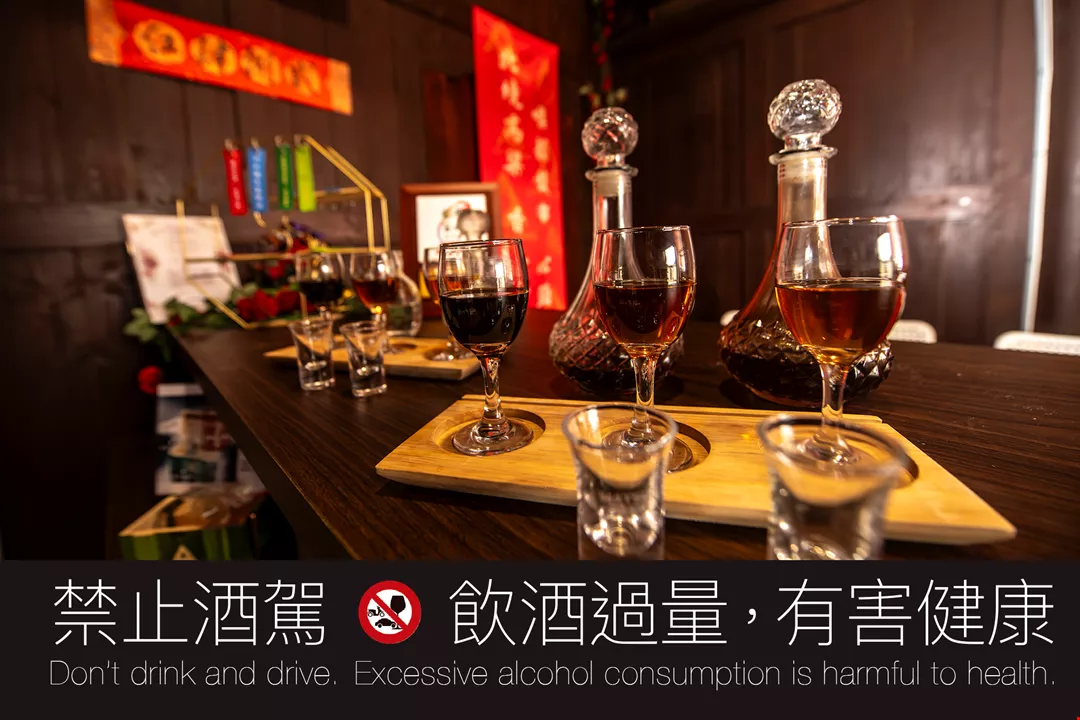
Matsu 2845 founded an “old wine” tasting club that takes visitors on guided tours to learn about the “old wine” made in different villages. In the process, they hear stories about the local area.
“Old wine” redefines Matsu
No longer just a gift item, “old wine” is an export that represents the island lifestyle. Once hidden away or even forgotten, today it is bringing Matsu to more widespread attention.
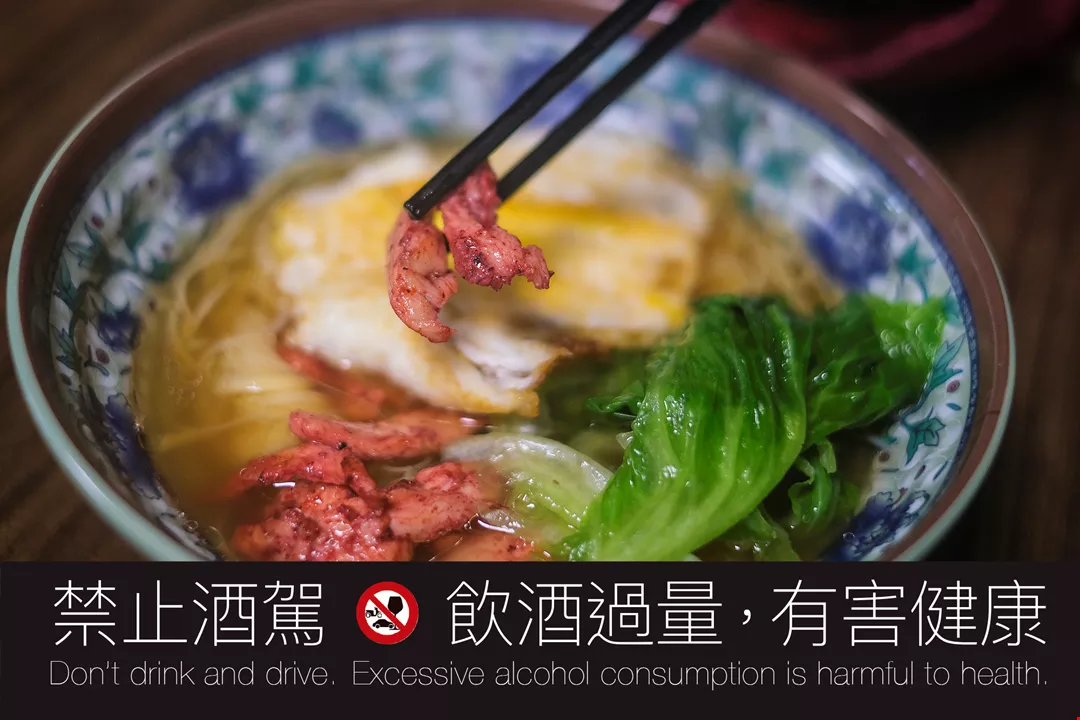
“Old wine” noodles are typical down-home fare in Matsu, and people often use red vinasse to add extra flavor. Shown here is a dish prepared by Auntie Chen Ai-jiao at Shizi Market in Jieshou Village.
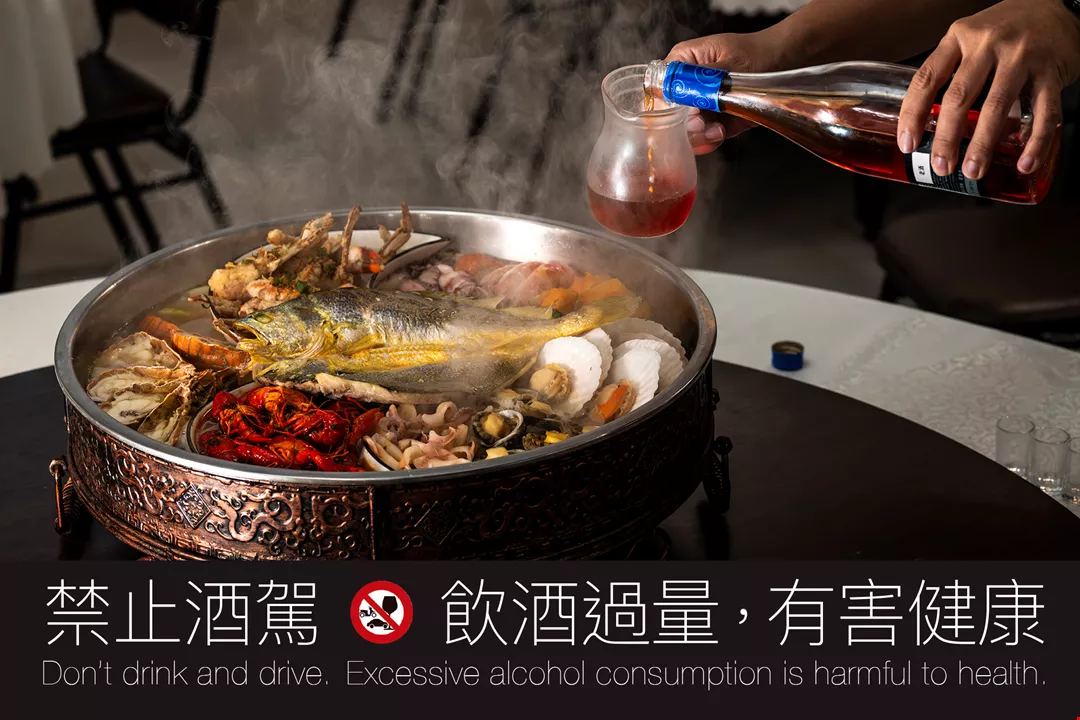
The popular “gout pot” is chock full of seasonal seafoods, which go well with “old wine.” Wang Yuansong, general manager of Golden Dragon Holiday Villa, ensures that each dish is brought to the table in camera-ready condition, knowing that diners will want to snap photos.
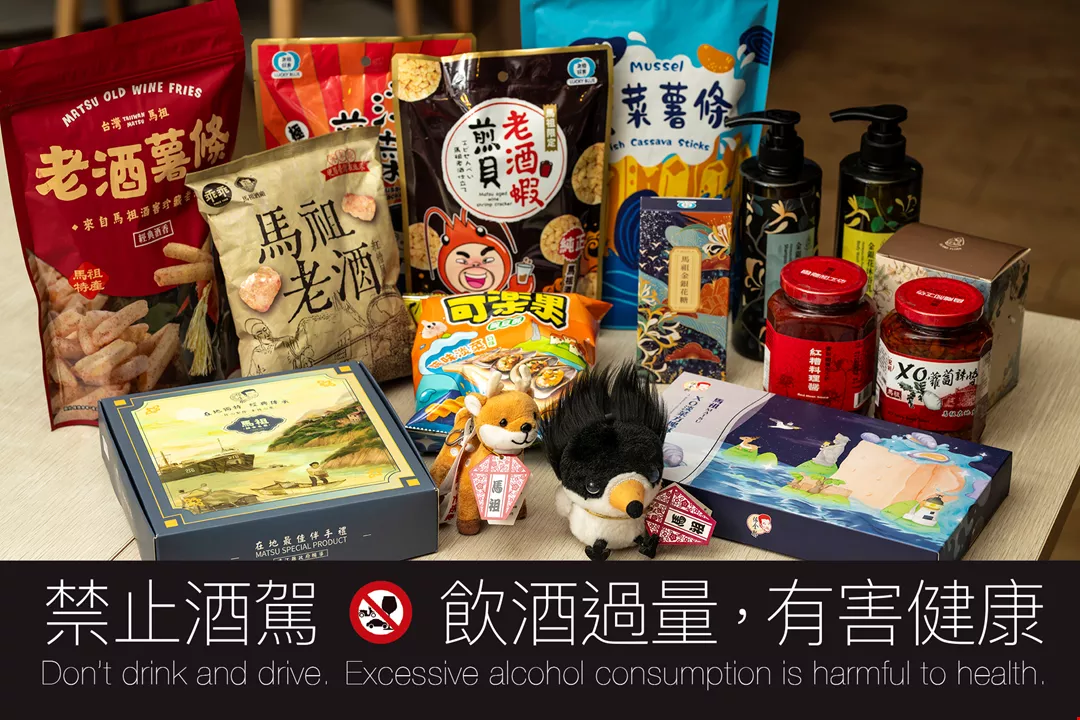
Matsu flavors, new-age gift ideas
Many new products have been invented that highlight their Matsu origins, such as “old wine” rice crackers, green mussel crackers, honeysuckle tea, and sea sparkle jelly. The packaging features local environmental themes, such as Matsu’s sika deer and the Chinese crested tern.
Many of these products have been supported by grants from the Local Small Business Innovation Research program, which at the local level is administered by the Lienchiang County Government under the guidance of the Ministry of Economic Affairs, while the Matsu Select platform assists with product development, package design, trade-show marketing, and online sales to help small businesses expand beyond their offshore-island market.