Taiwan's Dazzling Gems and Jade
Tsai Chen-yu / photos Vincent Chang / tr. by Frederick T. Tsutsumi
November 1986


In most reference books, snakes are creatures that resemble large worms; they lay eggs or propagate viviparously, hibernate during winter, and are found all over the world. In Taiwan, snakes are also tutelary "Gods of the Soil" in gemstone mining districts.
Snake worship is no idle rumor in communities where miners fold their hands and bow at the hissing snakes whenever they appear.
There are about a million snake worshippers in the ROC This is an alarming figure, but it is just as startling to realize that Taiwan's precious mineral deposits make up 45 percent of the world's known supply.
A Hualien Tourist Bureau survey indicates that more than 25,000 people are engaged in some aspect of the jade and gem mining industry. Over 2,000 gem processing factories were counted, and one out of every ten stores in Taipei sells jewels and jade.
Gemstones are appraised according to international standards in which mineral derived specimens are the most precious. Hardness and dimension determine whether a piece is rated "precious" or "semiprecious." "Precious" stones include diamonds and rubies. Softer "semi-precious" stones include jade, agate, crystal, opal, garnet, and tiger's-eye. Coral, pearls, seashells, and ivory are animal-derived "semi-precious" jewelry as are phytogenic stones like amber, jet, and black coral.
According to the ROC's Bureau of Mines, there are substantial deposits of jade, sapphire, and garnet in eastern Hualien, where 49 mines are already in operation.
Taiwan produces about 1,000 metric tons of jade per year, making it the number one jade producer in the world, followed by Canada with 400 metric tons.
Taiwan's largest jade mining area in Feng-t'ien, Hualien, contains deposits of over 60 metric tons, an amount equal to over half of the current world supply of jade deposits.
The types of jade excavated are ordinary jade, candle-light jade, and cat's-eye jade. Sharing common geological processes, a single mine can yield each type, but ordinary jade is found in the largest quantity, followed by candle-light and cat's eye varieties. Cat's-eye pieces are highly transparent, and polished stones glow with fibrous scenes waving inside.
The discovery of jade deposits in Taiwan began in what were once asbestos mines in Feng-t'ien, Hualien, during the Japanese occupation. After Retrocession, the mines switched to talcum and serpentine extraction.
In 1965, geologist T'an Li-p'ing, proving that asbestos and jade are usually found together underground, located jade in years of accumulated scrap rocks cast aside as waste material.
Almost overnight, the Feng-t'ien mining district was transformed into a "get rich quick" zone similar to San Francisco during the Gold Rush. The price of "scrap rock" went up a hundred times and the hills were crawling with "mountain rat" jade prospectors.
Cat's-eye jade also lay unrecognized in the waste piles of early asbestos mines, yet in the last decade the demand for Taiwan's cat's-eye jade has rapidly spread to Europe, America, and Japan, consuming 98 percent of the Feng-t'ien mines' total output.
Yellow, green, and black cat's-eye jade is currently only mined in Taiwan and Sri Lanka cat's-eye, considered the choicest jade, costs up to US$5,000 per carat.
Two other precious stones are sapphires and garnets. Taiwan's famous blue sapphire sells for about NT$10,000 per carat.
Taiwan is the leading producer of sapphires and garnets. With such large reserves, it is a pity that they have not been exploited in a more planned fashion.
The high value of sapphire is based on its relative scarcity and some ancient beliefs. In the West, it is a symbol of truth and virtue as deep as the boundless azure skies. Persians called it a "gem among gems." Shamans believed that sapphires had peculiar spiritual powers over evil influences.
Speaking of superstitions, the gem mining regions of Taiwan have always had rather cryptic rules to observe.
The most essential rule is to avoid disturbing snakes in the area.
The snake population is high in gem mining zones, partly because the residents try to co-exist with them, but mainly because snakes like to live where jade deposits are plentiful.
An experienced miner explained that snakes prefer jade-laden stone habitats because the temperature remains cool in summer yet has residual warmth during cold spells.
Other unwritten rules are: not wearing wooden clogs, keeping umbrellas closed, not whistling, and restricting female entry to the mining pits.
The reasons for these prohibitions are just as interesting. Noisy clogs irritate the spirits of the stones and decrease mineral deposit yields.
The Chinese word for "umbrella" sounds the same as the word "to scatter,"-- unlucky when applied to unexcavated gemstones.
Whistling offends the spirits and threatens the safety of the entire community.
Although precious stone deposits are abundant, Taiwan's jade and gem industry has been in a rut during the last few years.
The slump is a result of production, processing, and sales methods which led to intense competition that sacrificed price for volume, and precipitated chaotic market conditions.
Poor mining techniques waste as much as 50 percent of the ore, and the deeper the mining operation the steeper the cost. Thus, if Taiwan's precious stone industry is to prosper, all aspects from site selection to packaging should incorporate more efficient techniques and a sound plan of development.
This past August another vein of sapphire was discovered in Taitung near Tulan Mountain, and another lode of green garnet was found in the jade mines of Feng-t'ien in Hualien.
It has been predicted by knowledgeable jewelers that the trading center for jade and gems in Asia will ultimately shift from Tokyo to Taiwan.
Will this become a reality? The deposits of precious stones prefer to remain silent, allowing us to draw our own conclusions.
[Picture Caption]
Snakes often nest in places with jade. Look out!
How many hopeful prospectors have climbed the gully up Mukua Stream?
Miners painstakingly unearth jade day after day, year after year.
The workers' shacks at the Fengt'ien mines are well appointed.
Green jade, lustrous and viridescent.
A garnet, dazzling and radiant.
The sapphire: gem among gems, symbol of truth and virtue.
Cat's-eye jade, mysterious and enigmatic.
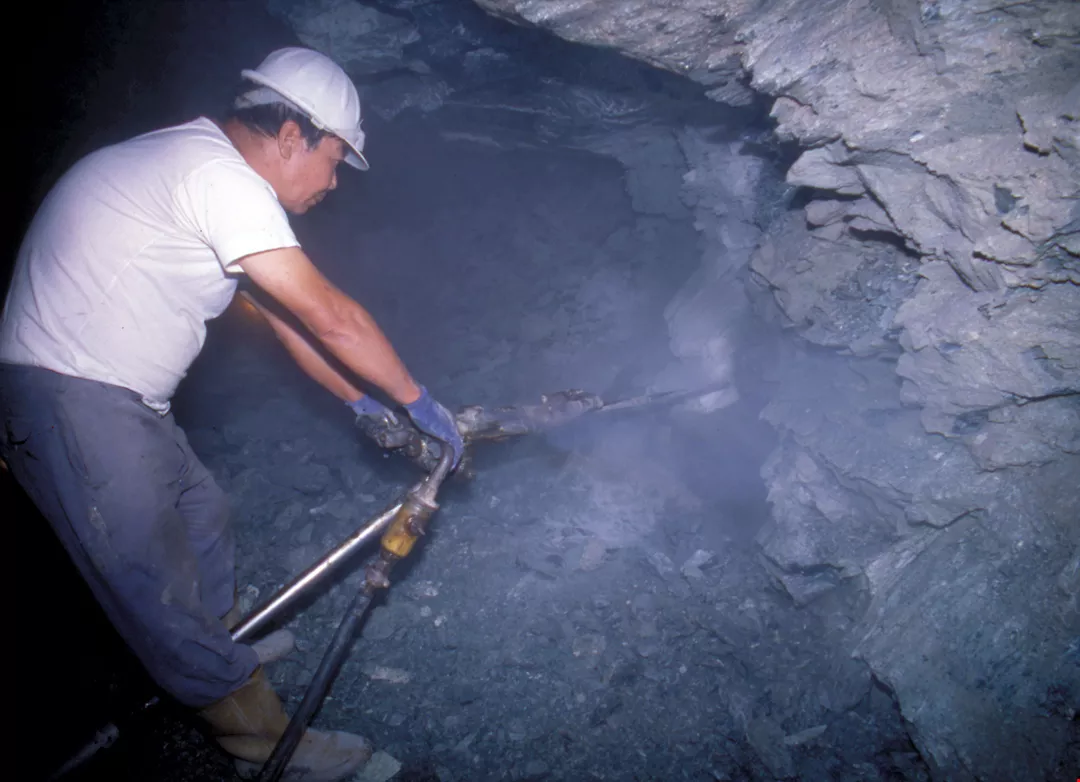
Miners painstakingly unearth jade day after day, year after year.
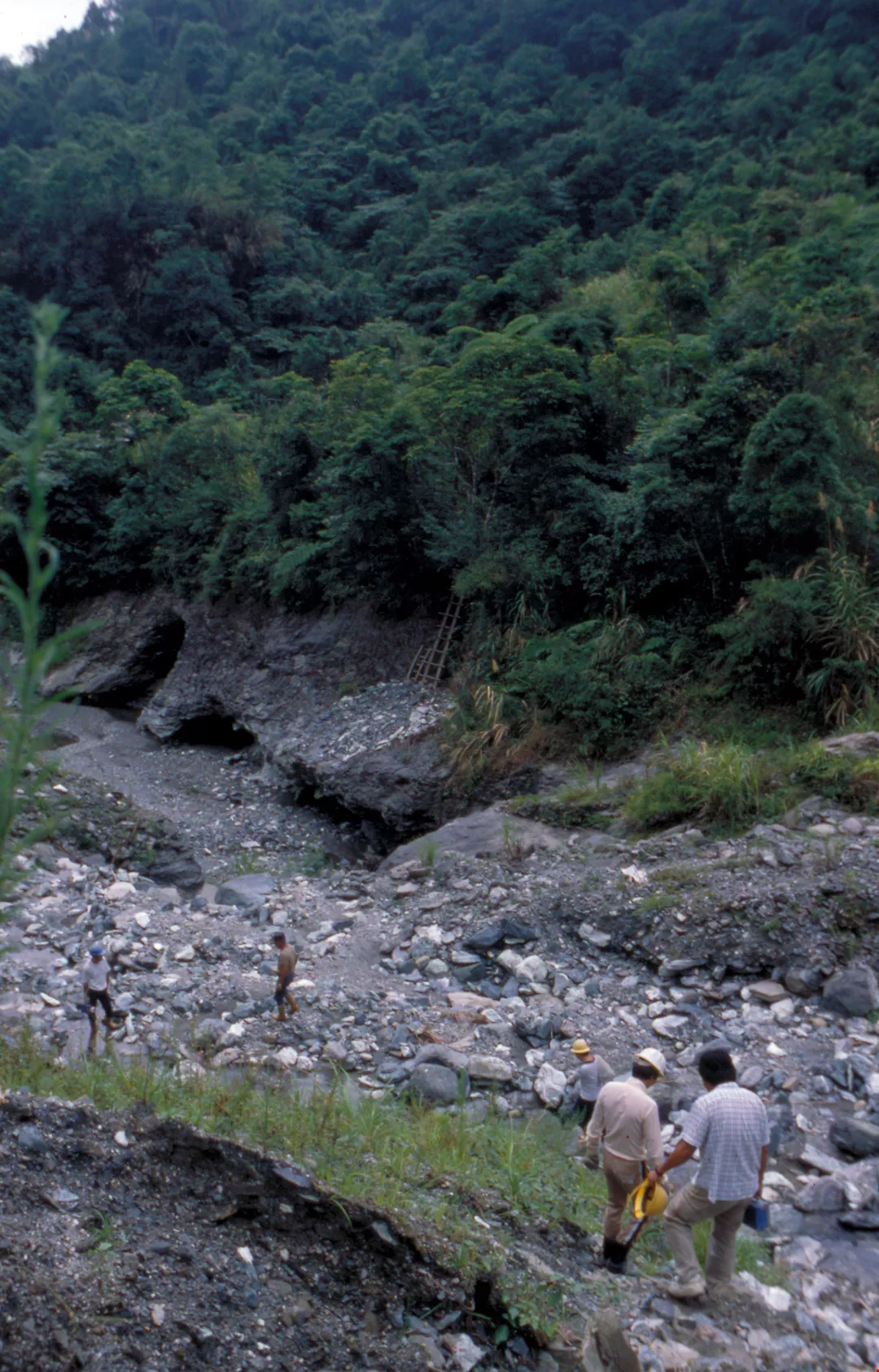
How many hopeful prospectors have climbed the gully up Mukua Stream?
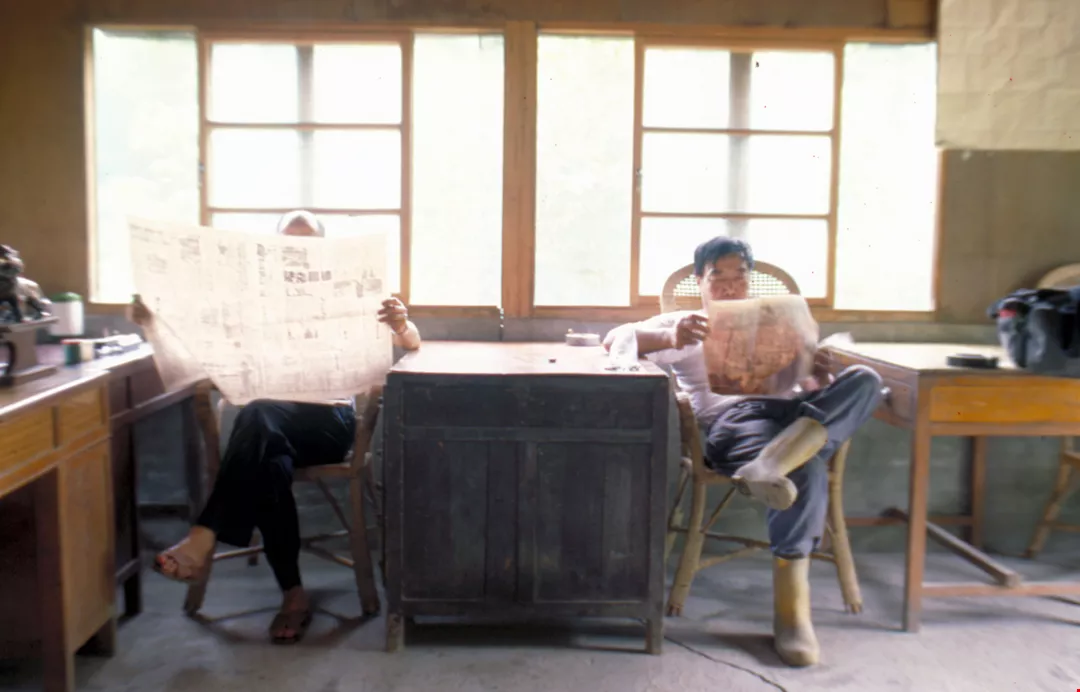
The workers' shacks at the Fengt'ien mines are well appointed.
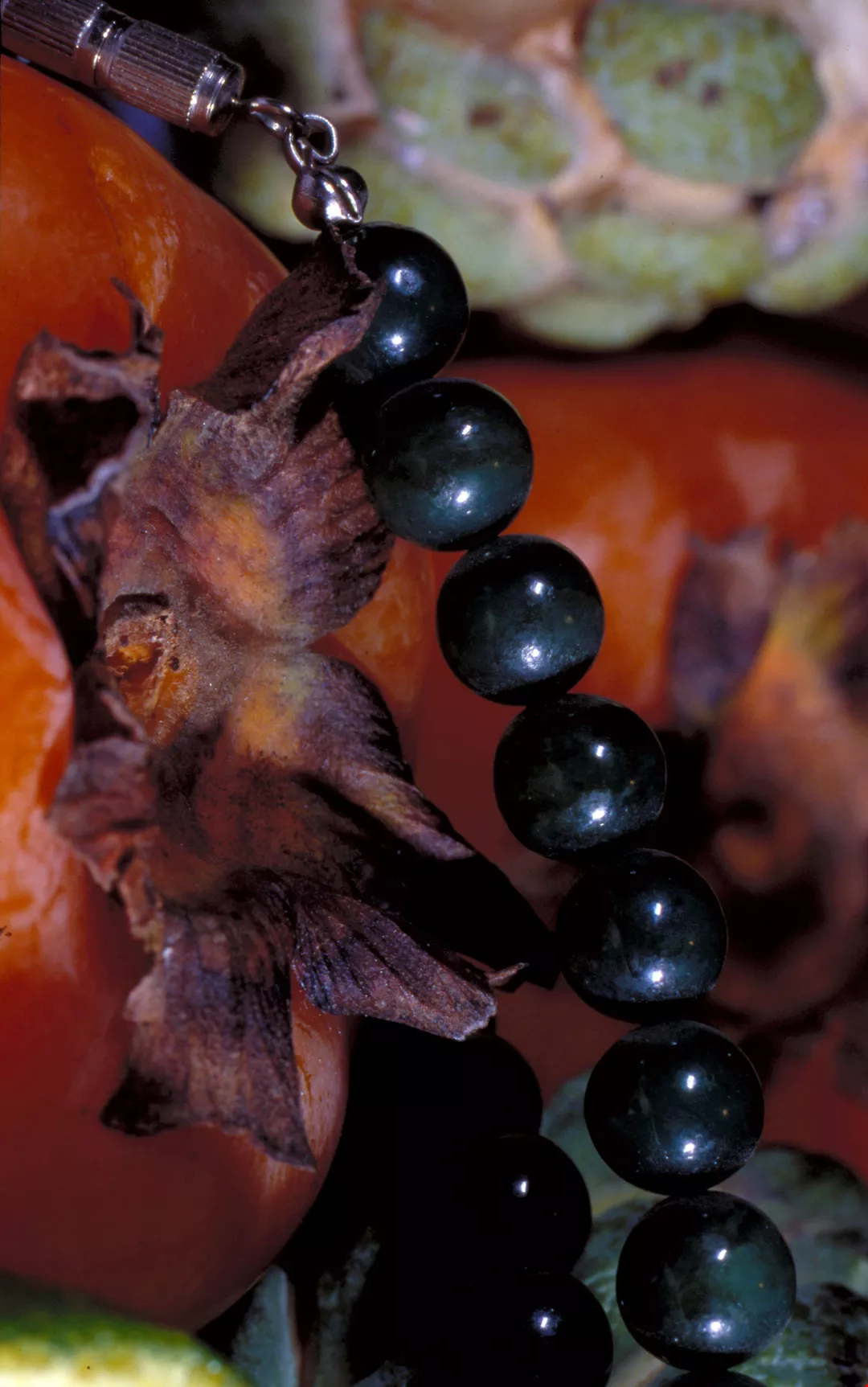
Green jade, lustrous and viridescent.
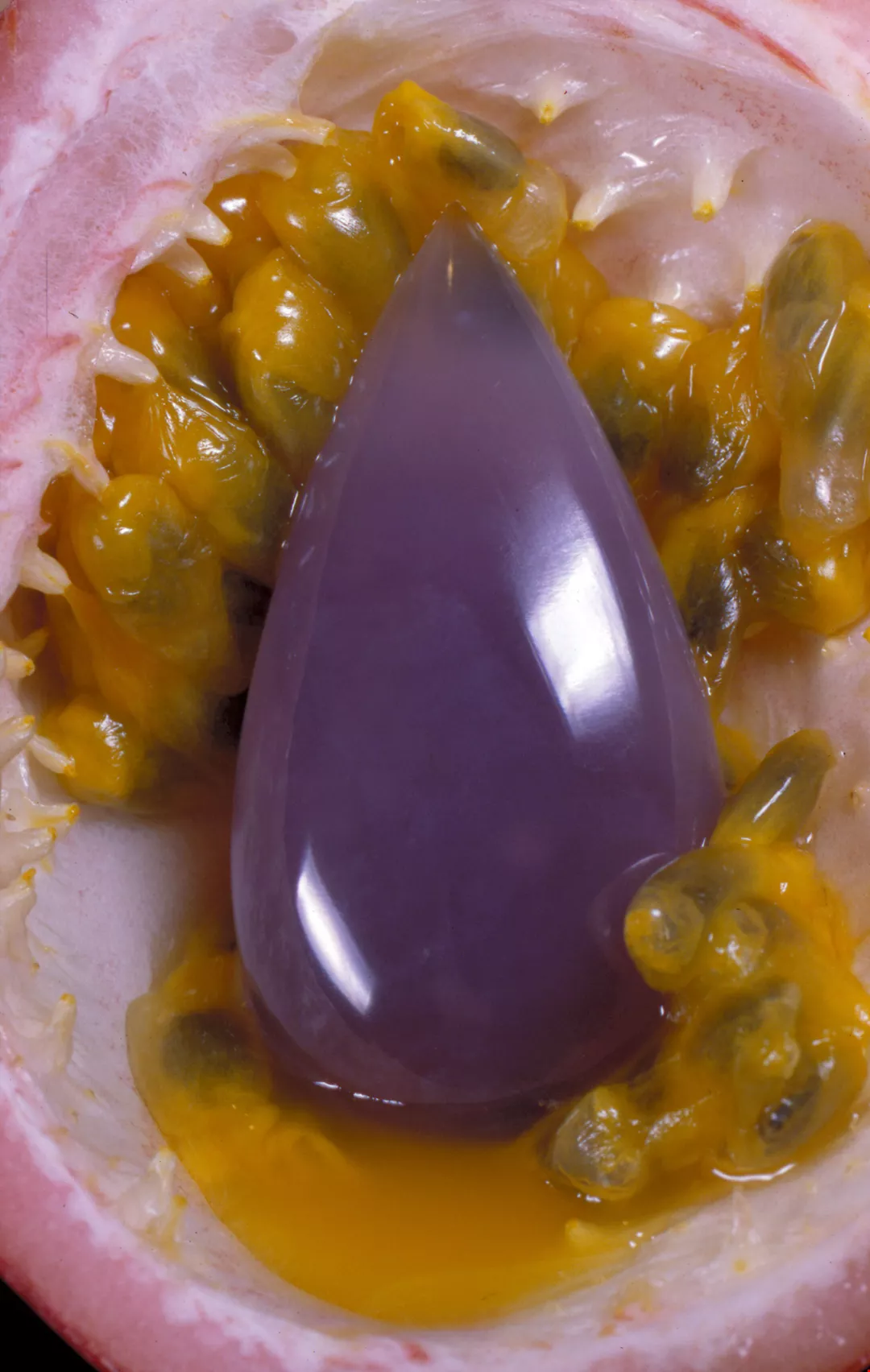
A garnet, dazzling and radiant.
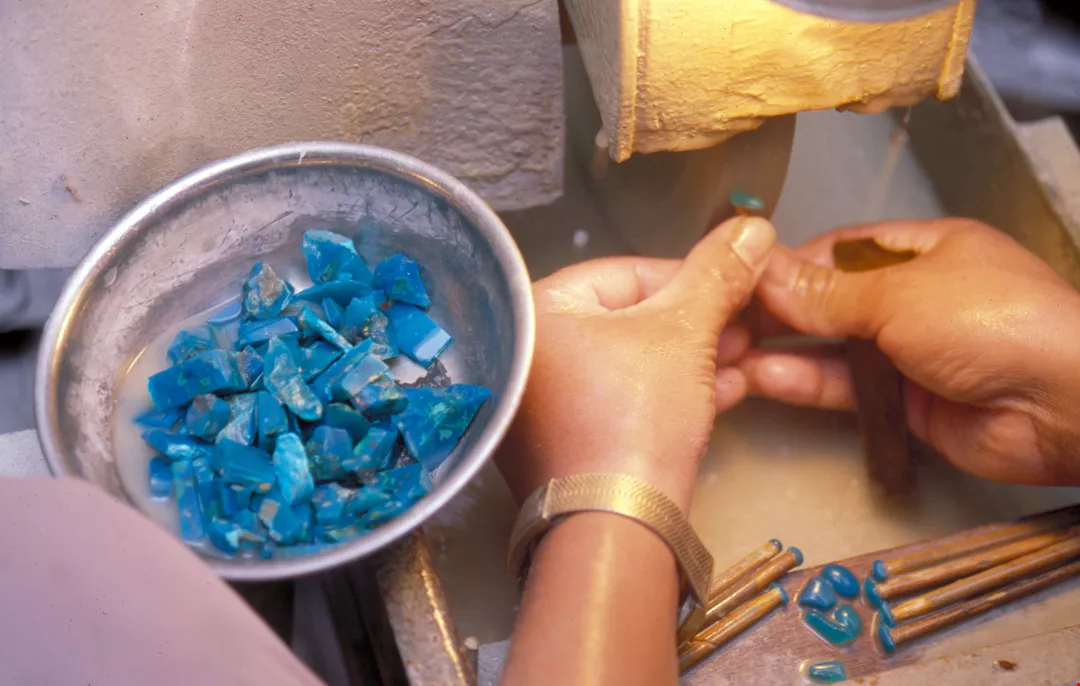
The sapphire: gem among gems, symbol of truth and virtue.
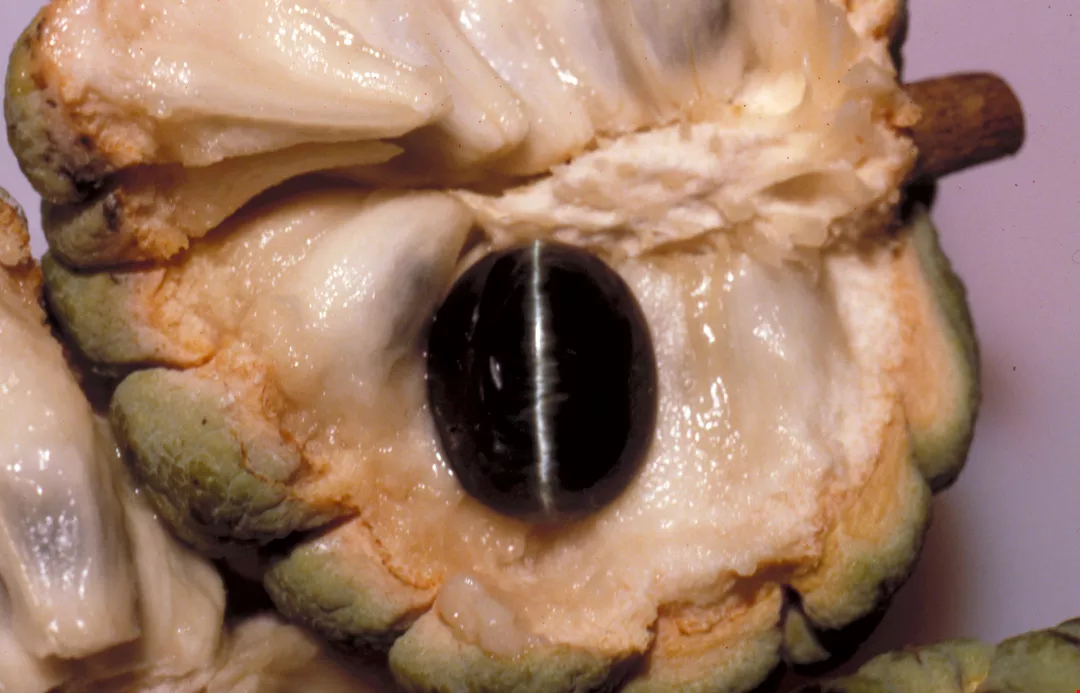
Cat's-eye jade, mysterious and enigmatic.


