Diverse soy sauces
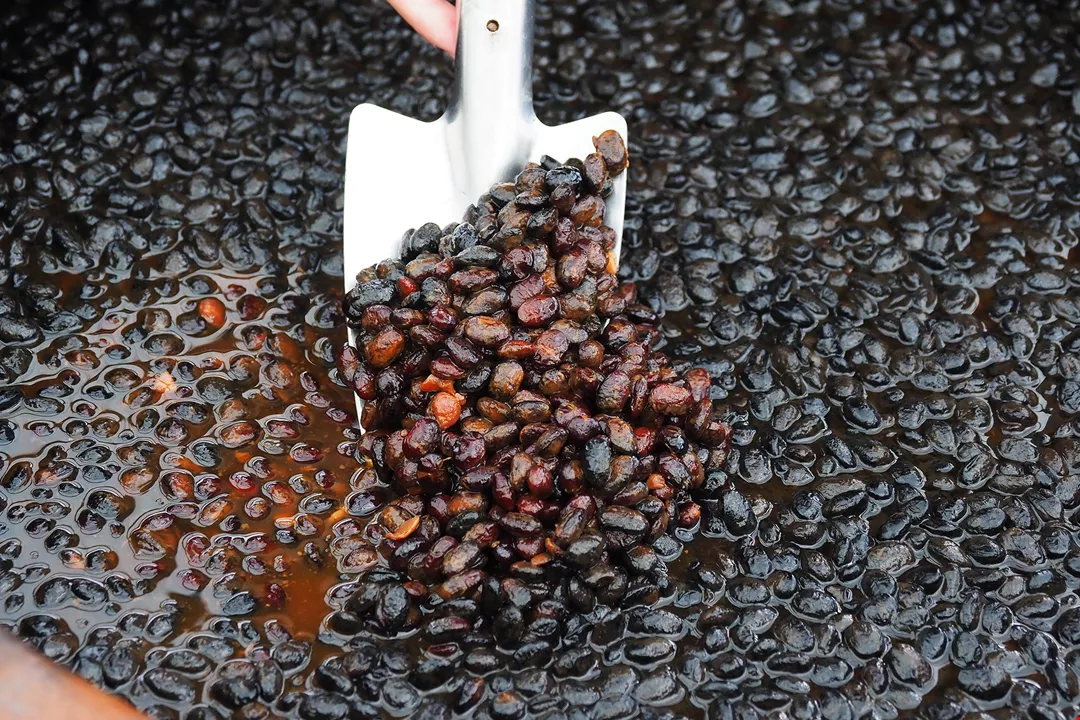
Initially, soy sauce in Taiwan was made using black soybeans as the main ingredient. In his classic work General History of Taiwan (1921), Lien Heng (1878‡1936) records that people back in the day used black soybeans to make soy sauce, and yellow soybeans to make tofu. This custom only changed during the era of Japanese rule (1895‡1945), when the Japanese introduced soy sauce made with yellow soybeans and wheat as the main ingredients and built a large-scale soy sauce manufacturing operation in Taiwan.
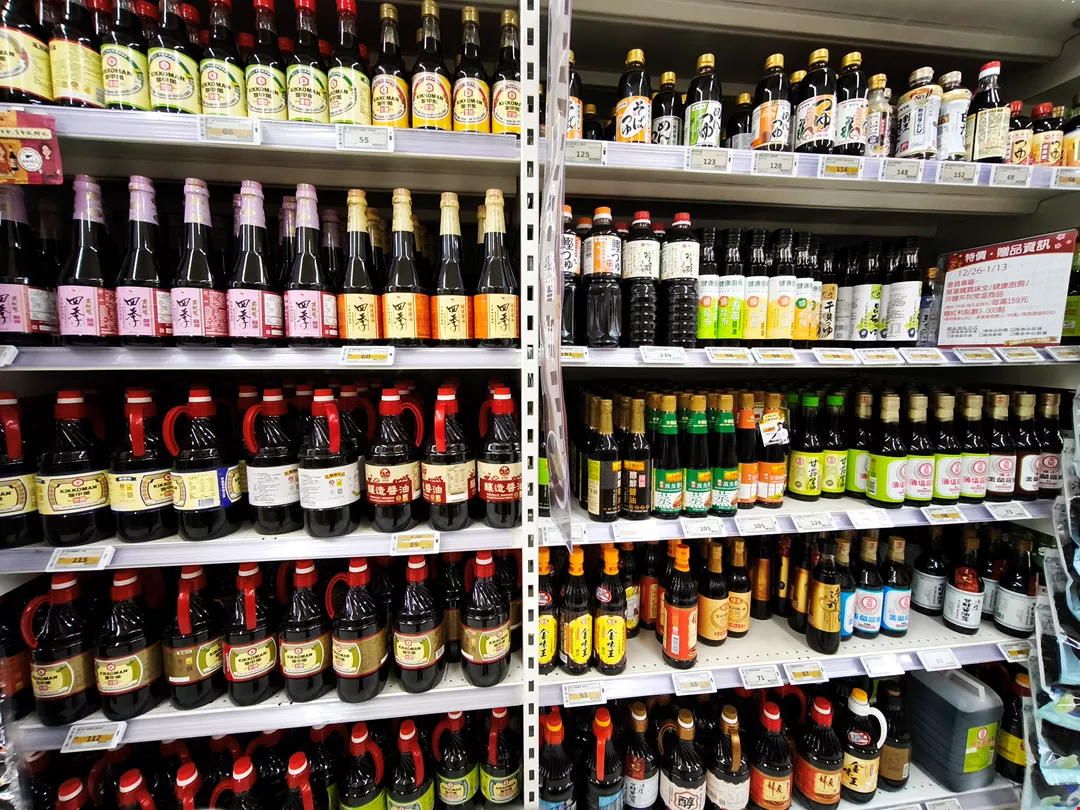
The popularity of the new condiment led to an eclectic mix of soy sauces in Taiwan, with diverse products available. Hsu Zong argues that Taiwanese soy sauces can be divided into four main categories: black bean soy sauce, soybean-and-wheat soy sauce, thick soy sauce (soy sauce thickened with glutenous rice or another starch), and flavored soy sauces.
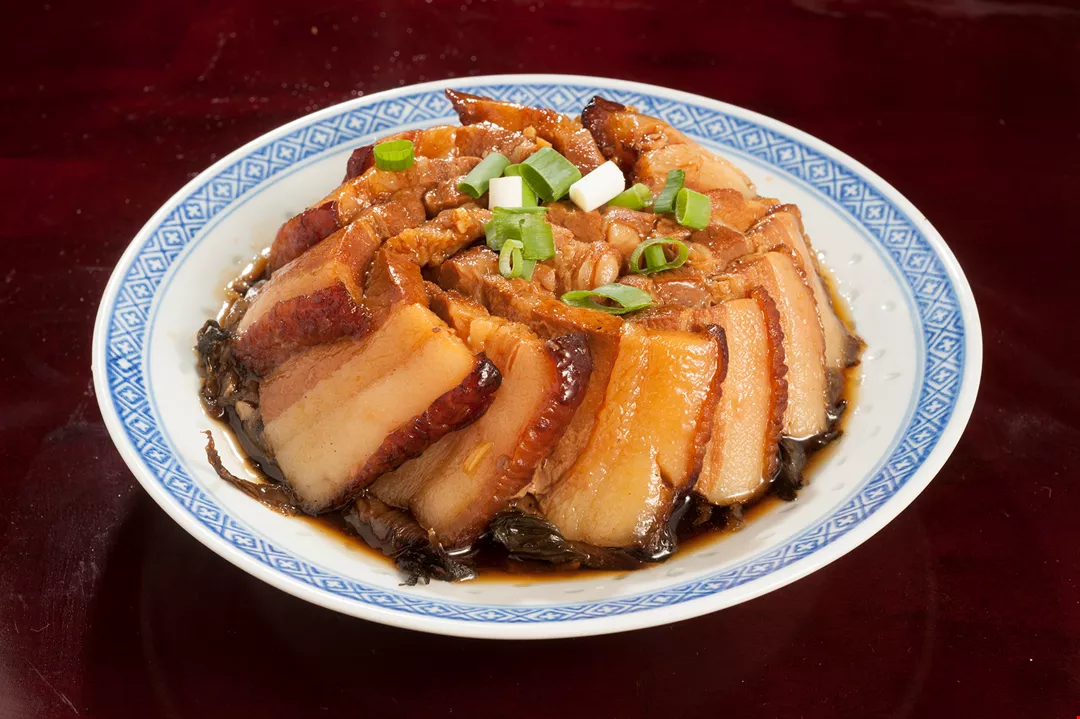
Although Taiwanese consumers are accustomed to using the same soy sauce for all kinds of cooking, there are still subtle differences between the four types. Black bean soy sauce has a relatively high fat content, making it suited to long periods of stewing or braising, and it becomes more fragrant the longer it is cooked. Soybean-and-wheat soy sauce, meanwhile, has a distinctive delicate aroma due to the small amount of alcohol that the wheat produces at the fermenting stage; however, because the alcohol evaporates at high temperatures, this type of soy sauce is best used in fast stir-frying. As for thick soy sauce and flavored soy sauces, these offer other taste options to suit consumers’ preferences.
At present, there are five major manufacturers of soybean-and-wheat soy sauce in Taiwan: Kimlan, Wei Chuan, Ve Wong, President Kikkoman (a joint venture between Taiwan’s Uni-President and Japan’s Kikkoman), and Wan Ja Shan. In addition, there are still numerous small soy sauce companies all over Taiwan. These include many family firms that have been in business for a century or more and have been passed down through several generations, that mainly supplied soy sauce for their local communities back when transportation of goods was less convenient. These are important behind-the-scenes contributors to distinctive local culinary flavors.
Hsu Zong, who has personally visited more than 70 soy sauce makers around Taiwan and has written a book on the subject, has a rich storehouse of knowledge about the unique soy sauce culture in various places in Taiwan. He notes that in Yilan County, which has a flourishing soy sauce brewing culture with a particular style of its own, there are a large number of small-scale soy sauce making operations. Because the weather in Yilan is humid and chilly year-round, locals take advantage of the period between Dragon Boat Festival and Mid-Autumn Festival, the time of year with the largest number of clear, sunny days, to brew soy sauce. Because the brewing time is brief, at only about a month or so, ultimately they have to rely on the cooking stage to bring out the flavor.
Meanwhile, in Southern Taiwan, where people have long preferred sweeter foods, this preference is likewise expressed in their soy sauce. Employees at Dong Cheng Soy Sauce in Tainan reveal their company’s secret to a good product: “If one spoonful of sugar doesn’t do the trick, then add another.”
We ask why Yunlin County has so many soy sauce producers. Indeed, Yunlin is the location of Xiluo Township, “the home of black bean soy sauce.” Hsu Zong says frankly that in the soy sauce industry, Yunlin is the new kid on the block.
Hsu argues that one of the main reasons that Yunlin has been able to establish itself as an industry leader—besides its oft-mentioned natural endowments of plentiful sunshine and the water of the Zhuoshui River—is that the county is located at the intersection of major northern and southern transportation routes. Before the High Speed Rail and even before the freeways were built, long-distance buses always stopped over in Yunlin. Moreover, the Yunlin County Government has strongly promoted the industry, with Xiluo soy sauce becoming increasingly popular as a souvenir gift item and the reputation of the town’s product spreading like wildfire.
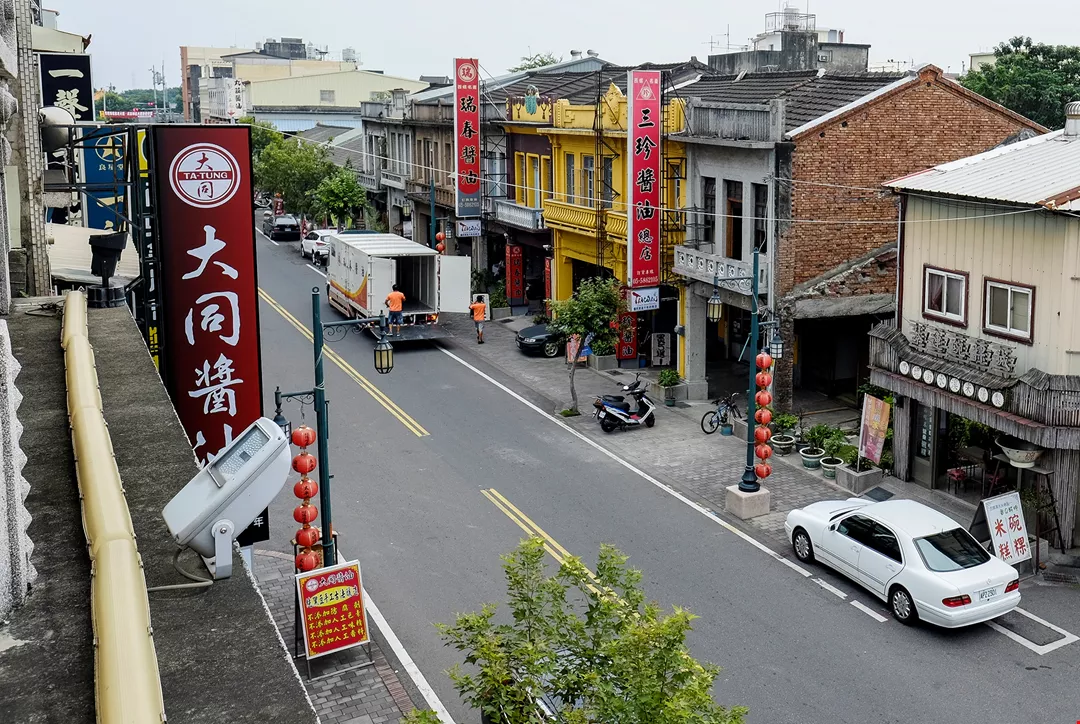
Xiluo in Yunlin County, whose soy sauce industry got its start thanks to the town’s advantageous location for transport, boasts many soy sauce companies along its streets. (photo by Kent Chuang)
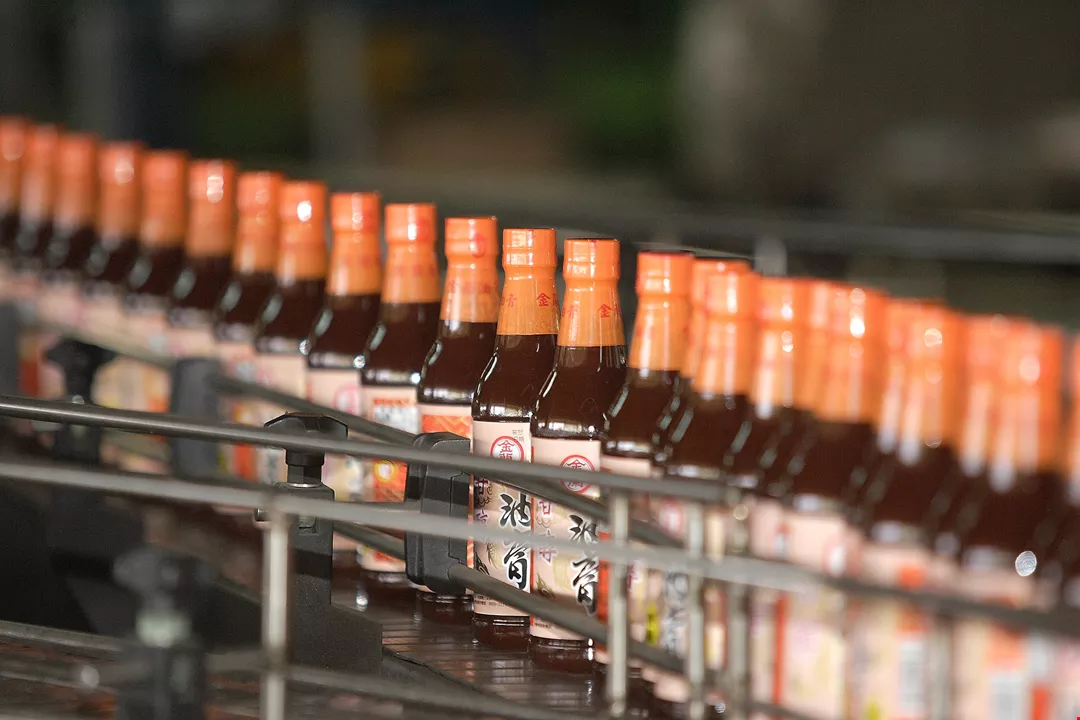
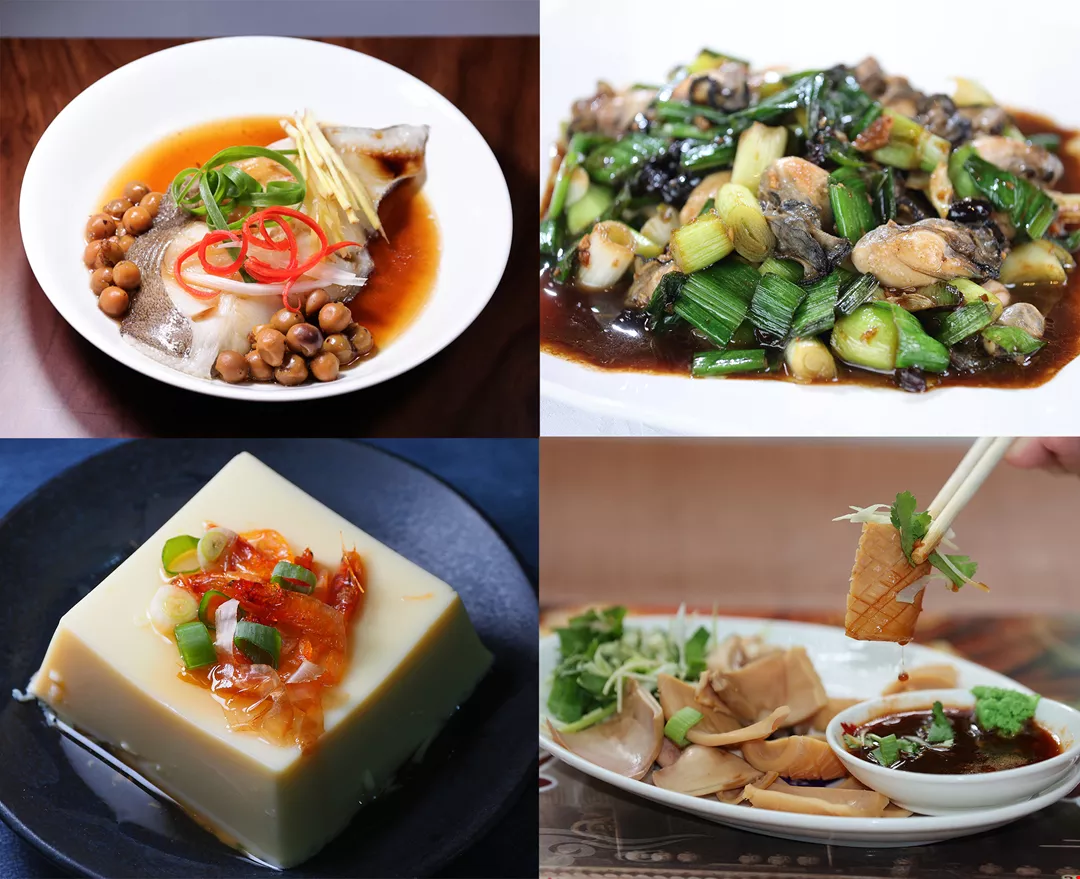
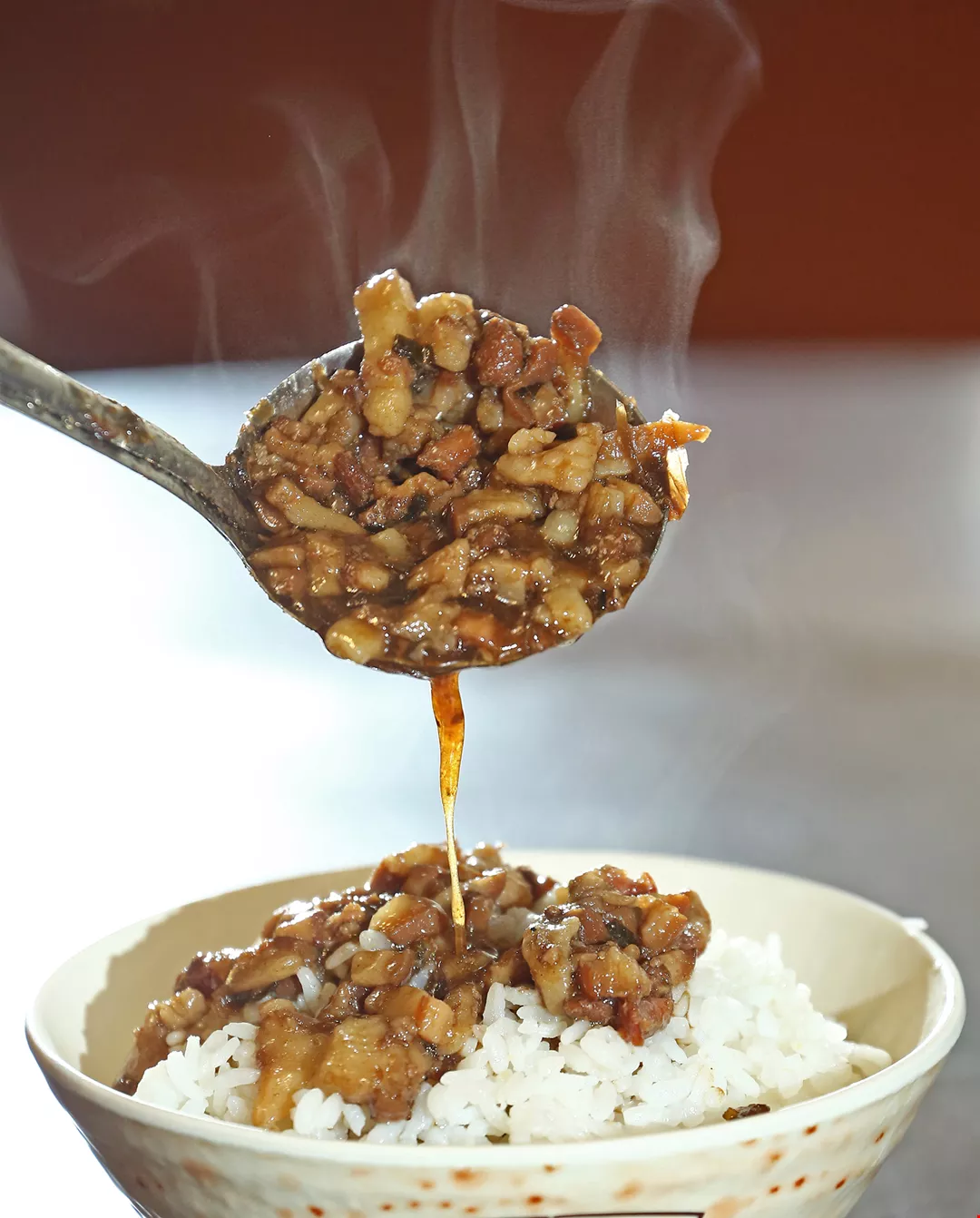
Soy sauce is an important product used by Taiwanese in daily life, and an indispensable condiment in Taiwanese cuisine. (MOFA file photo)

Food expert Hsu Zong has visited more than 70 soy sauce makers in Taiwan.




@List.jpg?w=522&h=410&mode=crop&format=webp&quality=80)


