Recycling RO greywater
To ensure patient safety, the water used for dialysis in hospital hemodialysis centers must undergo purification by reverse osmosis (RO). This process removes impurities, but leaves behind mineral-rich greywater. NTCH’s main branch in New Taipei’s Sanchong District produces some 30 cubic meters of such greywater per day, which was formerly discharged as wastewater.
NTCH director of engineering Tseng Chang-wei states that while a majority of hospitals reclaim such water, most use it only for watering plants, with a great deal still going to waste. The NTCH team was not satisfied with merely symbolic recycling, but wanted to figure out how to make optimum use of this water.
They built a 40-m3 storage system and transitioned the hot water supply in wards from municipal water heated by natural-gas boilers to reclaimed water heated by electric heat pumps. “In itself, reducing water use has limited impact in terms of reducing carbon emissions, but if you also switch away from natural gas, with its high carbon emissions, the effect is entirely different,” says Tseng. According to his calculations, the use of such an RO water recycling system can save NTCH 9,700 m3 of municipal water per year, cutting costs by over NT$600,000 (US$19,000) while also reducing carbon emissions by over 39 metric tons.
In addition, the hospital works with the Sanchong District Office of the New Taipei City Government to provide the district with free reclaimed water for watering roadside plants and for street cleaning. NTCH has become one of the few hospitals that fully recycles its dialysis greywater, and this has been recognized with multiple awards.
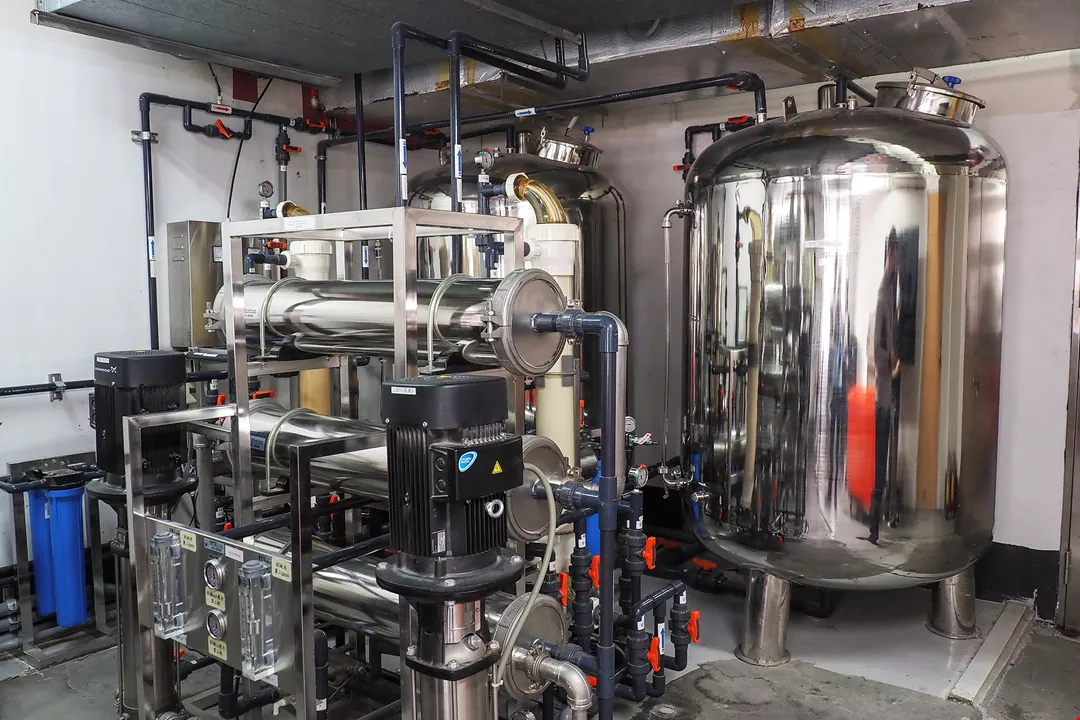
Water for hemodialysis must be purified by reverse osmosis, producing a great deal of waste greywater. Many hospitals are looking for ways to reclaim and reuse this water.
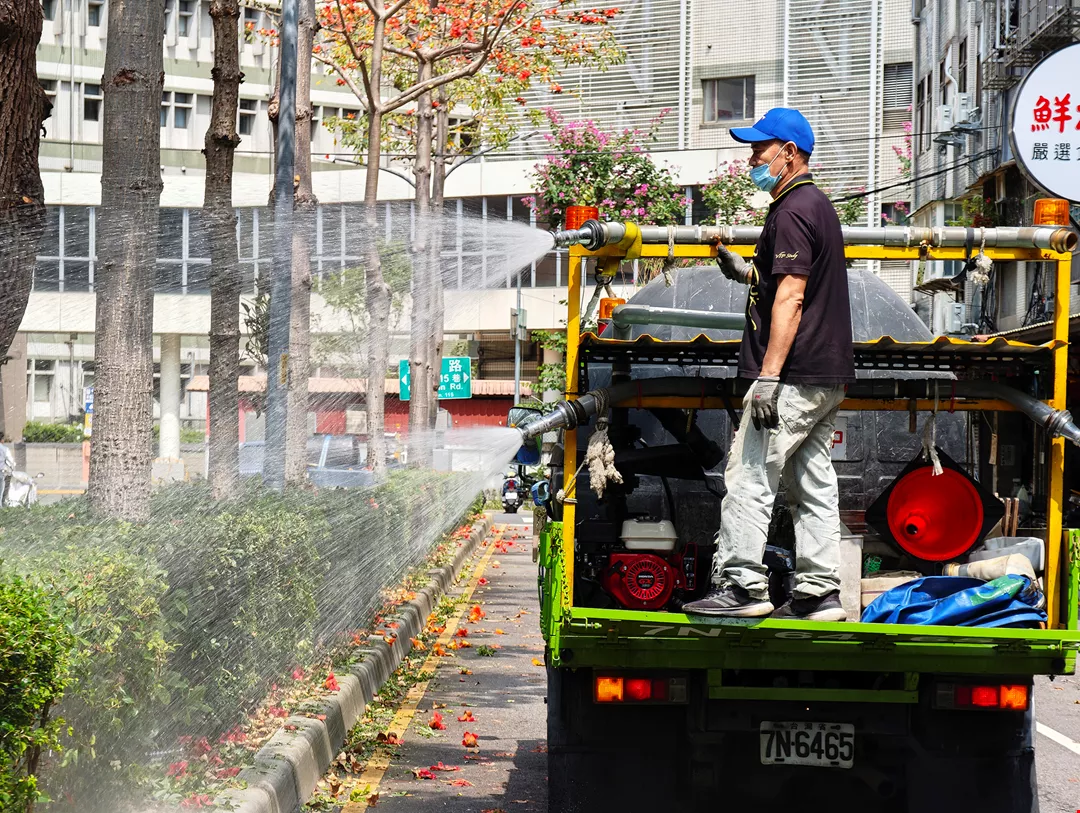
Reclaimed RO water is used to water roadside plants, helping to save our planet’s water resources.




@List.jpg?w=522&h=410&mode=crop&format=webp&quality=80)

@List.jpg?w=522&h=410&mode=crop&format=webp&quality=80)


