

Coral does not have the sparkle of diamond, or the deep luster of gold. But its rich color, smooth surface and pure appearance have given it a special value, and the highest quality coral is in fact more precious than gold.
Today, Taiwan is the world's largest producer of coral, even though most of its products find their way overseas. But several factors have combined to threaten this prosperous industry, and several specialists are considering ways to save it.
Perhaps the most valuable piece of coral ever found was brought in from waters off Kueishan Island in Ilan County in northern Taiwan in 1980. 125 cm. in height and weighing 70.5 kilograms, it is believed to be the largest piece gathered so far. Since it is estimated that coral adds a kilogram in weight every 300 years, the piece must be about 21,000 years old.
Bidding was fiercely competitive, with merchants from Japan and Italy joining those from within Taiwan. In the end, the Hai Shan Coral Co. won the bidding with an offer of NT$7 million (US$175,000), and put the piece on display in its Taipei showroom.
The first record of coral being regarded as precious dates back 1,700 years, when a Mediterranean merchant ship became stuck on the rocks. An investigation showed that a beautiful rock tree was causing the trouble, and when the boat was freed without mishap, the coral was regarded as an auspicious substance and a symbol of peace and contentment.
In Korea and Japan, coral has traditionally been used to ward off evil, and is regarded as an essential adornment at weddings. Arab worriers wore it during prayers, and even today, coral is buried with the dead in Nigeria, where it is regarded as a symbol of wealth.
In China, coral has traditionally been regarded as one of the seven treasures, and its use is documented in the Liang Shou Classic and the Diamond Sutra. Coral was bestowed by the emperor on ministers and members of noble families as a sign of imperial favor, and was brought as a tribute by visitors from the south. Wearing coral was said to keep away the cold, and assure plentiful descendants and a peaceful home. On a more mundane level, coral dust was use to curb children's misbehavior, and even stop a nosebleed.
Over the past 1,000 years, most coral has been discovered in latitudes between 20 degrees and 40 degrees, and Italy, Japan and Taiwan have become the major producers. White coral is generally found in waters from 50 to 80 meters deep, pink from 100 to 180 meters and red from 200 to 300 meters. While coral is plentiful above 1,000 meters, it is variegated in color at this depth, and therefore less valuable.
With a millennial history of production, Italy is the center of Europe's coral industry, while in Asia, Japan first started to process it 100 years ago. Coral was discovered off the coast of Taiwan in 1923, and further investigations showed it was of better quality than that discovered off Japan or Italy. By 1979, Taiwan had become the center of the coral industry, producing 80 percent of the world's total.
At first, there were only a few companies in the line, and profits were high. The deep red color of most of Taiwan's coral gave it a special value, and soon, there were 200 ships involved in harvesting the material. Since coral grows at the low rate of only one inch every 10 to 20 years, the resources around Taiwan were soon depleted. Ships began to venture further afield, and several were detained by overseas authorities.
Since Taiwan's coral production is declining daily, it is surprising to learn that supply outstrips demand. An official of the Fisheries Bureau explained that when the industry was established, expectations were high, and many producers entered the line. This led coral fishermen to bring in larger quantities of low-quality material, and when the recession struck, demand plummeted. All attempts at fixing prices failed because of disunity among suppliers.
A further factor inhibiting progress has been the low-quality processing techniques used by producers. Apprentice carvers were mostly content to follow the designs shown them by their teachers, and innovation was almost absent. Goods were mostly sold raw or semi-processed to buyers in Japan and Italy, where profits are limited. The Italians, on the other hand, have improved their finishing techniques to bring coral processing to the level of an art form. Schools founded in Italy long ago still exist today, and they set standards of selection, design, mounting, aesthetics, display and pricing.
Coral merchants in Taiwan are now alert to the outside threat, however, and have been taking advice from the Fisheries Bureau. They have started to form an organization to set prices and draw up contracts with buyers, and are sharing experiences and skills. They have also reduced the size of the coral fleets to reduce competition at home.
In particular, a research association has been formed jointly by the fishermen and the government to study ways to raise the price of coral and preserve what limited reserves are still left on the ocean floor. The association periodically issues reports for distribution to merchants.
Today, Taiwan's coral industry is in skilled and experienced hands, and a new approach has been adopted to professional management and improved quality. This should allow the industry to overcome its present hardships, and consolidate its position as the world's leader.
[Picture Caption]
1. This world record piece of coral, pulled out of the ocean near Kueishan Island in 1980, weighs 70.5 kilograms and is 125 cm. tall. 2-5. Coral is regarded as a symbol of luck. These pieces have been carved into auspicious shapes.
1. Processed coral is beautiful and expensive. Some of the more commonly seen pieces include rings, bracelets, earrings, and statuettes. 2. A small coral screen. 3. Coral carving requires a skilled hand, imagination, and quality material. 4. This high quality coral is popular with Western customers. 5. Coral is easily damaged by acid, so craftsmen must be careful when handling it. 6. Chinese value the deep red coral most of all. 7,8. A new design. Skilled carving increases the coral's value.
1. Coral must be inspected carefully for color, shine, and blemishes before purchase. 2. Coral processing workers must find pieces of the same size and shape to make a pair of earrings. 3. Coral (bottom right) is the skeleton of an ocean dwelling polyp. 4. A piece of coral is really many different small corals which have grown together. 5. In recent years, the quality of coral has deteriorated as a result of over-harvesting.
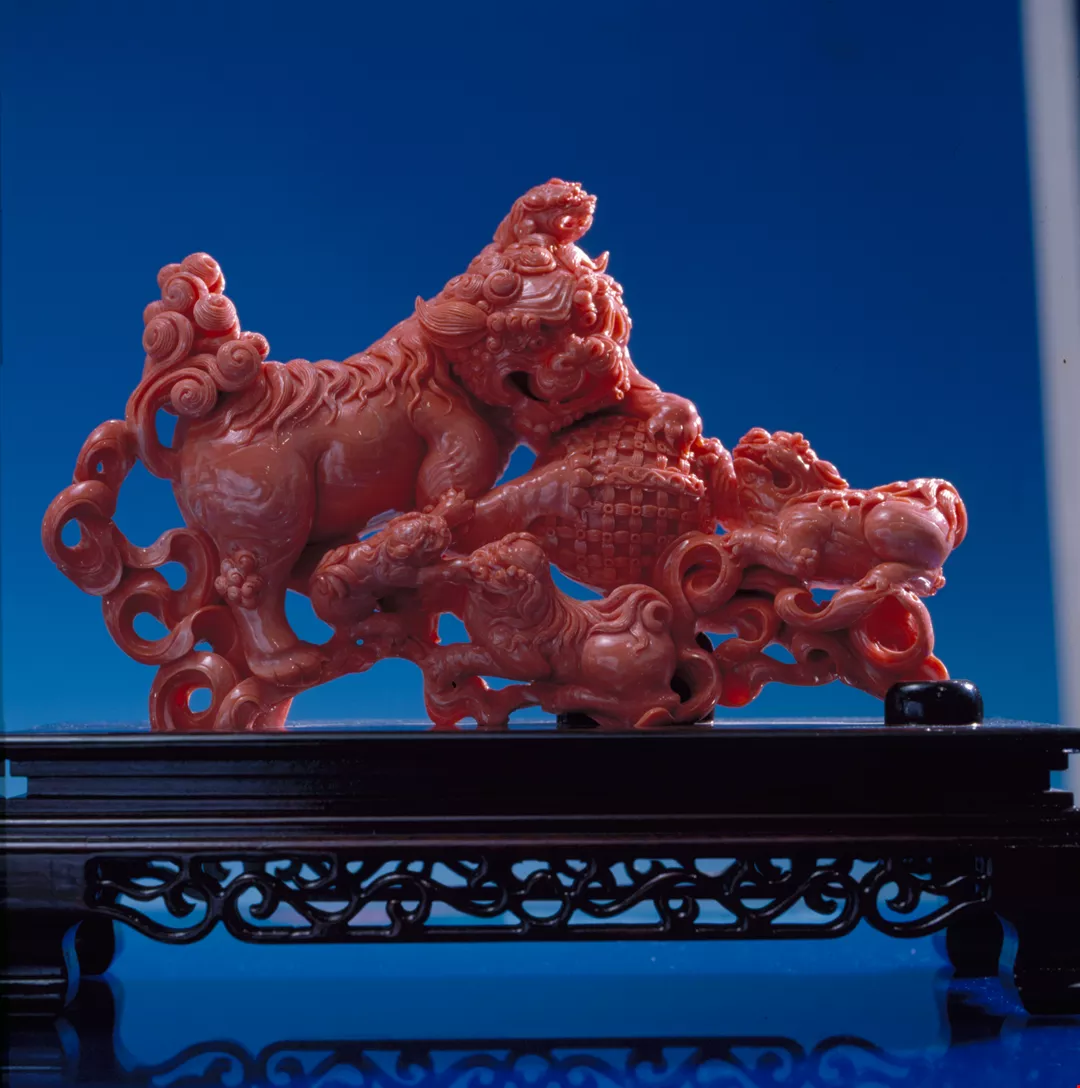
2-5. Coral is regarded as a symbol of luck. These pieces have been carved into auspicious shapes.
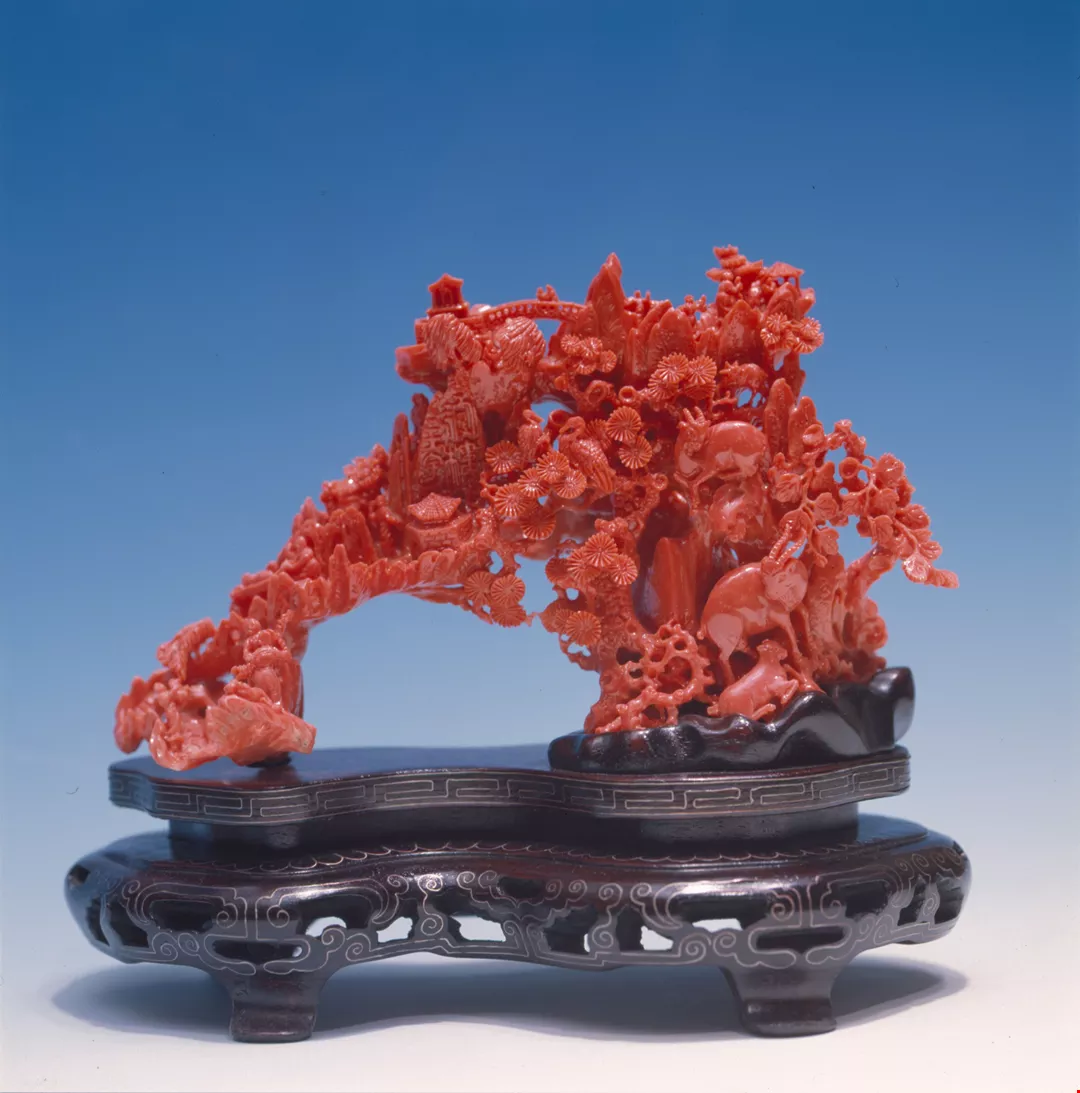
2-5. Coral is regarded as a symbol of luck. These pieces have been carved into auspicious shapes.
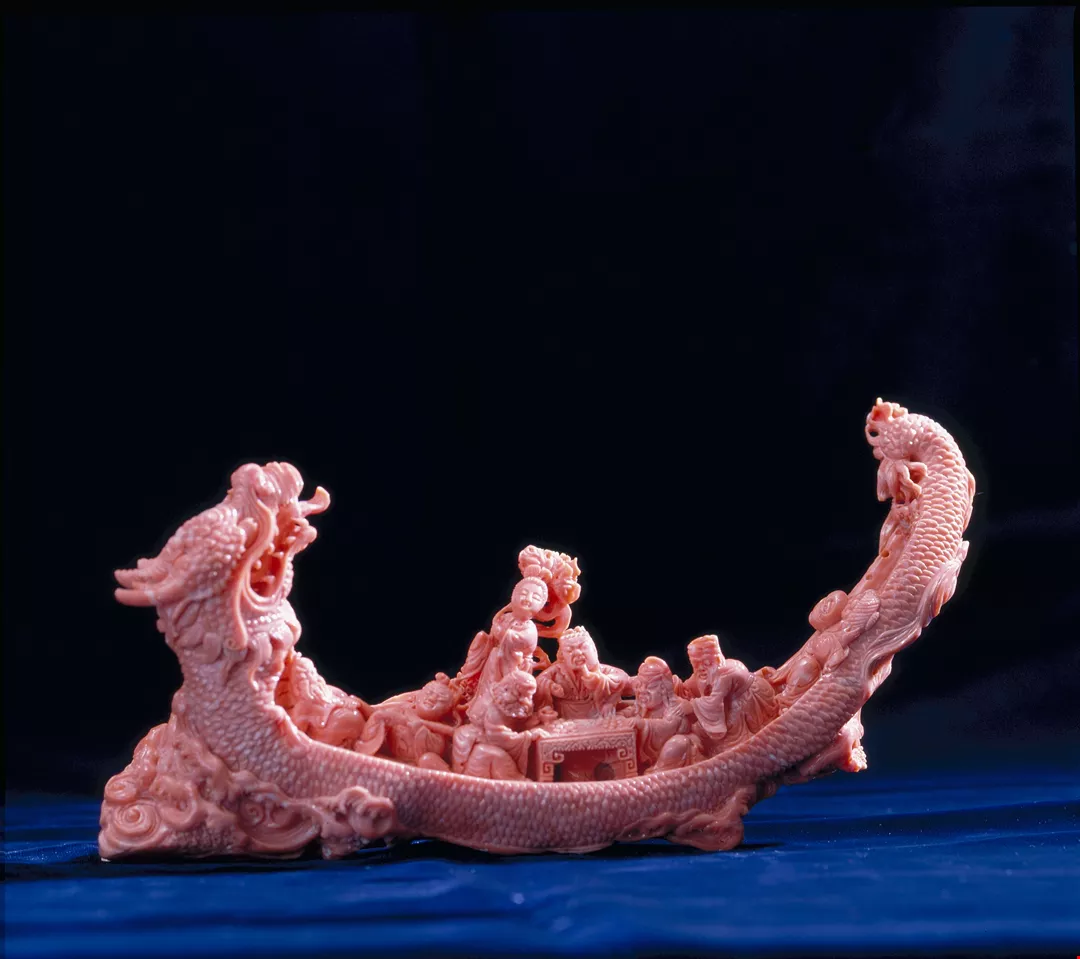
2-5. Coral is regarded as a symbol of luck. These pieces have been carved into auspicious shapes.
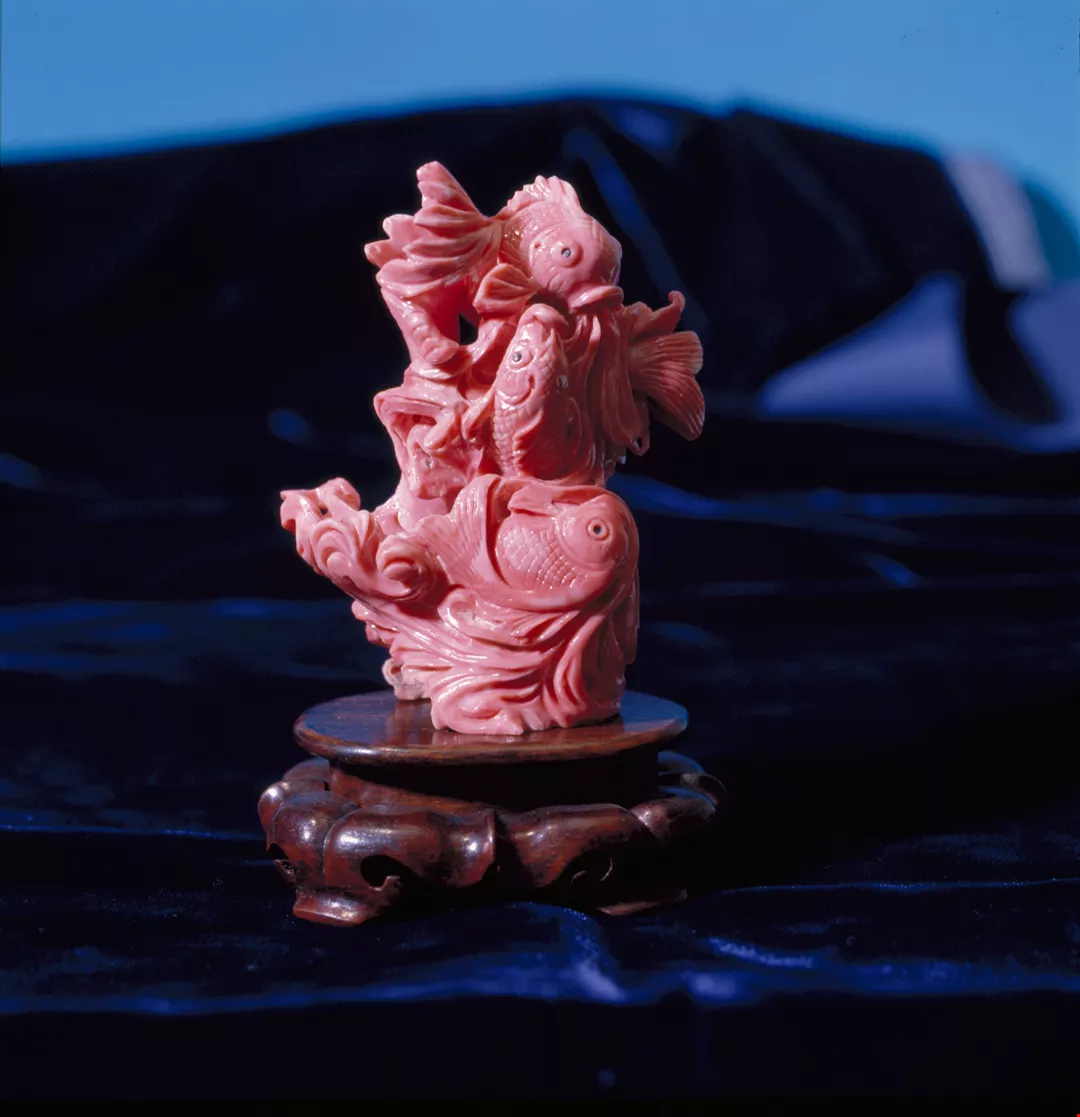
2-5. Coral is regarded as a symbol of luck. These pieces have been carved into auspicious shapes.
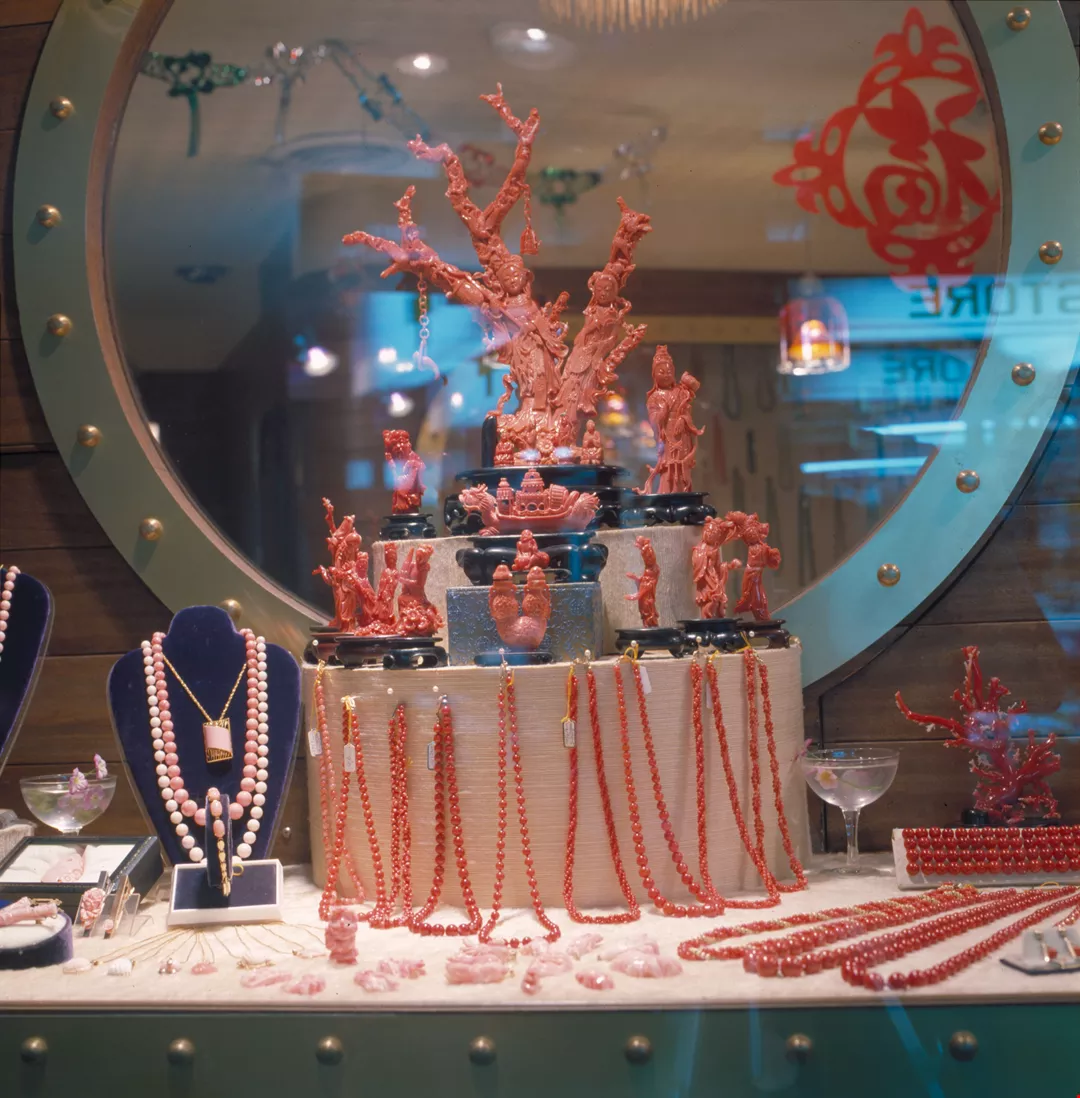
1. Processed coral is beautiful and expensive. Some of the more commonly seen pieces include rings, bracelets, earrings, and statuettes.
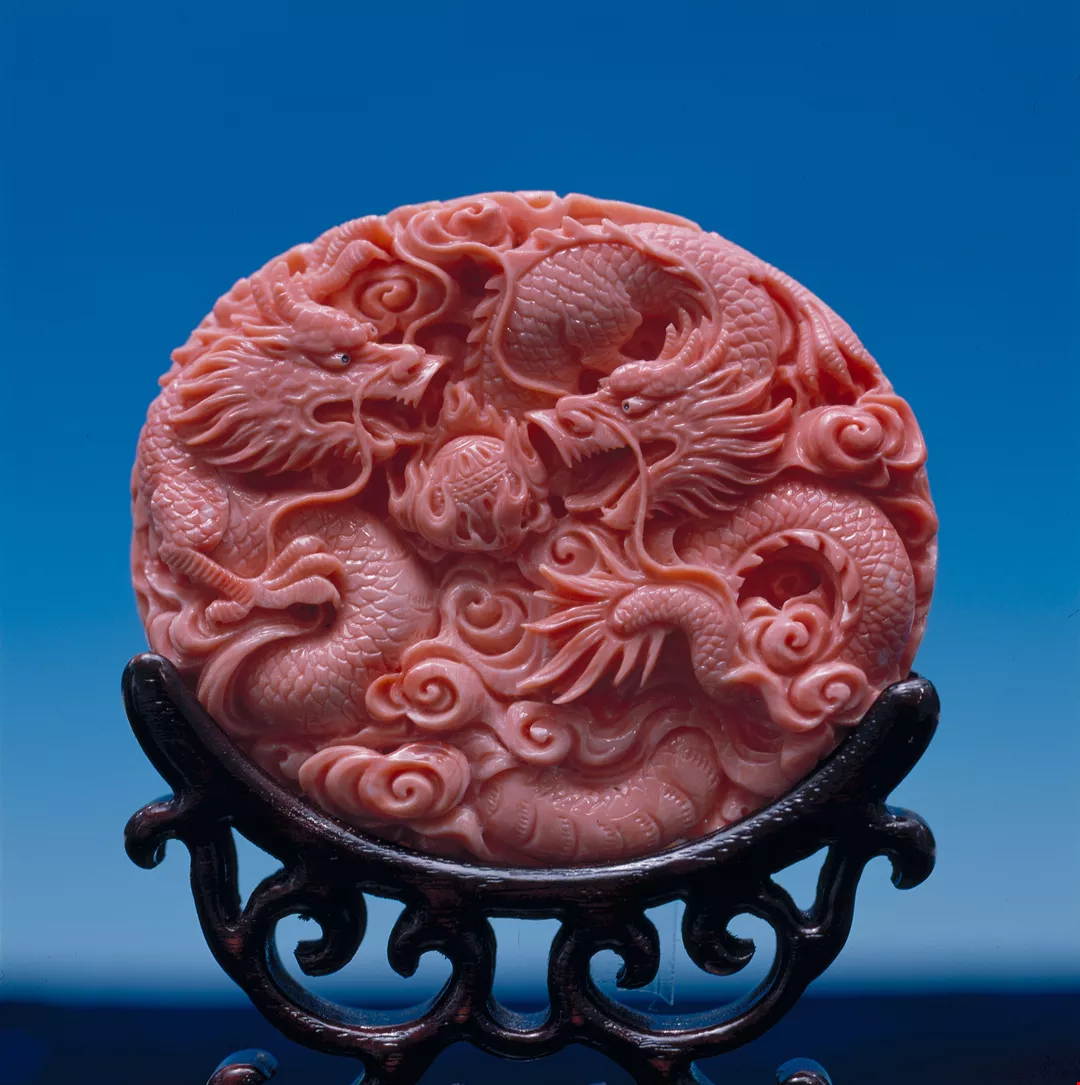
2. A small coral screen.
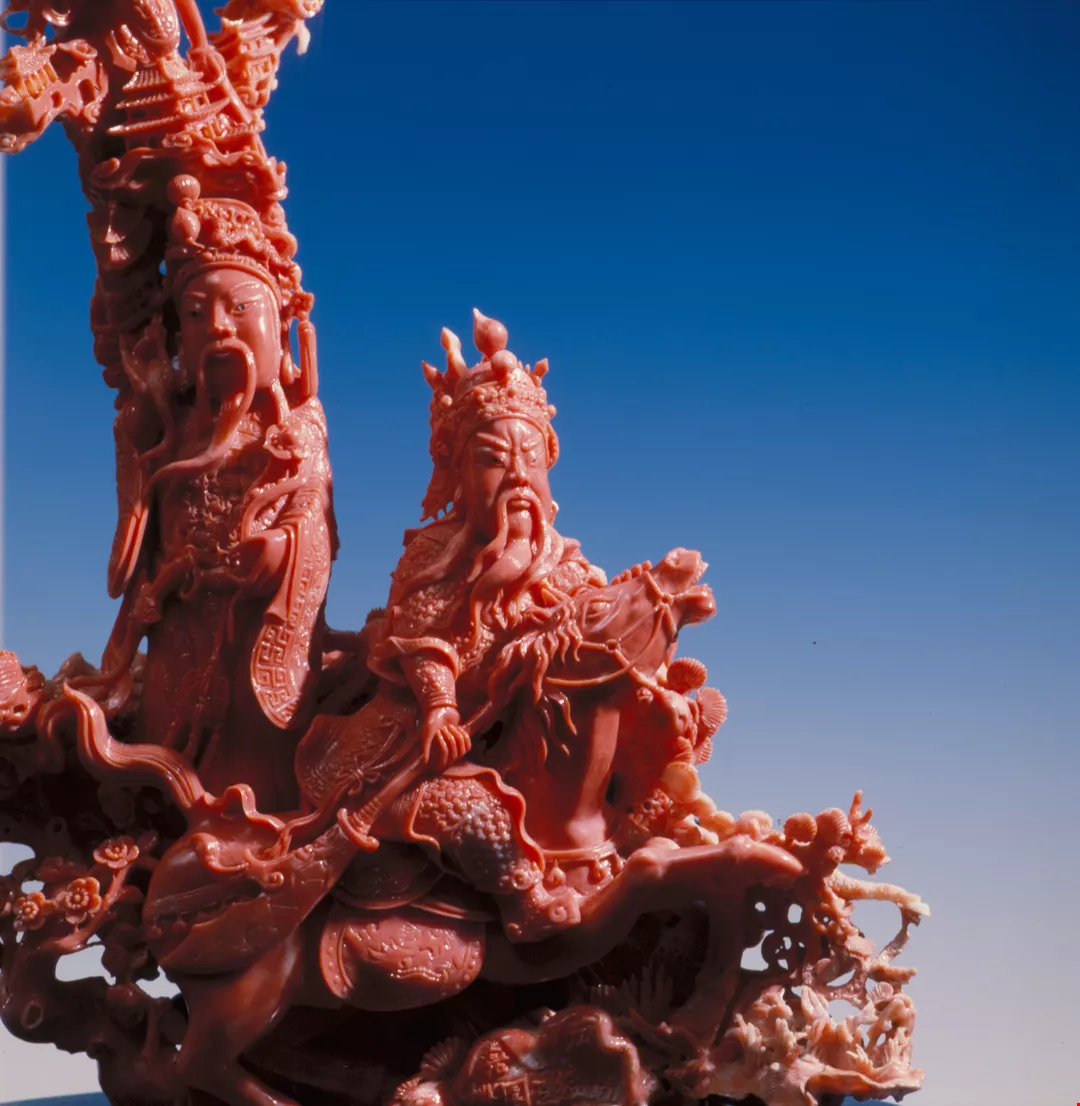
3. Coral carving requires a skilled hand, imagination, and quality material.

4. This high quality coral is popular with Western customers.

5. Coral is easily damaged by acid, so craftsmen must be careful when handling it.
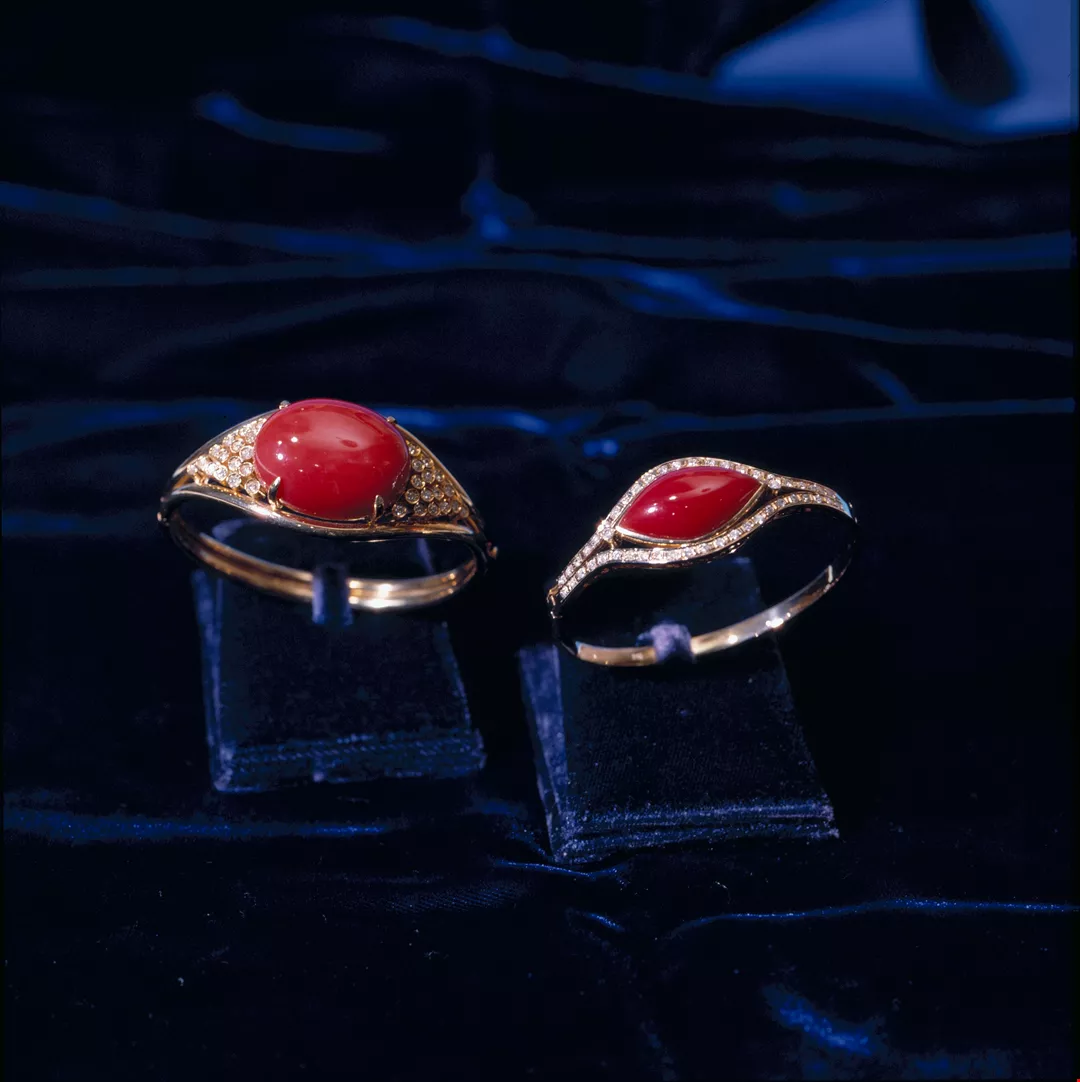
6. Chinese value the deep red coral most of all.
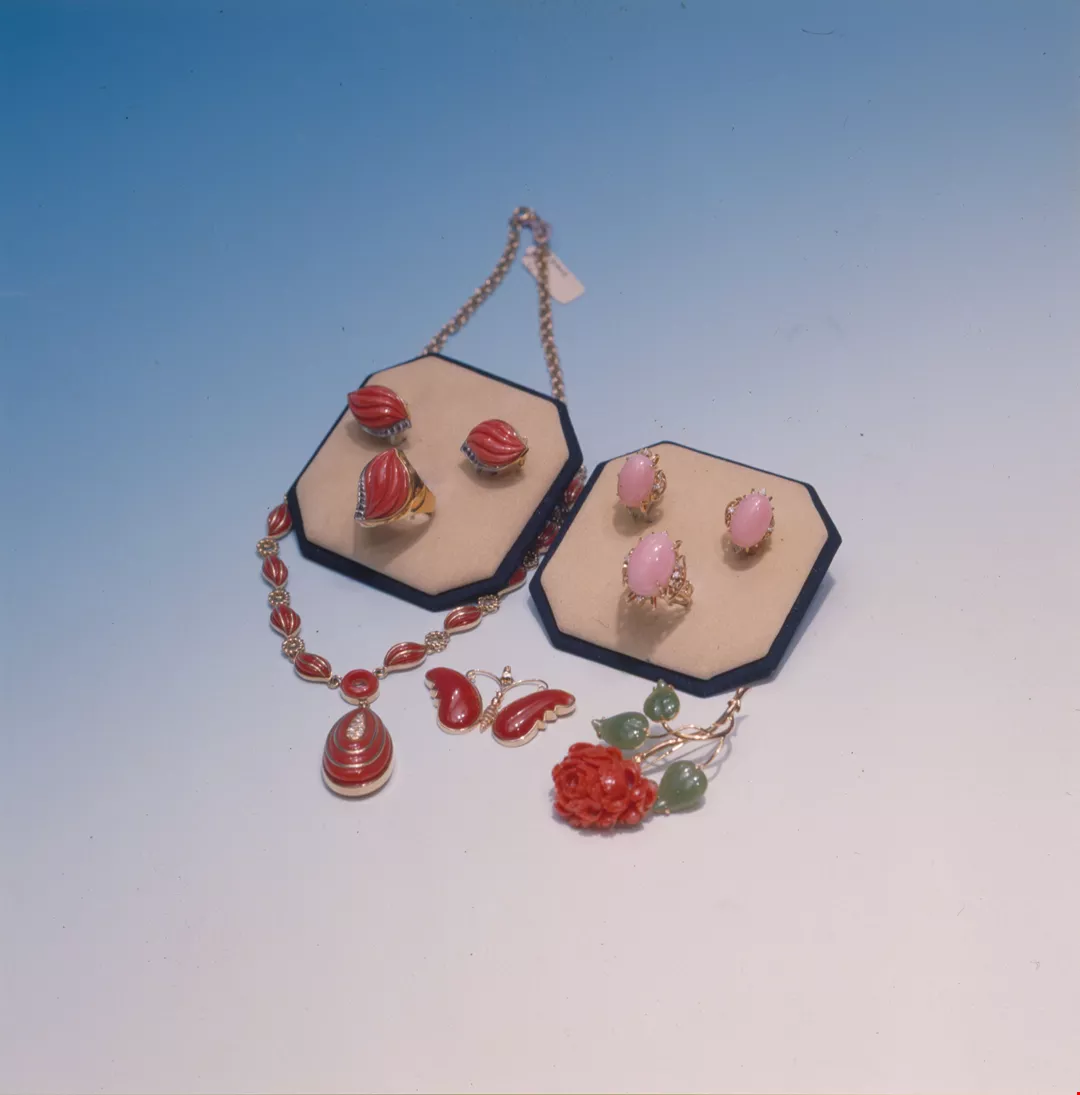
7,8. A new design. Skilled carving increases the coral's value.
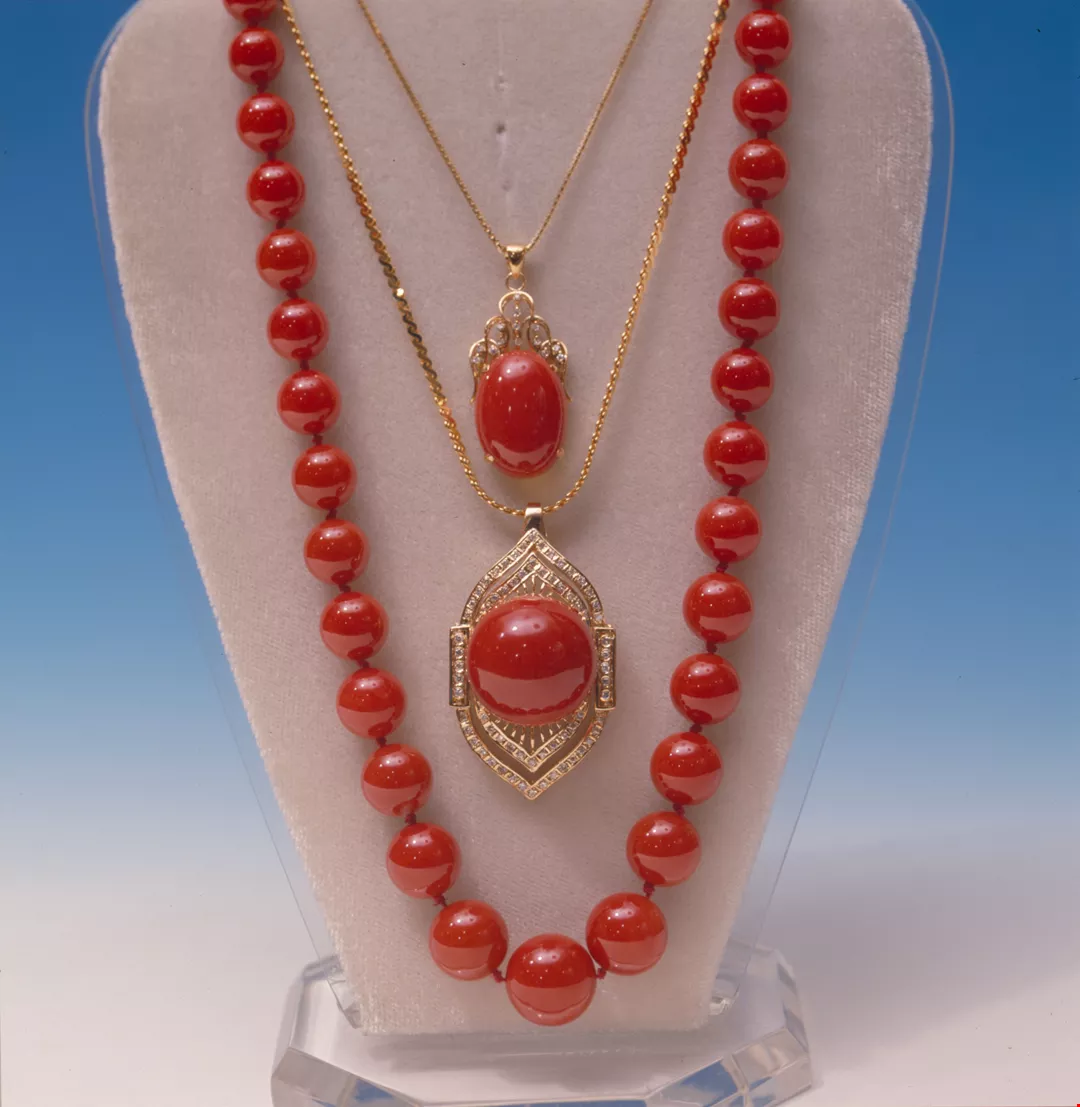
7,8. A new design. Skilled carving increases the coral's value.
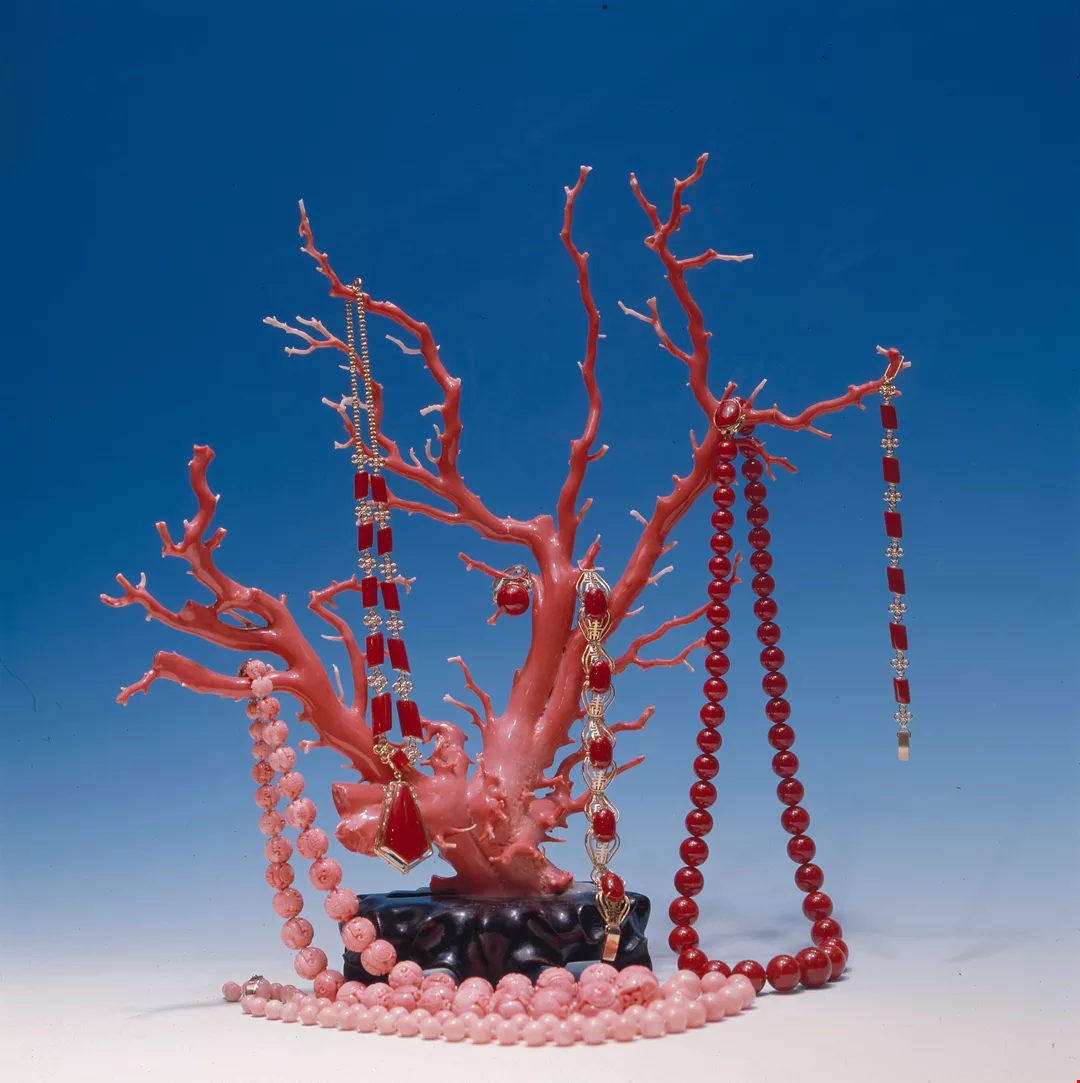
1. Coral must be inspected carefully for color, shine, and blemishes before purchase.
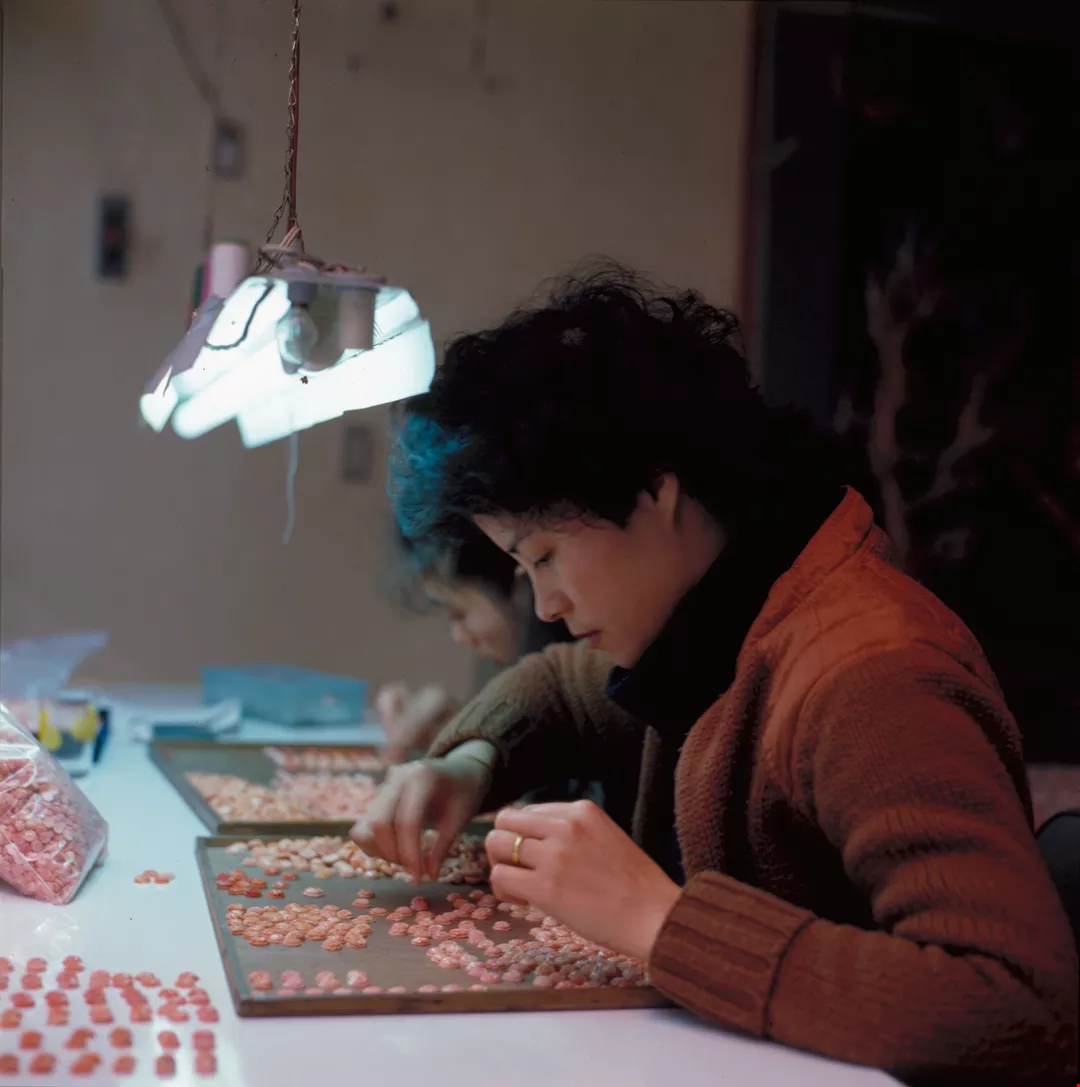
2. Coral processing workers must find pieces of the same size and shape to make a pair of earrings.
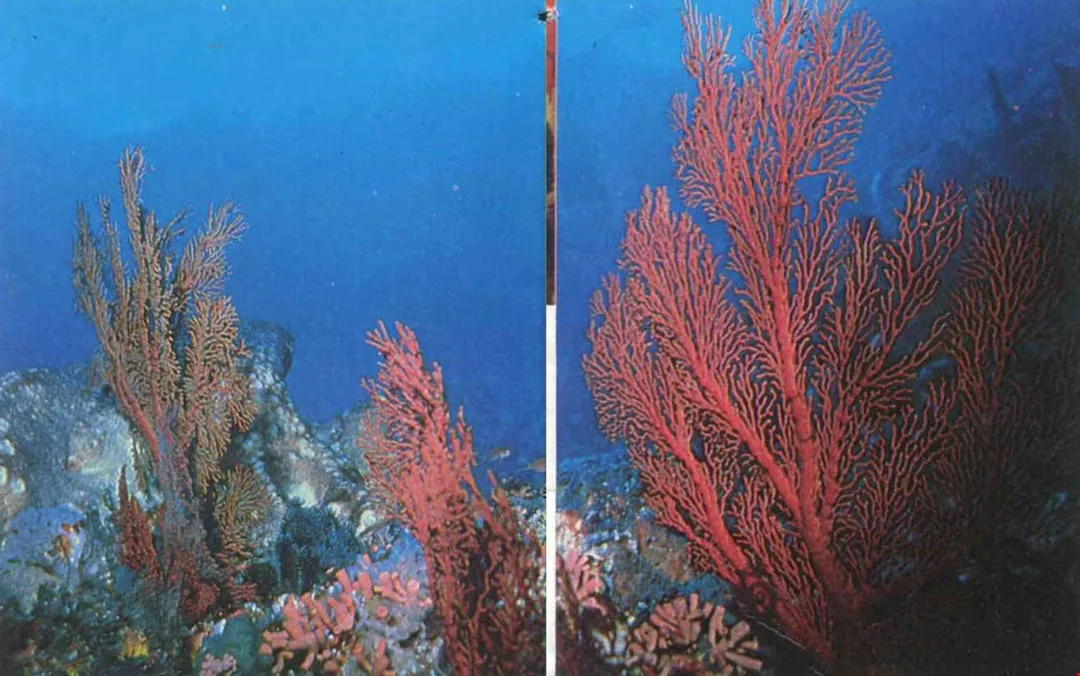
3. Coral (bottom right) is the skeleton of an ocean dwelling polyp.
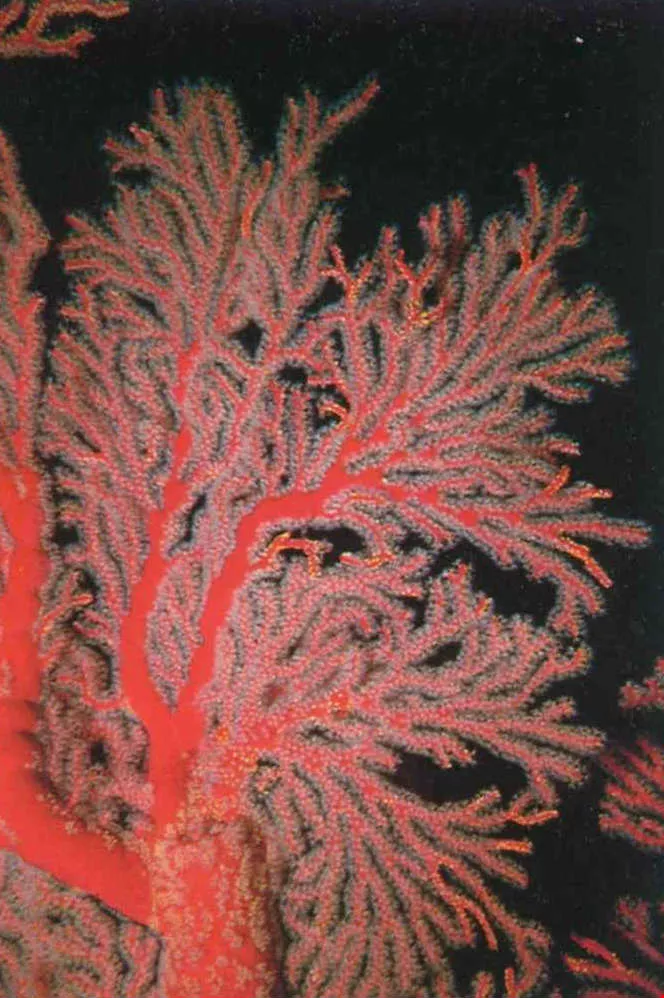
4. A piece of coral is really many different small corals which have grown together.
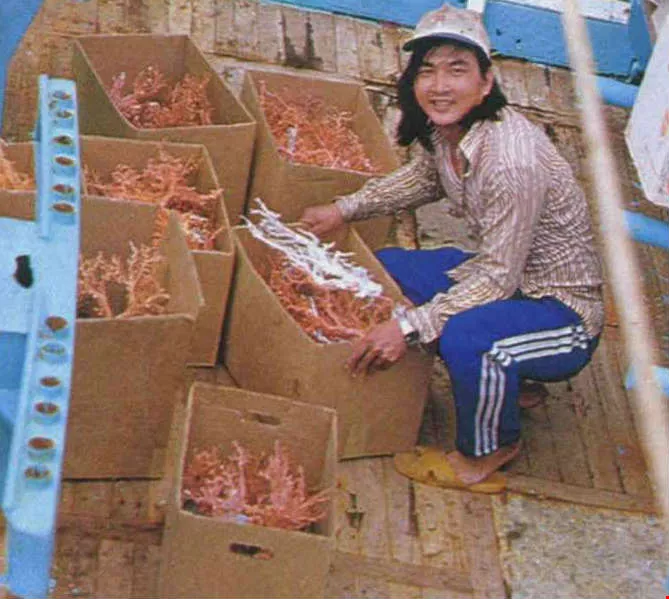
5. In recent years, the quality of coral has deteriorated as a result of over-harvesting.

@List.jpg?w=522&h=410&mode=crop&format=webp&quality=80)


