Pineapples, also called Po Lo, are among the most popular fruits of Taiwan. Summer is the time for this seasonal fruit. Markets and fruit peddlers' carts are piled up with fresh pineapples delivered to the towns from the growing districts. The unique fragrance of pineapples carries afar. Their bright yellow meat is sweet and juicy, their prices low. No wonder pineapples are favored by so many. They are heat-resistant and do not need much labor. Taiwan farmers utilize riverbeds, slope land and graveled land as plantation areas for pineapples. Taiwan pineapples are usually harvested three times within five years or twice in four years. It is unnecessary to pay much attention to irrigation, fertilization and management. Pineapples in Taiwan are produced for the domestic markets, and also in great volume for export for canning, juice, salting, dehydrating and preserving.
Taiwan pineapples, as well as mushrooms and asparagus, are under special planned programs for production and sale. The Department of Agriculture and Forestry of the Taiwan Provincial Government, Taiwan Canners Association, Taiwan Provincial Fruit Marketing Cooperative and Taiwan Frozen Fruits & Vegetables Association yearly coordinate plantation areas, productivity and distribution of fertilizer. They adjust the production timetable to assure benefits for both growers and the processing industries. The total Taiwan pineapple plantation covers about 9,700 hectares (24,250 acres). The annual production is about 270,000 tons, with more than one-third exported as canned items. Last year exported Taiwan canned pineapple totaled 1,300,000 cartons, valued at about US$13,600,000. The Joint Commission on Rural Reconstruction in the Republic of China is sponsoring species improvement. This includes such research work as seed selection, introduction of new varieties, cross breeding, tissue culture and quality analysis to prevent pests and diseases. It also seeks increased productivity and improved quality. Taiwan pineapple s in different export items are expected to play an increasingly important role in international markets.
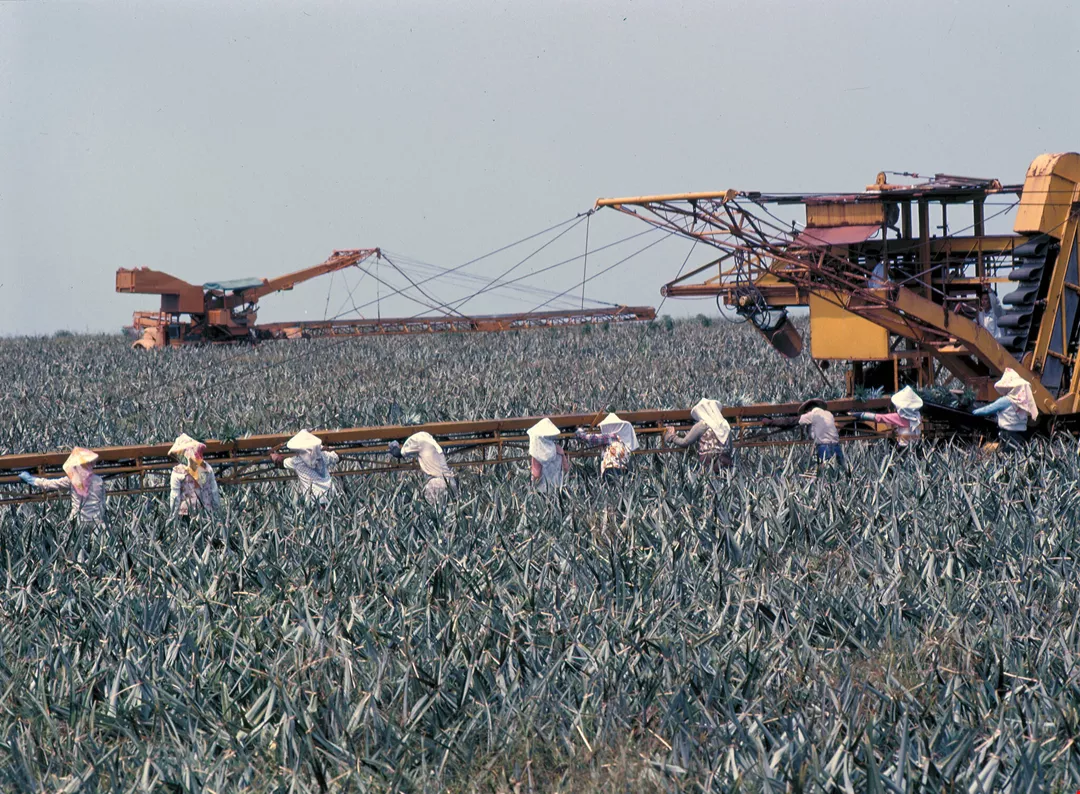
Pineapples are collected by machine from the field
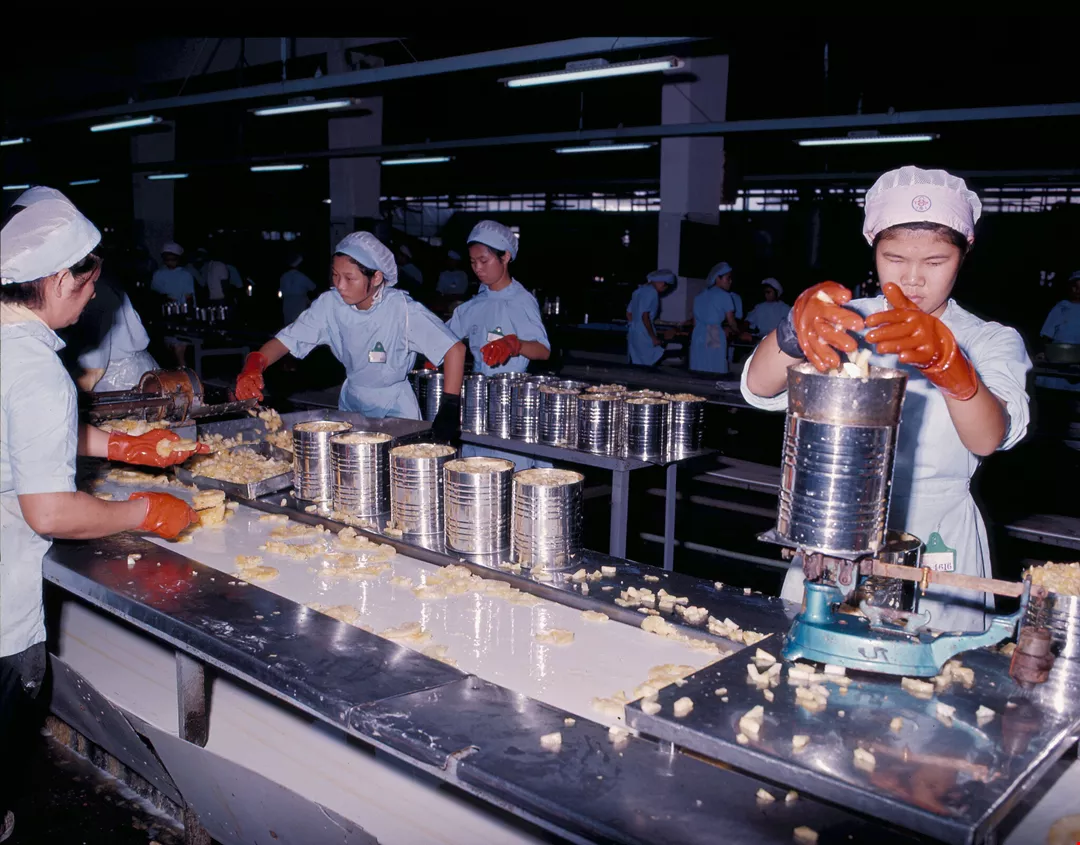
Weighing of canned pineapple, to assure that it meets standards
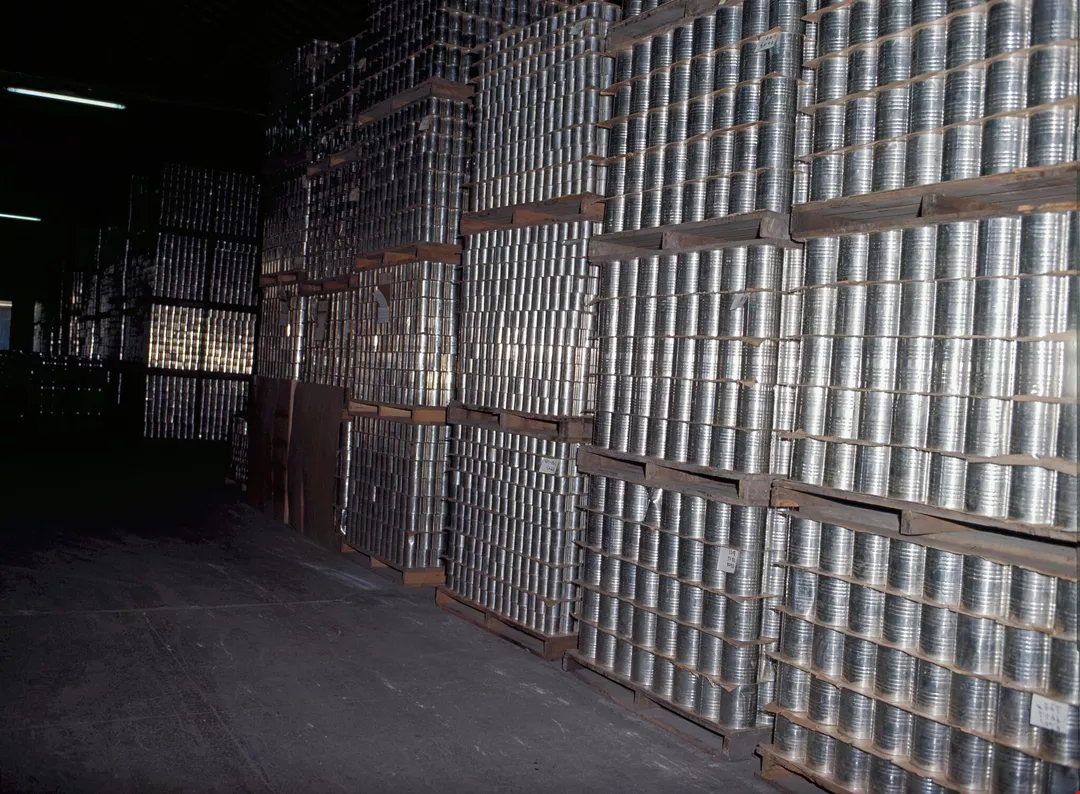
Canned pineapple in a warehouse, ready for transportation
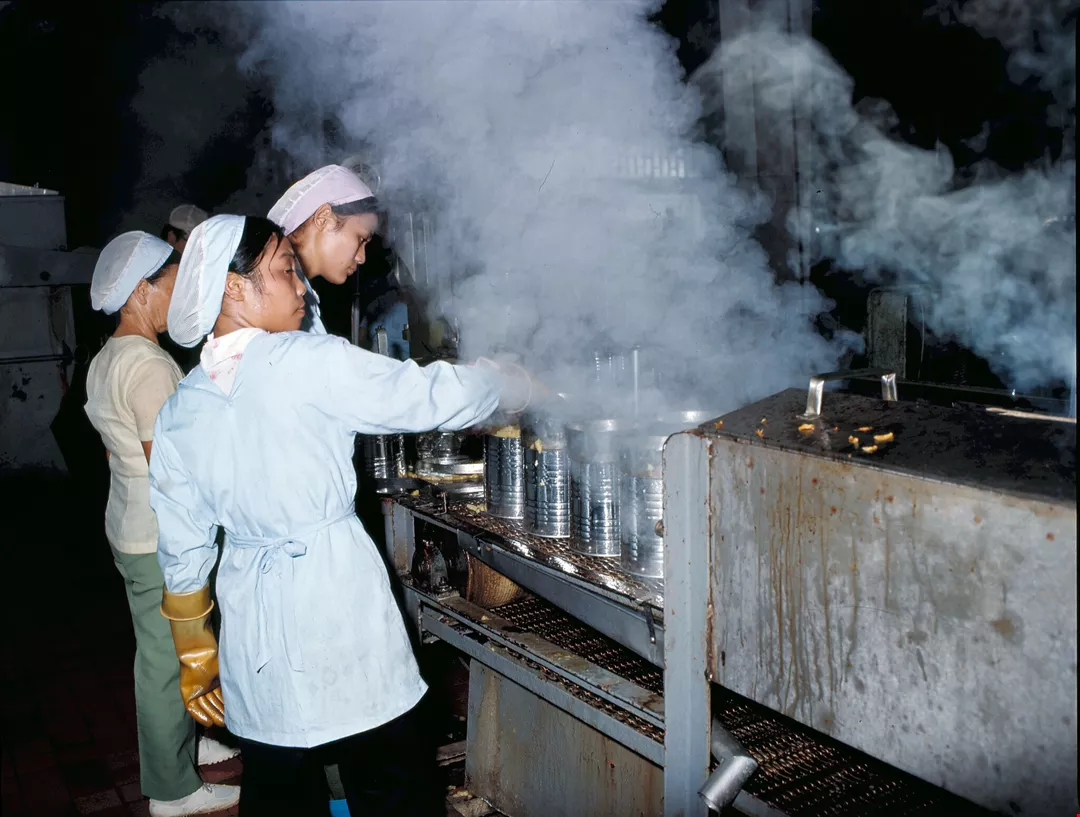
Canned pineapple is sterilized at high temperature
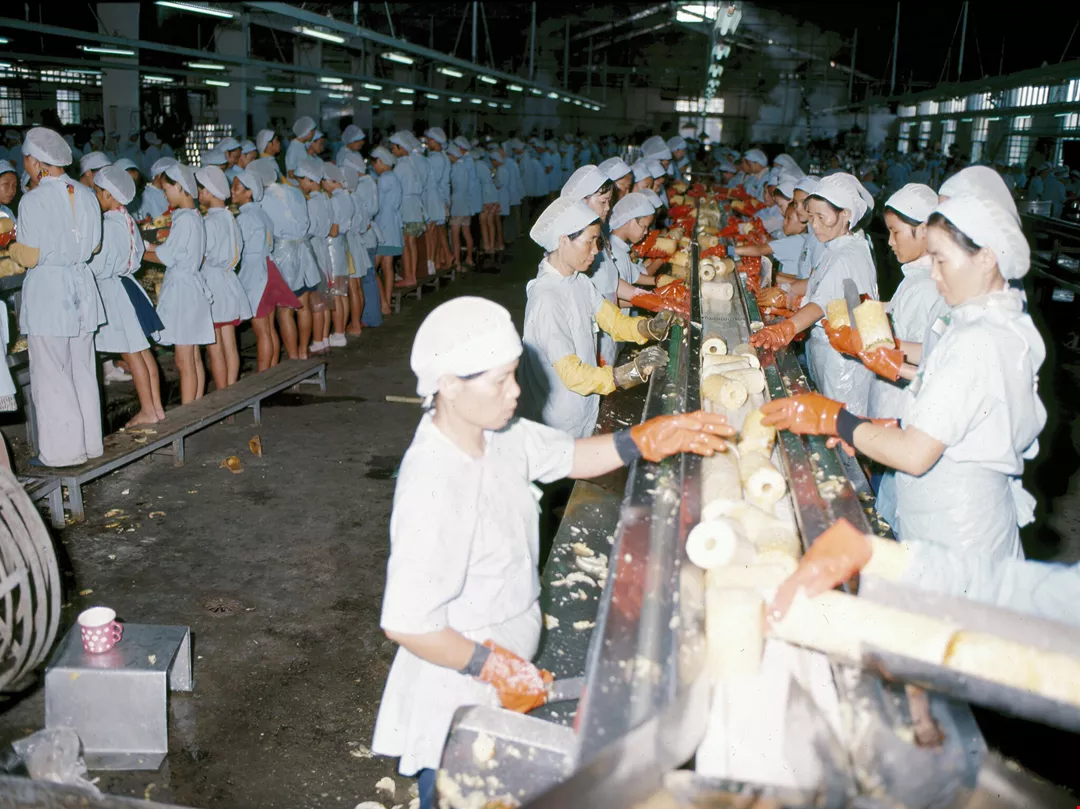
Work table in a pineapple plant
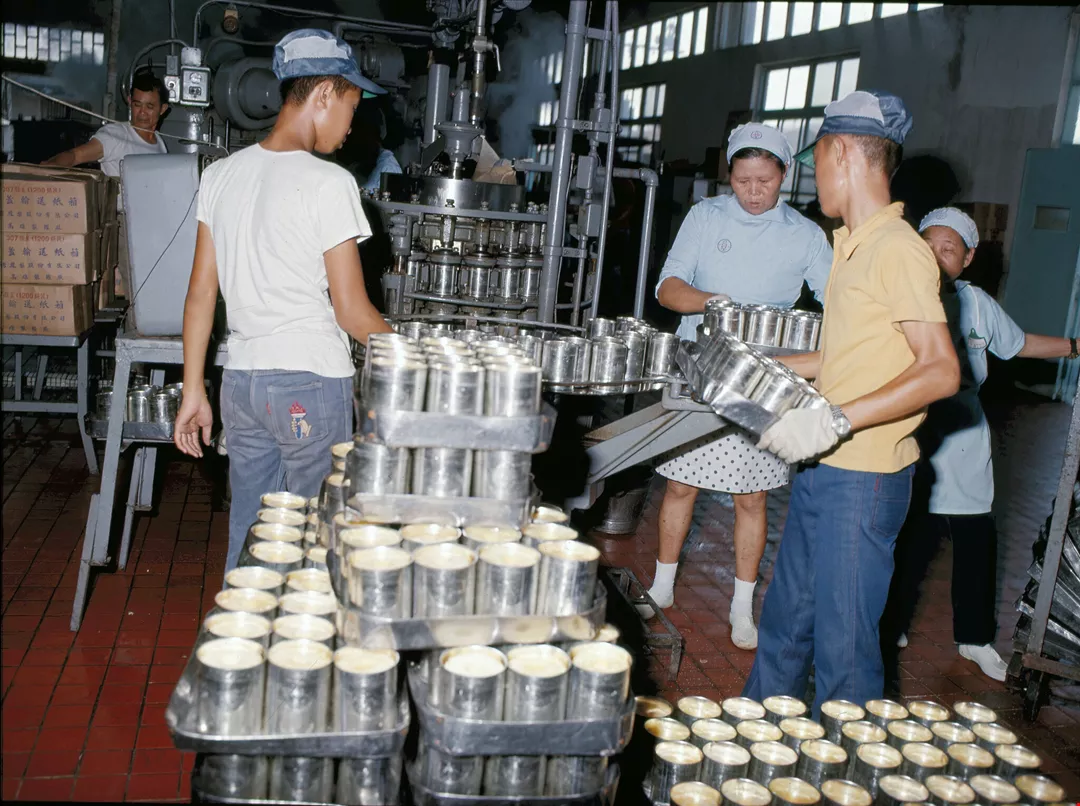
Vacuum canning of sweet pineapple juice
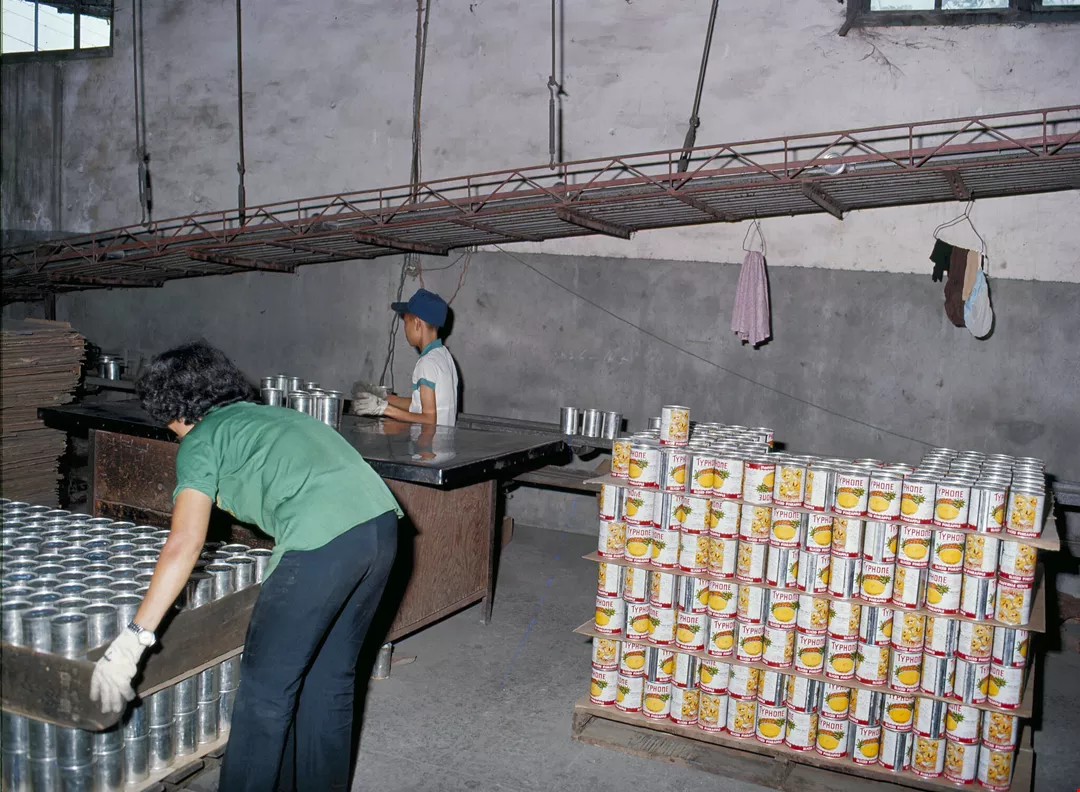
Labeling the cans in a Taiwan plant
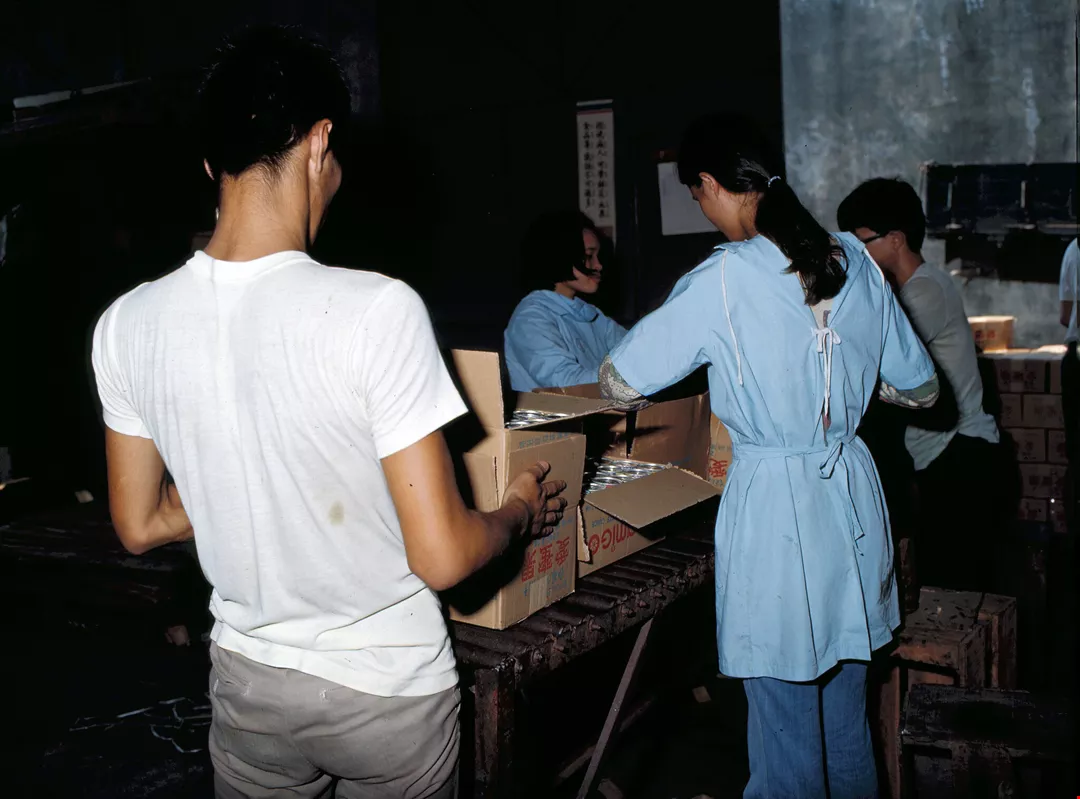
Packing of canned fruit juice
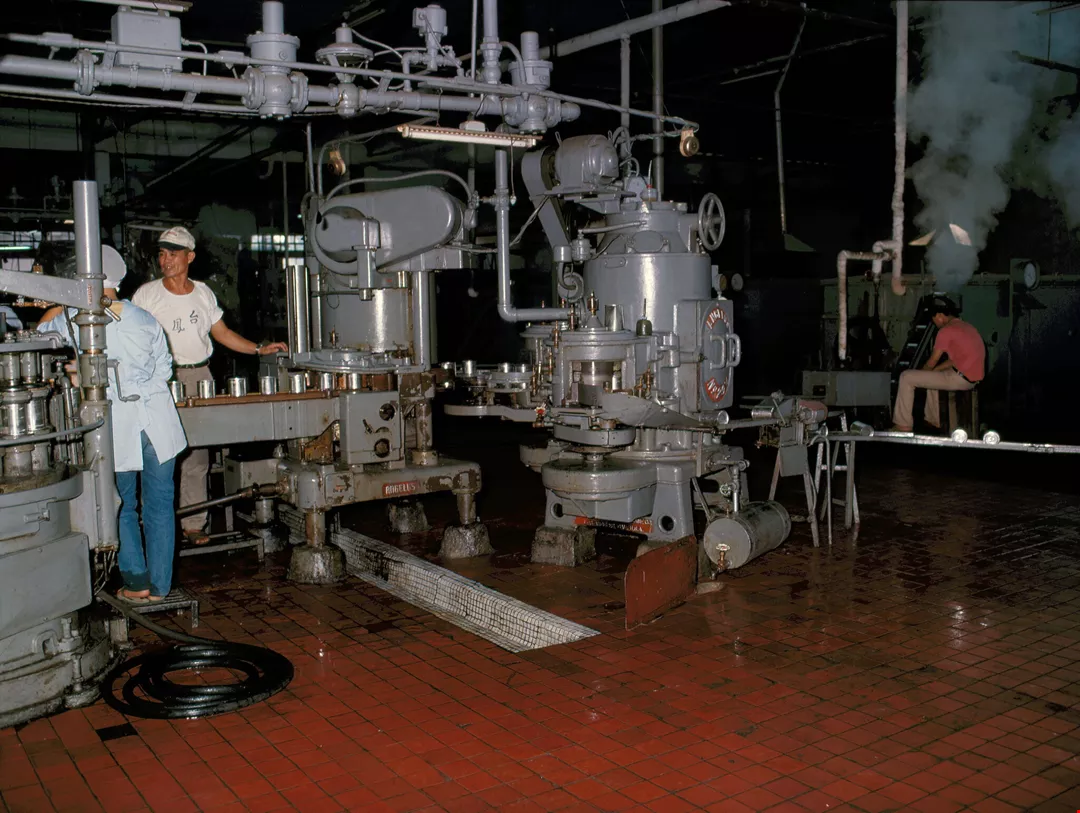
Sealing of canned pineapple products
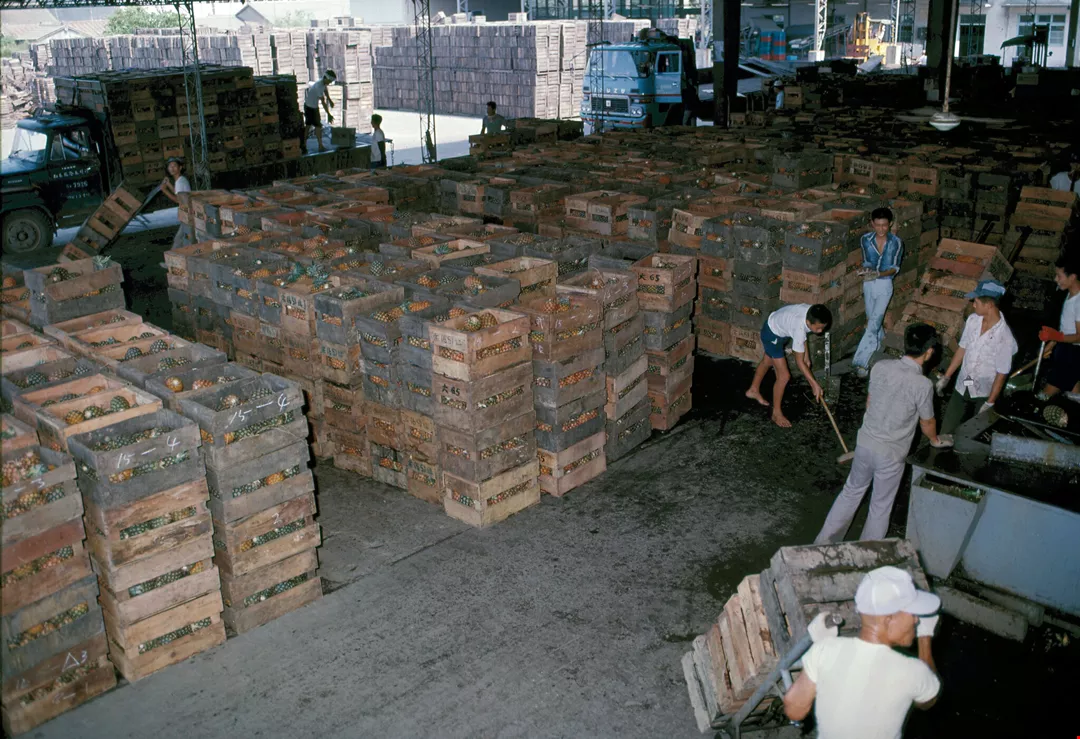
Pineapple stock center in the countryside
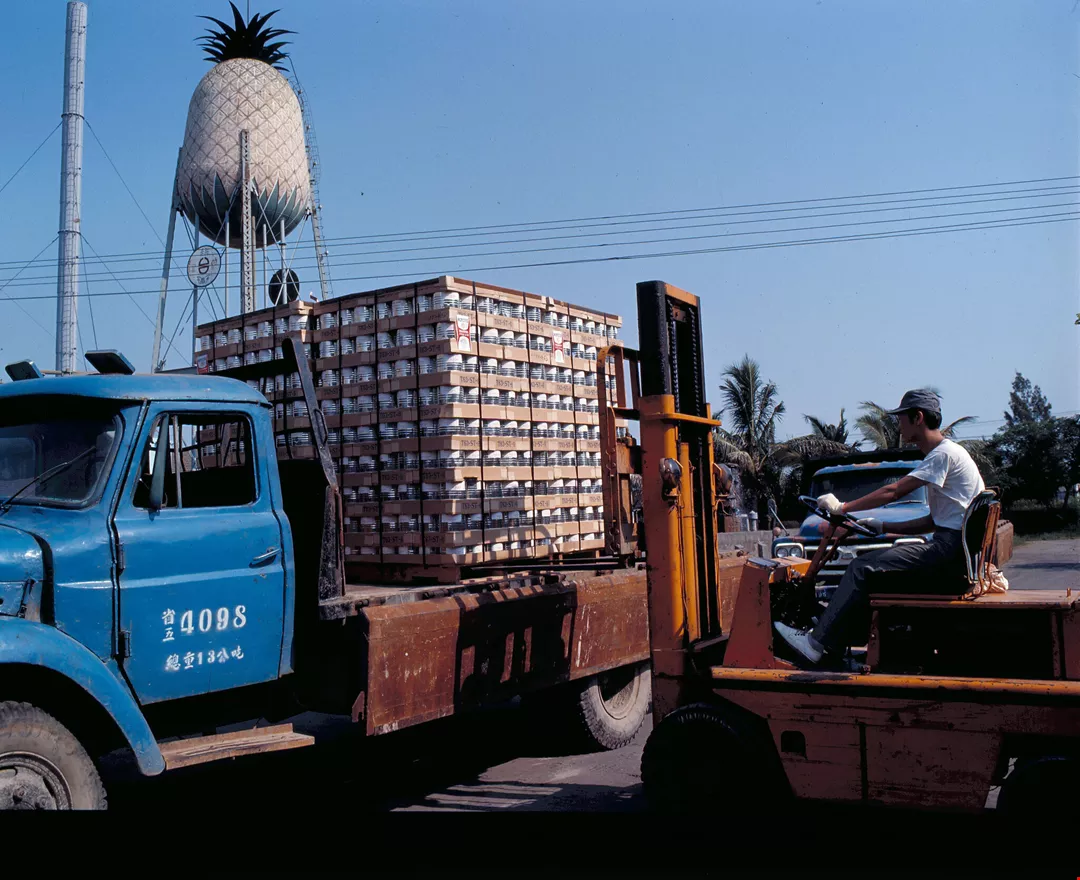
Transportation of pineapple for the world markets




@List.jpg?w=522&h=410&mode=crop&format=webp&quality=80)


