Taiwan, which has been a frequent prizewinner at the Hanover iF industrial design competition, this year had splendid results in the category of communications design. Out of 1290 submissions from 16 countries, a jury of international designers included 17 works from Taiwan among the 310 award winners, including one gold medal: J.M. Lin's design for the China Times Media Group in the "corporate architecture" subcategory.
Among the award winners, Proad Identity had five items selected and Arty Design three, making them Taiwan's most successful design companies in the event. What these two firms have in common is that the businesses they serve are mainly in the traditional industries of food products, tea, and agricultural goods. It is clear from this that the importance of design has already penetrated deep even into rural communities.
For many years now government agencies have been pumping money into guidance of localized industries. For example, in 2007 the Small and Medium Enterprise Administration of the Ministry of Economic Affairs, through its program focusing on local specialty products, provided advice to 203 microfirms (averaging less than five employees), helping them to raise revenues by NT$178 million over the previous year. Their approach included commissioning teams of experts to provide training, upgrade technology for new products, improve packaging design, and so on.
Also, from 2005 to 2007 the Taiwan Design Center launched a three-year program on strategic planning for corporate branding. A total of 60 firms applied to participate, of which 80% were traditional enterprises featuring local specialties, agricultural goods, handicrafts, and the like.
So what have been the real returns on the large amounts of money poured into these local industries by government over these many years?
Looking at comments that businesses volunteered to the Taiwan Design Center, six firms-including Wuan Chuang (a soy sauce producer) in Yunlin, the toymaker Kiddie's Paradise, and Maestro Wu's Steel Knives in Kinmen-showed sharply increased revenues compared to the period before they received advice. That's not a very high percentage. However, the Taiwan Design Center argues that if you consider the fact that it took the electronics giant Acer more than 20 years to establish its brand presence, we should be more patient in our expectations for capital-poor traditional industries.
Those traditional enterprises that have had a "makeover" through the power of design also need to devise detailed marketing strategies, open new distribution channels, and evoke enthusiastic support among new swathes of consumers. But some management experts note that there are few examples of local specialty products being successfully marketed on a global basis. Indeed, the whole point of "local" products is that they partake of the character of the place they are made. The only way such goods will sell well is if there are large numbers of tourists, because if you want to taste the genuine article, you have to go to where it is made, which is also the only way you'll feel the dedication and passion the local people put into it.
There are countless types of localized industries, and there is no single model for success, but that does not mean there are not common problems. Says Chuang Ying-yao, chairman of Wuan Chuang Food Industrial Company, when old Taiwanese brands want to upgrade, they all face similar challenges: First, there are few old master craftsmen, and even fewer successors; secondly, the brands have exhausted their novelty, and consumers lack enthusiasm for them; and thirdly, there are disputes and rivalries within family-run businesses.
For old brands that have maintained a high standard of quality, each new development-packaging redesign, advertising, Internet sales, direct home delivery-represents another renewal. Whether changes are large or small, so long as the firms are willing to try some new ideas, they can create new value.
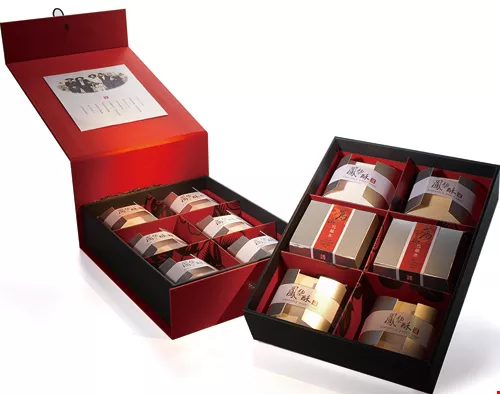
Local specialty products, like teas, cooking sauces, pastries, candies, and even millet alcohol, are scattered across Taiwan's rural townships. Like Cinderellas, with the help of clever design they become elegant, eye-catching princesses.
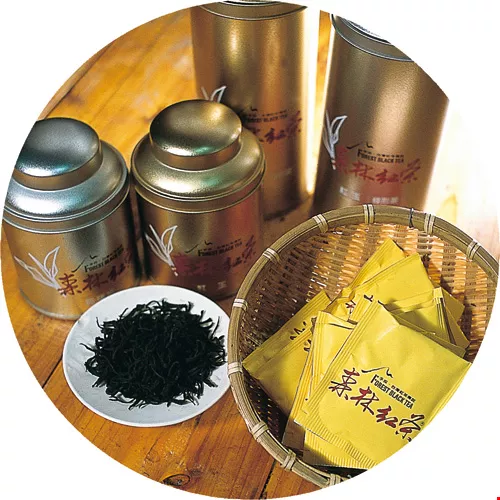
Local specialty products, like teas, cooking sauces, pastries, candies, and even millet alcohol, are scattered across Taiwan's rural townships. Like Cinderellas, with the help of clever design they become elegant, eye-catching princesses.
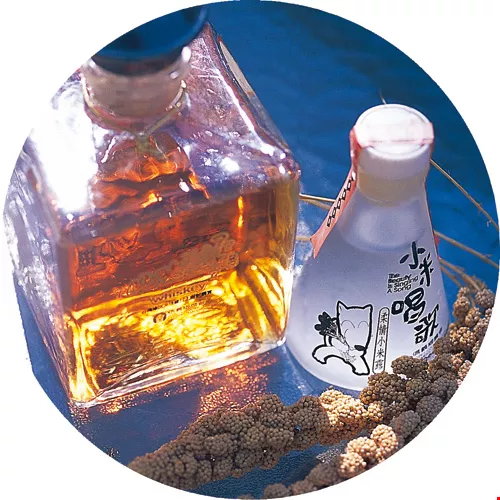
Local specialty products, like teas, cooking sauces, pastries, candies, and even millet alcohol, are scattered across Taiwan's rural townships. Like Cinderellas, with the help of clever design they become elegant, eye-catching princesses.
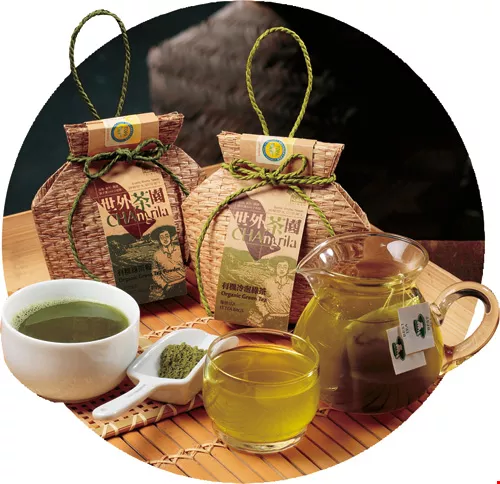
Local specialty products, like teas, cooking sauces, pastries, candies, and even millet alcohol, are scattered across Taiwan's rural townships. Like Cinderellas, with the help of clever design they become elegant, eye-catching princesses.
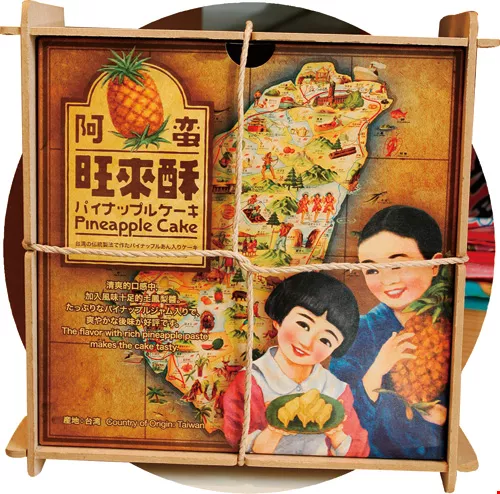
Local specialty products, like teas, cooking sauces, pastries, candies, and even millet alcohol, are scattered across Taiwan's rural townships. Like Cinderellas, with the help of clever design they become elegant, eye-catching princesses.
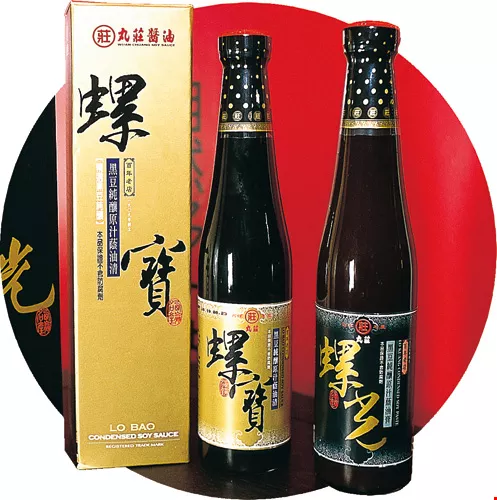
Local specialty products, like teas, cooking sauces, pastries, candies, and even millet alcohol, are scattered across Taiwan's rural townships. Like Cinderellas, with the help of clever design they become elegant, eye-catching princesses.




@List.jpg?w=522&h=410&mode=crop&format=webp&quality=80)

@List.jpg?w=522&h=410&mode=crop&format=webp&quality=80)


