Tseng Chao-hsu, head of the Department of Chinese at National Central University:
"Most people are apt to escape into dreams as a way of venting the pressure and depression they come under in their daily lives. And one good way of doing this is by reading novels.
"The backgrounds in Chiung Yao's novels are often sumptuous, the situations fantastic, and her outstanding characters able to realize extraordinary dreams. Her stories relieve the depression felt by many young people; thus, it's hard to write off in a single stroke the influence she has had over the years.
"In contemporary society, many young people are under tremendous pressure at school. If we say that Chiung Yao's novels have had a bad effect on youth, we shouldn't blame her; instead, we should ask ourselves what alternatives we have offered young people for releasing the pressure they feel. I feel that the sociologi cal and psychological aspects of her novels are more important than their literary merit. Dreaming is a sort of medicine that cannot be taken at mealtimes."
Chiang Hsun, director of the Fine Arts Department at Tunghai University:
"When younger I read many of Chiung Yao's early works, such as Beyond the Window and Misty Rain. But after graduating from high school and acquiring some experience in life, as well as coming into contact with literary theory, I began to feel dissatisfied with her work. I then realized how a work of art--be it literature, painting, or film--can reflect one's life experience at a certain age. A great work of literature also reflects the social conditions of the period in which it was written. Regardless of their literary value, Chiung Yao's works are also have a social and cultural significance."
Chen Hsiao-lin, advisor to the Lien-ching Publishing Company:
"The current popularity of Chiung Yao's work on the mainland is related, I think, to the Chinese Communists' post-Cultural Revolution reformist policies, a way of keeping the people's attention on popular literature.
"The introspective tendency of the literary world in recent years has made the status of Chiung Yao's works more clear. Before, blind affirmation was given of the literary value of her works; nowadays, only the media do this.
Lin Ching-hsuan, writer:
"Looking at Chiung Yao's early works, you can see that she put a lot of effort into writing stories that would move her readers. Yet, over the years, she has not progressed much, and she lacks the profound analysis of love and life to become a great writer. I think people should be a bit more broad-minded and accept all kinds of works. It's not the author's fault if a book is a best seller, he or she is just expressing things as he or she sees them."
Li Ang, writer:
"I find that Chiung Yao's novels relax my moods and provide an emotional catharsis like that we obtain from reading classical Greek tragedy. After passing through the feelings of fear and sorrow, the reader is led to experience a feeling of transcendence.
"I think that the continuing changes in Taiwan society will cause a decrease in the number of Chiung Yao's readers. Her novels are now in vogue, I feel, because our society is relatively conservative. As for whether the future character of best sellers will tend toward the graphic candor of American works, or will continue along the idealistic lines of Chiung Yao's works, we can only wait and see."
Huang Jung-tsun, National Taiwan University psychology professor:
"I like her novels. Looked at from a psychological standpoint, her works can produce a relaxation of feeling in readers which may be an emancipating force in this tension-filled society. People attack her novels, but what should take their place? It's worse if young people spend all their free time playing video games or dancing."
Feng Fei-fei, singer:
"I sang many of the songs in the film versions of Chiung Yao's novels. The lyrics were all written by her, and I find them to be fresh and refined without losing their popular character. Like her books, they stick in people's minds.
"In this pressure-filled society, with its daily doses of bad news reports, Chiung Yao's novels help make people feel a little better."
A Chiung Yao fan:
"I think the attractiveness of her novels lies in:
"First, the delicate loveliness of her titles, which stir up fanciful thoughts, like Misty Rain, The Cutting Wind, or Sky of Blue-Green Clouds. They're either phrases selected from poems or expressions of the themes of her stories.
"Second, the refined beauty of the names of characters, like Ho Mu-tien (longing for the sky), or Li Meng-chu (bamboo dreams). As soon as you see the names of her characters, you can tell they will be part of a burning love story.
"Third, the personalities of her characters are outstanding and fascinating. Generally speaking, there are two types of heroines in her novels. One type, like Chiang Ying-jung in Beyond the Window, is gentle, pallid, and tender, the kind that makes the hero want to love and protect her. The other type, like Lu I-ping, in Misty Rain, is passionate, forthright, and mischievous, capable of seducing and bedazzling the hero.
"Fourth, the characters in her novels usually belong to the upper, leisured class, which naturally attracts people, just like the American TV shows 'Dynasty' and 'Dallas' do.
"Fifth, the plots of her novels are complicated, full of interesting twists and turns, and the dialog is unconventional and sophisticated."
Nevertheless, Chiung Yao's strong points seem to be exactly what people disparage. People say that her works are unreasonable and stereotyped. Other people say that she just curries favors with the public and that her works are lacking in structure, while still others say that she can't get away from writing about adolescent relationships. However, who said novels have to be taken so seriously?
[Picture Caption]
Beyond the Window has the most of Chiung Yao in it; and among her many characters, Lu I-ping of Misty Rain (left, played by Liu Hsueh -hua), is her favorite.
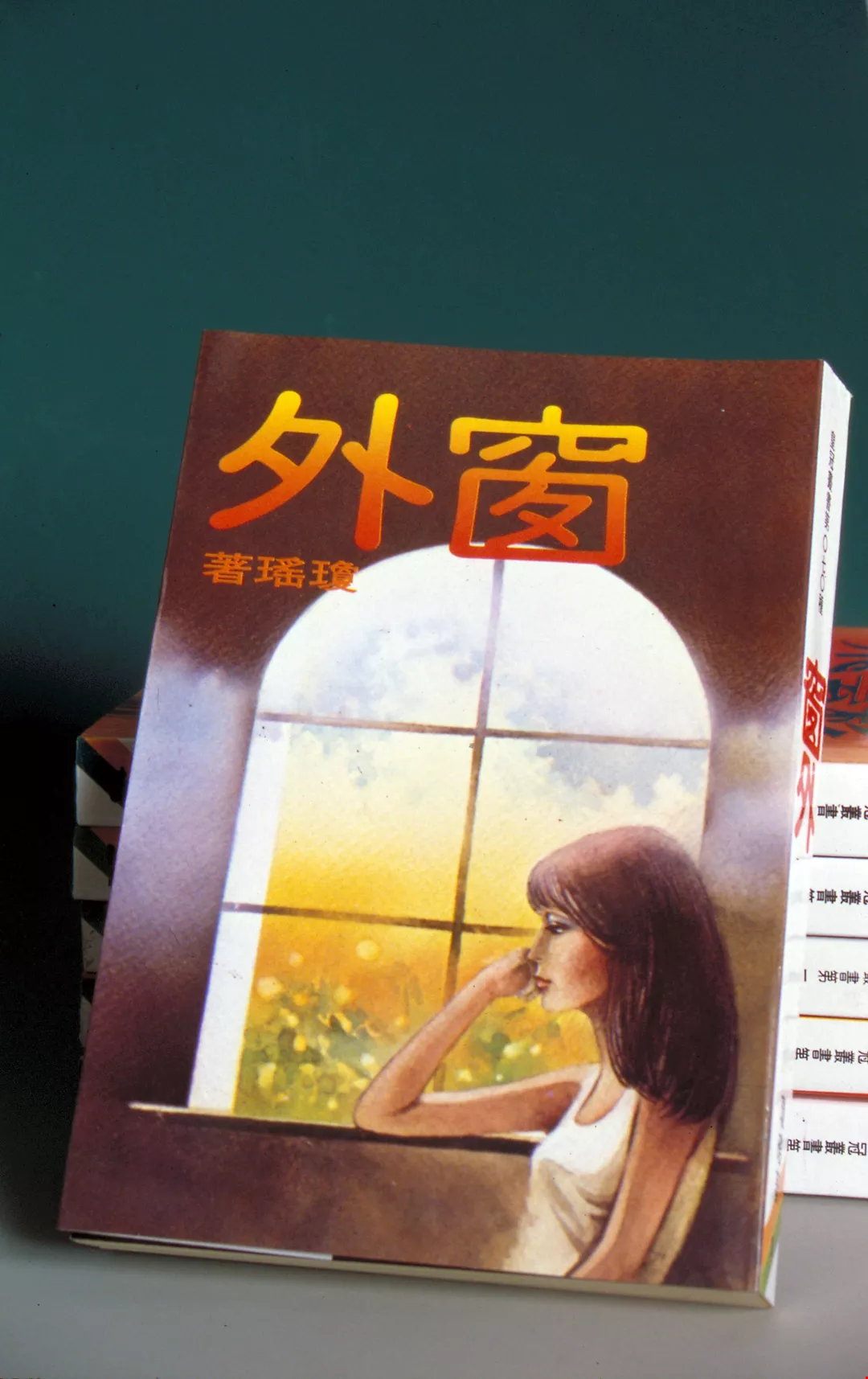
Beyond the Window has the most of Chiung Yao in i.
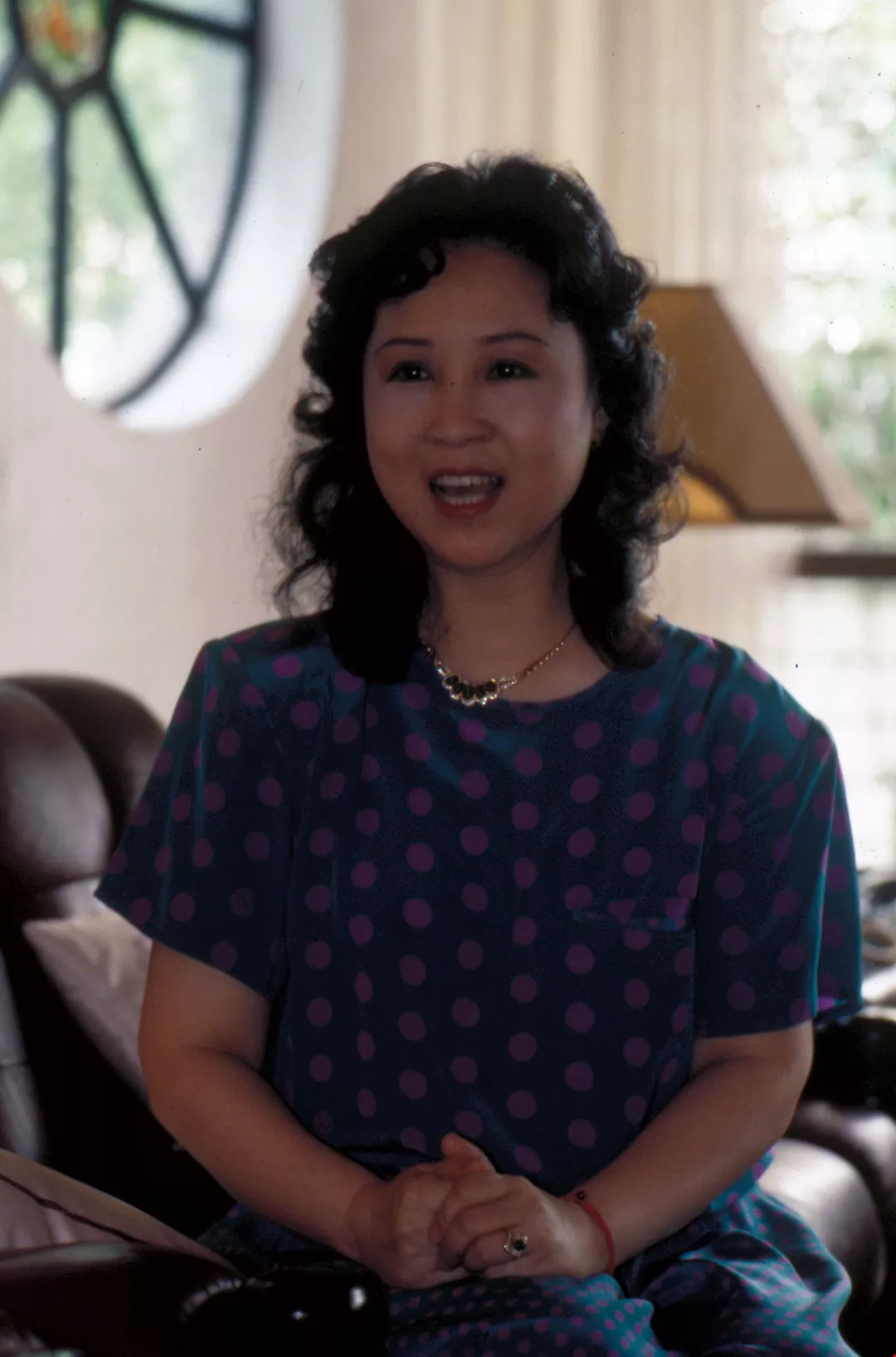
Chiung Yao's novels are popular everywhere; but she herself keeps out of the spotlight.
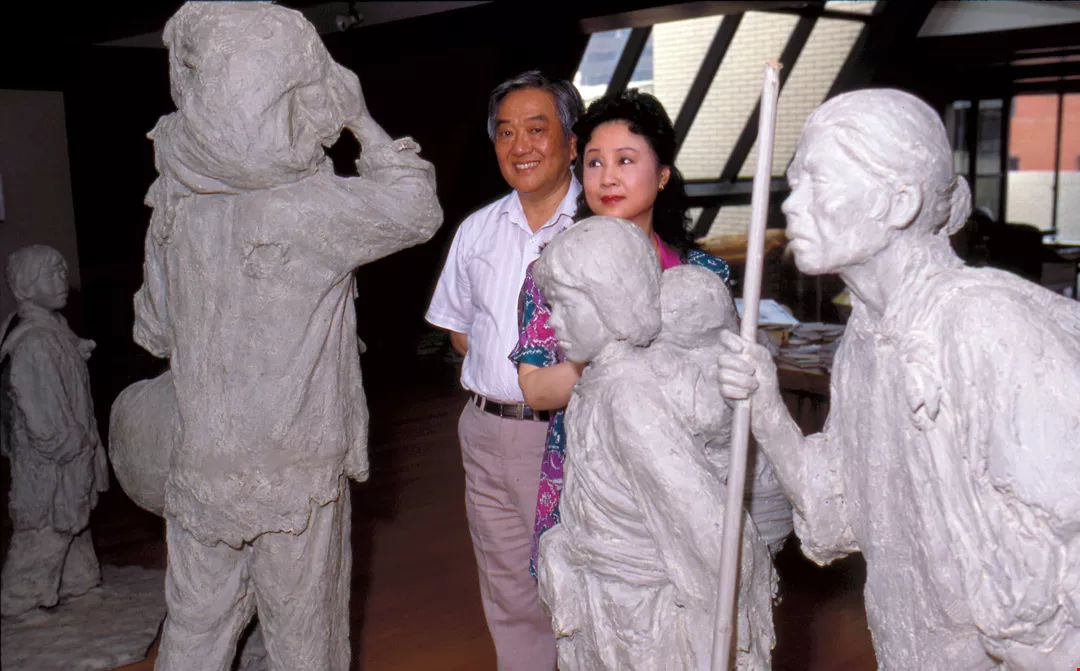
Chiung Yao and husband Ping Hsin-tao are art lovers; their home's art gallery houses many statues and paintings.
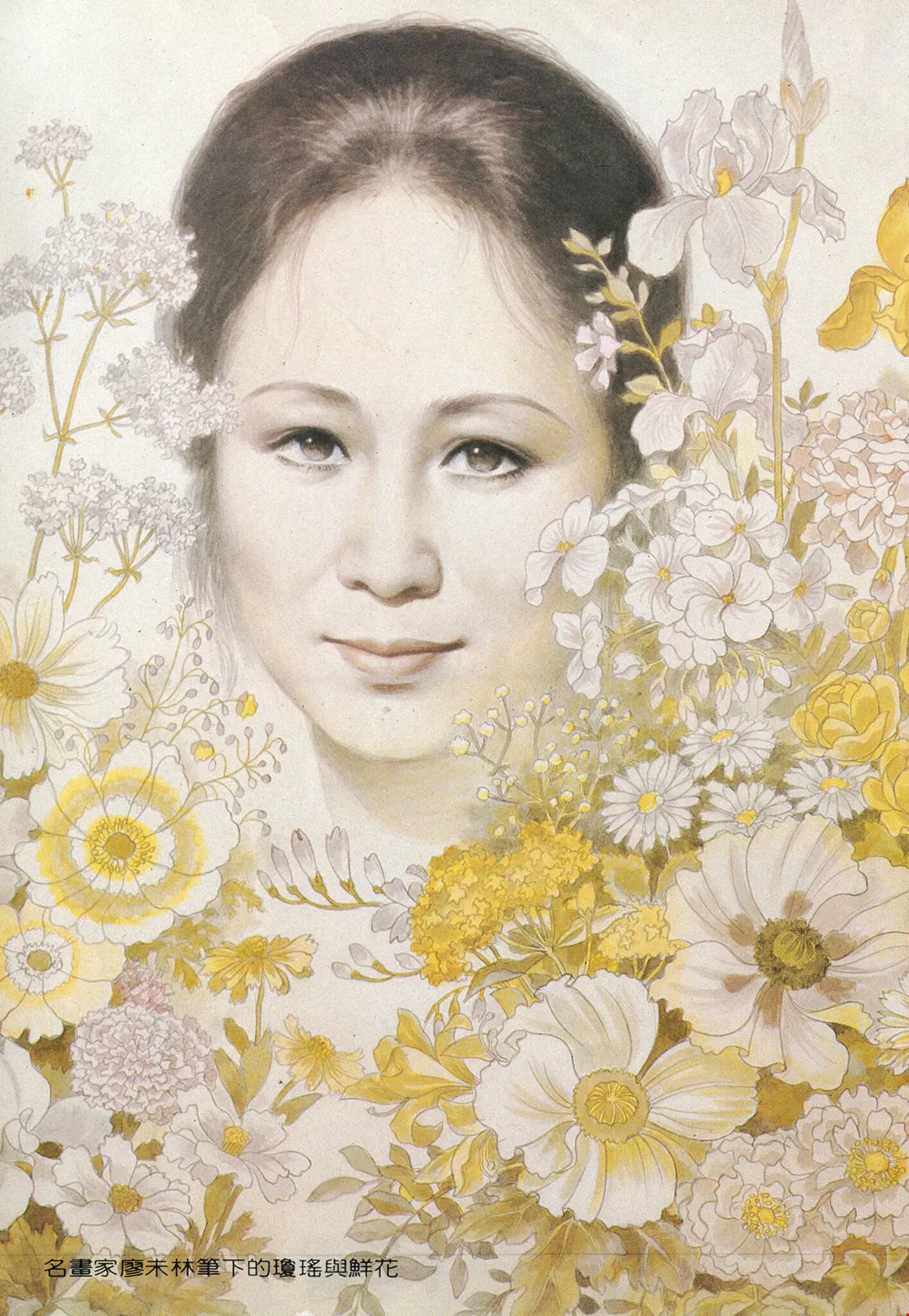
Although over forty, Chiung Yao still seems in, but not of, this world. In artist Liao Wei-lin's portrait of her, she appears as tender and pathetic as her own heroines.
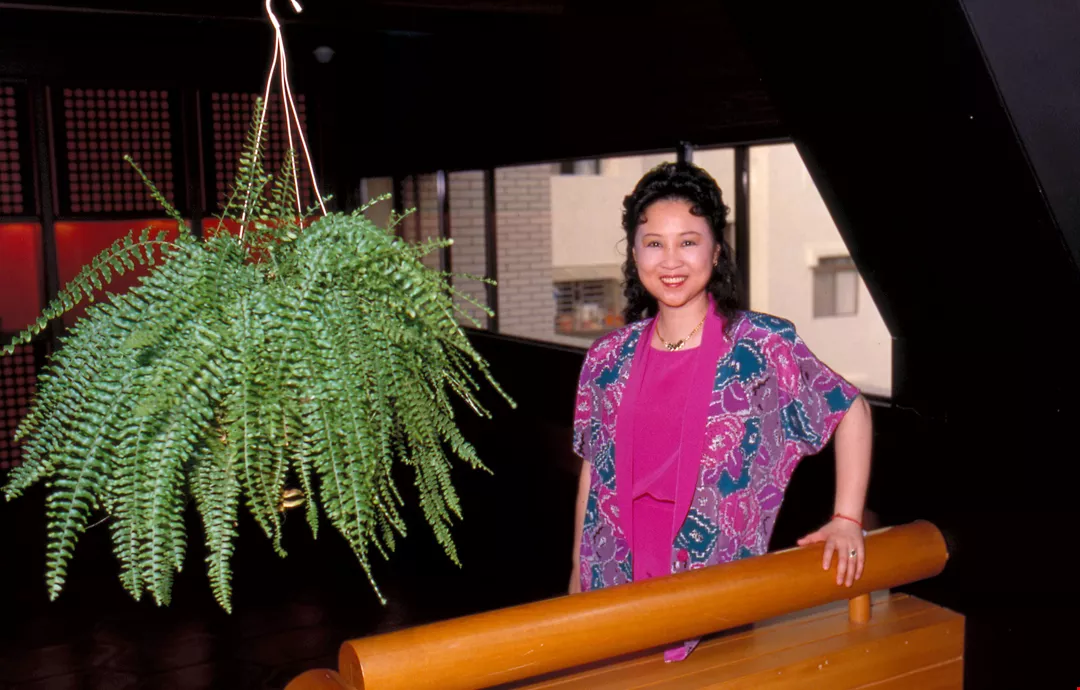
Although over forty, Chiung Yao still seems in, but not of, this world. In artist Liao Wei-lin's portrait of her, she appears as tender and pathetic as her own heroines.
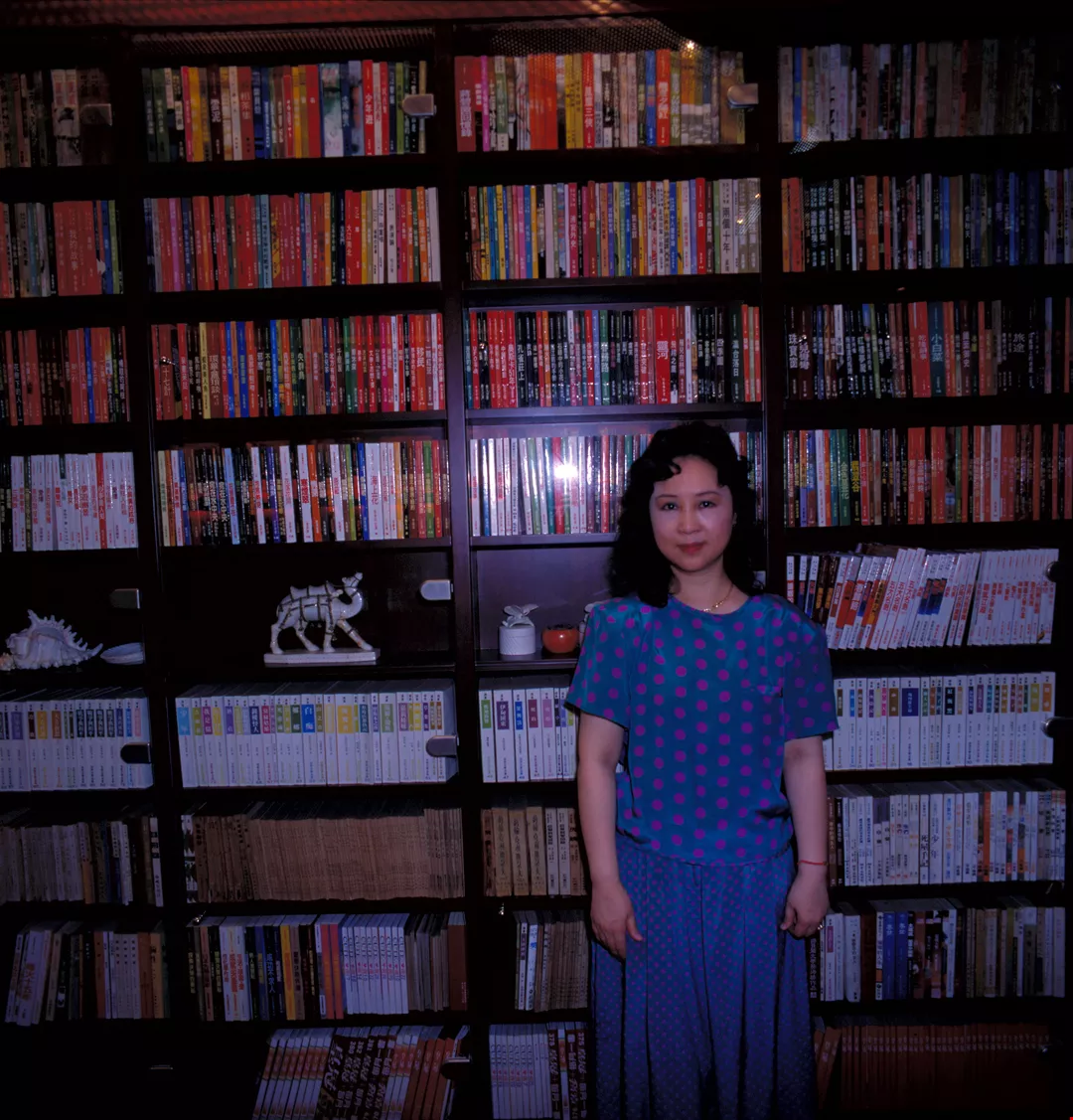
What place do Chiung Yao's works occupy in the literary world?




@List.jpg?w=522&h=410&mode=crop&format=webp&quality=80)
