Hu Chin-chuan is perhaps the only film director in the Republic of China to achieve full international recognition. While other directors such as Shih Hui, Chu Shih-lin, Yuan Mu-chih and more recently Hsu An-hua have become prominent in film circles, Hu Chin-chuan is the only one to receive universal praise from international critics. Leading cinema magazines such as Britain's Sight and Sound, and International Film Guide, France's Positif and the U.S. American Film and Film Comment have all introduced Hu and his films to movie audiences around the world. Hu's international acclaim reached a pinnacle when he received an award at the Cannes Film Festival in recognition of his personal style, which distinguishes his work.
Hu is familiar with Chinese history, and philosophical theses are often included in his films. But it is his use of cinematic technique that sets his work apart from that of others.
"I have always felt that old inns--particularly those in the countryside--are the best setting for a drama. There are few places that offer such opportunities for conflicts to occur in a confined space," Hu said. British film critic Derek Elley has pointed out that inns in Hu's films are not just the scene of the action, but also symbolize the hero struggling against evil.
"Inns play an important role in Hu's films, and reflect his fascination with confined spaces," said Elley. Hu's interest in inns stems from the fact that they are the meeting place of all kinds of people ranging from eunuchs and palace officials to hermits, spies and ordinary people. Hu's knowledge of classical allusions and his penchant for unofficial Chinese dynastic histories make such places a microcosm of Chinese society, where human relations can be explored and Chinese humor can be used to the best effect.
A common time period for Hu's films is the Ming Dynasty (1368- 1644), which in its later years was known for corruption and secret agent tyranny. To resist such symbols of evil, Hu has created a band of heroes, who, though loyal to the emperor, help people fight the tyrannical officials surrounding him. These Chinese Robin Hoods, who never contemplate overthrowing the emperor though they know he is at fault, are resigned to living in obscurity rather than serve a corrupt regime.
The heroines in Hu's films are mysterious and beautiful, and often skilled in the Chinese martial arts. In fact, their costumes often resemble those of a warrior. The women are usually comrades-at-arms to the men, rather than having romantic attachments as in most Chinese films. Eunuchs are usually evil characters, as are those overly interested in sex.
Romance and emotion are rarely seen in Hu's films because he subscribes to the Buddhist concept of Zen. In Buddhism the ultimate objective is to be completely free from desire. Thus power struggles and love and hate are not the moving forces behind the positive characters. For them, enlightenment in the Buddhist sense is their aim, and they often retire from the world to become monks and nuns.
Some film critics suggest that Hu treats his characters as puppets. As in Chinese opera, make-up and costumes are the key to a person's nature. Introductions and music are also based on Chinese opera.
Hong Kong film critic, Shih Chi, has said that one feature of Hu's films is movement. His characters are always on the move, heading gradually towards their own enlightenment. Thus, says Shih, the true theme of Hu's films is the search for spiritual enlightenment, and such factors as martial arts, historical settings and even the Chinese flavor of Hu's films are merely the means to an end.
"Chin-chuan's painting and his martial arts films are entirely different. The films are solemn, stirring and tense, while his paintings are charming and relaxed. This reflects the two sides of his personality," wrote Hu's wife Chung Ling in 1981.
When not making films, Hu is as charming and relaxed as his paintings. But when he is at work, he is serious. Dissatisfied with the script of "All the King's Men", Hu rose at 2 a.m. every day to rewrite the screenplay in time for the morning shooting schedule. Hu is so intent on perfection that he often looks after every aspect of the film himself. American Film aptly described him as a oneman band.
[Picture Caption]
1. Hu Chin-chuan pays special attention to props. Here he is seen arranging a jade chessboard. 2. Actor Tien Feng played the emperor in "All the King's Men." 3. Tien Feng and his female co-stars (from left to right) Hua Chuan-chuan, Tang Pao-yun, and Tsui Tai-ching.
1. Hu directing Tien Feng and Tsao Chien. 2. Directing a bedroom scene. 3. Cheng Pei-pei performs the "Tunhuang Dance." 4. Painter Chang Chieh appeared in this scene with Tsui Tai-ching.
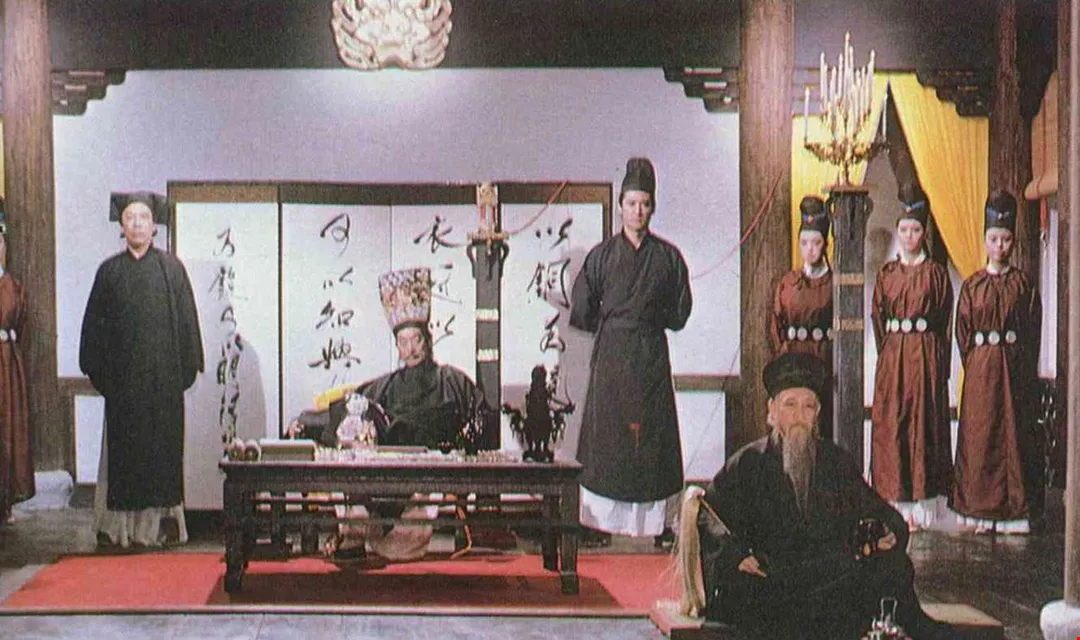
Actor Tien Feng played the emperor in All the King's Men.
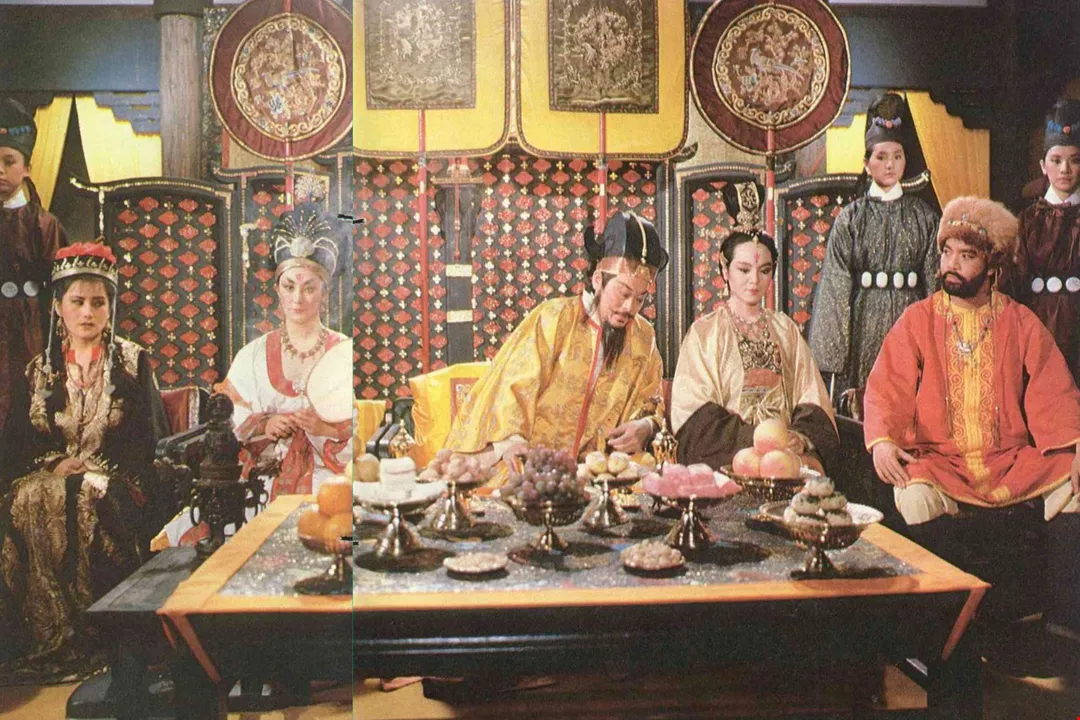
Tien Feng and his female co-stars (from left to right) Hua Chuan-chuan, Tang Pao-yun, and Tsui Tai-ching.
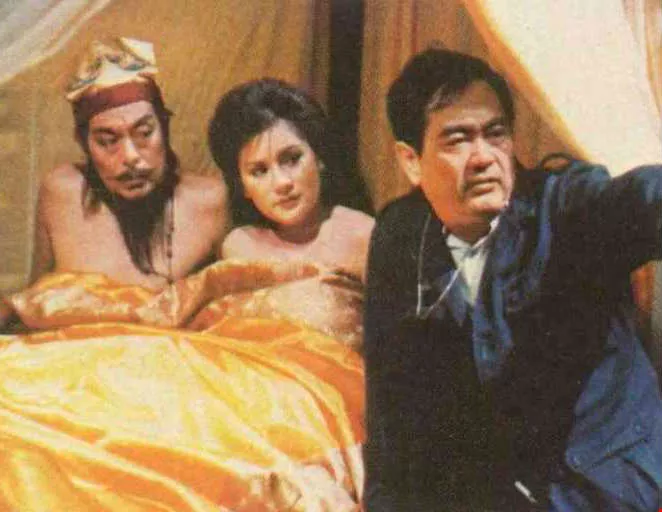
Directing a bedroom scene.
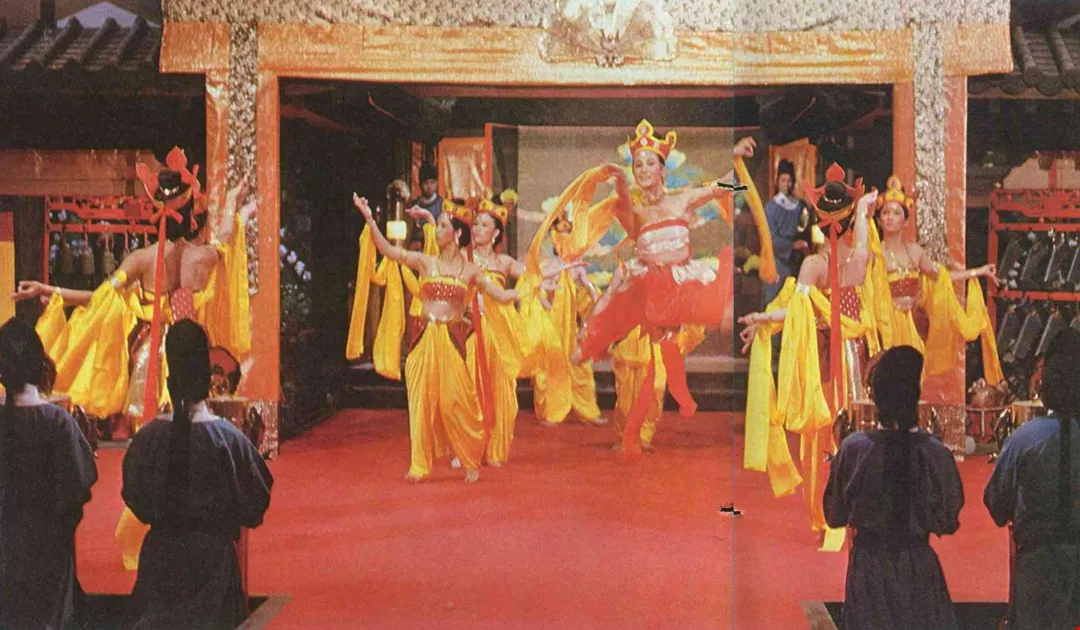
Cheng Pei-pei performs the Tunhuang Dance.
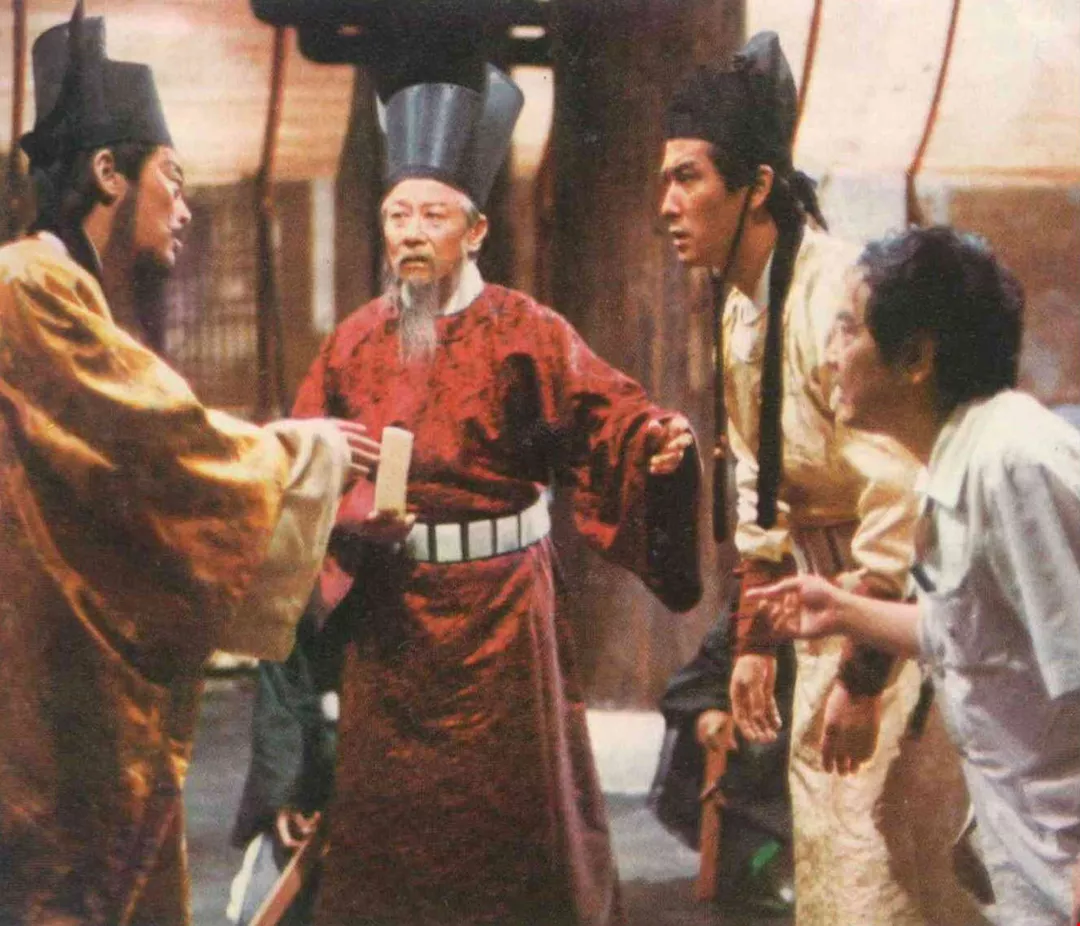
Hu directing Tien Feng and Tsao Chien.
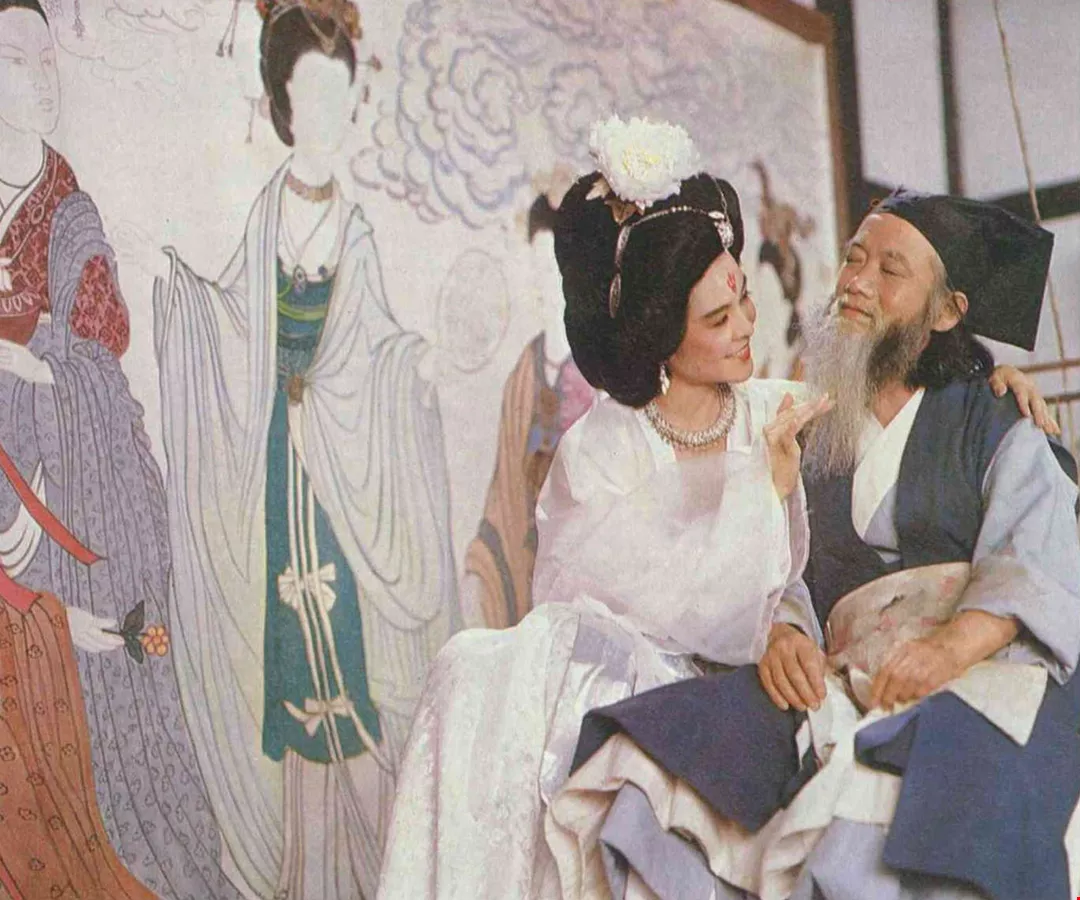
Painter Chang Chieh appeared in this scene with Tsui Tai-ching.
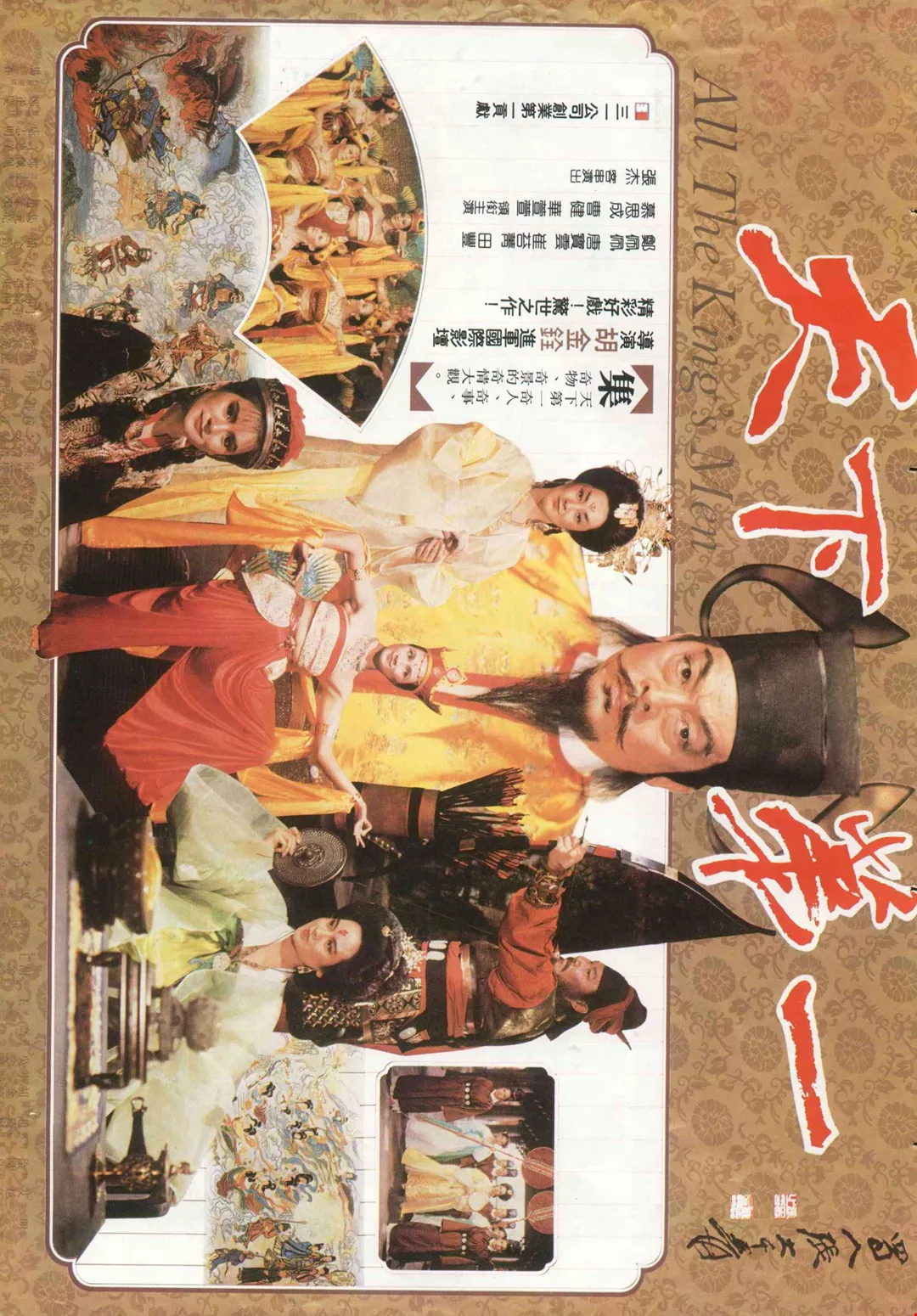
Cheng Pei-pei performs the "Tunhuang Dance.".




@List.jpg?w=522&h=410&mode=crop&format=webp&quality=80)

@List.jpg?w=522&h=410&mode=crop&format=webp&quality=80)


