The National Palace Museum recently purchased for display a line of engraved royal furniture from the Ching dynasty. The "red sandalwood" and other wood used in making the furniture are of high-quality dense grain, extremely hard and durable.
The entire line of these latest attractions at the museum all have one thing in common. Whether a bed or couch, a chair or cabinet, all are elegantly constructed and decorative in every way, including engraving, painting, gilding, and inlay of precious gems.
"Chi" is the oldest style of Chinese furniture. The most ancient antiques of bronze chi date from the Shang dynasty. Beds, chairs, tables, stools, and tall and square chi cabinets all have gradually evolved from it.
The earliest beds were "full beds," which were installed after the pillars of a room were in place, firmly based in the stone foundation, at which time the wooden bedposts were attached to them. Over time, these developed into separate entities as four-legged beds appeared.
The Tang dynasty saw the advent of stationary four-legged chairs, while the round-backed "louhan" style was developed in the Sung period.
In the Ming era, the curio, or antique cabinet, became an important household feature.
By the time of the Ching dynasty, a set of furniture was arranged symmetrically, and extreme care was taken to achieve uniformity. However, the lively interior decoration--paintings on the walls, pottery in the antique cabinets, enamel curios, decorations on a square chi--are never lacking in radiance or magnificent craftsmanship. With a lustre and stateliness like that of black silk, they complement the elegant furniture. Against a white wall background, they have a fabulous ornamental effect, which brings out their splendor.
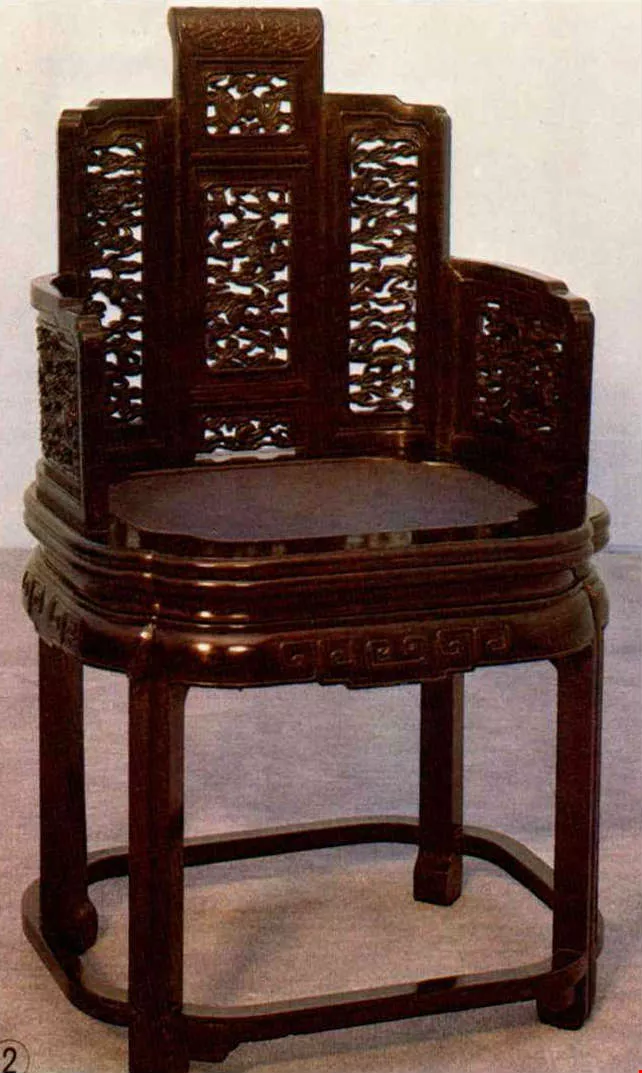
Antique Furniture at the National Palace Museum.
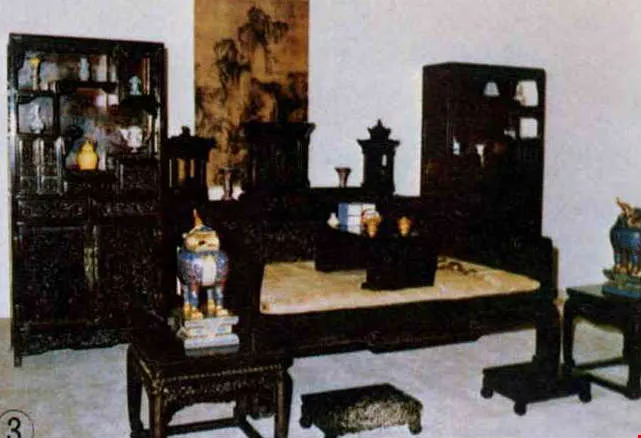
Antique Furniture at the National Palace Museum.
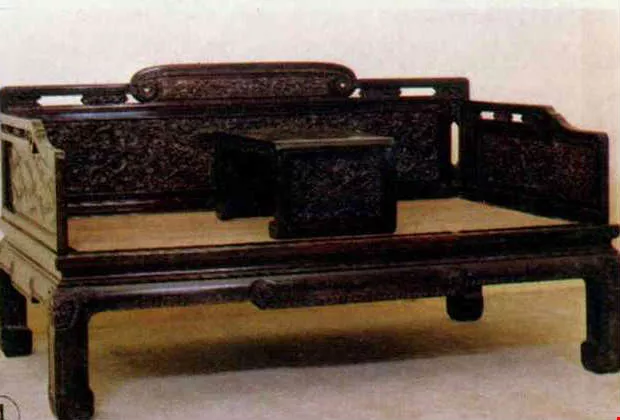
Antique Furniture at the National Palace Museum.
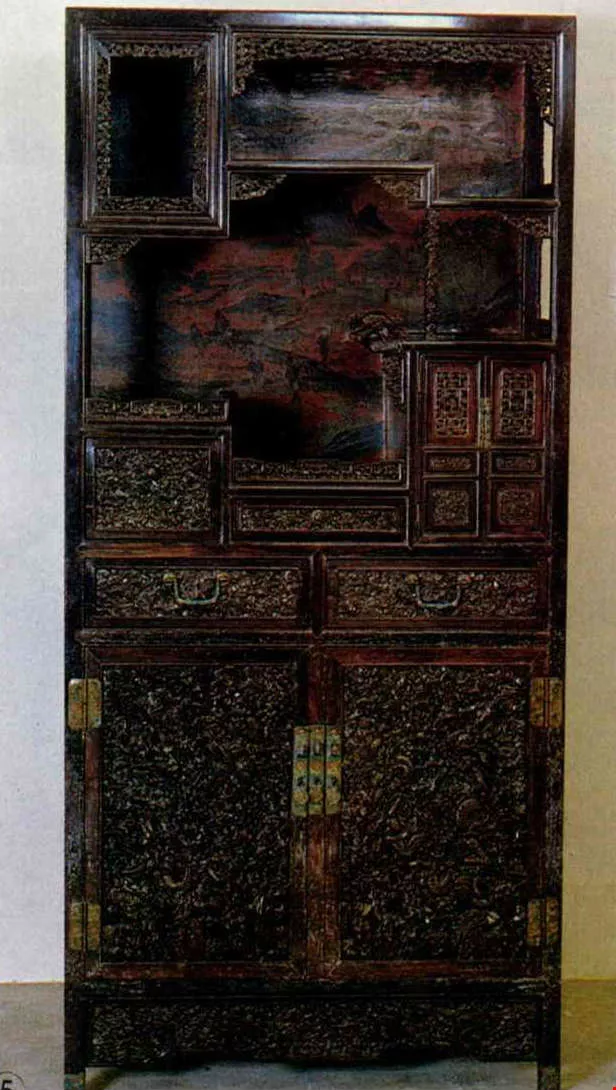
Antique Furniture at the National Palace Museum.
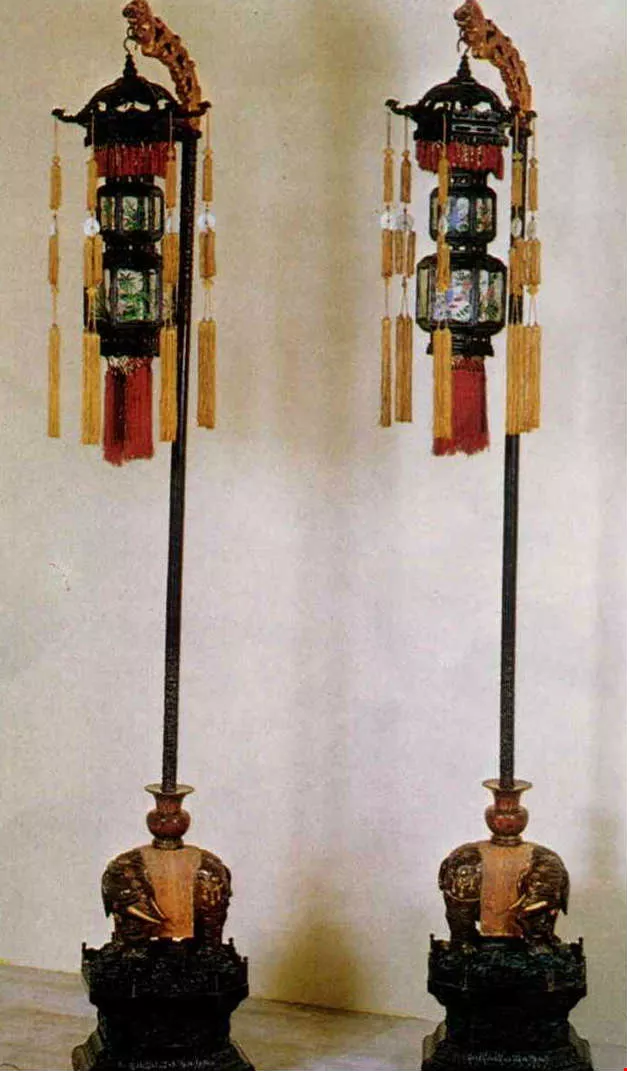
Antique Furniture at the National Palace Museum.




@List.jpg?w=522&h=410&mode=crop&format=webp&quality=80)


