Shawnyi-Two Fashion Designers Come Home in Style
Teng Sue-feng / photos courtesy of Shawnyi / tr. by Scott Williams
October 2008


The area around the Grand Formosa Regent Hotel on Taipei's Chungshan North Road is a fashion war zone where top brands like Gucci and Louis Vuitton vie for supremacy. The three-year-old Shawnyi label is a relatively new entrant into the fray, but has already won the hearts of numerous local glamour girls, celebrities, and VIPs, pop star A-mei and movie star Terri Kwan among them. Both have worn custom-made Shawnyi outfits to gala events.
The Taiwanese designers who have created their own clothing labels over the last 20 years have generally attempted to go global by building out from a base in Taiwan and working their way toward Paris. Shiatzy Chen is a case in point. But Shawnyi took a different approach. Its founders, Chien Yu-feng and Shawn Pan, are both children of the 1970s who studied and worked in the highly competitive Paris fashion scene for eight years before returning to take on the Taiwanese market. Will their Paris-to-Taipei strategy ultimately help East Asian fashion designers achieve greater prominence on international catwalks?
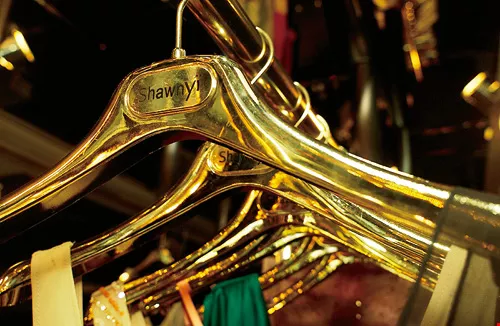
Racks of clothing stand beneath glittering chandeliers in Shawnyi's flagship Taipei store. It's like a huge walk-in closet out of every woman's fantasies, filled with the kind of resplendent outfits you'd expect to see on a fairytale princess.
One formal gown with spaghetti straps features a bodice that shapes and supports the bustline paired with a finely embroidered tutu-like skirt, giving its wearer the elegant look of a sashaying ballerina. The gown is very finely made-the embroidery alone required a month of hand stitching-and sells for NT$150,000.
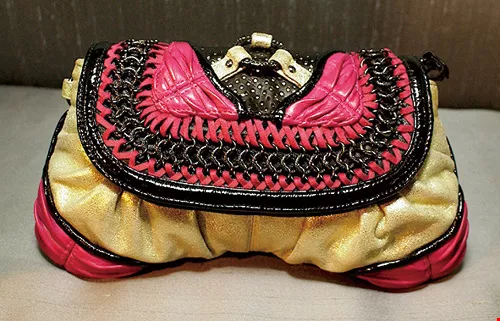
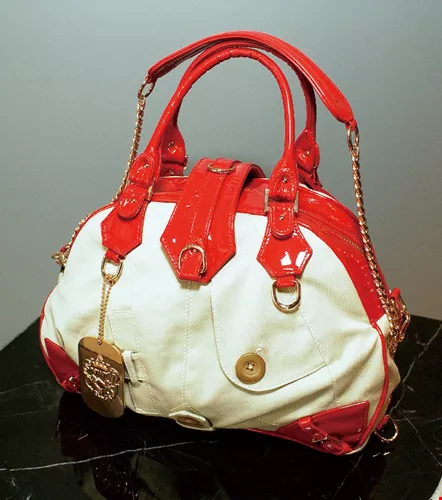
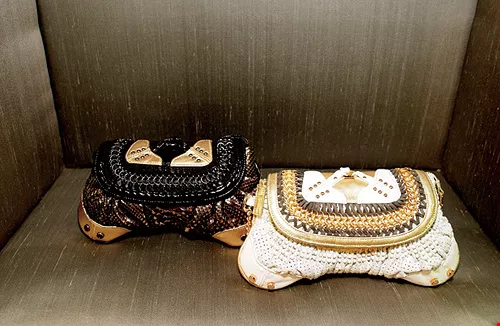
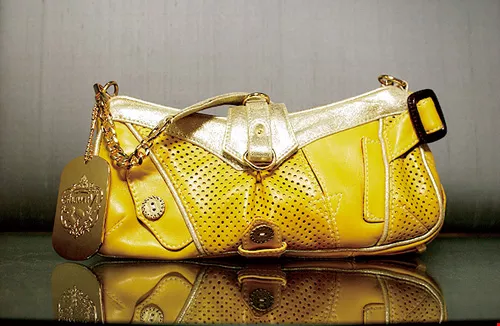
All Chien and Pan's work, whether a chiffon evening gown decorated with Swarovski crystal, a simply-cut outfit, or a pure-white jacket, demonstrates their mastery of complex beaded embroidery, lace fringes, and haute-couture concepts. When they pair their sexy, feminine creations with ultramodern handbags, belts, and other accessories, it's hard to imagine that they sprang from the minds of two men in their thirties.
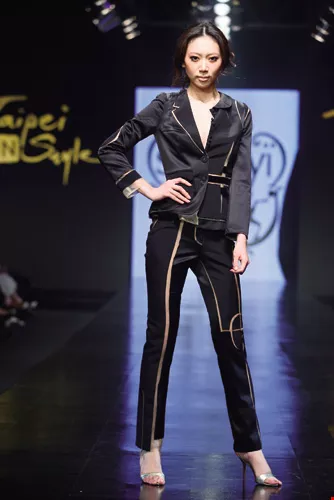
From left to right: Shawnyi's "Alpine Green" line, featuring gray-green colors and broad decorative motifs at the waist inspired by Taiwanese Aboriginal culture; the "Temple Culture" line, with its upright shoulders and embroidered midsections; the label's 2008 Fall/Winter lineup, which utilizes great swaths of red fabric and layered skirts that emphasize the curve of waist and hips; and their latest creations-punk-rockish outfits featuring gold zippers.
Making their fortune in Paris
Shawn Pan is a tall, slender, pale 35-year-old. Chien Yu-feng is dark, rugged-looking and 33. They are as complementary professionally as they are in appearance-one designs, the other markets.
Pan, the company's designer, is a graduate of Tainan's Chang Jung High School who went to France in 1995 after completing his military service. There he studied at the Ecole de la Chambre Syndicale de la Couture Parisienne. Known as the "cradle of fashion designers," the school's faculty includes top patternmakers and seamstresses from houses like Dior and Yves Saint Laurent. Its intensive training program helped hone Pan's aesthetic sensibilities and his eye for fashion trends.
Pan had originally planned to remain in France after graduating in 1998, but France was experiencing double-digit unemployment. When even young French were having difficulty finding jobs, what was a foreigner like Pan to do? He went to New York where he designed garments to fit women of all body types for a company that made form-fitting clothing from stretch fabrics.
Working for a large garment maker that would sell the same design for two years, Pan had little opportunity to extend himself. He became bored and quit after just six months with the company. He soon established his own small studio, Shawn Pan, and hired someone to process orders. His business model was simple-brokers sold his garments to boutiques in Florida, California, and New York's SoHo district.
Though his business was doing well, Paris beckoned. When he had the chance to visit the world's fashion capital again in 2001 to prepare for a garment exhibition, he went.
The show was due to be held in New York in September 2001, but the 9/11 terrorist attacks resulted in its postponement to October. Chien was also exhibiting at this workshop for the world's young designers, and happened to have a booth directly across from Pan. Though Chien didn't know Pan well, he instantly recognized him as a fellow alumnus of the Ecole de la Chambre Syndicale de la Couture Parisienne. Noticing that their was little overlap in their clienteles, he asked Pan whether he might be interested in working together. This led to the creation of their Yufengshawn label and launched them into the Paris fashion industry.
A 30-second window
In 2002, the two men rented a 330-square-foot studio near a canal in Paris' 11th arrondissement for 550 per month (about NT$22,000). After installing four sewing machines, an overlocking machine, and three desks, they hired a secretary and a salesperson, and set to work on clothing for the 2003 spring garment expo, jointly playing the roles of owner and designer.
Chien gravitates towards simple lines and dark, quiet tones, while Pan prefers irregular cuts and lively, avant-garde pairings of red and green or purple and gold. As a result, the brand they've built embodies a rich, many-layered aesthetic.
Pret-a-Porter Paris, which focuses on high-end clothing for women, attracts more than 4,500 designers from around the world every year. International buyers flock to the huge show, held in a space four times the size of the Taipei World Trade Center's Exhibition Hall 1. But this size has a downside-buyers typically spend only 30 seconds in front of each exhibitor's booth. "If you don't catch a buyer's attention when his eyes pass over your booth, you've lost an opportunity," says the business-savvy Chien.
Chien and Pan put a lot of effort into thinking up gimmicks to attract buyers' interest, doing things like rearranging their booth every other day to keep it fresh, and planting themselves in front of it like living signposts actively diverting foot traffic inside for a look.
Their sexy and avant-garde designs earned acclaim from French and Italian buyers, and increased their orders to 150,000 (about NT$6 million)-more than double their combined total when working independently. Working together was working out well for both of them.
Their growing sales enabled them to rent a new, larger studio in an alley near the Louvre, Paris' "fashion palace." Measuring about 1,000 square feet, their new digs cost them a hefty 3,000 per month in rent. But the extra space allowed them to build a display area where buyers could make purchases in greater comfort.
Beginning at the end of 2002, they exhibited for five consecutive seasons at the Federation Francaise du Pret-a-Porter Feminin's January and September exhibitions.
By 2003, Yufengshawn products were being sold in 40 locations in 15 nations, including France, the UK, Italy, Greece, Spain, Russia, the US, Australia, Japan, and South Korea.
Acclaim for "Taiwan Red"
Chien and Pan returned to Taiwan near the end of 2003 to get a feel for the local market. While here, they went looking for a PR company to help them arrange their first fashion show in Taiwan, and also sought out an agent to deal in their clothes.
A friend introduced them to Julie Chou, the director of a local PR firm. "There are high barriers to entry into the fashion pages of the Taiwanese media," says Chou. "In those days, we were too unknown to get even an invite to the Council for Cultural Affairs' 'Taiwan Clothing Party,' and fashion reporters just don't cover people they've never heard of."
She recommended that before Chien and Pan put on their first Taiwanese show, they spend four months gradually introducing themselves to the media and building a name for themselves in the local market. Chou believed that journalists would be intrigued by their Paris story, and, with her guidance, they made their way onto the front pages of the fashion sections of many papers. When they finally debuted their work at the Taipei Regent in April 2004, 200 journalists attended.
But though the show impressed Taiwan's fashionistas, Chien and Pan were still having trouble finding the kind of commercial agent they wanted. Unfamiliar with the local fashion market's "rules of the game," Chien decided to give it a pass rather than risk their brand's reputation.
Then they got fantastic news from France: the Miss France selection committee wanted them to design evening gowns for the 2005 competition. The first Asian designers ever to be selected for the big event, they decided to change their brandname to something simpler and more powerful: Shawnyi.
They designed three outfits, one each for the first, second, and final rounds of judging. Their second-round gown was the most interesting. Inspired by then CCA chairwoman Tchen Yu-chiou's notion of "Taiwan Red," Pan drew on elements of Taiwanese culture-Hakka "red turtle" rice cakes, wedding cookies, and peonies-breaking them down and recombining them into dazzling gowns. Through them, Taiwanese culture lit up a French beauty pageant.
"In addition to paving the way for our return to Taiwan, these bold gowns were a declaration of our Taiwanese roots," says Chien, who manages the company's marketing. "We went with this approach because we believe that Taiwanese design has to differentiate itself on the international stage from the graceful, restrained look of traditional Chinese cheongsams and two-piece silk outfits."
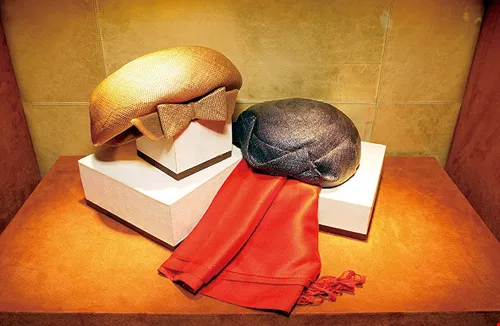
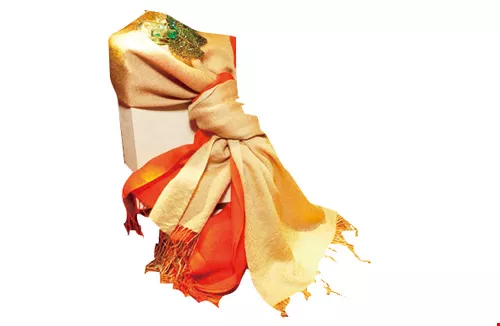
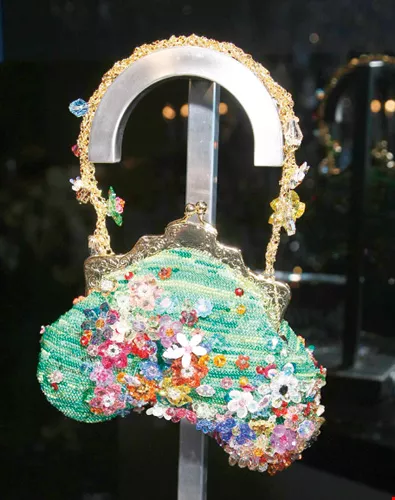
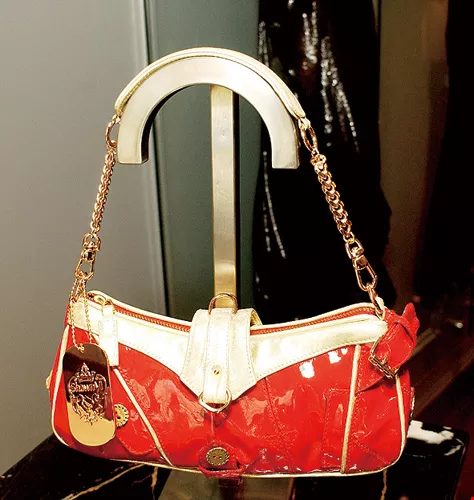
Shawnyi embellishes its evening wear with scarves and bags featuring Swarovski crystal, leather, and beaded embroidery.
East meets West
The Miss France competition also earned them entry into Paris Fashion Week. The film The Devil Wears Prada doesn't stray far from the truth when it depicts Paris Fashion Week as the scene of bloody hand-to-hand carnage among the world's designers. It tests both the talents of the designers and the financial resources of the fashion companies.
Organized by the Federation Francaise de la Couture, Paris Fashion Week runs for ten days every March and October, and pits the work of established brands against that of new designers on the catwalks.
The premier labels are estimated to spend as much as 1.25 million (about NT$50 million) on runway setup, lighting, top models, clothing and makeup for their 15-minute shows.
To prepare for their October 2005 debut, Pan worked with six or seven seamstresses in Taiwan, putting together more than 100 items of clothing in less than a month then airfreighting them to France. Shawnyi's slot was on the first day. They showed five lines with Chien personally overseeing the sequencing, lighting, music, and announcements, as well as the look of the models.
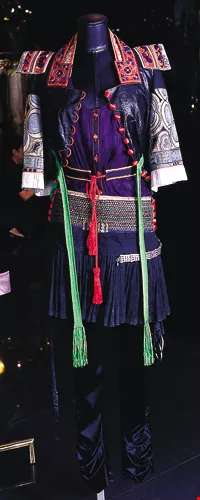
They drew on traditional clothing styles of Taiwan's Aborigines-wide waistbands, gold accessories, head ornaments, and a lot of gray-green tones-for their theme of "Taiwanese Alpine Green." These elements, together with the wide variety of materials employed, gave their work a postmodern collage aesthetic. For the February 2006 show, they blended European baroque with Taiwanese temple style. Their use of carved and painted beams like those found in traditional temples created a solemn atmosphere that contrasted sharply with the playfulness of their clothing's exaggerated shoulder lines, complex embroidery, and high-collared waistcoats. This wild melange of past and present came together to create an extravagant baroque fantasy.
Shawnyi's design forte is the creation of clothes that exude "fashion" through the seamless integration of East Asian concepts and cultural symbols with Western-style cuts of material. To non-Chinese, the results look "exotic." To Taiwanese, they represent a reinvention of our cultural vocabulary.
Asked about the sources of his inspiration, the childlike, self-effacing, almost ethereal Pan says: "It's like turning on a faucet. It comes out when I need it to. If it doesn't, I leave it alone for a couple of days and then it comes gushing out again."
"I'm a ready-to-wear designer; I can only make clothes 'pretty,' says Chien. "Pan, on the other hand, is a genius who creates truly innovative clothing." Chien says Pan provides the company with its energy. He needs his time in the clouds, somewhere unsullied where he "can't be targeted." So Chien deals with the bread-and-butter issues that keep the company afloat and lets Pan devote himself to design.
Turning to the Asian market
Though the company's participation in two consecutive Paris Fashion Weeks cost it tens of millions of dollars, it generated intangible returns.
"Ready-to-wear shows exist for designers to find buyers," says Chien. "Fashion Weeks are purely about exposure. Our participation confirmed our standing as a new brand to be reckoned with and gave us access to the Taiwanese and Japanese markets."
With European fashion budgets tightening, Japan becoming the destination of choice for high-end goods, and Parisian labor and real-estate costs rising, Chien and Pan began thinking about refocusing their business on Asia.
They spent NT$3 million decorating their flagship Taipei store for its April 2006 opening, leaning heavily towards the extravagant. Their Howard Plaza shop carries mostly simple knitted blouses and typically ranks among the hotel's top three shops in terms of sales. Sales at Shawnyi's two Taiwan outlets and overseas amounted to some NT$22 million in 2007, with the latter accounting for about 60% of the total. With this year's slower economy, the last eight months' sales are off about 20%.
"Shawnyi is caught between being a foreign label and a domestic one," says Chien. "Though we've gotten a lot of exposure, many people wonder if we're catering to too high-end a niche. There are still doubts about whether our brand can survive in the marketplace."
Chien argues that Taiwan's clothing market is "a mess" and contrasts it with the Paris market. He says that while Paris and Taipei have about the same population, Paris has only three major department stores and the market as a whole deals very differently with the clothing labels. For example, in Paris a label earns recognition by winning an exclusive sales area in the super upscale Galeries Lafayette department store before going on to open its own shop. In Taiwan, department stores want to see that labels have good sales in their own shops before making a judgment about whether their collections would represent an effective use of space and awarding them their own area.
"The costs of running your own shop are higher than those of having a counter in a department store," explains Chien. "When the economy isn't good, you have to have locations in shopping centers." Chien says that Shawnyi plans to open outlets in Kaohsiung's Han-Lai Department Store and a shop in Taipei's Taipei 101 mall. Their goal is to have seven locations within two years.
After explaining the local market's "rules of the game," Chien commented on local consumers' aesthetics.
"When our customers in Paris put on our clothes, they're always very complimentary," says Chien. "It's a pleasure doing business with them. Taiwanese customers are more nitpicky. One minute, they'll say the collar sticks out too much. The next, they'll want to alter the lace fringe of a skirt. It limits the design."
"Foreign customers are open minded, so there's a lot of room to innovate," says Pan. "Taiwanese customers are more conservative. They don't want their bodies exposed. They don't want too much emphasis on their busts. V-collars can't drop too far. There are huge cultural differences. It's like trying to find the balance point on a seesaw. We're still groping for it."
Going global
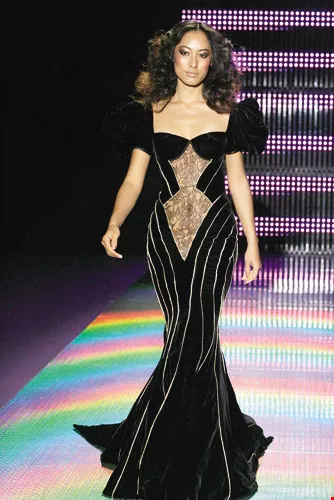
From left to right: Shawnyi's "Alpine Green" line, featuring gray-green colors and broad decorative motifs at the waist inspired by Taiwanese Aboriginal culture; the "Temple Culture" line, with its upright shoulders and embroidered midsections; the label's 2008 Fall/Winter lineup, which utilizes great swaths of red fabric and layered skirts that emphasize the curve of waist and hips; and their latest creations-punk-rockish outfits featuring gold zippers.
The Japanese market is much more sophisticated.
"For many years, Japanese industry has kept the best locally made products in the country for Japanese consumers, effectively training consumers to distinguish between good and bad products," says Chien. "Even when the economy is slumping, Japanese remain the world's number-one consumers of high-end goods. It's not because they're wealthy, but because they appreciate good things. This has helped make Japan's 'cultural innovation' industries self-sufficient."
Chien has been gratified by Shawnyi's success in the Japanese market.
Their Japanese agent, Kiyoshi Uzawa, has a shop of his own in Karuizawa that originally dealt in a variety of high-end brands purchased every year in Europe. Uzawa started buying from Chien and Pan in Paris in 2003. When they opened their flagship Shawnyi store in Taipei in 2006, Uzawa began coming to Taiwan each season to place his orders. He now buys about NT$8 million of the company's products per year and has converted his shop into an exclusive Shawnyi outlet.
Chien says that it will take both talent and money for Taiwanese brands to break into the international fashion scene. They'll need to exhibit their lines at fashion shows for at least six seasons, and they'll also have to think about how to link their brands to fashion weeks and insert themselves into local fashion industry manufacturing chains. If they don't the streams of people looking at their products will never turn into cash flow, and their participation will just be a waste of money.
"Going global is our real objective," says Chien. "We want to go back to France and continue to build our name. You should look at our performance over a ten-year timeframe."
Unlike the children of the 1950s and 60s, with their traditional burdens, their cautious natures, and their sense that time is no longer on their side, Chien and Pan have the boldness of youth. In taking on the world's top brands, they've demonstrated a different kind of vision. If Taiwanese designers ultimately succeed in attracting the world's notice, it will have been due in no small part to the efforts of these two brilliant men.
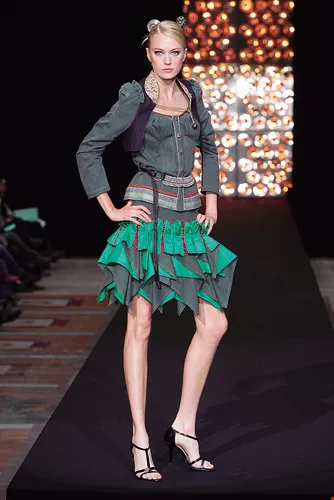
From left to right: Shawnyi's "Alpine Green" line, featuring gray-green colors and broad decorative motifs at the waist inspired by Taiwanese Aboriginal culture; the "Temple Culture" line, with its upright shoulders and embroidered midsections; the label's 2008 Fall/Winter lineup, which utilizes great swaths of red fabric and layered skirts that emphasize the curve of waist and hips; and their latest creations-punk-rockish outfits featuring gold zippers.
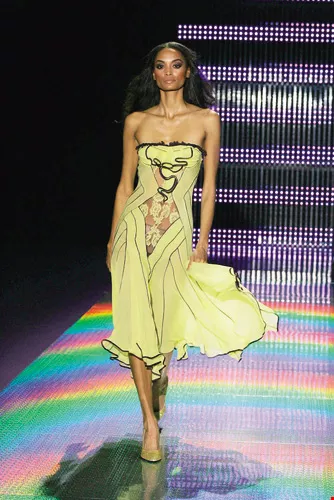
From left to right: Shawnyi's "Alpine Green" line, featuring gray-green colors and broad decorative motifs at the waist inspired by Taiwanese Aboriginal culture; the "Temple Culture" line, with its upright shoulders and embroidered midsections; the label's 2008 Fall/Winter lineup, which utilizes great swaths of red fabric and layered skirts that emphasize the curve of waist and hips; and their latest creations-punk-rockish outfits featuring gold zippers.
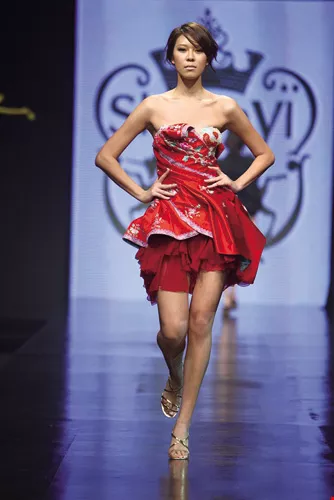
From left to right: Shawnyi's "Alpine Green" line, featuring gray-green colors and broad decorative motifs at the waist inspired by Taiwanese Aboriginal culture; the "Temple Culture" line, with its upright shoulders and embroidered midsections; the label's 2008 Fall/Winter lineup, which utilizes great swaths of red fabric and layered skirts that emphasize the curve of waist and hips; and their latest creations-punk-rockish outfits featuring gold zippers.
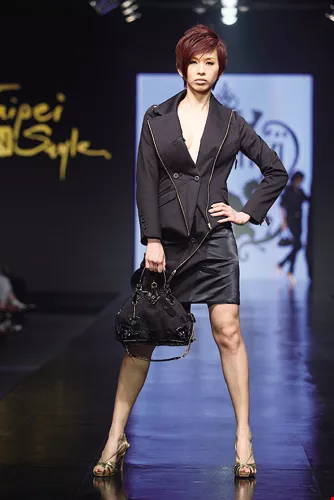
From left to right: Shawnyi's "Alpine Green" line, featuring gray-green colors and broad decorative motifs at the waist inspired by Taiwanese Aboriginal culture; the "Temple Culture" line, with its upright shoulders and embroidered midsections; the label's 2008 Fall/Winter lineup, which utilizes great swaths of red fabric and layered skirts that emphasize the curve of waist and hips; and their latest creations-punk-rockish outfits featuring gold zippers.
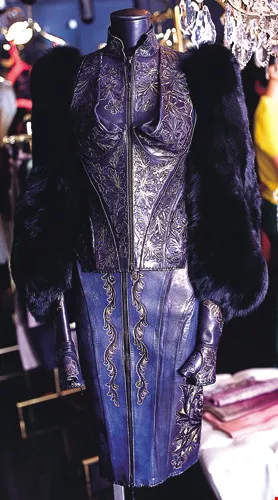
Flattening, coloring, and assembling a carved leather suit is a complex process. The addition of warm fox fur on the shoulders gives the look of foreign gentry's traditional garb.
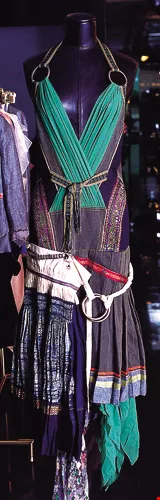
The printed chiffon, antique Aboriginal embroidery, layered mix-and-match aesthetic, and irregular hem of this outfit romantically blend old and new.
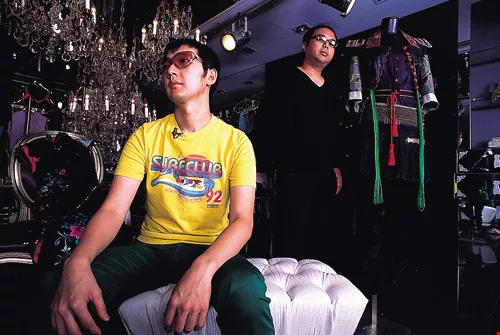
Shawn Pan (in the yellow shirt and green slacks) directs his seemingly inexhaustible font of creativity into extravagant evening gown designs. The more numbers-oriented Chien Yu-feng handles marketing and strategy. Their division of labor has clearly worked-Shawnyi, their clothing label, has won itself a place on the world's high-fashion catwalks.
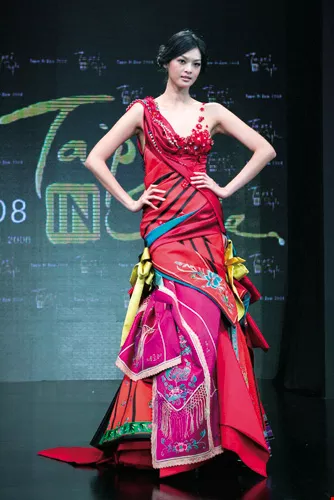
From left to right: Shawnyi's "Alpine Green" line, featuring gray-green colors and broad decorative motifs at the waist inspired by Taiwanese Aboriginal culture; the "Temple Culture" line, with its upright shoulders and embroidered midsections; the label's 2008 Fall/Winter lineup, which utilizes great swaths of red fabric and layered skirts that emphasize the curve of waist and hips; and their latest creations-punk-rockish outfits featuring gold zippers.
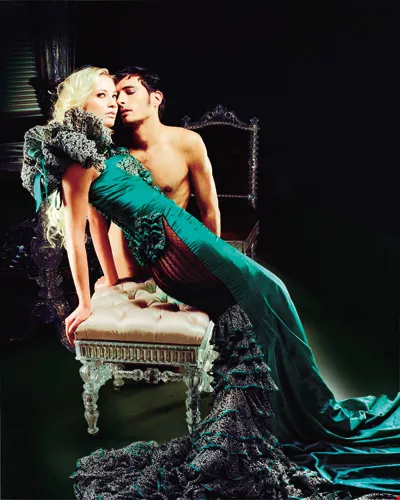
This eye-catching gown was inspired by the solemnity of the carved columns of Taiwanese temple architecture. The exaggerated shoulders and complex, layered skirt are straight out of a Baroque fantasy.
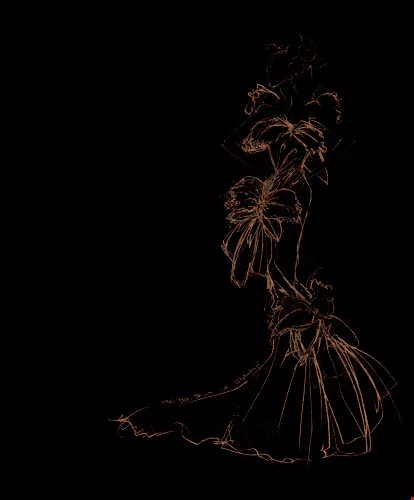
A sketch by Shawn Pan.