Creating a Shared Spirit Through Music:
The World Music Festival
Lee Shan Wei / photos Wind Music / tr. by Mark Rawson
November 2017


Ever since Pangu created the universe, a natural music has resounded constantly through it, permeating our cells. It is the expression of the self, and the language of peoples. Those who love it explore its original implications with a reverential attitude, identifying interconnected spiritual resonances in distinctive regional forms. A music craze that has spanned the world for half a century fulfilled a dream for Taiwan in 2016. In the fall of 2017, in Taipei’s Dajia Riverside Park, the joy is overflowing once again.
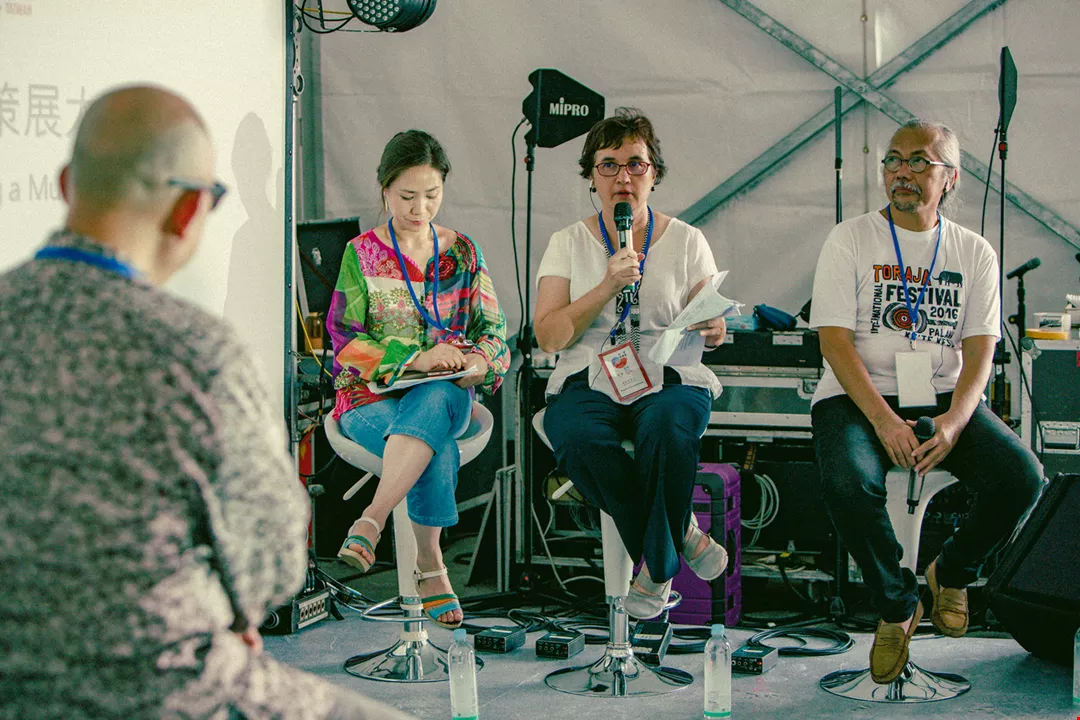
A lecture on “The Practical Details of Presenting a Music Festival,” presented by two foreign speakers, brings new musical values to the audience.
An inspiration among peoples
Musical notes and melodies have never been absent from the life of mankind. Babies’ innate waving of hands, kicking of feet and sing-song babblings string together the rhythm of notes, extolling the creativity of life. This common language of humanity pours the water of life into national cultures. Under the guidance of music, all the peoples of the world can connect seamlessly.
“World music” is not just a fashionable term; it has its academic place. It was first formally defined in 1965, in the ethnomusicology syllabus at Wesleyan University in Connecticut. “The appellation has its origins in the United States. All the music that was not mainstream in America began to be called ‘world music,’” says Yu Su-ying, the curator of World Music Festival Taiwan, and director of planning at Wind Music International Corporation. Music originates in culture. Even a very minor musical tradition has its historical significance. If one explores in depth the particular character of each regional musical style, one finds that it conceals a subtle pulse of its living environment delicately embedded in the music.
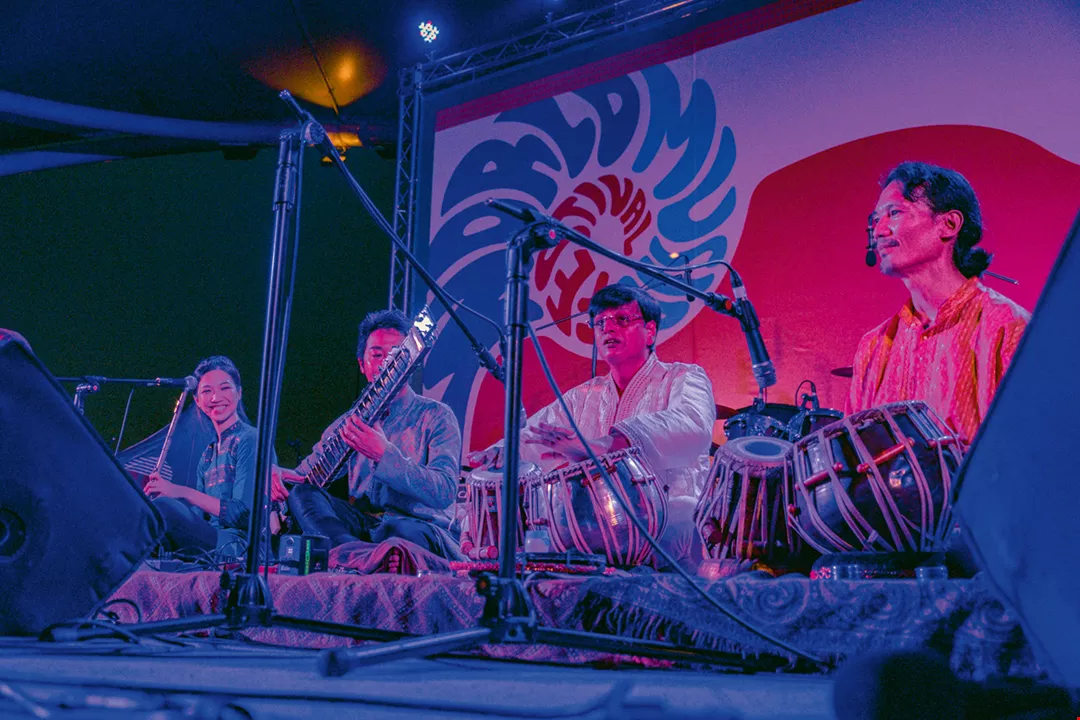
With frequent cultural interaction, musical styles gradually blend together. Seen here are the group Coromandel Express and Indian tabla master Dilip Mukherjee.
Colorful world music
The peoples of the world are many and varied, so world music is inevitably richly diverse. On the basis of the idea of the global village, all kinds of distinctive music are worthy of respect and preservation.
Amid frequent cultural interaction, musical styles gradually blend. Packaged by mass media and commercial fashion, the definition of “world music” has become broader and broader, presenting a harmony between tradition and modernity. “There are actually no specific criteria, but more a kind of spirit,” says Yu Su-ying. “African music was taken into the United States along with Negro slaves. That reverberating rhythm would later influence jazz. When jazz-influenced styles of music made their way back to Africa, they set off yet another wave.” These interactions between different regions have kindled infinite sparks.
“Although the lyrics were in languages we didn’t understand, those melodies and rhythms gave us an indescribable feeling of intimacy; it was as though our ancestral spirits were calling us, drawing us.” So say Boxing, a band which has developed the world music beat passionately and eclectically and was formed by members of Taiwan’s indigenous Paiwan tribe. “We created music in different styles, such as rock, hip-hop, Latin and electronic music, but all in our own mother tongue, giving voice to the passion within our souls.” Using battle rhythms that took no prisoners, they dared to innovate, courageously injecting traditional Eastern music into Western rock ’n’ roll, integrating American jazz with indigenous chanting. Constantly introducing new elements, they are helping to erode the geographical boundaries of folk music, giving listeners a completely new experience.
Chung Shefong—coordinator of the blog Trees, Music and Art, founded in 1993, which strives to promote ethnic music—believes that the core of ethnic music is that it must have ample culture to support it if it is to be refined into a mature form with substance. The fusion of musical styles from different parts of the world should not consist in the coarsely decontextualized creation of a superficial exoticism and sense of mystery, but requires a respectful attitude and a dialogue of equals, to produce music that builds on the historical depth and overall context of the different traditions.
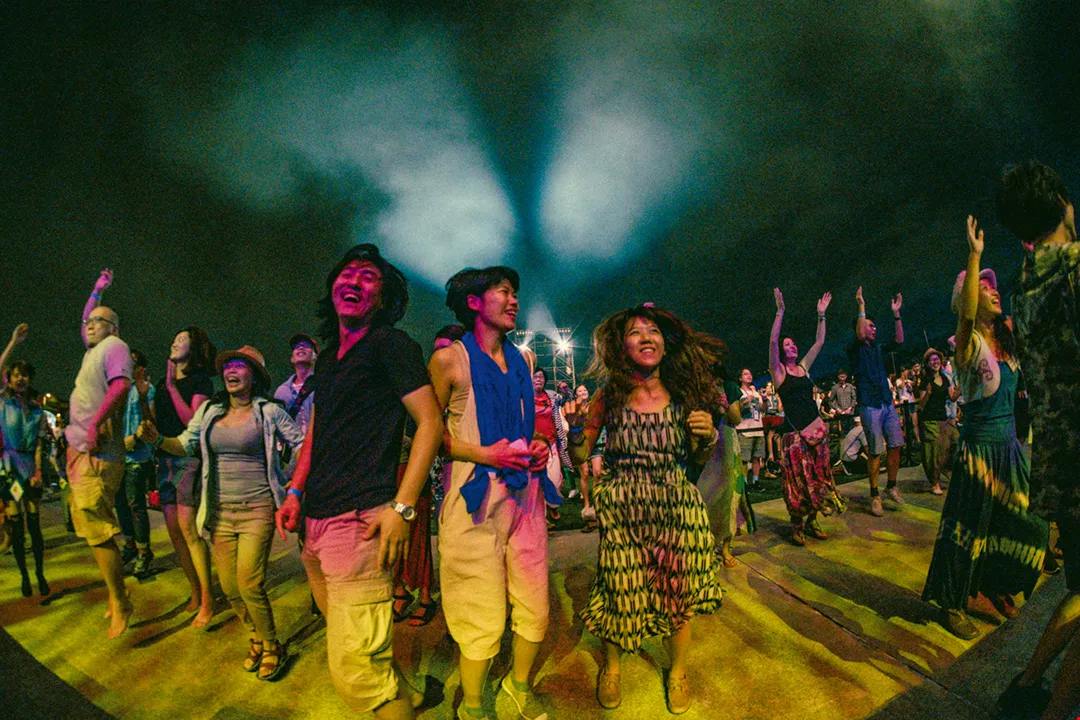
This passion for music is like a firework shooting heavenward, lighting up everyone’s hearts.
Resonating with the melodies of the universe
On August 15, 1969, a gigantic jamboree of music got underway beneath the open skies of the eastern USA. Over three days, on Max Yasgur’s dairy farm near a hamlet named White Lake in the town of Bethel in upstate New York, 32 acts played before a crowd of some 400,000. The event was called the Woodstock Music & Art Fair, and it was a defining moment in rock music history. Thereafter, similar outdoor events were held all over the world, one after the other.
Imagine, on the grass and in the mud of vast fields, multitudes returning to the exuberance of childhood, gyrating and singing joyfully without care or inhibition. These are the scenes at the world’s biggest green-field music festival, the Glastonbury Festival. Since its founding in Great Britain in 1970, almost half a century ago, its annual crowds have grown exponentially, from 500 at the very beginning to some 175,000 this year.
In 1983, Peter Gabriel, leader of British rock group Genesis, launched a large-scale outdoor performance event, the World of Music, Arts, and Dance Festival (WOMAD), repositioning world music once again. It has become an annual bonanza in the popular music world.
This kind of fanatical enthusiasm for music has not only created constantly changing rainbows on the horizons of the US and UK, but sprays glittering sparks all over the rest of the world. Scotland, France, Spain, Portugal, Malaysia, Japan, Korea, one after the other, have hosted a succession of magnificent events.
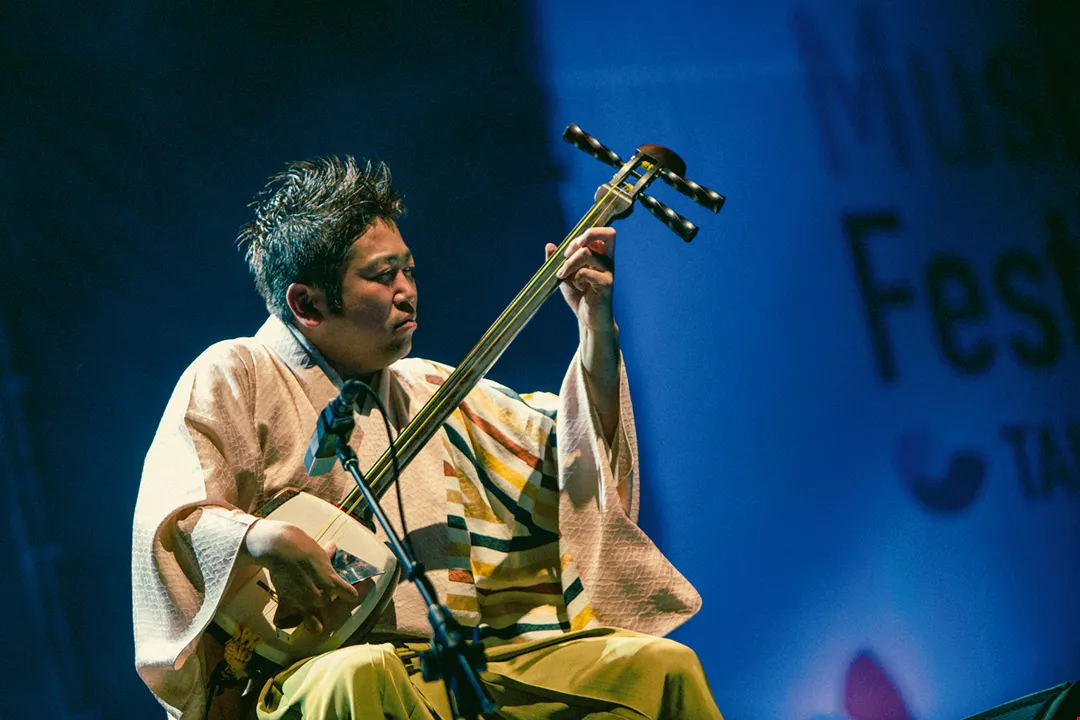
Each different ethnic group or community on earth has its distinctive language and accent, giving rise to its own rhythms and beats. Here we see a shamisen performance by the Yoshida Brothers of Hokkaido, Japan.
Musical sparks from Taiwan
Music is infectious and Taiwan too is constantly generating the enjoyment it spawns. The Formoz Festival, which began in 1994, introduced to Taiwan the heterogeneous sounds of ethnic groups from all over the world, as well as blessing the nation with the atmosphere of the world’s music festivals. The Migration Music Festival, held at the outdoor music stage in Taipei’s Daan Park, not only saw contemporary world pop music performed in Taiwan, but also promoted some traditional tunes and singers from Taiwan to the world.
Spring Scream, starting in 1995, and held annually in Kenting at Taiwan’s southern tip, is the longest-running large-scale music festival in Taiwan’s history, as well as the nation’s largest international music, art and cultural performance event. In its record-breaking 2007 edition more than 230 domestic and overseas acts appeared over three days, with performances running simultaneously on ten stages.
The beat gravitated from Taiwan’s tail all the way to her head. Such events as the Ho-hai-yan Rock Festival at Gongliao in New Taipei City and the Chiayi City International Band Festival added their own momentum, helping the music lovers of this treasure island to weave together the background to their lives.
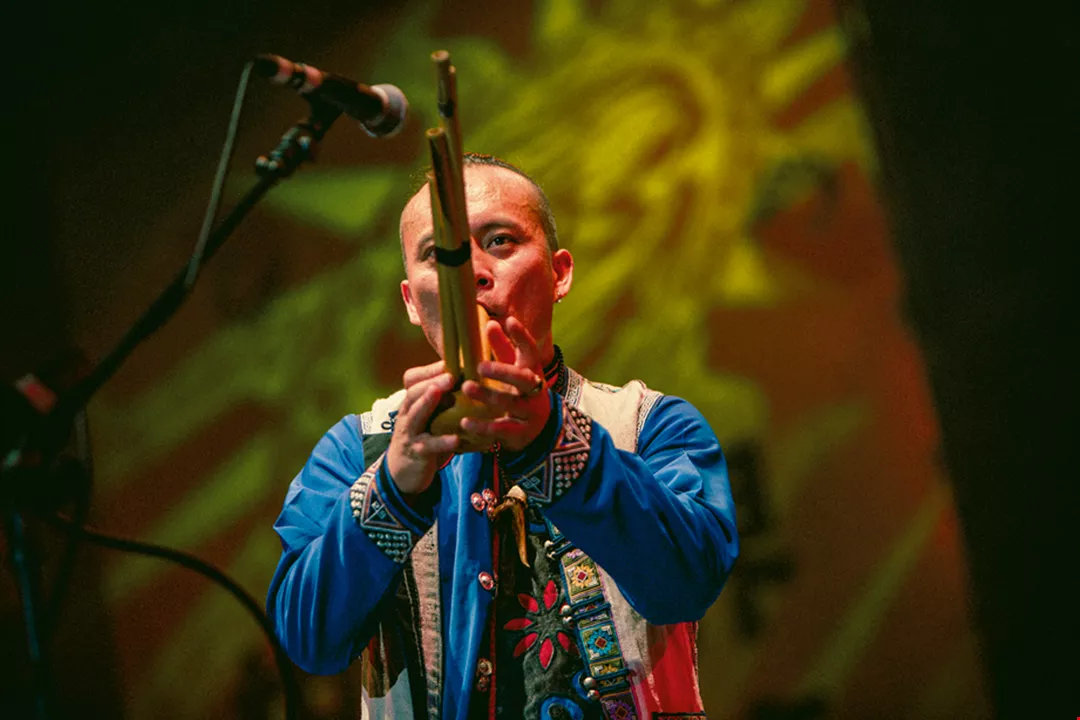
A stunningly virtuosic performance by Shan Ren Band of China’s Yunnan Province. Music originates in culture, and even very minor musical traditions have their historical significance.
Generating pride in Taiwan
In 2000, Taipei Arts International Association held a six-day “Taiwan World Music Festival” in Taipei, inviting singers and instrumentalists from Greece, Belgium and Hungary to perform music that blended traditional and popular styles.
The World Music Festival, organized by the Ministry of Culture, made its debut in 2015, and in 2016 attracted more than 30,000 delighted music fans. “I wanted to forge a music festival that belongs to the entire population, enabling family members, lovers, married couples and friends to enjoy a shared memory,” says Yu Su-ying, her eyes shining.
And now it’s time for World Music Festival Taiwan 2017, with the slogan “move your body, music your life.” On stage or off, there are no barriers. As long as you let yourself go, take off on the wings of musical dreams, immerse yourself in the joy of taking part and share in the writing of a common music of life.
This event mixing the intellectual with the emotional has attracted the attention of many notable figures in the world of music. Among the official activities are presentations by the curators of such events and institutions as the World Music Expo (WOMEX), Australia’s WOMADelaide, Japan’s Okinawan Festival, mainland China’s Folk on the Road music festival, the Center for the Art of Performance at the University of California, Los Angeles, and New Mexico’s annual celebration of world music and culture, ¡Globalquerque!
These international presentations bring new musical values and open up new and otherwise inaccessible horizons, giving Taiwan an opportunity to breathe diverse musical scents from other terrains. “Taiwan too has many treasures of music and art, which other regions struggle to rival.” So says a confident Yu Su-ying, who has been deeply involved in local music for many years.
May this musical jamboree enable the uniqueness and preciousness of Taiwan’s traditional music and art to shine brightly and warmly, displaying new local talent. May it be passed from Taiwan to the world, to create pride and vibes that will always be Taiwan’s!
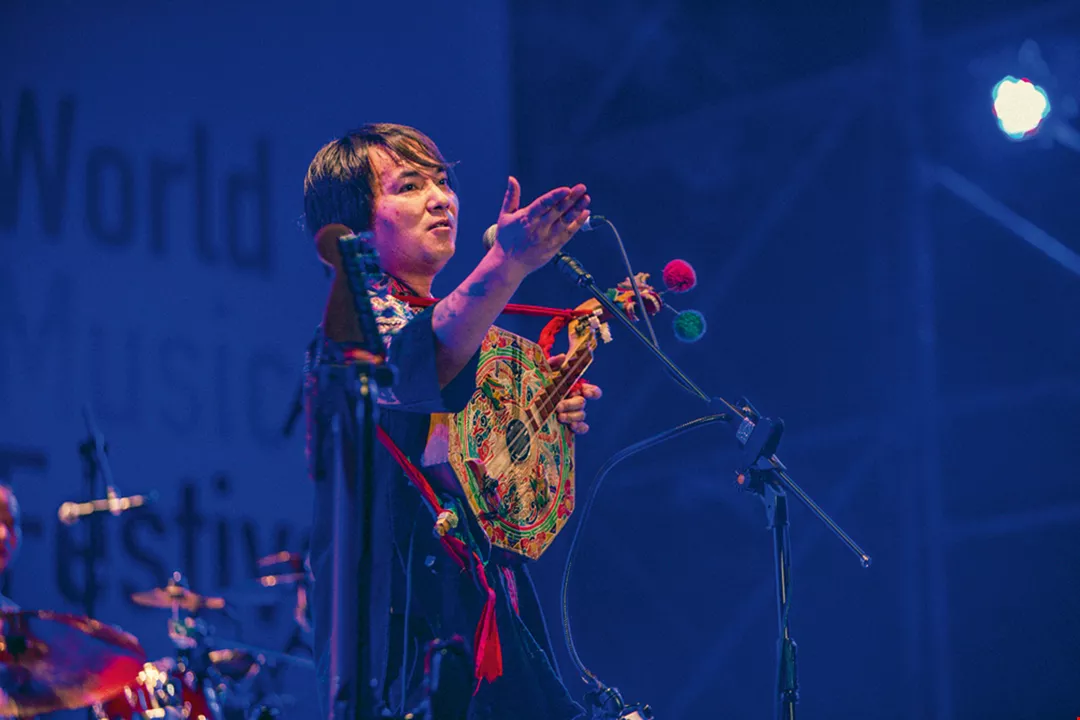
A stunningly virtuosic performance by Shan Ren Band of China’s Yunnan Province. Music originates in culture, and even very minor musical traditions have their historical significance.
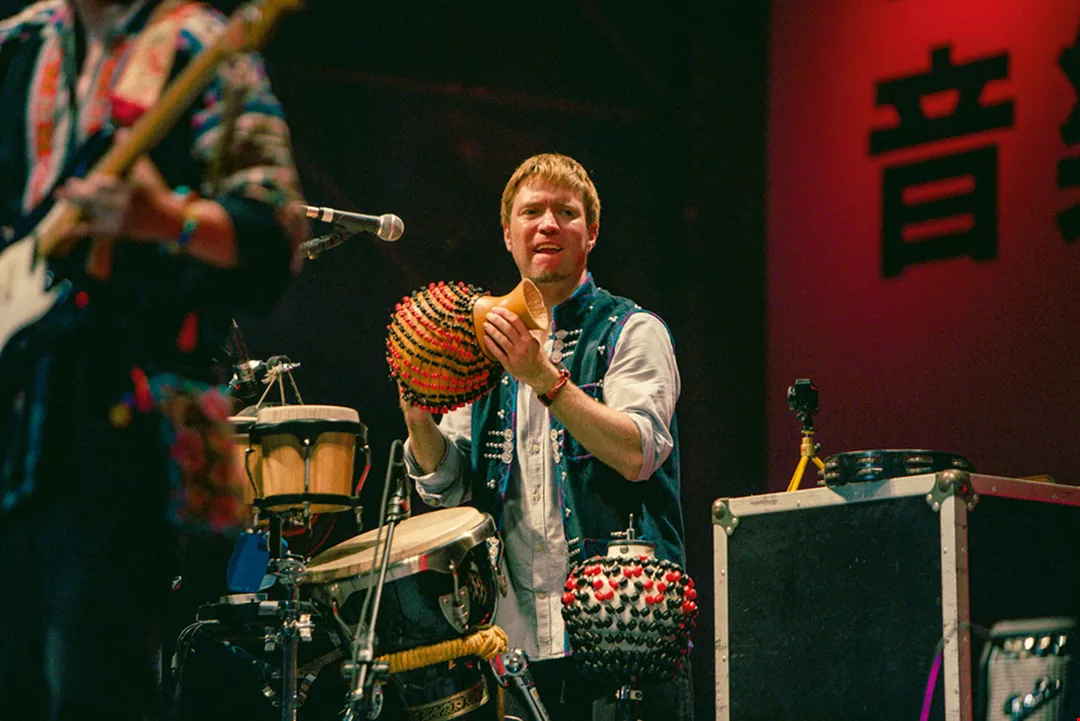
A stunningly virtuosic performance by Shan Ren Band of China’s Yunnan Province. Music originates in culture, and even very minor musical traditions have their historical significance.
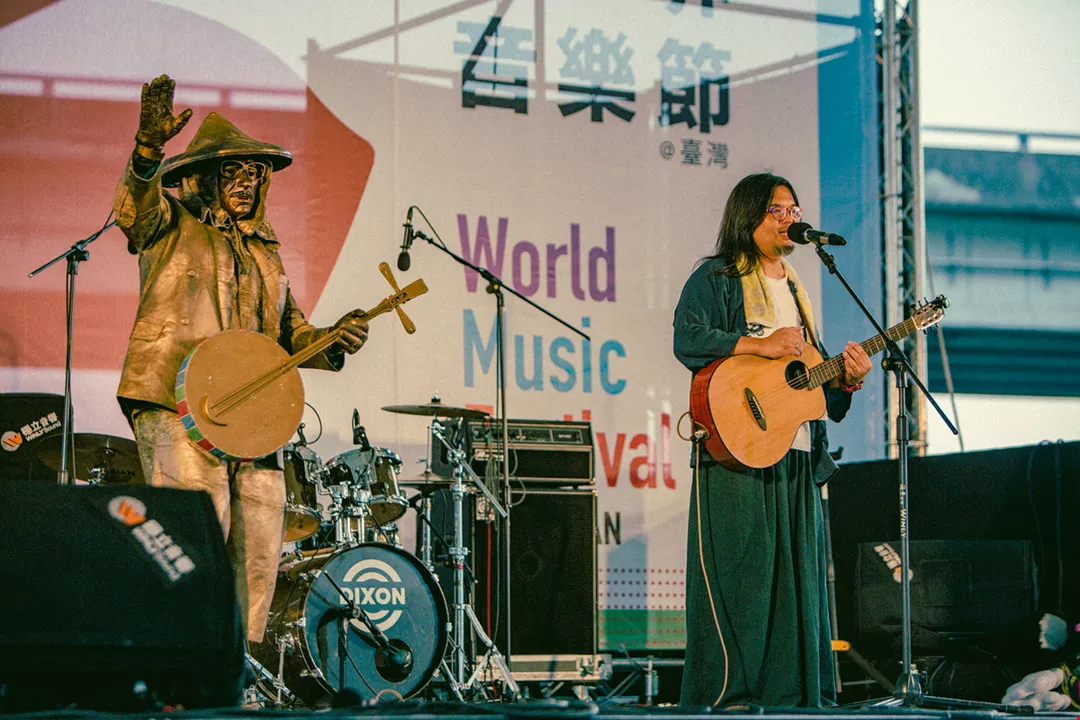
The World Music Festival promotes traditional musicians from Taiwan to the world. Pictured here are Yen Yung-neng and his band, Takao Run.
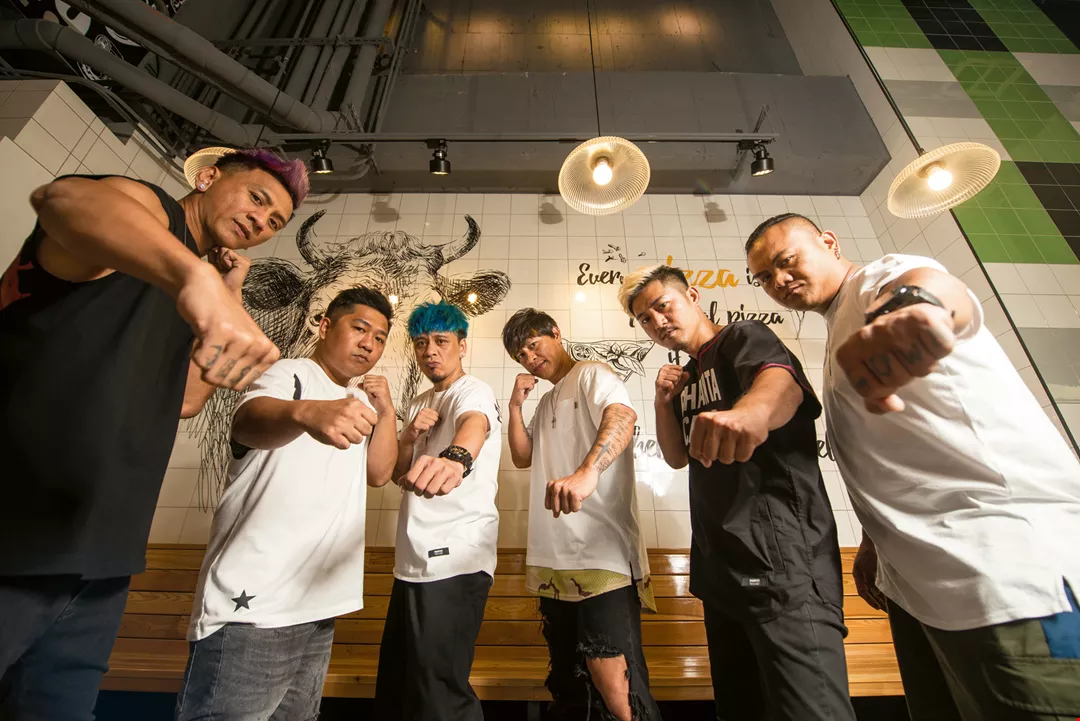
The members of the Paiwan band Boxing are in tune with the world music beat. (photo by Chuang Kung-ju)
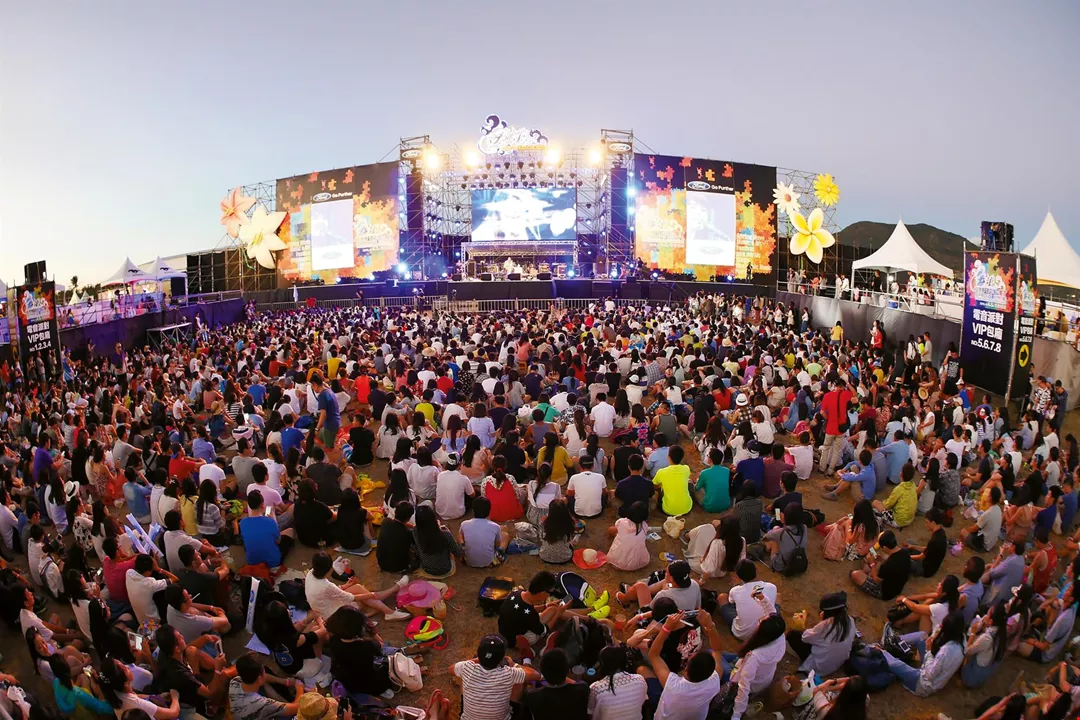
The 2015 Spring Wave Music and Art Festival at the old Wuliting Airport in Hengchun. (photo by Jimmy Lin)

@List.jpg?w=522&h=410&mode=crop&format=webp&quality=80)
@List.jpg?w=522&h=410&mode=crop&format=webp&quality=80)


