

The first generation of Taiwan's modern folk singers hasn't vanished from the scene yet, and the latest generation has already begun to crop up. Lin Lung-hsuan, Chang Ching-fang, Fan I-wen and Chou Ping-chun are all good examples of this new generation. Let's see what they have to say about their music:
Lin Lung-hsuan, a graduate of the music department of Chinese Culture University, wrote and recorded "Eight Hours a Day":
Earlier, I liked to listen to the songs of Yang Hsien and the works of Li Chien-fu. Li's "Kua Fu Chasing the Sun," for example, was very conceptual. Although the song was not easy to sing and was criticized for being too highbrow to be popular, I really enjoyed its special style.
Everyone can see that modern folk music is getting more commercial, and may not be as good as it was before. But we can't necessarily say that it is worse. It's hard to say. I will admit, however, that the earlier folk singers had greater aspirations and a better foundation.
In the past you could captivate people by just strumming on a guitar. If you just use one instrument today no one will even listen to you. I feel that the artists of today, including myself, take more things into consideration and that their motives are no longer so simple.
Commercial considerations are one example. When I'm writing I think about the reaction of the listeners and I try to analyze their likes and dislikes. In "Eight Hours a Day," for example, the words were few and were repeated over an over again. This makes use of the principles of advertising, giving the listeners a deeper impression and enabling them to learn to sing the song in a short time. "Pull Out the Roots" had a smooth melody and perhaps could have easily become a popular song. However, it was not easy to listen to and even my best friends didn't feel like listening to it.
Actually, I also have what I feel are more intriguing pieces, but I haven't recorded them because I'm a bit worried that they're too deep and obscure. I'm afraid that there's no way listeners can accept this kind of music. Whether or not I'm right is hard to say.
On the other hand, paying too much attention to the reaction of the market can obstruct creativity. Therefore, I recently took a break so that I could have time to think. A lot of things are not perfect and need to be put aside for a while. If we let something sit for a while it may turn out even better.
I'll be going into the military soon. Maybe this will give me a chance to seriously reflect on my music.
Chang Ching-fang, a graduate of China Junior College of Industrial and Commercial Management, sang "After the Passion":
Because my first recording, "After the Passion," sold well everyone says I'm "popular" and people ask me if I feel pressure to become famous. If I tell you the truth will you believe me? I honestly don't feel that I'm popular. Up until now nothing has happened to make me feel "famous."
I prefer to take my time in order to establish a firmer foundation and let other people decide. I'm not trying to use this opportunity to demand that others approve of me. I demand of myself that I do my best at whatever I am doing.
Therefore, when I put out my second album I wasn't under any pressure. Although I had already graduated from school, I still felt as if it were just a summer job. Of course I can't help being nervous about how I do at the box office. However, the market is constantly changing and it doesn't do you any good to Worry.
Whenever I have free time I listen to contemporary Western and Chinese songs. This helps to develop my sensitivity to melody. I guess you could call it my on-the-job training.
How long do I plan to sing? Right now I'm giving myself three years. After this I hope to get married and I hope to start working in my field: business administration. I feel that there are a lot of things I can do. I'll take it slowly. After all, I'm still young.
Fan I-wen, a graduate of the Russian department of Chinese Culture University, sang "So Dark the Night":
Beginning in junior high school all I listened to and sang were Western songs, and when I entered competitions I also sang Western songs. I believe that the words in Western songs have a greater appeal and can more deeply express feelings. It's not that I'm prejudiced against Chinese songs. When I sing in Chinese it just doesn't feel right. The feeling's not quite right.
When I cut my first album, "Dust Covered Memories," everyone who heard it was surprised that contemporary Chinese folk music could have this kind of sound? Later on Chang Ching-fang and I together sang "These Past Days," a song about a love triangle with two girls in love with the same boy. I received a lot of letters from fans saying they were just like the characters described in the song and that "You helped me express my feelings."
Actually, the words of this song are really alive and the melody is very simple with a lot of repeating. However, the strong feedback helped me to understand that the lines of a song don't have to be complicated or wordy. Clear and simple songs can also move people.
People say that singers today are becoming more and more educated and that they can do many things. I'm often asked if I ever treat my singing casually because my real interests lie elsewhere. I don't look at it that way. Since modern Chinese folk music is a bit intellectual I demand even more of myself and have a better understanding of myself. Once you throw yourself in you will work even harder to prove yourself.
I just graduated this year and at present my plan is to make singing my career.
Chou Ping-chun, a graduate of the statistics department at National Chengchi University, sang "Blameless Youth":
My motive for singing and writing songs is very simple. I like music. Of the five songs I've recorded so far, two are in English. Actually, I believe that Chinese songs are more difficult to write than English songs. No one here really under stands English songs, but good and bad in Chinese songs is immediately recognizable. For me, writing Chinese songs is more challenging.
Since I'm not a professional I only worry about what I need to worry about. If I like a certain idea I often ask my teacher: "How do you feel about this? Is that way OK?" Sometimes I'll struggle for two days over a very small point. When singing love songs I like to be very sentimental and so I'll say to my teacher, "Please, let me try two more times." My teacher answers, "You have to know when to stop."
Ye Chia-hsiu, my teacher, says I take my work very seriously but am a little too nervous. There was one song that I couldn't get right no matter what I did. Placing my hands on my waist didn't work and putting my hands on my head didn't work either. Finally I held my hands high in a V shape and only then was I able to sing the song. That took 20 hours.
[Picture Caption]
Lin Lung-hsuan (courtesy of UFO Group Co.)
Chang Ching-fang (courtesy of Tienchiang Ltd.)
Fan Yi-wen (courtesy of Tienchiang Ltd.)
Chou Ping-chun (courtesy of Hile Record Corp.)
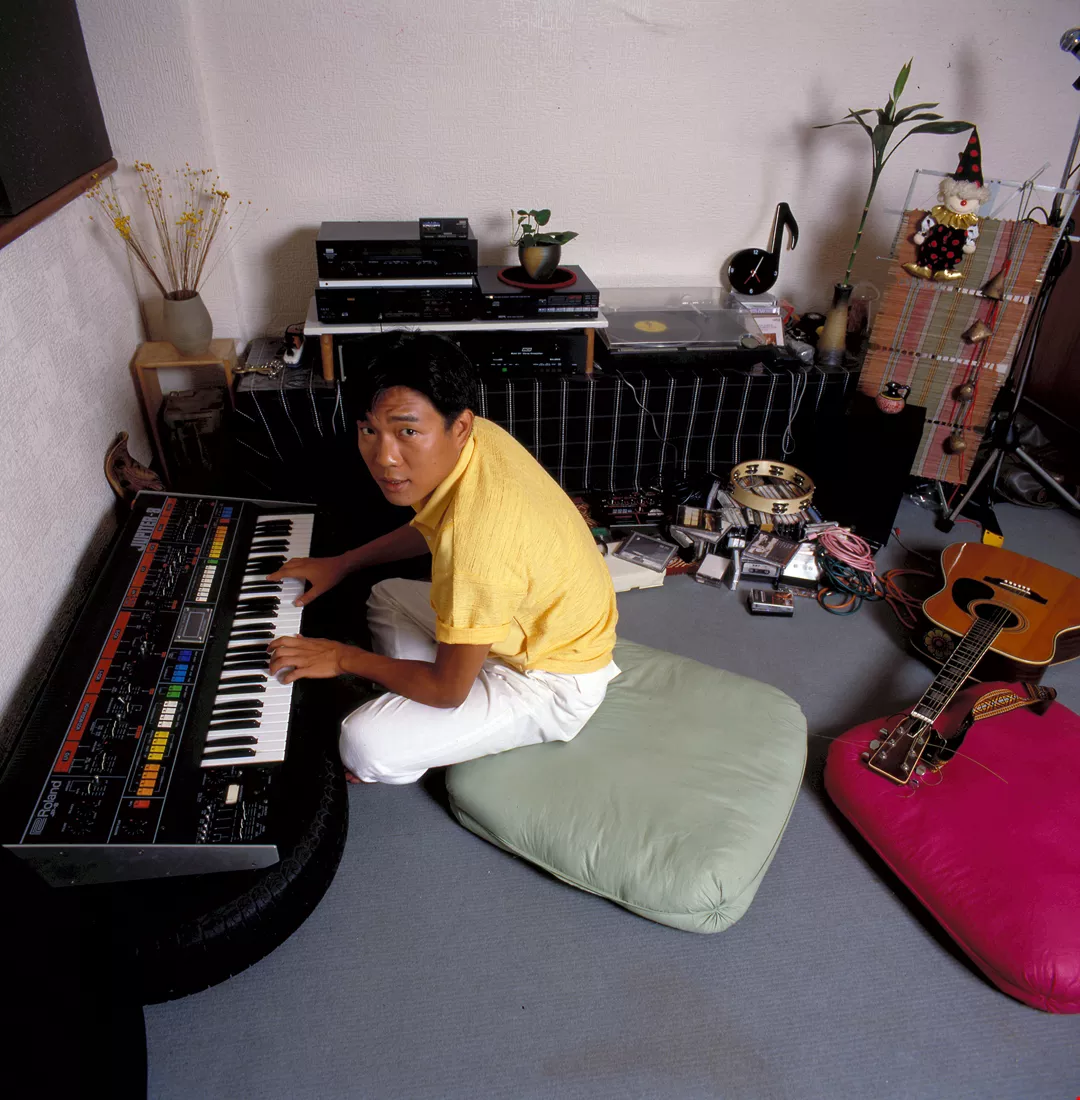
Veteran folk singer Wu Chu-chu's UFO Group Co. has released a number of popular records.
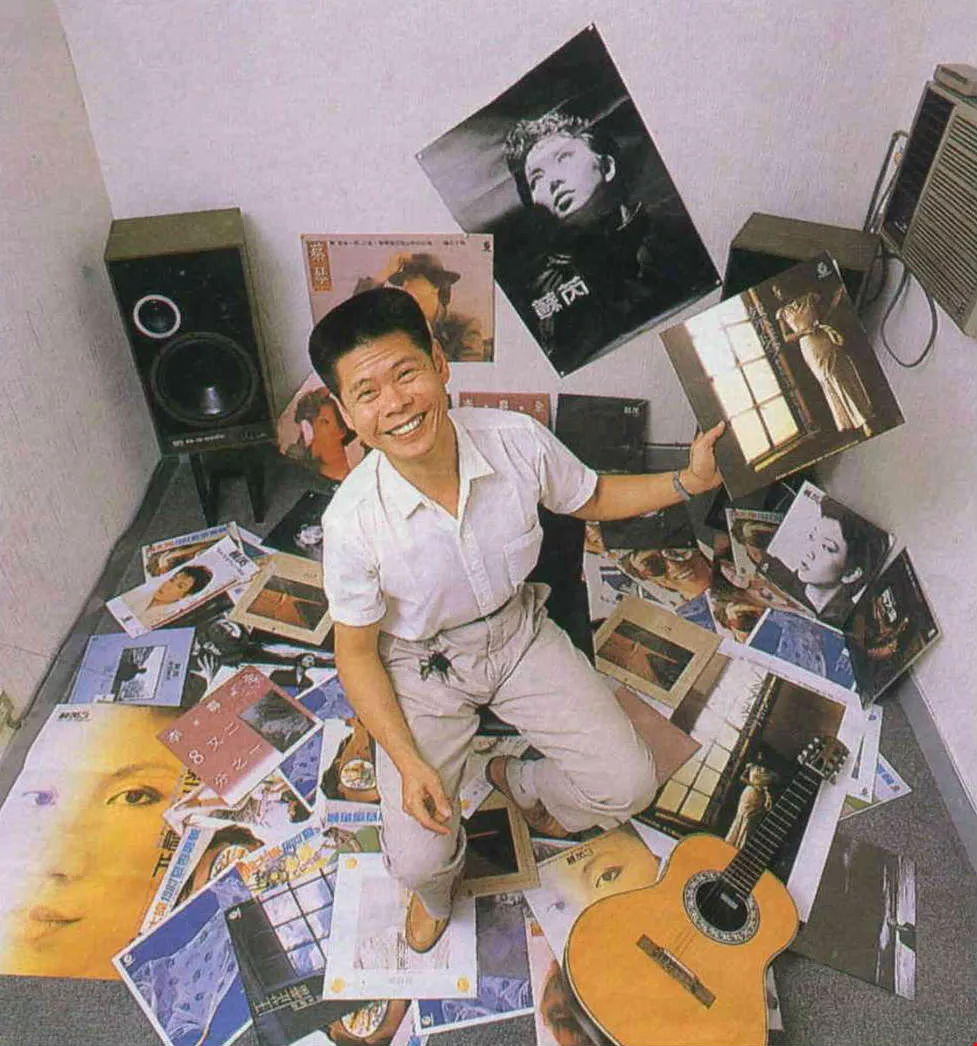
Song writer, com poser, singer and producer Liang Hung-chih is an ex ample of the "young generation.".
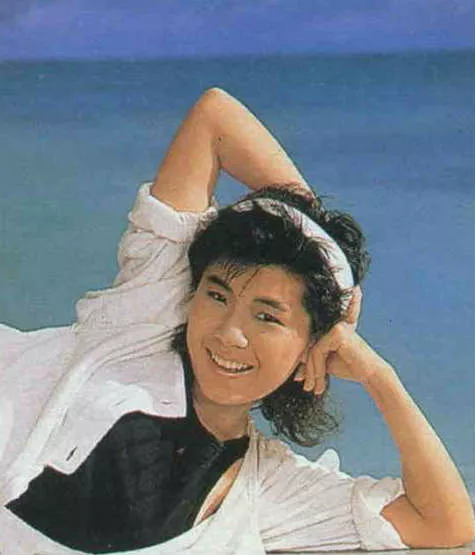
Chang Ching-fang (courtesy of Tienchiang Ltd.)
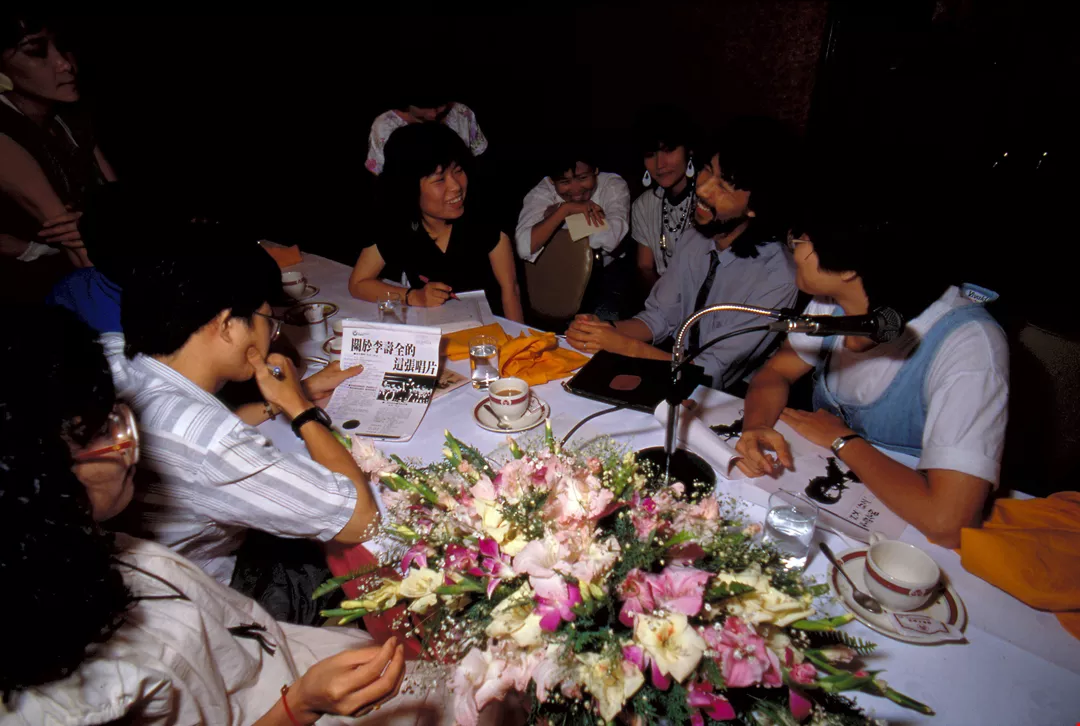
Long-time producer Li Shou-chuan, at a press conference introducing her "81/2" album, explains to reporters why she made the move from producer to performer.
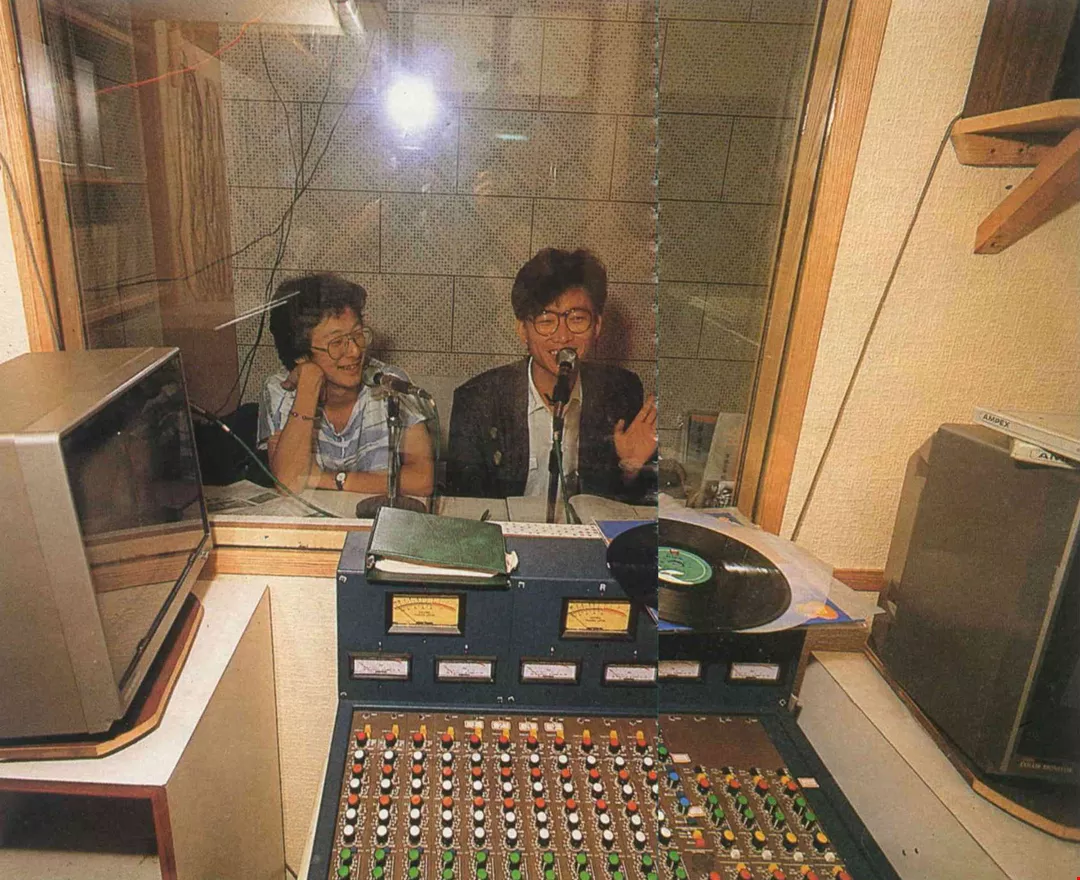
The old making way for the new. First generation folk singer Su Lai talking on his radio program with the new generation's Chou Ping-chun.
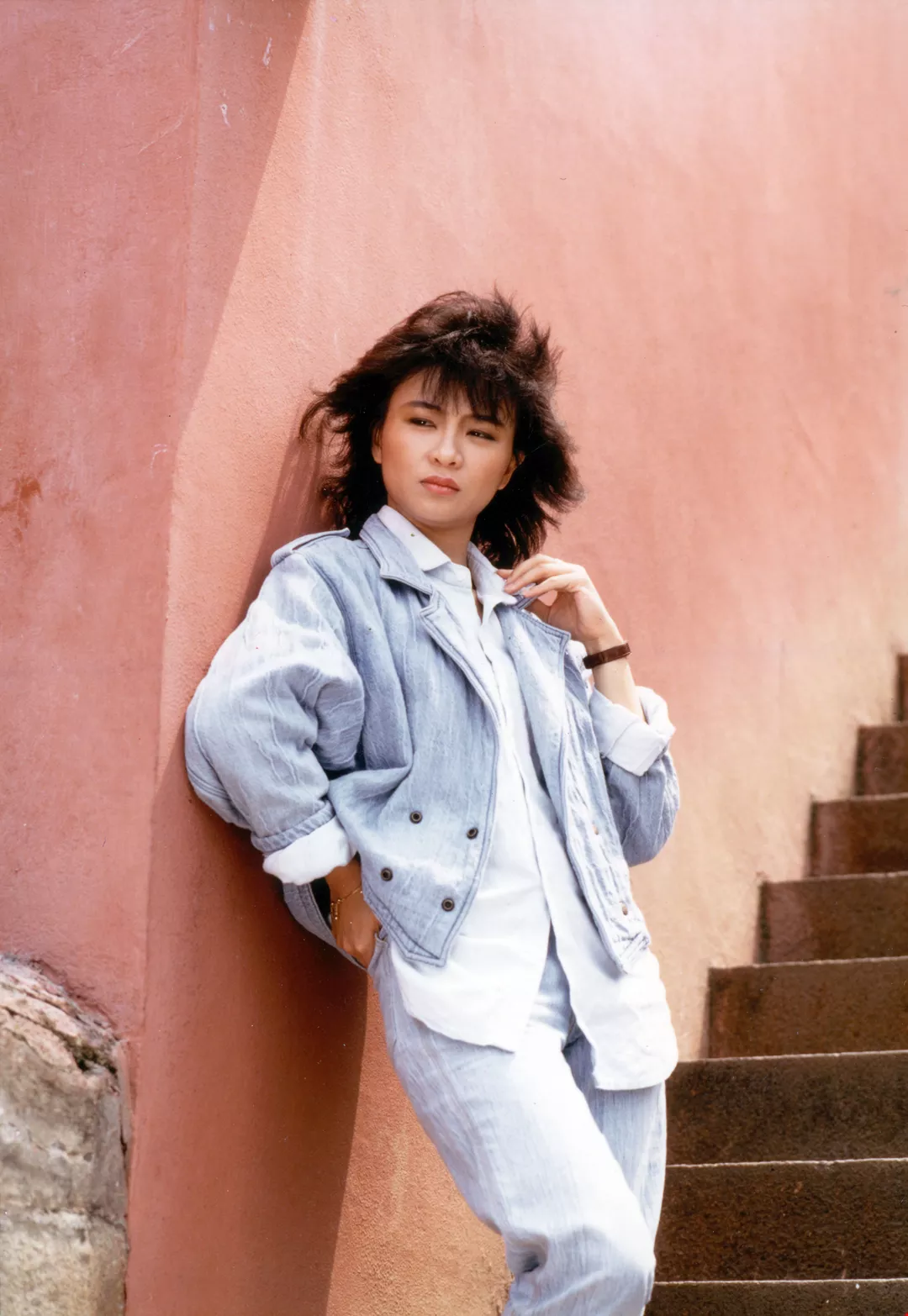
Fan Yi-wen (courtesy of Tienchiang Ltd.)
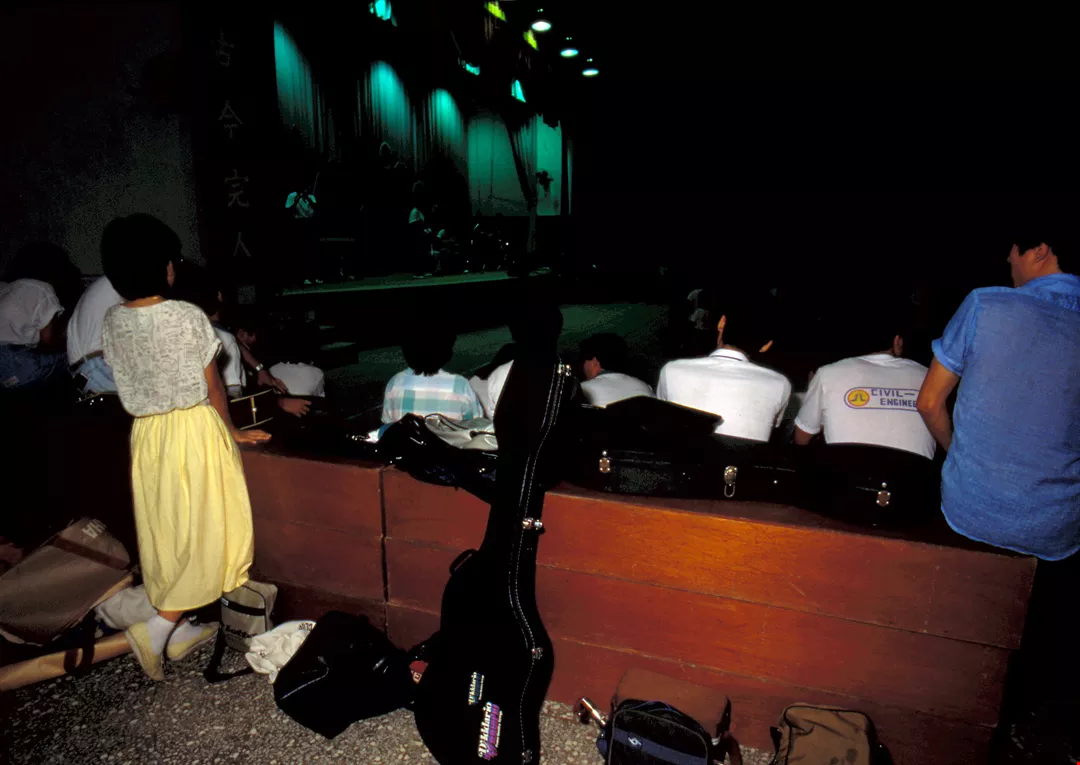
"Who says we are a generation without music?" Concerts still attract fan s.
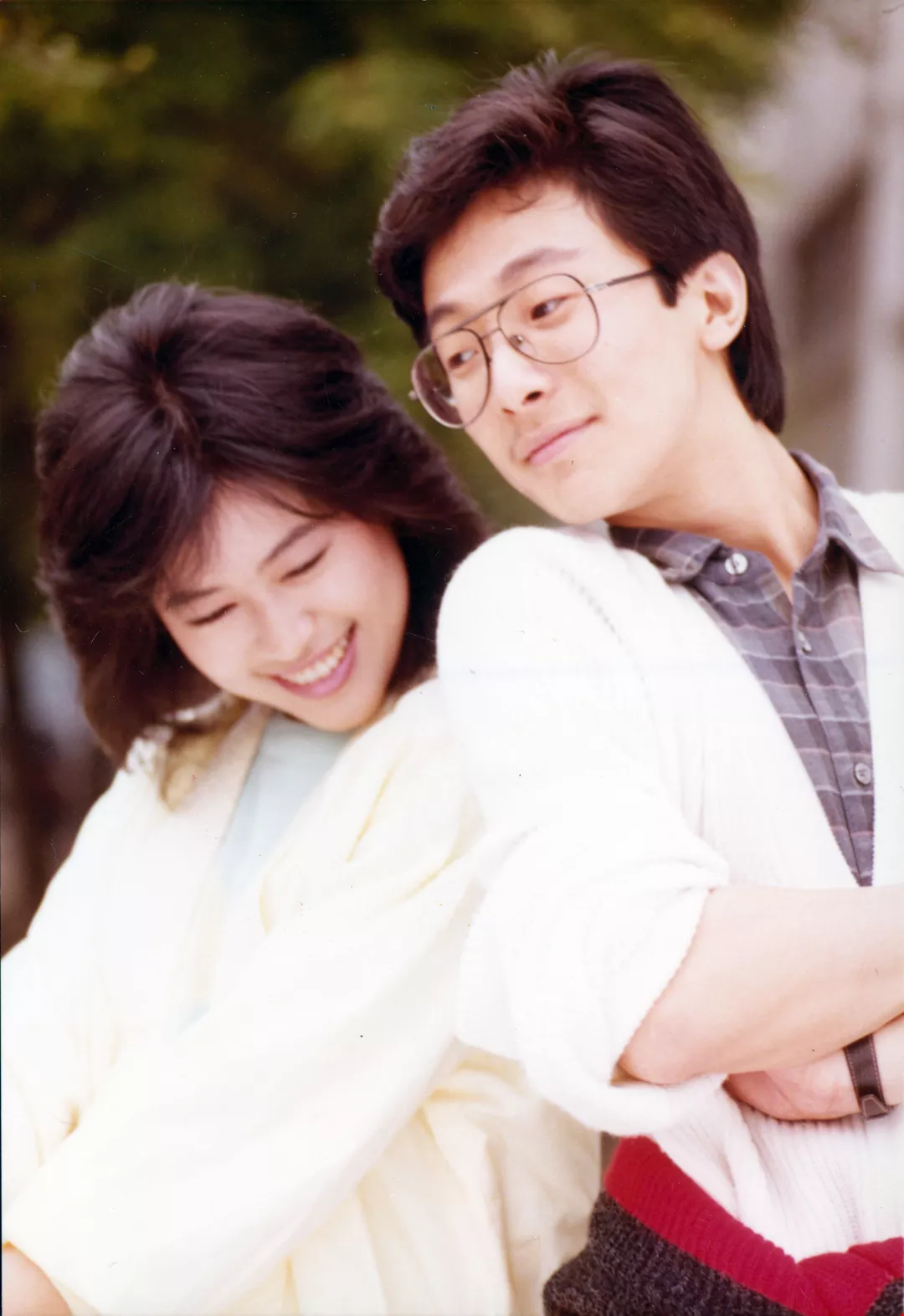
Chou Ping-chun (courtesy of Hile Record Corp.)
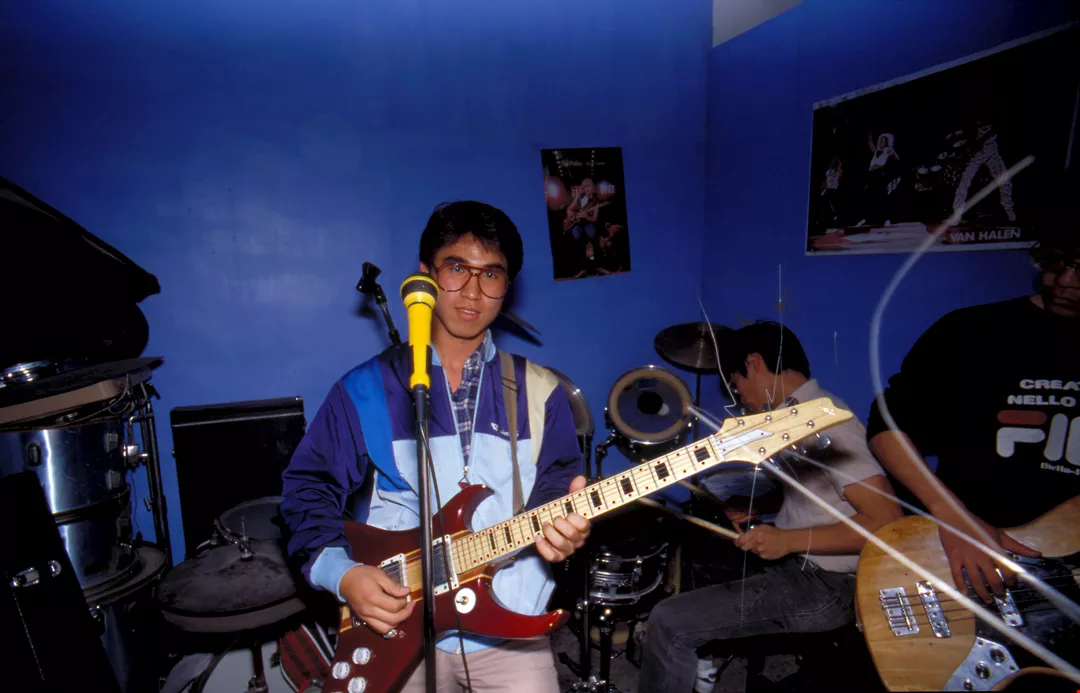
Young musicians are no longer confining themselves to just guitars. The introduction of all types of new instruments has given wings to today's performers.

@List.jpg?w=522&h=410&mode=crop&format=webp&quality=80)

@List.jpg?w=522&h=410&mode=crop&format=webp&quality=80)


