Agent From Above: Inside the 3,200 VFX Shots
Interviewing the Creators of Taiwan’s Netflix Supernatural Hit
Compiled by Chen Chun-fang / photos courtesy of Netflix
April 2026

In its debut week, the Netflix original series Agent From Above surged to the number six spot on the platform’s global non-English television chart. The show has garnered widespread online acclaim, with viewers praising its high production values. Netizens have noted that the visual effects set a “new benchmark for Taiwanese series, rivaling Hollywood standards.” Others highlighted the creative mechanics of the show, expressing amazement at how the protagonist, Han Chieh, summons his magical weapons by swallowing an ang-á-phiau—a traditional Taiwanese cardboard playing piece similar to a pog. Fans have also swooned over the striking portrayal of the Third Crown Prince (San Taizi), a youthful warrior deity, calling the series a “must-watch blockbuster of the year.”
Agent From Above is not merely a visual feast, but also a compelling showcase of Taiwan’s evolving film and television capabilities. Taiwan Panorama invited director Noi Kuan (Kuan Wei-chieh) and visual effects supervisor Tomi Kuo to reveal how they successfully integrated cutting-edge technology and modern aesthetics with deeply rooted local temple culture.
 - 1.jpg?w=1080&mode=crop&format=webp&quality=80)
Agent From Above climbed to No. 6 on Netflix’s Global Top 10 for non-English series within its first week.

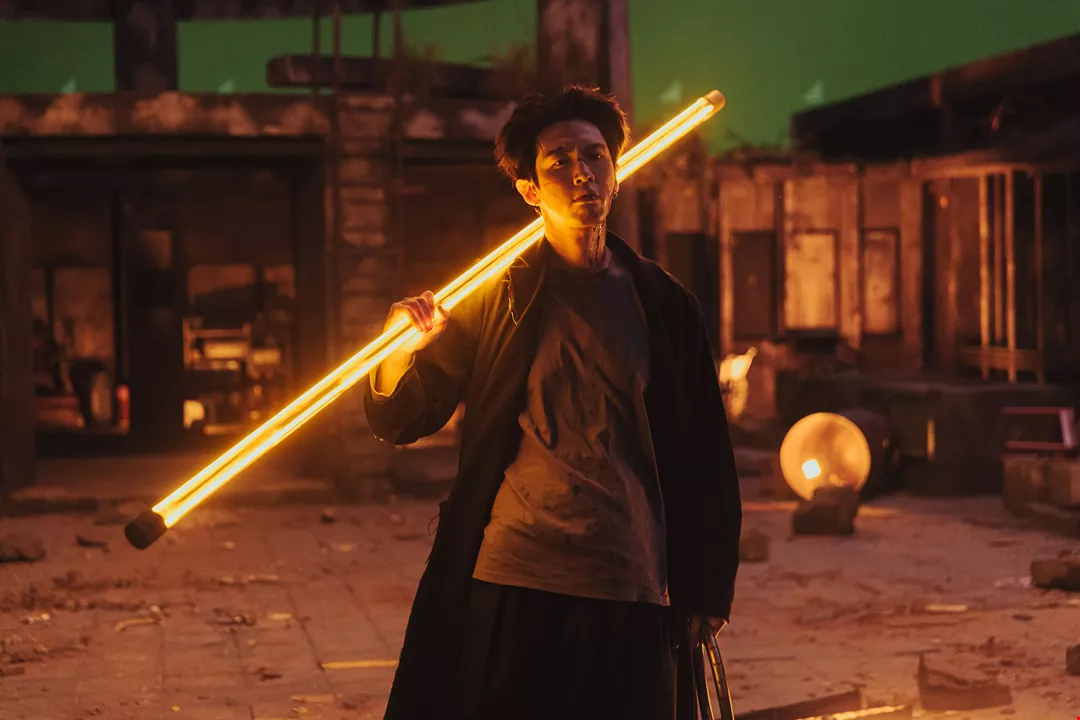
Han Chieh wields the Fire-Tipped Spear. When the talisman is activated, radiant golden light and fiery effects burst forth, showcasing immense divine power.
Q: Regarding art direction, how did the team transform elements like neon signs and deity lamps—ubiquitous in Taiwanese temples—into the visual vocabulary of the series?

Agent From Above is a homegrown fantasy, cleverly transforming familiar Taiwanese landscapes into a high-caliber supernatural thriller.

Noi Kuan: From the very beginning, our goal for Agent From Above was never to create a fantasy world entirely divorced from reality. Instead, we looked back and drew upon the profound visual elements already present in Taiwan’s temple culture: the striking interplay of light, incense smoke, flames, sacred motifs, and a palpable sense of ritual. When we overlaid these authentic cultural elements onto our script, a distinctly Taiwanese brand of fantasy naturally emerged.
When designing the underworld or combat sequences, we translated these elements into the visual pacing of the scenes. The battlegrounds in Agent From Above are not set in some alternate dimension; rather, they represent our actual physical reality warped and eroded by supernatural forces. Familiar alleyways, traditional markets, and quiet temple corners are instantly transformed into otherworldly dimensions the moment deities or spirits intervene. We wanted audiences to feel that this fantasy wasn’t borrowed from abroad—it sprang organically from the soil of Taiwan itself.
Q: How did you use visual effects to ground the supernatural powers with a sense of “physical realism”—particularly concerning the brutal toll Han Chieh endures after using his ang-á-phiau token?

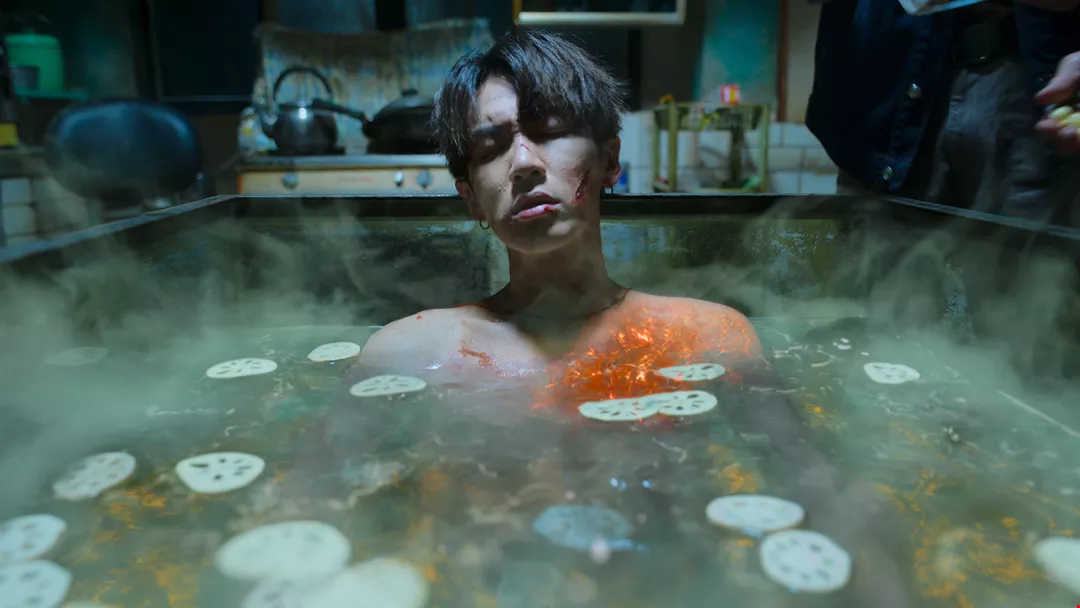
By layering high-temperature effects like smoke and heat distortion alongside raw acting, the team intuitively conveys the blistering physical toll of supernatural combat.
_1080px1350p_rgb_predate_1.jpg?w=1080&mode=crop&format=webp&quality=80)
The ang-á-phiau—a traditional Taiwanese cardboard pog—acts as an early combat card game. Using it to summon magical weapons is a playful nod that perfectly fits the show’s lore.
Tomi Kuo: We aimed to establish a visual language firmly rooted in “Taiwanese aesthetics.” When designing the visual effects, we deliberately avoided overly generic, Western-style “magic” presentations. Instead, we blended practical stunts and physical props with digital enhancements to create a more grounded and visceral impact.
To depict the severe side effects Han Chieh suffers after deploying his ang-á-phiau token, we utilized the visual concept of “severe burns.” We layered high-temperature textures, such as rising smoke and intense heat distortion, to intuitively convey a blistering, agonizing heat to the viewer. Of course, actor Kai Ko’s physical performance was equally vital in communicating this excruciating physical state.
Q: What was the most challenging aspect of the production process? And how did the team assist the actors in interacting with digital effects on set?

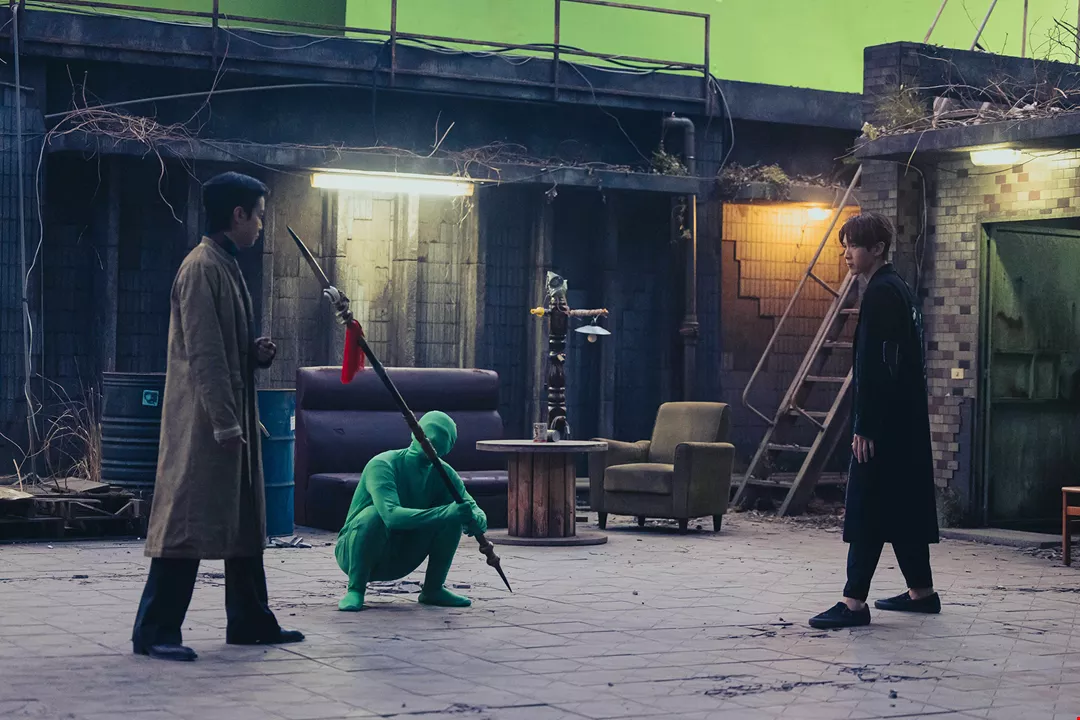
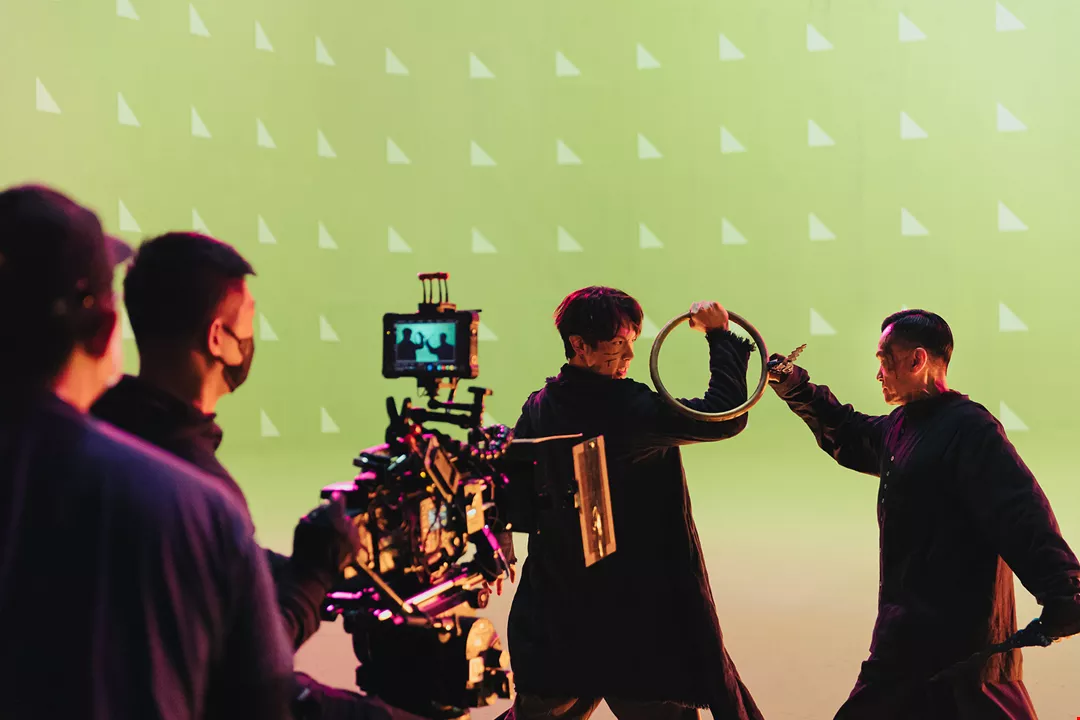
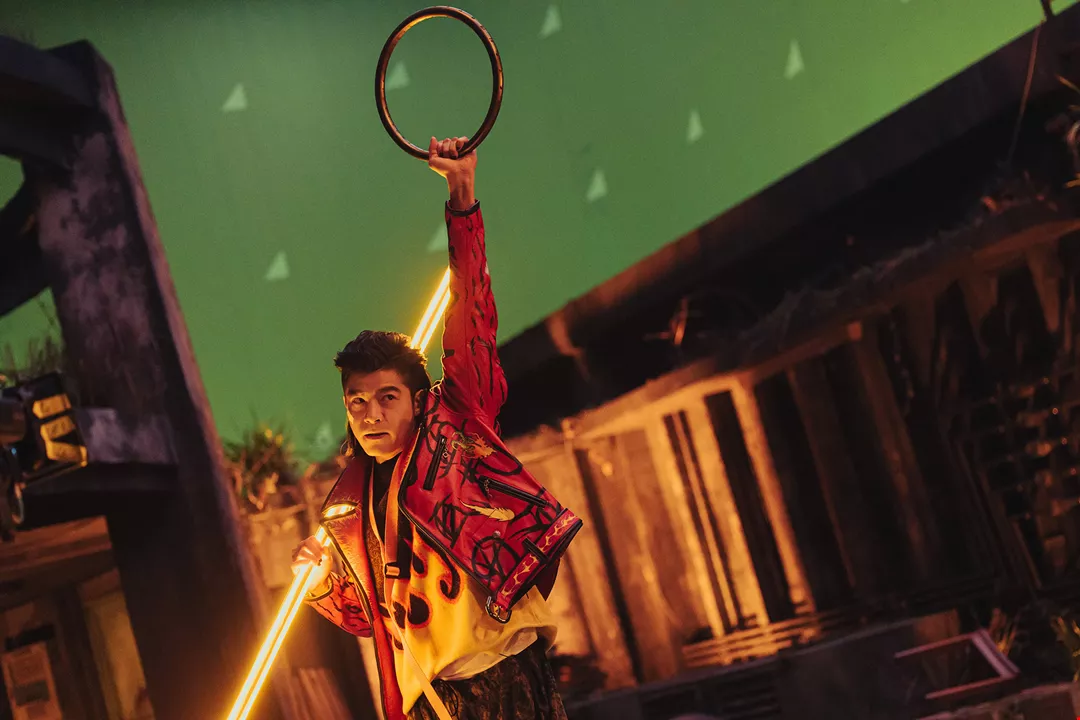
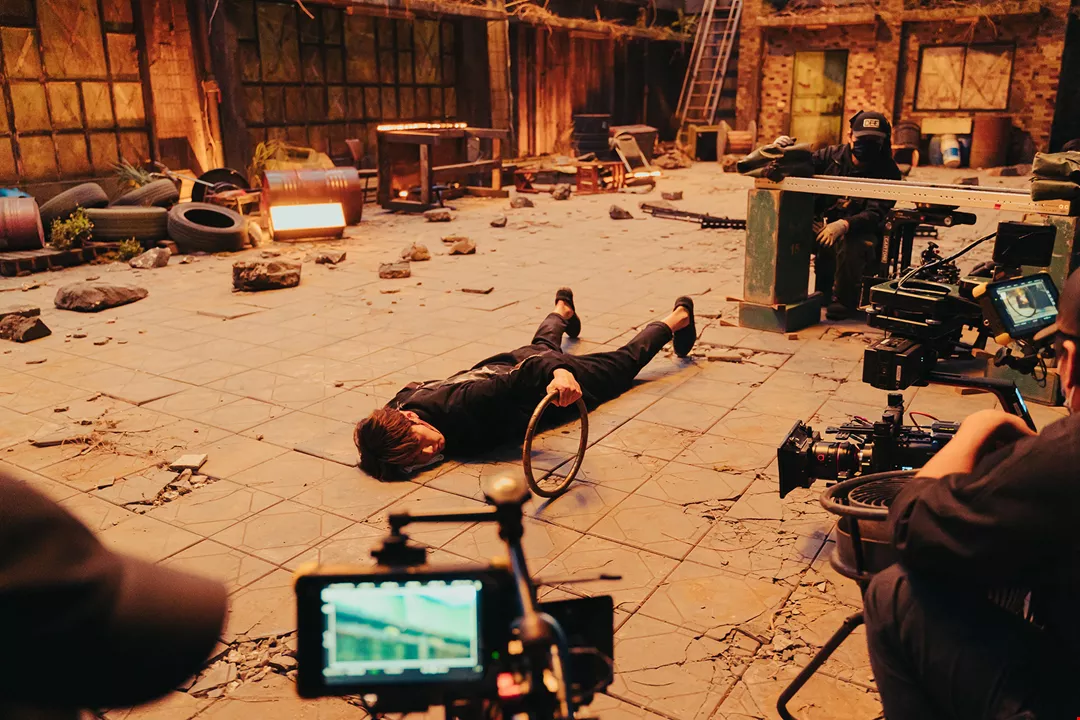
The stunt team donned green-screen suits to engage in live combat, providing the cast with vital physical reference points for the digital effects.

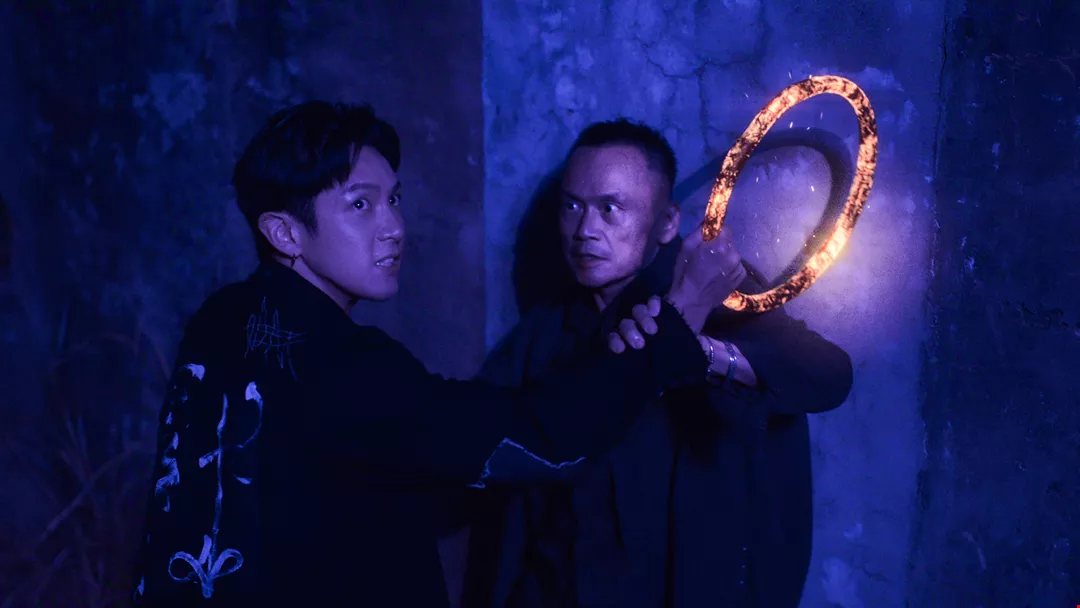
Han Chieh (left) frequently clashes with Chen Chi-sha (right) using the Universe Ring. With visual effects applied, the divine weapon radiates a fierce, palpable intensity.

Tomi Kuo: During development, conceptualizing the elements of fire, Liu Fan energy (the dark power manifested by the archdemon), and the Corpse Demons proved to be the most time-consuming.
To ensure the performances felt genuine, we provided actors with Previz (pre-visualization) footage on set so they could fully understand their digital surroundings. For scenes requiring direct physical contact with supernatural entities, our stunt team wore green-screen suits to physically spar with the cast. This gave the actors tangible reference points, ensuring they weren’t just acting against thin air, but could generate authentic physical tension and resistance.
Q: What was the underlying logic behind adapting traditional religious elements—such as turning an ang-á-phiau pog into a magical artifact, or dressing the revered Third Crown Prince in a modern leather jacket?
.jpg?w=1080&mode=crop&format=webp&quality=80)
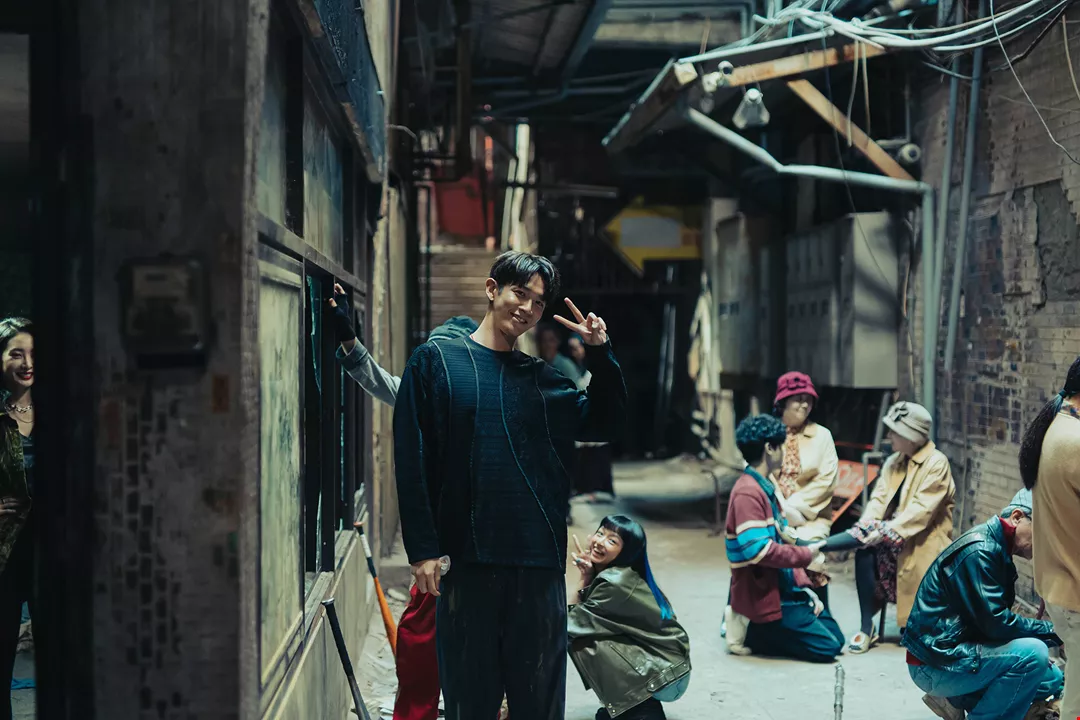
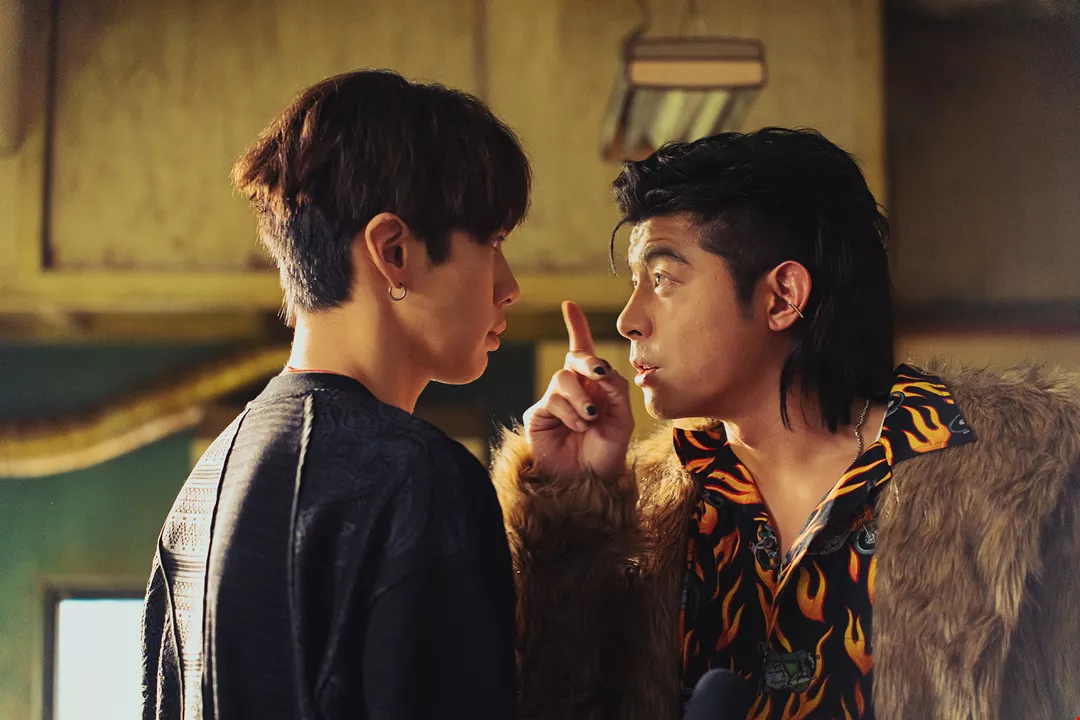
The production team recreated the Third Crown Prince’s persona as a rebellious “youthful deity,” styling Him in trendy modern attire that has drawn widespread praise from viewers.

The profound bond between the Third Crown Prince (right) and His mortal vessel (left) is highlighted by their frequent banter, adding a dynamic and engaging layer to the narrative.
Noi Kuan: The use of the ang-á-phiau is a highly recognizable motif from the original novel. As an early form of a combat trading card game, using it to summon a magical weapon feels entirely natural. It introduces a sense of playfulness while solidly grounding the world-building. Similarly, the mission notes Han Chieh receives combine the mechanics of bird divination (a folk practice where a trained bird selects a fortune) with the visual of text appearing as if scorched through the paper by temple incense. This merges traditional folk customs with a highly contemporary visual flair.
As for the Third Crown Prince’s trendy wardrobe, we wanted to honor His essential nature as a “youthful deity”—one who is inherently spirited, individualistic, and slightly cynical. We constantly sought to balance His divinity with His humanity. We wanted Him to exude a cool, confident attitude while still commanding an awe-inspiring presence befitting an immortal. Yet, He is not depicted as aloof or completely detached; He stands by Han Chieh through life’s trials in His own unique way. Their camaraderie makes them feel like brothers bound by destiny.
Q: As a flagship Netflix series, how do you ensure that global audiences resonate with this deeply Taiwanese story about “redemption and choice”?
Noi Kuan: True “internationalization” doesn’t mean erasing local characteristics to appeal to a broad denominator; rather, it requires creating a distinctly authentic sense of place. We never considered diluting our temple culture to make it more culturally neutral, because the spiritual beliefs and unique atmosphere of Taiwan are the most precious assets of this story.
While international viewers might not immediately understand the concept of a jishen (a mortal who acts as a vessel for a deity) or specific divine generals, they fundamentally understand the human condition of “bearing the weight of past sins and being forced to make difficult choices.” The key to cross-cultural resonance lies in hitting those emotional beats with absolute precision. The folk traditions and fantasy elements are merely the skin and muscle of Agent From Above; human struggle forms its true skeleton. As long as the core emotional journey is compelling, the rich, localized details become a delightful surprise that draws global audiences deeper into the world we’ve built.
Further Reading:
Taiwan’s Agent from Above Hits Netflix
Redefining Fantasy with “Taiwanese Cyberpunk”
https://pse.is/8xyaav

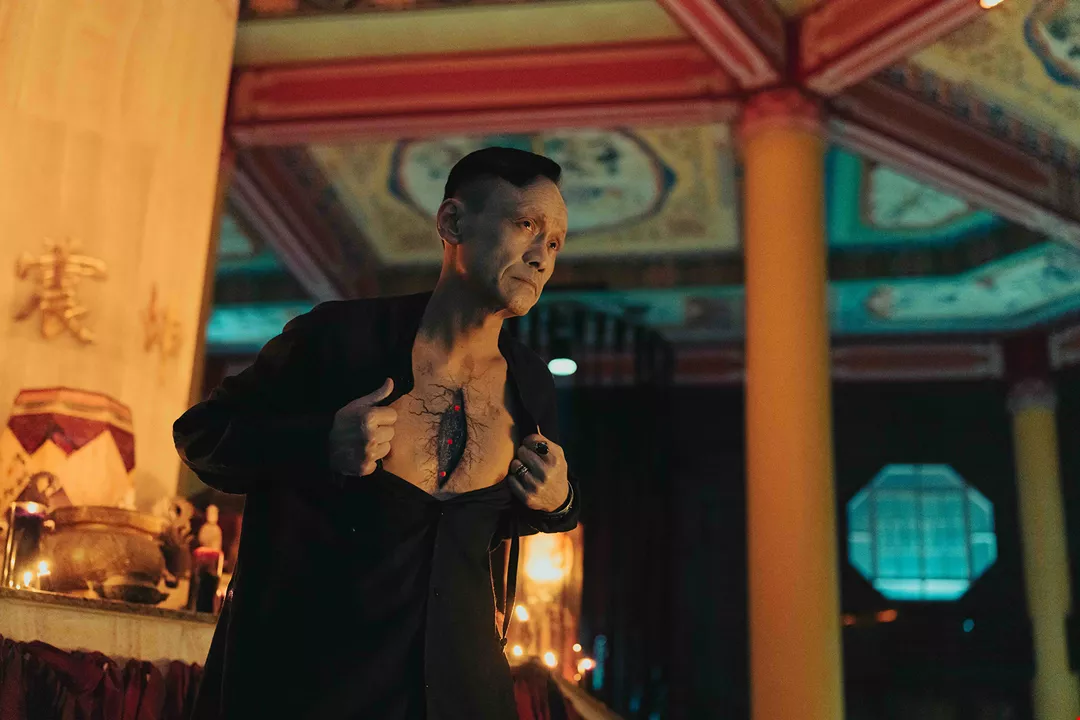
“The more local, the more global.” Chen Chi-sha stands before an altar bathed in classic Taiwanese temple aesthetics.

Folklore and fantasy are the skin and muscle; human struggle is the skeleton. A strong emotional core allows audiences to immerse themselves in the world, even if they are unfamiliar with Taiwanese temple culture.

Praised by netizens for His striking charm, the Third Crown Prince has left viewers eagerly demanding a second season.