Playful Designs Creating a New Desktop Terrain
Lee Hsiang-ting / photos Lin Min-hsuan / tr. by Scott Williams
September 2016


Once upon a time, people recorded history and passed on culture through the “four treasures of the study”: brush, ink, paper, and inkstone. But as personal computing has become ubiquitous, electronic devices have virtually taken over our desktops. Nowadays, we can find out what’s happening almost anywhere in the world without ever leaving our homes—all we need do is turn on a device. In more recent years, Taiwanese manufacturers have begun focusing more on design, developing computers and desk accessories that are not only delivering satisfying user experiences, but earning international attention and accolades.
In fact, ASUS won a record 15 product design awards at the 2016 Red Dot Awards in Germany. It scooped up an additional 13 prizes at the 2016 iF Design Awards, one of the world’s top three design events. ASUS has been placing the consumer experience at the heart of its design philosophy and focusing on design as a key component of its business development for the last several years. Its incorporation of traditional handicrafts and information technology into its designs has earned the company numerous international accolades and global distribution of its products.
ASUS began integrating crafts-oriented design into the development of its products with the 2011 launch of its seminal ZenBook line of lightweight laptop computers.
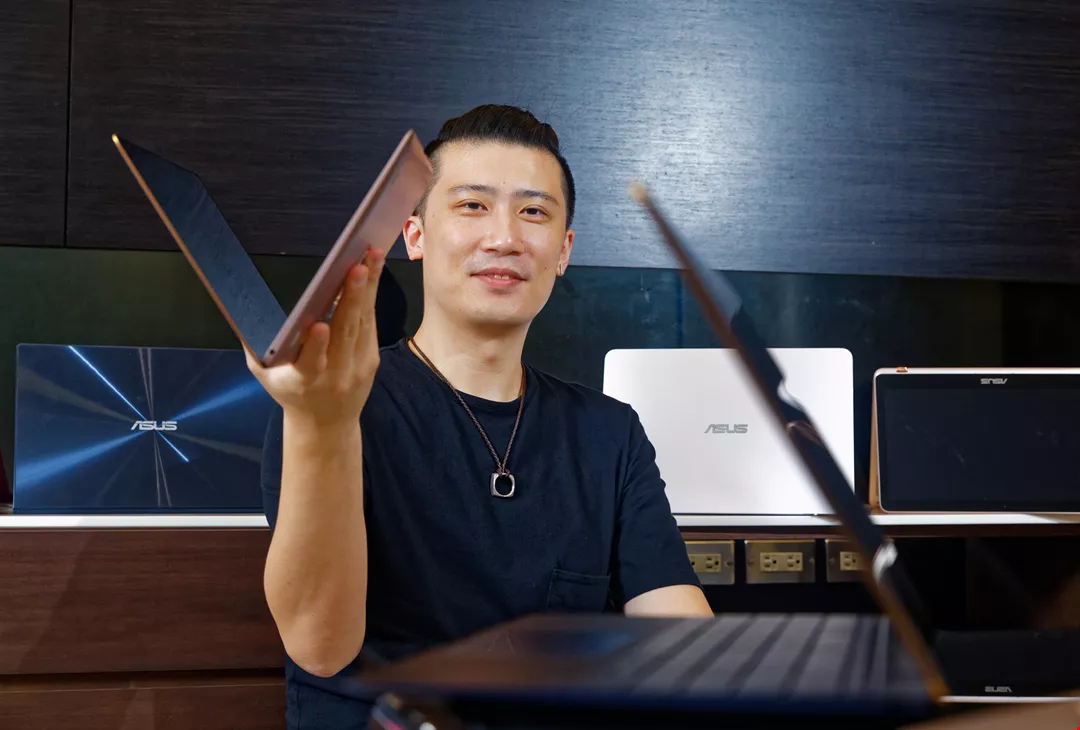
Loewy Chen explains that ASUS’s ZenBook 3 is designed to look like a clock when opened and viewed from the side, a perspective that also shows off its diamond-cut edges.
Craft plus design
The ZenBook itself draws inspiration from Zen aesthetics. The look includes a distinctive pattern of concentric circles spun into the surface of the computer’s brushed-aluminum lid, a visual trademark that has been retained over several product generations. Other design elements have changed. The first-generation ZenBook had a body made entirely of aluminum, whereas the second incorporated hardened glass elements into the case to make it especially sleek and glossy. For the third generation, ASUS utilized color application techniques drawn from ceramics, and began diamond-cutting the edges of the lid to give them a sharp, highly faceted look. The ZenBooks make full use of Taiwanese technology to ensure that the final product adheres as closely as possible to the designers’ original vision.
Loewy Chen Yi-ting, an associate design director at ASUS, has been involved with the design and development of the ZenBook for years. He says, “Design brings a new spirit to a brand. ASUS’s design philosophy begins with people—we birth every product with people in mind. ASUS is a global brand because our designers view design comprehensively and humanistically.”
Holding a soon-to-be-released ZenBook 3 in his hands, Chen says consumers react to laptops and automobiles similarly. Laptops initially impress buyers with how they open. Automobiles do so with their side view. “‘Time’ is a key theme of ASUS’s laptop design language. When you open an ASUS laptop, its profile resembles the hands of a clock.”
ASUS has been dedicated to keeping the ZenBook ultrathin. The first generation was just 17 millimeters thick. The second was an even thinner 15.5 mm. The svelte 12.3-mm-thick third generation was built from stamped aluminum sheets that made it the thinnest laptop in the world at the time of its release. And, at just 11.9 mm, the company’s newest ZenBook 3 is even thinner than rival Apple’s offerings. “Our design embeds all the components in the very slim body, and makes the exterior look as if it’s all just one piece of metal. The techniques we used to create it were almost an art unto themselves.”
Chen says that the IT industry generally prioritizes hardware specifications over styling, and that machines have to be fast. But, as a company, ASUS is internationally competitive because it combines its technology with a commitment to design. Its beloved pro-gaming series of products are a case in point. In addition to their speed, they feature unique designs that have helped them win 40% of the global market.
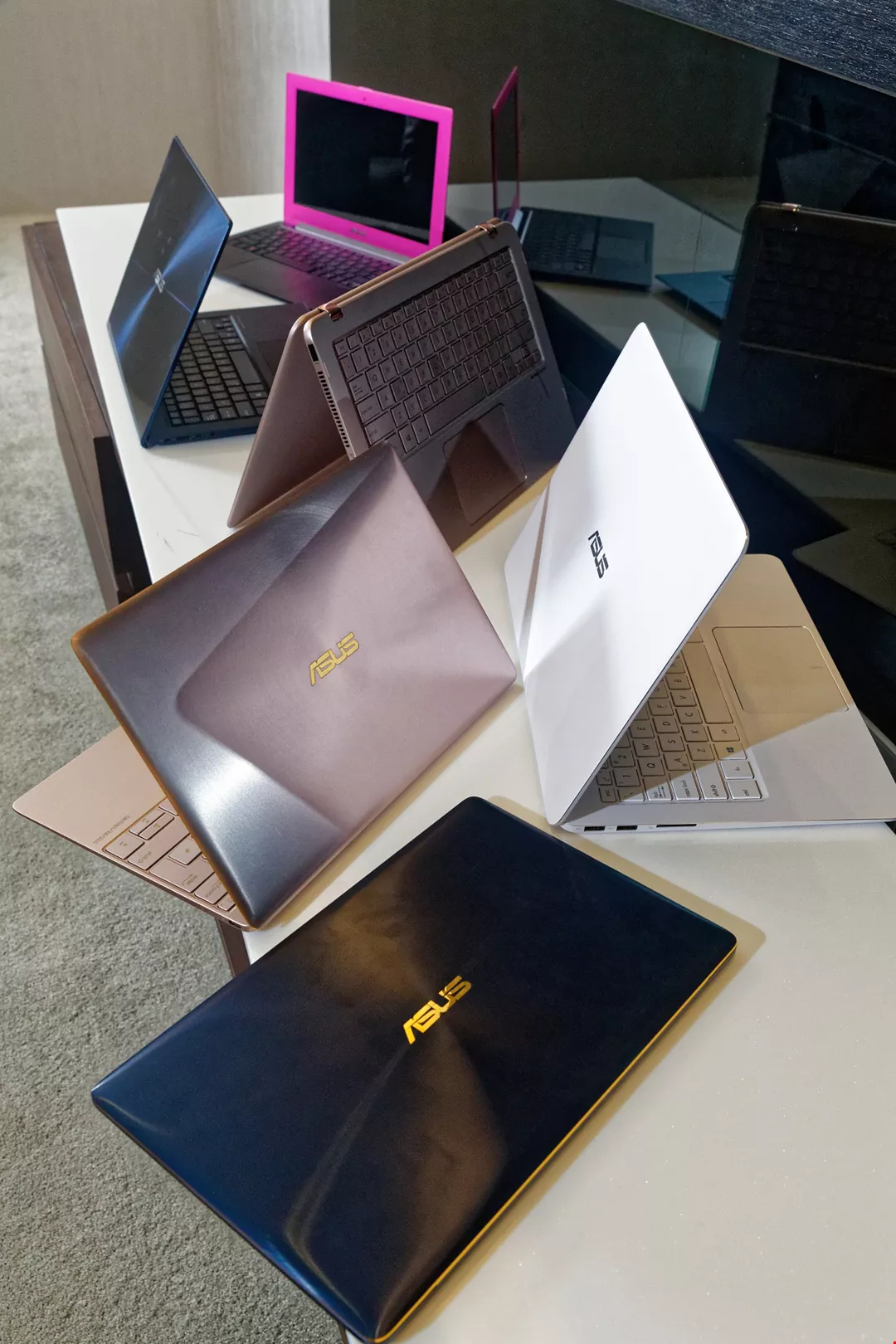
ASUS has steeped its laptop computers in a “crafty” spirit, tweaking the designs of each generation to meet evolving demands.
Connecting businesses
So-called 3C products (computer, communications, consumer electronics) have become part of the modern desktop landscape. Technology has impacted even traditional items like desk lamps, storage boxes, and flashlights by introducing new materials and new looks.
Pegatron, an ASUS spinoff, has moved from contract manufacturing to design services, and established its own upscale design-oriented brand. Called Pegacasa, the brand aims to forge tighter links between up- and downstream firms through materials R&D and design, and to provide Taiwan with opportunities to build on its technological strengths.
Pegacasa’s Renaissance series of products for the home exemplify its design philosophy: integrating culture with technology and finding a balance between natural materials and design aesthetics.
Alain Lee, Pegatron’s design director, says that the Pegacasa team decided to make a desk accessory its first product. Recognizing that people today work long hours and face stringent business-related demands, the team targets its new designs at the experience economy. Lee says, “We try to create designs that not only have a high-end look, but also tell a story.”
The team chose bamboo as the Renaissance series’ trademark material, using different varieties to highlight their natural fibers and lines.
Pegacasa earned the Chicago Athenaeum’s Good Design Award in 2015 for its ma bamboo LED desk lamp. The lamp’s bamboo arm includes only a single node where the power switch is located. The arm also fully integrates the LEDs, making it look as if the light has been grown in the bamboo.
The brand’s “Torch” flashlight is another trademark piece. The flashlight’s moso bamboo body is carbonized, colored, and dried; the contacts in its battery compartment are plated with gold; its beam can illuminate objects six stories up; and it features a switch with a finely crafted rotating lever.
Lee says, “Our search for materials, our design, and our manufacturing processes were all dynamic, with our designers and bamboo craftsmen influencing one another throughout. The end product integrates mechanical and electronic design to great effect, and highlights the skillfulness of Taiwan’s traditional bamboo handicrafts.” This kind of cooperation also enables Taiwan’s master bamboo craftsmen to keep their craft alive.
Pegatron’s designs are driven in part by chairman T.H. Tung’s belief that the objects should embody a moral argument. The company also devotes significant effort to materials research, then looks for small and medium-sized enterprises with the technologies it needs to bring its designs to life. In so doing, it is creating new opportunities for traditional craftsmen to extend their art and integrate it with technology.
Pegatron holds itself to high standards even when designing something as simple as a cellphone case, a project that brought about a partnership with a firm making forged carbon products in Taichung. “This kind of experience enables us to offer clients more extensive design services,” says Lee. “Applying this experience to other IT-related products lets us show clients new techniques that we’ve acquired and demonstrate our R&D capabilities.”
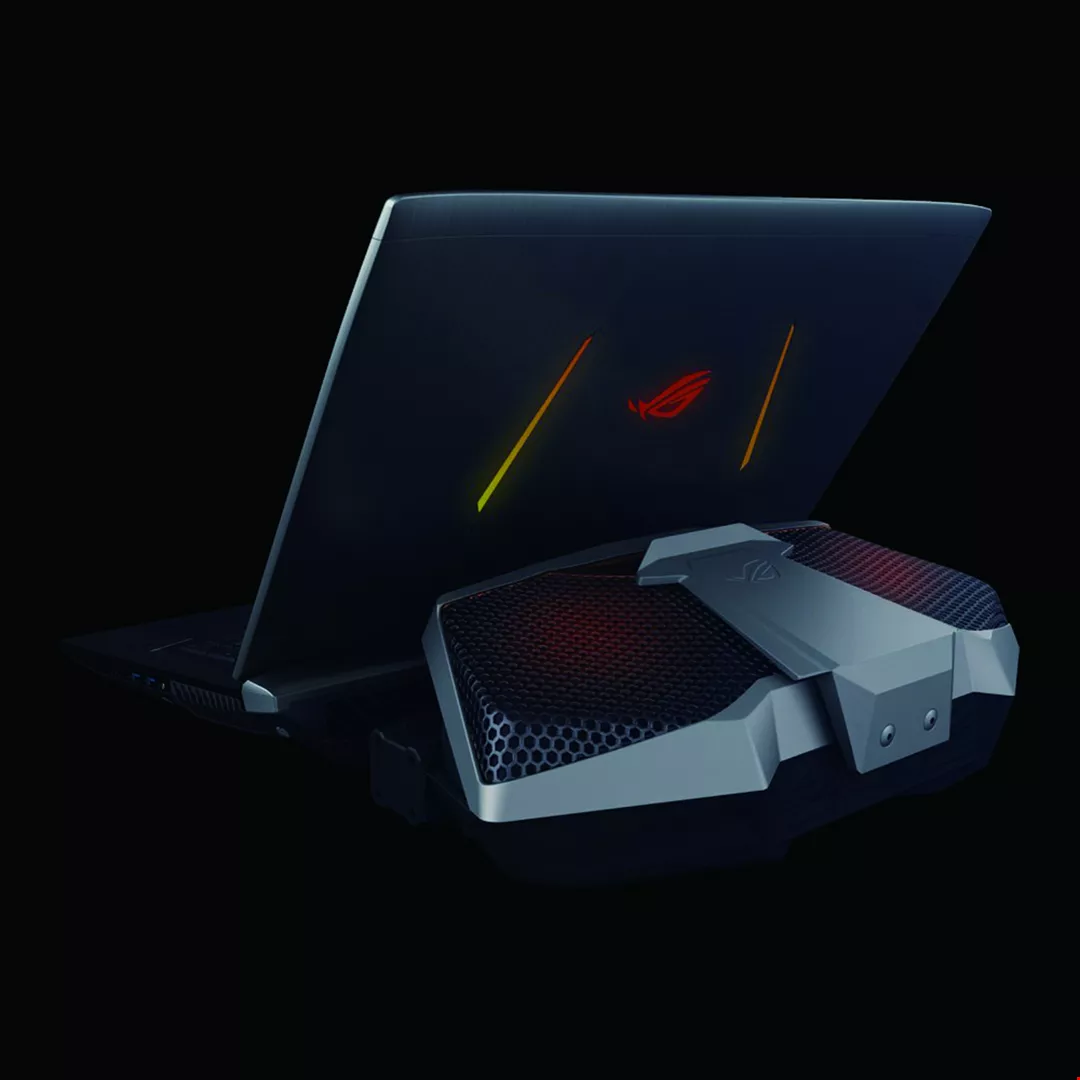
ASUS found inspiration in origami for the design of the world’s first water-cooled gaming laptop. The company has captured 40% of the global PC gaming market by optimizing its gaming line to meet gamers’ needs. (courtesy of ASUS)
Innovative desk accessories
Modern desktops still retain older elements, but consumers have been showing increasing interest in products that give traditional desk accessories a creative and cultural twist. Taiwanese design house YOW!design has created its “urban prefer” brand specifically to target this market and establish itself in the international arena.
YOW!design was founded in 2007, and began placing urban prefer products with agents in several countries in 2009. It has since gone on to earn shelf space at Britain’s renowned Harrods department store, establishing a foundation for the international distribution and recognition of its products. In fact, urban prefer’s innovative desk accessories attracted the attention of many designers at the NY Now trade show in August.
The company also enjoyed great success with the four products it entered into design competitions in 2014. These included a line of “easy” staplers, the SUMO pencil sharpener, the DAWN dual USB car charger, and the MATE multifunctional portable power bank, which together earned a total of ten domestic and international design awards, including Germany’s Red Dot, Japan’s Good Design, the United States’ IDEA, and Taiwan’s own Golden Pin.
YOW!design head Chris Chenwei Huang created urban prefer in an effort to build a brand devoted to design, one concerned with how consumers use items and that resolves specific problems. The company’s young team currently designs not only desk accessories, but also travel-related items.
The “easy” staplers it introduced in 2014, for example, use a double-lever design that requires less effort to operate than any other stapler currently on the market. They also feature a staple drawer that opens easily with a quick press on the end of the device. The “easy” line currently consists of four models, including one that looks like a high-heeled shoe, another with an extra-large staple drawer, and still another designed with European and North American standards in mind. One of the models, a flat stapler called Atomo, is now available in the gift shop of New York City’s Museum of Modern Art.
The company has also created a staple-less stapler that has become a “staple” of many a water-cooler chat.
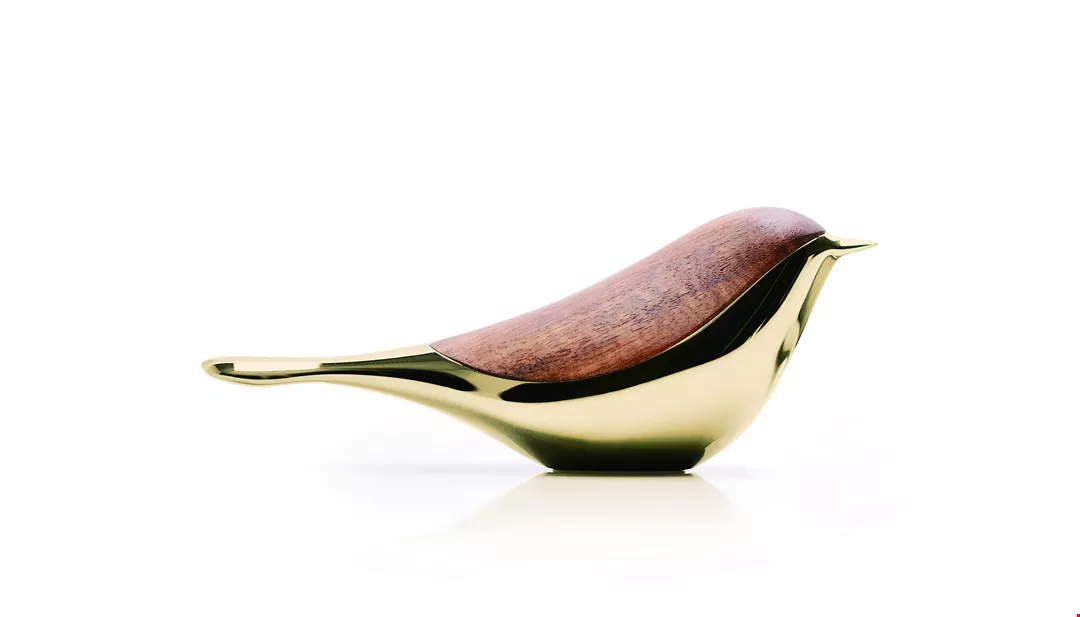
Pegacasa’s upscale products use natural materials to give users a different experience. The photo shows a desktop storage box. (photos at left courtesy of Pegatron Corporation)
Creating new opportunities
Huang says that his team is doing its utmost to work with Taiwanese manufacturers, creating orders for firms up and down the production chain. He explains that they do so because developing manufacturing capabilities in house would be challenging, and they want to ensure that the general public has access to good design at a reasonable price.
One of the company’s other products, the SUMO pencil sharpener, is immediately recognizable for its triangular shape, which also happens to save effort. “Triangles are very stable. The SUMO grips surfaces well, and is comfortable for both large and small hands. Our designers spent a long time working with the manufacturer on the details, even on things like the material used on the exterior.” With online shopping becoming a default option for many people, Huang hopes his company will soon be able to service its final consumers directly, and to create even more marketable designs.
World-class design professionals are shining brightly at firms all over Taiwan, using their skills to develop technology and desk-accessory brands that link together several kinds of Taiwanese soft power, including local culture, the knowledge economy, and information technology. More, their design skills are adding a new dimension to the core values of Taiwanese companies and making those companies even more competitive.

Pegacasa’s upscale products use natural materials to give users a different experience. The upper photo shows a desktop storage box. (courtesy of Pegatron Corporation)

Alain Lee says that Pegatron shed its image as a contract manufacturer and began providing design services after being spun off from ASUS. (courtesy of Alain Lee)
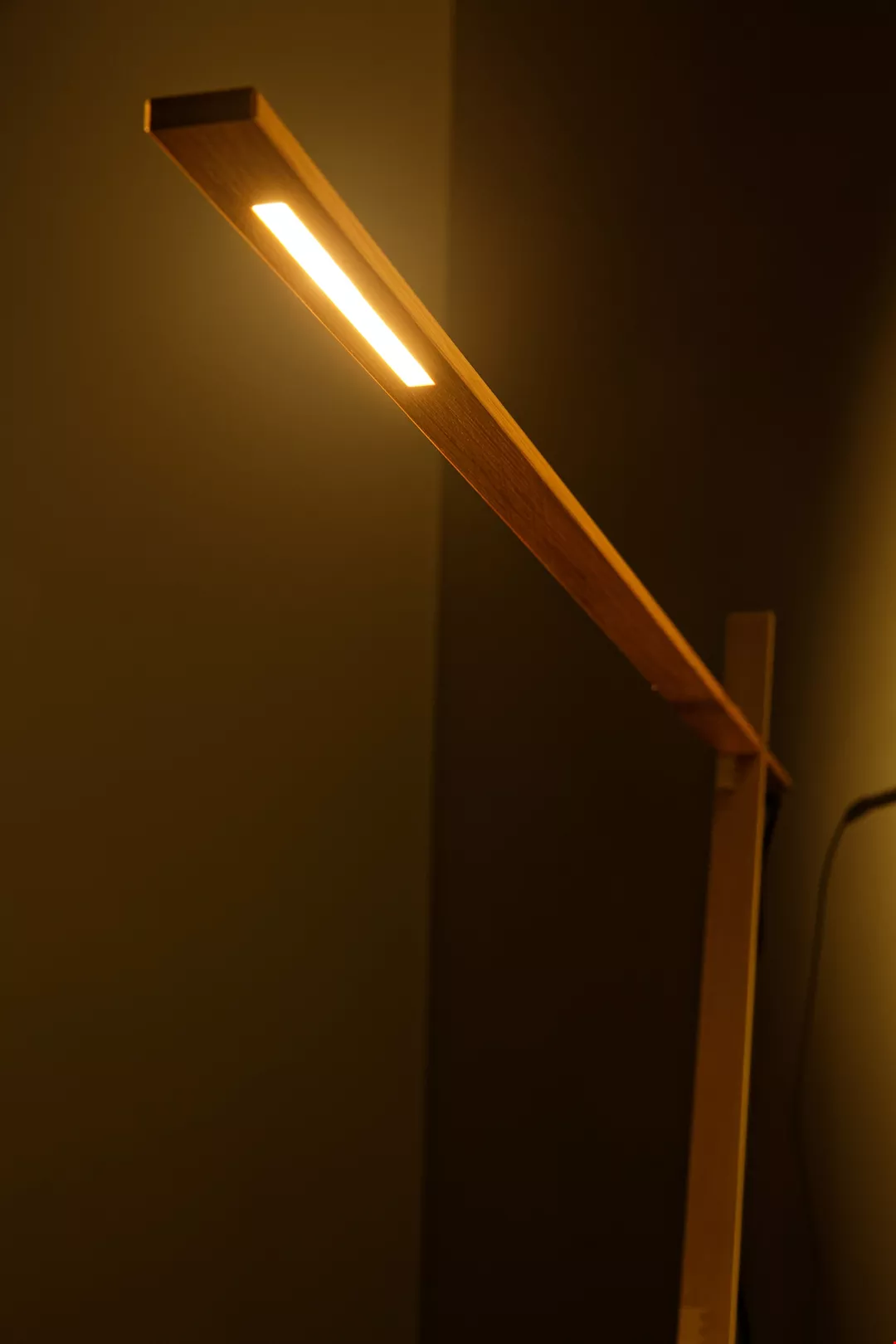
The power switch of Pegacasa’s LED desk lamp is located in the node of its ma bamboo arm. Made from natural materials, each lamp is unique.
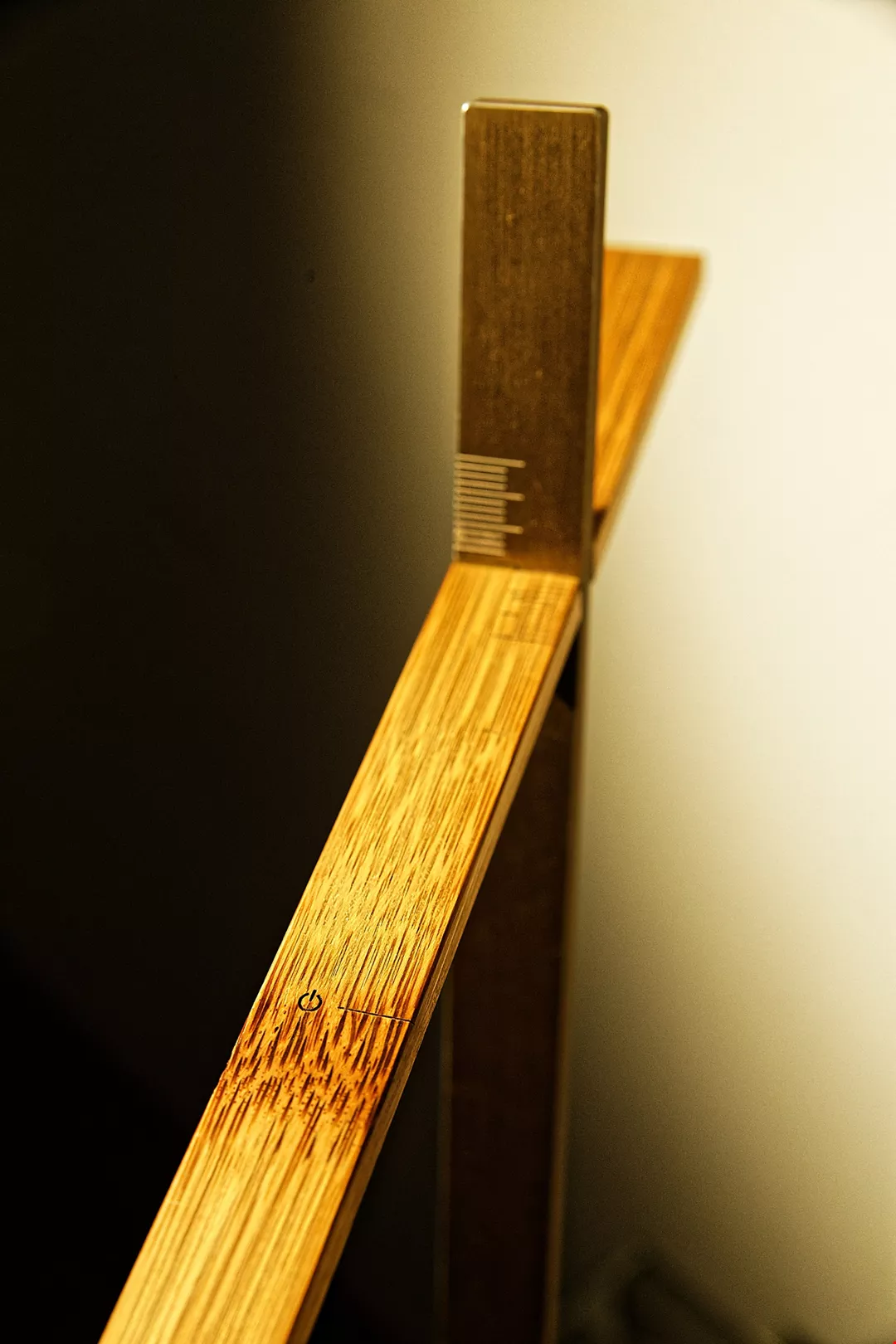
The power switch of Pegacasa’s LED desk lamp is located in the node of its ma bamboo arm. Made from natural materials, each lamp is unique.
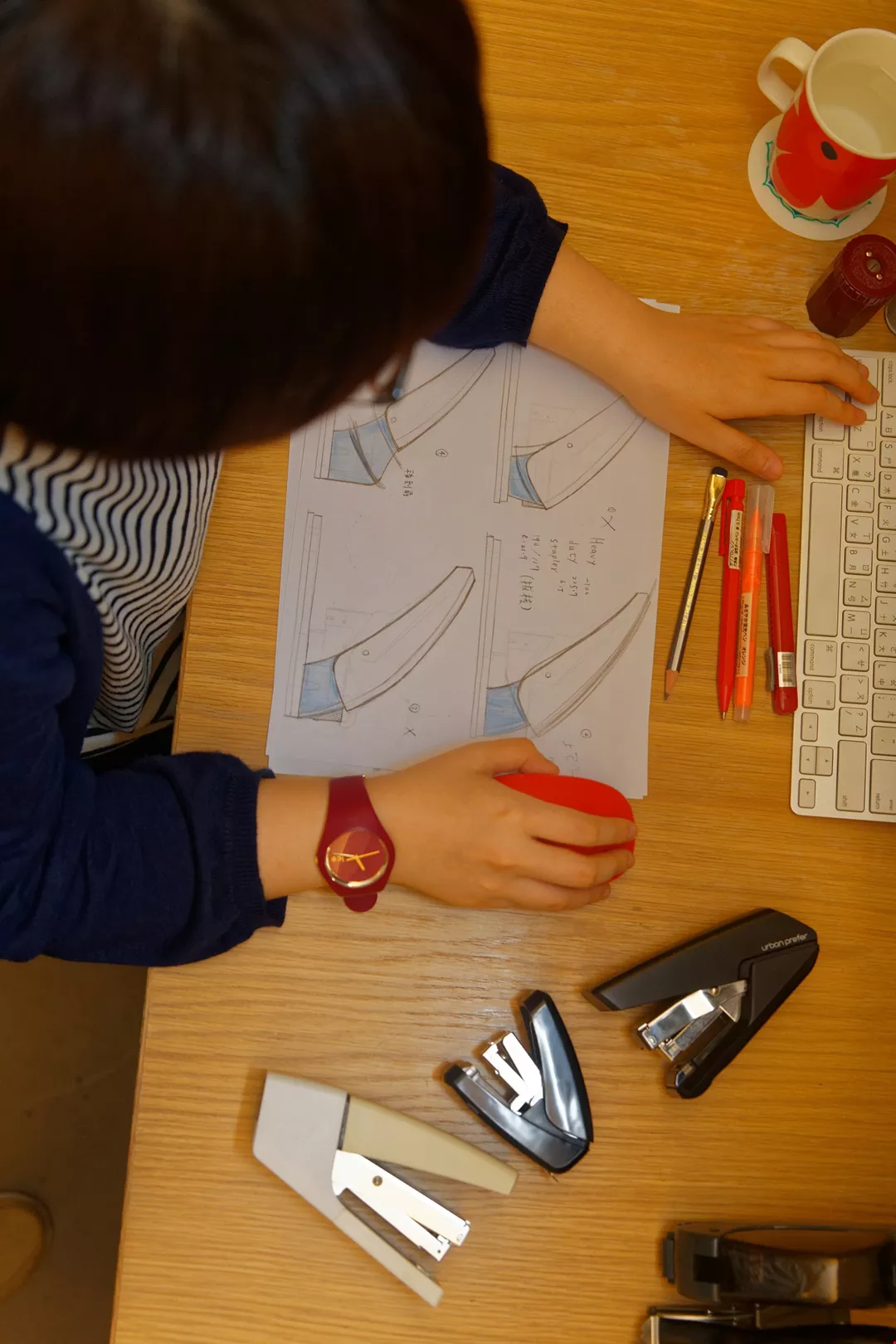
The design prowess of YOW!design’s “urban prefer” brand grows out of a desire to “do good design.”
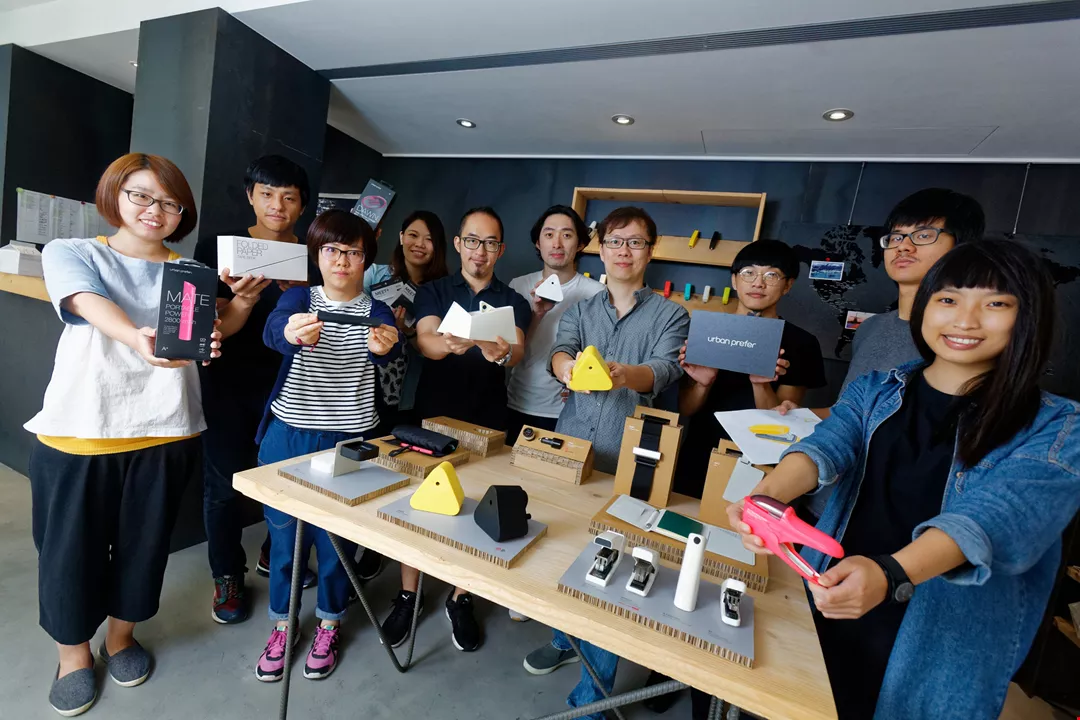
YOW!design is cultivating young Taiwanese designers, values cosmopolitan designs, and aims to solve real problems with its desktop accessory designs. Fourth from right in the photo is Chris Huang.
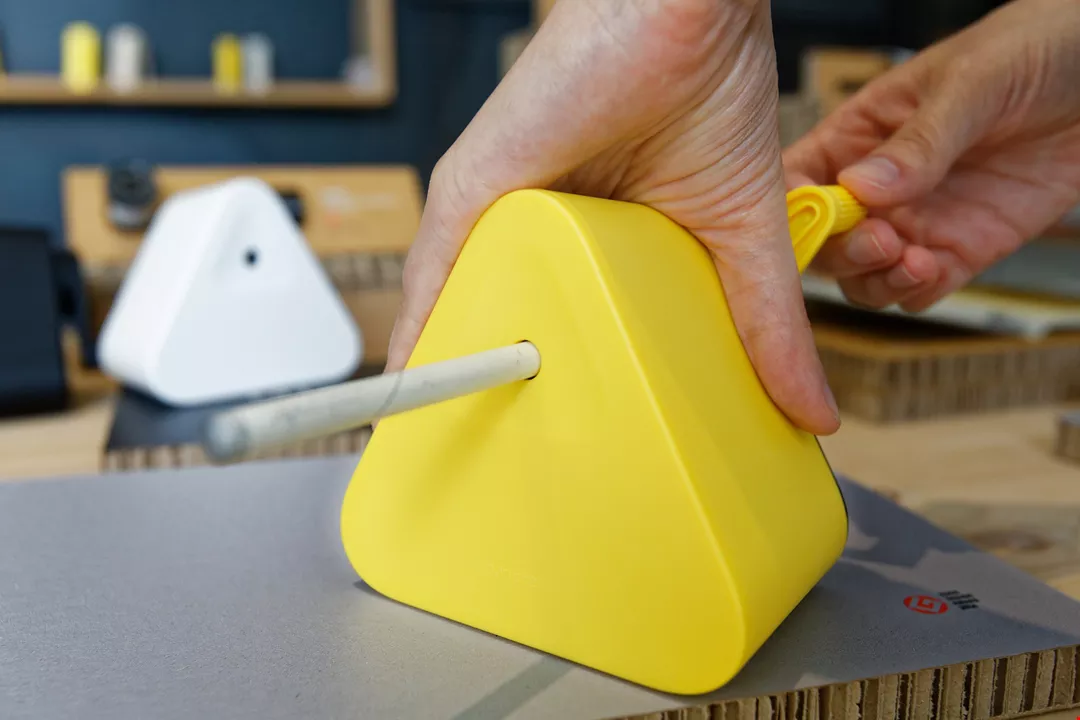
The SUMO pencil sharpener’s triangular shape makes it easy to hold and use no matter what size your hands are.
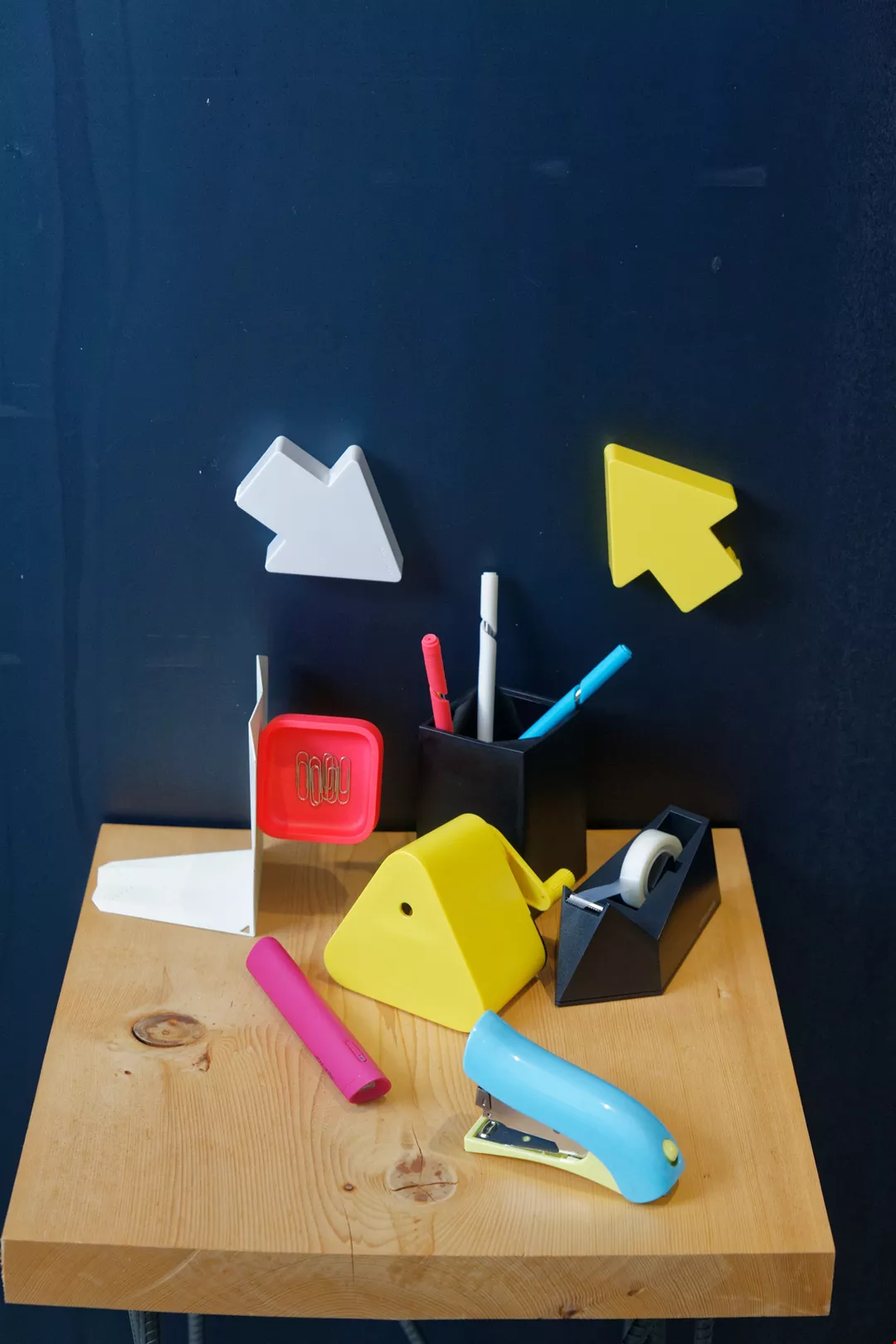
Starting with desktop accessories, YOW!design is building its “urban prefer” brand on the strength of its graphic and industrial design teams.
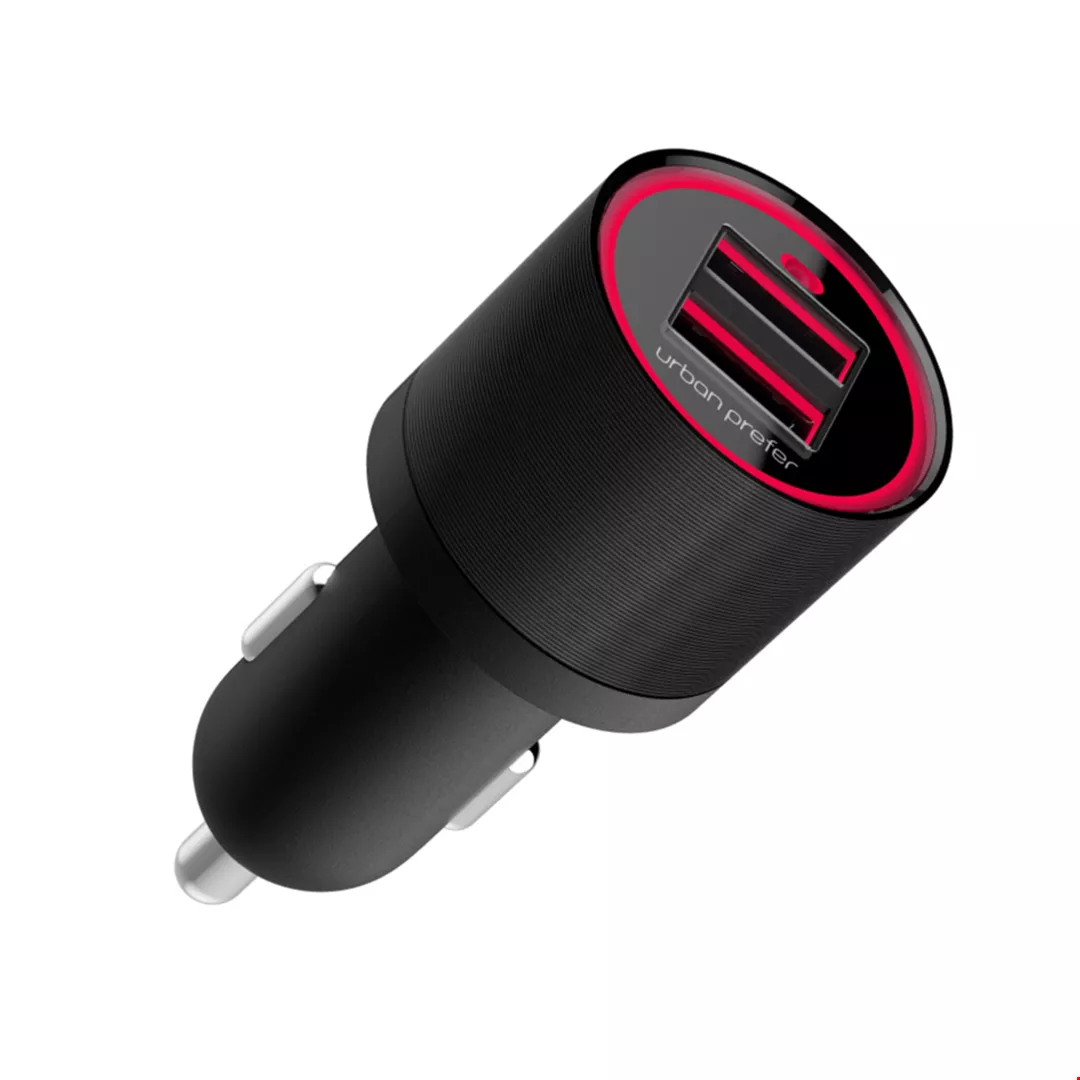
“DAWN” USB car charger.
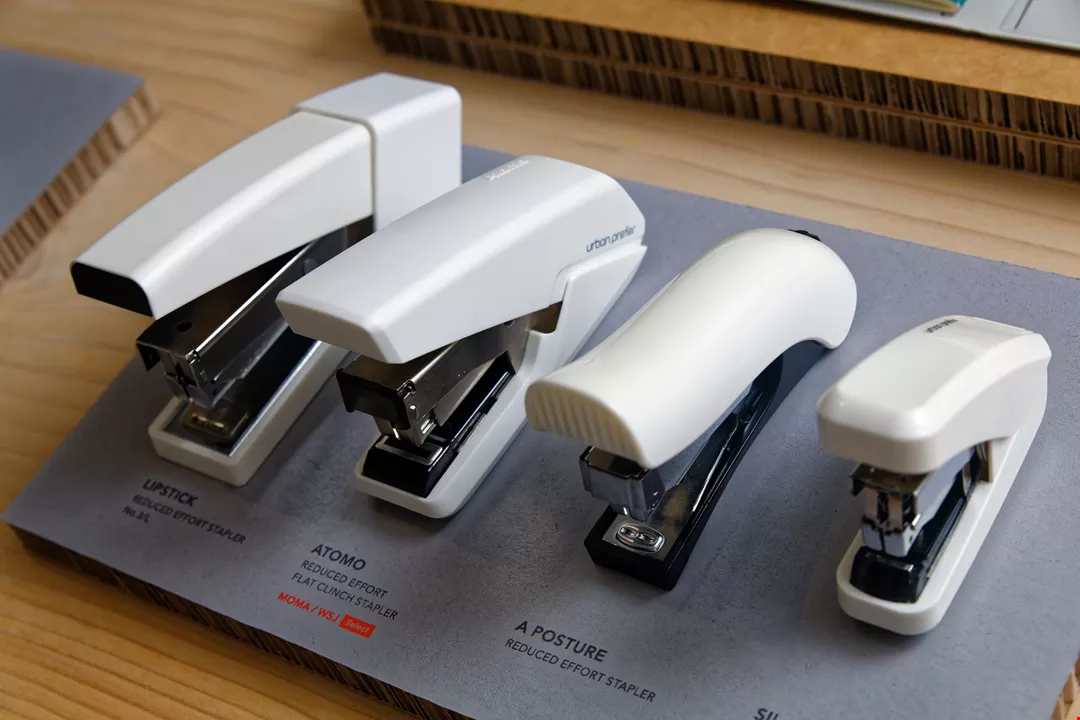
urban prefer’s products include four easy-to-use staplers, as well as a staple-less stapler beloved by many environmentally conscious consumers.
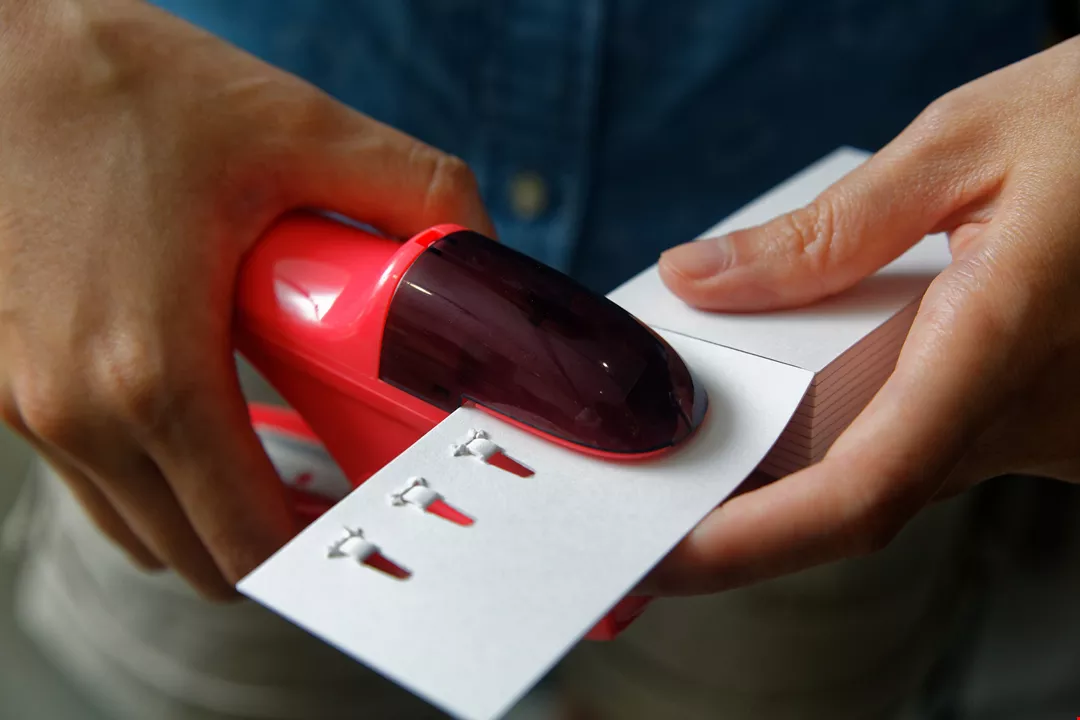
urban prefer’s products include four easy-to-use staplers, as well as a staple-less stapler beloved by many environmentally conscious consumers.
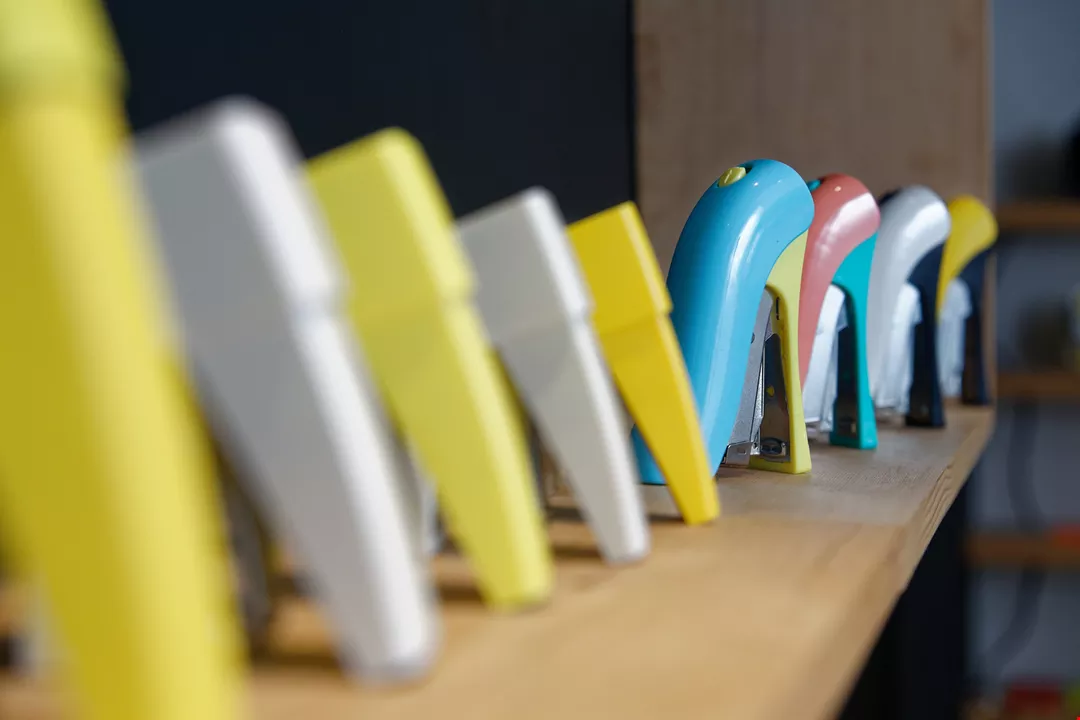
urban prefer’s products include four easy-to-use staplers, as well as a staple-less stapler beloved by many environmentally conscious consumers.

@List.jpg?w=522&h=410&mode=crop&format=webp&quality=80)


