At last year's Asian Film Festival it was decided to hold the twenty-eighth festival in the Republic of China and to expand the event to become the Asian-Pacific Film Festival. It was hoped that our country could lend the experience gained from running the Golden Horse Awards to this historical event for the benefit of future Asian-Pacific Film Festivals.
Although all Chinese are familiar with the Golden Horse Awards, the Asian-Pacific Film Festival is not so well known. Actually, the latter has been around for quite a number of years. After the end of World War Ⅱ, Asian countries were recovering from the ravages of war, busily engaged in the reconstruction of their economies. At the same time they did not neglect cultural activities. As Japan recovered most quickly, it soon took the lead in the development of Asian cinema. In 1953 a Japanese film company approached the Republic of China, the Philippines, Hong Kong, Thailand, Malaya, Indonesia, and Japan and proposed establishing the Federation of Motion Picture producers in Southeast Asia, which would sponsor an annual film festival. As times have changed, this organization has grown and today it is known as the Federation of Motion Picture Producers in Asia-Pacific (FPA) and the number of countries that participated in this year's festival totalled eleven.
Although awards are presented, keen competition is kept to a minimum to insure a friendly atmosphere of give and take. For example, there is no set number of award winners so that there could be two or three "bests" each year in one category.
Chairman of this year's organizing committee, Ming Ch'i, spared no expense or effort in seeing that the festival was as successful as possible. He himself visited ten of the member nations to get their input. In addition, to insure impartial judging he invited seventeen professionals from all areas of the cinema industry to form the panel of judges. Ming's hard work paid off; when the winners were announced on November 19, all delegations were satisfied with the fairness of the decisions.
In addition to the awards ceremony itself, many activities were arranged for the delegates during their stay in Taipei. Among these were sightseeing trips to the National Palace Museum, the Chungshan Building, and CMPC Studio; a film marketing seminar; a film technique forum; and shopping tours.
More than 1,700 delegates from eleven countries attended the festival. Delegations represented Bangkok, Hong Kong, Jakarta, Kuala Lumpur, Kuwait, Manila, Seoul, Singapore, Sydney, Tokyo, Wellington, and the host city, Taipei. Competing for awards were thirty-three feature films, fourteen documentaries, and two animated films.
Once again, Japan proved its preeminent position in the Asian-Pacific film world. Of the fourteen Kin Lung Awards presented, Tokyo captured six. Best film went to The Makioka Sisters, best director to Kon Ichikawa for the same, best actress award went to Yuko Tanaka for her role in Amagi Pass, best supporting actor to Isao Natsuki for My Stiff-necked Daddy and Me, best art direction honors went to Shinobu Muraki for The Makioka Sisters. Best sound also went to the Japanese.
Last year during awards given in Kuala Lumpur, Taipei came away empty handed. This year however, the Republic of China made a comeback, winning best actor and best cinematography. Best actor honors were garnered by Shih Chiun for his role in The Wheel of Life, while That Day, on the Beach won the latter award.
Other major winners were Manila, best screenplay (Gold, Silver, Death); Seoul, best supporting actress; Hong Kong, best editing (Men from the Gutter); and Sydney, best music (Dusty), best animated film ("Dot and the Bunny"), and best short film ("Pictures that Post").
[Picture Caption]
1. A performance of Chinese traditional music. The set composed of a Chinese-style gate and splashed-ink lotus paintings added a touch of elegance. 2. Premier Sun Yun-suan addressing the audience. 3. A group of Korean actresses posing at the welcome reception with Vice-president Shieh Tung-min. 4. Chairman of the Asian-Pacific Film Festival Organizing Committee, Ming Chi, speaking at the opening ceremonies. 5. A translation of the proceedings was provided for all foreign guests. Here translator Martin Merz (left) is seen with English film critic Derek Elley. 6. A dance performance at the awards ceremony.
1.5.6. Dance performances featuring native dances of member nations accented the event. Here are seen Chinese (1), Japanese (5), and Indonesian (6) numbers. 2. Best actor Shih Chiun. 3. Chen Chen and Ying Hsia, who presented awards, are actually sisters. 4. The Japanese accepting one of their six awards.
1.5.6. More national dance numbers. Here, Korea (1), Indonesia (5), and Thailand (6). 2. A Ju-I Award being presented to a member of the Indonesian delegation. 3. Another award for the Japanese. 4. A father-daughter team of award presenters, Kuan Shan and Kuan Chih-lin.
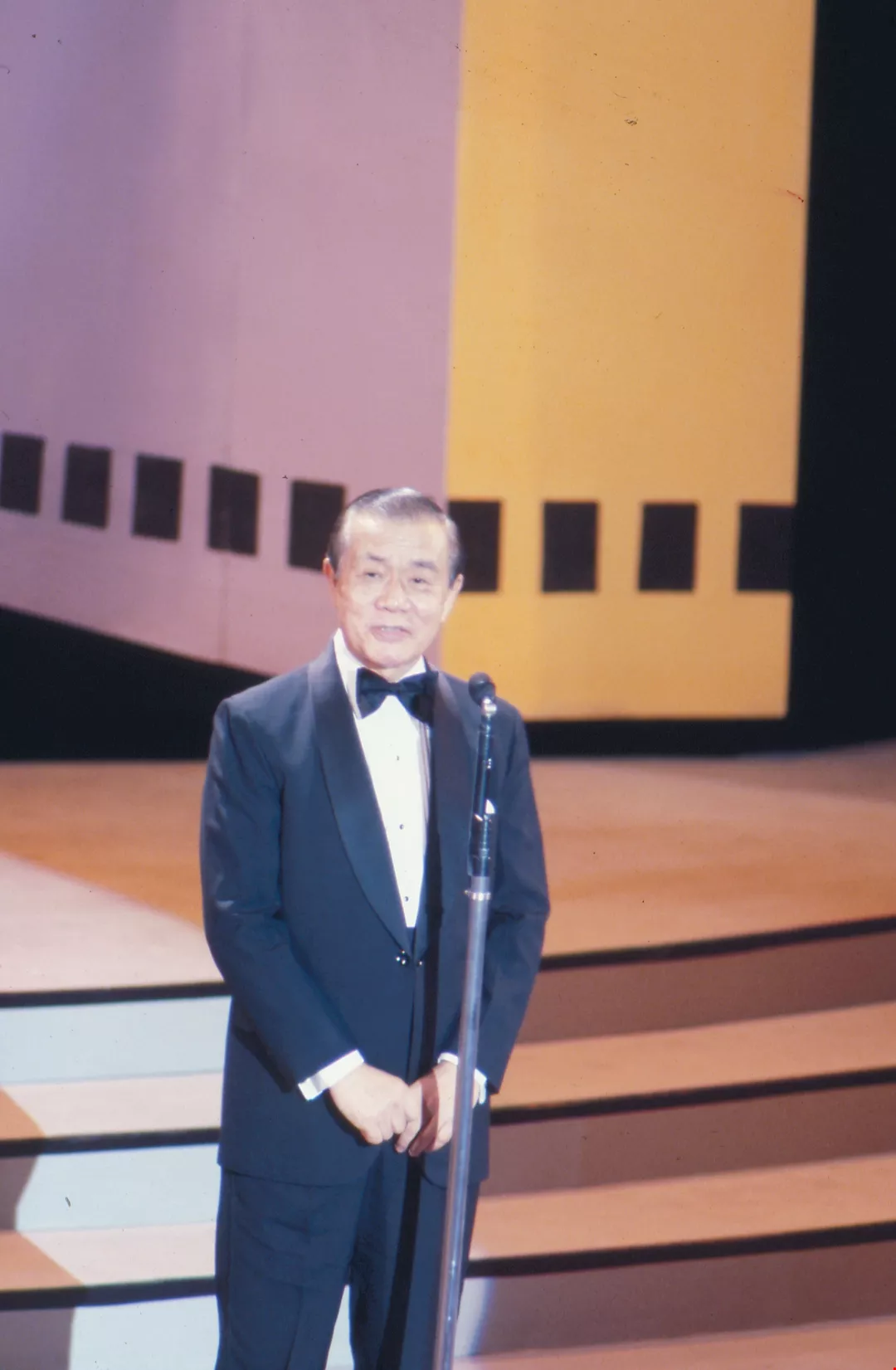
2. Premier Sun Yun-suan addressing the audience.
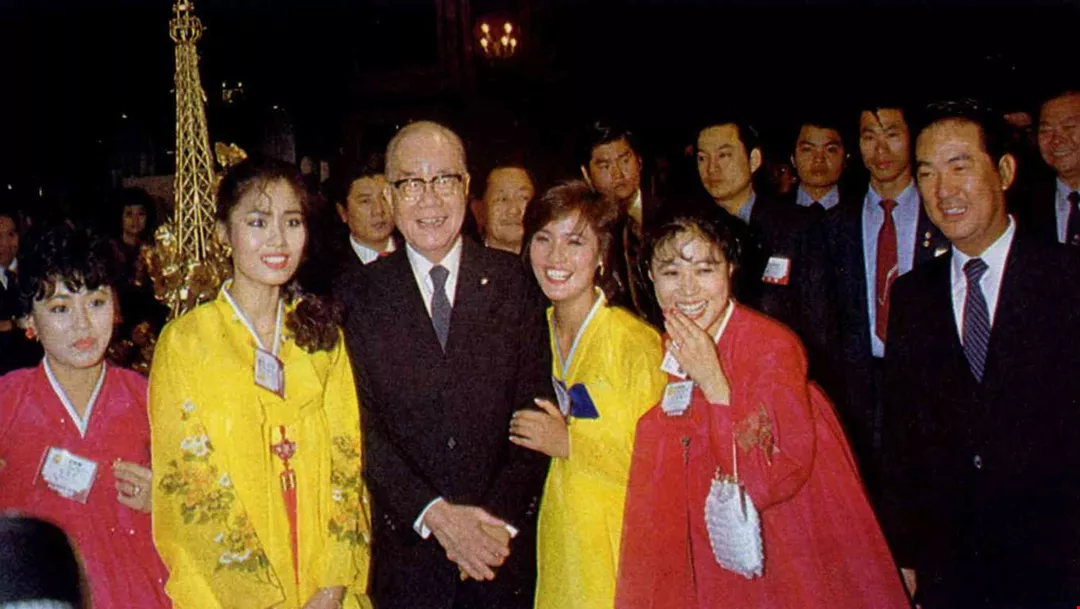
3. A group of Korean actresses posing at the welcome reception with Vice-president Shieh Tung-min.
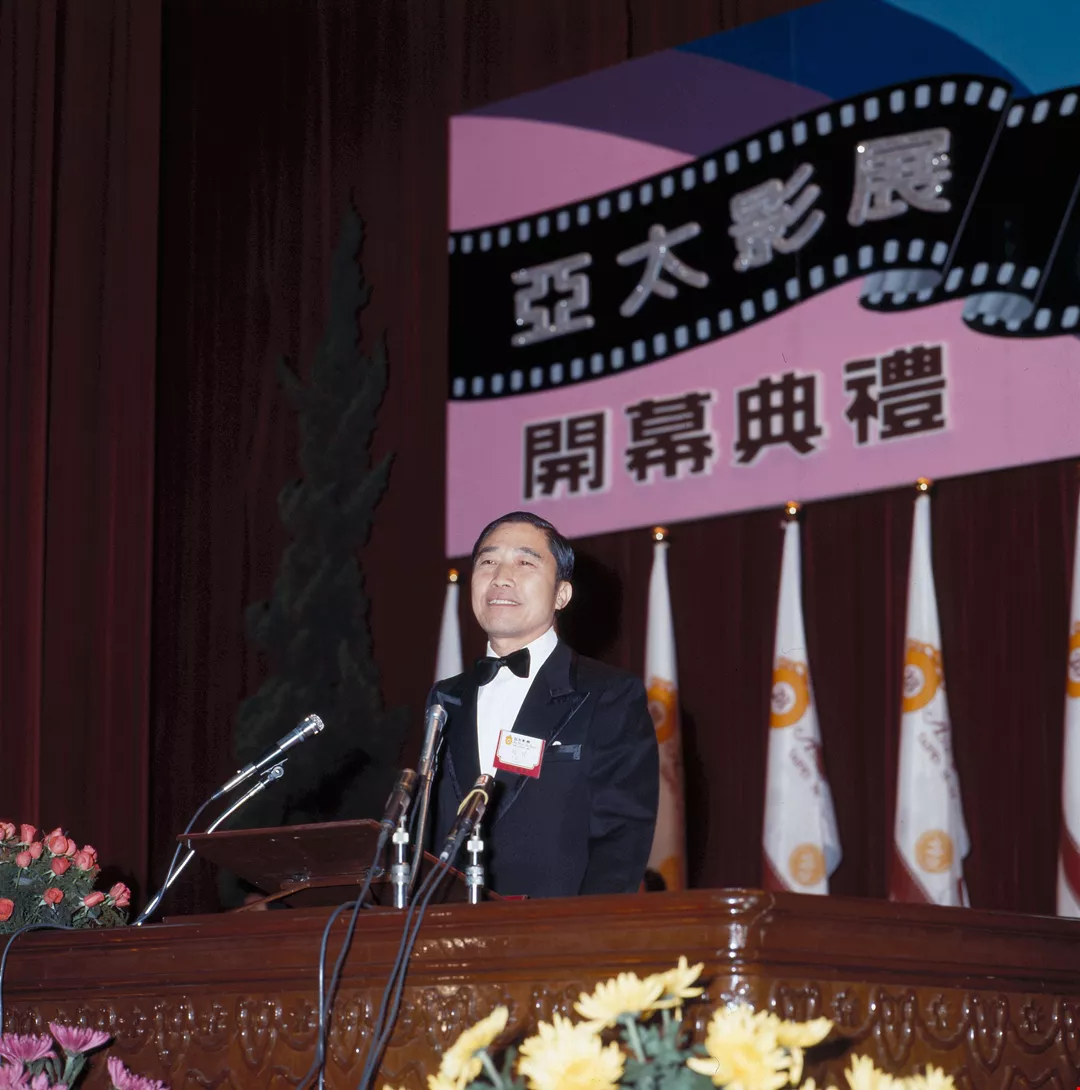
4. Chairman of the Asian-Pacific Film Festival Organizing Committee, Ming Chi, speaking at the opening ceremonies.
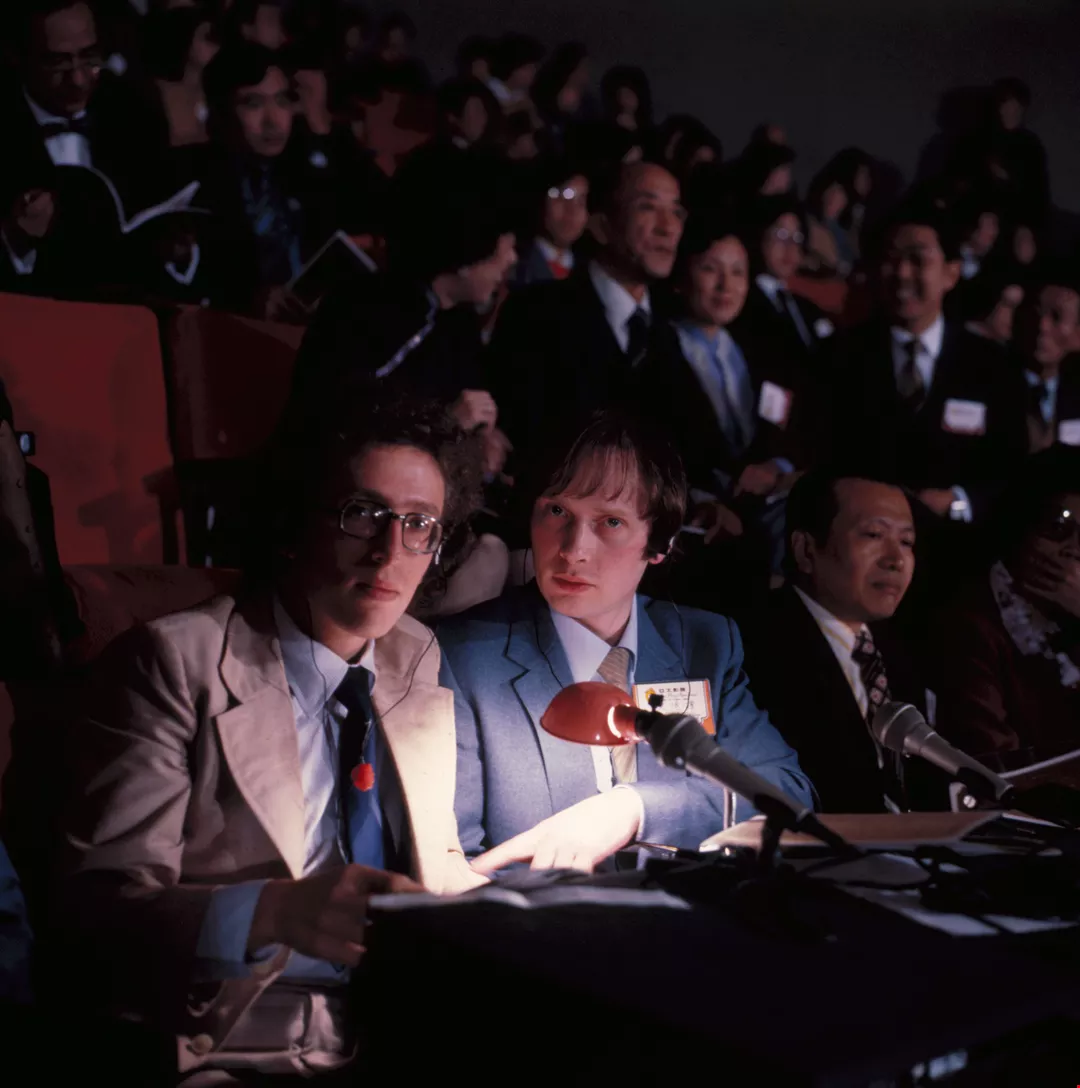
5. A translation of the proceedings was provided for all foreign guests. Here translator Martin Merz (left) is seen with English film critic Derek Elley.
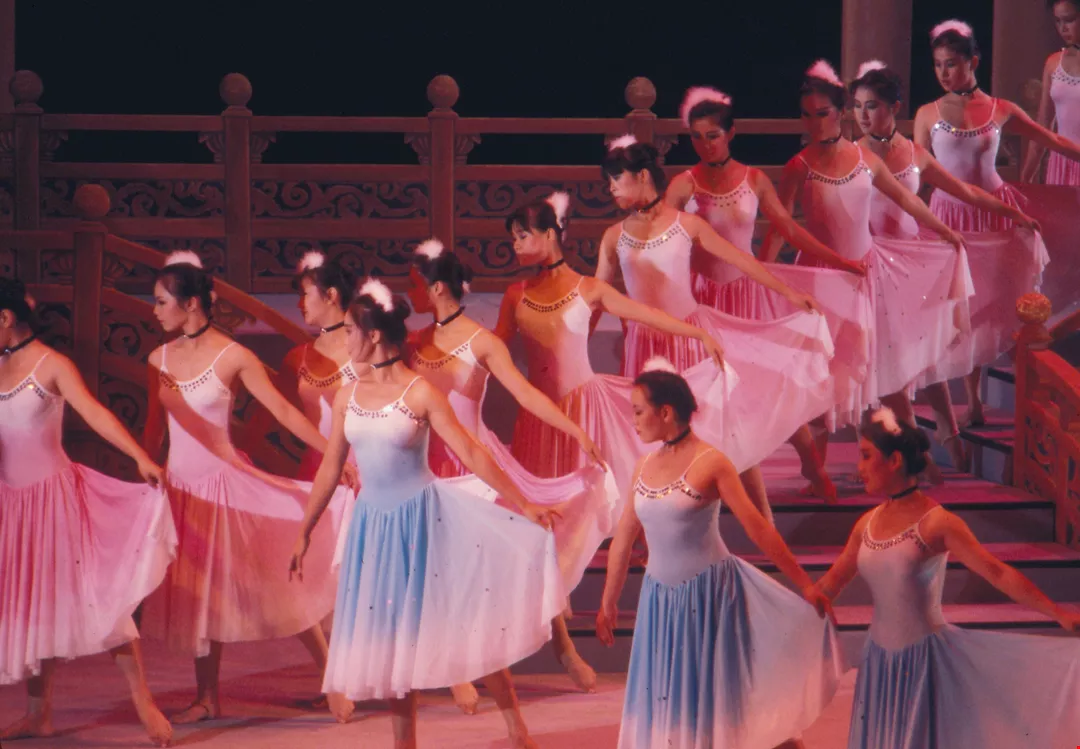
6. A dance performance at the awards ceremony.
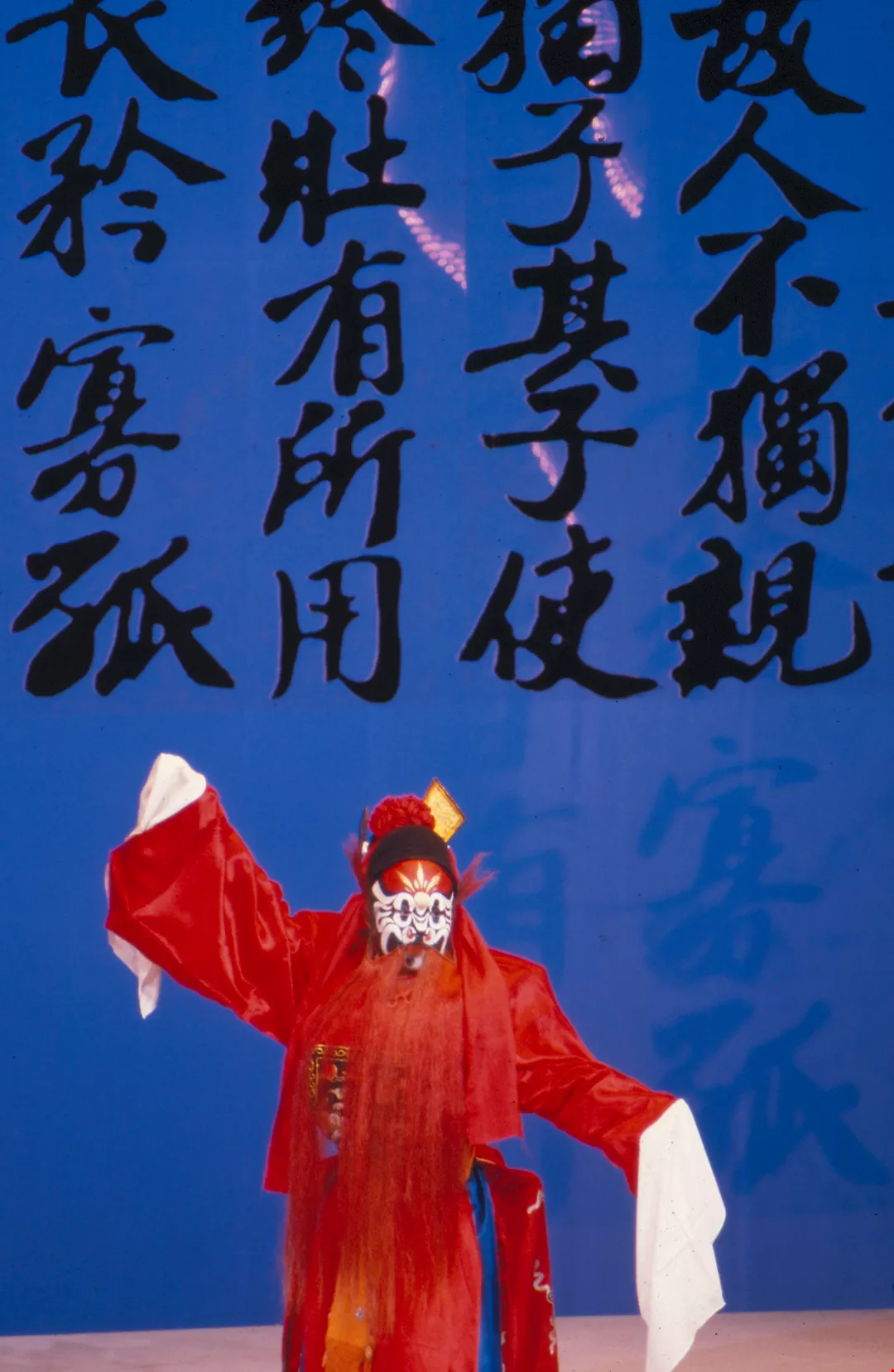
1.5.6. Dance performances featuring native dances of member nations accented the event. Here are seen Chinese (1), Japanese (5), and Indonesian (6) numbers.
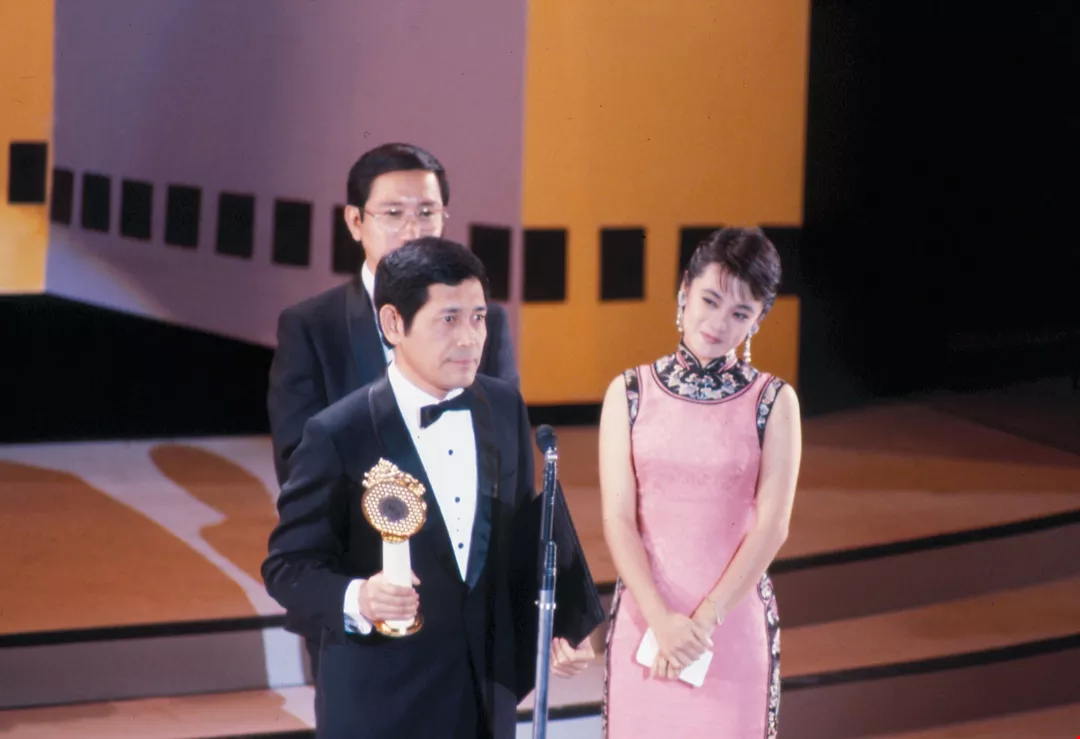
2. Best actor Shih Chiun.
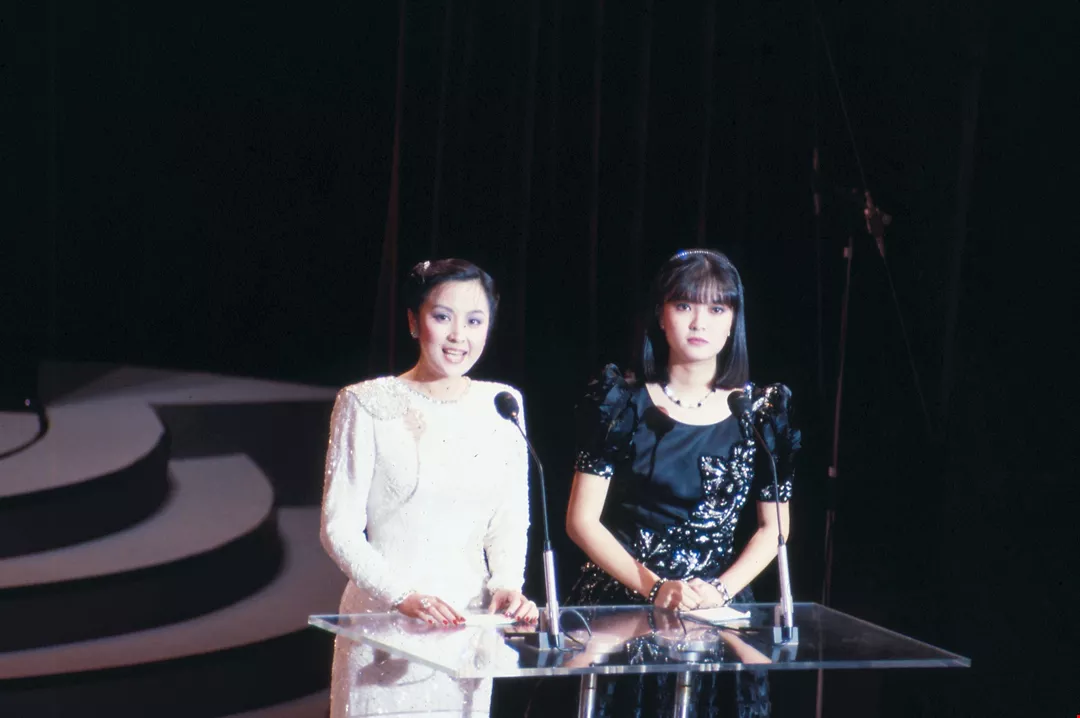
3. Chen Chen and Ying Hsia, who presented awards, are actually sisters.
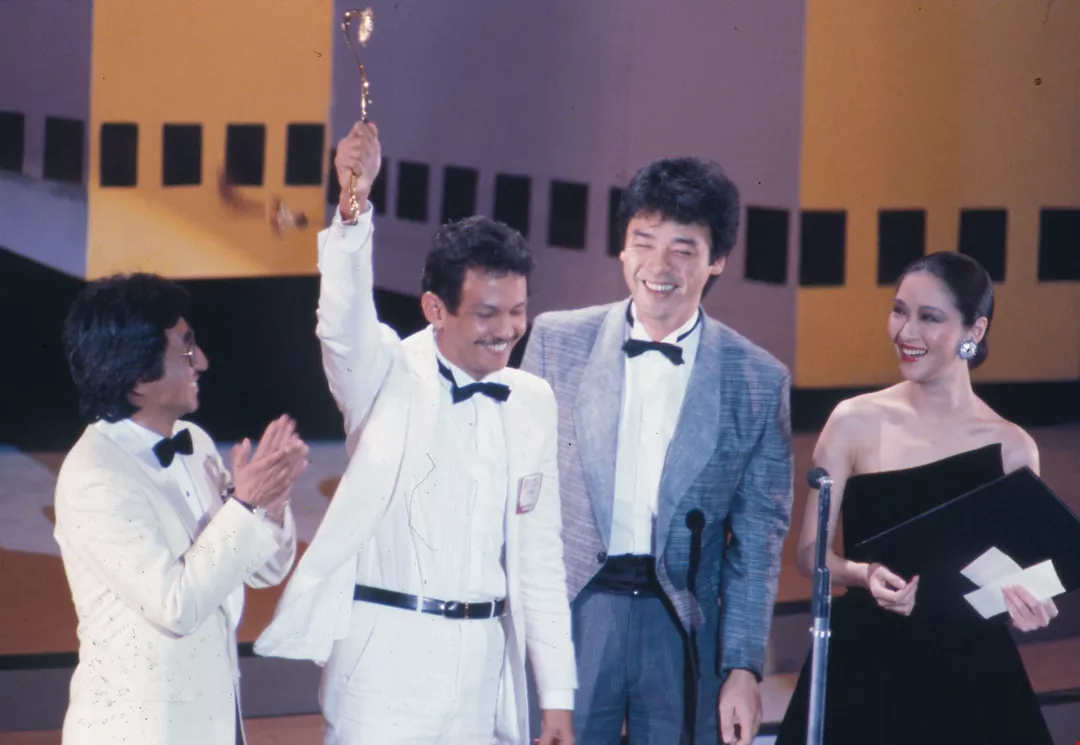
4. The Japanese accepting one of their six awards.
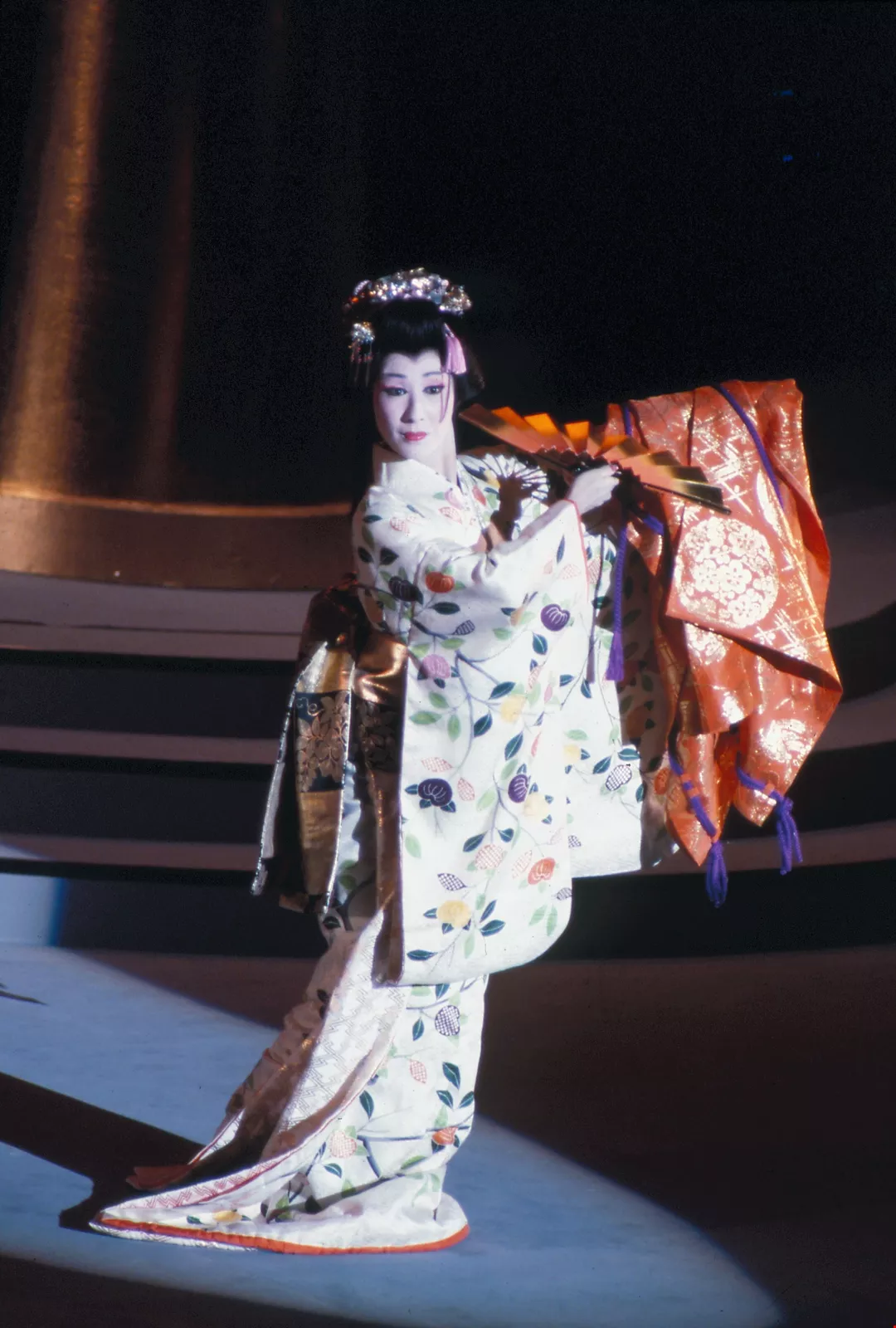
1.5.6. Dance performances featuring native dances of member nations accented the event. Here are seen Chinese (1), Japanese (5), and Indonesian (6) numbers.
1.5.6. Dance performances featuring native dances of member nations accented the event. Here are seen Chinese (1), Japanese (5), and Indonesian (6) numbers.
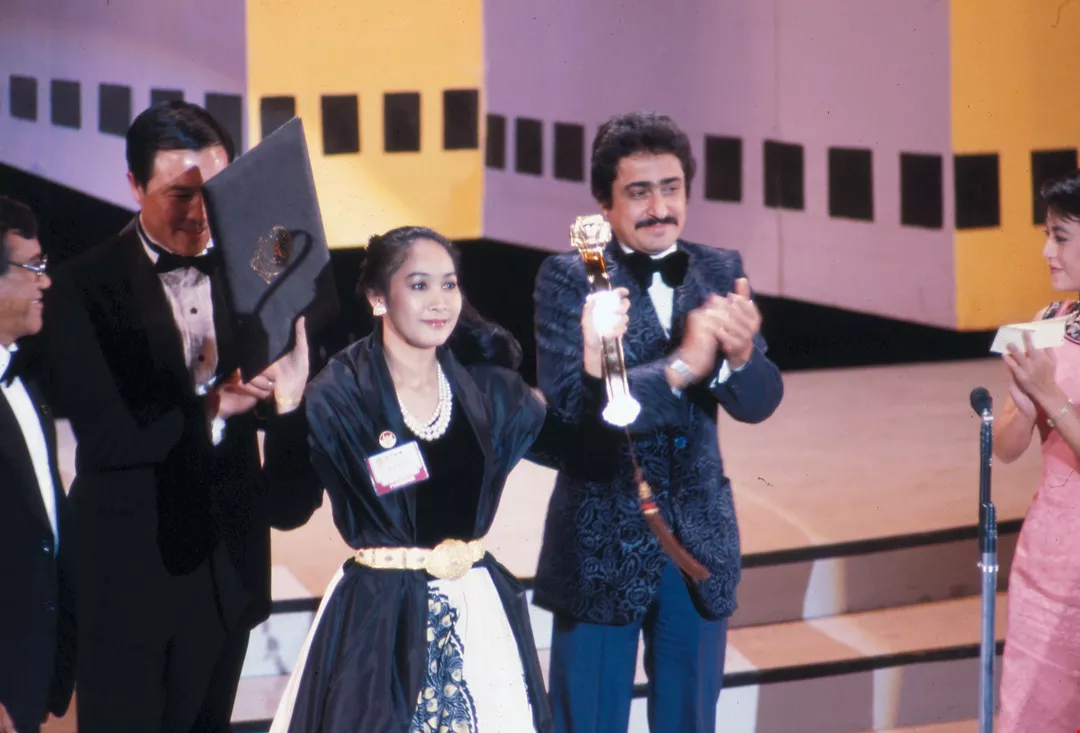
2. A Ju-I Award being presented to a member of the Indonesian delegation.
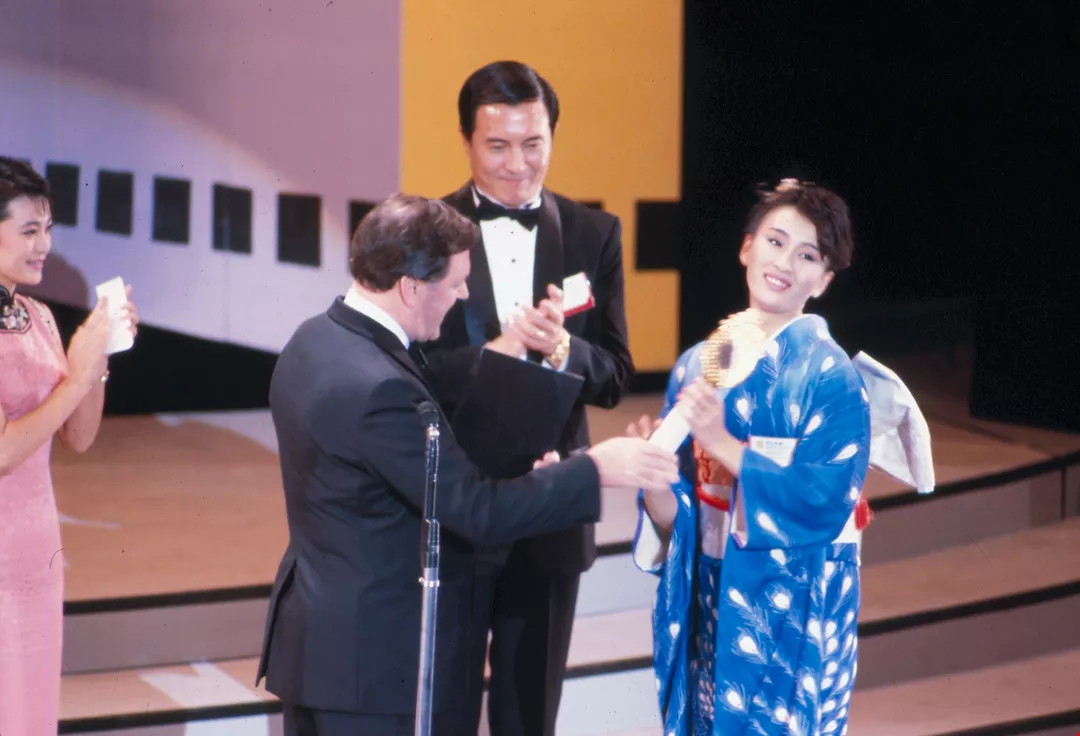
3. Another award for the Japanese.
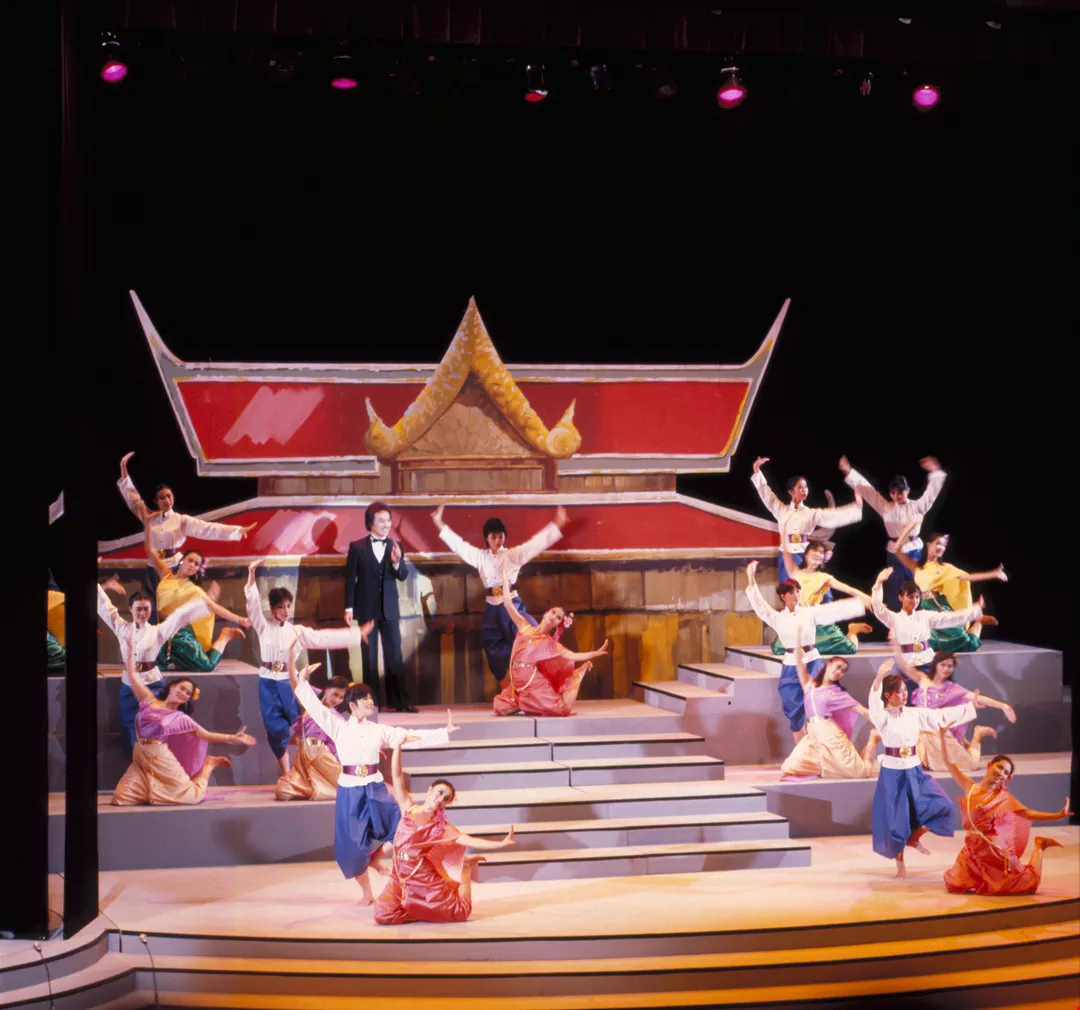
1.5.6. More national dance numbers. Here, Korea (1), Indonesia (5), and Thailand (6)
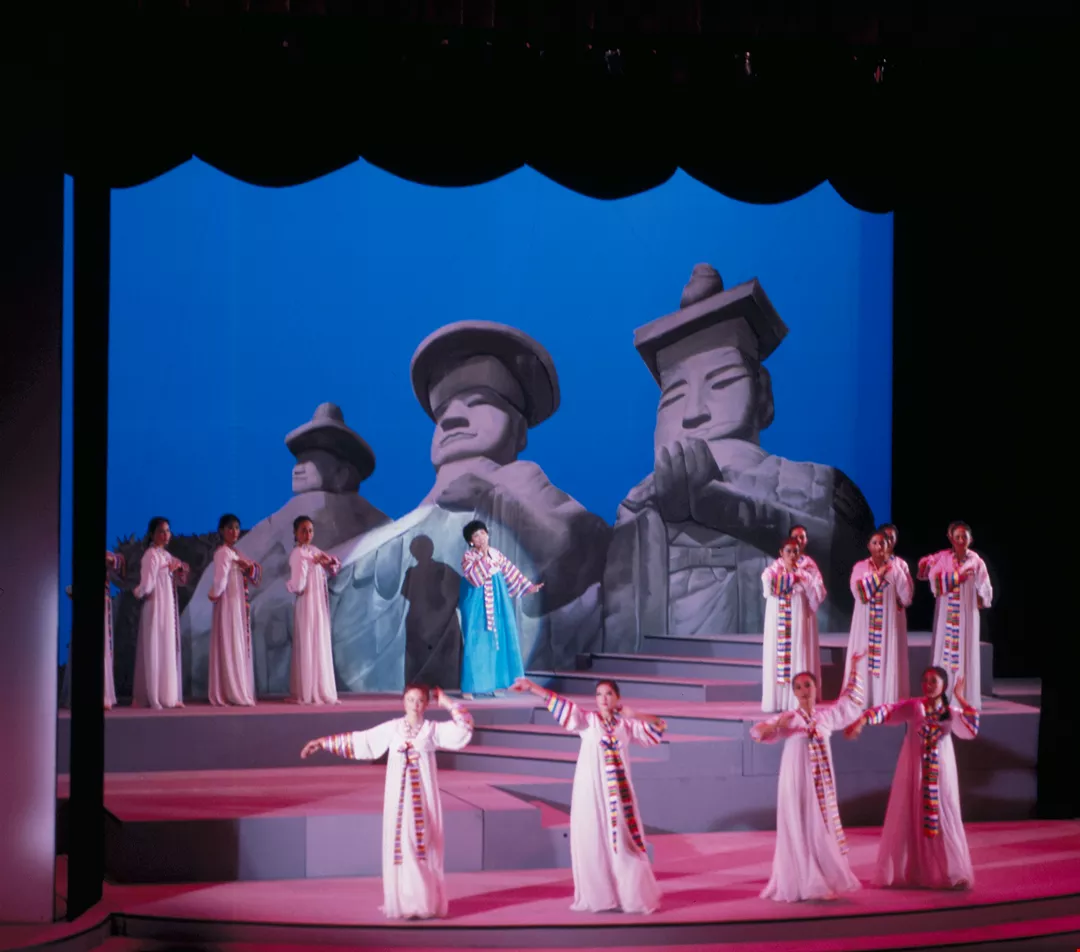
1.5.6. More national dance numbers. Here, Korea (1), Indonesia (5), and Thailand (6)
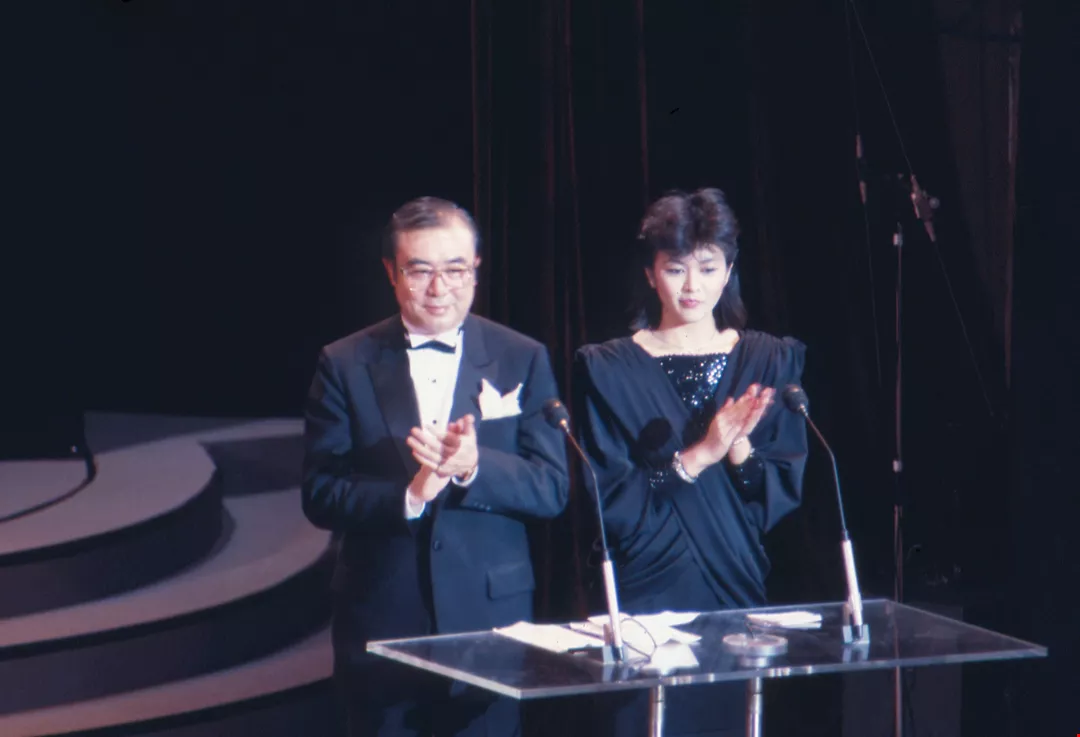
4. A father-daughter team of award presenters, Kuan Shan and Kuan Chih-lin.
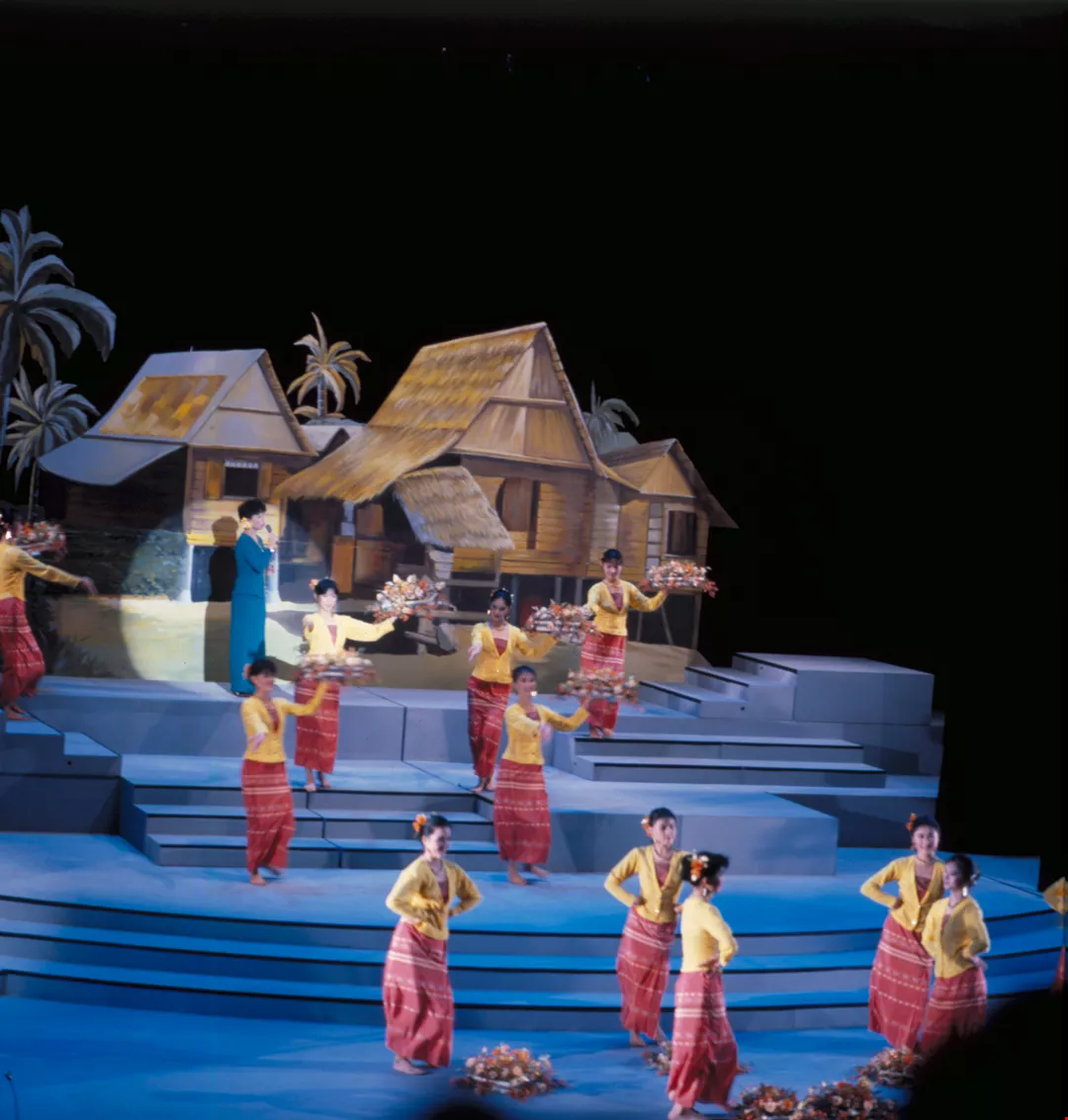
1.5.6. More national dance numbers. Here, Korea (1), Indonesia (5), and Thailand (6)




