

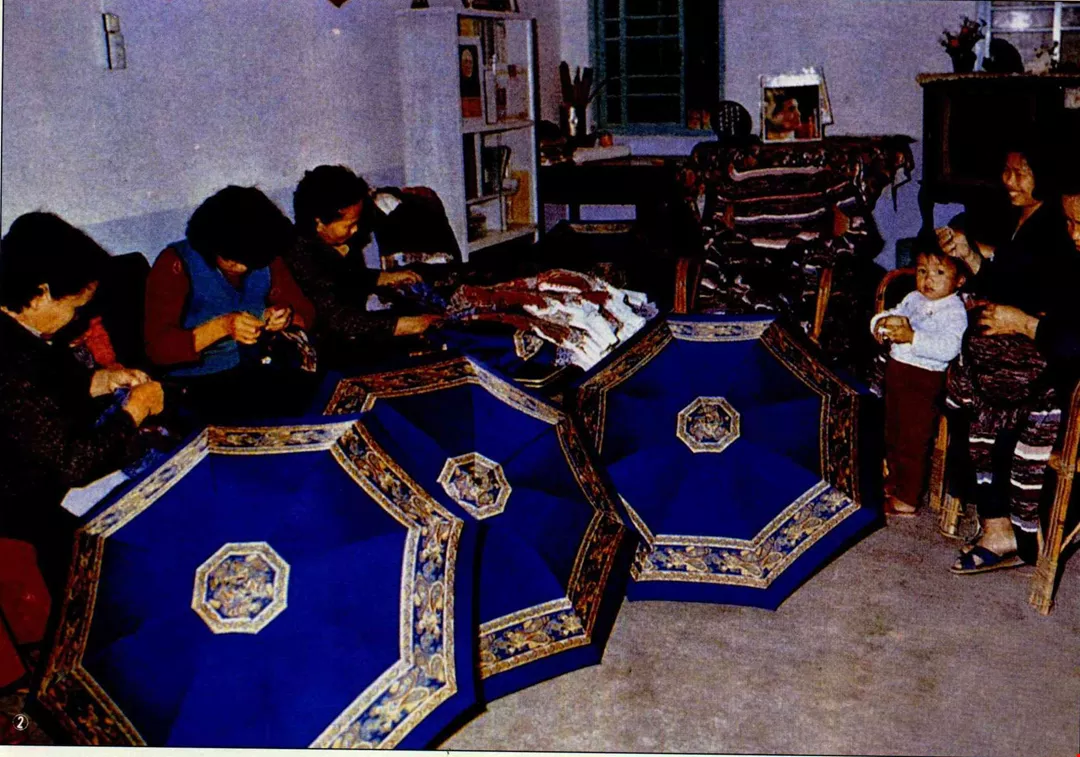
2. The government strongly encouraged people to do piece work at home, and there were many "home workshops.".
Sinorama is 20 years old! That first slim 36-page issue from January 1, 1976, was so anxious to tell readers near and far--and especially overseas Chinese and foreign friends--about all aspects of Taiwan's development, construction, and scenery. In those days, Sinorama relied mainly on photographs to get its message across, while the articles were usually very sketchy--just a few hundred words of general introductory information. Though from today's perspective the early Sinorama appears to be rather stiff and propagandistic, it fulfilled an important function--keeping a photographic record of Taiwan's development.
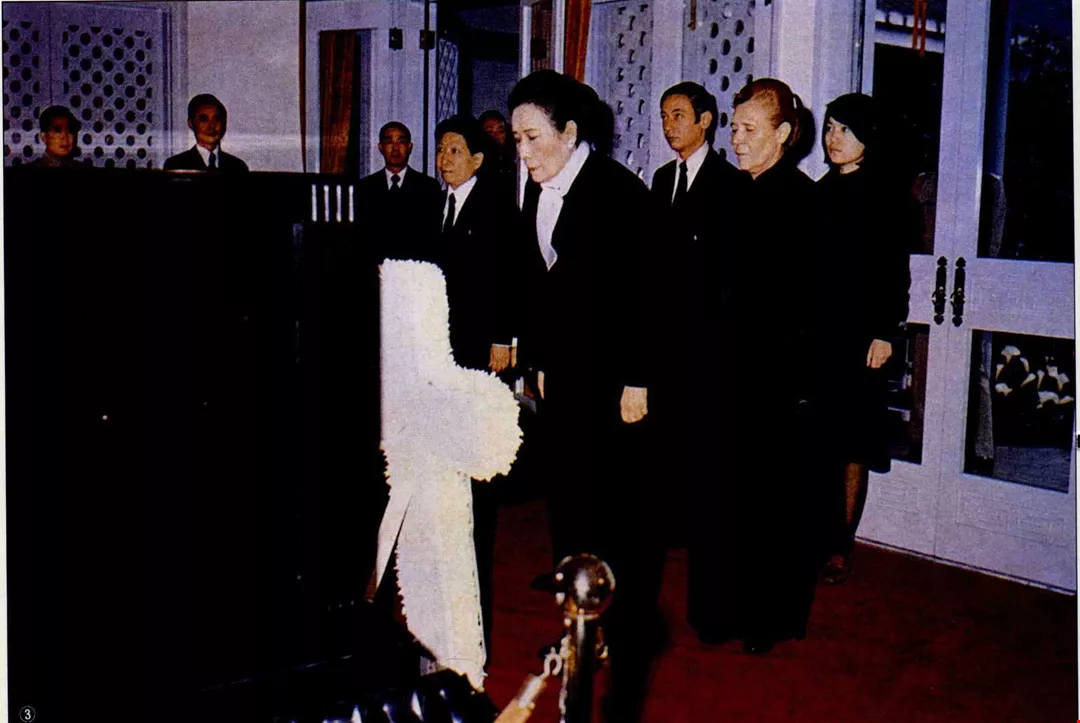
3. April, 1976: Madame Chiang Kai-shek and family members pay their respects on the first anniversary of the death of Generalissimo Chiang Kai-shek.
In those days Taiwan's per capita GNP was a mere US$1132, and foreign exchange reserves totaled only about US$1 billion. An incoming middle school teacher earned about NT$4000 per month (or less than US$100 at then-current exchange rates). It was a time of political and diplomatic crises. President Chiang Kai-shek had died less than a year before (in April, 1975), and citizens accustomed to following a strong leader were at a loss. With little international room to maneuver following the ROC's withdrawal from the United Nations, Taiwan's only asset was economic growth. The whole nation, from top to bottom, dedicated itself to this task. Everyone's hard work paved the way for the decade-long economic take-off that followed.
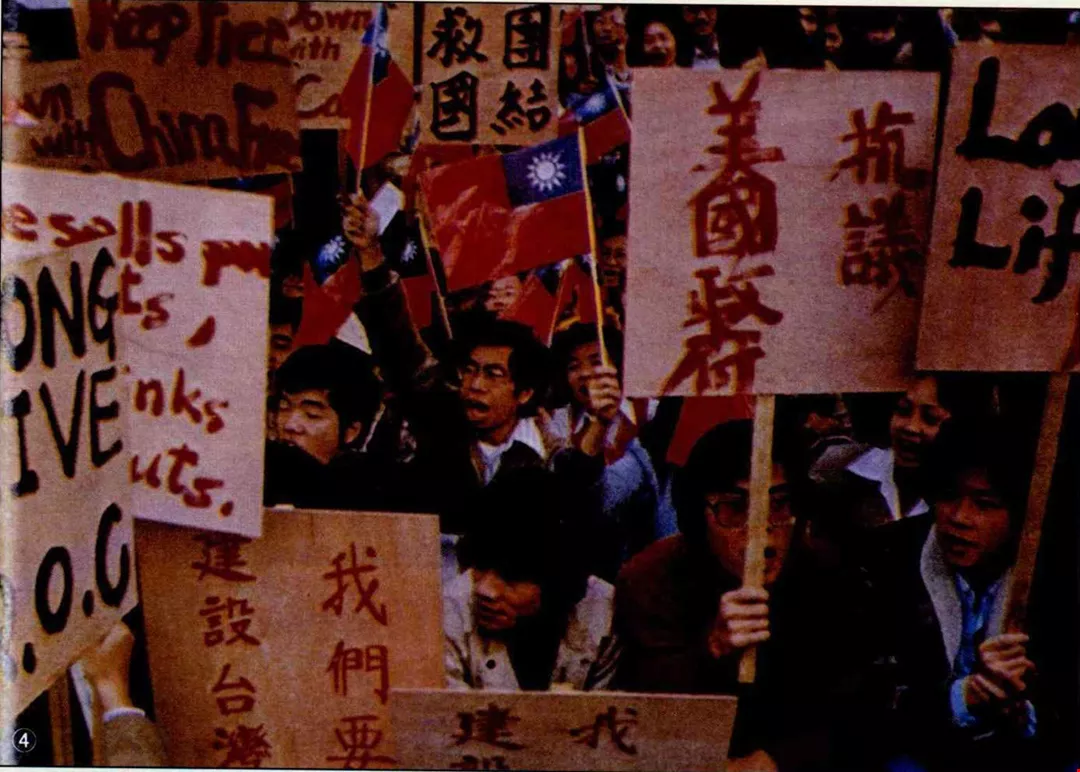
4. On December 16, 1978, the US announced that it was severing relations with the ROC. Angry citizens took to the streets, the real estate and stock markets fell, and people went into panic as if disaster was just around the corner.
Of the many stories covered by Sinorama back then, the ones that probably most appeal to the reader today are those of daily life. In the cities, the first supermarkets were just popping up, and people found strolling through the aisles to be as fascinating as we find meandering through today's huge shopping districts. Ten-story apartment blocks, which today are unexceptional, were then "high-rise luxury apartments" that everyone aspired to live in. In the countryside, it was common to see houses with little workshops right in the living room, and it seemed that if you only put your nose to the grindstone, then the future was full of hope.
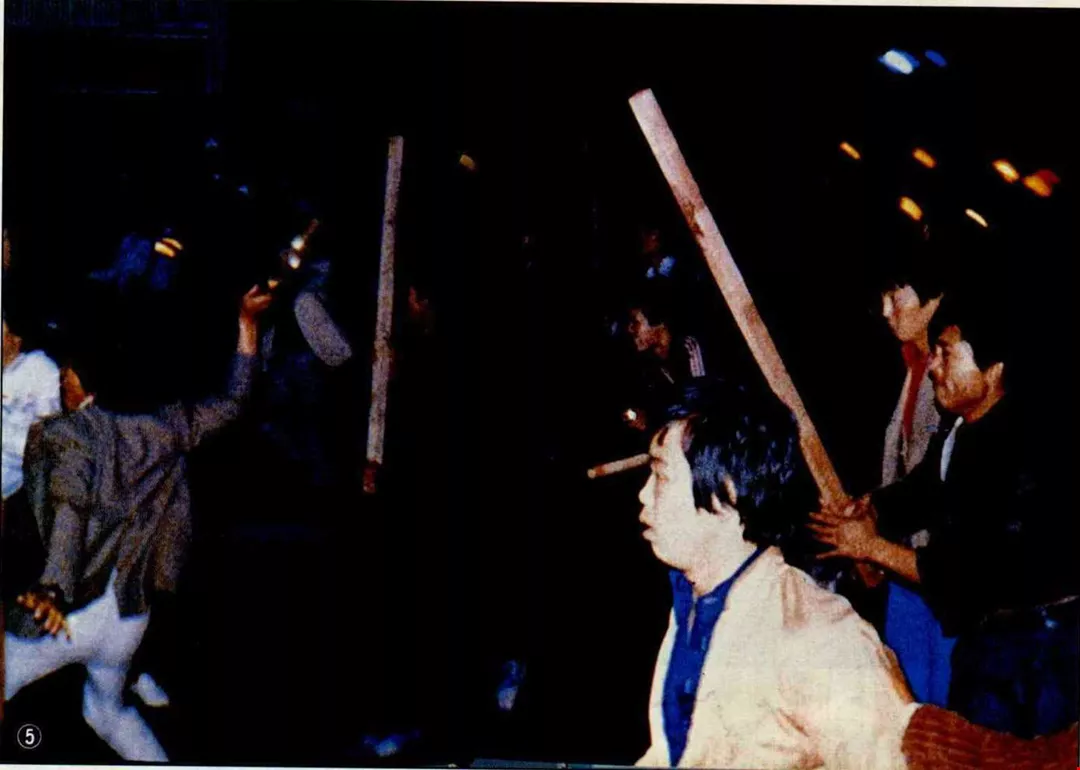
5. A year after the break with the US, the Kaohsiung incident occurred, throwing the political atmosphere into great tension.
In comparison to the open, pluralistic society of the present, in which everybody has something reflective or critical to say, the simple lifestyles and ways of thinking of the old days still have the power to touch our heartstrings today. Looking back at the photographs in old copies of Sinorama, though the vignettes they depict happened not so many years ago, in these days of an information explosion when we are assailed by an overabundance of brilliant images, they seem to show a different world.
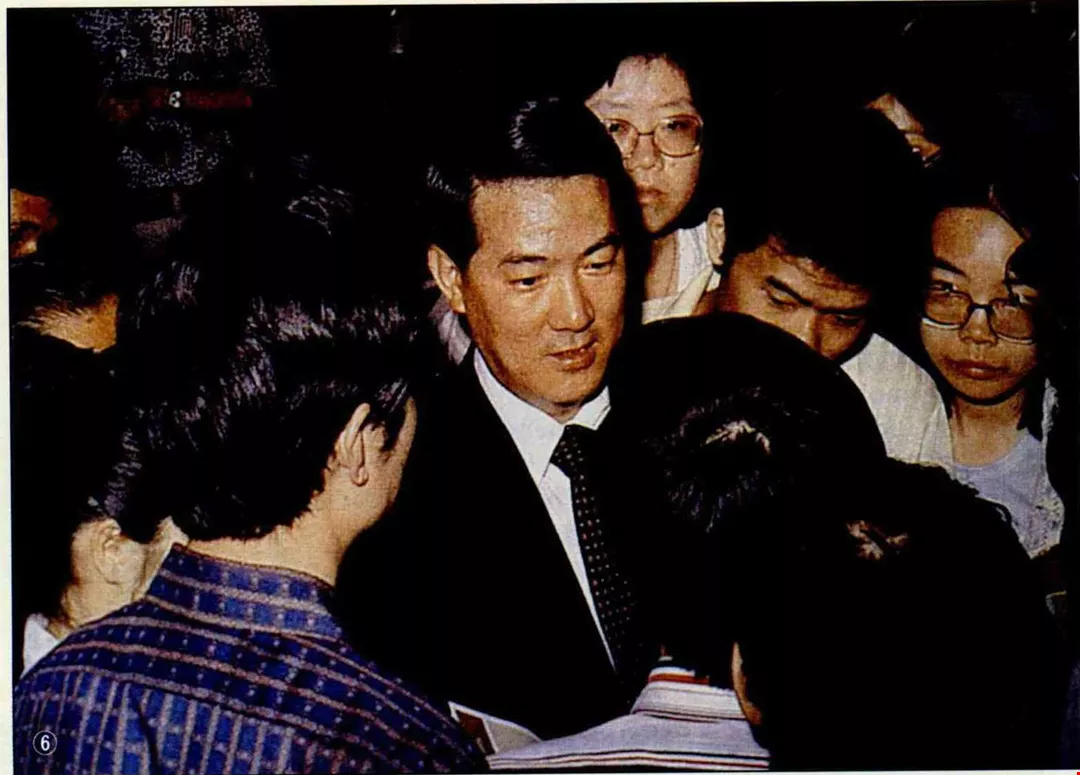
6. In 1980, James Soong was director-general of the Government Information Office. His strong support of Sinorama set a firm foundation for our magazine. (photo by Lin Shan)
Over the last 20 years, economic development has sparked social progress and political liberalization, but it has also had negative effects: air pollution, water and soil degradation, and stress. In response to these developments, Sinorama's reports have increased in breadth and depth. In contrast to the early, largely descriptive articles, we now explore all sides of trends and issues. What hasn't changed is Sinorama's deep concern for the dynamic interaction between the people and events of this island and Chinese communities around the world.
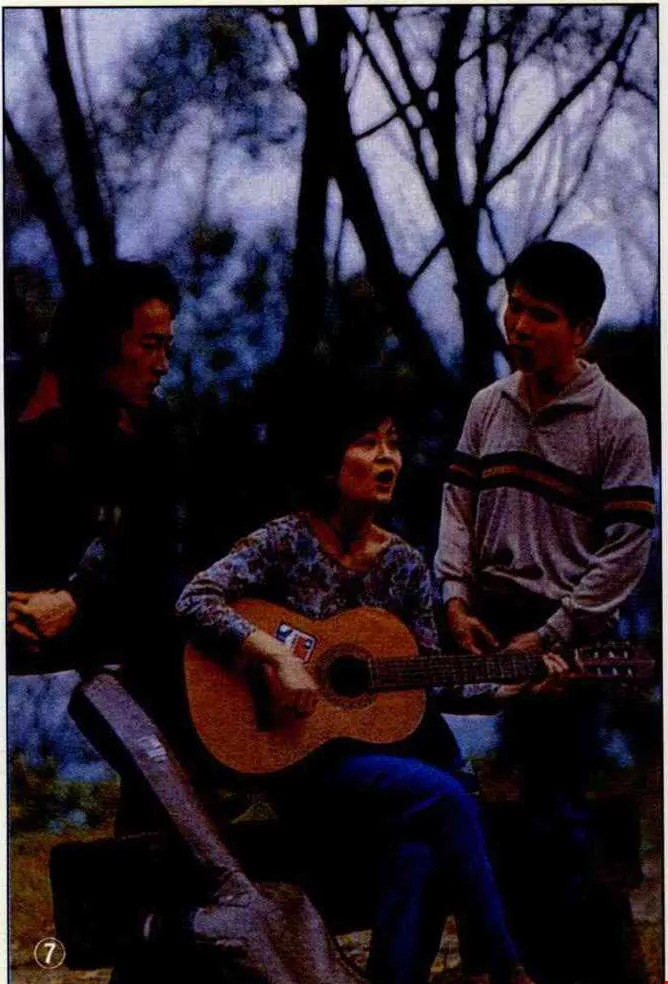
7. Chao Shu-hai (left), Liu Tsang-tai, and Li Chien-fu (right) were leaders in the first generation of campus folk music artists. Last year marks the 20th anniversary of modern folk music, and several major folk music concerts have recently been held in Taipei. (photo by Yang Yung-shan)
In this landmark year for Sinorama, we review the record our magazine has kept of the last 20 years. We can trace our growth through this record--whether it be of matters of lasting historical importance, snippets of the lives of the high and mighty, or simply stories of the daily struggles of ordinary citizens. And Sinorama's growth, it turns out, is the accumulation of our shared memories.
1. The very first Sinorama, from January of 1976, featured on its cover the Grand Hotel, then the most luxurious tourist hotel in Taiwan.
2. The government strongly encouraged people to do piece work at home, and there were many "home workshops."
3. April, 1976: Madame Chiang Kai-shek and family members pay their respects on the first anniversary of the death of Chiang Kai-shek.
Chiang's death symbolized the decline of strongman rule in the ROC.
4. On December 16, 1978, the US announced that it was severing relations with the ROC. Angry citizens took to the streets, the real estate and stock markets fell, and people went into panic as if disaster was just around the corner.
5. A year after the break with the US, the Kaohsiung incident occurred, throwing the political atmosphere into great tension.
6. In 1980, James Soong was director-general of the Government Information Office. His strong support of Sinorama set a firm foundation for our magazine. (photo by Lin Shan)
7. Chao Shu-hai (left), Liu Tsang-tai, and Li Chien-fu (right) were leaders in the first generation of campus folk music artists. Last year marks the 20th anniversary of modern folk music, and several major folk music concerts have recently been held in Taipei. (photo by Yang Yung-shan)
8. In 1982 Sinorama sent out three teams to file reports from Africa, Latin America, and Saudi Arabia. This was an assignment of unprecedented magnitude. (photo by Ouyang Chih-ting)
9. The phenomenon of "little overseas students" attracted great attention in the mid-1980s after a fighting incident at a Los Angeles school. The topic has long been an area of concern for Sinorama. (photo by Chien Yung-pin)
10. In the mid-1980s, Taiwanese traditional culture became a hot topic. The Taiwanese opera troupe Ming Hua Yuan changed the old performance format, injecting new life into this venerable art form. (photo by Chung Yung-ho)
11. Ang Lee's film The Wedding Banquet won numerous awards, and created an international sensation. Lee has recently won more awards for the film Sense and Sensibility. Last year is International Film Year, so movie topics are getting even more attention than usual. (photo by Diago Chiu)
12. In the early 1980s, cooperative R&D between the Industrial Technology Research Institute and manufacturers led to production of notebook computers. The electronics industry has become one of the successful examples of industrial upgrading in Taiwan. (photo by Diago Chiu)
13. The locally produced Indigenous Defense Fighter has attracted a great deal of attention in Taiwan. When the IDF appeared on the cover of Sinorama, that months newsstand supply completely sold out. (photo by Diago Chiu)
14. When Taiwan's stock market index rocketed up to 12,000 points, securities firms opened one after the other. By now, however, the boom has disappeared like a wisp of smoke. (photo by Diago Chiu)
15. Taipei City entered a "dark age" of traffic tie-ups when work began on the mass rapid transit system. (photo by Diago Chiu)
16. Industrial development brought prosperity, but now pollution has become a major problem. The photo shows water pollution, created by the metallurgy industry, on Taiwan's northeast coast. (photo by Pu Hua-chih)
17. Environmental pollution has reached unprecedented proportions. If it is not dealt with quickly, scenes like this one of wild birds playing beneath the Huachiang Bridge will soon disappear. (photo by Diago Chiu)
18. Aboriginal villages are usually located amidst mountains and streams. There are people trying hard to rescue their fading culture. (photo by Cheng Yuan-ching)
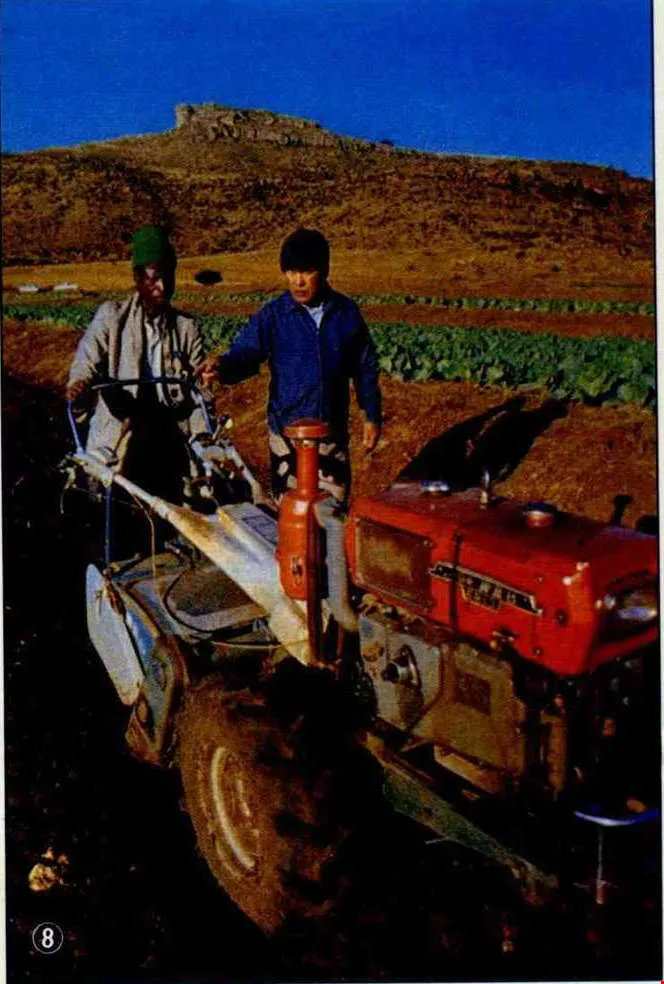
8. In 1982 Sinorama sent out three teams to file reports from Africa, Latin America, and Saudi Arabia. This was an assignment of unprecedented magnitude. (photo by Ouyang Chih-ting)
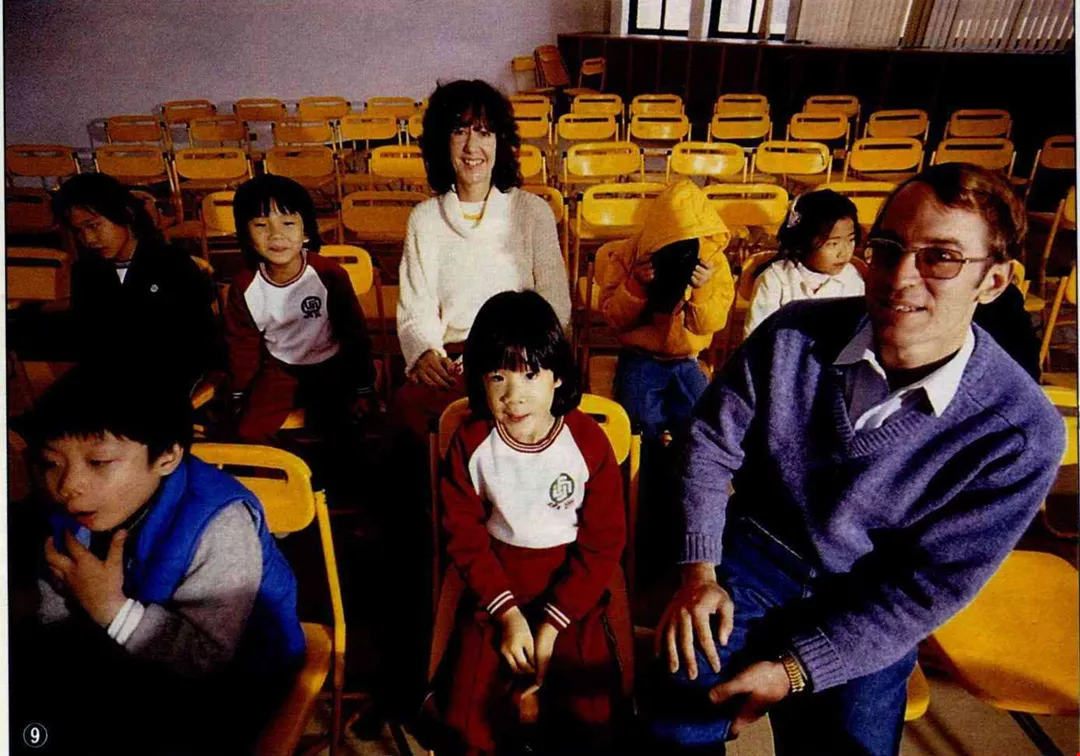
9. The phenomenon of "little overseas students" attracted great attention in the mid-1980s after a fighting incident at a Los Angeles school. The topic has long been an area of concern for Sinorama. (photo by Chien Yung-pin)
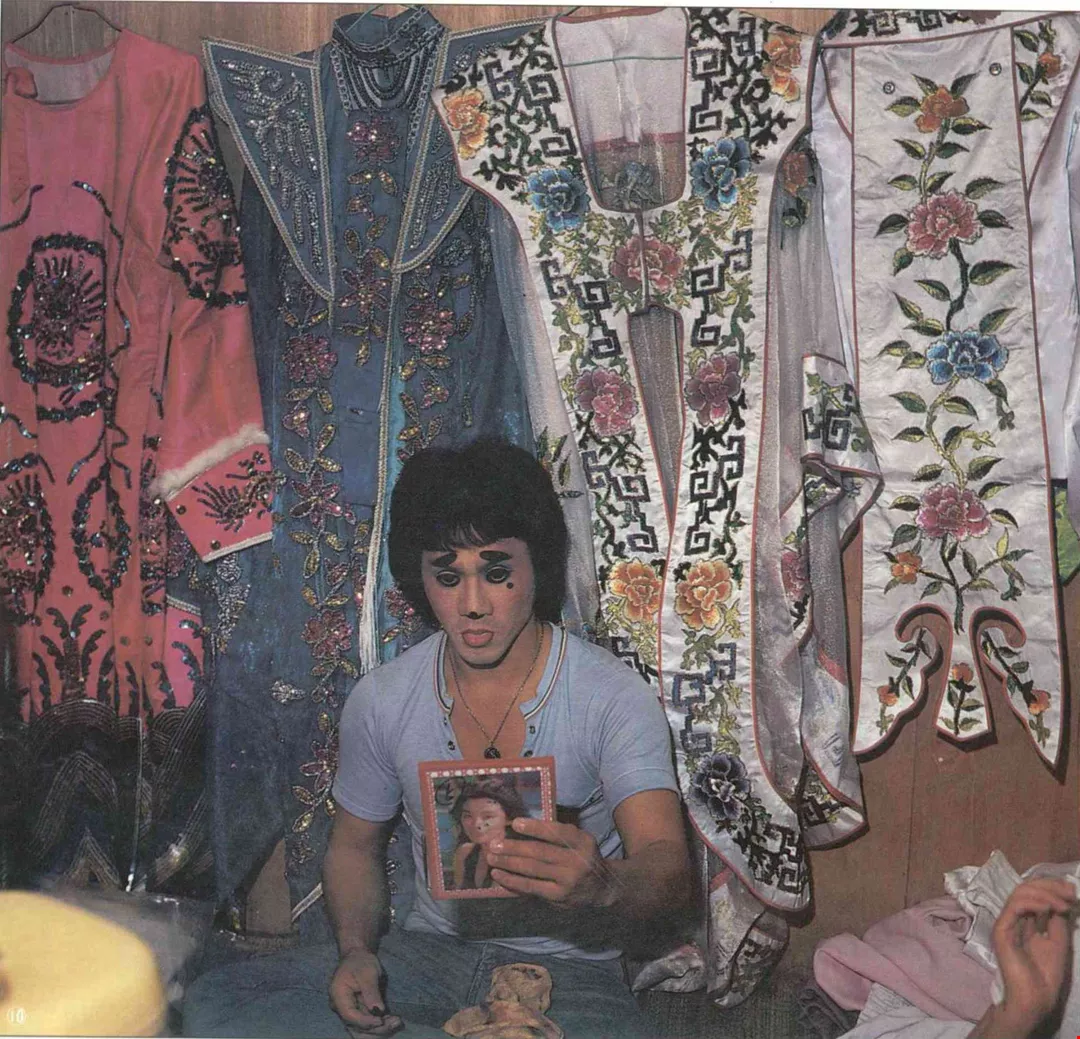
10. In the mid-1980s, Taiwanese traditional culture became a hot topic. The Taiwanese opera troupe Ming Hua Yuan changed the old performance format, injecting new life into this venerable art form. (photo by Chung Yung-ho)
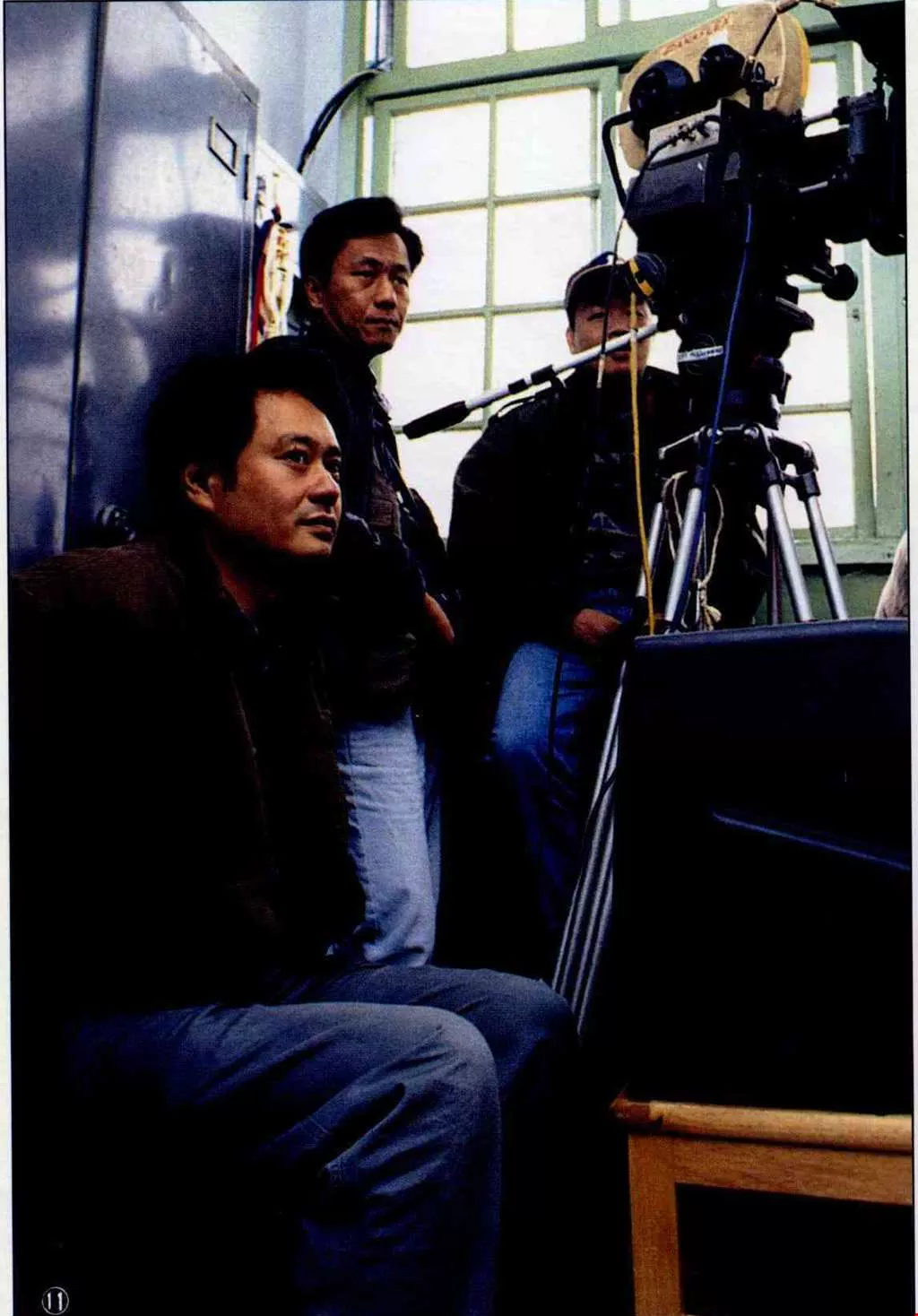
11. Ang Lee's film The Wedding Banquet won numerous awards, and created an international sensation. Lee has recently won more awards for the film Sense and Sensibility. Last year is International Film Year, so movie topics are getting even more attention than usual. (photo by Diago Chiu)

12. In the early 1980s, cooperative R&D between the Industrial Technology Research Institute and manufacturers led to production of notebook computers. The electronics industry has become one of the successful examples of industrial upgrading in Taiwan. (photo by Diago Chiu)
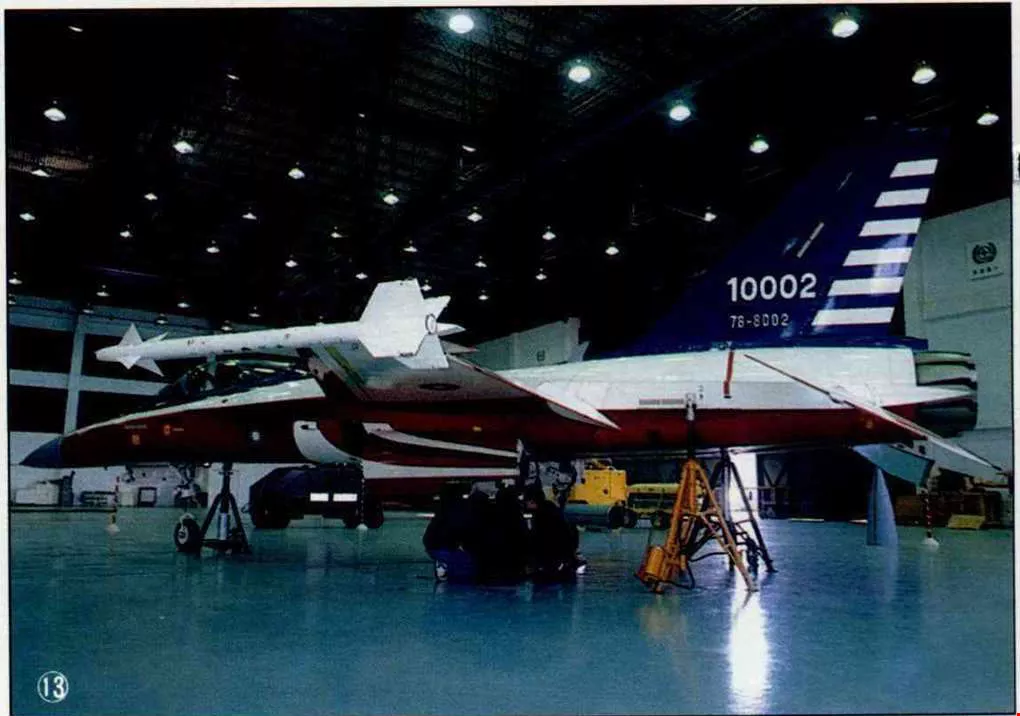
13. The locally produced Indigenous Defense Fighter has attracted a great deal of attention in Taiwan. When the IDF appeared on the cover of Sinorama, that month's newsstand supply completely sold out. (photo by Diago Chiu)
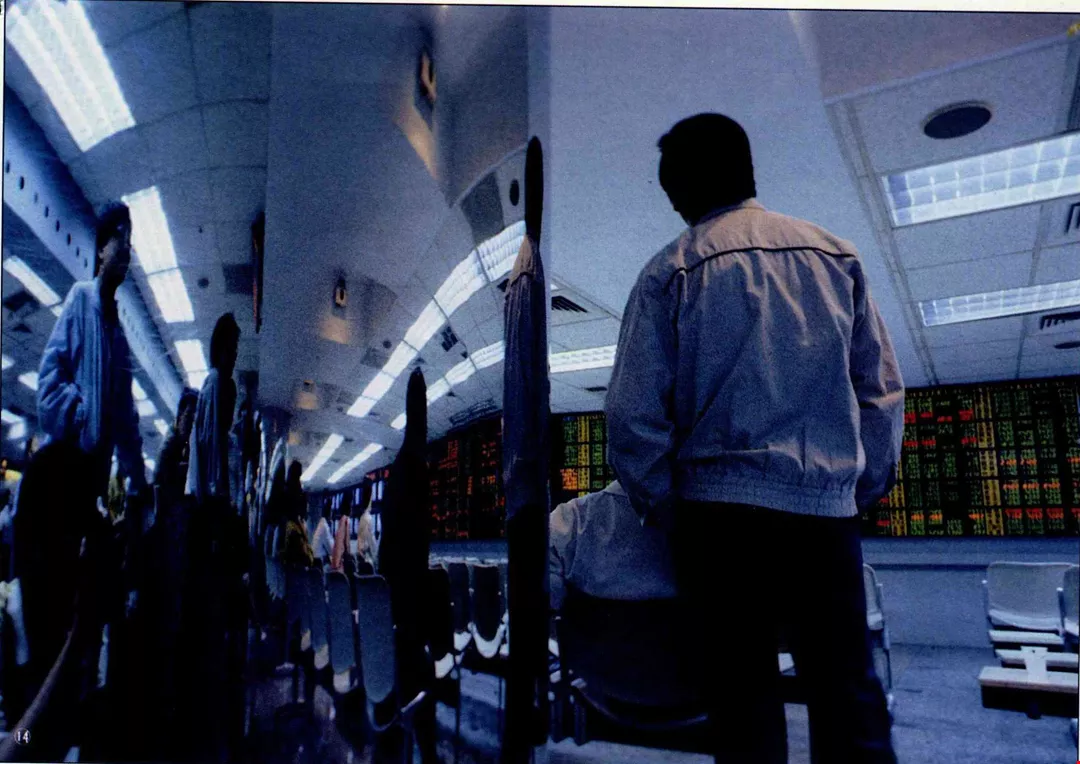
14. When Taiwan's stock market index rocketed up to 12,000 points, securities firms opened one after the other. By now, however, the boom has disappeared like a wisp of smoke. (photo by Diago Chiu)
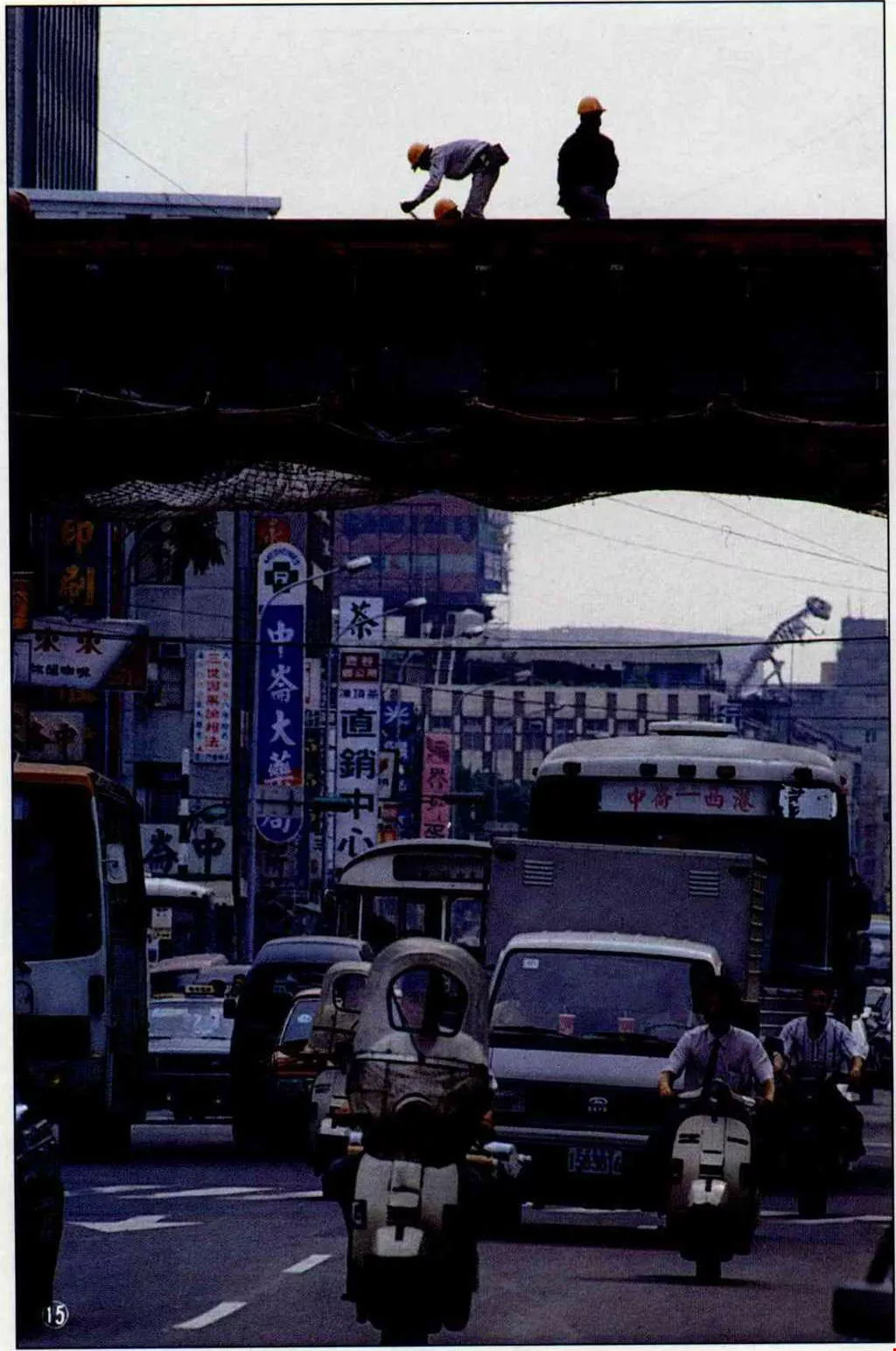
15. Taipei City entered a "dark age" of traffic tie-ups when work began on the mass rapid transit system. (photo by Diago Chiu)
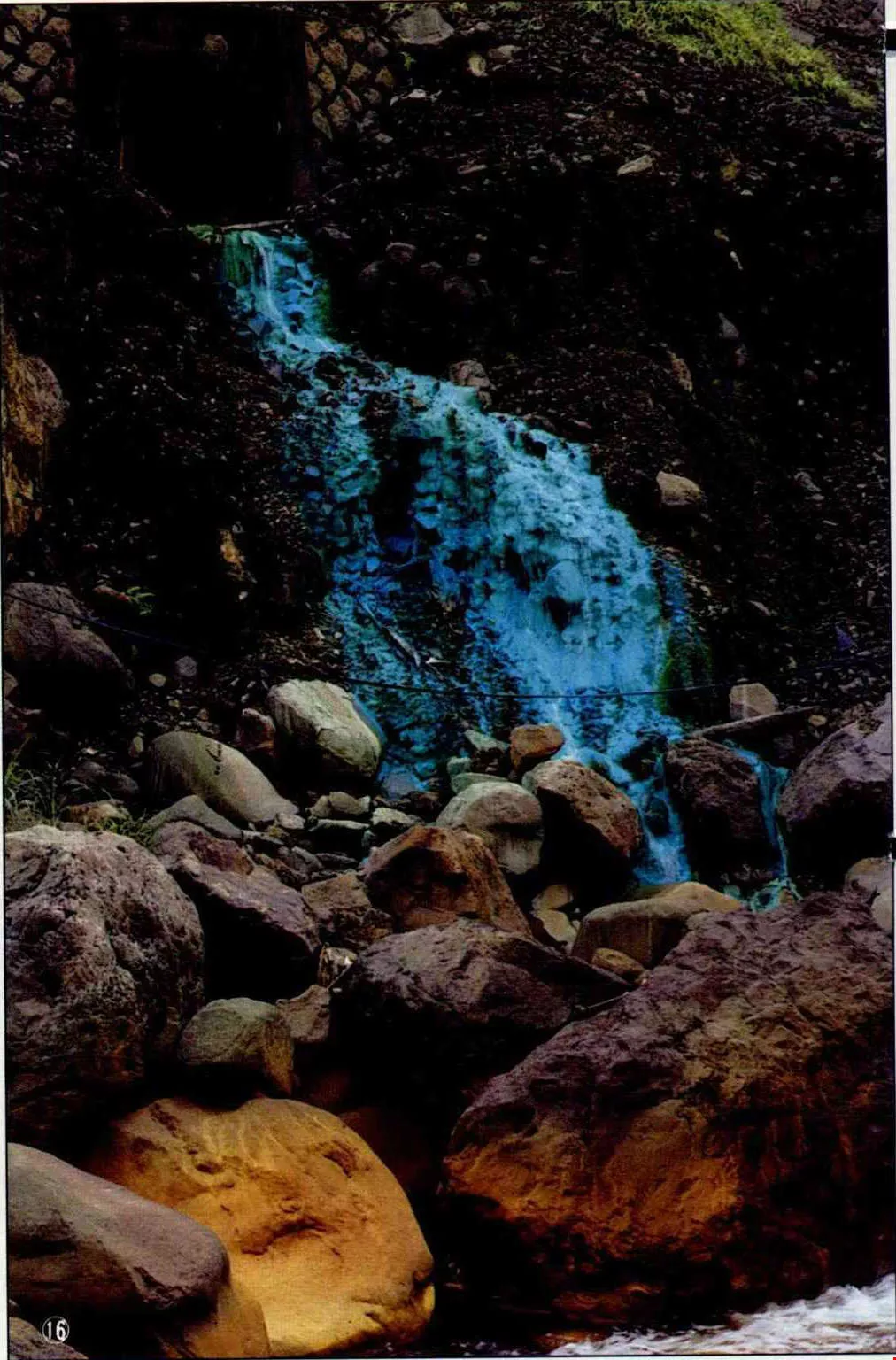
16. Industrial development brought prosperity, but now pollution has become a major problem. (photo by Pu Hua-chih)
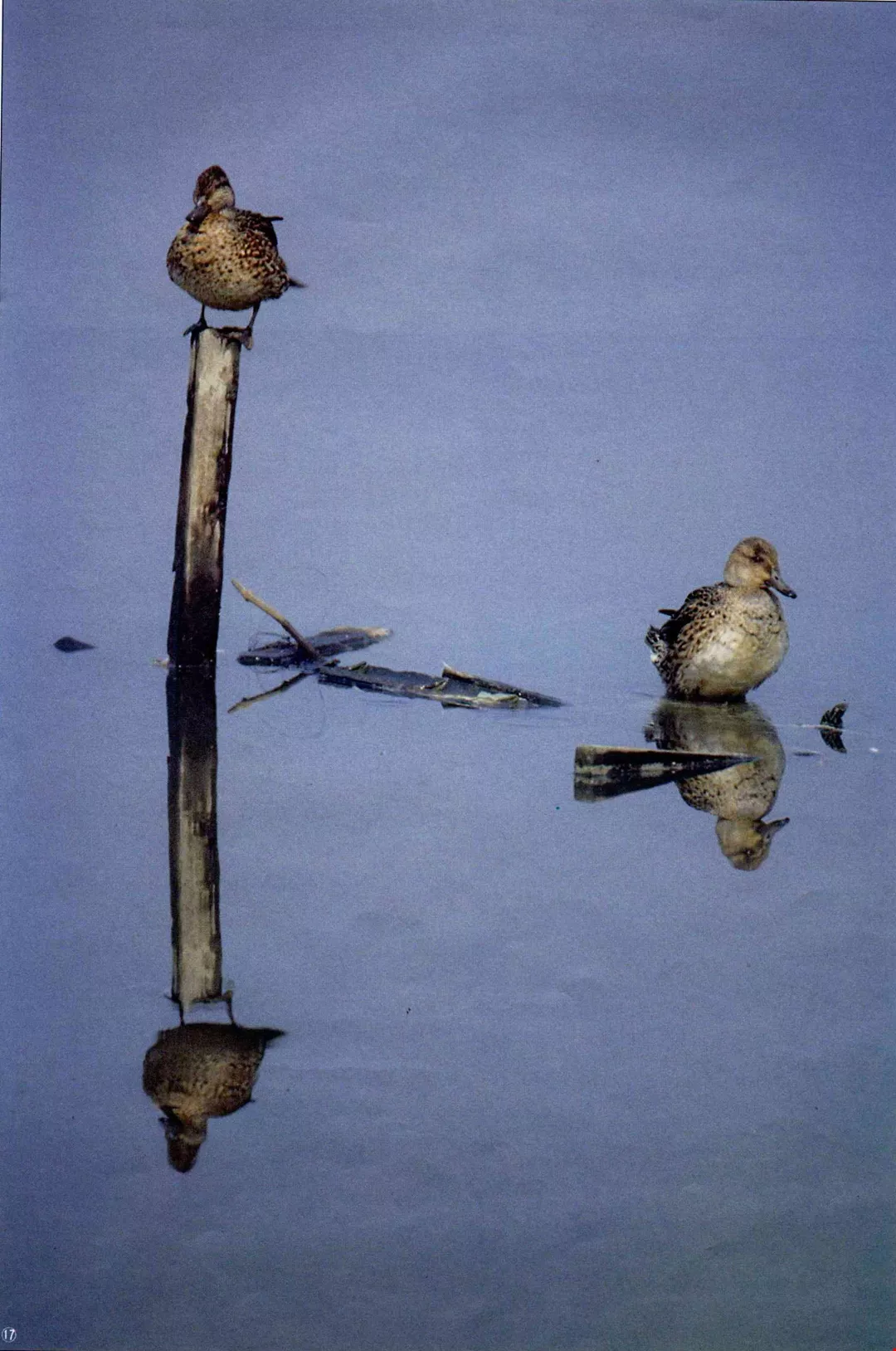
17. Environmental pollution has reached unprecedented proportions. If it is not dealt with quickly, scenes like this one of wild birds playing beneath the Huachiang Bridge will soon disappear. (photo by Diago Chiu)
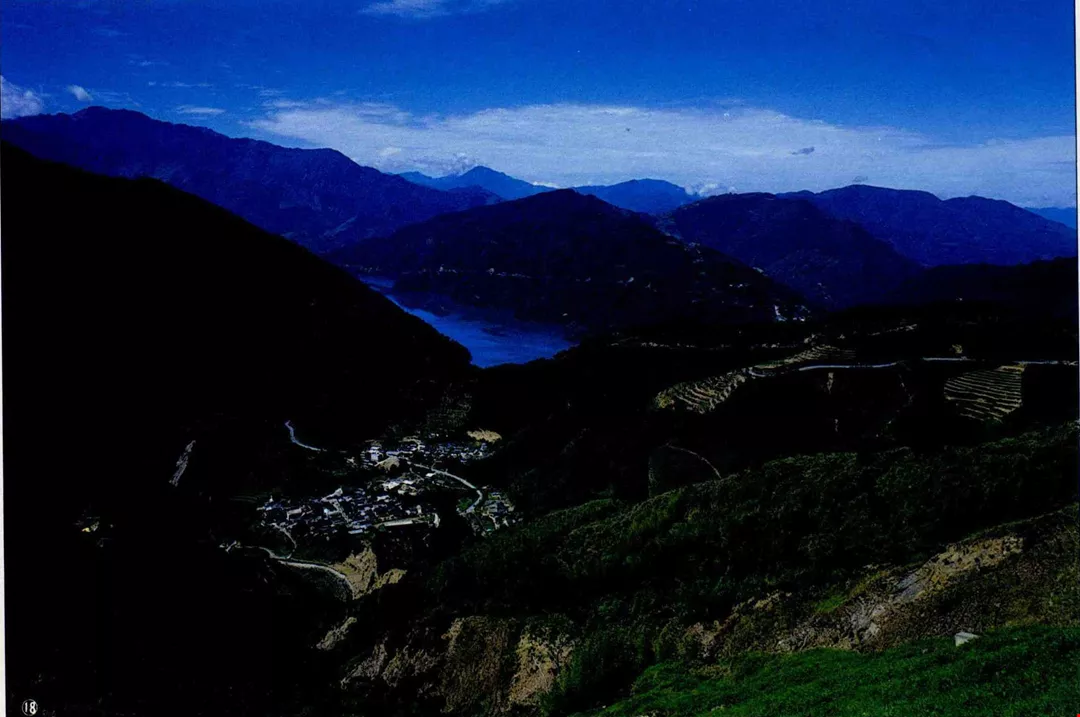
18. Aboriginal villages are usually located amidst mountains and streams. There are people trying hard to rescue their fading culture. (photo by C heng Yuan-ching)

@List.jpg?w=522&h=410&mode=crop&format=webp&quality=80)


