For the Love of Cinema- Lee Hsing's Lifelong Calling
Chang Meng-jui / photos Lee Hsing / tr. by David Mayer
July 1999


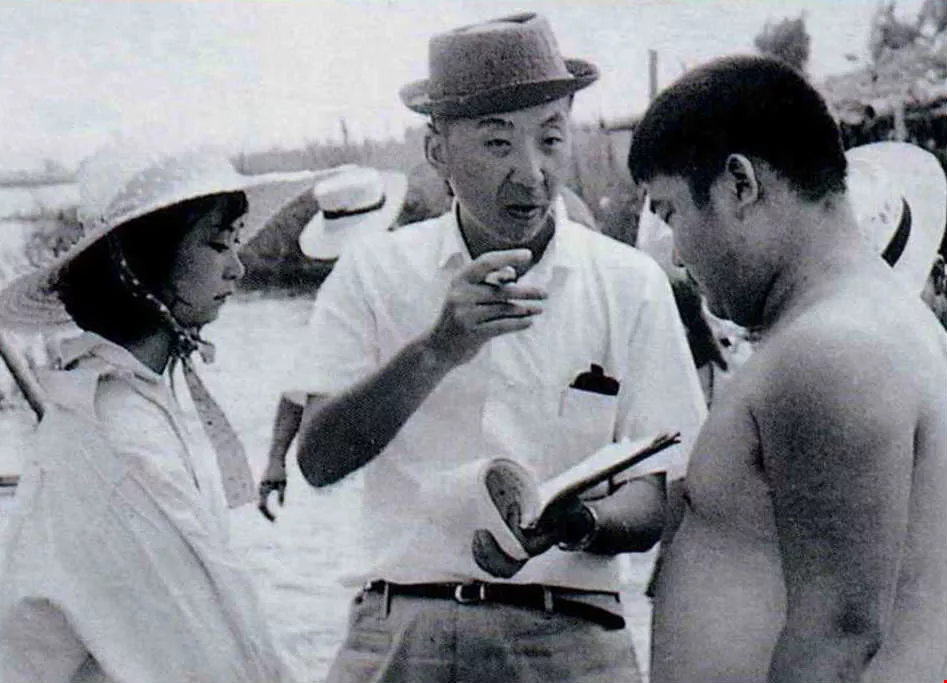
Lee Hsing is one of the most famous directors in the history of Taiwan cinema, and has had as many as nine assistant directors working under him at once. When he hollers "Camera!" everyone immediately goes silent.
July 3rd is the 70th birthday of director Lee Hsing, and this year also marks the 50th anniversary of his motion picture career. Friends from the movie world, such as Lin Fu-ti, Chang Yung-hsiang, Liao Hsiang-hsiung and Chiang Feng-chi are getting together to host a special banquet in his honor. Lee Hsing and his Luggage, a documentary film funded by the Spring International Co. and directed by Ho Ping, is now being rushed to the cutting room. A record of Lee Hsing's life and works, it is scheduled to be completed at the end of August, and will be shown in September at a celebration of films made in China and Taiwan during the last 50 years.
In recent years, a swarm of Hollywood movies has swept across Taiwan, adding salt to the wounds of the Chinese film industry, which has long been in a slump. Not long ago, Grandma and Her Ghost and The Personals both attracted nearly 10 million viewers, giving a shot in the arm to Chinese movies. Yet the era of director Lee Hsing was the true high summer of Taiwan film. Lee himself directed many motion pictures that won both critical and commercial acclaim. Twenty years ago, He Never Gives Up sold 12 million tickets, and Execution in Autumn, the centerpiece of the 1971 Golden Horse Film Festival, showed continuously for two months. Why exactly was this so?
For Chinese film, the 1960s was a period of transition. During this decade, the film industries of Taiwan and Hong Kong moved from a struggle for survival into a golden age, laying down the most resplendent page in Chinese film history. Lee Hsing, furthermore, was the most significant director of that era. Not only did he make important contributions to Chinese film, his influence in other areas was enormous as well. Lee was elected permanent chairman emeritus of the Directors Guild of Taiwan, ROC. He has been the mentor of many Taiwanese directors, and even well-known international directors such as Hou Hsiao-hsien point to him as a major influence in their careers.
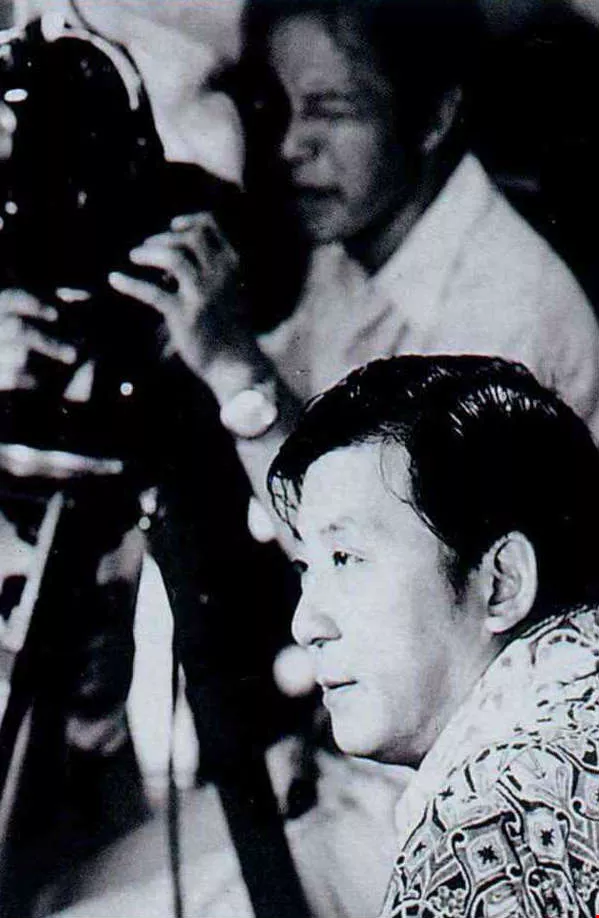
Lee Hsing (center) gives instructions to Tang Pao-yun (left) and Ke Hsiao-pao (right) in the filming of Beautiful Duckling.
"Good guy" from way backSenior film critic Huang Jen opines that the main reason Lee Hsing receives so much respect is his selfless contribution to the film community, as well as his integrity and his love of country, parents, friends, film and family. During the golden age of film when he made his most successful motion pictures, many people lost themselves in this glamorous atmosphere, and news of sex scandals frequently emerged. Lee Hsing never indulged in such affairs; he was always faithful in love. Huang Jen offered these words of praise: "He is upright and honest, one of the new breed of good guys."
The film critic Tsai Kuo-jung observes that most people in Taiwan's movie circles simply roll with the tides of fashion, and few are devoted to creativity. Only Lee Hsing has a unique style and is able to "teach a moral lesson in a fun way."
Chen Chen, once a leading starlet who worked with Lee Hsing for many years at Central Motion Pictures, describes him as the most outstanding director during the heyday of Taiwanese film. His professionalism and commitment established a standard for Chinese cinema.
Lee's success in film was hardly accidental. He got his start in entertainment 50 years ago, beginning as a stage actor. Later he became a professional actor, then a stage director, then a director of Taiwanese-language films. In 1958 Lee Hsing produced his first Taiwanese-language movie, Wang and Liu Go Sightseeing, starring Li Guan-chang and Shorty Tsai. Though no great achievement, this hilarious movie was extremely well received. Lee followed it in rapid succession with more than ten other comedies, such as White Bandit Seven and The Pig. Although these were not major works, Lee admits that this period was extremely important to him, because it gave him experience with camera work and other essential skills.
At the time, the budgets for Taiwanese-language films were small, there were no organized production schedules, and standards were generally not high. Many movie companies were flashes in the pan that quickly folded and left film makers to search for alternative plans. Lee Hsing, who graduated from National Taiwan Normal University's education department, did not want to seek a career in teaching, and faced the prospect of unemployment. At that time, he wanted more than anything else to work for Taiwan's largest film company, Central Motion Pictures, even if he had to be the lowest of assistants. Central, however, had no interest in him. He knocked on their door three times in eight years, but met with rejection each time.
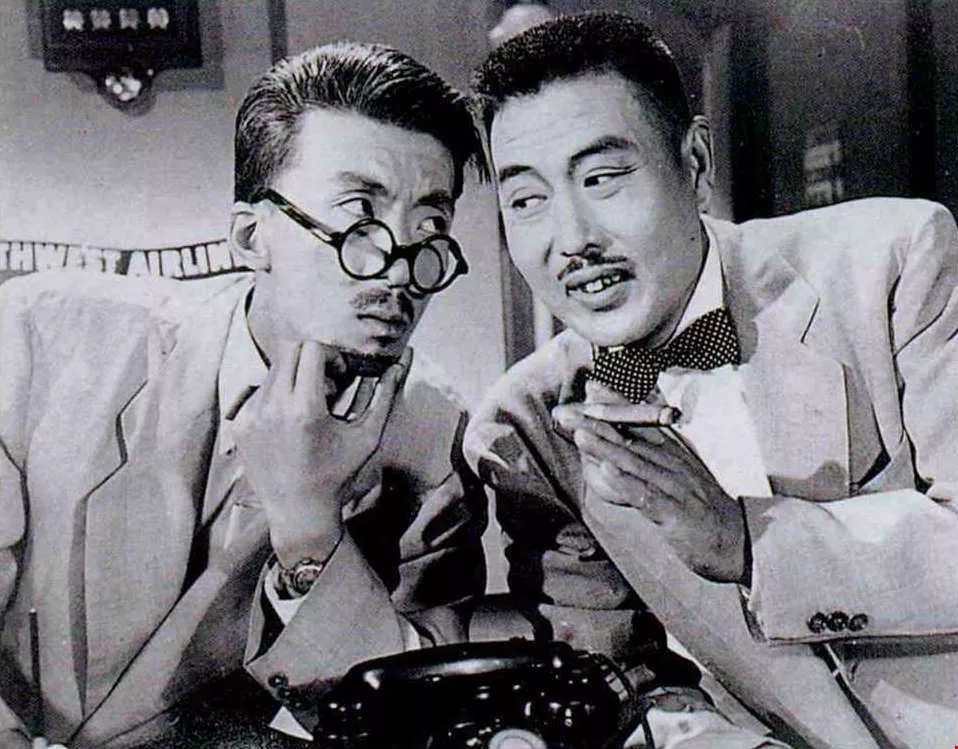
Lee Hsing jokingly explains that he became a director instead of an actor because directors mistreated him during his short career on screen. Here he plays the older brother of Jing Miao even though the latter is ten years his senior. The director made him glue on a fake mustache for the role.
Forefather of realismLee Hsing's father Li Yu-chieh, then quite renowned as the publisher of the Independence Evening Post, wanted to help his son realize his ambitions, and pieced together the funds for him to start his own film company. The Happy Couple, performed in a mix of Taiwanese and Mandarin, not only earned back its original investment, but made a profit as well. He consequently made another film, Around Town, this time completely in Mandarin. In this piece, the true brilliance of Lee Hsing was finally revealed.
Around Town attempted to liberate itself from established patterns, to move out of the studio and approach the real lives of ordinary people. In 1963 Kung Hung took over the reins of Central Motion Pictures. Extremely impressed with Around Town, Kung urged Lee Hsing to join the company and direct a film about the lives of duck farmers in the small village of Shetzu in the Taipei suburb of Shihlin, a film that would highlight the successes of Taiwan's national reconstruction. Having failed several times to make his way into Central Motion Pictures, this time Lee Hsing revealed his stubborn side. He refused to sign a contract with Central, but to repay Kung Hung for helping his career, he promised to make films for the company.
Beautiful Duckling was the second serious film that Lee Hsing made. The first one, The Oyster Girl, was directed by Li Chia, with Lee Hsing serving as second-in-command. Half-way through its filming, Lee began planning Beautiful Duckling at the request of Kung Hung. Lee, leading actor Ke Hsiang-ting and photographer Lai Cheng-ying all won their first Golden Horse awards with this film. Beautiful Duckling was also named the year's best feature film, and it marked the beginning of starlet Tang Pao-yun's rise to fame.
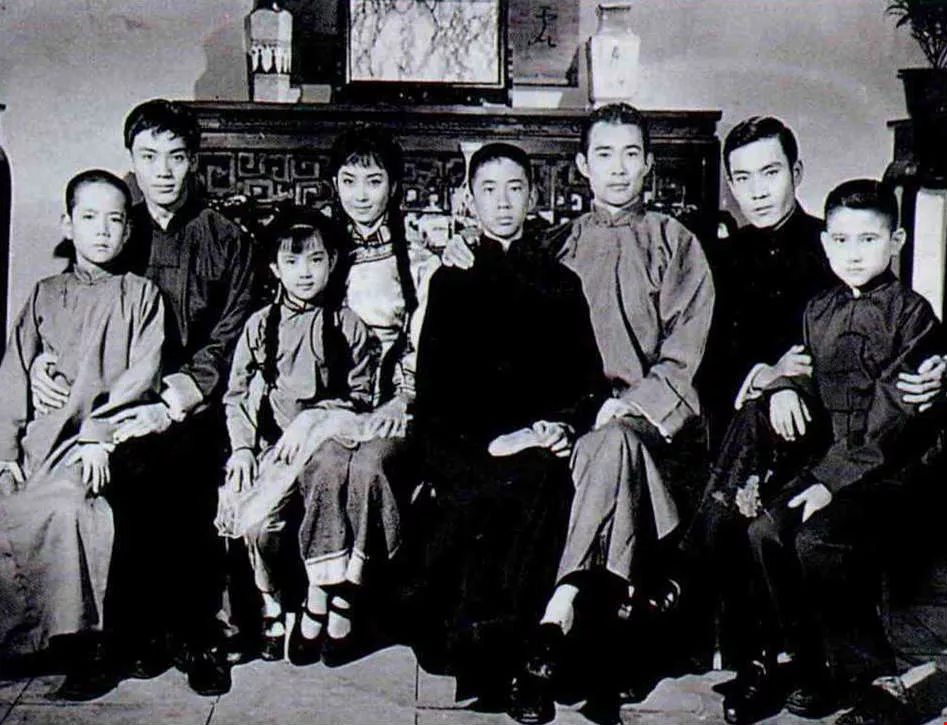
The cast of Four Loves (from left): Pa Ke, Feng Hai, Hsieh Ling-ling, Tang Pao-yun, Yan Chia-li, Chiang Ming, Wang Jung, Yu Chi-kung. Hsieh Ling-ling won a Golden Horse award for best child actress. (courtesy of Chang Meng-jui)
Award winner, star makerThereafter, Lee Hsing won the best director award at the 10th and 15th Golden Horse ceremonies, for Execution in Autumn in 1972 and He Never Gives Up in 1978. He became Taiwan's most award-winning director. Moreover, the actors and actresses working with Lee frequently won awards. Lucky collaborators included Ke Hsiang-ting, Tsui Fu-sheng, Ou Wei, Ke Chun-hsiung, Chin Han, Wang Mo-chou, Lin Feng-chiao, Sylvia Chang, Fu Pi-hui, and even the child stars Hsieh Ling-ling, Ou Ti and Cheng Chuan-wen. Lee Hsing is recognized by the industry as the director most able to create a star.
As Lee Hsing explains, few performers are born to be stars-they have to be promoted and exposed constantly through movies to impress the audience. For example, after Tang Pao-yun starred in Beautiful Duckling, Lee Hsing used her in Four Loves, Execution in Autumn and Love is an Elusive Wind, pushing Tang to the peak of her career.
The careers of Ke Chun-hsiung, Ou Wei, Chen Chen, Teng Kuang-jung, Chin Hsiang-lin, Chin Han and Lin Feng-chiao followed similar patterns. Chin Hsiang-lin was only a second-string actor in a Hong Kong film company. Because Teng Kuang-jung didn't have time to come to Taiwan after he finished Lee Hsing's The Colored Clouds Fly, Lee Hsing instead used Chin Hsiang-lin in his films The Heart With a Million Knots and Marriage, propelling Chin to star status. Together with Chin Han, he came to be known as one half of the famous "Two Chins" duo. Starting from The Colored Clouds Fly, Chen Chen performed in four consecutive films by Lee, each one posting impressive box office returns. The 1974 film Where the Seagull Flies was a particularly big hit.
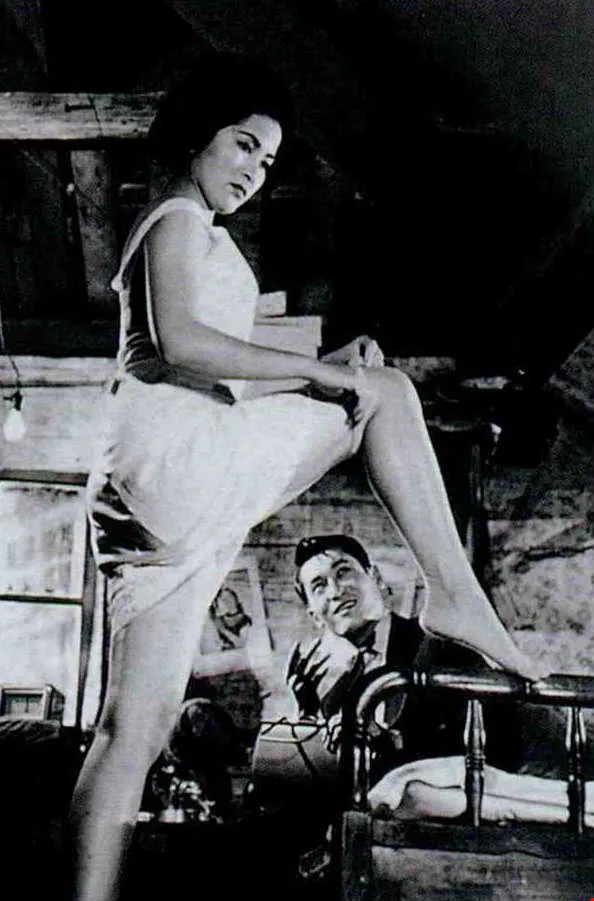
Around Town, which Lee Hsing directed 40 years ago, includes this provocative scene, with You Chuan playing the femme fatale. (courtesy of Chang Meng-jui)
Movies without womenNever one to content himself with box office success alone, Lee has always looked for ways to include his views on human nature and morality in his movies. With the exception of Execution in Autumn, however, every attempt in this direction has been a commercial flop.
After finishing with The Silent Wife, Lee filmed Chastity Memorial, The Road, and The Jade Buddha. Each one did poorly at the box office, especially The Road, which portrayed the relationship between a father and his son. Lee was always a great admirer of Elia Kazan for his skill in filming stories involving mostly men. The Road was an ambitious experiment. Lee and screenwriter Chang Yung-hsiang had originally prepared a story with no characters other than the father and son, but Kung Hung worried that the movie would be too boring, so he insisted on adding a woman named Li Hsiang to the script. Lee Hsing poured his heart and soul into the movie, spending 14 months in the making of it, but moviegoers stayed away in droves. There was one positive outcome from the movie, however, for it led to the establishment of the Central Motion Picture Studio. Lee had set up an entire street outside Central Motion Pictures in Shihlin to serve as an outdoor set for the movie, and after the movie was completed Central Motion Pictures bought the set and built the Central Motion Picture Studio that remains there to this day.
Lee's favorite among all his films has always been Execution in Autumn. The storyline is very simple. A violent criminal is sentenced to death in late autumn, and the sentence is carried out the following autumn. At first, the convict displays the temperament of a raging bull, and he yearns to escape. Later, however, his unassuming fiancee, played by Tang Pao-yun, marries him in prison, and the influence of her personality completely changes his outlook. He learns true repentance, and accepts his execution with calm. After filming the sober Execution in Autumn in an atmosphere that was correspondingly intense, Lee was in the mood to relax a bit with something more lighthearted. Working once again with Chang Yung-hsiang, Lee filmed Love is an Elusive Wind, a love story starring Ou Wei (looking every inch the Western cowboy) and Tang Pao-yun (dressed up in long European-style skirts).
Love is an Elusive Wind was quite out of character for Lee Hsing, and it took everyone by surprise. Many found it hard to believe that Lee would make such a movie. Lee himself has admitted in hindsight, "That was really a light-hearted movie, made at a time when I was just interested in having a bit of fun."
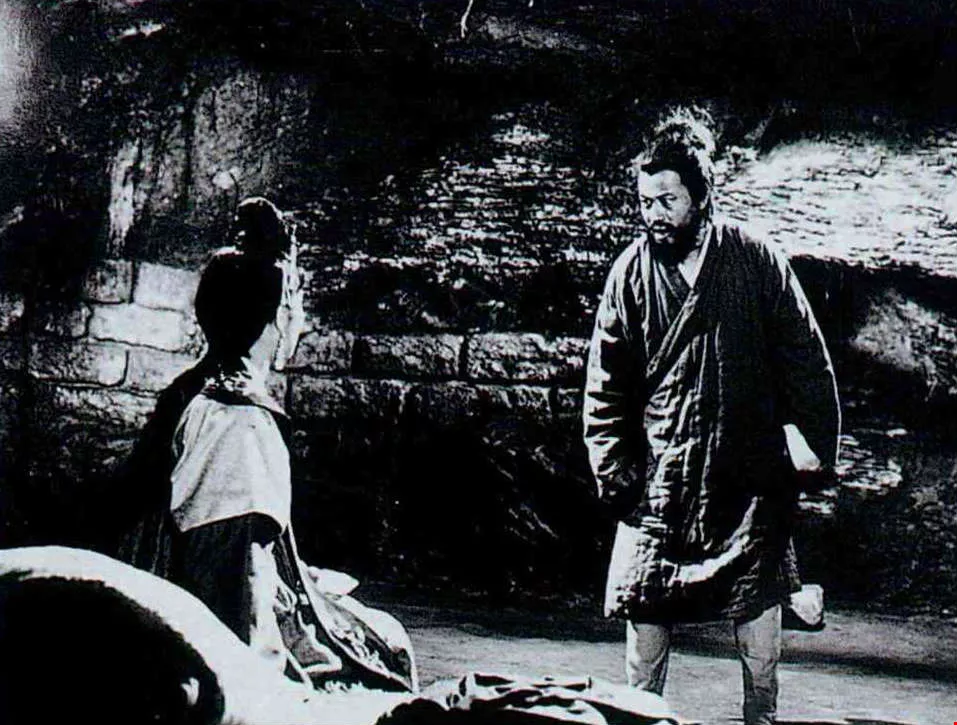
Lee Hsing filmed Execution in Autumn his way and turned out a box-office success.
Who's the best actor?As a director, Lee Hsing is a perfectionist. With the outstanding success of his movies and the fame that came to his performers, many actors made it a top priority to work with him. We asked Lee what kind of actors and actresses he himself prefers.
On the men's side, Lee indicates two favorites-Ou Wei and Ke Chun-hsiung. The biggest strength of both of these actors was their ambitious attitude toward their films. They always wanted to make a good film, and they always hoped that their current movie would do better at the box office than their last one had. On top of all that, these two actors got along like brothers, and often huddled together for a long time discussing their work. It was unfortunate that their relationship became strained after each sought the leading role in Execution in Autumn. They began seeing less of each other, but when Ou Wei died not long afterwards, Ke Chun-hsiung wept inconsolably at his bedside. Both actors were so good and so proud, says Lee, that no one could have done anything to prevent their falling out.
On the women's side, Lee feels that Tang Pao-yun, Wang Mo-chou, Chen Chen, and Lin Feng-chiao were all very good at grasping what the director wanted. Each of these four actresses was quite different from the others, and among them, Lee reserves special praise for Chen Chen. There is an old saying in the industry: "The gods made this one a star from birth." In Lee's opinion, the saying applies perfectly to Chen Chen. She always looked good no matter what the angle-from the left or right, from up looking down, from down looking up, from the front or back. . . . She even looked good when she had just woken up from a nap.
As for directors, Lee has effusive praise for Elia Kazan and Akira Kurosawa. Among Chinese directors, he particularly admires the late Li Han-hsiang. Li had a background in fine arts, and his characters, sets, and wardrobes reflected a deep knowledge in this area. Due to a lack of funds, Li developed an important moviemaking technique during the filming of Four Moods. (Lee Hsing explains that a different director was responsible for each of the four parts of the movie. Lee Hsing directed the "grief" portion, while Li Han-hsiang directed "joy".) The technique involved the construction of a miniature water mill set inside a very small filming studio. The trick worked superbly, and many other directors later borrowed the technique. Lee Hsing used it in Execution in Autumn to enhance the sense of depth and the general atmosphere.
Lee has not directed anything since The Heroic Pioneers in 1986, and much has changed since then. Under the influence of new cinematic fashions, Taiwanese films have become increasingly artistic. Today's movies emphasize individual style and creativity rather than a star-studded cast or plot tension. Movies today are becoming slower-paced all the time. In addition, due to competition from videos and cable television, the number of moviegoers is falling and movie studios are less willing to invest. Those interested in making movies have to rely on grants from the Government Information Office. The resulting movies cannot compare to those of the past. This has spawned a vicious cycle.
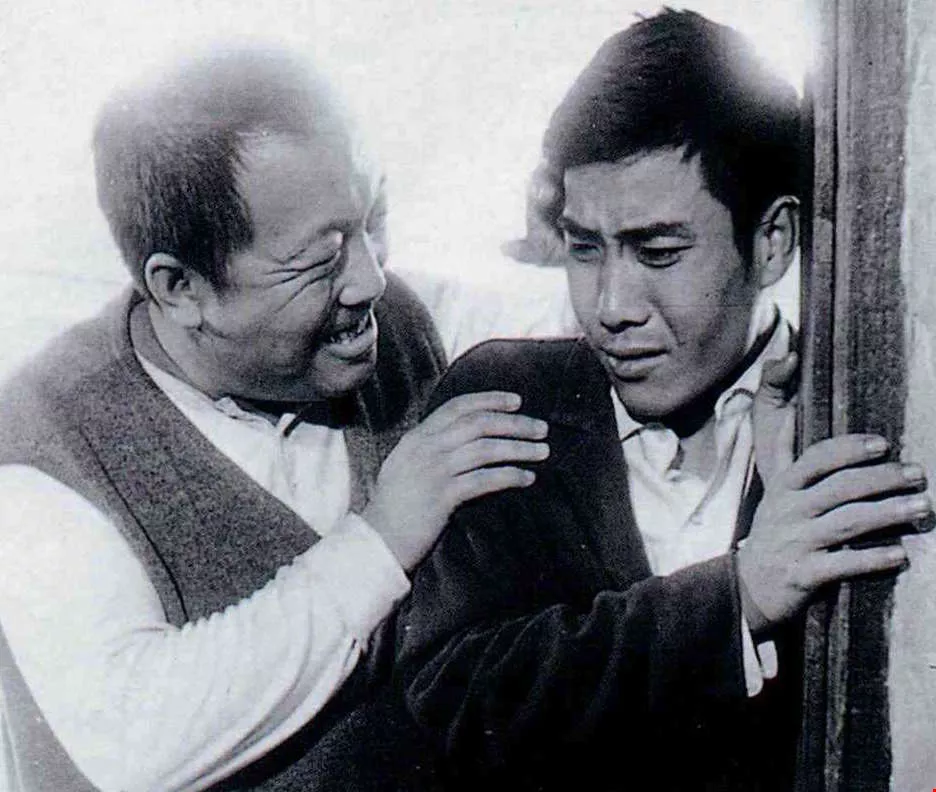
Lee also spent a lot of time filming The Road, which tells the story of a father and son (played by Tsui Fu-sheng and Wang Jung). It was a complete disaster at the box office, which caused Lee quite a bit of distress.
Sunset industry?Lee Hsing is saddened by these developments, but he remains as enthusiastic as ever about cinema. He is still very anxious to film Kneeling on a Hot Stone Slab, a project that has been on his mind for years. He had already begun filming this movie after completing Execution in Autumn, but the sudden illness and death of Ou Wei, who had been cast in the leading role, put the film on ice, where it has remained ever since. Lee has never given up on the movie, however, and everyone familiar with him knows how he feels about it. Lee's only son Lee Hsien-yi, who passed away three years ago, had been working hard to earn money to finance his father's project.
The generally unexcitable Lee gets choked up at mention of this tragedy. He explains that he was 67 at the time, and that the pain of outliving his son brought unbearable grief. In spite of the pain, though, he managed to console his wife, organize the funeral, and even produce a book telling the story of his son's life.
While going through his son's effects in the effort to compile the commemorative book, Lee learned many things he had never known about the son who had grown up in his shadow. Without making any fuss about it, his son had long donated blood, contributed money to charity, and worked like a madman trying to earn money for the filming of Kneeling on a Hot Stone Slab. His son had known perfectly well that in a depressed market for films made in Taiwan, no one in the industry would be willing to put up the money. He had devoted himself to the realization of his father's dream.
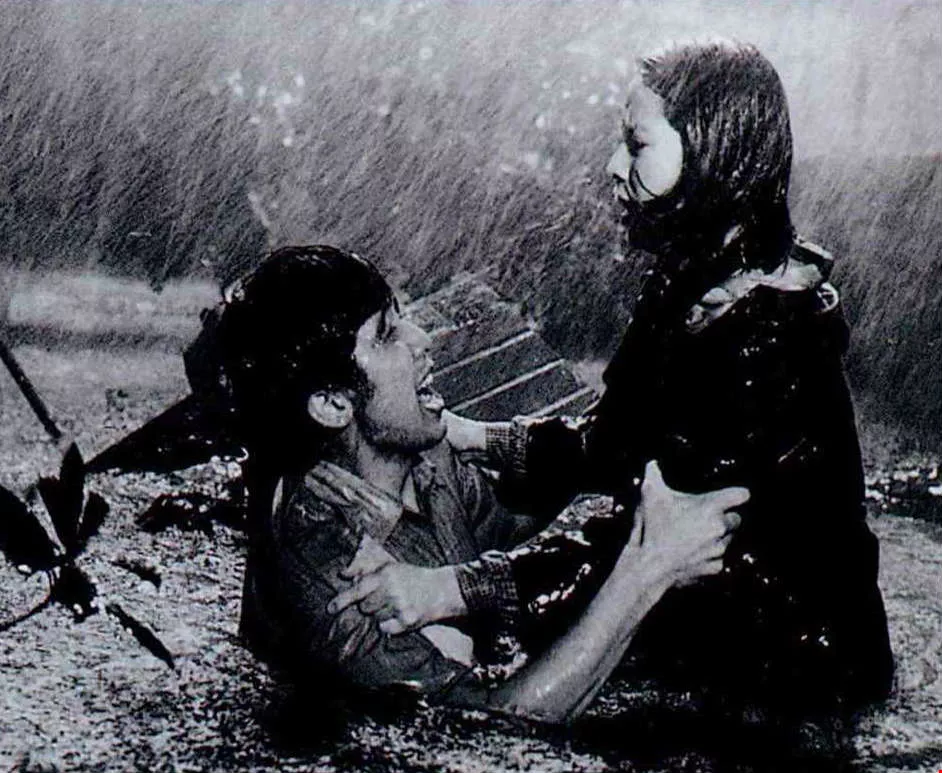
He Never Gives Up was both a critical and commercial success. The movie did well not only in Taiwan, but also in Hong Kong and Singapore. Chin Han won a Golden Horse award for best leading actor.
Film industry volunteerLee has been steeped all his life in traditional Chinese morality, and has always sought to inject his personal ideas into his movies, "teaching a moral lesson in a fun way," as the old Chinese saying goes. Many commentators have criticized Lee for being preachy, doctrinaire, and relying too much on stage techniques in his movies. Some even accuse him of sensationalism. Lee answers with a disarming, "That's me, alright! What else can I be?" To be sure, Lee could not change if he wanted to. He got his start as a stage performer. His university degree is in education. His father was a traditional intellectual deeply committed to the time-honored ideal of contributing to the welfare of the nation. All his life, he has maintained an austere devotion to the straight and narrow. What he values is loyalty, continuation of the family line, parental benevolence toward children, and respect and devotion in return. All of these values naturally show through in his films, and perhaps limit his freedom as a film maker. At the same time, however, one can take comfort in the way his son's life reflected upon Lee himself. Looking beyond the grief, Lee finds in his son's ideals a confirmation of his own values. He has every intention of living up to his son's devotion.
Lee notes that Akira Kurosawa and George Cukor continued working at a busy pace into their 80s. Lee still feels a sense of mission, and he is continually thinking about how to proceed. He has achieved significant successes over the last few years. The Golden Horse Awards (the Taiwanese counterpart to the Oscars) used to fall within the bailiwick of the Government Information Office, but Lee has managed to get the ceremonies transferred to the private sector. He is now involved in privatization of the Taiwan Film Cultural Company. His most cherished goal, however, is to film Kneeling on a Hot Stone Slab, and his biggest hope is to see a revival of Taiwan's cinema. He urges the new generation of Chinese-language film makers to target the market in mainland China, which offers the greatest potential for development. He sees himself as a "cinema volunteer," and intends to devote the rest of his life to the movie industry.
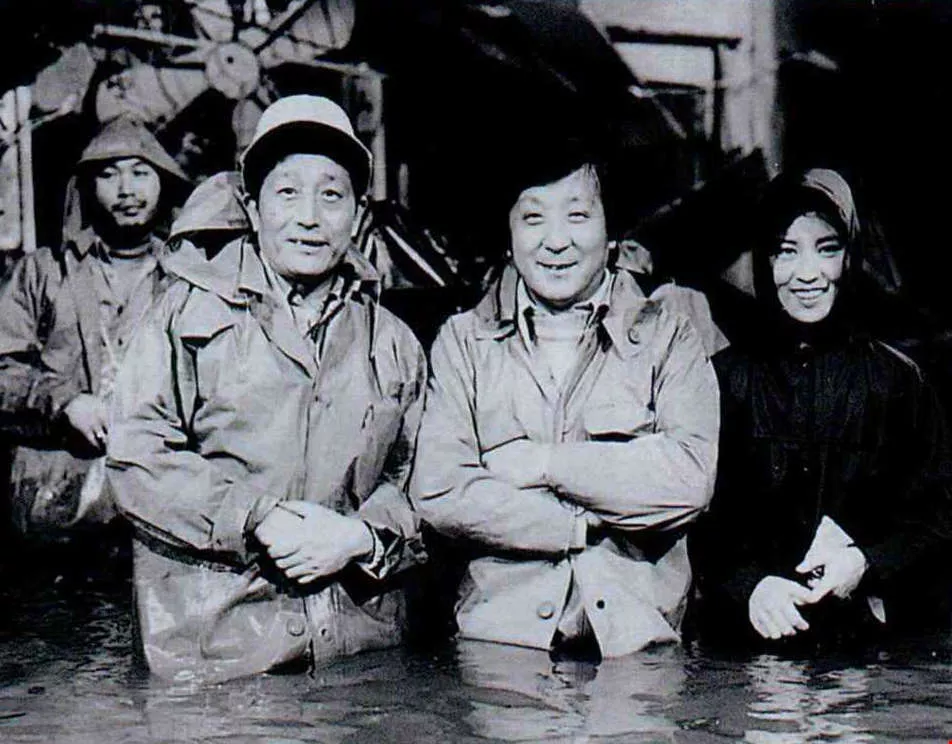
During the filming of He Never Gives Up, Lee sealed up the entire set and filled it with water to film a flood triggered by a typhoon. Here he takes advantage of a break in the filming to pose for a picture with lighting technicians and Lin Feng-chiao, his leading lady.
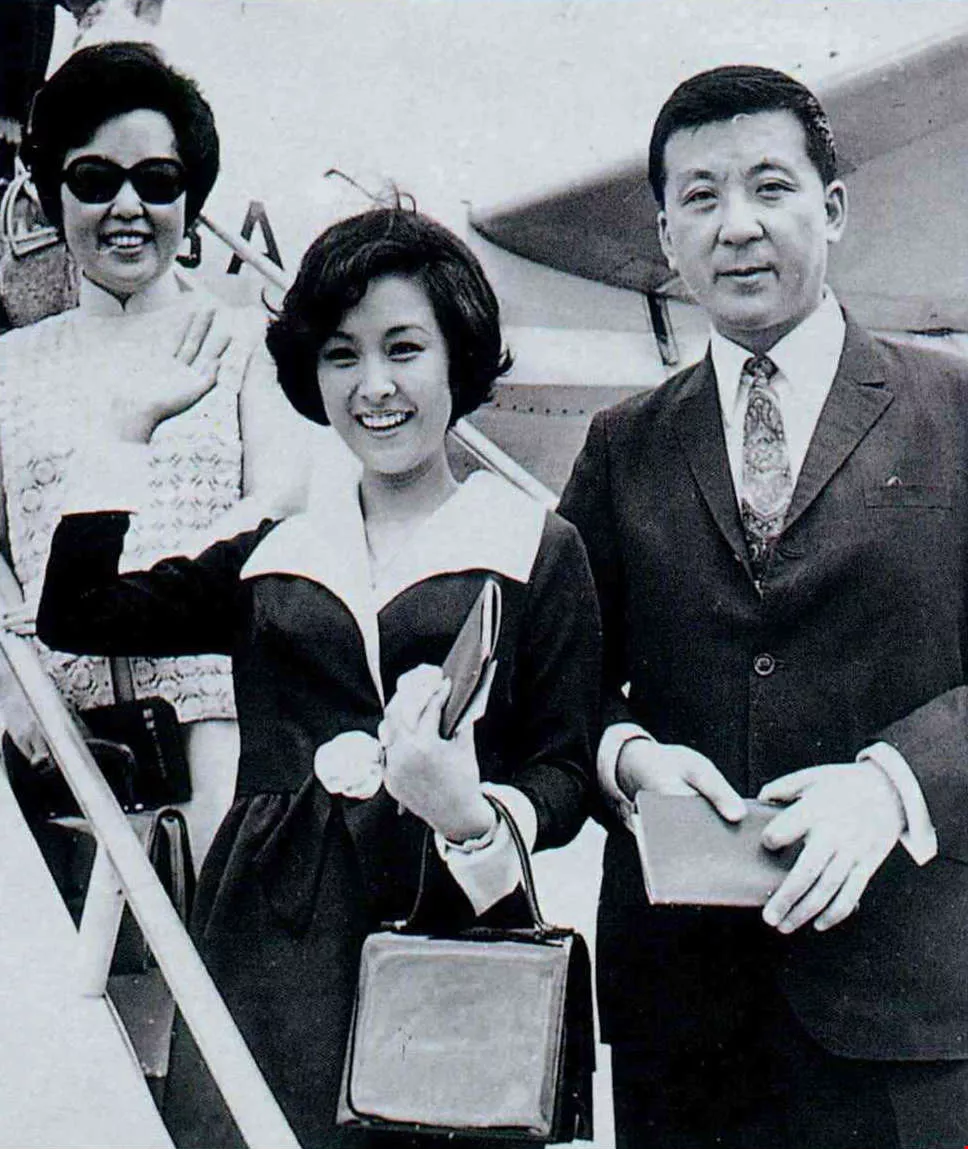
In 1969, Lee Hsing accompanied Chen Chen (center) to Hong Kong to promote Taiwanese-made films. The woman standing behind Chen Chen is her mother. (courtesy of Chang Meng-jui)
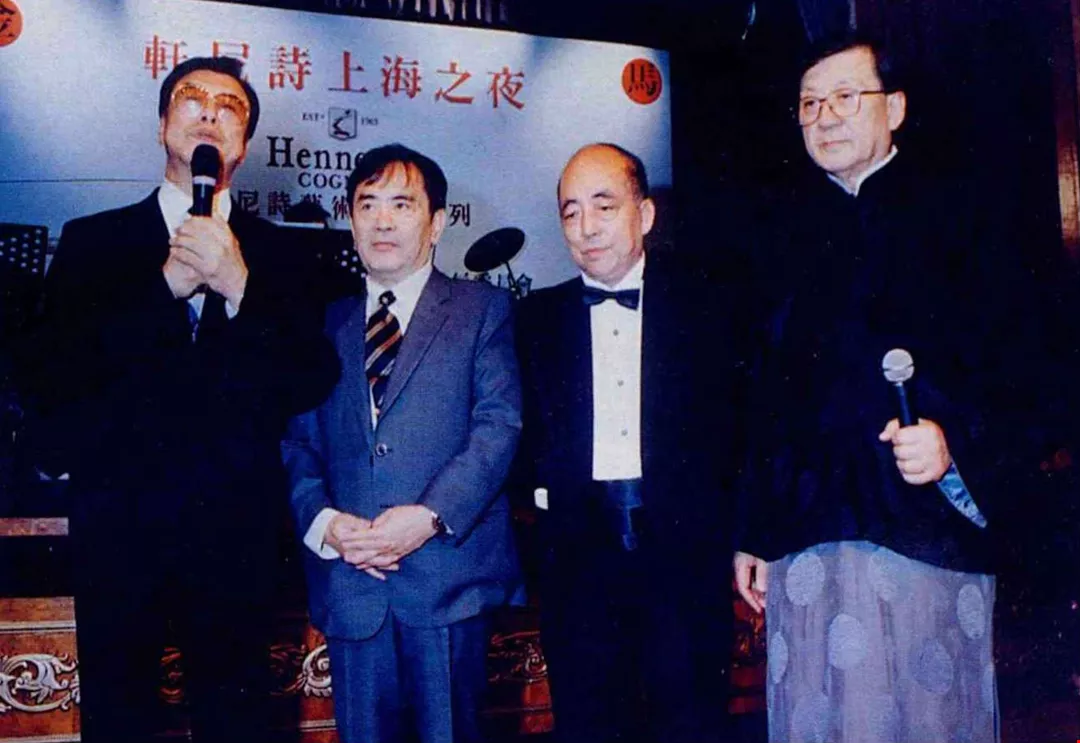
Recalling the past always stirs up a welter of conflicting emotions. Sho wn here are the four directors of Laughter, Anger, Grief and Joy--Pai Ching-jui, Hu Chin-chua n, Lee Hsing, and Li Han-hsiang. The movie has become a classic of Taiwan cinema. A quarter-century later, as the Taiwan film industry prepares to celebrate the 30th anniversary of t he Golden Horse awards, Lee finds himself in the lonely position of being the only surviving director of the four.
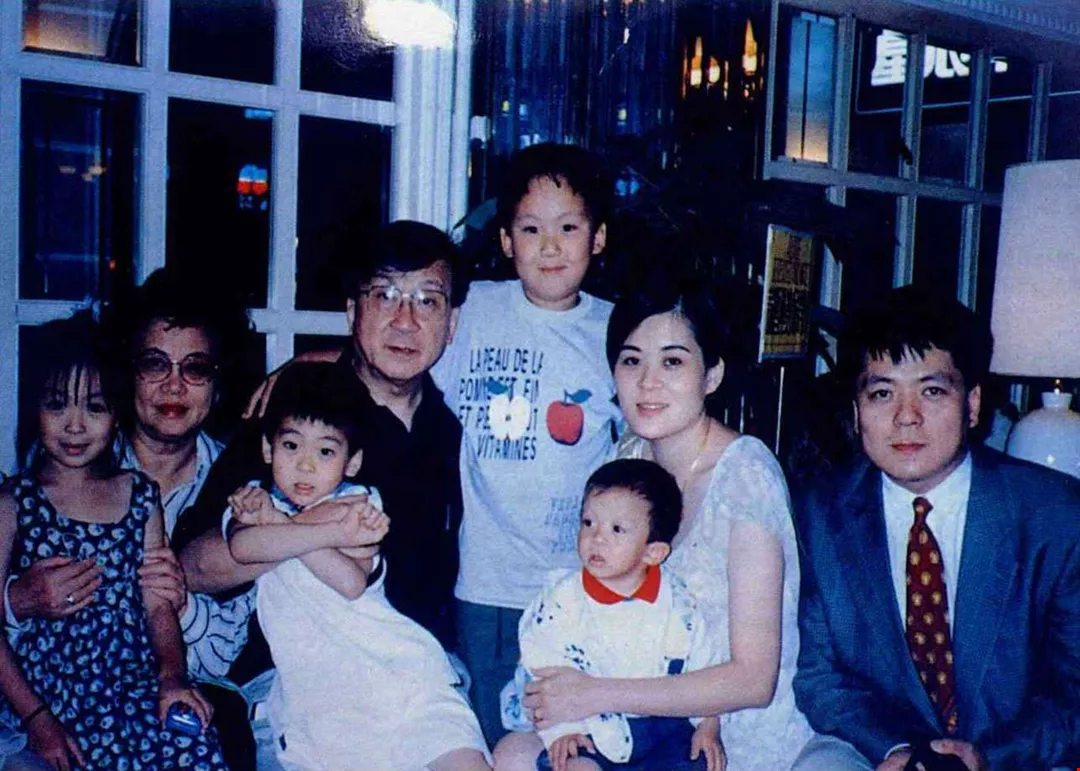
This family photo strikes a raw nerve, for the family's only son (Lee Hs ian-yi, on the right) has already passed away. Pushing on through the pain, Lee Hsing longs to realize the ambition he shared with his son--to film Kneeling on a Hot Stone Slab.


@List.jpg?w=522&h=410&mode=crop&format=webp&quality=80)

