Revealing Taiwan Through Design:
Apex Lin Gives Voice to Taiwan
Cathy Teng / photos Apex Lin / tr. by Brandon Yen
November 2025
World-renowned designer Apex Lin actively promotes channels for international exchange, giving Taiwan more visibility in global contexts.
In September 2025, the 34th World Design Congress and General Assembly took place in London. Coinciding with these prestigious events in the field of industrial design, the Taipei Representative Office in the United Kingdom presented Revealing Taiwan Through Design in its new London premises from September 10 to October 9. Curated by pioneering Taiwanese designer Apex Lin, the exhibition invited Londoners and international visitors to look afresh at Taiwan through the lens of design.
Apex Pang-soong Lin (b. 1957), who has long been preoccupied with Taiwanese subject matter, recalls how his design work came to be inspired by images of Taiwan.

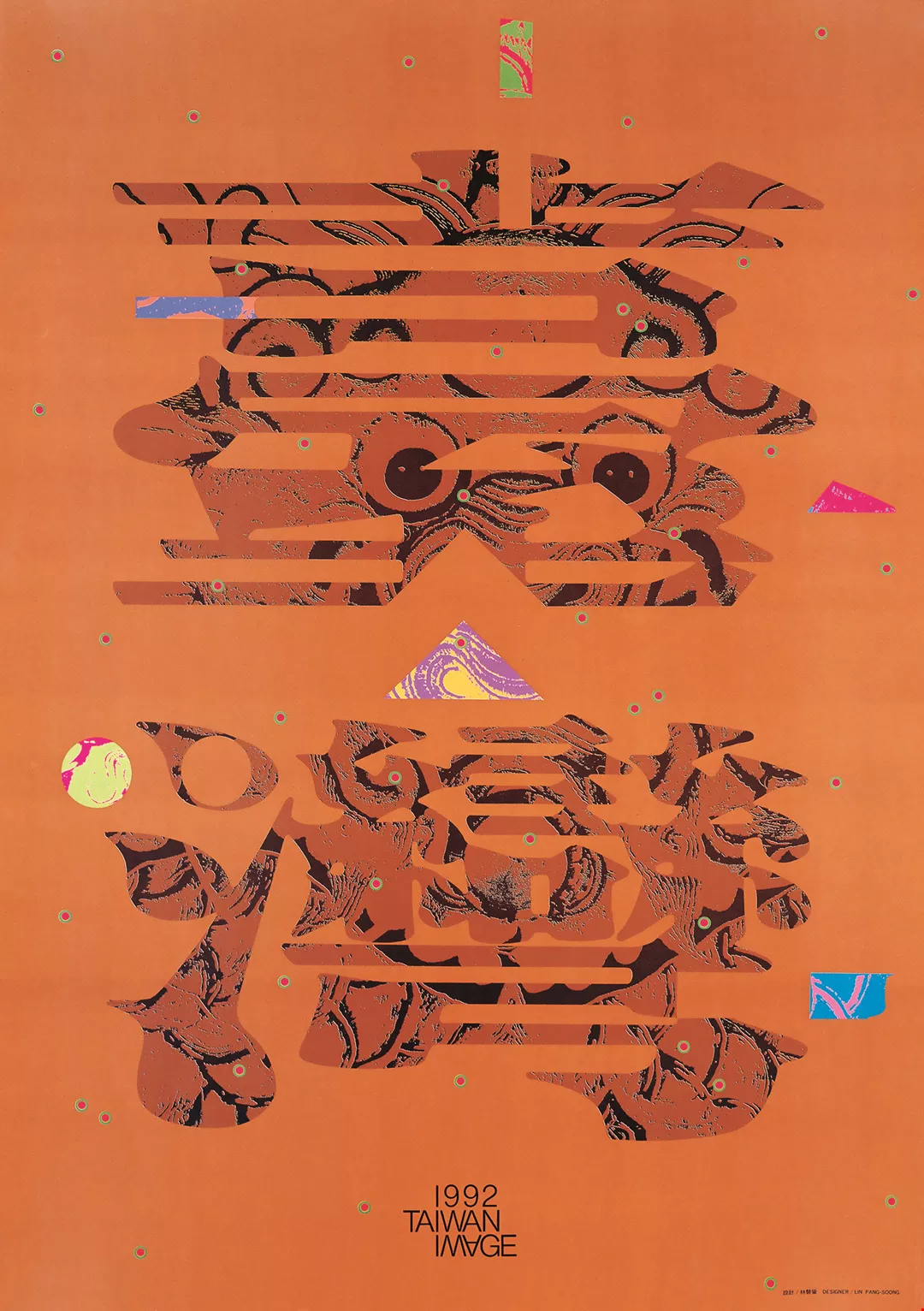
Apex Pang-soong Lin, Taiwan Image, 1992.
Giving voice to Taiwan
On a visit to Japan and South Korea in 1989 to investigate design trends, Lin found that these countries were already adept at altering their international images through the power of design. The experience made him realize that design was a vital force which could contribute to the visibility of a nation’s culture on the global stage. On the return flight, he learned that Hou Hsiao-hsien’s film A City of Sadness had won the Golden Lion award at the Venice Film Festival. Reminded also of the international fame of Lin Hwai-min’s Cloud Gate Dance Theatre (founded in 1973), he thought: “Design has its part to play, too.” He was determined to give voice to Taiwan by tapping into his expertise in design. In 1991 he and his colleagues established the precursor of the Taiwan Image Poster Design Association, encouraging their fellow designers to explore how to visualize Taiwan’s cultural contours, with a view to bringing the island to the attention of the wider world.

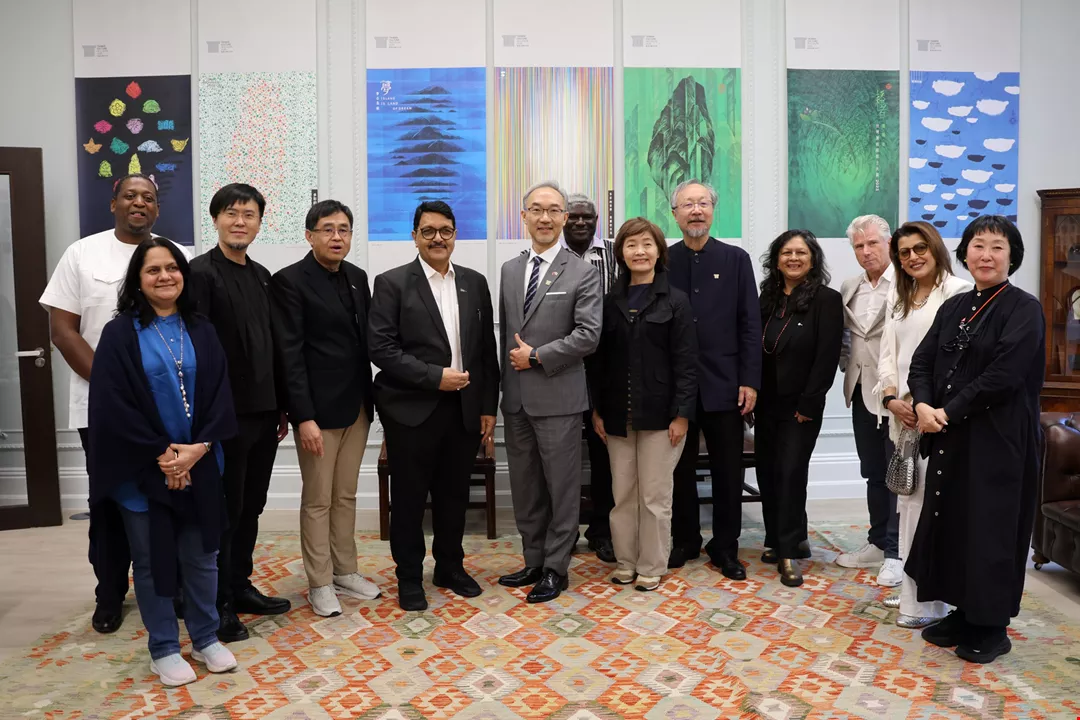
Revealing Taiwan Through Design was launched at the Taipei Representative Office in the United Kingdom in London in September 2025. Attendees included guests from the World Design Organization, the Pan-Afrikan Design Institute, and the International Design Centre, Nagoya.

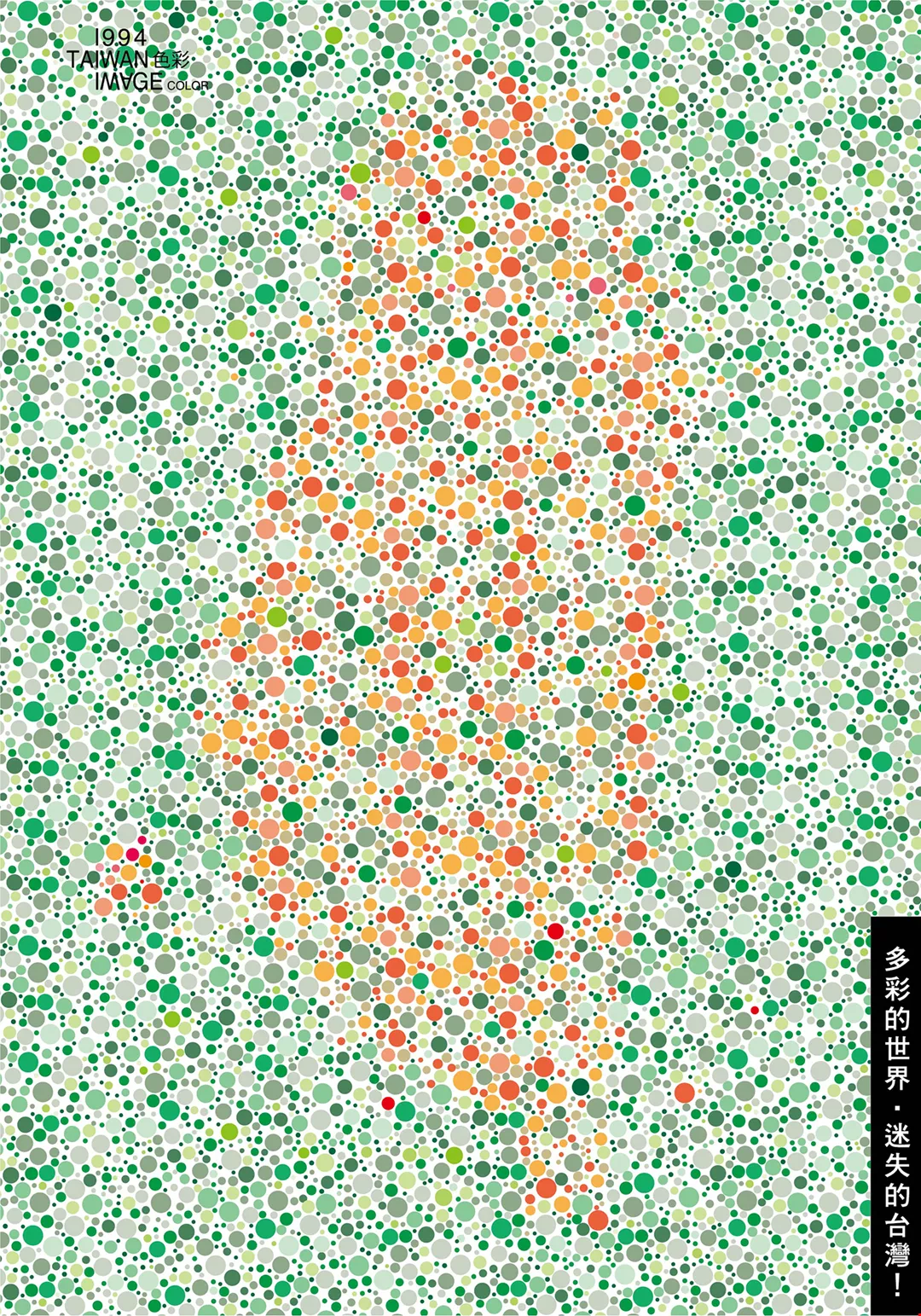
Apex Pang-soong Lin, The Colorful World, the Stray Taiwan, 1996.
Apex Lin has designed numerous Taiwan-themed posters, which have become widely known icons of the country’s identity.

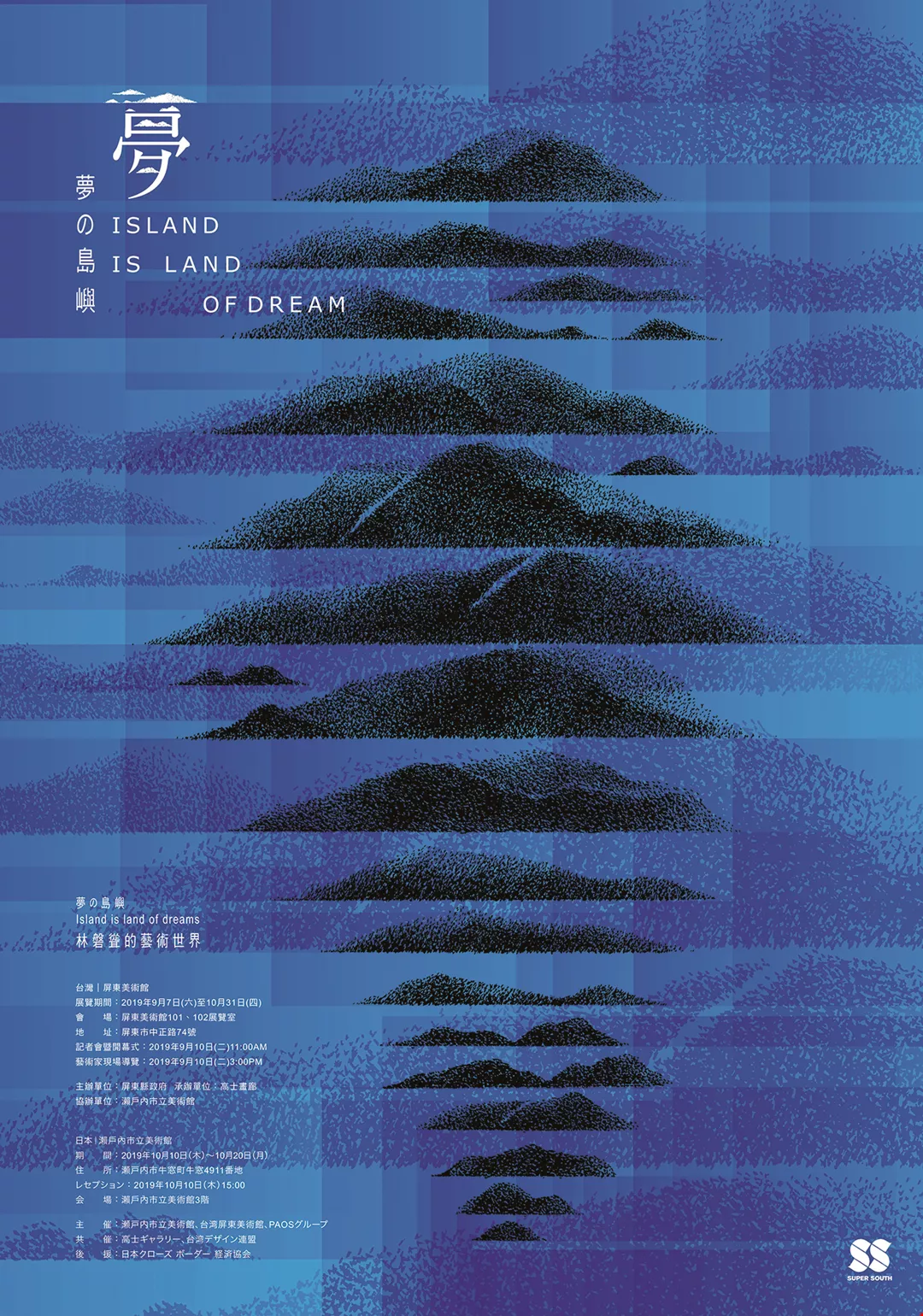
Apex Pang-soong Lin, Island Is Land of Dreams, 2019.

Apex Pang-soong Lin, The Colorful World, the Beautiful Taiwan, 2005.
Inspired by Taiwan
Commenting on the themes of Revealing Taiwan Through Design, Lin says that the posters exhibited are primarily concerned with “impressions of Taiwan” and “global goodwill.” In addition to Lin’s own works, posters designed by 26 other Taiwanese artists were on display. Remarkably diverse in style, they attest to Taiwan’s creative vitality and engage with international issues. Dedicated to design, this milestone for cultural diplomacy has shown the world that Taiwan is a beacon of freedom, diversity, and creativity.
Over the last three decades, Lin has created an abundance of Taiwan-themed designs, pinpointing Taiwan’s geopolitical situation, national characteristics, and spirit with startling clarity.
Lin’s The Colorful World, the Stray Taiwan (1996) is inspired by the Ishihara test, which helps detect red–green deficiencies in color vision. Using colorful dots to accentuate the shape of Taiwan, the poster looks plain but furnishes a trenchant satire of those who get lost in superficial impressions and turn a blind eye to Taiwan’s actual predicament. The Colorful World, the Beautiful Taiwan (2005), on the other hand, shows the island emerging mistily from countless colorful bands. These vertical neon streaks conjuring Taiwan’s silhouette symbolize Taiwan’s achievements in computer technology and in the cultural and creative industries, demonstrating to the world the island’s value and beauty. The contrast between the two posters reflects the artist’s evolving meditations on Taiwan.
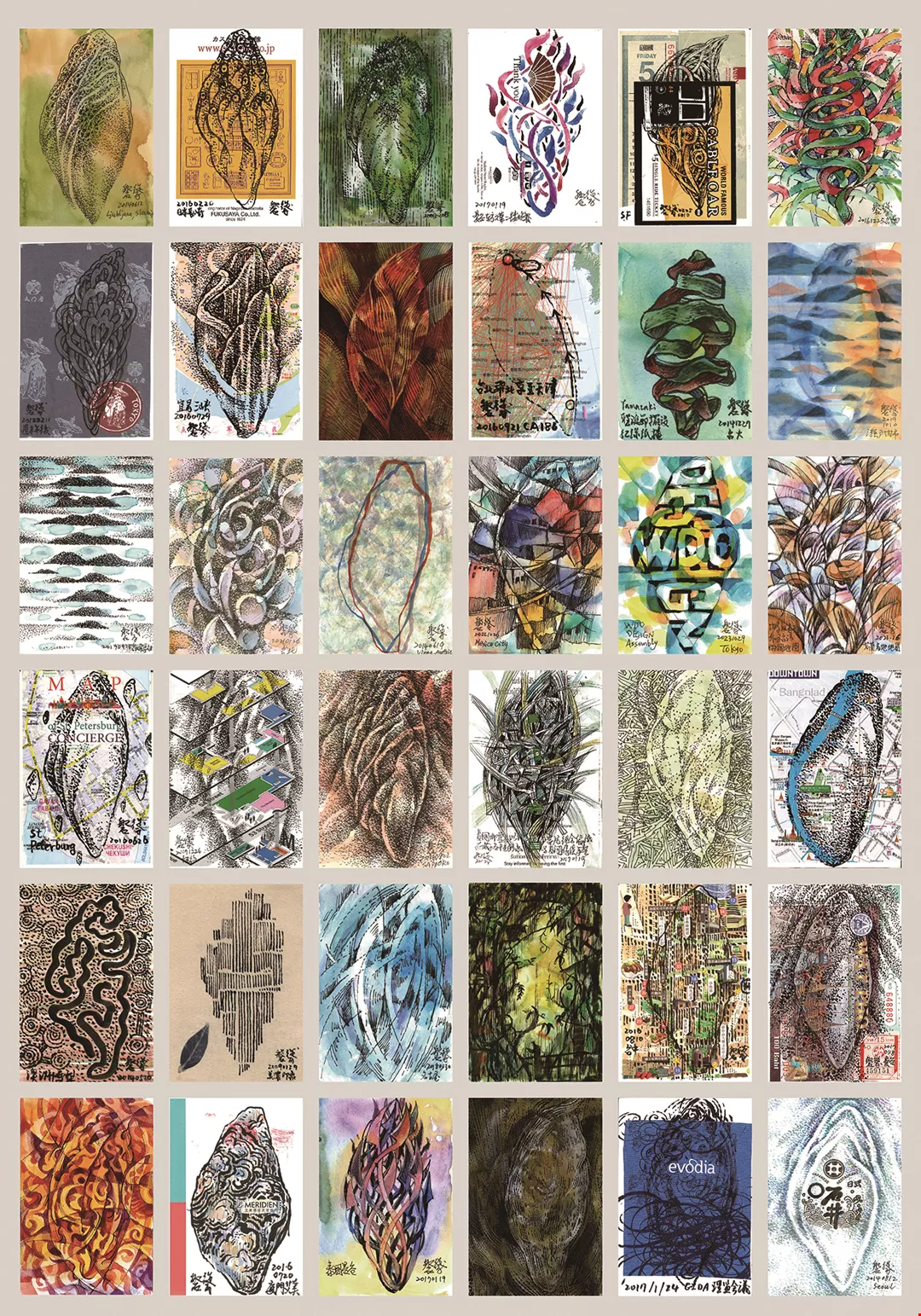
In 2007 Lin won the National Award for Arts in the fine art category. As well as being the youngest awardee, he remains the only designer to have received this honor. His visions of Taiwan have taken shape as strikingly memorable posters. Since 2008, while traveling by air or during his free time, he has been using brush pens, fountain pens, and technical pens to create pointillistic representations of his beloved homeland, drawing on a variety of motifs such as foliage, flowers, and vines. The resulting images belong to a distinctive series called Letters Home to Taiwan, which is a work in progress.
Other posters featured in the exhibition reveal the designers’ preoccupations with issues that carry global weight. Lin’s Peace (2000) uses the image of a one-way street to suggest that peace is the only way forward for humankind, while his Life (1998) has a simple red cross set into the typography of the word “life.” Lin also selected Lin Horng-jer’s Formosan Landlocked Salmon (2008), Lai Yueh-hsing’s Dove of Peace (2024), and Leo Chun-liang Lin’s Human and Water (2000) to underscore urgent ecological and sustainability issues. They all proclaim that Taiwan is an intrinsic part of the world.

Draw Wang, Taiwanese Sports Spirit of the Paris Olympics: The Blue Magpie, 2024.
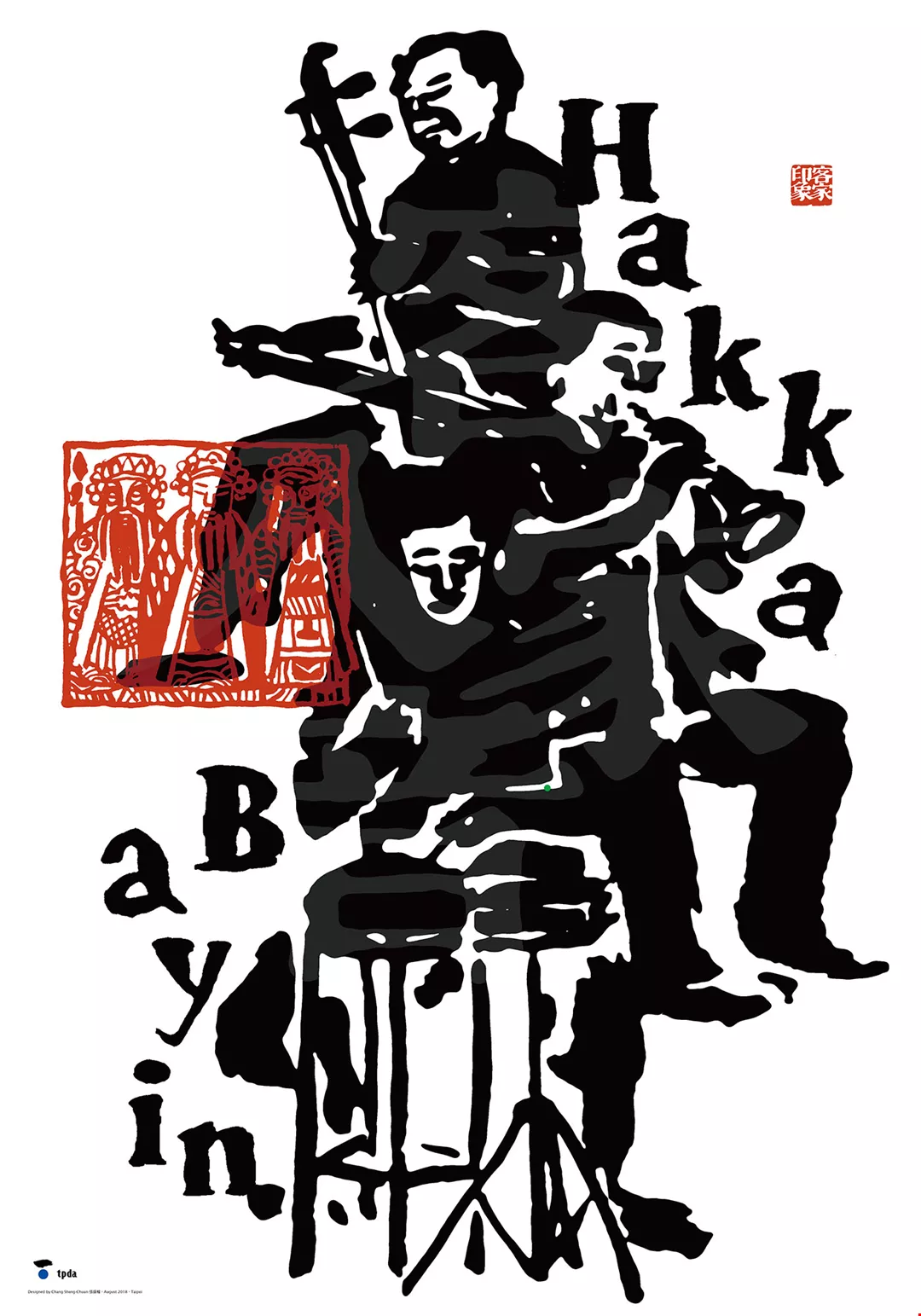
Chang Sheng-chuan, Hakka Bayin, 2018.
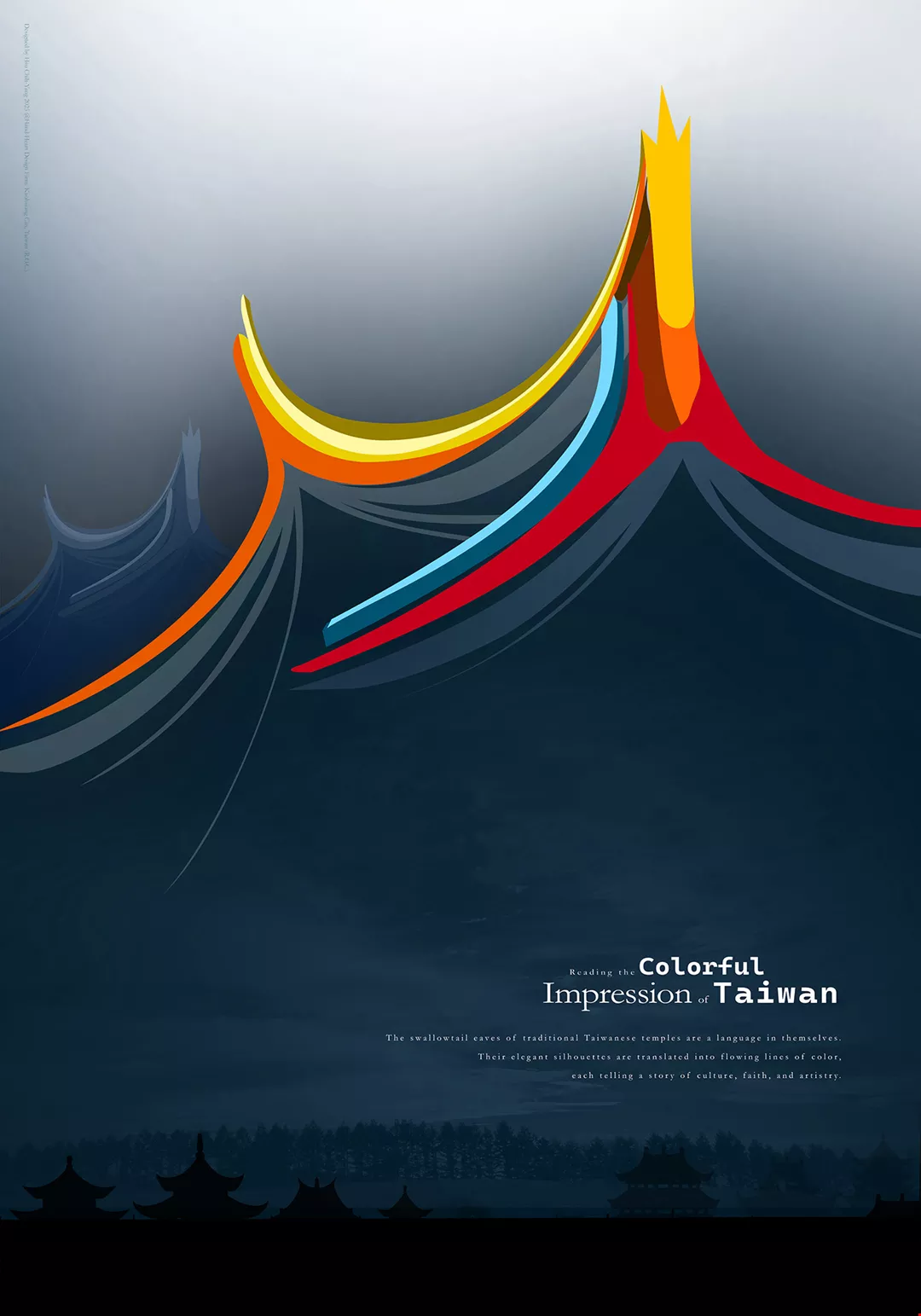
Hsu Chih-yang, Reading the Colorful Impression of Taiwan, 2025.

Diversity
Taiwan is never defined by homogeneity. Home to an ethnically diverse population—including the indigenous peoples, Han Chinese of mainly Minnan or Hakka extraction, and other groups—the sweet-potato-shaped island resists being pigeonholed. Believing that Taiwan is diverse enough to attract sustained interest, Lin draws our attention to posters that look at the country from various facets. Chang Fang-pang’s Seeing Our Own Moonlight (2025) turns the spotlight on Taiwan by assembling full and half-moons into a glimmering vision of the island. Through lines and shapes reminiscent of traditional seal carving, Chang Sheng-chuan depicts a Hakka musical ensemble in Hakka Bayin (2018), which looks both classical and modern, with a hint of jazz.
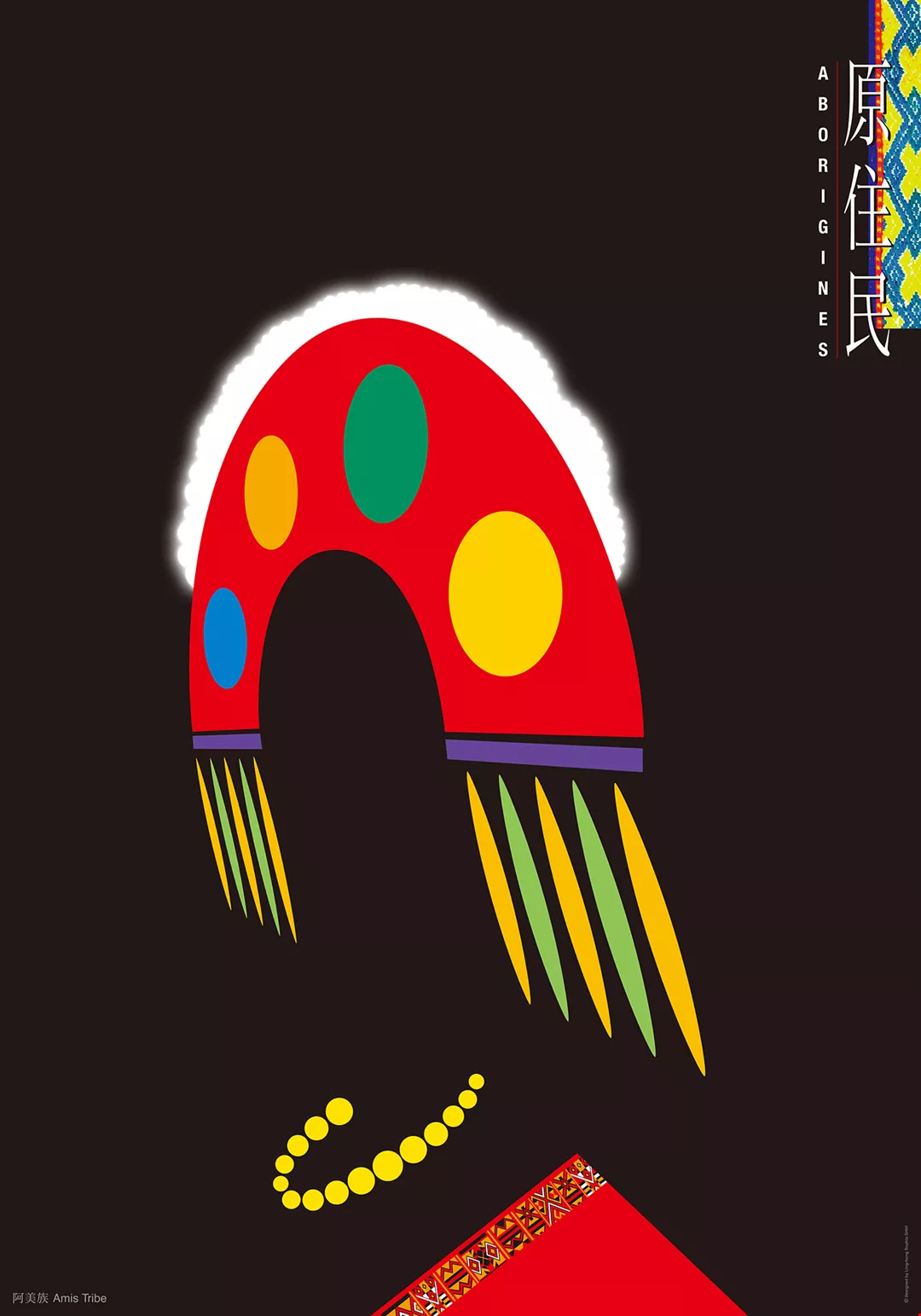
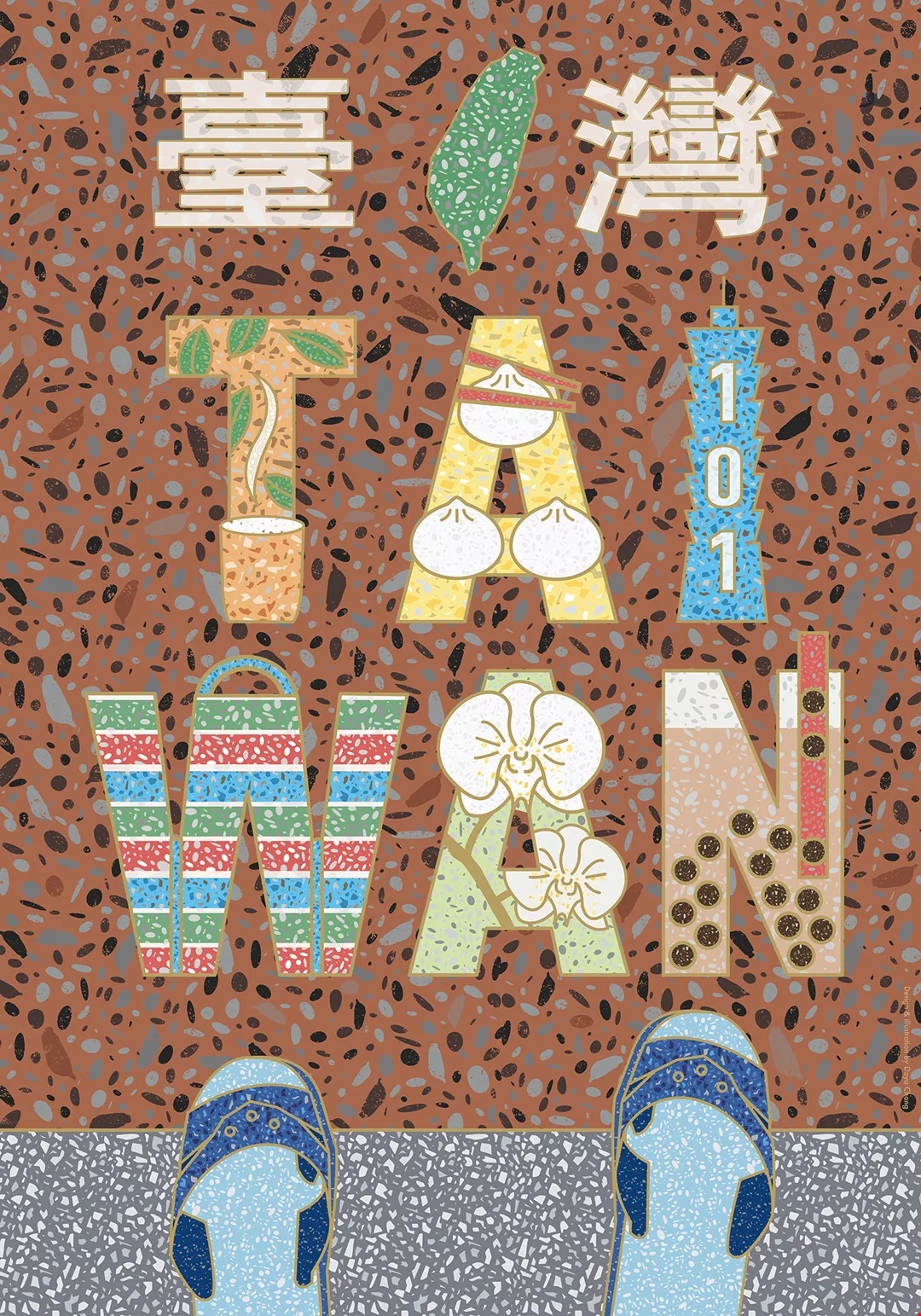
In Taiwan in Terrazzo (2025), Daya Ya-ting Chang alludes to the common use of exposed aggregate concrete in Taiwanese architecture and incorporates iconic local elements such as tea, xiaolongbao steamed dumplings, the Taipei 101 skyscraper, orchids, tote bags, pearl milk tea, and blue-and-white flip-flops. Sophia Hsiu-chen Chen’s Beautiful Taiwan (2020) and Sophia Ling-hung Shih’s Beauty of Aborigines (1996) are inspired by indigenous Taiwanese weaving and costumes. Hsu Chih-yang’s Reading the Colorful Impression of Taiwan (2025) evokes the skyline of Taiwanese temples with just a few bold, colorful strokes.
Draw Wang created Taiwanese Sports Spirit of the Paris Olympics: The Blue Magpie (2024) to be used for official gifts in support of the Taiwanese team at the 2024 Summer Olympics. In his rendition, the dynamic lines of the head, unfurled wings, and long tail of the iconic Taiwan blue magpie—a bird that is endemic to Taiwan—convey a sporty vibe.

Sophia Ling-hung Shih, Beauty of Aborigines, 1996.

Daya Ya-ting Chang, Taiwan in Terrazzo, 2025.

Apex Pang-soong Lin, Letters Home to Taiwan, 2007–present.
Taiwan as a viewpoint
Apex Lin shows us another poster of his, Floating Taiwan. Dated 1993, this is his favorite work, and it is the first of his designs that feature the shape of Taiwan as their central motif. This poster has as its background an antiquarian map, on which are superimposed numerous floaters shaped like the island of Taiwan rotated through 90 degrees. The powerful images embody Lin’s long-held feeling that “Taiwan has been drifting in uncertainty throughout history.”
“Why is Taiwan lying flat here?” Lin explains with a smile that during the Age of Discovery, European sailors sighted Taiwan or made landfall along the island’s southwestern seaboard. So what they saw was a “flat” island, rather than one standing on its southern end as on a north-up map. Lin’s explanation throws light on a key concept underlying design: each poster not only provides a means to tackle a particular issue but also represents the espousal of a way of seeing. Viewpoints decide how designers go about their projects, and the potential value of a design consists in the viewpoint it advances. Lin applies this line of thought to the “Taiwan Cultural Year in Europe 2025” initiative, continuing to contemplate Taiwan’s position by reinserting it in global contexts.
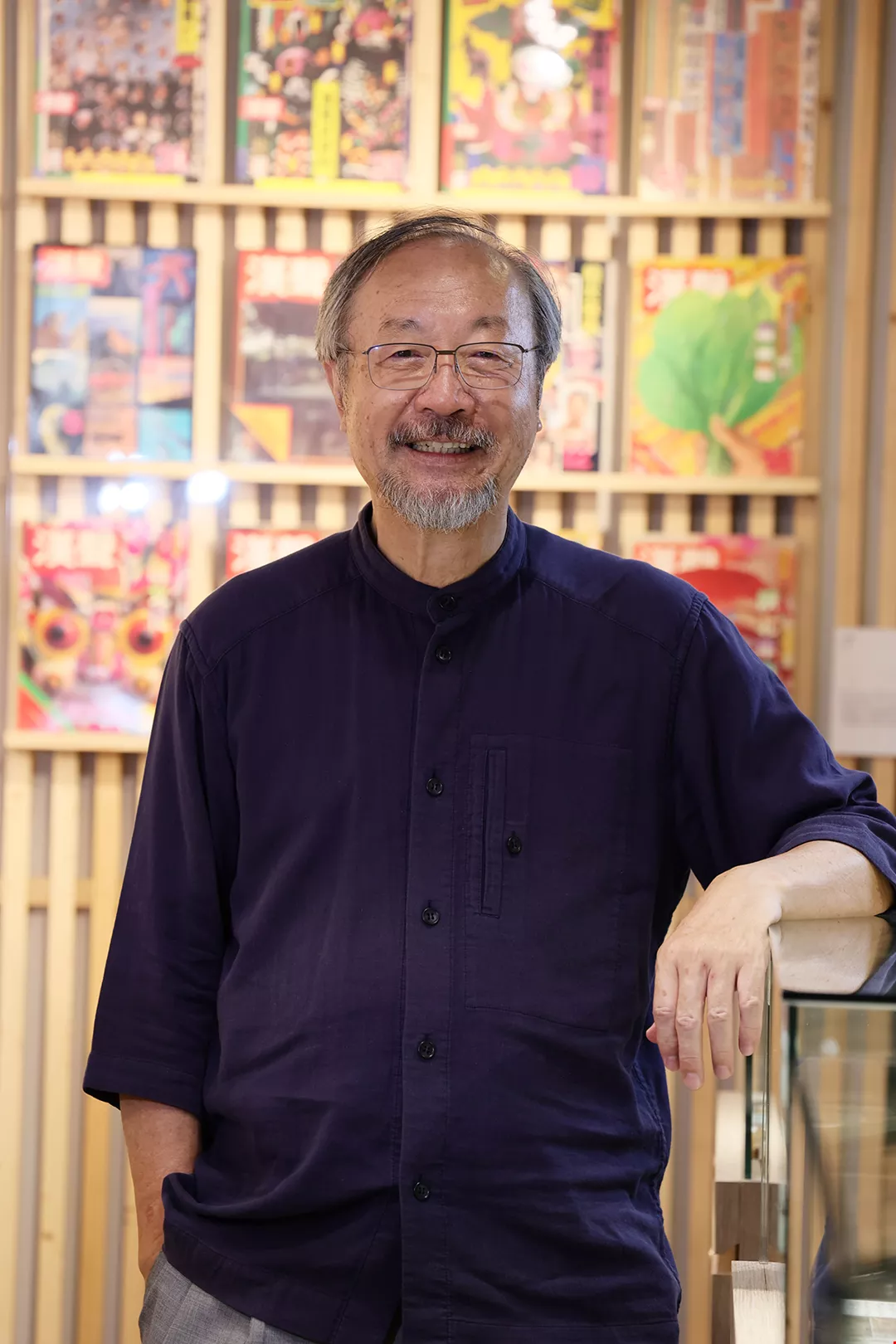
For Lin, “Taiwan,” more than just a design element, is the position and viewpoint from which he observes the world. He remains committed to perceiving the world through a Taiwanese lens, and to forging international connections this way. The youth who was keen to give voice to Taiwan through design now wears a beard, and his hair is turning gray. And yet his journey continues.

Apex Lin regards it as his vocation to give voice to Taiwan through design. (photo by Jimmy Lin)