Classic Works: Reading Together, Thinking Together
Hsu Chen-ling / photos Chuang Kung-ju / tr. by Phil Newell
November 2016


The topic of “classic works” seems inevitably to come around from time to time.
In 2016, the Eslite Bookstore chain has launched a major effort to encourage people to read classic works. They invited publishers to recommend books ancient and modern, in Chinese or from foreign lands, with the purpose of re-evaluating and re-affirming their value and inspiring more people to buy and read them. Or, to put it another way, they are addressing the question: “What is the significance of classic works at this time and for this generation?”
Eslite invited six scholars and writers to share their thoughts about classic works and to recommend one or two books each. These works come from a variety of fields including literature, art, religion, and social commentary. The importance of classic works lies not only in their impact on a certain field or group, but in their impact on the individual reader—what that reader feels and learns in the process of reading—and in passing along the book from one pair of hands to another.
Sometimes, reading is searching for ideas about life, and “classic works” are a sort of nostalgic look back into the past for answers.

Kong Lai-shin, a professor in the Department of Chinese Literature at National Central University, takes Confucianism and the Chinese-language tradition as her point of departure when talking about the classics.
The need to reread, the need to re-interpret
From the point of view of the expert reader, the definition of a book as a “classic” inevitably involves the manipulation of power. Kong Lai-shin, a professor in the Department of Chinese Literature at National Central University, points out that—whether we are talking about the Nobel Prize, or the determination of a classic by the mass media or in academic textbooks—there will inevitably be bias, value judgments, and taste involved, so that it is almost certain that ideology will play a critical role. “A ‘classic’ is in fact a concrete manifestation of the memories of a specific and limited group,” she says.
For her personal list of classics, Kong—known in academic circles as “the Maestro”—gives her highest recommendation to Dream of the Red Chamber. Kong says that the novel has “modern viewpoints” such as “individualism, authenticity, and questioning of traditional family authority patterns” but still boasts “elegant vernacular prose, authentic characters that readers find sympathetic, and evocative narrative,” as a result of which “it is given great status by persons positioned to speak authoritatively.” At the same time “it meets the standards of lyricism and aesthetic quality that define the classics.”
One work from outside the Confucian cultural world that Kong recommends is The Bible. Since ancient times countless people of talent and wisdom have pored over and re-interpreted each passage. Not only can modern readers enjoy the cumulative expertise devoted to this text, it is also extremely useful in terms of character development, philosophy of life, and personal values.
“I suggest that people start from their current interests and approach the classics by reading works related to those interests. People can see how authors of different eras and cultures have addressed their favorite subject.” It is especially helpful that today in the Internet era there are countless online “guides to the classics.” If you go to the relevant web pages, “You will find that you are not alone in reading classic works, that there are a lot of people doing the same thing. It’s like going to a party!”

Books can change people’s lives. Through reading life can be enriched and become more beautiful.
The value of literature with a universal touch
Lee Jui-teng, professor and dean in the Department of Chinese Literature at National Central University, who just recently left his post as director of the National Museum of Taiwan Literature, can bring to bear extensive experience as both an academic and a practical coordinator of literary events to eloquently discourse on this eternal question of classic works.
The textbook definition of a “classic” is based on rather serious notions. The Book of Odes (a.k.a. the Classic of Poetry or Book of Songs), which is seen as the fountainhead of all Chinese literature, turned from a popular work into a literary classic. It demonstrates how, over time and under certain conditions, a work can be passed on and re-interpreted and thereby become a classic. This in turn raises the question of how and why certain books gain this status while others do not. Lee points to writings by Kenneth Pai and Huang Chun-ming and notes that Pai’s Taipei People and Huang’s The Sandwich Man are already considered by many people to be classic Taiwanese novels.
Lee adds that the existing canon has stood the test of time and is not readily subject to change, unless the structure of society completely alters. However, you can’t ignore the fact that different times and places can transform what is considered quintessential. Some works get broader attention and their impact increases; others decline and even come under attack as unworthy.
Recalling the “30 Classics” event of 1999, Lee says that this was “an attempt to seek out classics through an organized mechanism that collectively addressed the literary tradition.” The 30 works they selected may not be to everyone’s taste, but “literature still has universal value.” In any case, Lee concludes, “Ultimately we have to leave it up to history to judge.”
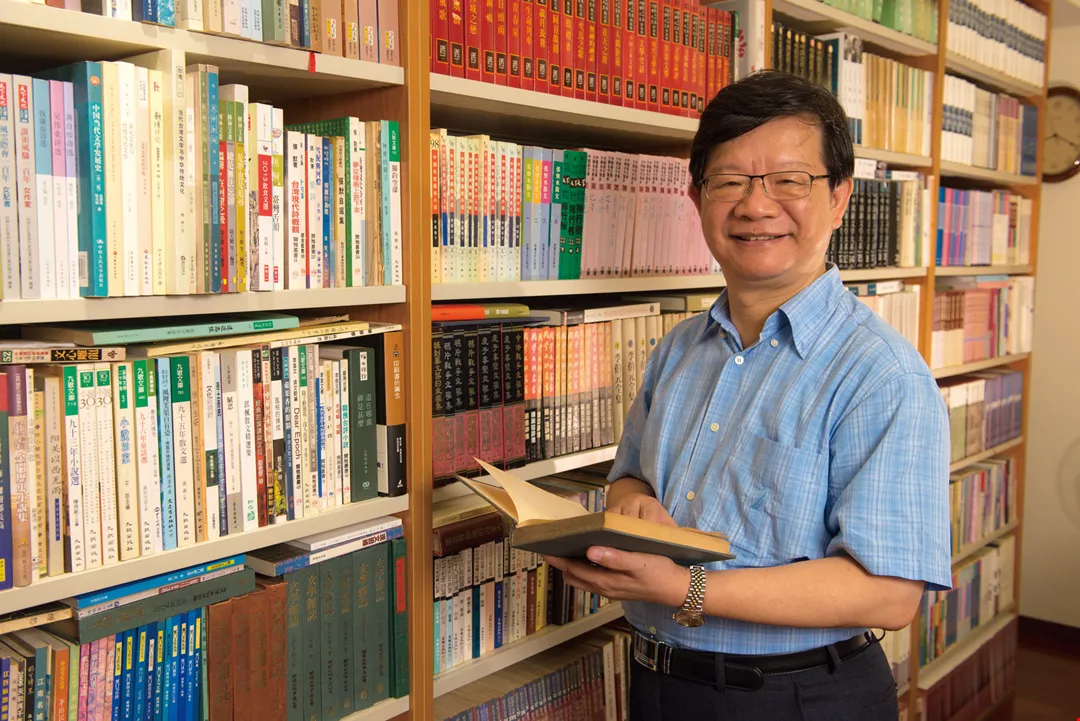
Lee Jui-teng, who just recently left his post as director of the National Museum of Taiwan Literature, can bring to bear extensive experience as both an academic and a practical coordinator of literary events to eloquently discourse on the eternal question of the classics.
High in value; positioned in the vanguard
Each era has its own literature, and each has classics that belong to that era. Writer Gustave Cheng recalls that 20 or so years ago, Hu Shih’s An Autobiographical Account at Forty or representative works from the May 4th era were touted as “classic works.” But times have changed. “Society has evolved so quickly, and the selection of classic works is always determined by the affirmation of certain values, goals, and directions.”
One thing for certain is that the formation of the canon is a process with many twists and turns. Cheng says that early on the works of Eileen Chang (1920—1995) were considered to be in the genre of love stories. They only began to create a sensation in academia after the scholar and literary critic Hsia Chih-tsing drew attention to them. After Chang’s death, various conditions brought this trend beyond academia. She became beloved among the general public and others even copied her style. Recommendations by scholars gradually impact people outside of academia and sometimes generate a popular fad, and from there the works are considered classic. “As far as any classic goes, you might like it or not, or you might not see it as a classic, but you have to respect it, because the work has been promoted to a certain status and its value widely extolled. This places it in the vanguard and it impacts people who come after.”
In recent years Cheng has been strongly promoting Taiwanese-language literature. He has especially high praise for Xiao Fengshen by Hsu Ping-den (1900—1977). It has a lively plot and the settings and characters are vividly portrayed. It describes gods flying to and fro amidst the modern streets of Tainan, and there has never been another creation like it in the history of Taiwanese literature. Yet, this book—which is available in both Mandarin and Taiwanese editions—has not had very strong sales, a fact which Cheng finds curious.
Perhaps, besides the passage of time, classics are even more like the way Cheng describes his first time hearing the Icelandic rock band Sigur Rós: transcending any particular group identity, easy to identify with, and catchy and likeable from the first encounter.
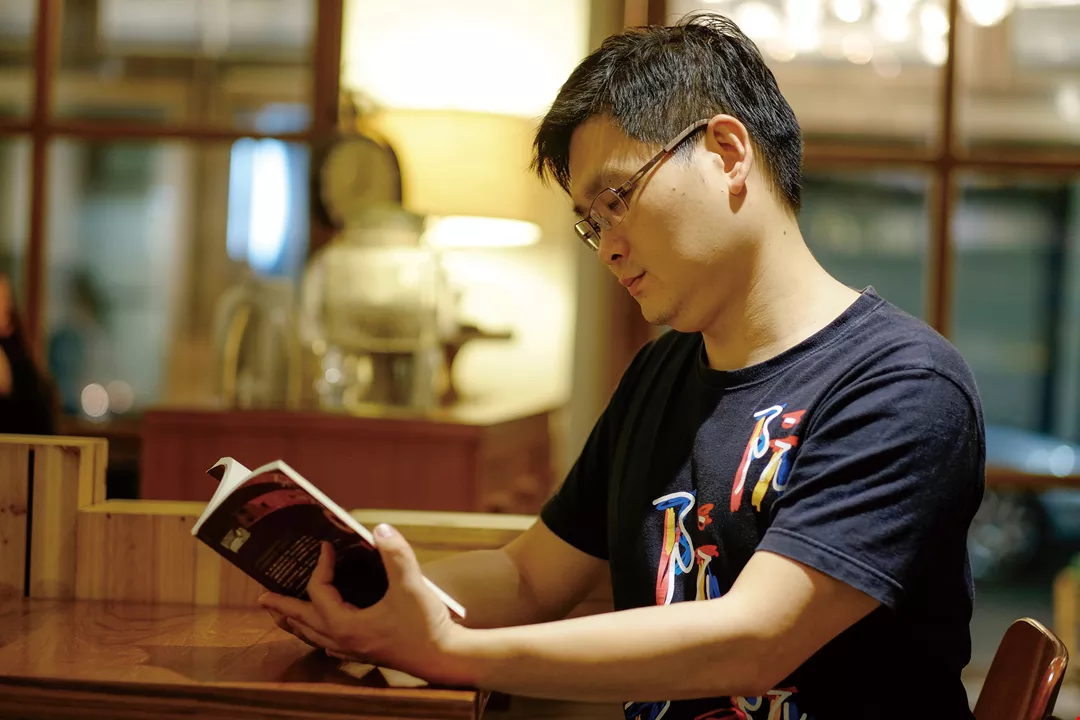
The writer Gustave Cheng describes a “classic” as being an iconic thing around which values can coalescence. As the world changes over time, classics will always be there for comparative value.
Transcending divisions, inspiring pluralistic thinking
As an independent artistic creator, Tsou Yung-shan does everything from writing to book design herself, including for her own novel Travel Guide to Railway Ridesharing. Having lived for a long time in Germany, being rich in cross-cultural experience, and having participated in literary and art publications, Tsou has a solid foundation for her outlook on the classics and her perspectives on reading.
Tsou’s two recommended classics are Pan Boshi’s Tai He Gu Chang: Lectures on the 24 Grades of Qin by Xu Qinshan, and A Selection of Oscar Wilde’s Fairy Tales and Prose Poems, in Ba Jin’s translation. Within their beautiful prose, these two works also contain penetrating and incisive criticism.
Tai He Gu Chang not only discusses and interprets the “24 Grades of Qin” (different aspects of musical aesthetics) but even more importantly it “discloses aesthetic values that transcend time and place.” Tsou says: “In my own creative process I will periodically reread it as a standard against which I can measure myself. I discover a deeper perspective on how to approach creativity every time I read it.” On the other hand, Wilde’s fairy tales “though naïve, are also cruel.” She says that they have a gentleness that pierces straight to the heart, but that “after you read them you feel acute pain.” The stories in this particular collection, says Tsou, are not only fables, but also prophecies. You can read them at different stages in your life and they will always have a richness to them, and even today they still light the road ahead.
Classic works are endlessly thought-provoking, perhaps not only because of their abstraction, universality, and openness, but because they are lights that continually shine on the road ahead.
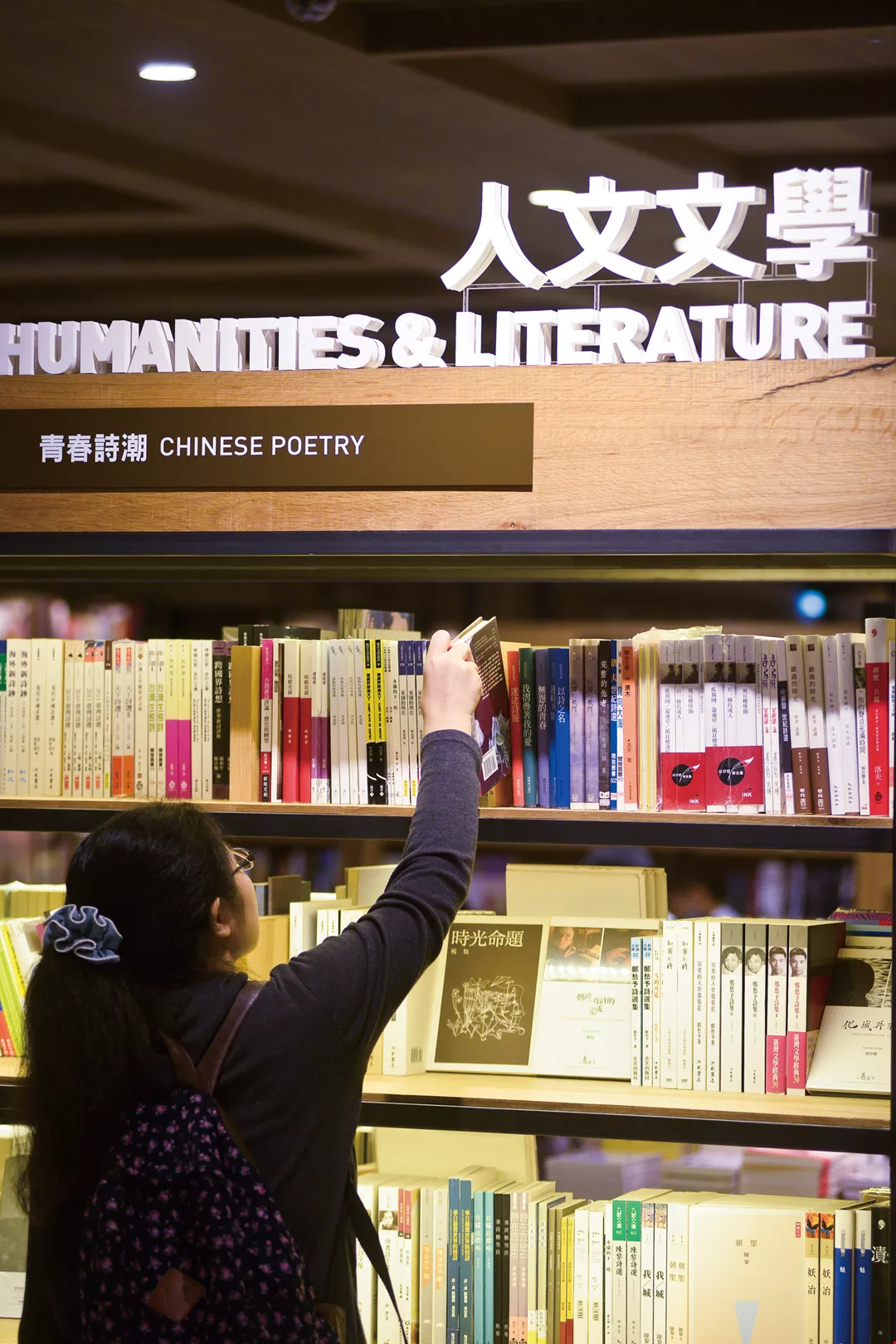
Each and every book on these shelves represents the culmination and refinement of the writer’s literary talents and intellectual thinking.
A sense of beauty and food for thought
“A work that, even if you exclude specific elements such as the era and environment in which it was produced, still gives people a sense of beauty and offers food for thought. Also it will often produce a different reaction when read at different ages or in different states of mind, and you will notice different details.” This is the view of a “classic” held by Yang Chia-hsien, who is an academic, writer, poet, essayist, and literary critic all rolled into one.
Currently an assistant professor in the Department of Chinese Literature at National Tsing Hua University, Yang notes that through various mechanisms—research, teaching, anthologies, examinations—academia produces a definite impact on the “classicization” of books, “and can even mold the whole terrain of the classics.” She quotes a remark by Haruki Murakami to the effect that “verification of unique creativity is a process that requires time.” Yang says that the classicization process includes both serendipitous and integral elements. “At the level of serendipity, a work may just happen to intersect with a change in the larger environment that causes certain aesthetics or certain values to be extended. In terms of the integral or essential, that’s connected to the quality of the work or the underlying ideas that it distills.”
However, Yang makes a special point of warning against potential “pseudo-classics.” “For example, a book’s writing style may conform to a particular fad, or perhaps it is the kind of work that gives scholars a lot of things to research and interpret. Works like these are more likely to get attention and this creates the illusion or appearance of a classic.”
The two works that Yang recommends are Dream of the Red Chamber, written by Cao Xueqin in the 18th century, and Feodor Dostoyevsky’s Notes from Underground, first published in 1864.
Whether a book becomes a classic by serendipity or by integral qualities (or both), a classic always is a sort of revelation, something that foreshadows the succeeding era.
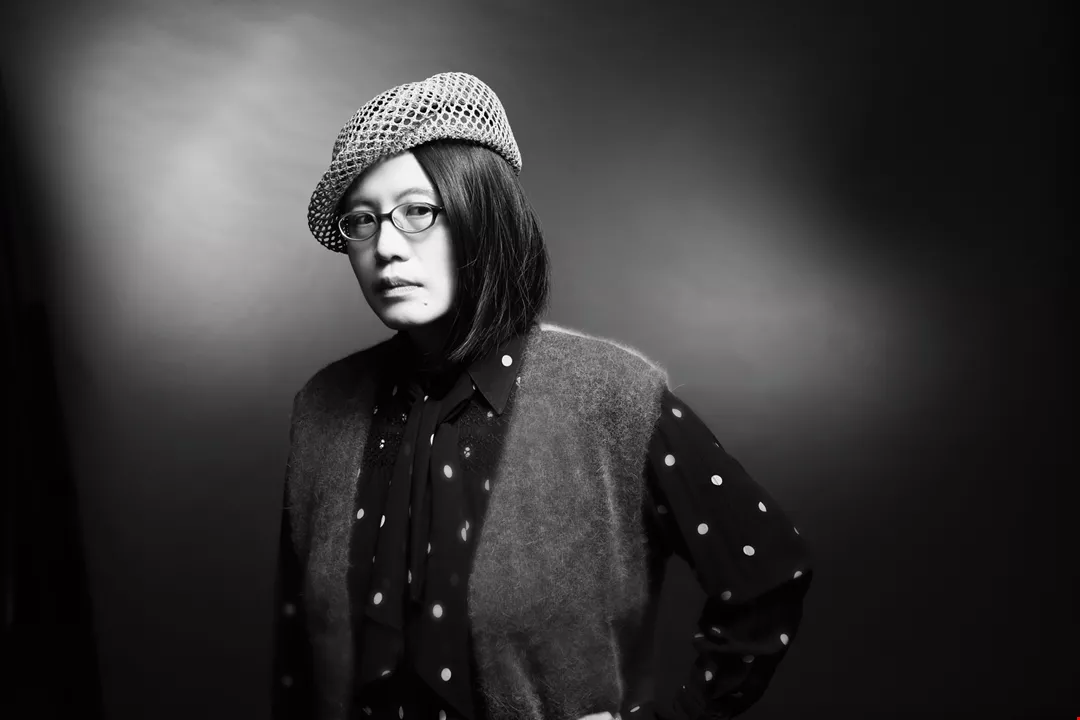
Independent artist Tsou Yung-shan, who lived for quite some time in Germany and has a lot of cross-cultural experience, has also long been active in the world of literary and art publishing. She has a solid foundation for her outlook on the classics and her perspectives on reading. (photo by Luke Huang)
Classics don’t have to be decrepit and timeworn
The writer “Apo” sees no need to draw some fixed definitional line around the “classics.” “This top-down way of deciding what is a classic is forcing one person’s taste on others and defines what a classic is for everybody. But the term ‘classic’ need not be interpreted narrowly and can evolve with changing times and according to individual preferences.” Anything that is meaningful to a group of people and around which a reading public takes shape can be a “classic”—even a comic book, not to mention books that happen to be out of favor at a given time, such as Marx’s Capital.
Formerly a reporter and a staffer at an NGO, Apo shows her concern for others in her recommendations: Crab Cannery Ship by the Japanese proletarian writer Takiji Kobayashi (1903—1933), and Imperium by Ryszard Kapuściński (1932—2007), a collection of reportage on the collapse of the Soviet Union.
Crab Cannery Ship was written during the economic depression in Japan in the 1930s as an exposé of labor issues. With contemporary globalization, we see the same types of labor problems repeat themselves, except with even greater complexity. Apo adds that Pai Hsiao-hung, a UK-based Taiwanese author and investigative journalist, has written similar works. “In Taiwan, if there’s a strike or there are labor-management negotiations, it’s big news. But in Korea, Europe, or the US this is commonplace. From this early-20th-century work we can gain a fresh understanding that we are all travelling the same path.”
Ryszard Kapuściński was a journalist and is considered a national treasure in Poland. His book Imperium (first published in 1993) focuses on conflicts between the people and the state in the collapse of the USSR, and evokes a complex range of emotions from love to terror. “As long as national borders continue to exist and state power continues to exist, we should try to understand and think about the events that happen in our own lands through the eyes of the ordinary citizen.”
This brings us back to the core nature of what it means to be human. As we think about how to define a “classic,” this should not be a boundary, nor an instruction about what to read. As Apo says: “A classic does not have to be a decrepit and timeworn thing.”

There is vast world of knowledge out there, all completely accessible through reading!
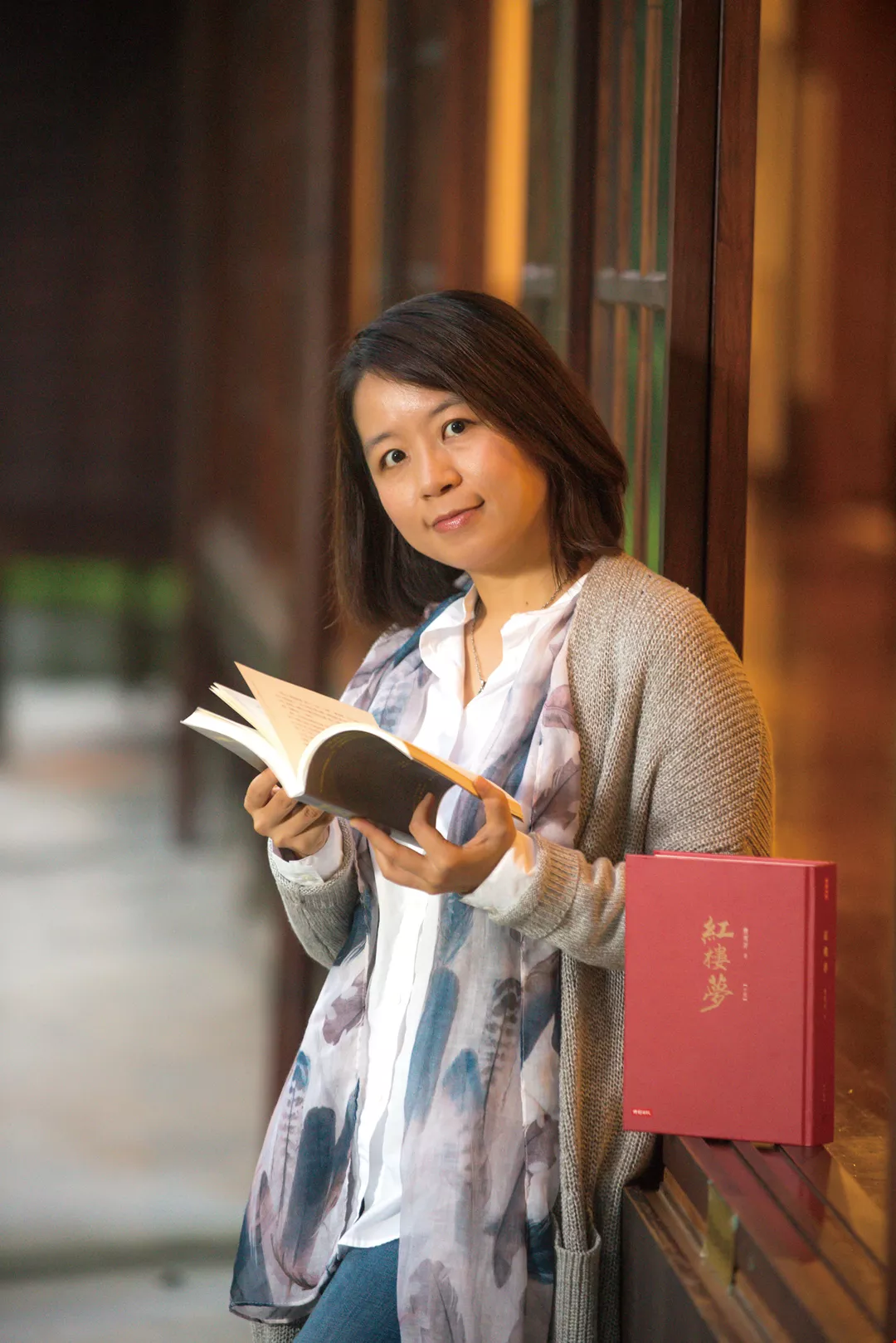
To Yang Chia-hsien—academic, writer, poet, essayist, and literary critic rolled into one—a classic is a revelation that foreshadows the succeeding era.
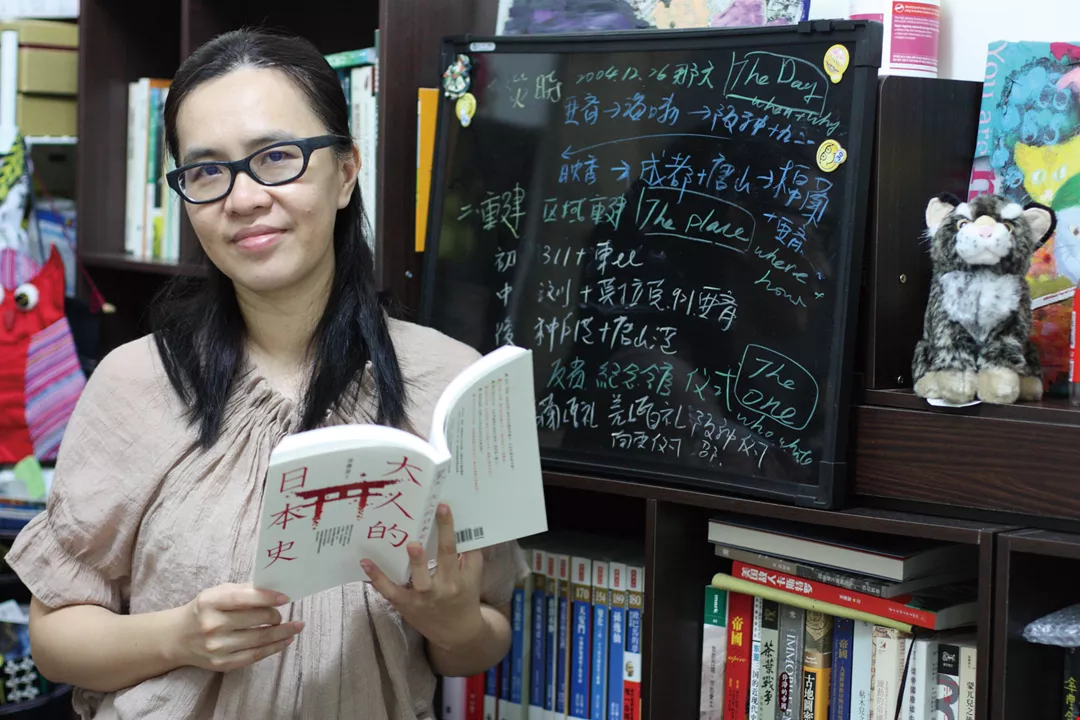
Journalist and writer Apo thinks there is no need to draw some fixed definitional line around the “classics,” arguing that the term need not be interpreted narrowly and can evolve with changing times and according to individual preferences. (courtesy of Apo)

There is vast world of knowledge out there, all completely accessible through reading!

There is vast world of knowledge out there, all completely accessible through reading!


