Competing before the gods
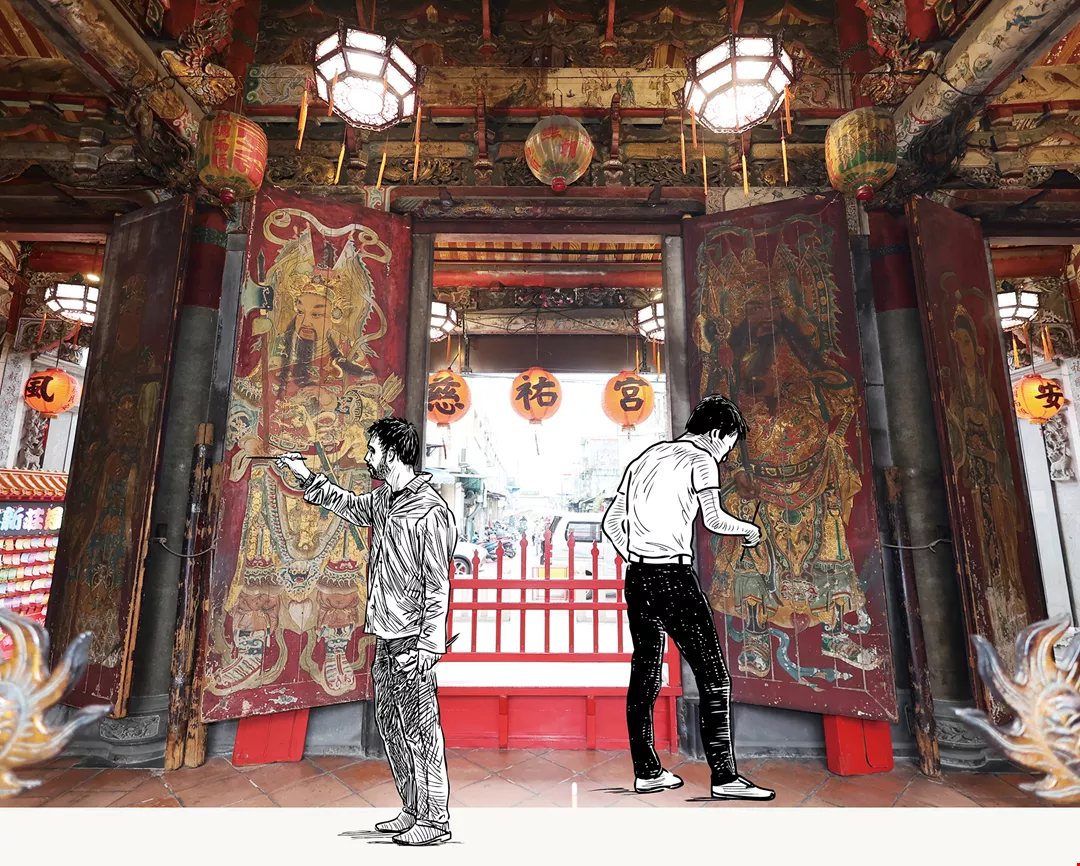
No single artist provides all the paintings in a temple, and a competitive model where artists work as rivals leads to more dynamic results. Kang Noushi explains that in the 1960s and 1970s, when the economy was booming, some temples would invite two artists to work on the same project. That inspired painters to do their best work and burnish their reputations, while also reducing construction time.
The door gods of the Furen Temple in the Daxi District of Taoyuan were painted by rivals Li Deng-sheng and Xu Liancheng. While that project was in progress, Kang Noushi interviewed Li Deng-sheng, who was only 27 years old. He was competing with Xu Liancheng, who was 62 years old, creating a generational clash of titans. Unfortunately, the Furen Temple was renovated in 2014 and their works are no longer visible.
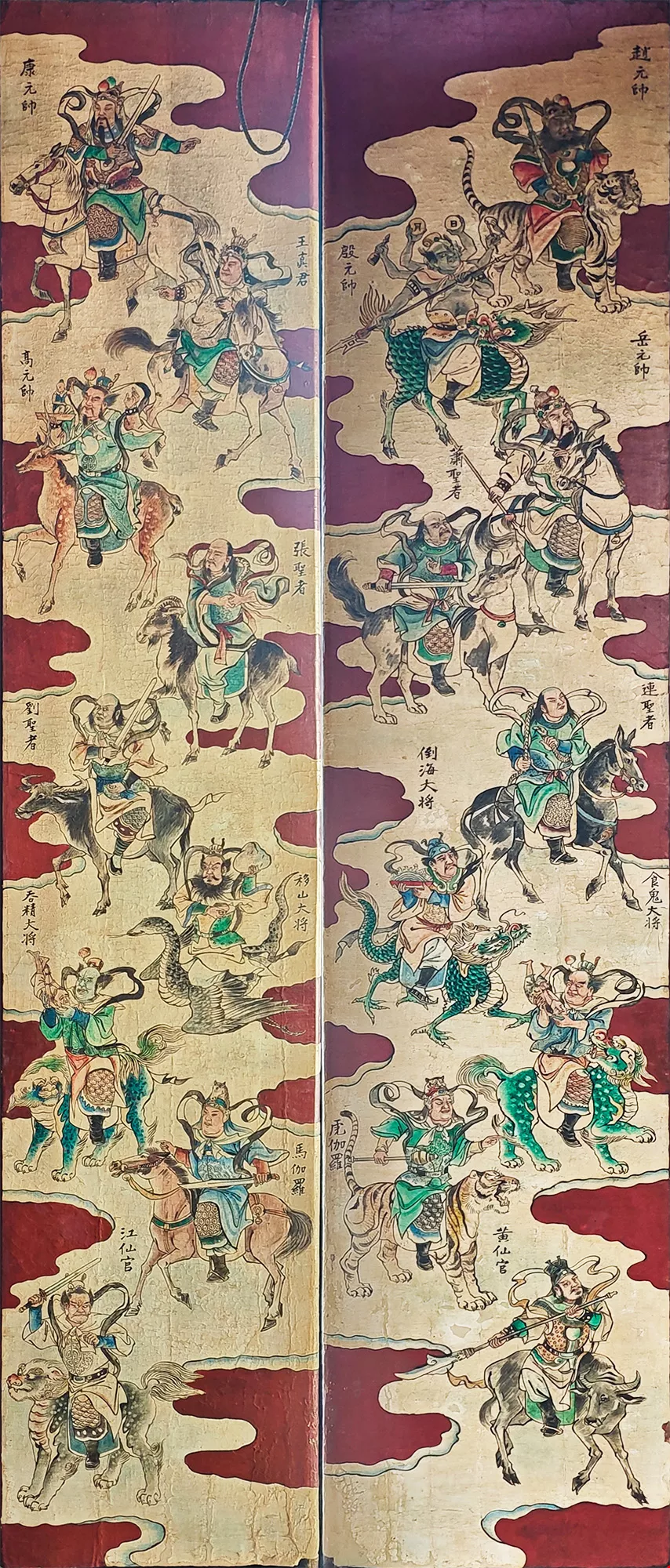
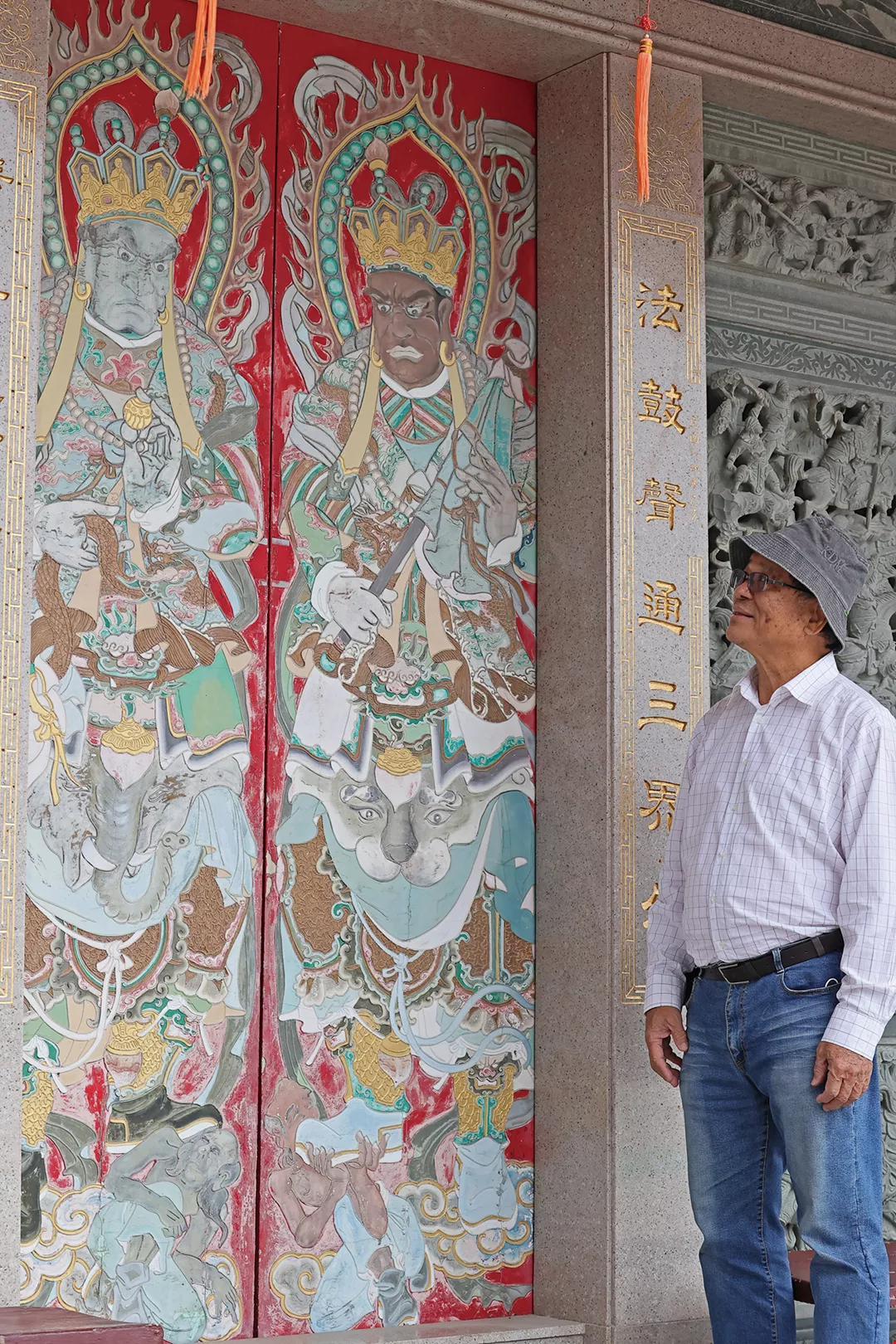
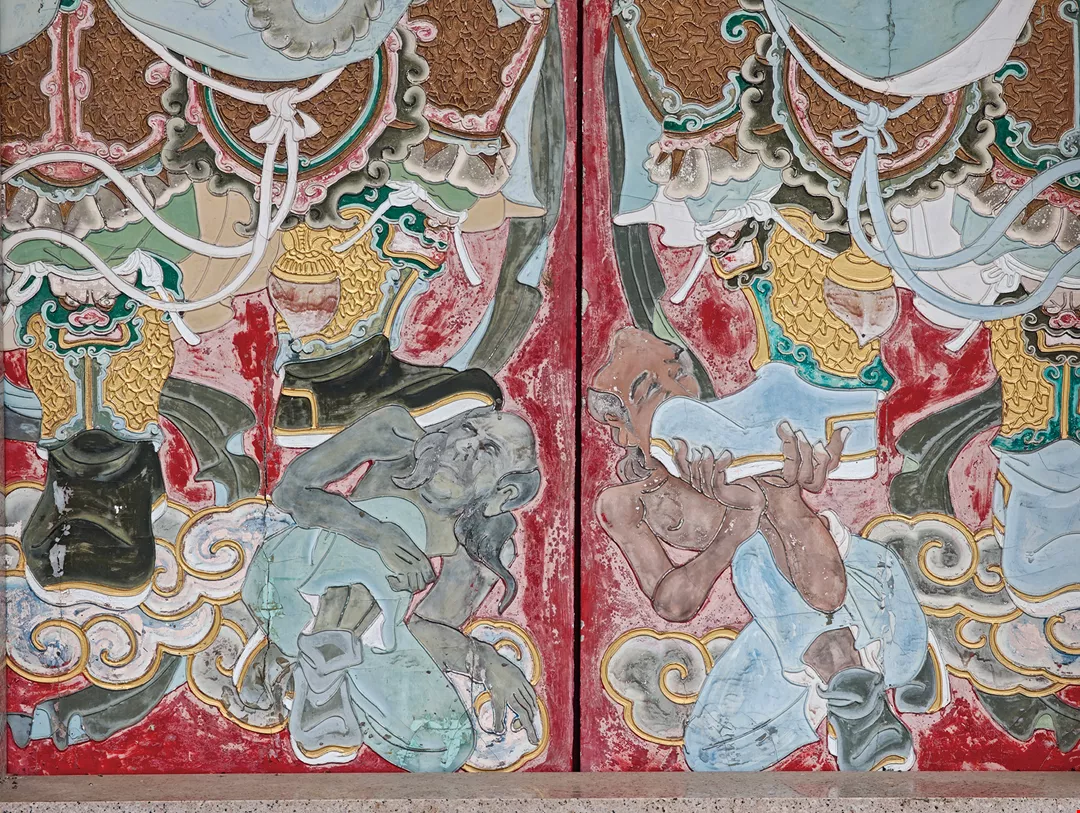
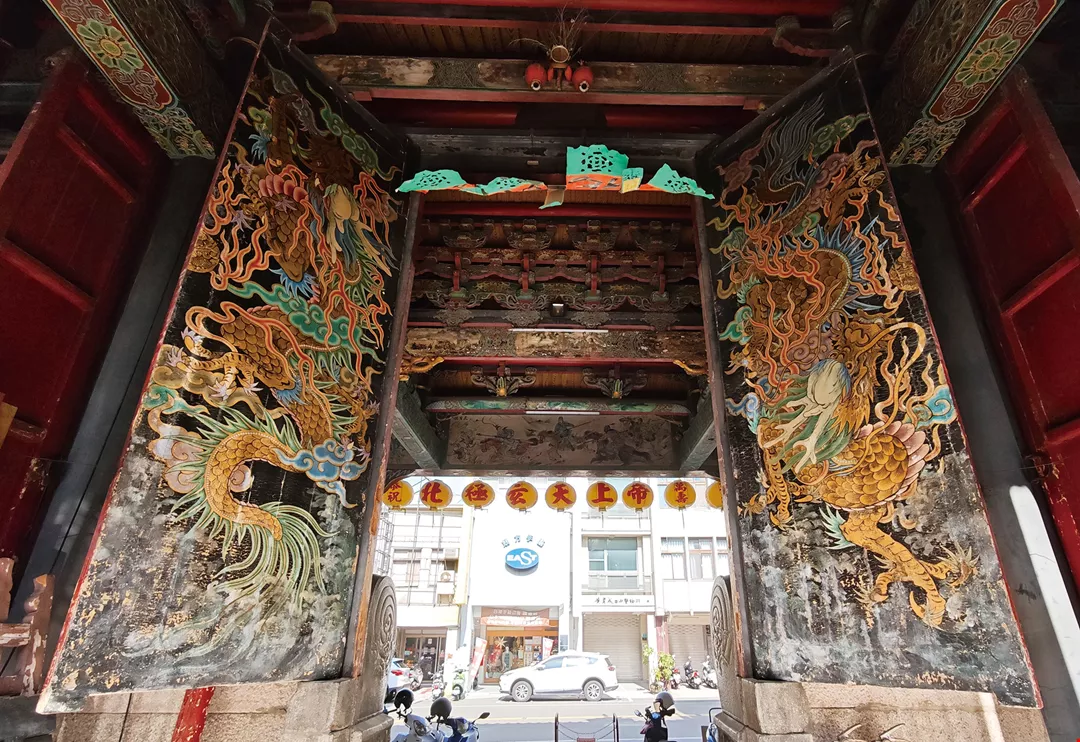
Fortunately, other temples with paintings from rival artists can still be seen today. Kang Noushi guided us on a visit to the Ciyou Temple in Xinzhuang, a temple steeped in tradition that has works by both Chen Shouyi and Huang Chenbang. Upon entering the temple, we immediately saw the door gods Shen Tu and Yu Lei on the central doors of the front hall. Despite the strikingly different styles of line and color, and the weathered texture of the wood, the undying spirit captured by the two painters shines through.
The competitive model allows two artistic visions to meet and resonate with each other on a single door, recreating the moment when the painter’s inspired brushwork achieved something extraordinary that time cannot erase.



.jpg?w=1080&mode=crop&format=webp&quality=80)
@List.jpg?w=522&h=410&mode=crop&format=webp&quality=80)


