Like From the Wizarding World
—A Colorful New Take on the 24 Solar Terms
Liu Yingfeng / photos Cinyee Chiu / tr. by Jonathan Barnard
December 2016

.jpg?w=1080&mode=crop&format=webp&quality=80)
Winter, spring, summer, fall, “Start of Spring,” “Awakening of Insects,” “Frost’s Descent,” “Winter Solstice”… the four seasons and the 24 solar terms of the Chinese calendar accompany the land through its cycles. The illustrator Cinyee Chiu, who is still in her 20s, has employed rich creativity and skillful technique to put an entirely new spin on these seasonal periods.
Under her brush, the 24 solar terms appear as magical creatures that have escaped from a spirit world. Behold the Clear and Bright Fox, the Limit of Heat Hedgehog, the Major Heat Snake….
Now living in the United States and a recent graduate of the Maryland Institute College of Art (MICA), Cinyee Chiu created her 24 Solar Terms Project for her portfolio when applying to art schools in 2014. Thanks to Facebook, the illustrations have since garnered a lot of attention online.
“They’re so beautiful! Like from the wizarding world!” Many have expressed sincere and unabashed praise upon seeing Chiu’s creations.
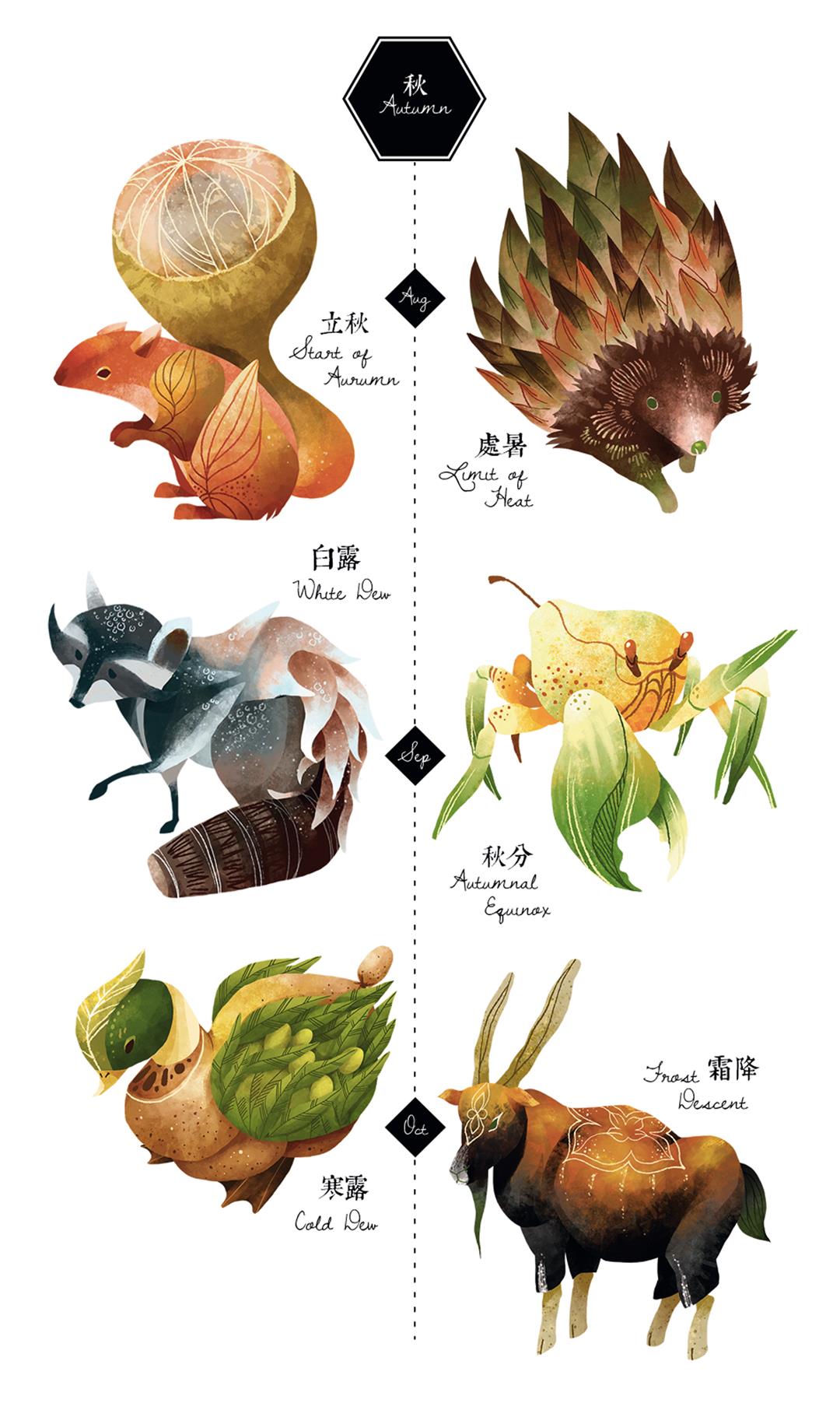
Start of Autumn Squirrel, Frost’s Descent Goat, Major Cold Eagle… The illustrator Cinyee Chiu has put a creatively beautiful and magical new take on the 24 solar terms of the traditional Chinese calendar.
New takes on old seasons
Drawing on animals such as foxes, elephants, rabbits and goats, Chiu’s carefully rendered magical images corresponding to the 24 solar terms are deftly rendered and ingeniously arranged.
For instance, a deer that seems to have run out from the wizarding world represents the last solar term of spring: “Grain Rain.”
Tawny in real life, here the deer is light pink, with antlers shaped like peonies. The beautiful, magical style of design was inspired by a story describing the legend of “Grain Rain” that Chiu just happened to read. In the legend, there was a young person known as Grain Rain, who was a very good swimmer. When the floods came, he saved a peony. Later, the peony turned into a fairy who expressed her gratitude, and he fell in love with her. One day, Grain Rain died attempting to save his true love. So now, every year at that time, rains fall from heaven, and peonies bloom. The peony fairy of the story became the inspiration for Chiu’s Grain Rain Deer.
Chiu embellishes the painting with images of turmeric, which is harvested during Grain Rain and is used in Chinese medicine as an antipyretic and a diuretic.
Chiu has captured “Start of Autumn,” when the heat of summer abates, with an image of a squirrel.
She ignored the description of “Start of Autumn” that is found in “Shixun Jie,” a chapter of the Yi Zhou Shu (“Lost Book of Zhou”). Instead, she picked a squirrel to play the leading role for fall. Squirrels are suggestive of pine cones in Chinese since they are literally known as “pine rodents.” She has added an image of the Asian fruit longan, whose translucent flesh, black pit and brown peel set the painting’s visual tone. Start of Autumn Squirrel was thus born.
In contrast to the bleakness of fall’s arrival depicted in Start of Autumn Squirrel, Chiu depicts the heat of “Summer Solstice” with reds, yellows and greens. Cicadas, whose songs fill summer days, are an obvious choice to take the leading role in depicting that solar term.
Cicadas and watermelons, two things associated with summer, are the principal elements of her composition on the “Summer Solstice” solar term. But because there is also a mention of deer antlers in the Yi Zhou Shu’s description of that period, Chiu’s illustration Summer Cicada, in addition to featuring the deep greens of watermelons, also has an image of deer antlers that can be found within the delicate patterns of the cicada’s wings.
For “Major Cold,” which conveys a sense of the year coming to an end, Chiu created the illustration Major Cold Eagle, which draws inspiration from a passage in Yi Zhou Shu: “At Major Cold, waterfowl start laying eggs. Later, falcons hunt prey and rivers freeze over.”
A soaring eagle is the image that Chiu chose to use for the solar term “Major Cold.” The deep blue and purple coloration and the images of frozen rivers found in its plumage convey a sense of winter’s bitter cold. The work has a striking elegance, and close inspection reveals that Chiu adopted daikon radish leaves for the eagle’s tail, since the radishes are harvested during the winter.
Coming after Minor Cold Pigeon, Major Cold Eagle is the last of the 24 solar terms and the final one to receive its own animal representation. Without having previously received professional training, Chiu thus created her career’s first series of illustrations.
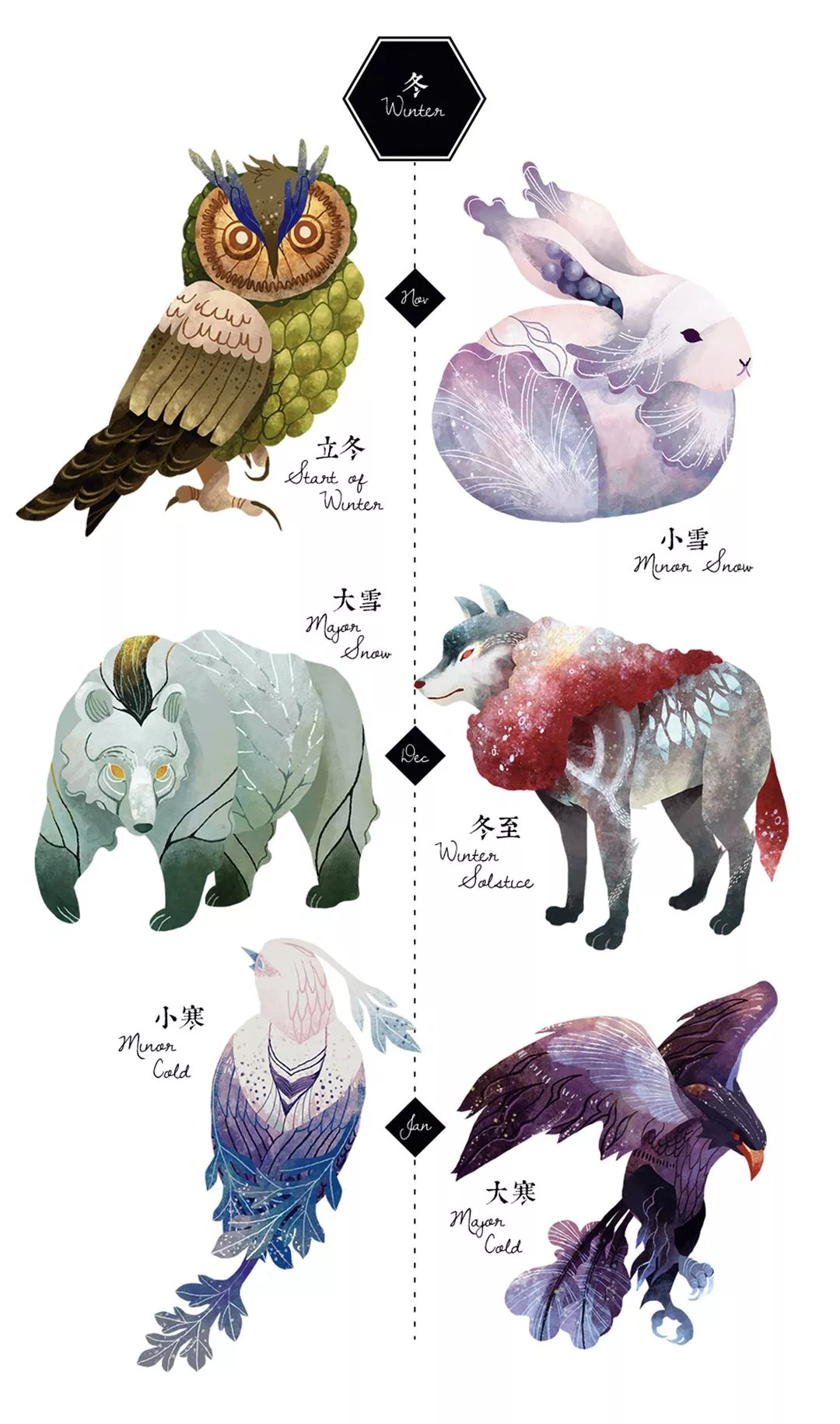
Start of Autumn Squirrel, Frost’s Descent Goat, Major Cold Eagle… The illustrator Cinyee Chiu has put a creatively beautiful and magical new take on the 24 solar terms of the traditional Chinese calendar.
“I just want to paint!”
Full of color and beautiful magical style, the series kicked off Chiu’s career as an illustrator. Using it as her portfolio, she applied to the Maryland Institute College of Art and three other art schools in the United States with the intention of becoming a professional artist. She had previously believed that only very fortunate people would be able to devote their lives to artistic creation.
Born in 1988, Chiu began to create art in junior high school. Mainstream Japanese and Korean anime was a major influence. She temporarily set aside her passion when she enrolled in college. It wasn’t until her last semester that her passion was reawakened during an “Innovation and Entrepreneurship” class. Students from a variety of majors formed groups and divided up work for their project. Though an economics student, Chiu got the task of handling the art design for a report. As a consequence, Cheng Ande, a fellow team member who was her junior, discovered her talent. After graduating she joined his “Project 10,” a 4D projection mapping project, handling art work.
Returning to creative work after having set it aside several years before, Chiu felt under a lot of pressure. She had forgotten the joy she took from artistic creation, but upon finishing the project, she says, “I became convinced that I wanted to pursue art as a career.”
Cheng, who had worked side by side with her on the project, pushed her. When he saw Chiu goofing off, he would urge her to regain her focus on the art. The reminders highlighted an irony: “Previously, when I spent too much time on my art, it meant that I was neglecting my studies. Yet now, when I wasn’t spending enough time illustrating, I was goofing off!”
Yet it wasn’t as if Chiu never harbored any doubts about pursuing art as a career before she decided to attend art school. She had tried the kind of jobs that economics graduates typically get: executive-track jobs in finance firms or at foreign companies. Even if she knew that business management work wasn’t something that she loved, Chiu wasn’t rejecting those jobs out of hand. Perhaps in her mind she was regarding that sort of work as simply a way to make ends meet, knowing full well that few people in the world are so lucky as to be able to make a career from their passion and joy.
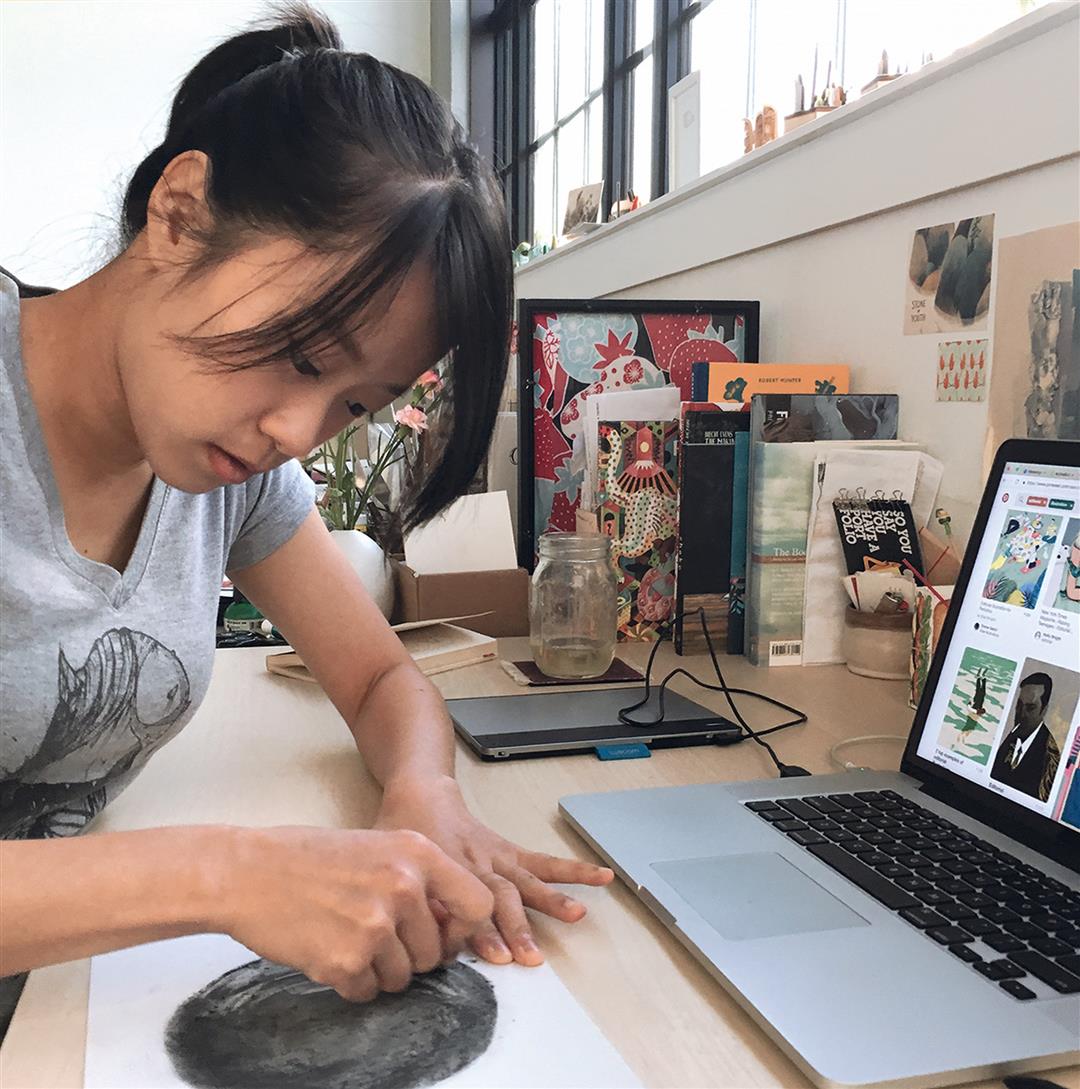
Chiu takes great joy in bringing to life the creative visions in her mind, one stroke at a time.
Economic sense vs. artistic sensibility
After Chiu graduated from National Taiwan University with a degree in economics, her life took a big turn toward artistic creation, but her personal style and modus operandi still bore much of the rationalism of an economics student.
Her first job doing artwork for a video game company was a result of that rationalism: “To use the economics term, it was an example of ‘risk aversion.’ I wanted to avoid exposing myself to potential loss.” Even if she had earlier contemplated the idea of going abroad to attend an art school, Chiu deeply understood that her technical mastery was insufficient, so that she need to prepare better before leaving for foreign study.
She selected a gaming company to start her career. Her work was to illustrate the leading character in a game, and it gave her lots of opportunities to practice. After three years at the company, Chiu applied to MICA in 2013, preparing to study art formally for the first time.
As opposed to how she had lived in Taiwan, at MICA Chiu began to spend her days fully devoted to creating art. After her classes let out, she would often draw and paint late into the night. But she didn’t regard that devotion of her time as exhausting. To the contrary, producing art had become quite addictive.
During her first year in the United States, Chiu attained a stable, recognizable style for her computer-created works. But she boldly discarded it, and began instead creating new works on paper. With computer illustrations, color, line and rendering effects can all be calculated exactly, but that’s not the case at all for works created by hand. “It’s like you’re starting all over again and are a total novice who doesn’t know how to draw,” Chiu says. Nevertheless, she found herself captivated by the warmth of handmade illustrations.
Even if she is still groping her way toward a better command of this new genre, Chiu, who has been in America for more than two years, is “looking closely at various career options as an illustrator.” In Taiwan, illustrating is typically regarded as a fun leisure pursuit that doesn’t provide a reliable means for making a living. But in the United States, the market for illustrations is quite mature—a fact that is reflected not only in the field’s wages but also in the breadth of employment options. Illustrators there can make a living both in packaging design and in the publishing industry. Chiu has chosen to work in the highly competitive field of illustrating for periodicals. “Creating illustrations for text is particularly challenging,” she says, having already accepted her first commission for a local American publication.
As she takes the first steps in her career, the illustrations of the 24 solar terms that she created to apply to art school three years ago are garnering new attention online. Chiu hasn’t let herself get too excited about the renewed interest, but she has taken advantage of the opportunity to reorganize the works and put a statement online about the artistic conceptions behind them. Furthermore, she has taken the two-dimensional representations found in Start of Spring Fish, Cold Dew Duck and others, and turned them into animations.
After completing the animation of Greater Cold Eagle, the last of the 24 solar terms, Chiu has brought her work on the series to a close. “Don’t worry, I’ll soon start illustrating another of these series!” she has told readers on her Facebook page. To her as an artist, the 24 solar terms resemble a gift from the ever-revolving cycle of seasons—one that keeps on giving, with ever new creative possibilities.
After graduating from the Maryland Institute College of Art, Chiu decided to pursue work as an illustrator for periodicals, a highly competitive field.
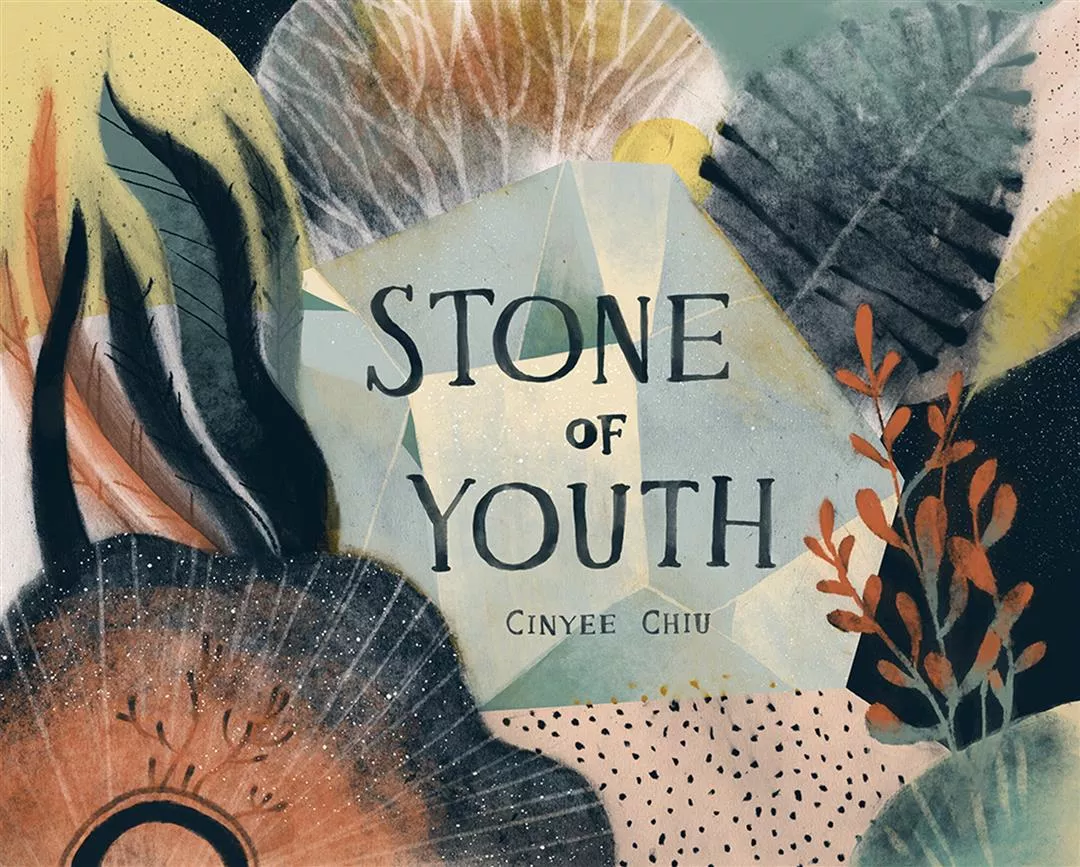
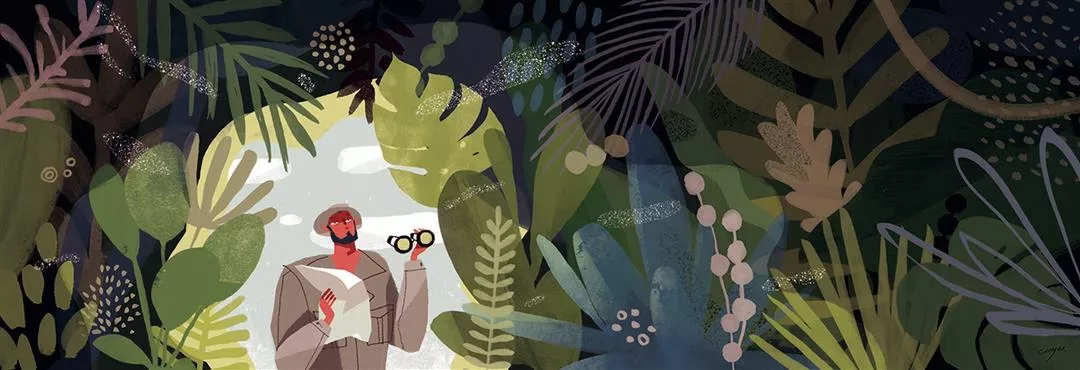
Even though Chiu had at one point set aside her brushes and pens, she is still young and now certain of her choice to pursue artistic creation. Shown here, Chiu’s picture book Stone of Youth.
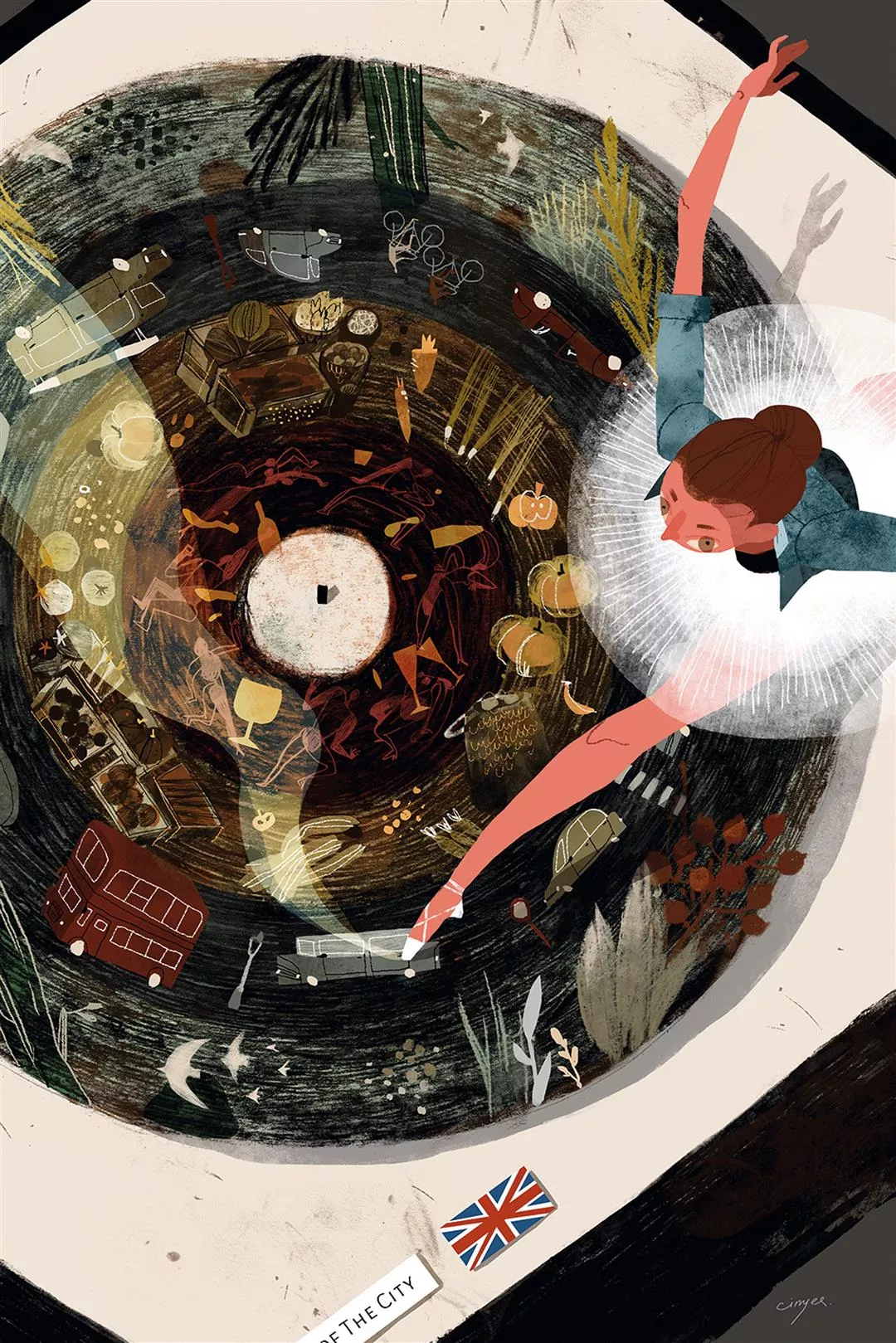
Whether her series of illustrations on the 24 solar terms or pieces created for class, Chiu’s artworks often display childlike whimsy.
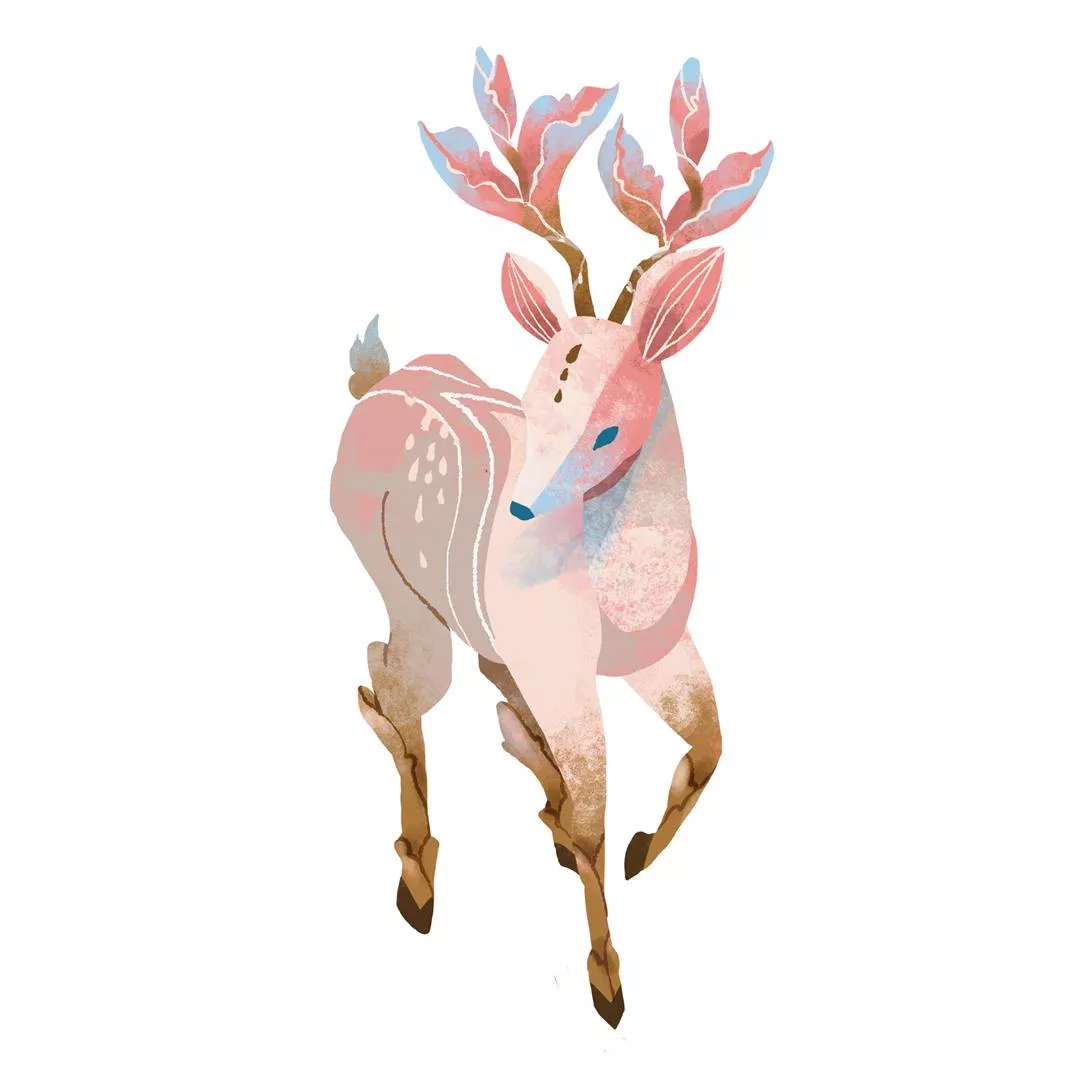
Chiu's Grain Rain Deer
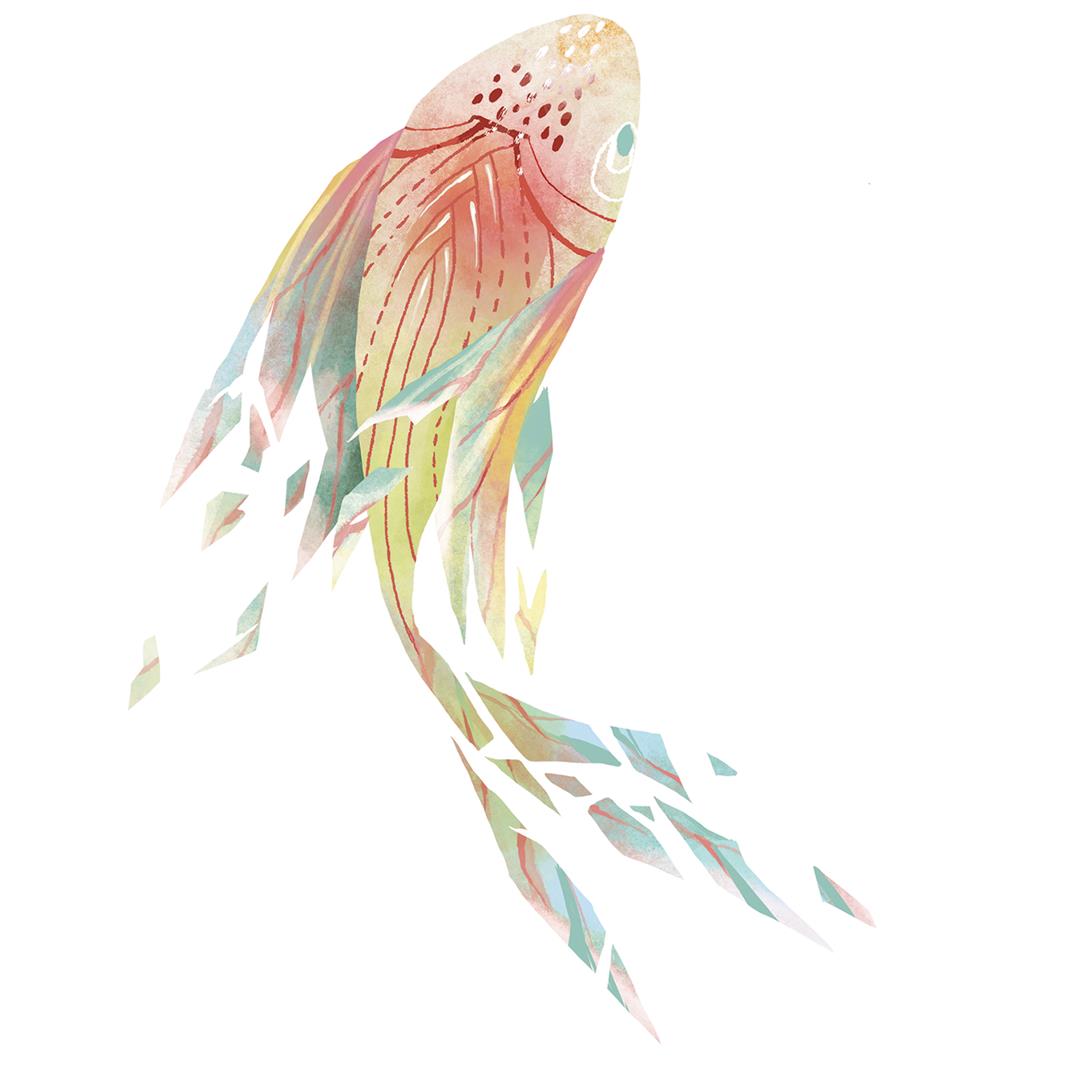
Chiu's Start of Spring Fish
@List.jpg?w=522&h=410&mode=crop&format=webp&quality=80)


@List.jpg?w=522&h=410&mode=crop&format=webp&quality=80)
