In the Republic of China, while most dancers perform in the Western manner, Hsu Hui-mei has taken up the position of preserving and developing traditional Chinese folk dance. She feels that Chinese can only truly express the spirit of dance by pursuing the heritage which has been handed down to them.
In late November Hsu Hui-mei put on a public performance of her dance numbers. "June Jasmine" was soft and beautiful; "The Old Carry the Young" was filled with traditional folk humor; while "Eternal Righteousness" was strong and powerful. This performance gave the audience a glimpse of Hsu's various sides. At the same time every dance and every aspect of every dance, including costumes, music, movements, and harmonies, were all based in Chinese tradition, giving the audience an exceptional feeling of kinship and familiarity. After the performance many in the audience felt "it has been quite a long time since we've seen such lively folk dancing." Hsu Hui-mei's work gave many a completely new impression of folk dancing.
The Chinese people are scattered over a large area of the world, they have a long history and a rich cultural heritage. Every area has developed differently due to geographical and cultural factors, this has led to many different regional styles of dance. However, because of wars, catastrophes, and other reasons, dance lacks a system of preservation and development. This has caused many people to have an impression of the monotony of the dance and it has been very difficult to develop people's interest in it.
However, over the last 30 years, Taiwan has proved a very stable environment for the development of dance. Some dancers prefer Western ballet and modern dance and want to use Western approaches to increase the vocabulary of modern Chinese dance. Others have a belief and interest in the dance forms which have been handed down from generation to generation. They are not interested in Western dance and have dug deep into their own cultural roots. Hsu Hui-mei is one of the latter.
For inspiration Hsu looks all around her, at the farmers in the fields, fishermen at work, and shadow boxers exercising. She also looks back to her childhood. Her parents ran a theater and she grew up with the theater and the associated folk arts. Other sources of inspiration for her dance are paintings, poetry, and books. Only after she has decided on the "spirit" of the dance does she begin to think about costuming, staging, and music.
To Hsu Hui-mei "spirit" is the most important aspect of dance. In every type of dance, whether it is ballet, modern, or folk dance, the training and basics are different, but still the highest state of the art is expression of the dance's "spirit". But how is one to express the spirit of each of the different types of folk dance? Hsu Hui-mei pointed out that first one has to grasp the basic style of the dance. For instance, Mongolian dancing emphasizes the shoulders, and in Sinkiang dancing emphasis is placed on head movements. Chinese folk dances often use scarves, fans, and other props, often- times keeping movements to a minimum.
Because folk dances are traditional many people doubt that Hsu Hui-mei really "creates" her dances. She remarked, "The dances I choreograph all use old themes but all go through new explanations and arrangements. 'New steps for old dances.'"
Finally Hsu Hui-mei emphasized that good dance does not require complex and difficult movements. What is essential is that the "spirit" of the dance comes through.
[Picture Caption]
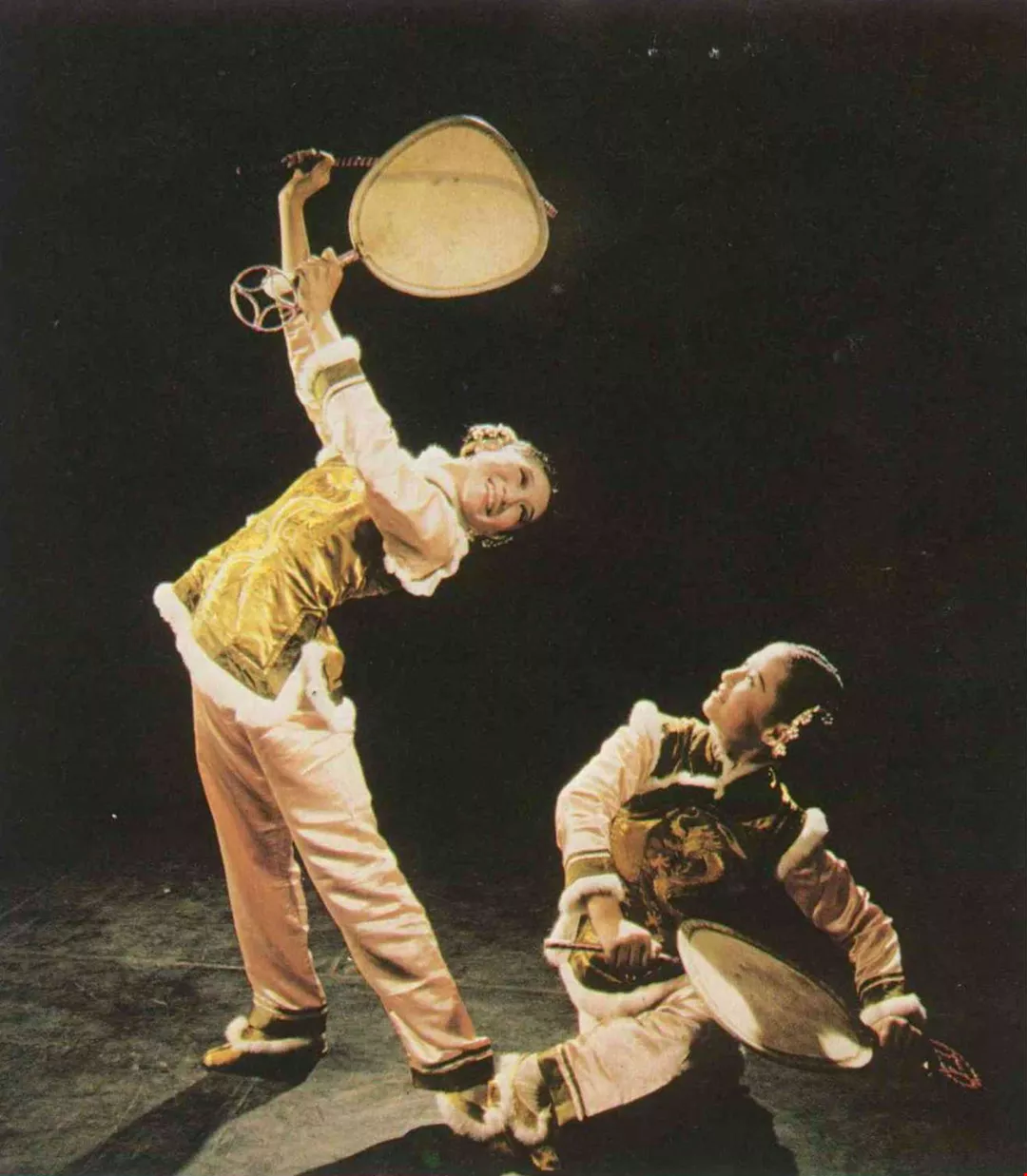
1. Hsu Hui-mei selects drums from every part of China for her drum dances. Here is the "Sinkiang Tambourine Dance". 2. "June Jasmine" expresses love for the countryside. 3. Hsu Hui-mei personally performed "The Old Carry the Young". Here she must simultaneously act out two different people, a real attention getter.
"Peaceful Drum Dance".
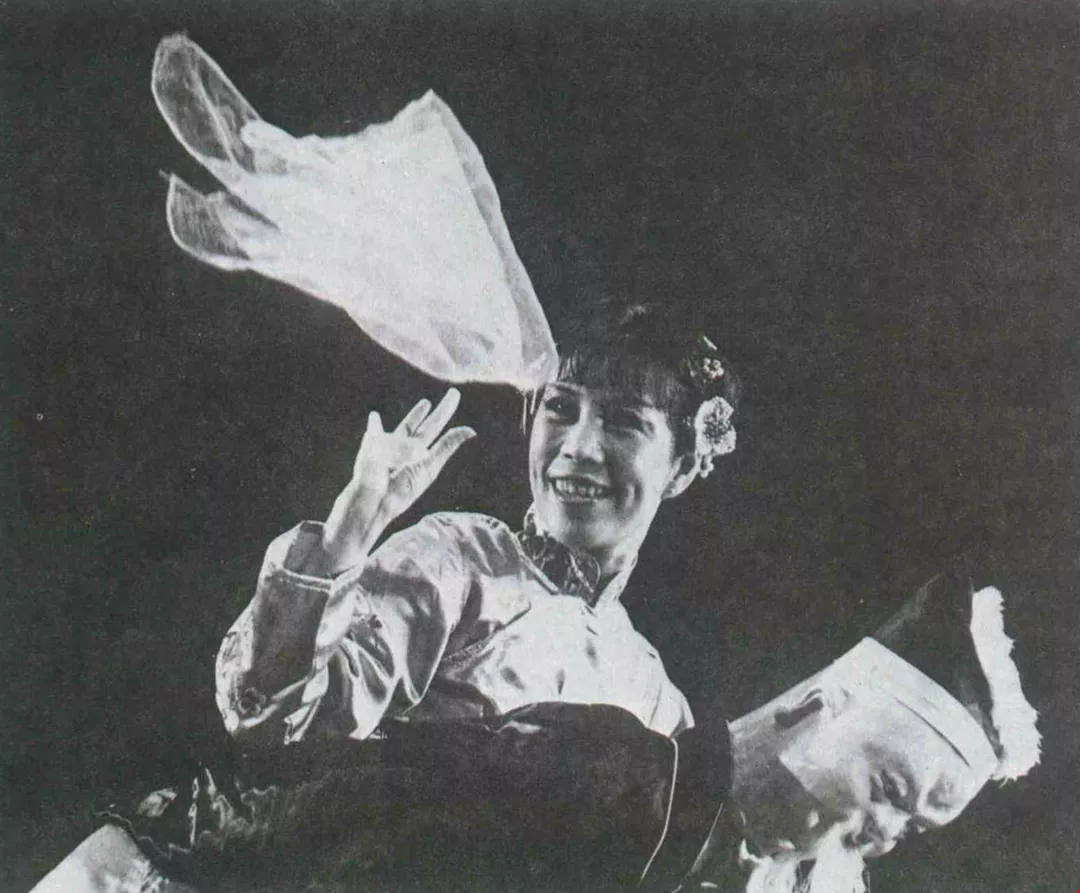
"June Jasmine" expresses love for the countryside.
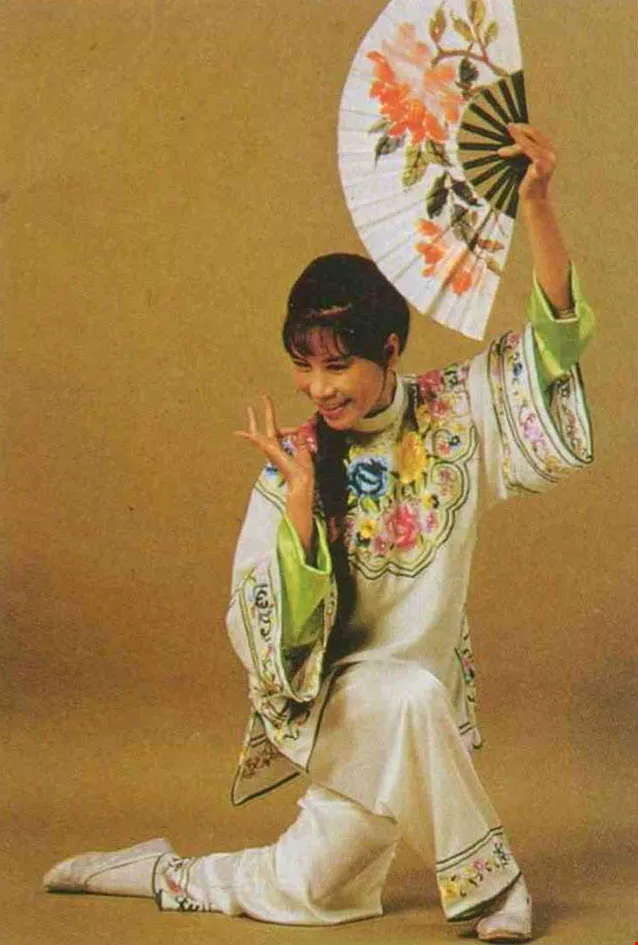
Hsu Hui-mei personally performed "The Old Carry the Young". Here she must simultaneously act out two different people, a real attention getter.





@List.jpg?w=522&h=410&mode=crop&format=webp&quality=80)


@List.jpg?w=522&h=410&mode=crop&format=webp&quality=80)