In doing Chinese calligraphy the writing brush, inkstone, inkstick, and writing paper are collectively called "the four treasures of the study." Other paraphernalia include paperweights (see photograph 1), ink platters (see photograph 2), inkstick rests (see photograph 3), and brush rests (see photograph 4). In writing Chinese calligraphy, one can appreciate both the functional and artistic quality of the writing paraphernalia.
The writing implements each have their own practical function, yet to the refined tastes of the literati these writing tools gradually assumed certain standards of beauty. Subsequent generations of craftsmen, in order to meet the literati's taste, exerted themselves to create writing implements both elegant and stylish. Each dynasty's writing paraphernalia has its own special characteristics.
The Sung dynasty's implements emphasized simplicity and naturalness, as opposed to the artificial look of carved and polished pieces. Accordingly, inkstones with natural patterns were in great demand. The literati, admiring an inkstone's or a paper weight's abstract design, could transport themselves to a remote mountaintop or a secluded forest where they could rejoice in the wonders of nature. They felt that this abandoning of oneself to nature was one of the highest planes of experience.
During the Yuan dynasty, wealthy merchants, the imperial household, and high-ranking officials often spent huge sums of money to hire craftsmen to produce intricate and ornate implements. Lacquer engraving, gem inlaying, and cloisonne plating were three of the most popular techniques employed in the production of writing implements during this period.
In the final analysis, the literati's sense of beauty tends to be simple and elegant. Whereas the Yuan dynasty represented a "baroque" phase in the design of writing implements, the Ching dynasty's major innovation in this realm was a return to the natural simplicity and elegant style most popular during the Sung.
(Craig Scott Galper)
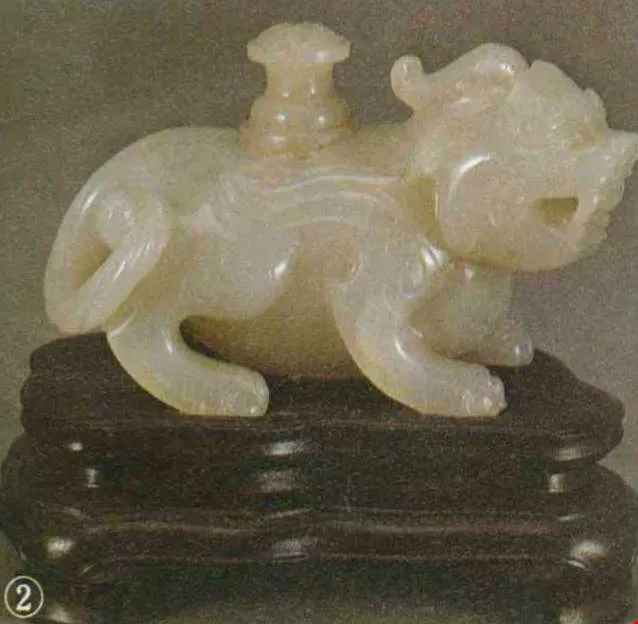
ink platters (see photograph 2)
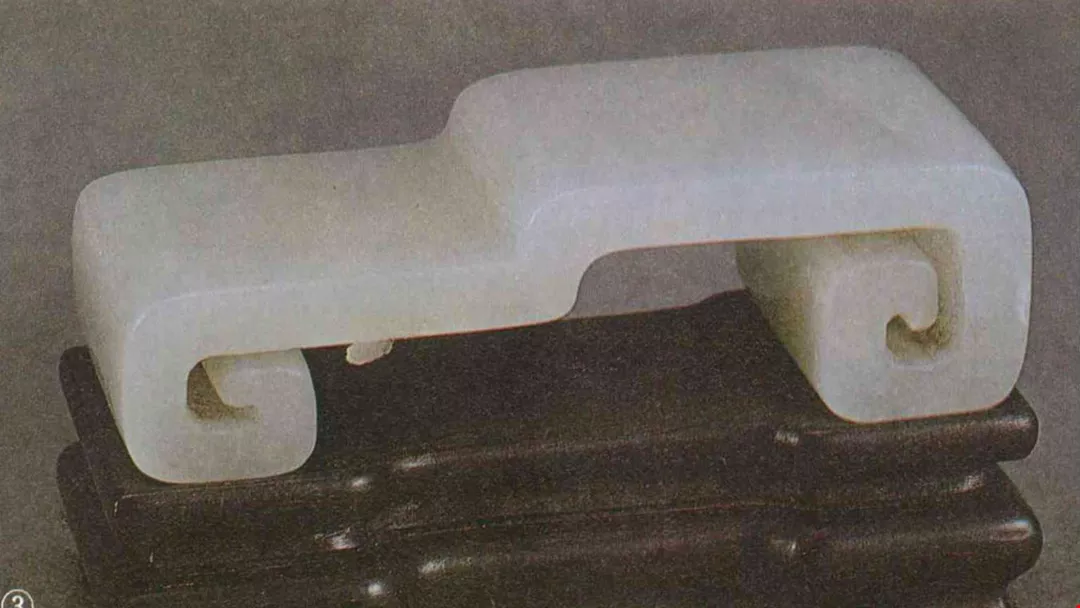
inkstick rests (see photograph 3)
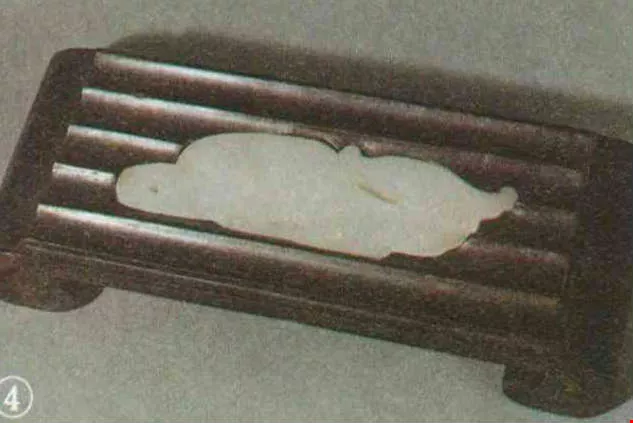
and brush rests (see photograph 4). In writing Chinese calligraphy, one can appreciate both the functional and artistic quality of the writing paraphernalia.




@List.jpg?w=522&h=410&mode=crop&format=webp&quality=80)

@List.jpg?w=522&h=410&mode=crop&format=webp&quality=80)


