Gendered Cinema—Women Make Waves
Sam Ju / photos images courtesy of the Taiwan Women’s Film Association / tr. by Geof Aberhart
October 2014


The collective voice of Taiwan’s women began to be heard after the end of martial law in 1987. In the 1990s, various groups within the women’s movement began joining forces and carving out space for women at all levels of society. Their actions helped create spaces for discussion of gender issues, enabling women to really debate how they interact with others and with society.
The Women Make Waves Film Festival, founded in 1993, is one such space. As the name implies, the goal of the festival is to make waves in society, using film to challenge the simplistic stereotypes applied to women and facilitate a growth in understanding of and thinking about gender issues.
From October 17 through 26, Taipei’s Spot Huashan Theater will be home to the 21st Women Make Waves Film Festival, screening nearly 80 films from 22 countries on five continents, including 21 works by Taiwanese directors.
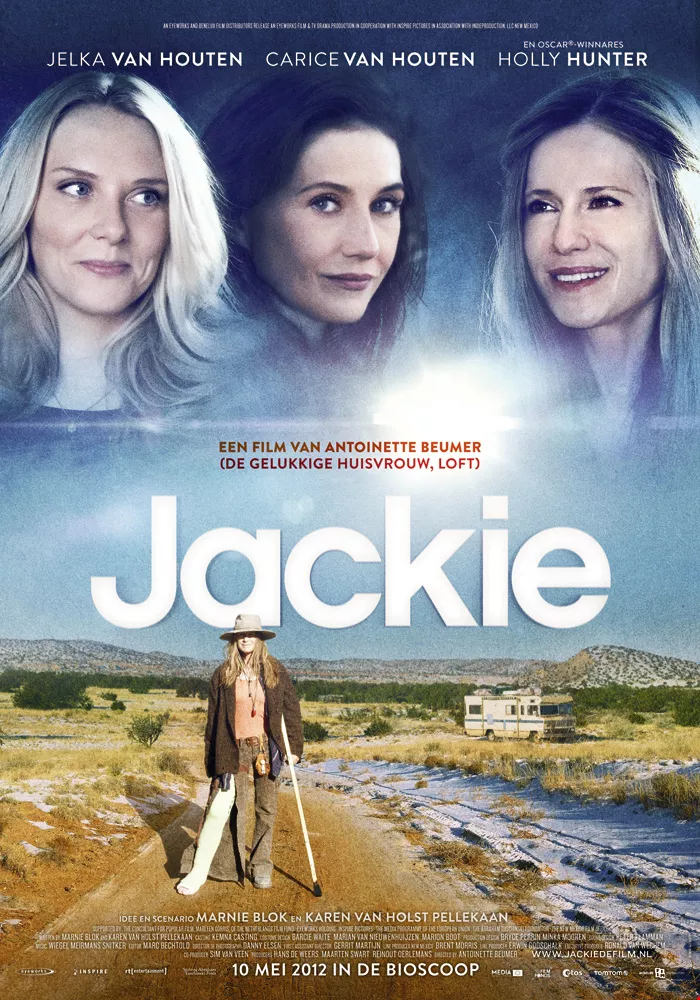
The Women Make Waves Film Festival is Asia’s longest-running female-focused film festival, with its 21st edition starting at Spot Huashan in Taipei City on October 17. Abuse of Weakness (left) and Jackie (right) are considered the must-see films of this year’s event.
Festival director Pecha Lo traveled the world to find films for the festival. Her personal recommendations are festival opener Abuse of Weakness and Dutch film Jackie. The latter won the Audience Award at the 2013 Dortmund|Cologne International Women’s Film Festival.
The lead actress in Abuse of Weakness is Isabelle Huppert, known for her role in 2001’s The Piano Teacher, while Jackie co-stars Oscar winner Holly Hunter, known for her leading role in feminist film classic The Piano. Both actresses have proven themselves to be virtuosos, and their performances will certainly be worth waiting for.
Throughout its 21 years, Women Make Waves has shone the spotlight on female directors who focus on women’s and gender issues, like Abuse of Weakness director Catherine Breillat and Jackie director Antoinette Beumer. Today, it remains Asia’s most staunchly feminist film festival.
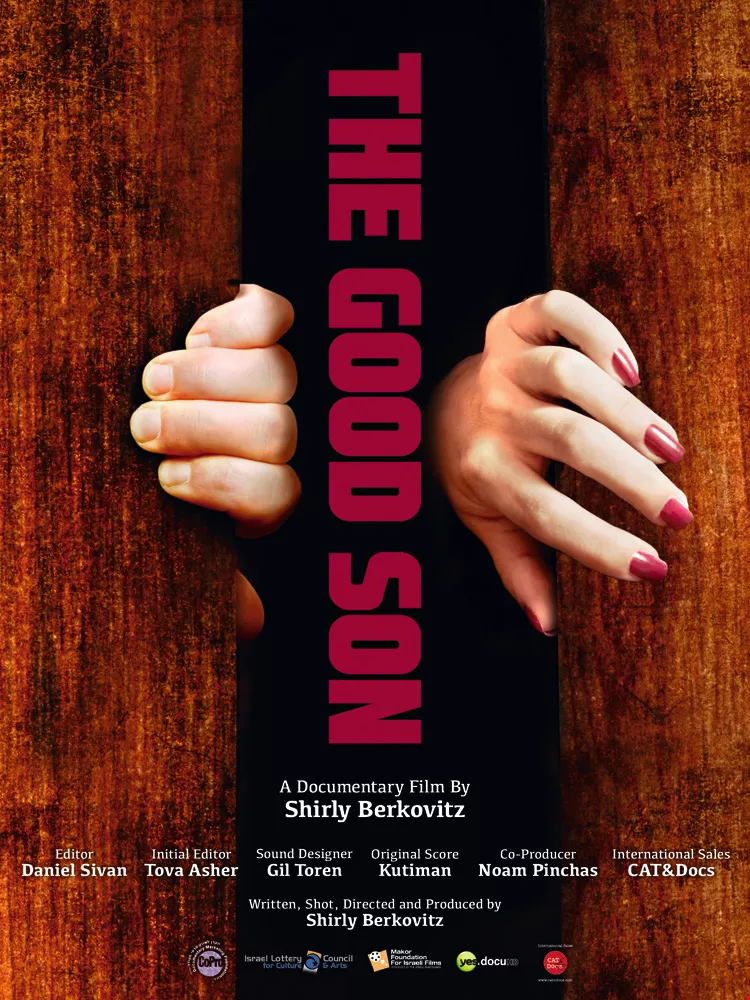
The Women Make Waves Film Festival is Asia’s longest-running female-focused film festival, with its 21st edition starting at Spot Huashan in Taipei City on October 17. Abuse of Weakness (left) and Jackie (right) are considered the must-see films of this year’s event.
With the lifting of martial law in 1987, social movements of all stripes began to blossom in Taiwan. That same year, the pioneering feminist magazine Awakenings was remodeled into the Awakenings Foundation, Taiwan’s earliest grassroots organization agitating for women’s rights and largely made up of educated women working in higher education.
Fan Ching, chair of the Women Make Waves Film Festival and of the Taiwan Women’s Film Association, is also a former general secretary of the Awakenings Foundation. The festival, she recalls, was part of a push for women to be more involved in the cultural sphere, particularly in the media and the arts. Most male directors and artists stereotyped women as good wives, daughters, and mothers, perverting the diverse reality of womanhood.
Self-aware women began to show their dissatisfaction with that state of affairs, with artists like Yan Ming-hui and Hou Yi-jen attempting to lift that “gender martial law” by giving exposure to the female perspective in their works. Director Huang Yu-shan, meanwhile, brought together Awakenings and feminists recently returned from studying abroad—like Chang Hsiao-hung, currently professor of foreign language and literature at National Taiwan University—to hold a women’s video exhibition, the precursor to Women Make Waves, at an art gallery.
Since then, the festival’s supporters have grown and grown, from hundreds to thousands, while the films screened have gone from a dozen to between 80 and 90. Having started in a gallery, as the festival grew it moved up to small theaters, and then, in 2000, to actual cinemas.
While women are the focus of the festival, it is also open to participation from men, such as National Chengchi University professor Chen Ru-shou, who organized the 1996 festival. That said, as Fan notes, Women Make Waves remains dedicated to screening the works of female directors with a focus on women’s physical and sexual autonomy, women in politics, women and work, and women across ethnicities.
The Women Make Waves Film Festival is Asia’s longest-running female-focused film festival, with its 21st edition starting at Spot Huashan in Taipei City on October 17. Abuse of Weakness (left) and Jackie (right) are considered the must-see films of this year’s event.
German-Jewish political philosopher Hannah Arendt, who coined the phrase “the banality of evil,” was the focus of an 2012 film by German director Margarethe von Trotta. This film was part of last year’s Women Make Waves, and the keen-eyed film spotter responsible for its inclusion is 35-year-old Pecha Lo, who also directed last year’s festival.
Hannah Arendt focuses on Arendt’s work reporting on the trial of Nazi Adolf Eichmann, one of the major organizers of the Holocaust. Lo first saw the film at a festival in France, and while she found it bleak, it also deals with subject matter not often seen in women’s films, so she set her mind on bringing it to Women Make Waves. “My intuition about films isn’t always the same as my personal taste,” says Lo, “but as festival director I’m responsible for finding films for the festival audience, not just for myself.”
This year, the theme of Women Make Waves is “Aim High in Inspiration,” with seven subsections: “The Alphabet of Feeling Bad,” about women facing themselves honestly and indulging their bad sides; “Queer Up!” about challenging norms of gender and love; “The Faces of ‘Making a Family,’” about the diversity of the modern family; “F**k Life!” which strips the façade of neoliberal capitalism; “Cinéma d’Avant-Garde,” where visuals and consciousness collide; and “Filmmaker in Focus—Márta Mészáros,” with films by Hungary’s first female feature-film director.
Queer film is an attention-grabbing regular feature of Women Make Waves, being part of the festival for all of its 21 years and showcasing the many faces of gender and sexuality across the LGBT spectrum. And with the definition and role of family a matter of unceasing debate in recent years, this year’s “The Faces of ‘Making a Family’” promises to explore gender, sexuality, and family.
“I’m not afraid of conflict;” says Lo, “in fact I love it.” The main source of conflict at Women Make Waves comes from the heated post-screening seminars and Q&A sessions, but no matter how impassioned they get, these arguments are always built on a foundation of rationality and dialogue.
Over the past three years, Women Make Waves has seen phenomenal growth in ticket sales, which rose 50% year on year in 2012 and 150% in 2013. Men, students from mainland China, and cinephiles from abroad have also been a growing part of the audience. As the audience grows and Women Make Waves goes from strength to strength, we can look forward to a cinematic banquet of emotion, ideas, and inspiration for years to come.

@List.jpg?w=522&h=410&mode=crop&format=webp&quality=80)


