A Chip Odyssey:
Documenting the Spirit of Taiwan
Joanna Wang / photos Kent Chuang / tr. by Phil Newell
October 2025

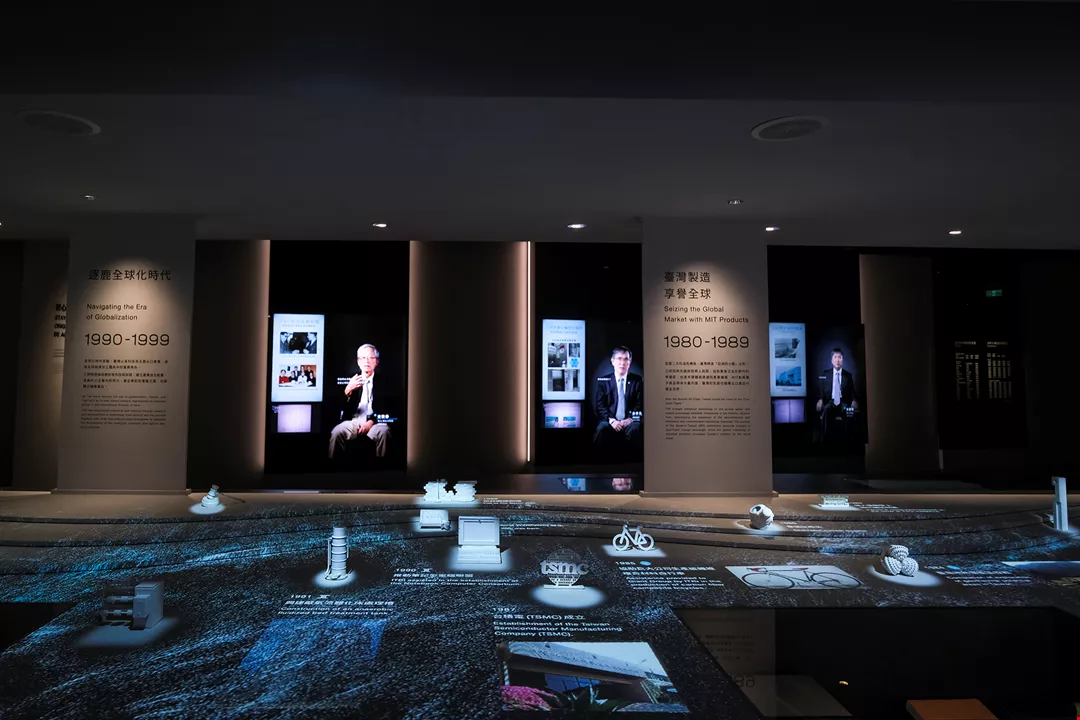
Thanks to technological breakthroughs, management strategies, and policy support, Taiwan’s semiconductor industry has risen from nothing to become a global leader.
The documentary film A Chip Odyssey came out in the early summer of 2025, and in less than three months surpassed NT$30 million at the box office, making it one of the top five highest-earning documentaries in the history of Taiwan. The film transcends the gulf between generations and fields of endeavor and has heightened people’s affection for this land.
Golden-Horse-winning director Hsiao Chu-chen spent five years making A Chip Odyssey. She interviewed legendary figures from Taiwan’s high-tech sector for the film, which explores the history of the island’s semiconductor industry.
Turning to history
The film describes the journey of Taiwan’s semiconductor industry, which started from scratch and grew to be a worldwide sensation. It also touches on current geopolitical tensions, the global division of labor, and the challenges and opportunities for Taiwan semiconductors. Hsiao stresses that her intent was not to create heroic myths, but to turn to history to find the story that is as close as possible to the truth.
Before the premiere of A Chip Odyssey, none of the interviewees had seen the documentary in advance. Even Shih Chin-tay, now an emeritus professor at National Tsing Hua University, formerly president of Taiwan’s Industrial Technology Research Institute (ITRI), and one of the leading figures in the film, saw it for the first time when it premiered on May 10. Morris Chang, former chairman of the Taiwan Semiconductor Manufacturing Company (TSMC), had to buy his own ticket and see it in a theater. Hsiao’s insistence on independence kept the film from charges of conflict of interest.
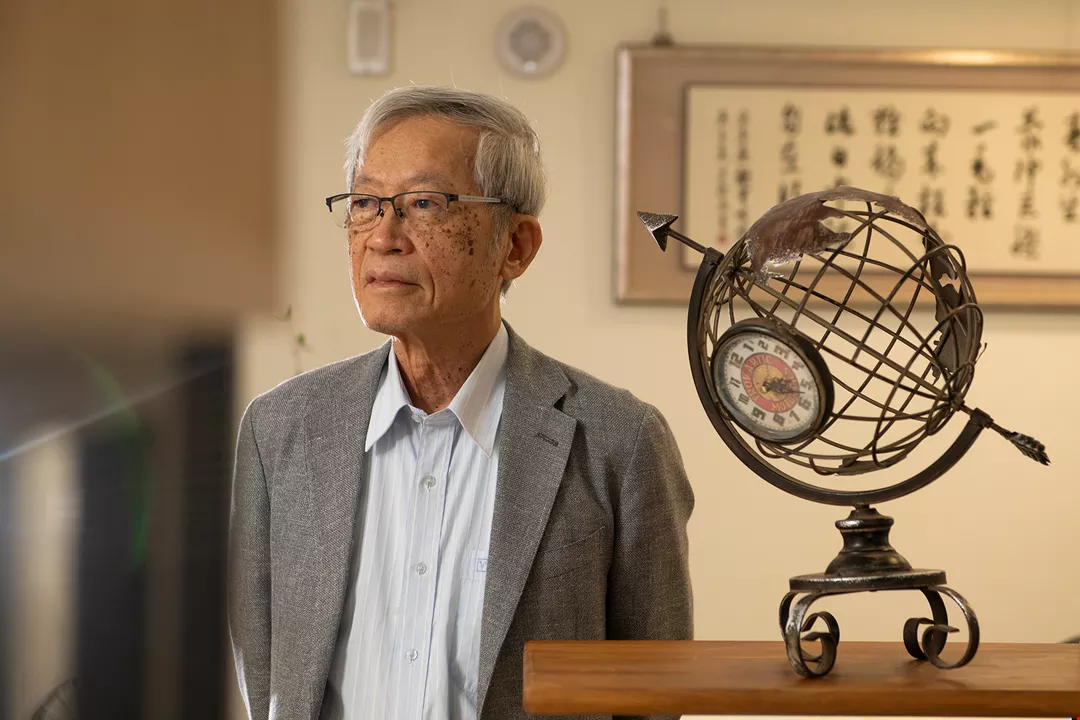
As a young man, Shih Chin-tay was stunned when he saw images of the Apollo moon landing, and he was even more affected by the gap between Taiwan and the US when he studied in the States. He became determined to finish his studies and return home to make a contribution to Taiwan.
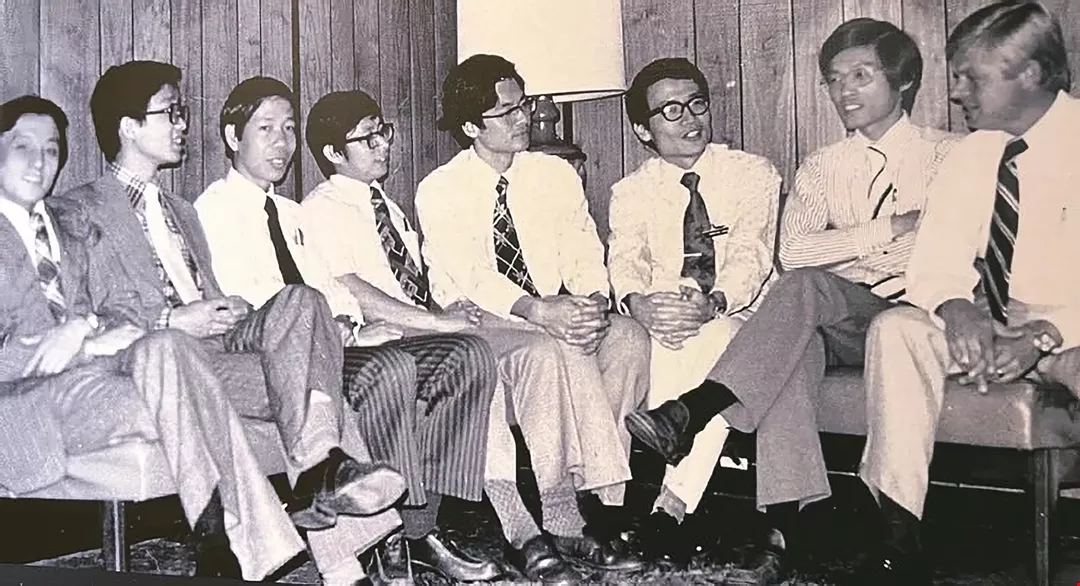
This photo of the first group of Taiwanese engineers to go for training at the American company RCA was taken in 1976. Shih Chin-tay (second from right) recalls that it was taken during an interview by a local reporter and later published. For the reporter, the Taiwanese seemed like aliens, strange and special. (courtesy of ITRI)
The RCA program
Shih Chin-tay was one of 19 people that the government sent to the US back in the 1970s to be trained at the Radio Corporation of America (RCA). At that time Shih led the “production process team” within the group. He also served as general chauffeur, because only a few of the 19 had previously lived in the US and had driver’s licenses, while the vast majority were visiting there for the first time.
When they first reached the US back in the day, there was a sense of wonder and shock. “So this is what a freeway looks like.” “It turns out that US streetlights never turn off at night.” Faced with the gap between the two countries and Taiwan’s inadequacies, they realized there was an urgent need to catch up.
In 1976, this group of young people, less than 30 years old on average, who had been sent to the US to learn, knew that they carried a heavy burden and were assigned an important mission, and everyone gave it their all. But no one expected that this delegation to the US would play a decisive role in the founding and development of the semiconductor industry in Taiwan.
Some people have voiced the suspicion that this was a kind of “theft,” but Shih Chin-tay clarifies the situation: Almost all the group members had master’s or doctoral degrees, and they weren’t in the US simply to follow some prewritten manual. They were there to learn basic principles in detail, and by the end of their stay were even helping RCA resolve technical problems. Returning to Taiwan after several months, they set up a demonstration factory at ITRI, where within only half a year they achieved a yield rate of 70%, far above RCA’s 50%. It was this successful localization and improvement of technology that laid the foundations for Taiwan’s semiconductor industry.
“For one thing, we studied very conscientiously. For another, we knew that we could find new methods,” says Shih. After the equipment and production process at the demonstration factory were optimized, they differed from those in the US. This achievement gave the government tremendous confidence, and in 1980 the ITRI transferred wafer technology and an R&D team to the private sector to form the United Microelectronics Corporation, Taiwan’s first semiconductor manufacturing company. Later, TSMC grew out of these small seeds to achieve enormous success.
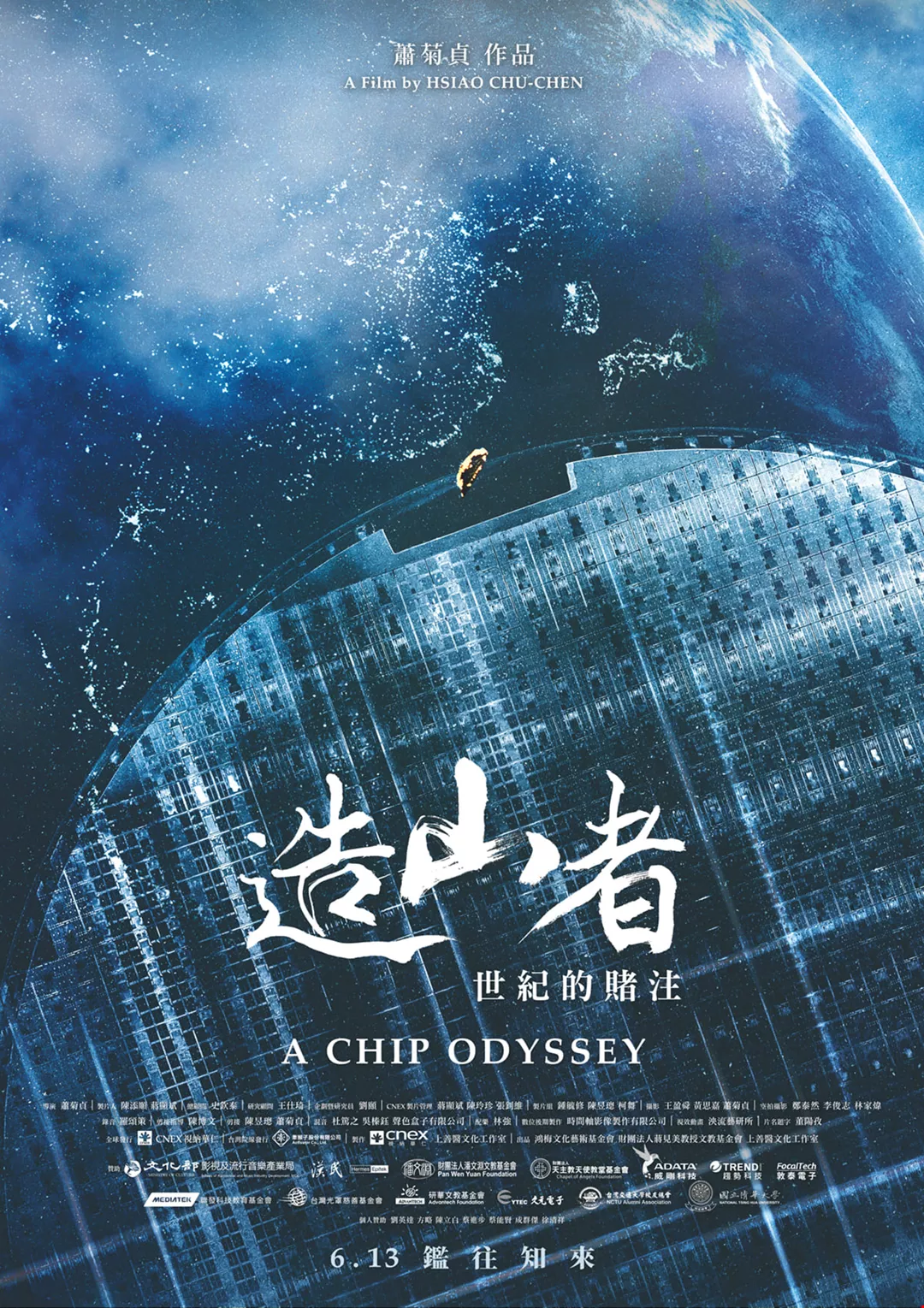
A Chip Odyssey, the first documentary film to focus on Taiwan’s semiconductor industry, has struck a chord with the public. (courtesy of CNEX)
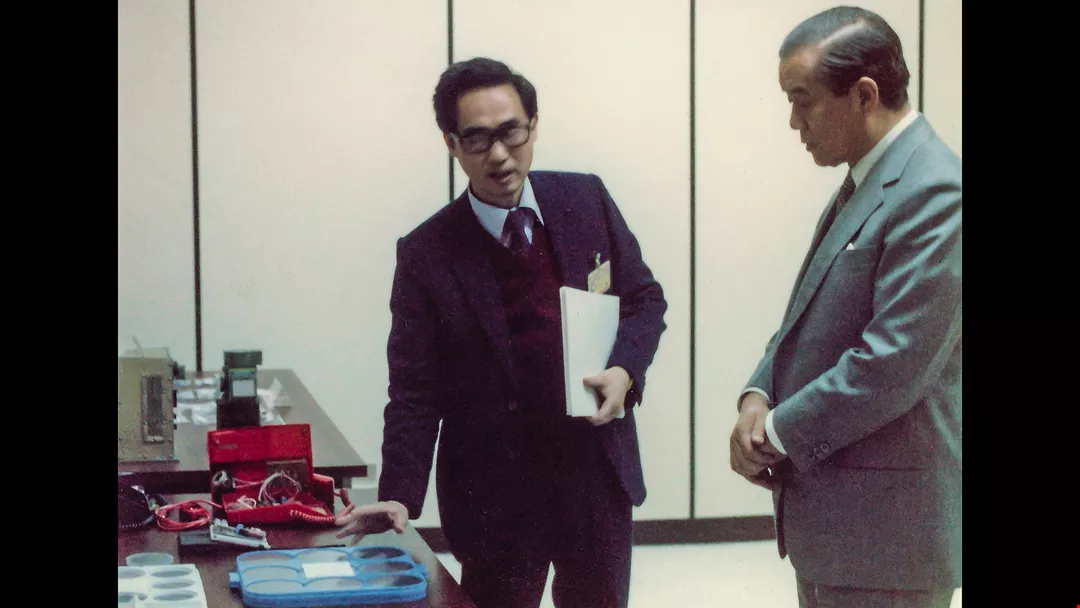
Hu Ding-hua (left) volunteered his services to head up the RCA technology transfer project, in which role he displayed his passion and foresight for developing Taiwan’s semiconductor industry. At right is Sun Yun-suan, then minister of economic affairs. (courtesy of CNEX)
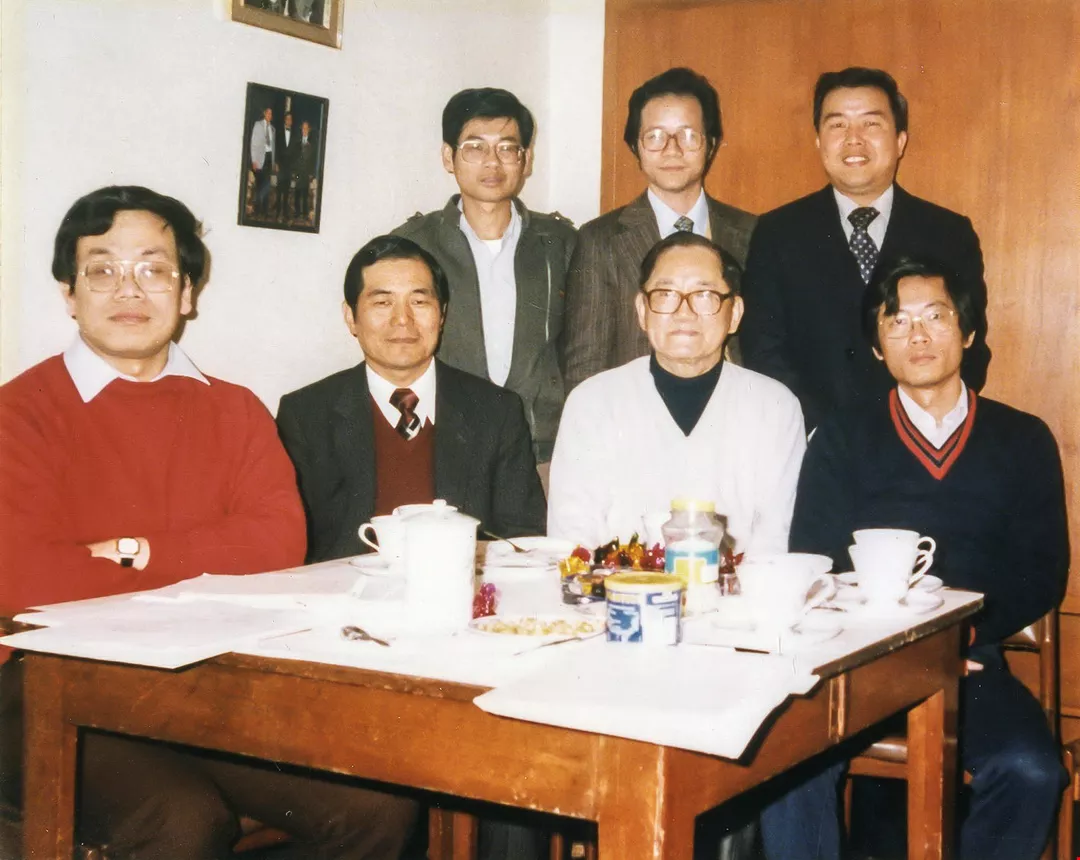
Pan Wen-yuan (seated, second right) never drew a salary in Taiwan, but he did draw up Taiwan’s first integrated circuit technology development plan, becoming a major contributor in the early days of the semiconductor industry. This photo, which includes Shih Chin-tay (seated, first right) and Yang Ding-yuan (seated, first left), was taken when Taiwan engineers were being trained at RCA in 1976. (courtesy of Pan Wen Yuan Foundation)
Not just success, but survival
The industry’s early days were by no means plain sailing. A Chip Odyssey takes viewers back to the turbulence and challenges of the 1970s and 1980s.
In 1965, US aid to Taiwan ended; in 1971, Taiwan (the Republic of China) was forced out of the United Nations; in 1972, Japan broke off diplomatic relations; and in 1973 the first oil crisis hit. The economy was in trouble, and government officials were deeply concerned. It was under these desperate conditions that the government decided to invest in the semiconductor industry, in a bid to turn the nation’s fortunes around. It was a huge gamble. Hsiao says with feeling: “If at that time the country had been in sound condition, Taiwan would never have had its semiconductor miracle.”
In the film, Yang Ding-yuan, now nearly 80, who led the RCA team, can’t hold back tears when he thinks of the words of Taiwan’s then economic affairs minister, Sun Yun-suan, just before the group set out for the US: “We have to succeed. Failure is not an option.” In fact, not only Yang, but many of the first-generation high-tech leaders found it hard to hide their emotions when recalling their sense of mission on behalf of the nation back then.
Some argue that their success was just a matter of luck or coincidence. But their achievements, says Hsiao, “were by no means fortuitous, but the result of determination and hard work backed by a sense that their mission had to succeed.”
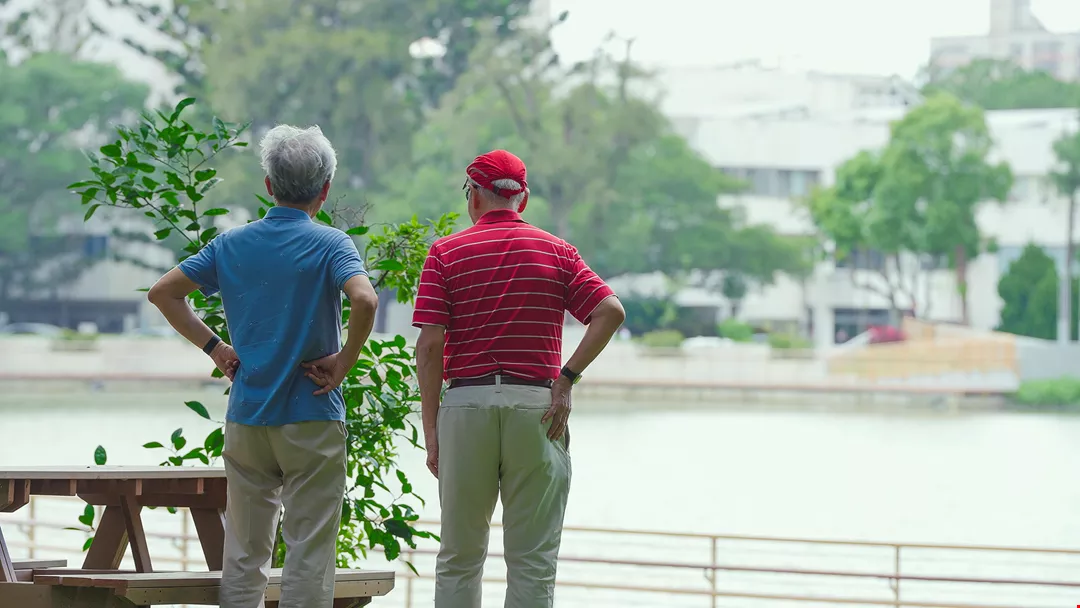
Shih Chin-tay (left) and former TSMC vice chairman Tseng Fang-churng (right) were among Taiwan’s first generation of semiconductor engineers. They were filled with a sense of mission and a spirit of innovation. (courtesy of CNEX)
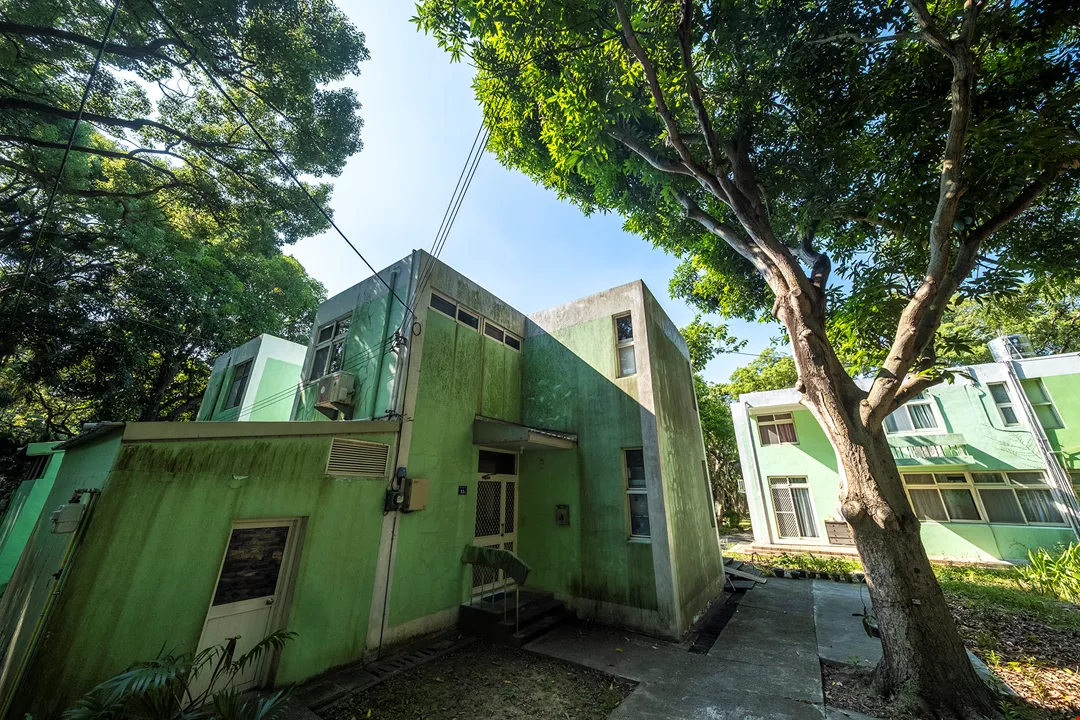
In the documentary, Shih Chin-tay and Tseng Fang-churng revisit the ITRI staff housing where they lived back in the day and find that the mango trees that Tseng planted back then have grown large.
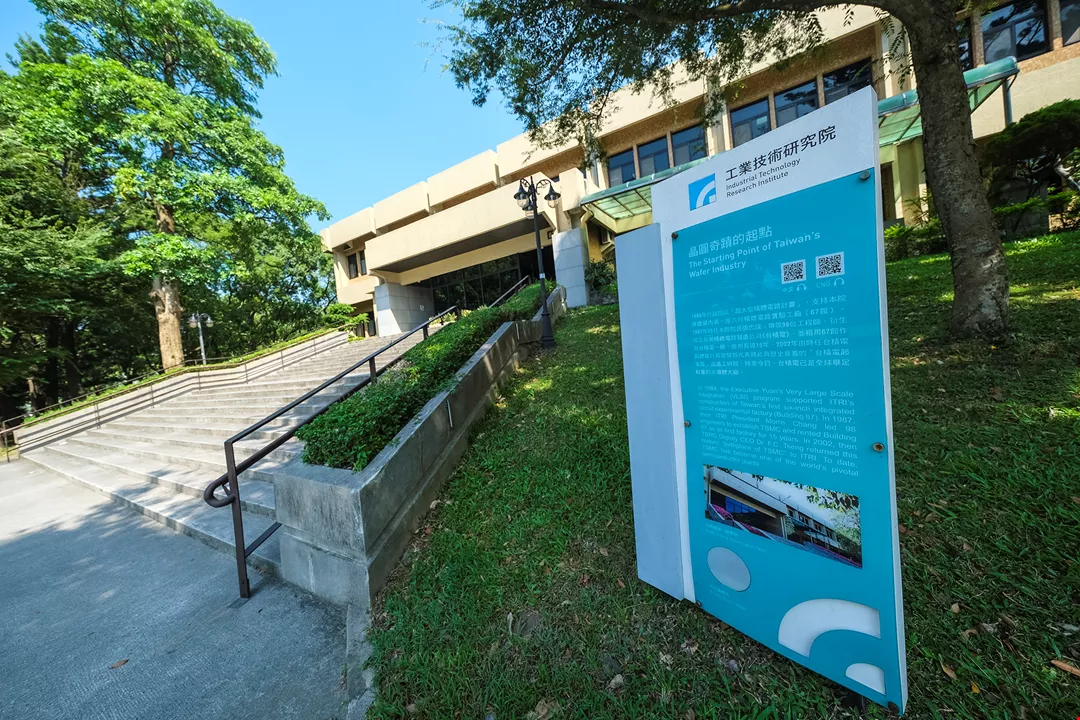
In 1984, the “very large scale integration” (VLSI) program led to the building of the first pilot plant for producing six-inch wafers. Later, it became Factory No. 1 of the Taiwan Semiconductor Manufacturing Company, and is known as “the ancestral home of TSMC.”
Perseverance and knowledge transmission
Of course, not everything went smoothly. For example, Vanguard International Semiconductor Corporation tried to develop DRAM using microtechnology, but ultimately abandoned the project. Hsiao reveals that she repeatedly considered cutting this episode at the editing stage, but decided to keep it in. This is because “plans don’t always succeed, and there are always failures.” This part of the film gives viewers a deeper appreciation of the fact that the prosperity of Taiwan’s semiconductor industry was hard won.
The robust position of Taiwan’s semiconductor industry today is not the outcome of some isolated miracle, but is the result of collective determination and the passing down of knowledge and leadership. Every stage in the industry’s development has depended on a group of people working out of the public view who took action when it was needed and passed the baton to their successors.
Shih Chin-tay comments that the origins of Taiwan’s semiconductor industry can be traced back to a confluence of factors: science and technology policy, human resources assignments, industrial strategy, and international relations. Lin Hong-wen, a veteran financial writer, argues that TSMC’s rise to the top of the global wafer industry rested not only on technology, but above all on partnerships and trust. The industry has required collaboration with partners around the world to create value and build a flourishing, mutually beneficial industrial ecosystem.
The depiction of this period in history not only demonstrates Taiwan’s technological accomplishments, but is a portrayal of the Taiwan spirit.
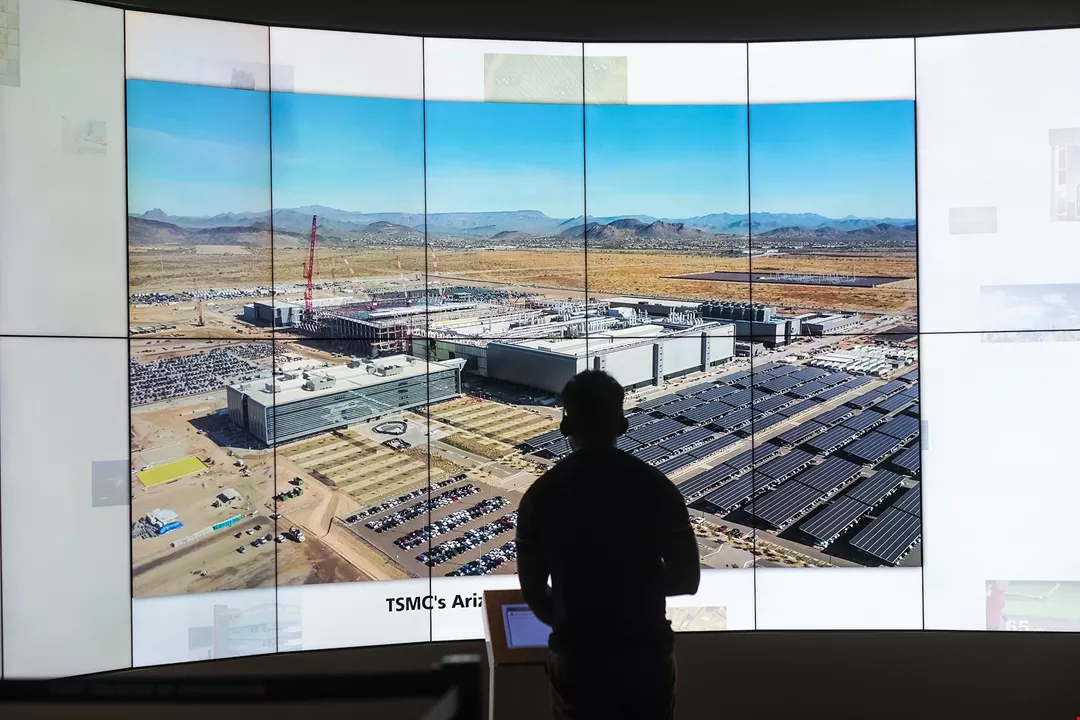
TSMC has begun volume production in the US state of Arizona, showing that its deployments in the US are steadily getting on track.
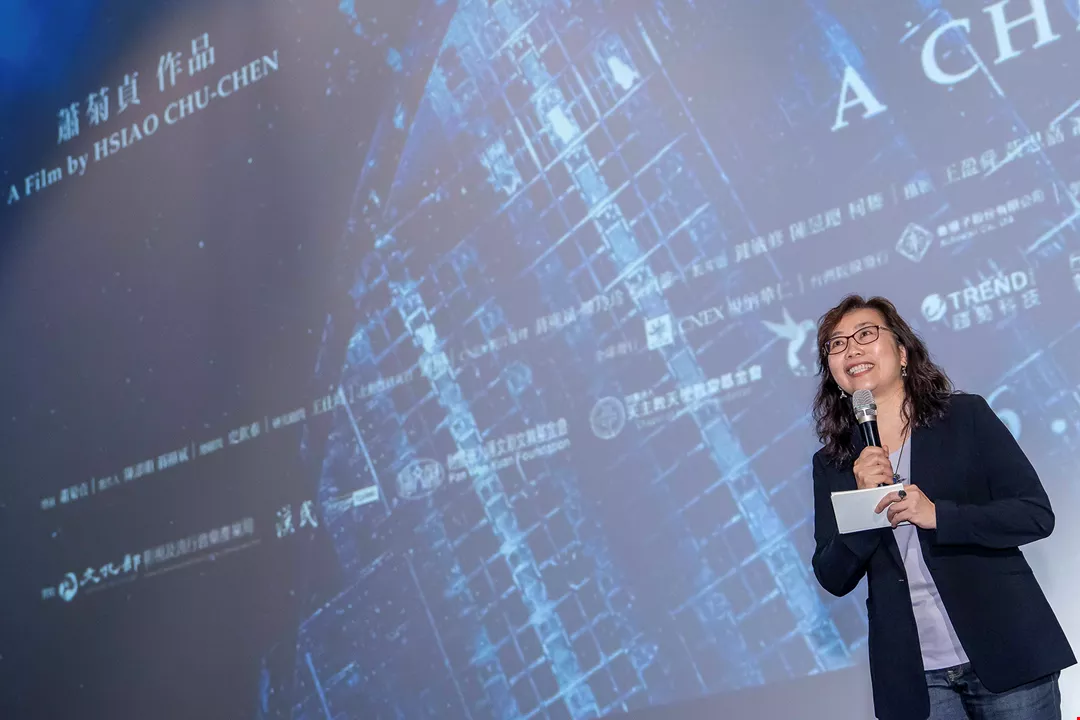
Director Hsiao Chu-chen never expected that due to dramatic changes in the world, her documentary on the high-tech industry would become a film about current events as well as history. (courtesy of CNEX)
Witness to changing times
Hsiao admits that when she first started preparing to film back in 2019, she never anticipated the enormous changes that were to come.
In 2019, Samsung, TSMC, and Intel had roughly similar market shares. No one expected the global chip shortage caused by the Covid-19 pandemic, nor the major new technologies that would follow in various fields, including AI, chatbots, electric vehicles, and robots. TSMC, using its superior chip production capacity, would several times move to the head of the international pack. During these past few years, international visitors to Taiwan have all eagerly wanted to discuss chips, all hoping to share in the achievements and influence represented by TSMC, or even to host manufacturing in their own countries.
“I had never before made a documentary like this one, with new issues continually coming to the fore, all of which were earthshaking.” Every day Hsiao considered how to adjust and refine the content of the film, and the number of interviewees ballooned to over 80, with the scale of the production vastly exceeding expectations.
Even as late as March 2025, with editing already finished, when Hsiao saw images of TSMC chairman Wei Che-chia entering the White House, and then arriving at the Office of the President in Taiwan, she recognized that this moment could not be ignored. Therefore, despite the rapidly approaching date of the premiere, she made further changes, because she wanted this documentary to be about not only the past, but also the future, and to remind people: The world is changing, and one can’t rest on the laurels of past successes.
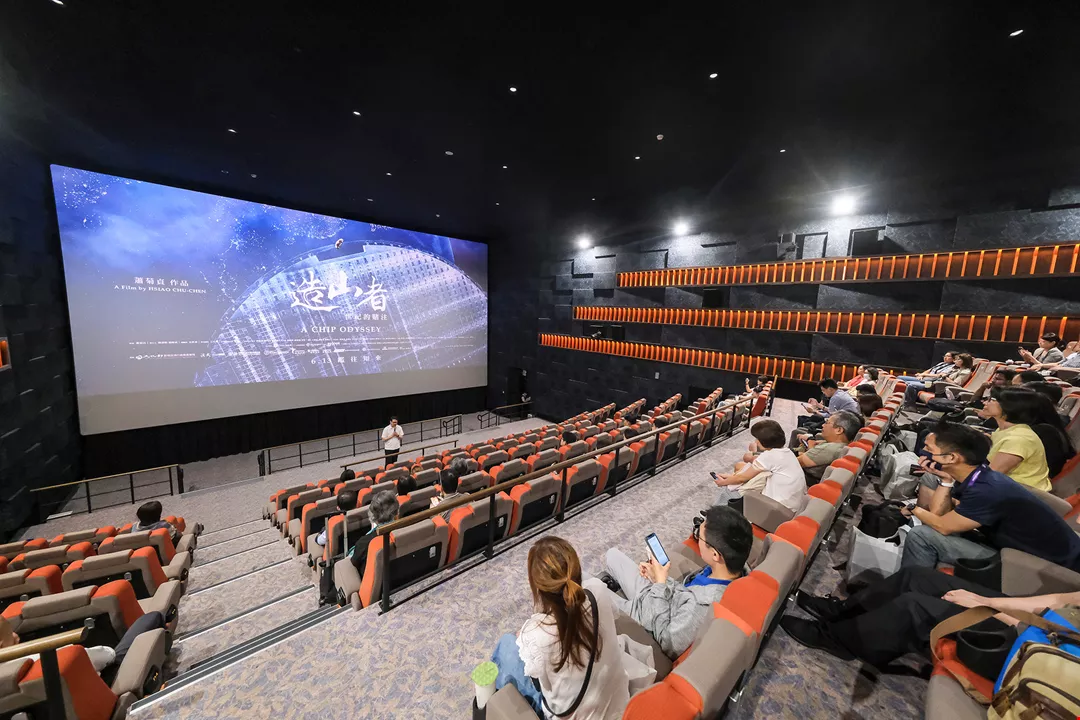
SEMI, an international association for the semiconductor industry, arranged a special showing of A Chip Odyssey at the LaLaport Vieshow Cinema in Taipei’s Nangang District. The director attended and engaged in a discussion with the audience.
The cultural mission of filmmakers
Hsiao notes that she previously didn’t have much interest in tech-related topics, until she attended the memorial service for Taiwan semiconductor pioneer Hu Ding-hua and heard elders from the industry talk about the bonds of comradeship between them when they were younger. It was then that she decided to make the documentary.
This film was not commissioned by the government or any corporation, but was an effort to make a record of the precious memories of Taiwan’s economic transformation in the 1970s and 1980s. That was an important period of technological pathfinding as well as democratization and cultural innovation. The fact that many of the participants in the events of those days were already over 70 and their numbers were dwindling added urgency to Hsiao’s desire to preserve their stories.
Hsiao avers that the cultural power of images should not be underestimated by men of science, and that such images have value that cultural workers should treasure.
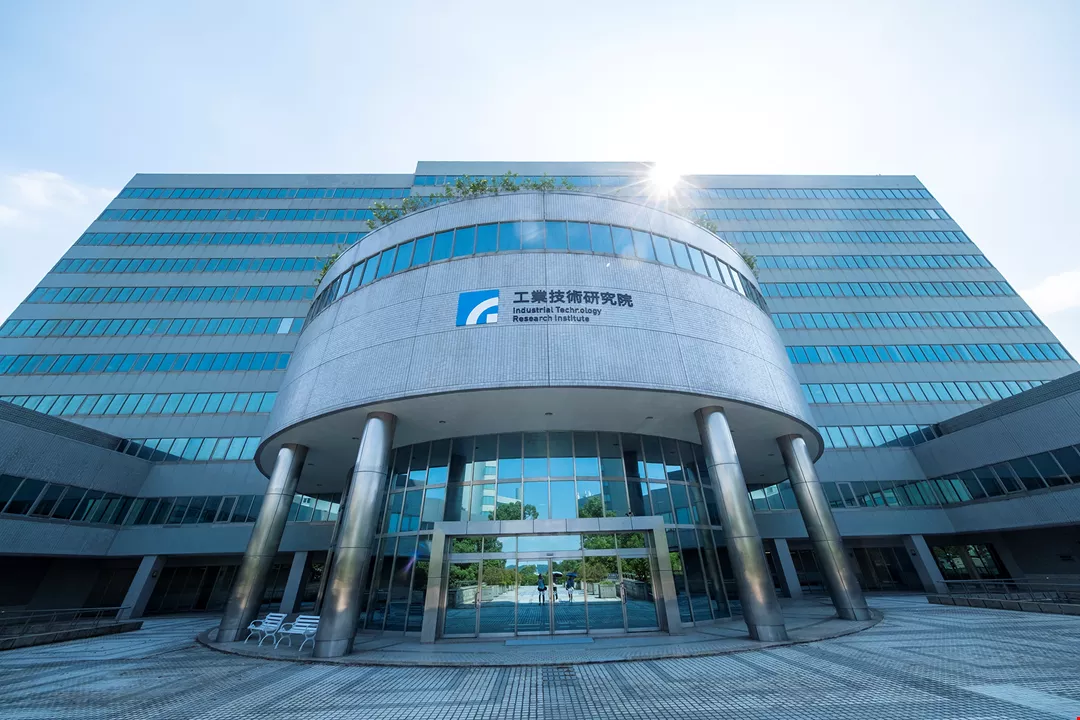
Since its establishment the Industrial Technology Research Institute has introduced technology and innovative R&D, trained human resources, and promoted industrial upgrading, laying a strong foundation for Taiwan’s semiconductor development.
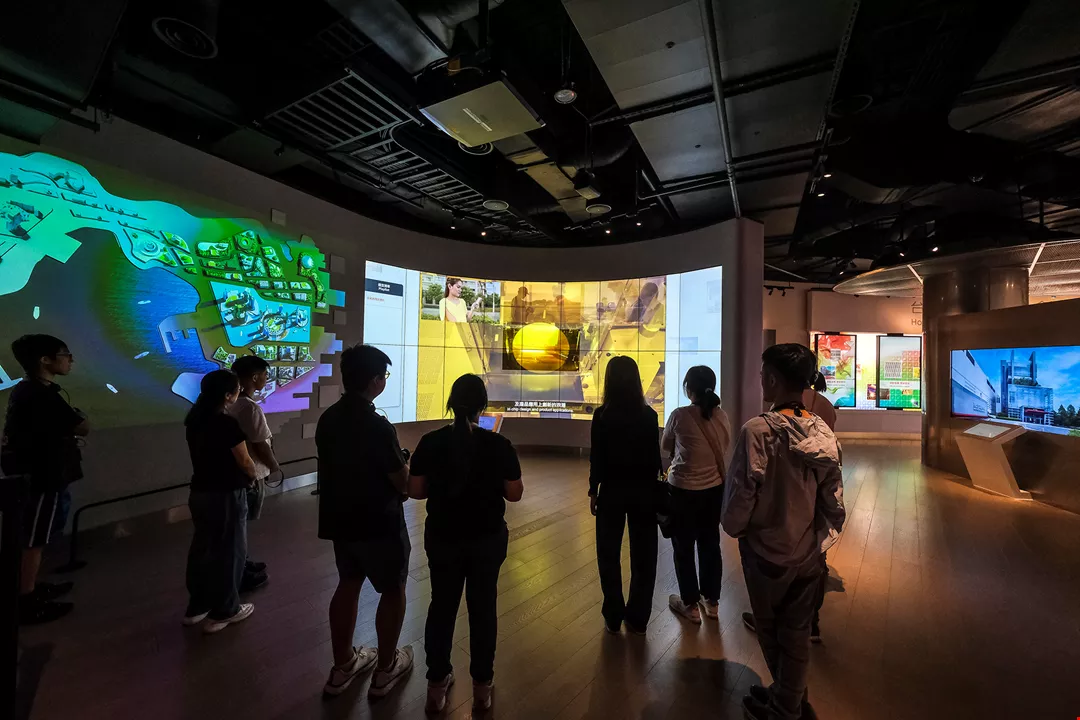
The TSMC Museum of Innovation highlights how the company, through its innovative business models, has promoted integrated circuit design and applications, changing modern life.
The spirit of the “mountain builders”
Hsiao says that the film does not intend to show only successes of the past, but aims to convey “the spirit of the innovators,” or rather the “spirit of the mountain builders,” as these pioneers are called in the Chinese title of the documentary. When people do not believe in you, when you are counted out, are you willing to go the extra mile and keep the faith to do something for your country, enterprise, or family? “The willingness to struggle to the end for their sake is the spirit of the mountain builders.”
Alongside this spirit, Shih Chin-tay expressed the hope in an interview with Taiwan Panorama that the government will give more practical help to small and medium sized enterprises (SMEs) and strengthen investment in human resources training. Major brands like TSMC make everyone proud, but SMEs are dynamic, innovative, and flexible, and each one can become an indispensable cog in the machinery of industry. In addition, international cooperation is critical, because Taiwan needs to attract investment, exchange ideas on technology, and seek collaborative win–win situations.
Where is the next mountain? Is Taiwan ready to face the even more daunting challenges of the future and pursue even higher, more distant dreams? The actions and beliefs of the pioneers of high-tech in Taiwan can inspire today’s decision makers and the new generation to continue to courageously move forward.
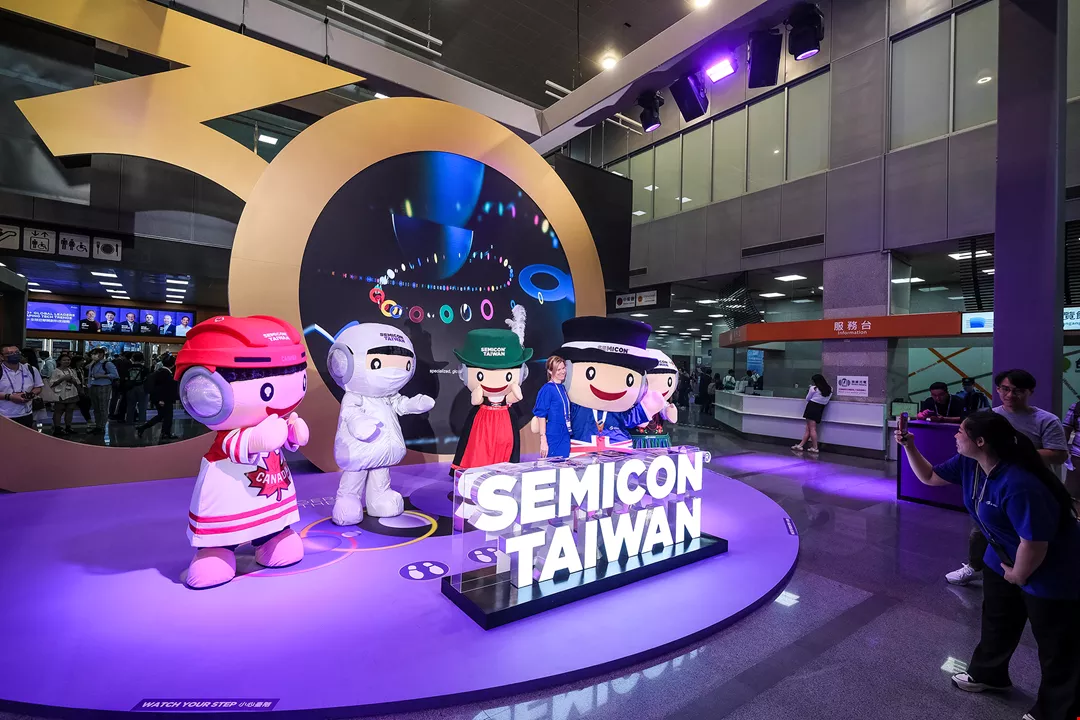
Semicon Taiwan 2025 was held at the Taipei Nangang Exhibition Center. This major annual event attracts partners from the worldwide semiconductor ecosystem and shows how Taiwan’s semiconductor industry has transitioned from a simple division of labor to collaborative co-creation over the last 30 years.
The echoes of cultural power
It is amazing that the rather dry subject-matter of A Chip Odyssey has been able to ignite such an enthusiastic response from the public. This is because it has sparked collective memories and a social identity deeply embedded in the hearts and minds of Taiwanese.
One young viewer who was about to go abroad to study said that after seeing the film, he finally learned how to proudly introduce himself as coming from Taiwan. An engineer who saw the documentary three times relates that the first time he brought his parents, because the 1970s and 1980s were their times, while the second time he brought his children, because he is so busy at work, often doing overtime, and he wanted his family to understand the commitment behind his situation. After this showing, Hsiao asked his child: “Do you know why your father works so hard?” When the child nodded, the engineer gazed at the kid with a gleam of satisfaction in his eye. Hsiao herself was also very moved.
Hsiao notes that many people have criticized the culture of overtime in Taiwan. “But we should understand this against the background of the larger era.” Many Taiwanese in a variety of fields, not only in the high-tech industry, are earnestly working with a spirit of complete dedication. Back in those days, Taiwan had no other way forward, and if people hadn’t committed themselves fully to work, Taiwan might have ended up with nothing.
Once, a group of women technicians who appear in the film turned up unexpectedly at a post-film discussion session, and were met with enthusiastic waves of applause. After the session, one of these women said: “I feel so passionate at this moment that if my company called me up and asked me to go back to work for them, I’m really worried that I would say yes.” The director replied with a laugh: “You retired long ago, so chill out!” Many viewers say the film has really inspired them, touching their hearts and minds in the same way that the Taiwan team’s victory at the World Softball and Baseball Confederation Premier12 tournament did last year.
Hsiao states that this is the power of culture, calling forth the sense of identity and pride of each and every Taiwanese. It enables people to see once again that a tenacious commitment to survival and dignity has long been at the core of the spirit of Taiwan.
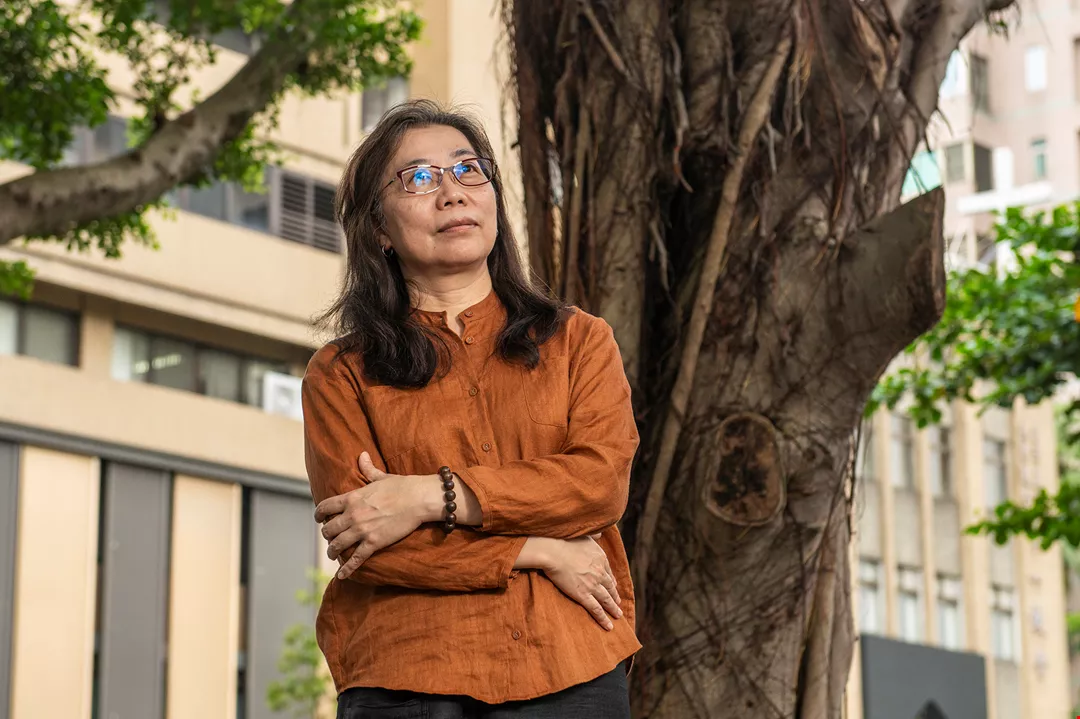
Hsiao Chu-chen says that the spirit of the semiconductor industry pioneers featured in A Chip Odyssey is to hold fast to one’s ideals even amid difficulties and to be willing to commit oneself unstintingly to the success of the mission.


@List.jpg?w=522&h=410&mode=crop&format=webp&quality=80)

