

The Republic of China's golfers are recognized as being of world standard, and have won for the nation the reputation of being foremost in Asia in the sport. Since the Asian golf circuit was established 20 years ago, local golfers have won 65 tournaments and 16 championships.
While it is true to say that along with Little League Baseball, golf has put the ROC on the international sports map. There are about 40 golf courses of various sizes in Taiwan, which can accommodate up to 100,000 players. Under plans to promote the sport under "golf course management regulations" recently approved by the government, more courses are planned to bring the sport to a wider public.
While most golfers in Taiwan are over 25 years of age, there is a steady stream of young players entering the game. It is significant that almost all the 100 professional players in Taiwan come from the ranks of caddies who learned to play by watching accomplished players who hired them, and practising in their free moments. The three most outstanding examples of caddies-turned-professional are Lu Liang-huan, Tony Hsieh, and in the women's section, Tu Ai-yu.
Lu Liang-huan, who has won more than 30 international tournaments, and has been the subject of articles in American and British newspapers, is considered one of the top 10 golfers in the world today. All his achievements are particularly commendable, since a wound he received as a child when he was gored by a water buffalo still causes him chest pains.
Lu comes from a poor family, and after completing elementary school, went to work as a caddy at the Tamsui Country Club. There his interest in golf grew as he carefully watched and listened to the golfers as they played. After work he would practice with a broom and dried pomegranates. Later, after his family's economic situation improved, he bought a set of golf clubs and began to practice in earnest.
His hard work and talent won him the admiration of club professional Chen Chin-shih, who took Lu on as an apprentice. In 1956, Chen helped Lu to go overseas for the first time to participate in the Canadian Open. Even though he was eliminated on the fourth day, Lu was not discouraged, but instead took advantage of the opportunity to learn from other golfers.
Convinced he must travel and experience more international competition, Lu joined the Japanese and Southeast Asian circuit. In 1971 he won the Asian Circuit crown and was invited to take part in the British Open. When he finished only one stroke behind the winner, he was finally accorded international recognition.
Lu never forgot his country. Wherever he played, he took ROC national flags and asked that they be flown over the golf course. Once in Spain, the hosts refused his request because of Communist Chinese pressure. Lu refused to play, and the public uproar that followed forced the organizers to back down.
More or less retired from professional golf now, Lu has set as his goal helping to cultivate a new generation of golfers in the ROC. He feels young golfers have things too easy, and would like to set up elimination tournaments to put pressure on them to improve. He feels only this will stimulate them to practice hard enough to ensure the ROC a prominent place in the future of professional golf.
Last October, Tony Hsieh entered the Japanese Open and during the course of the 12-day tournament set a world record with three consecutive wins and twelve rounds lead. At 43, Hsieh is at the peak of his career. By this age most golfers have already started to wane, and Hsieh thinks the reason for his staying power is his strict "total body management."
Five years ago, Hsieh felt he was in a rut and his strength was ebbing, so he hired a trainer to instruct him in building up his stamina. With such a late start in life, he cannot afford to relax his training schedule for a moment, or he is back to square one. By placing great emphasis on results, he is able to stick to his regimen.
Hsieh recalls how when he started his career at the Tamsui golf course, he used tree and bamboo branches as clubs, while the only balls he could find were those discarded by regular players. He eventually won his first set of proper clubs in a tournament organized by the club.
Hsieh has won more than 30 professional tournaments both within Taiwan and abroad. His most important victories have been in the Eisenhower Cup and the World Cup, a feat matched only by Jack Nicklaus. But none of his triumphs came easily. Before playing a shot he plans the path he wants the ball to follow, and then carefully inspects the course for the lay of the land. Hsieh has no confidence in luck. He said, "If you are lucky enough to hit a hole-in-one, that is still only one hole. You must have all-round skill and stamina to last the whole course."
At 28, Tu Ai-yu has nine years of professional golfing experience, and has won 21 international open championships and nine in the ROC. Last year, in Japan alone, she took nine professional tournaments, winning US$175,000 and seven new cars.
Tu attributes her success to the help she has received from others. Her first benefactor was the manager of the Fengyuan Country Club where she worked as a caddy, who presented her with a set of golf clubs. Later, a businessman for whom she caddied, recognized her talent and introduced her to a Japanese golfer who in turn introduced her to Chen Chin-shih, the Tamsui professional.
At the age of 17, Tu moved to Taipei to study with Chen. He taught her the Japanese language as well as how to play golf, preparing her well for her future career. Everyday, in all weather, Tu can be seen on the Tamsui course practising her game.
She commented: "The most difficult part of training is not practice but rather breaking out from a bad patch in your play. She pointed out that her swing is always changing, sometimes unconsciously. When she hooks or slices, she cannot say why. At times she becomes depressed and feels like quitting altogether. Chen will then tell her. "Play one more year. If you don't improve, then you can give up."
The thought that she must only endure another year helps her to relax, and she is able to see her problem more objectively and correct it. Tu warned potential golfers: "Golf is a difficult game. You have to be psychologically prepared to become a professional."
These three golfers, although they have different aptitudes and records, all share the same secret of success - hard work. Only by continuously practising can one win international recognition and the fame and money that go with it.
[Picture Caption]
1,4. Lu Liang-huan is the most prominent golfer in Taiwan. He has won 22 professional golfing titles over the course of his career. 2. In Taiwan there are many golfers. They can often be seen practicing on the courses around the island in their spare time. 3. The Tamsui Golf Course has an international reputation, many professional tournaments have been held here.
1. Besides playing golf, Lu Liang-huan has also invested in two companies. Here he is at work in his office. 2. At 47, Lu's golfing skill is as good as ever. 3. In 1980 Lu travelled to Morocco and the Ivory Coast to take part in tournaments and to act as a civilian ambassador. Here he is with a statuette presented to him by the Prime Minister of the Ivory Coast. 4. Caddies have the opportunity to learn much during their working hours. In fact, nearly all the professional golfers in Taiwan started as caddies.
1. Tony Hsieh said, "Relying on good luck does not account for my success. Only hard work and practice will bring real results." 2. Hsieh has won many trophies during his career. 3. Early this year, Tony Hsieh set a world record with three consecutive victories and twelve rounds lead. A Japanese golf ball company specially made these balls for him as a momento. 4,6. Hsieh is serious both in competition and in practice. 5. The quiet beauty of the Tamsui Golf Course.
1,4. Tu Ai-yu on the course. 2. Tu said, "My success today is because of my constant practice." 3. Tu won this year's China Open. Here she is with Tony Hsieh (right) and her teacher, Chen Chin-shih (center). 5. Tu has won 30 tournaments locally over the last nine years. Here she is with the trophy she won in the 1977 China Open.
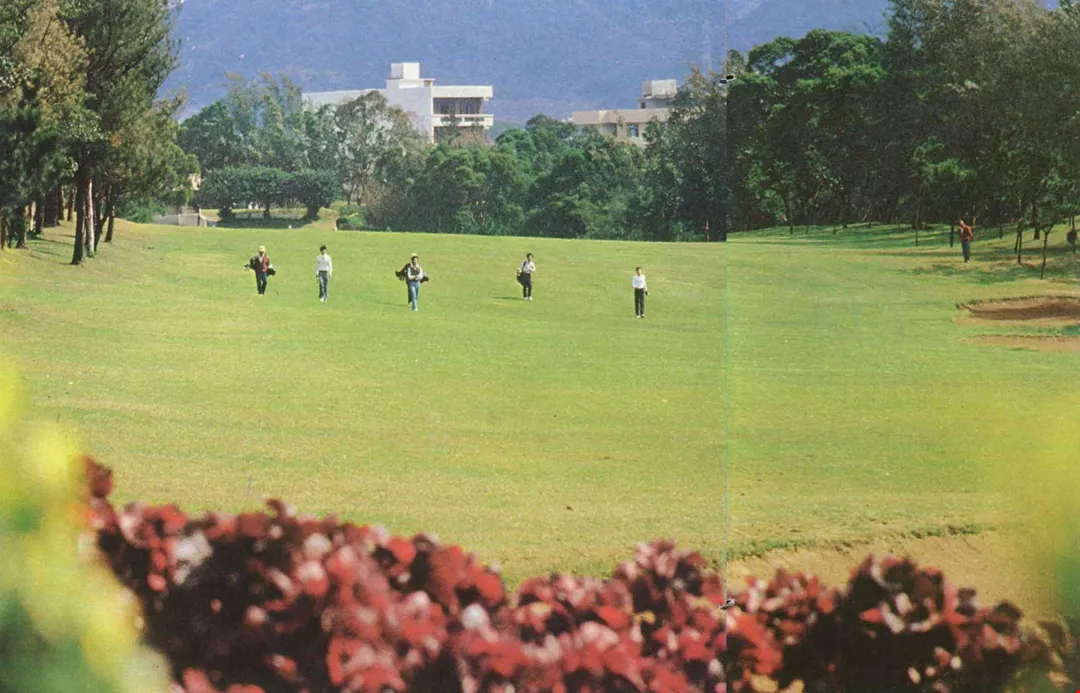
3. The Tamsui Golf Course has an international reputation, many professional tournaments have been held here.
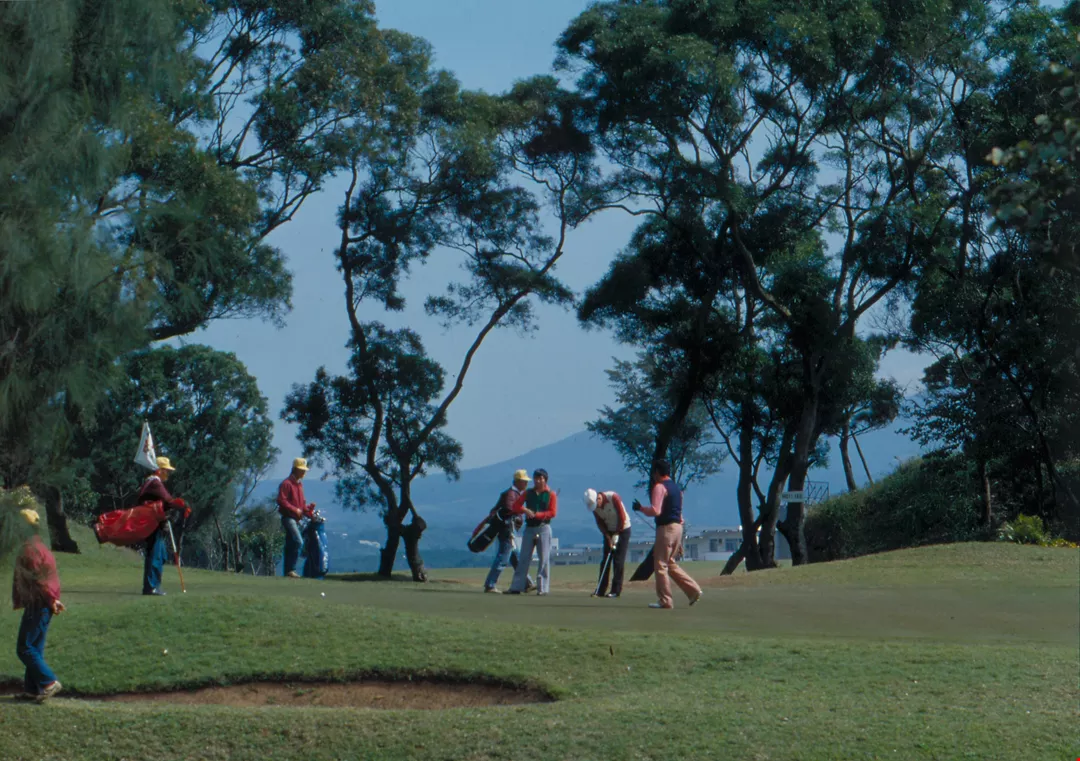
2. In Taiwan there are many golfers. They can often be seen practicing on the courses around the island in their spare time.
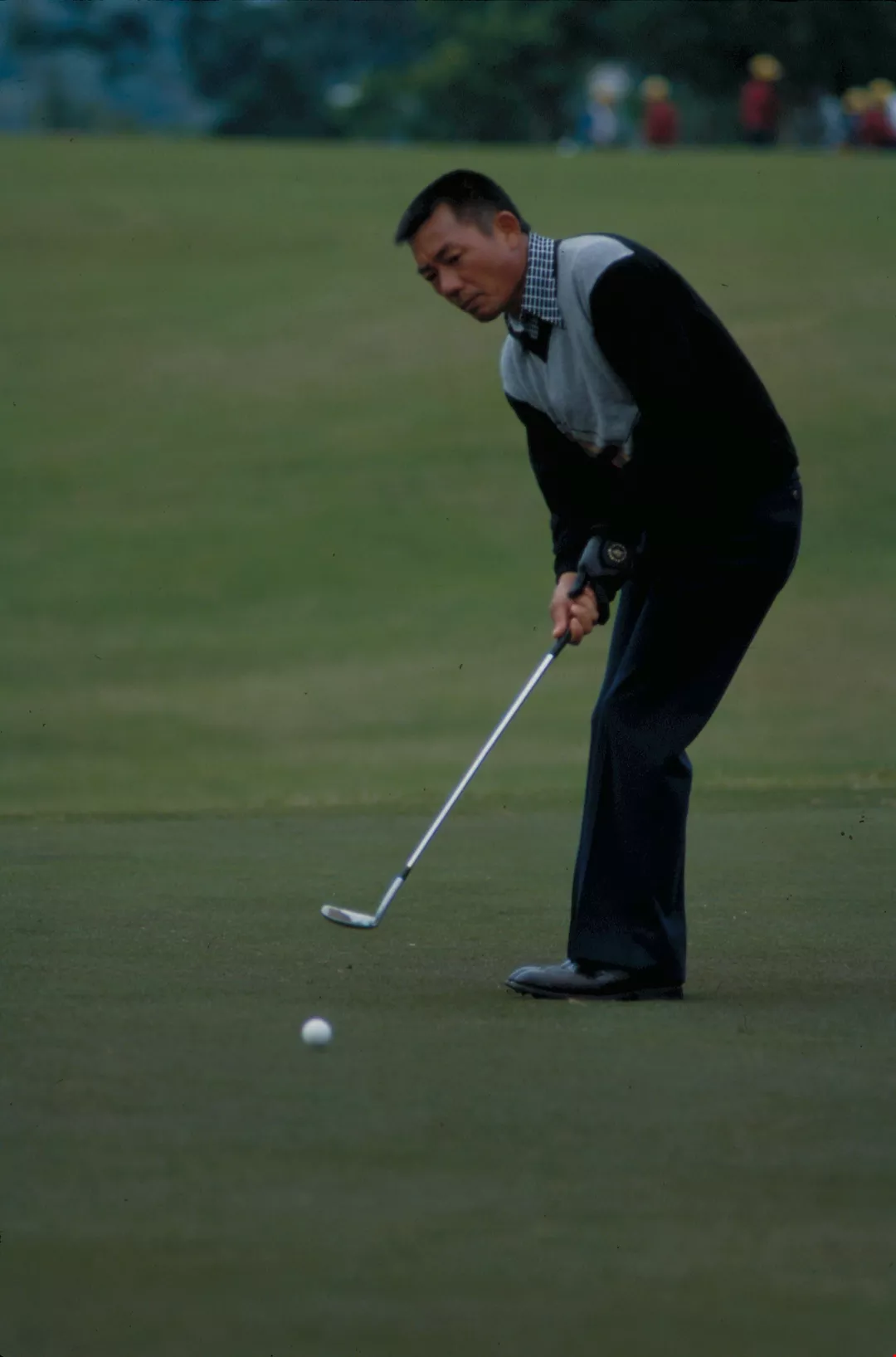
1,4. Lu Liang-huan is the most prominent golfer in Taiwan. He has won 22 professional golfing titles over the course of his career.
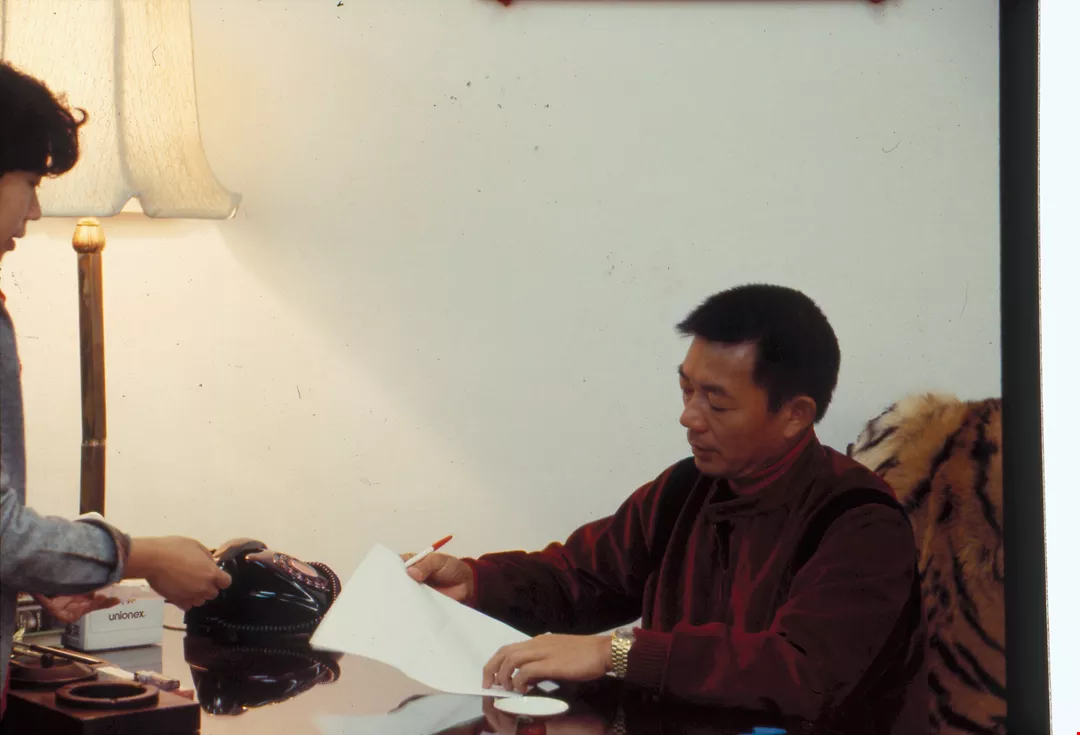
1. Besides playing golf, Lu Liang-huan has also invested in two companies. Here he is at work in his office.
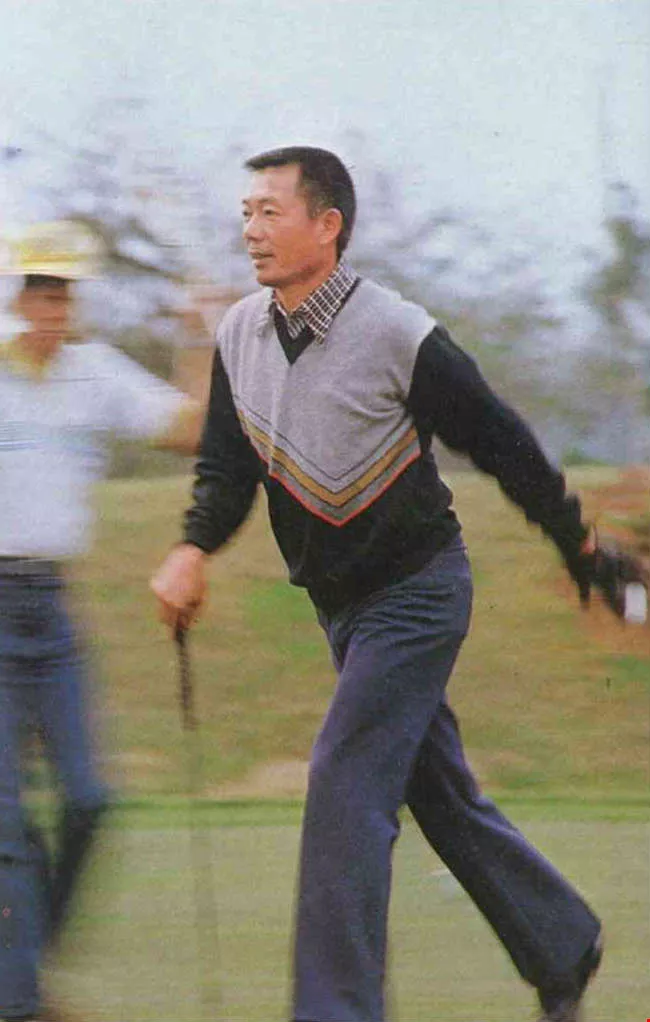
2. At 47, Lu's golfing skill is as good as ever.
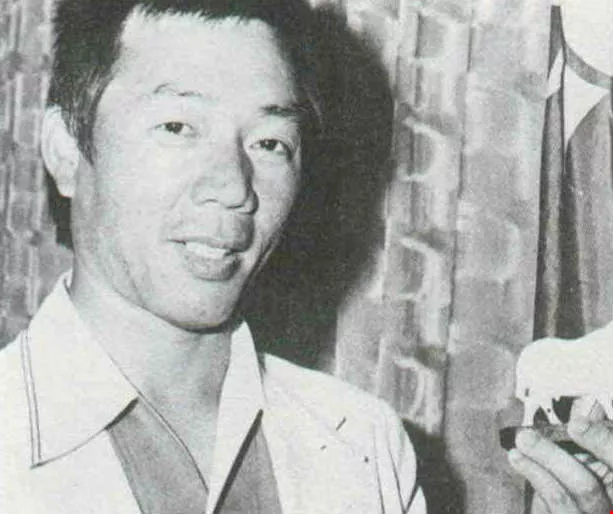
3. In 1980 Lu travelled to Morocco and the Ivory Coast to take part in tournaments and to act as a civilian ambassador. Here he is with a statuette presented to him by the Prime Minister of the Ivory Coast.
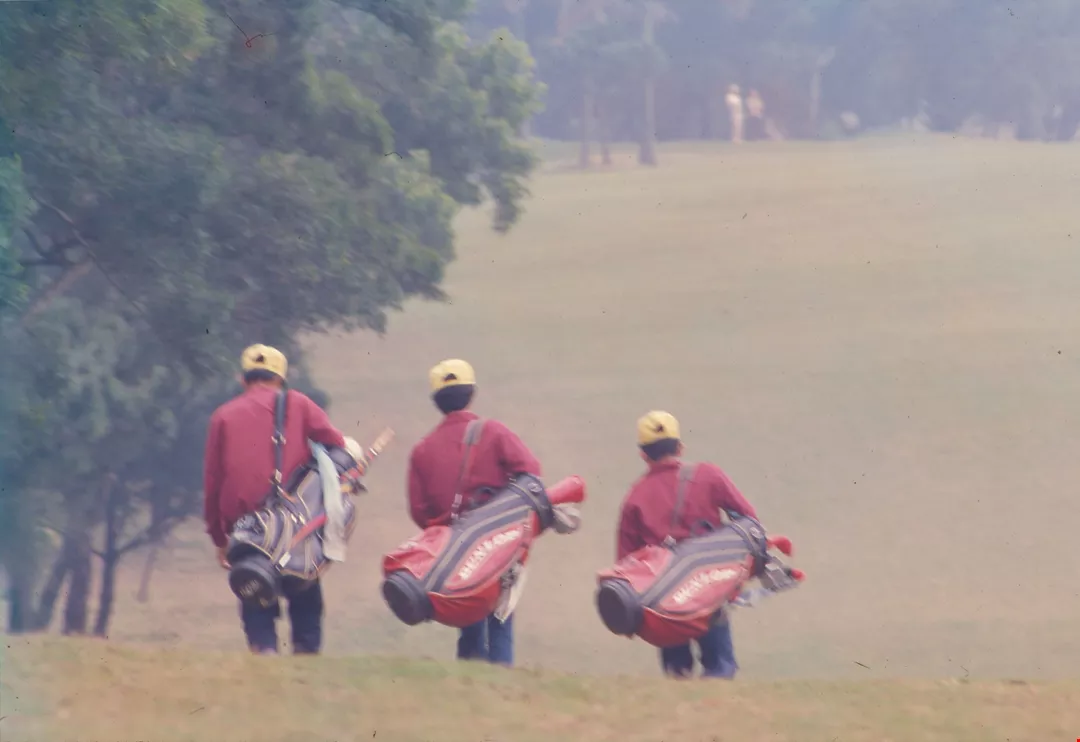
4. Caddies have the opportunity to learn much during their working hours. In fact, nearly all the professional golfers in Taiwan started as caddies.
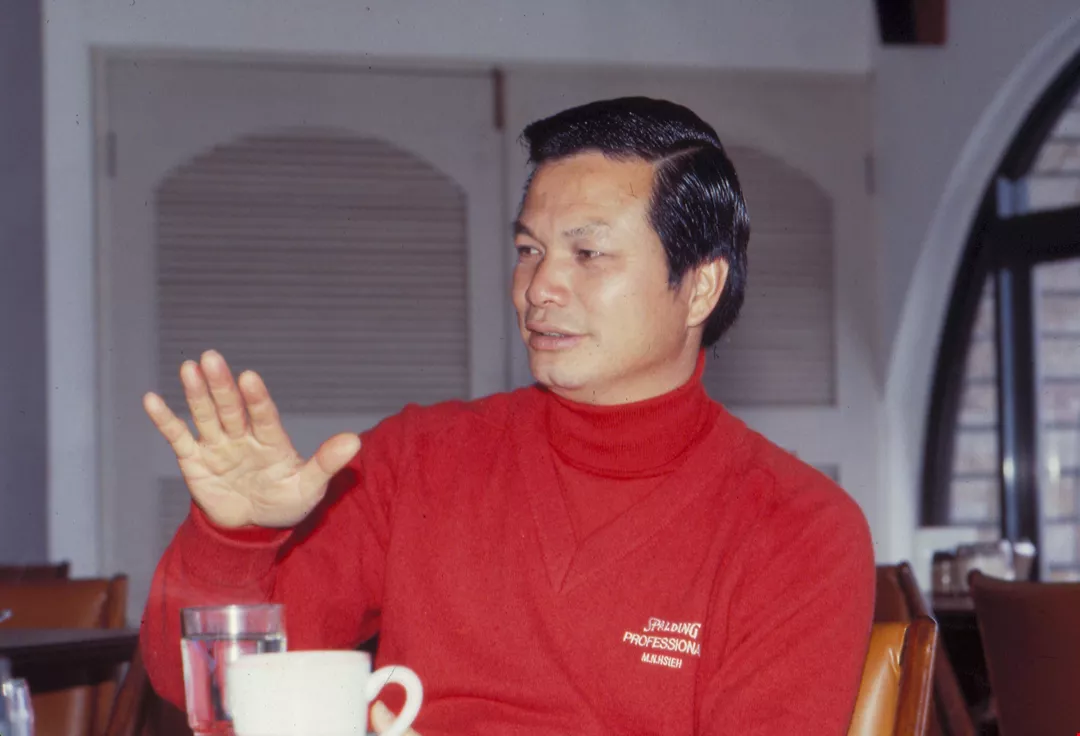
1. Tony Hsieh said, "Relying on good luck does not account for my success. Only hard work and practice will bring real results.
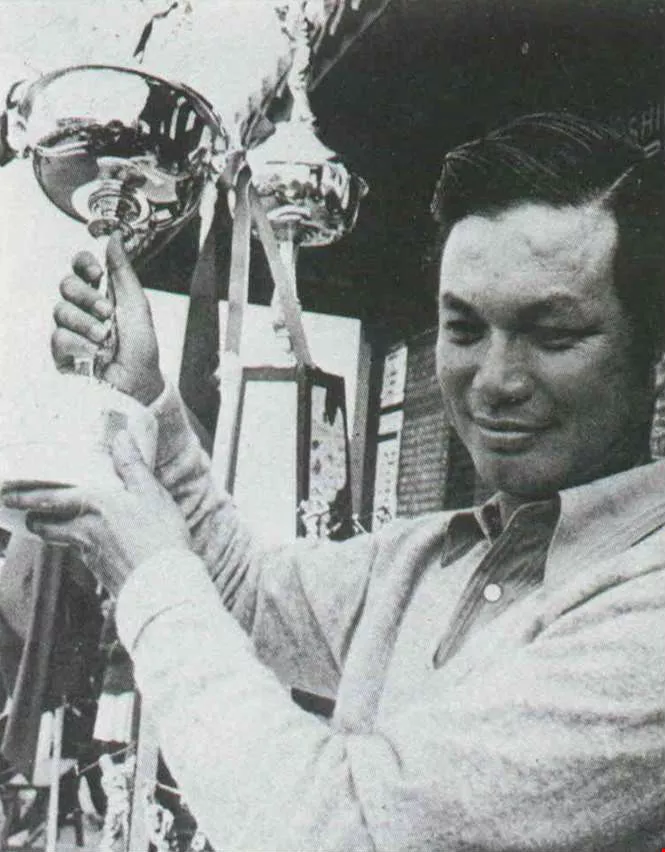
2. Hsieh has won many trophies during his career.
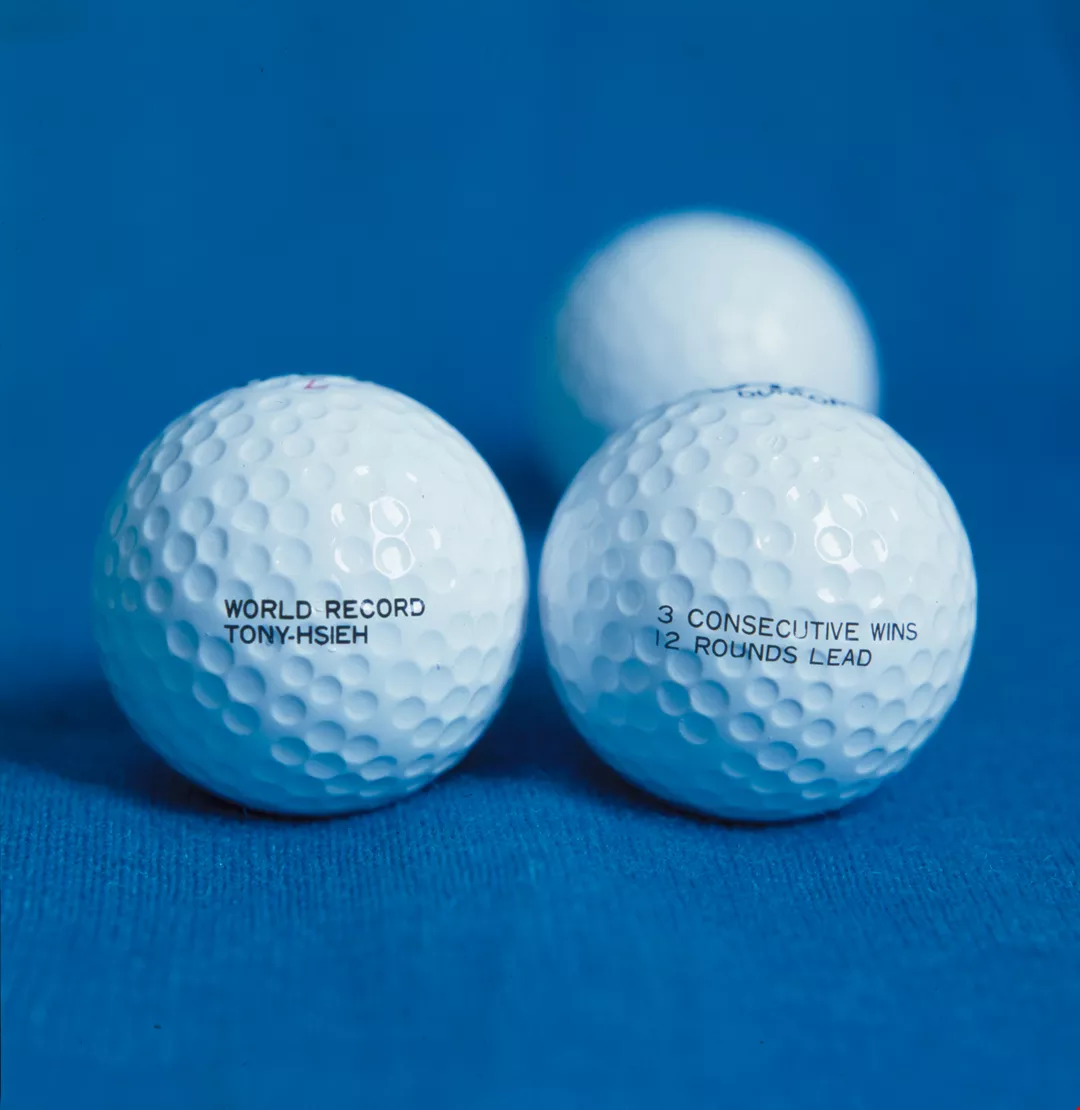
3. Early this year, Tony Hsieh set a world record with three consecutive victories and twelve rounds lead. A Japanese golf ball company specially made these balls for him as a momento.
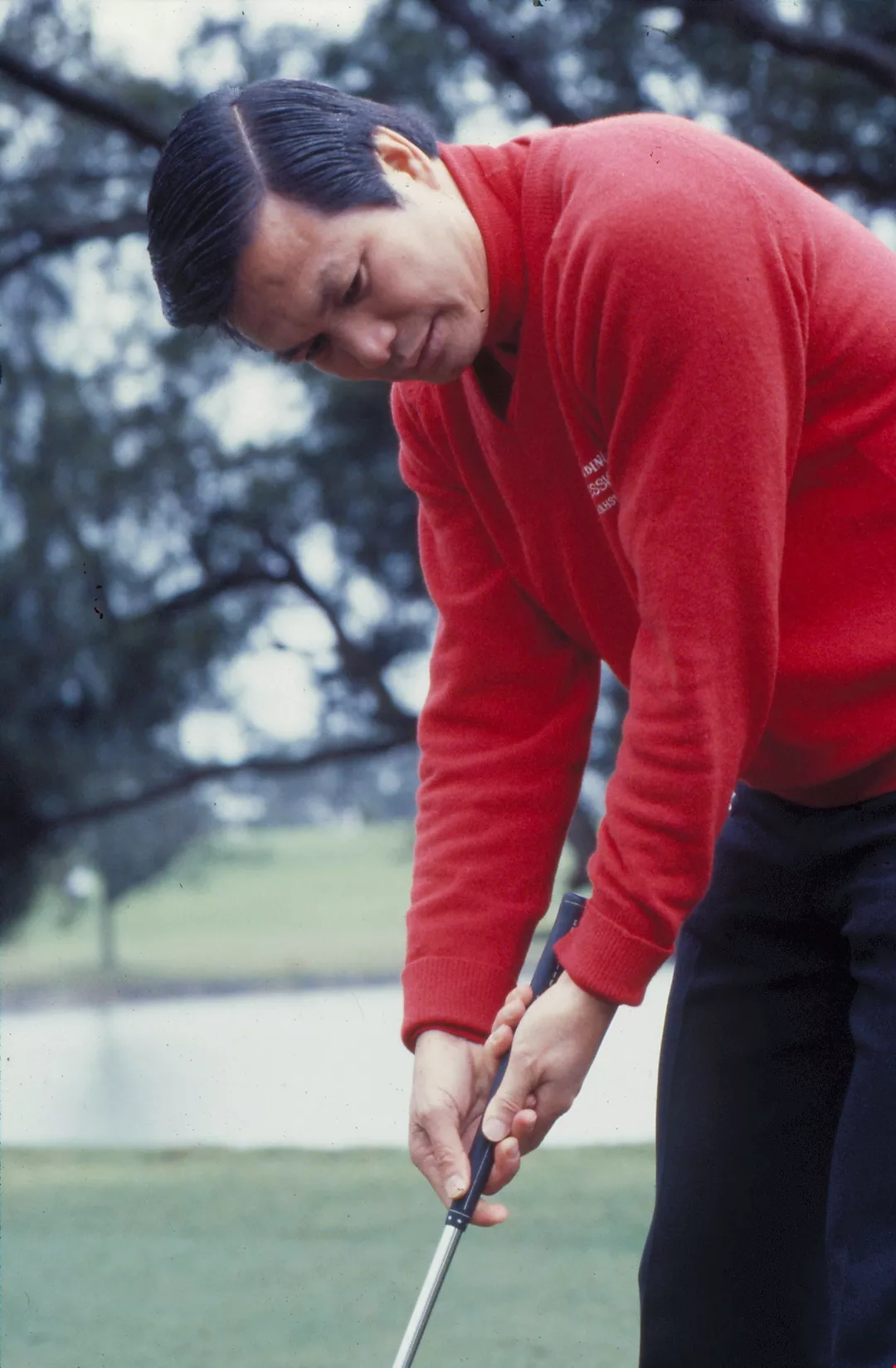
4,6. Hsieh is serious both in competition and in practice.
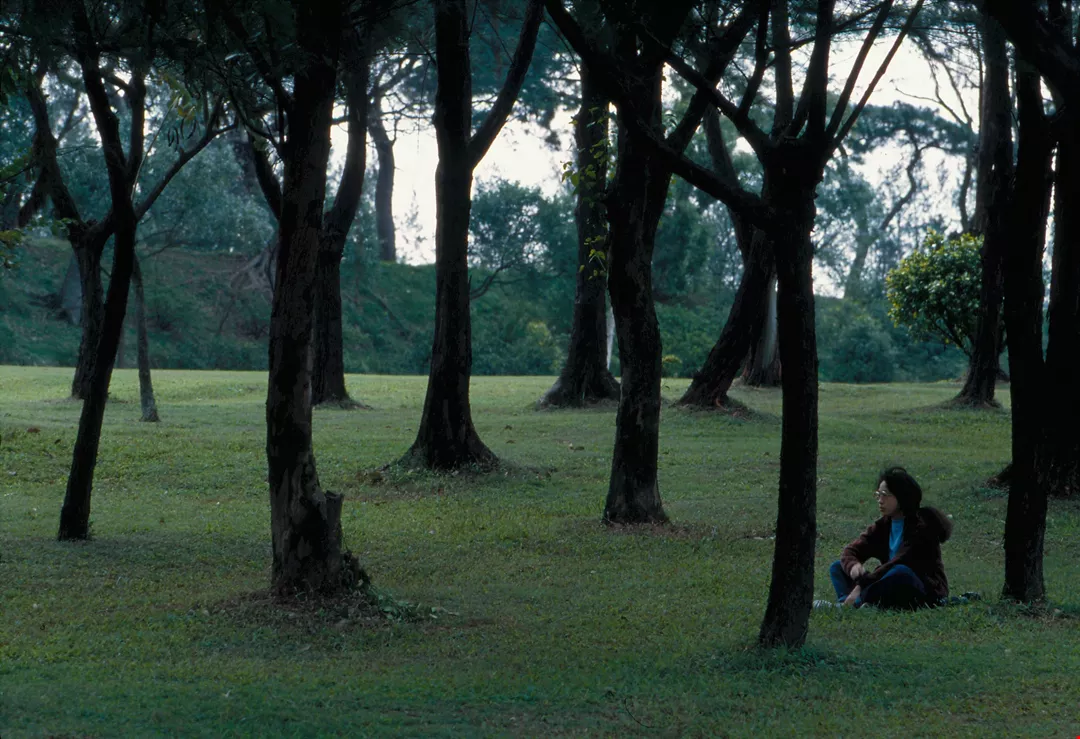
5. The quiet beauty of the Tamsui Golf Course.
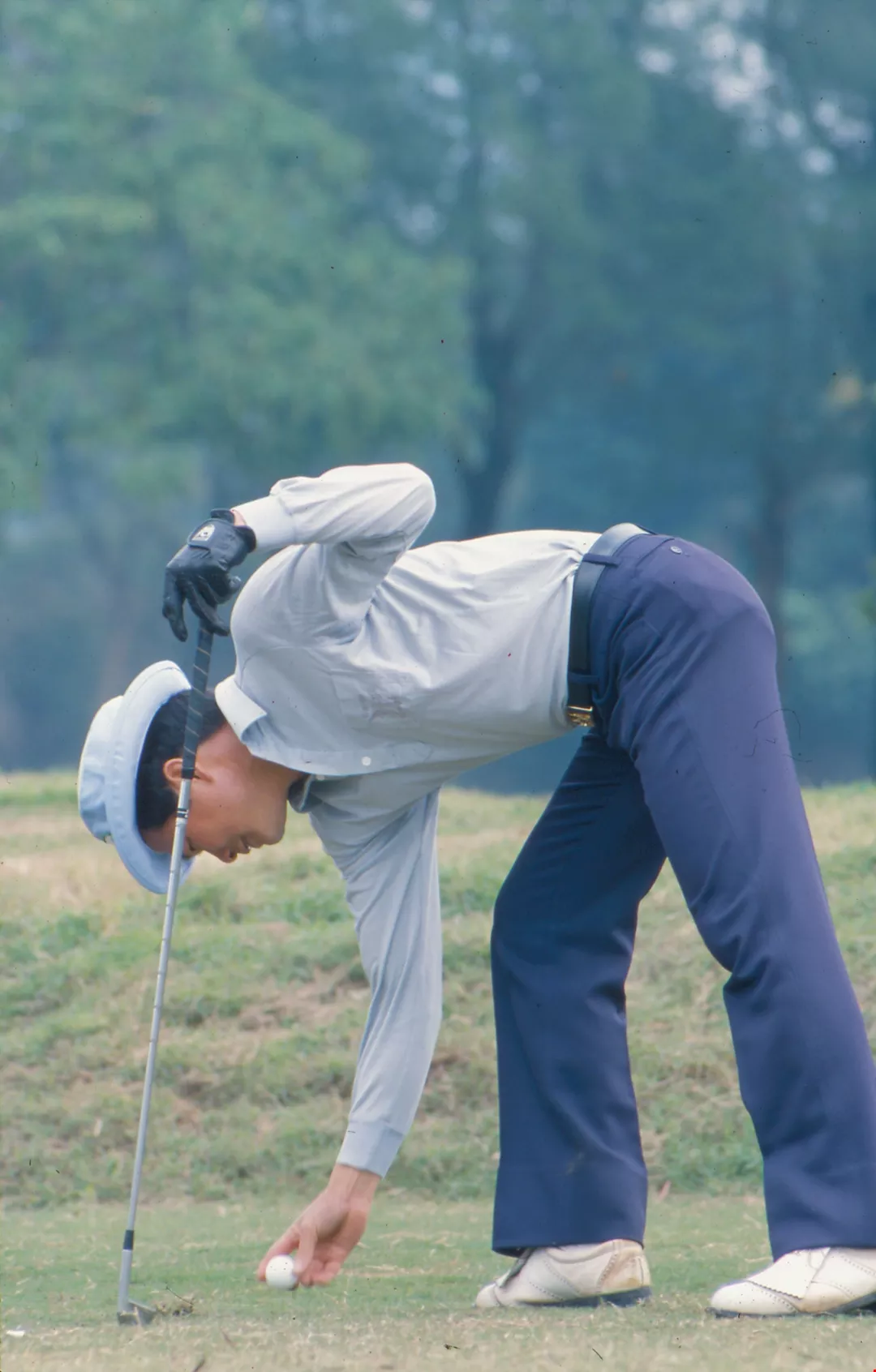
4,6. Hsieh is serious both in competition and in practice.
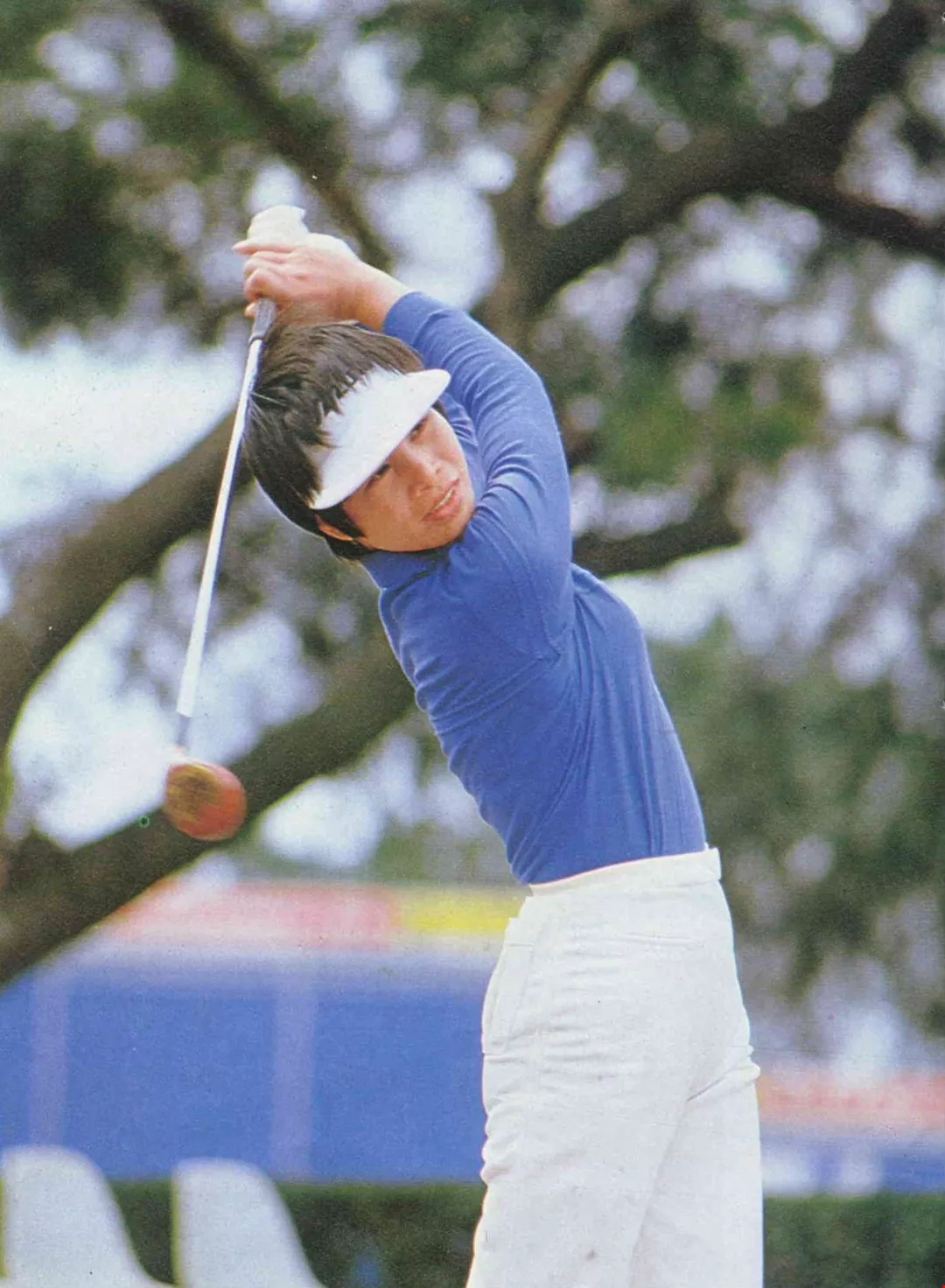
1,4. Tu Ai-yu on the course.
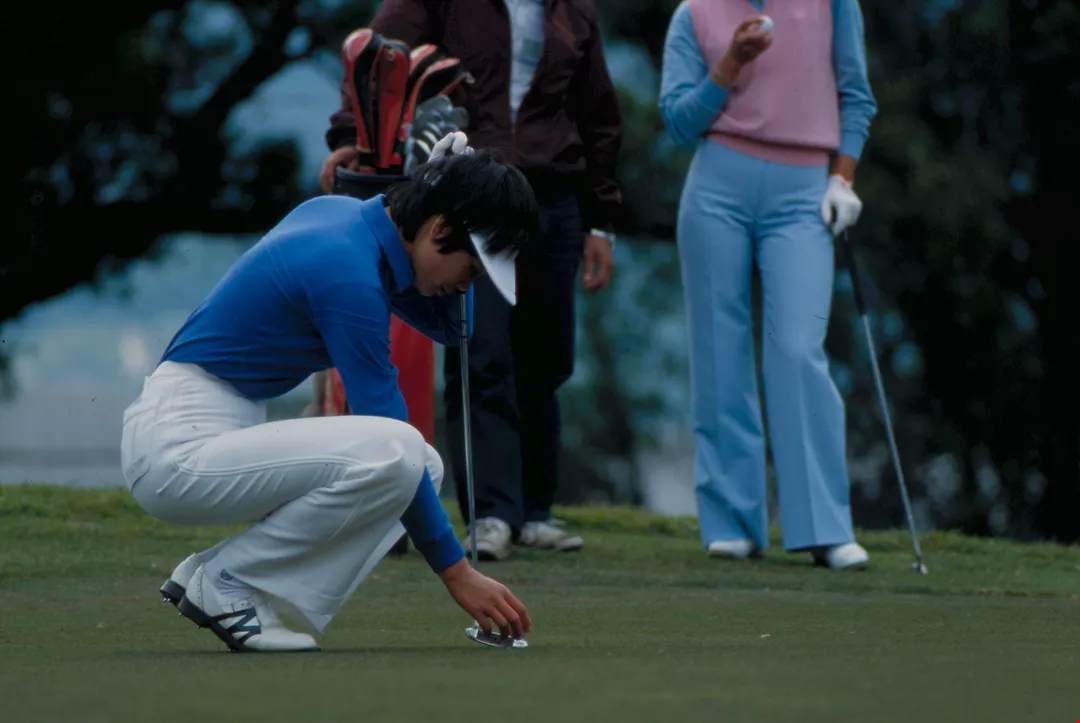
1,4. Tu Ai-yu on the course.
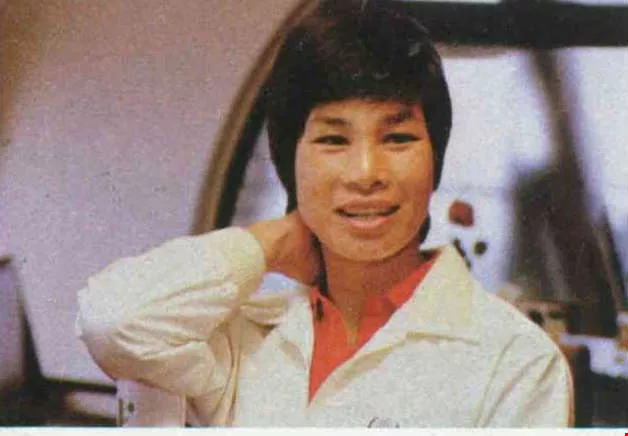
2. Tu said, "My success today is because of my constant practice.
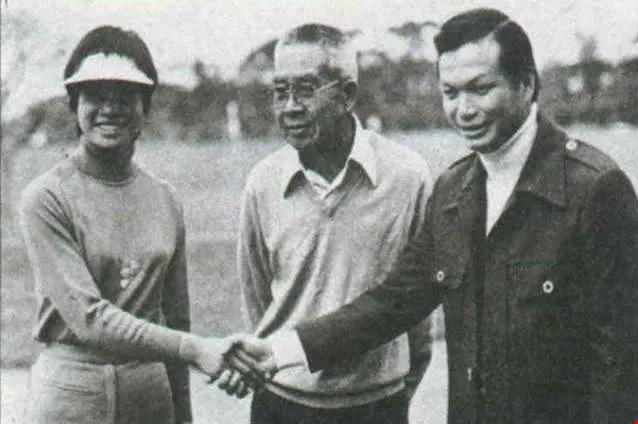
3. Tu won this year's China Open. Here she is with Tony Hsieh (right) and her teacher, Chen Chin-shih (center)
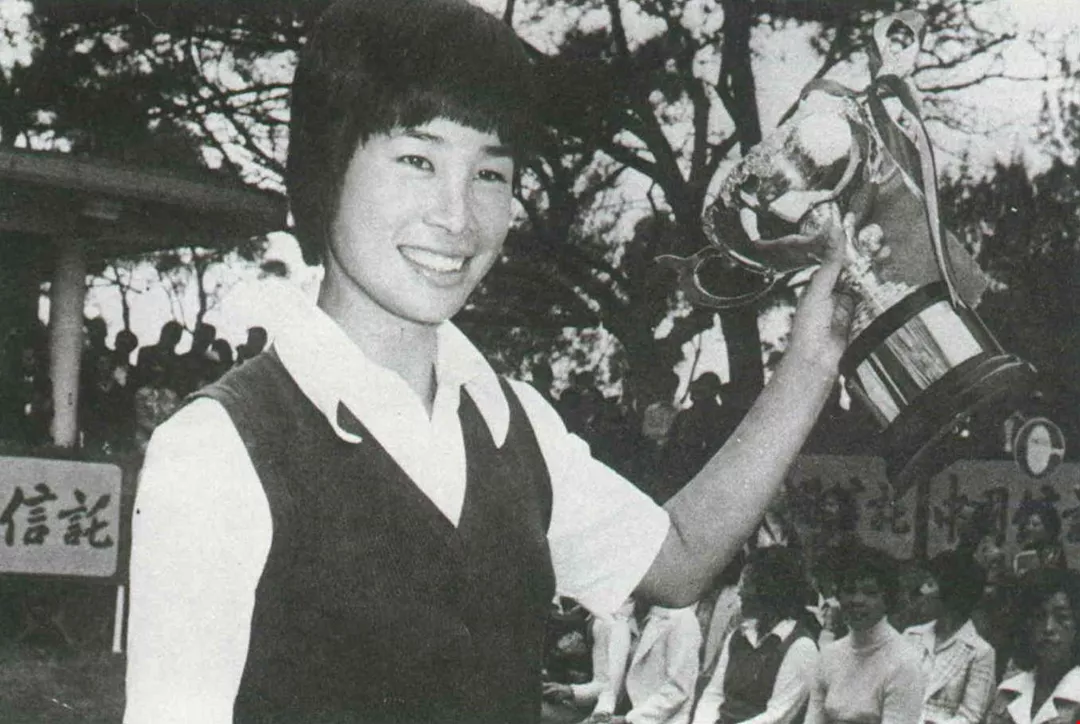
5. Tu has won 30 tournaments locally over the last nine years. Here she is with the trophy she won in the 1977 China Open.

@List.jpg?w=522&h=410&mode=crop&format=webp&quality=80)

@List.jpg?w=522&h=410&mode=crop&format=webp&quality=80)


