Tough Choices:Taking Drug Substitution into Prisons
Vito Lee / photos Hsueh Chi-kuang / tr. by Phil Newell
March 2011


In July of 2007, Xie Huanru, an associate professor at National Taiwan University, was riding his bike past a park when he was assaulted and beaten to death by a drug addict who had been released early from prison. The event sent shockwaves through Taiwan, where such random street murders are rare. Among the suggested responses, some people noted that it might be possible to break criminals of dependence on heroin by starting them on methadone therapy while still in prison.
In 2005, the ROC Department of Health and the Ministry of Justice began introducing methadone use into Taiwan as part of a "harm reduction" program aimed mainly at stemming the spread of AIDS among injecting drug users. (The program also included providing clean needles and syringe paraphernalia.) The trial use of methadone continued for six months, and has been expanded since then. Most recently, methadone trial programs have been launched for the first time inside prisons. What has been the thinking behind the gradual introduction of drug-substitution therapy?
In prison, "expectations" is a taboo subject. The teachers in prison classes love to use the term "expectations" to get the "students" to imagine their future lives, so that they can get the idea into their heads that they can change for the better. But unless expectations become reality, they can be a form of torture.
"You can't think about the outside, or it will be hard to get through day after day," says "Xiao Lin," a 28-year-old who has been in the Xin-dian Drug Abuser Treatment Center in New Tai-pei City for half a year. Whenever he thinks of his mother or girlfriend, he gets restless and perturbed. At 170 centimeters tall and slightly pudgy, Xiao Lin, like all his "classmates," gets little sunshine and his skin is slightly saggy. "This isn't my first time inside, so I know the score, and I rarely think much about the outside."
The Xin-dian DATC is one of the few institutions in Taiwan which specialize in treating drug addicts. The days of the 300 inmates are mostly packed with classes. Besides anti-drug education, the greatest part of the curriculum is made up of courses in life planning, self-expression, and religion.
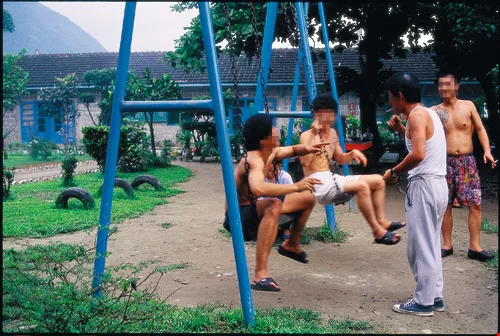
Another reason for the high recidivism rate is that drug addicts tend to socialize with other drug addicts. Penetrating their social networks to provide information and guidance is also essential for victory in the war on drugs.
The DATC is not only restrictive spatially-it stands on less than eight hectares (about 10 soccer fields)-the inmates' time is also strictly managed, from getting up in the morning, straightening their rooms, and cleaning the center, to going to classes, eating meals, and going to bed.
Traditionally, the main approach to treating addiction to widely used drugs like heroin, cocaine, amphetamines, ecstasy, and marijuana has been to isolate the individual completely from any access to them. For heroin addicts in particular the withdrawal symptoms of going off the drug are especially severe. They include intense sweating, spasms, violent outbursts, shaking, screaming, and vomiting, and are so painful that addicts may even hope for death rather than endure them.
"This was my second time coming off the drug. It wasn't as bad as the first," says "Xiao Li," another individual at the center. Perhaps before this current trip to prison the heroin he was taking on the outside was less pure than the first time, so it wasn't as painful to go without it.
As one of the most important drug rehabilitation centers in northern Taiwan, the Xindian DATC has also tried other approaches besides forcing inmates to go "cold turkey." In 2007 they introduced drug substitution therapy on a trial basis, becoming the first prison in all of Taiwan to offer methadone in their drug rehab facilities.
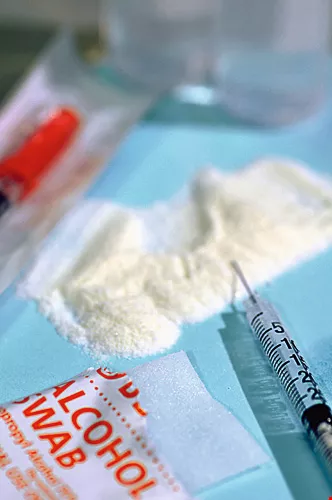
The allure of the needle: In 2010, prosecutors' offices around the country prosecuted over 40,000 cases involving narcotics. Among Class 1 narcotics, heroin is the leading source of drug addiction. If the heroin trail can be cut off, then the number of drug-related cases can be cut significantly.
Methadone is a synthetic opioid. In 1941, during World War II, when medicines were in short supply, a German army doctor invented this painkiller as a substitute for morphine. In the 1970s, the US and many European countries began using this tasteless and odorless drug in a therapeutic way, weaning "hop-heads" off heroin by using methadone as a replacement.
Many addicts came out of their shadow world to accept methadone treatment because it has less of an effect on the individual than heroin and is also cheap. This in turn allowed governments to get a better handle on this con-se-quently more visible social problem. Although substitution therapy has often been controversial, not one of the countries that have implemented such a program has ever terminated it.
Take neighboring Hong Kong for example. Trial implementation was begun in 1972 and full-scale implementation in 1976. At present, each year the government gives out 2.4 million doses in the harm reduction program, or an average of 6700 per day. Before methadone treatment, there were various ways to deal with heroin addiction, such as "detoxification" in hospitals, but many addicts were unwilling to use them. And in general, even for people who have gone through detox, few are permanently cured of their need for heroin. The Hong Kong government decided to bring in the methadone harm reduction program when it did because at that time heroin supply could not meet demand, and the market price skyrocketed, leading to fears that addicts would turn to crime in large numbers to feed their habit.
When AIDS appeared in the 1980s, in some countries methadone took on even greater importance, because it is taken orally, and therefore does not pose the same risk of HIV transmission as does injection of drugs by shared needles.

Coming back to Taiwan, drugs became an increasingly serious problem in the 1990s. Some medical professionals involved in detox work called on the government to introduce methadone as a tool to help break addiction to more serious drugs. However, studies conducted in other countries showed that the large majority of people who took methadone as a substitute remained dependent on it for their entire lives. Less than 5% successfully kicked their habit. Therefore, the strategy of "using drugs to fight drugs" didn't get off the drawing board at that time.
However, in 2005, the ROC Department of Health, having weighed the problem for many years, decided to introduce methadone as part of a general harm reduction effort motivated by the rapid spread of HIV infection among injecting drug users (IDUs). For a long time, sexual behavior was the main infection route for HIV/AIDS in Taiwan, but new HIV cases among IDUs entered double figures with 16 cases in 2002, increased to 75 in 2003, and moved into triple figures with 588 new cases diagnosed in 2004, about 7.8 times the number for 2003. The figure rose dramatically again in 2005, to 2269, accounting for more than 70% of all new HIV cases. The trial program first went into effect in Tai-pei City, Tai-pei County, Tao-yuan County, and Tai-nan City, and in July of 2006 the DOH expanded the harm reduction program across all of Taiwan. The number of institutions issuing methadone was increased to 42 in one fell swoop.
In the first three years of implementation, harm reduction therapy was acknowledged as having had considerable success. From 2005 to 2010, while the number of new cases of HIV infection among all other groups than IDUs actually rose by a total by 568 (from 1123 to 1691), the number of new cases of HIV infection among IDUs fell from 2269 in 2005 to 105 in 2010, a remarkable drop of 95%. (As a result the figure for new HIV cases diagnosed in the country as a whole fell from 3392 to 1796 over the same period.)
Word had obviously spread fast through the drug community grapevine. "At that time," Xiao Lin tells us, "I was living in Tu-cheng, and the outpatient center in Zhonghe of the Bali Psychological Hospital hadn't yet closed down, so every day I rode my motorcycle to Zhonghe and took my medications. I did that for almost a whole year."
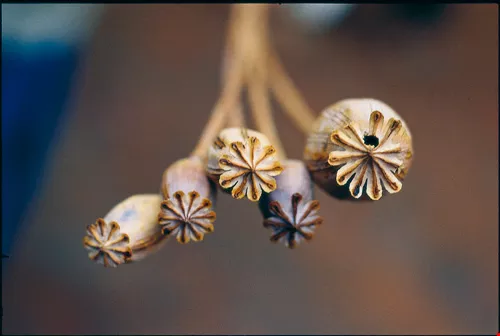
The allure of the needle: In 2010, prosecutors' offices around the country prosecuted over 40,000 cases involving narcotics. Among Class 1 narcotics, heroin is the leading source of drug addiction. If the heroin trail can be cut off, then the number of drug-related cases can be cut significantly.
Methadone also has other advantages. For one thing, it allows addicts to resume routinized lives. Xiao Li, for one, explains that he is able to get up every day and get to work because "after drinking methadone you get sleepy, so every day after I get off work at 5 p.m. I go for my medication, then go straight home to go to sleep." He thinks methadone has been very useful for him in maintaining a relatively normal life.
In contrast, heroin users must shoot up three or four times a day to keep their spirits up, but since supplies of heroin or paraphernalia are not dependable, and there are not always convenient moments to shoot up, the need for frequent fixes often throws the lives of IDUs into chaos.
Another benefit of using methadone is that addicts are not forced into crime in a constant search for money to get their next fix. Heroin costs well over NT$100,000 a month, whereas methadone treatment is covered 100% under National Health Insurance, and addicts are only responsible for paying the daily hospital registration fees of about NT$150 per day. "One of the best things about methadone is that addicts will not take high risks in order to get money and end up becoming criminals," says Xu Guo-xian of the Department of Corrections of the Ministry of Justice, where he heads the office dealing with treatment of addicts. In fact, this effect has been seen in all the countries that have adopted harm reduction programs. "In the end, sometimes the consideration of minimizing crime outweighs the consideration of discouraging any kind of drug use."
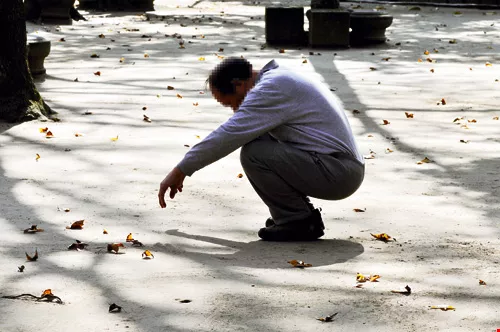
Drug addicts are not criminals, they are ill. To get off narcotics, they need not only willpower and medical follow-up, but support from society and their families.
"Using methadone to treat addicts represents a sea change in attitudes," says Happy Kuy-lok Tan, superintendent of the Taoyuan Psychological Center. In the past, heroin users were treated as criminals, whereas under harm reduction they are considered people with a sickness-addiction to a particular kind of narcotic.
Tan explains that in the past, when treating addicts the medical community placed the main emphases on psychological and social support. Medications were rarely used except during the acute withdrawal period. "This is because people can easily become addicted to the medications themselves. But once you decide that you are going to use medications to treat persons addicted to heroin, methadone is one of the most effective treatment methods."
Xu Sen-jie, director of the Tai-chung Office of the Taiwan Lourdes -Association, who has long been following the problems of AIDS victims in Taiwan, and who has studied Hong Kong's harm reduction program, says: "The legal norms governing drug users are stricter in Tai-wan than in Hong Kong. Drug users have been treated as criminals who are violating the law. But this just ends up overcrowding the prisons." The thinking in Hong Kong is that "the crime is not in using drugs, but in hiding drugs." Hong Kong thus provides substitute medications to addicts 365 days a year, because if there is even a small gap in the service, the addicts could very well go back to taking illegal drugs.
At present, there are 79 hospitals and 23 medication supply points in Tai-wan specially designated to provide methadone substitution therapy. Coverage of the island cannot, however, yet be considered comprehensive, which affects the willingness of addicts to undergo substitution therapy and its rate of success.
"Moreover, because a lot of drug users are facing criminal charges in other kinds of cases, when they enter prison they get cut off from the therapy, so the DOH and the Ministry of Justice decided to consider whether substitution therapy could be introduced into prisons," says Xu Guo-xian.
Another reason for the turn to methadone has been that the detox methods traditionally used in prison have never been as effective as hoped, as indicated by that fact that the number of drug addicts in the country has been continually on the rise. Although the number of drug addicts with HIV has fallen, the drug-using population has not.
From 1990 to 2008, the number of people in prison at any given time for drug-related offenses remained steady at about 30,000. Figures for drug crimes processed through the judicial system in 2010 likewise show that the drug-using population has not fallen. In 2010, the number of people indicted for taking, making, or selling drugs throughout Taiwan was 43,694, of which cases involving Class 1 narcotics accounted for 48.8% and Class 2 narcotics 46.7%. Compared to the preceding year, the number increased by about 8%. These cases resulted in 35,460 convictions, of which only 3225 were first-time offenders, meaning that repeat offenders accounted for 32,235, or 91%.
"Traditional detox methods have been ineffective in the war on drugs, and you could even say that they are being driven off the field of battle," says Chen Miao-ping, a volunteer at the Xin-dian DATC. Giving methadone to addicts in prisons as an alternative to their dependence on heroin is a different way to approach the problem.
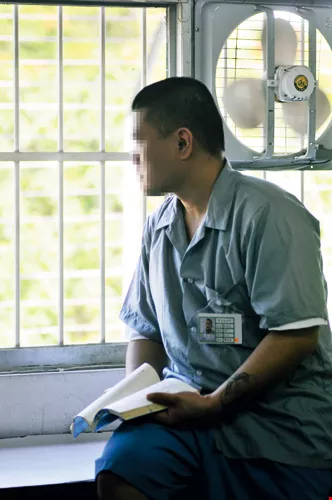
Xiao Lin is serving his third prison sentence for involvement with drugs. Cases like his, part of the extraordinarily high recidivism rate of 90% among heroin addicts, suggest that a combination of methadone treatment and improved follow-up might be a better choice to wean addicts off heroin.
From the policy point of view, both the Ministry of Justice and the DOH have high hopes for the methadone program.
Following on the implementation of the harm reduction program, the Ministry of Justice proposed amendments to the Narcotics Harm Prevention Act which were passed in 2008. Since then, when cases involving illegal drugs come up, the prosecutor can ask that the defendant be put into harm reduction therapy, and no longer needs to apply to the court for "monitored detoxification" (that is, the defendant need not go to prison).
Then in July of 2009, the DOH liberalized criteria for receiving subsidies to pay for methadone. Originally, an individual could receive a maximum of NT$13,960 in one year, and could only receive this money for one year out of his or her entire lifetime. Under the new rules, subsidies are be provided on a pay-as-you-go basis according to medical need, with the individual being eligible to receive subsidies for as long as he or she remains willing to continue the therapy. In addition, the subsidy for an initial consultation for HIV-infected addicts was raised to NT$4600 (as compared to NT$2600 for non-HIV-infected addicts).
In terms of the regulatory and medical aspects, at the same time as restrictions on methadone use have been eased, preparatory work for introducing methadone treatment into prisons has been going forward. "Going beyond the Xin-dian DATC, we will continue to run trial programs, with the locations being the Yun-lin and Kee-lung DATCs," says Department of Corrections director Wu Shyan-chang. Based on the experience in Xin-dian, if those released from DATCs get sufficient post-release guidance and employment assistance, as well as family support, methadone can certainly permit a certain proportion of addicts to stay off heroin.
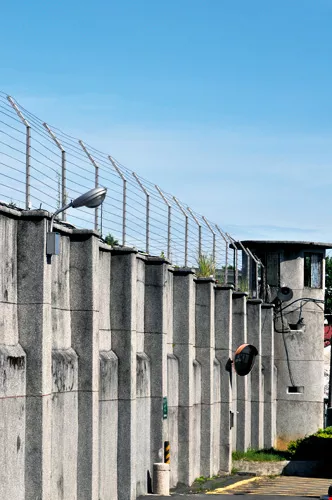
Two potential problems with methadone programs are overuse of the medication by individuals, or resale to ineligible persons. To address these, patients undergoing harm reduction therapy must report to the hospital daily and take their dose under the supervision of nursing staff. This was why, when the trial program was undertaken in Xin-dian, the DOH got help from the Tao-yuan Psychological Center to assign nursing staff for full-time duty at the DATC.
"Among the 28 students who agreed to participate in the trial program, 25 have already been released from the DATC, of whom 15 are still receiving treatment," says Chen Miao-ping. Compared to the recidivism rate of 90% for heroin users, the figure is satisfactory.
Should methadone, having been finally introduced into Taiwan after years of controversy, and following on the successful reduction in the number of cases of HIV-afflicted drug addicts, be introduced now into prisons? It seems that this question raises a new controversy.
"The whole point of them coming here is to get them off drugs. If the authorities are just going to trade one drug for another, then why did they bother locking them up in the first place?" says a woman waiting to visit a family member in the Xin-dian DATC. "Didn't everybody who came through here in the past come out clean? If they are going to get methadone, then who is going to really make the effort to get off drugs completely?"
Another comment comes from Operation Dawn chairman Lin Zhi-ping, who has long been using the power of religion to help addicts get off all kinds of narcotics. He has written that the use of methadone therapy in Europe and North America, and "using drugs to fight drugs" in Taiwan, amounts to an admission by the experts that they are helpless in the face of rampant drug abuse. Being unable to do anything to stop the scourge, they have decided to abandon the fight and say that some people just can't live without narcotics and must rely on them forever.
"In recent years there has been a change in the way society sees persons arrested for drug abuse-they are now considered sick, not criminal-so they should be helped, and not just punished. But while it is easy to say such things, there are all kinds of problems with practical implementation," says Xu Guo-xian. He notes that prison guards and administrators especially find it very difficult to genuinely treat these inmates as people who are simply ill, and to turn themselves into people who provide help to these "patients" rather than just manage and control them. "This kind of difficulty is inevitable."
Should we try to ban all drugs, or just learn to live with them? Methadone treatment is a two-edged sword: It brings hope of a cure to some, but on the other side is an admission that most addicts are beyond hope of a genuine cure. Will methadone make it impossible for drug addicts to escape being controlled by dependency of one sort or another? Despite the difficulties posed by such questions, Taiwan must face up to this painful choice. So long as society rejects drugs, it must continue on down the road of finding ways to stop addicts from seeking illegal narcotics, though no one can say for sure where this path will really lead.
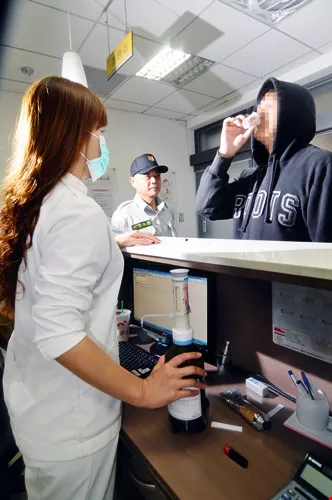
At a hospital in New Taipei City, a nurse monitors an addict who is drinking a dose of methadone. Since "drug substitution" has been adopted to supplement the traditional tactics of isolating users from drugs and trying to cure them of the desire for any narcotics at all, the front line of the war on drugs has been pushed forward from correctional institutions to hospitals.

Prisons, which have historically dealt with addicts by cutting them off from access to drugs of any kind, are now experimenting with the use of methadone therapy-using drugs to fight drugs. Groups that try to help addicts get clean by instructing them in various religious doctrines are almost universally opposed to this new policy. The photo shows a drug rehabilitation community set up in Miaoli by Operation Dawn, a Christian organization.

@List.jpg?w=522&h=410&mode=crop&format=webp&quality=80)


