The opportunities of smart cities
Rakesh Sharma, CEO of Advantech India, agrees. In 2014 Prime Minister Narendra Modi adopted a policy position of strengthening India’s basic infrastructure, and in 2015 the “Smart Cities Mission” policy was launched. This policy involves government budget allocations to construct 100 smart cities across the country and comprehensively improve basic infrastructure, including water supply, electric power, and transportation. This is precisely the kind of work for which Advantech is suited.
There is an expression “strengths linking up with strengths.” Yang notes that many Taiwanese firms having a leading position in the world, whether it be the so-called “five brothers” (five major contract manufacturers of personal computers) or a company like Advantech that has continually refined IPCs. Perhaps 90% of Taiwan’s most outstanding science and engineering students go into hardware and semiconductors after graduation, while in India some 90% of such students go into software. There is thus a high level of complementarity between the human resources of the two nations.
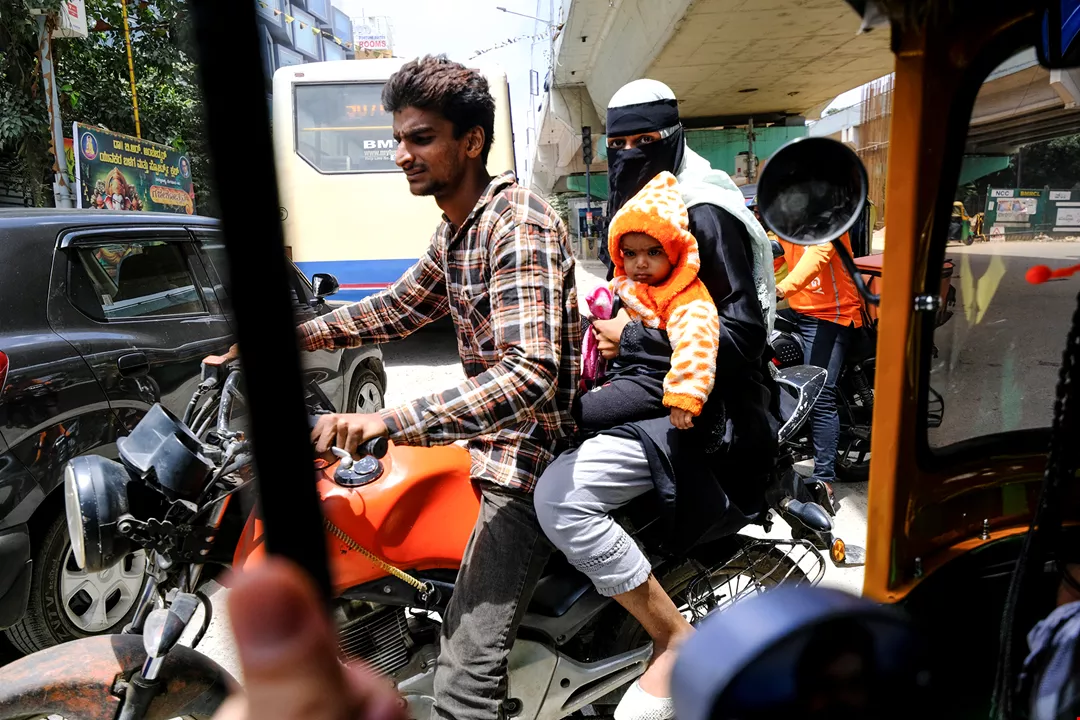
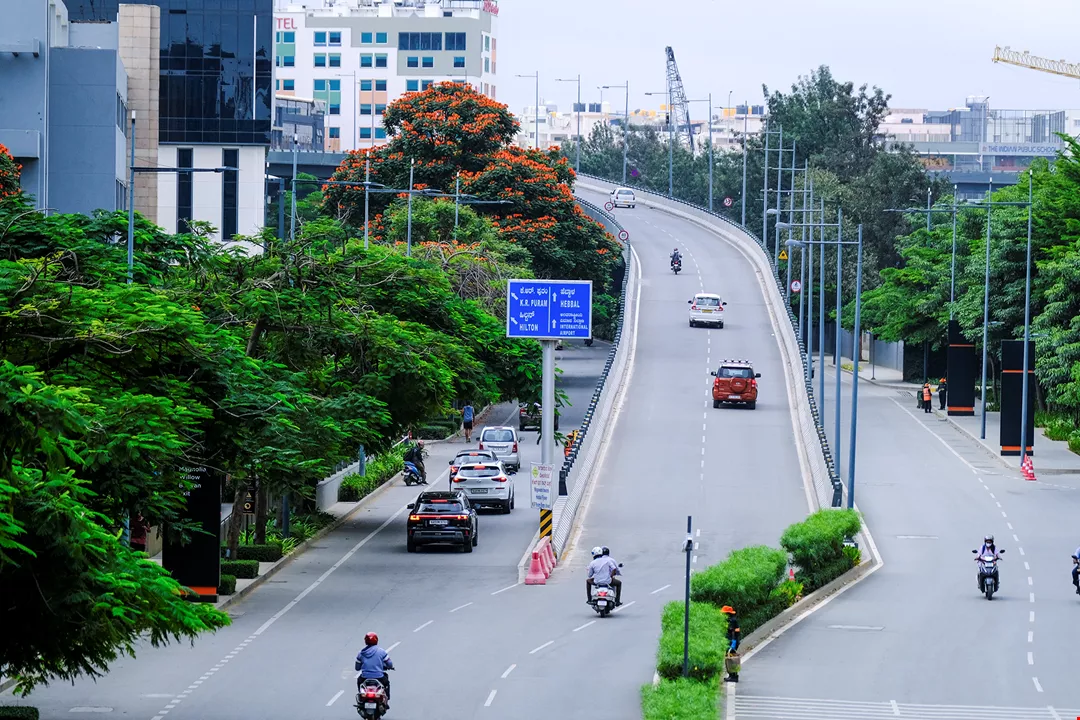
Yang then mentions an application for identifying the license plates of cars on the highway made using software designed by the company’s Indian colleagues. Because many car drivers in India weave in and out of traffic like motorcyclists, although there are only three lanes marked on the highways, there are in fact six lines of vehicles. Accordingly, algorithms for analyzing surveillance images must be tailored to the actual situation on the ground. One must also consider that the air quality in India is not so good, and the air is hot and humid, so one must take account of the refraction of outdoor light. With all this in mind, it is only thanks to this software that Advantech has been able to provide services that meet the needs of frontline traffic control.
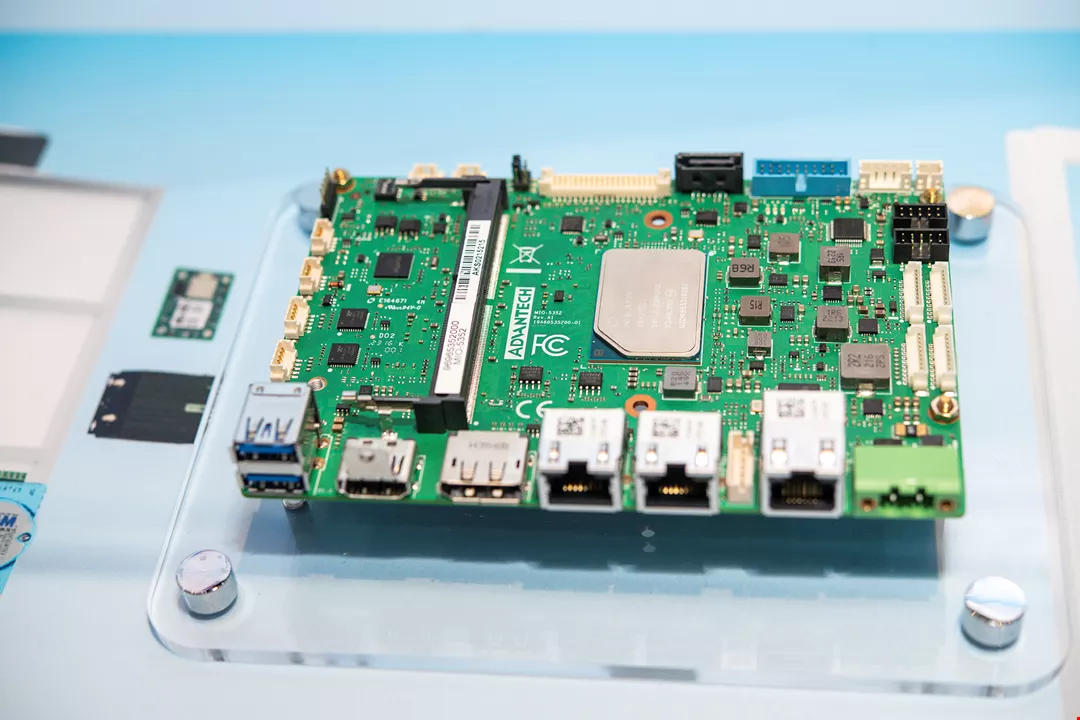
Moreover, the rugged computers and “edge computing” systems developed by Advantech are well suited to the needs of the Indian market, with its frequent power outages. IPCs have always been designed with mission critical applications in mind, to be resistant to water ingress, airborne sand and dust, and vibrations. Given that India is a software powerhouse, it can assist in providing solutions applicable to all kinds of industries worldwide.
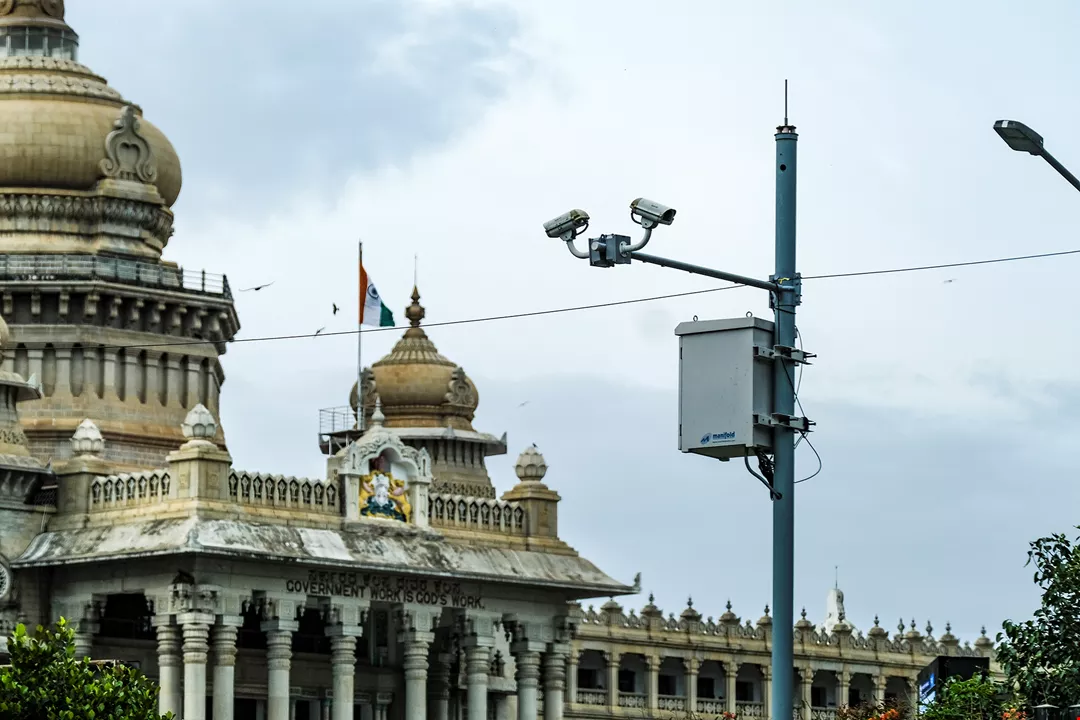
Computer systems for road traffic monitoring need to take account of environmental factors including India’s air quality and the properties of ambient light in outdoor locations.
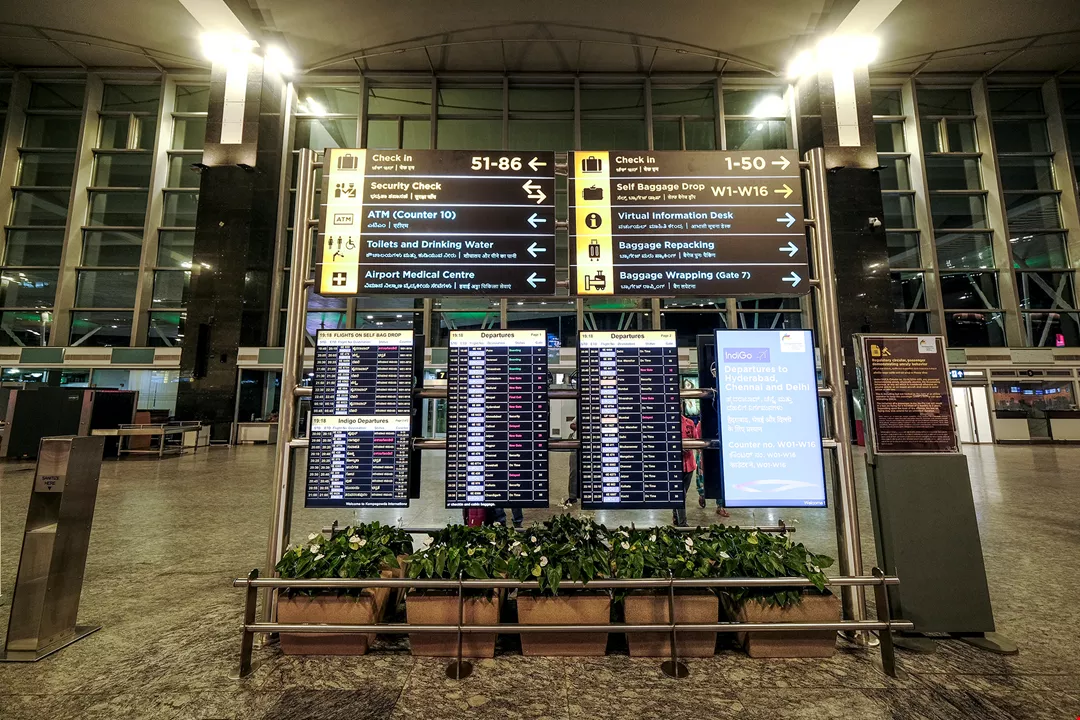
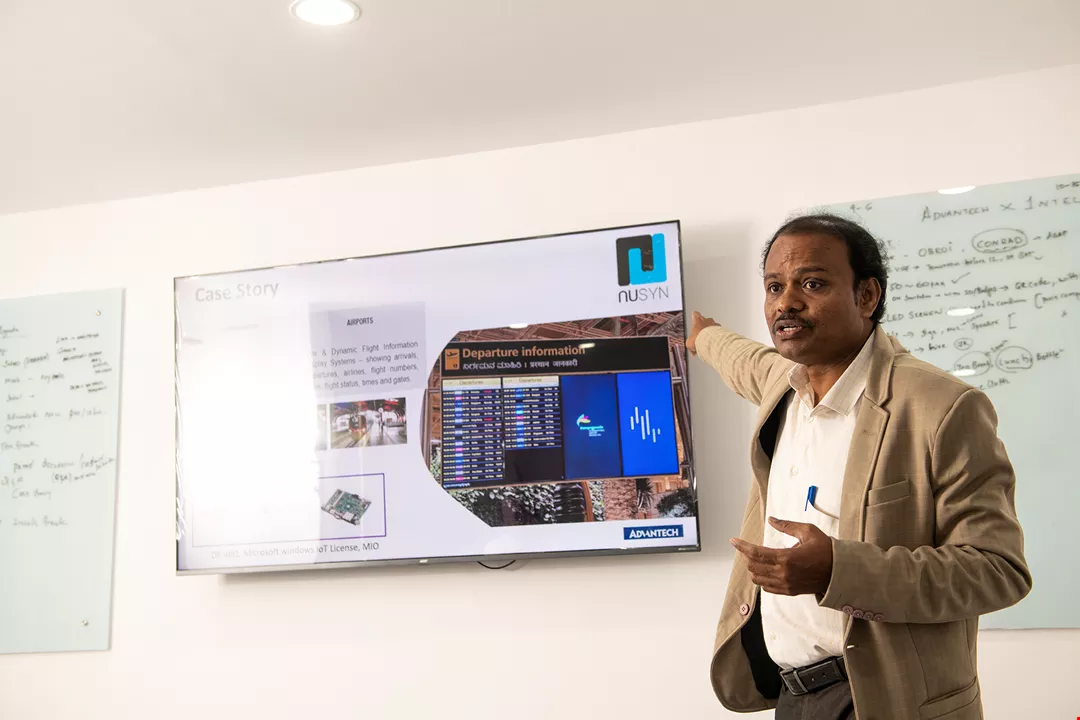
Highways, railways, and airports across India all have digital displays and embedded backend systems tailored to each venue’s needs.





@List.jpg?w=522&h=410&mode=crop&format=webp&quality=80)

@List.jpg?w=522&h=410&mode=crop&format=webp&quality=80)