The challenges
The CGTFA began providing lunch services to seven Chenggong Township elementary and middle schools in 2006. One year later, it took on seven elementary schools in Changbin Township as well.
The townships’ lunch services are run on the public facilities–private operations model, which means that the schools provide the kitchens, and the CGTFA handles everything else, from the delivery of ingredients and planning of menus to the hiring of kitchen staff and management of kitchens.
Wu says that rural schools like these are very small, noting that the largest of the 14 schools the CGTFA serves has fewer than 530 students and Changbin’s Zhongyong Elementary just 40-some.
“Based on Taitung’s average school-lunch price of NT$39, Zhongyong takes in less than NT$1,800 per day from its lunches. That isn’t enough to cover the cost of both food and kitchen staff,” says Wu.
The CGTFA uses volume purchases to minimize food costs, but its high personnel expenses remain a headache.
Qiu Qinsheng, who heads the association’s distribution department, says that the Taitung County Government requires schools to have one kitchen worker for every 200 students. Based on that standard and the roughly 1,850 lunches CGTFA prepares daily, the association should have had to employ only nine kitchen staffers. However, the schools it serves are so spread out that it is impossible to prepare all the meals at a single central kitchen. Instead, it operates a kitchen staffed by one or two workers at each school, giving it 19 employees in total.
High transportation and personnel expenses caused CGTFA to lose more than NT$100,000 in its first year operating the lunch concession. “Our experience over the last few years is that we’re pretty happy if we can just break even,” says Qiu.
Invigorating the local economy
Though it hasn’t been easy, CGTFA has remained committed to superior-quality food for the students. The Council of Agriculture and the Council of Indigenous Peoples provided the association with the funds to purchase three refrigerated trucks, enabling it to ensure the freshness of the school lunch program’s produce. Employees take turns driving them, setting out at dawn along different routes to guarantee that all 14 schools have their ingredients in hand by 9 a.m.
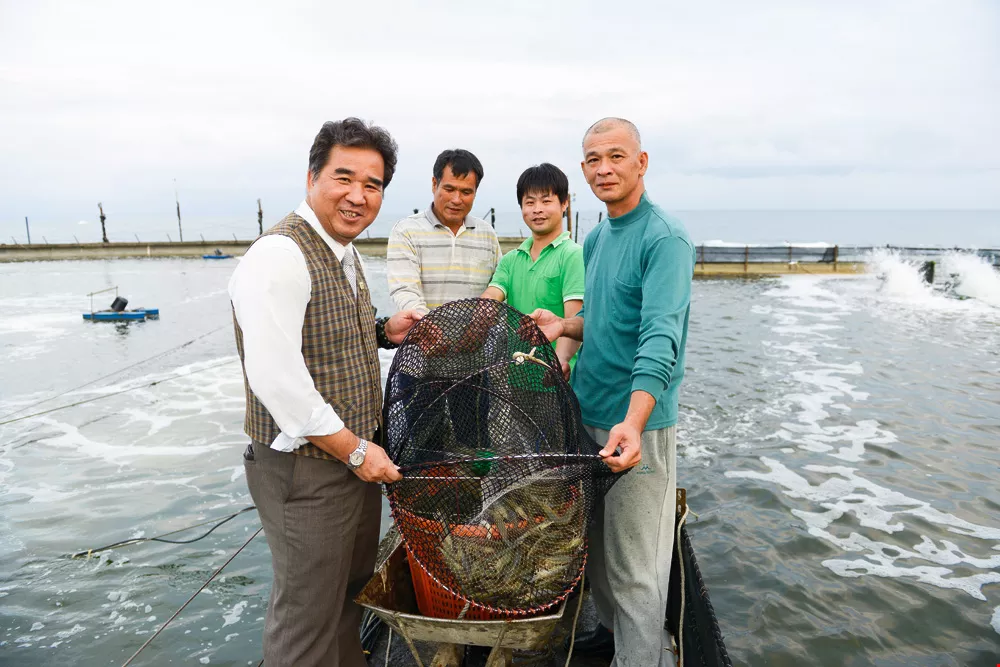
The program also does its utmost to support CGTFA farmers, buying its fruit, livestock products, and seasonings from the association’s own market, and contracting to purchase fresh vegetables from farmers belonging to the CGTFA’s production and marketing groups.
Qiu says that the CGTFA’s three extant vegetable marketing groups consist of 36 farmers averaging more than 55 years of age. Prior to joining the groups, these seniors had been barely getting by on the few thousand NT dollars they received in monthly allowances to elderly farmers or subsidies for letting their fields lie fallow. Now they have steady business from the schools, which has revitalized their fallow fields and increased their incomes.
The most important meal of the day
This type of school lunch program, wherein a farmers’ association provides ingredients and oversees operations, is becoming mainstream at small schools in remote parts of Taitung County. Even the Taitung County Farmers’ Association, located in Taitung City, has become involved, providing lunch services to a number of small schools in Taimali and Dawu, remote townships south of the city.
Zhao Lianying, head of student affairs at Zhongyong Elementary, says that even local caterers had been unwilling to provide meals to her school. Located in the mountains and having just 50 or so students and faculty, it was simply too small and too remote. “Without the association, the kids probably wouldn’t have any lunches at all!”
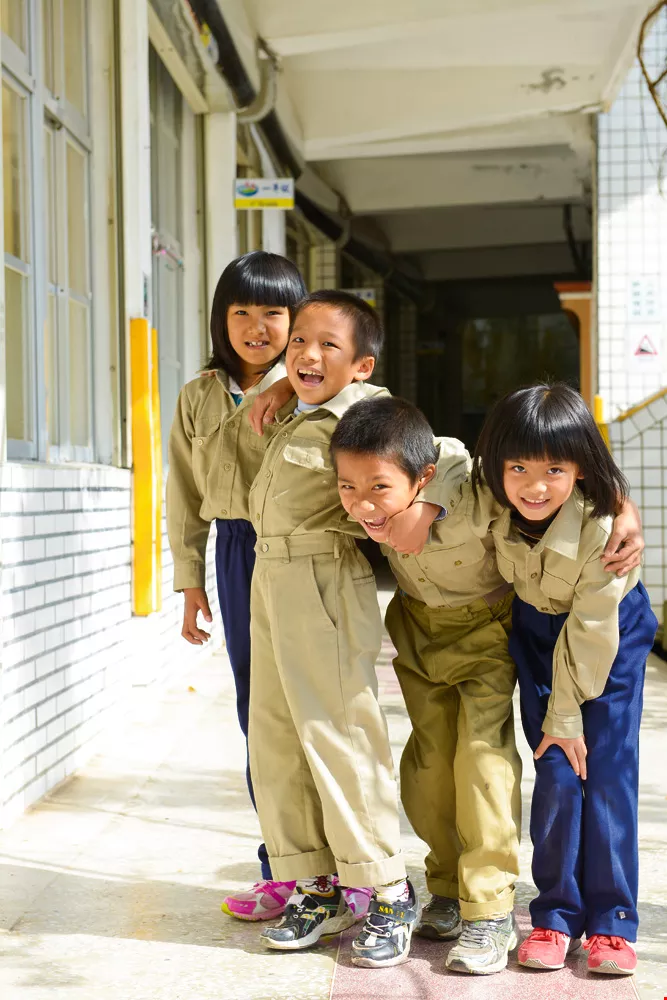
Nowadays, lunchtime visitors to these remote schools will find campuses full of smiling children tucking into meals of fragrant stewed chicken thighs, locally produced shrimp and cabbage over rice, and a very popular corn soup.
These full, balanced meals are vitally important to these kids. As an added bonus, the CGTFA’s unstinting efforts and concern for the children’s nutritional needs have helped forge closer ties between local farmers and the younger generation, truly exemplifying the spirit of “our farmers’ association, our community.”



@List.jpg?w=522&h=410&mode=crop&format=webp&quality=80)

@List.jpg?w=522&h=410&mode=crop&format=webp&quality=80)


@List.jpg?w=522&h=410&mode=crop&format=webp&quality=80)

@List.jpg?w=522&h=410&mode=crop&format=webp&quality=80)