Saving Tang’s former residence
Starting in 1999, aiming to add depth to Lily Fruit, the monthly periodical he had founded, Li Wen-hsiung began to introduce Tainan’s local culture and famous historic sites. In order to write Tang Te-chang’s story, he spent seven or eight years tracking down Tang’s adopted son Tang Tsung-mo, ultimately meeting with him only after a Japanese writer named Ryusho Kadota acted as a go-between.
Li says that by then Taiwan had already achieved two peaceful transfers of power through democratic elections, and in general people were living freely. However, hard as it was for him to imagine, there were still many surviving family members of February 28 Incident victims who didn’t dare speak about the past, and who even warned their children and grandchildren to remain silent, trying to bury the names of the victims and living in silence and fear as they had done for so long.

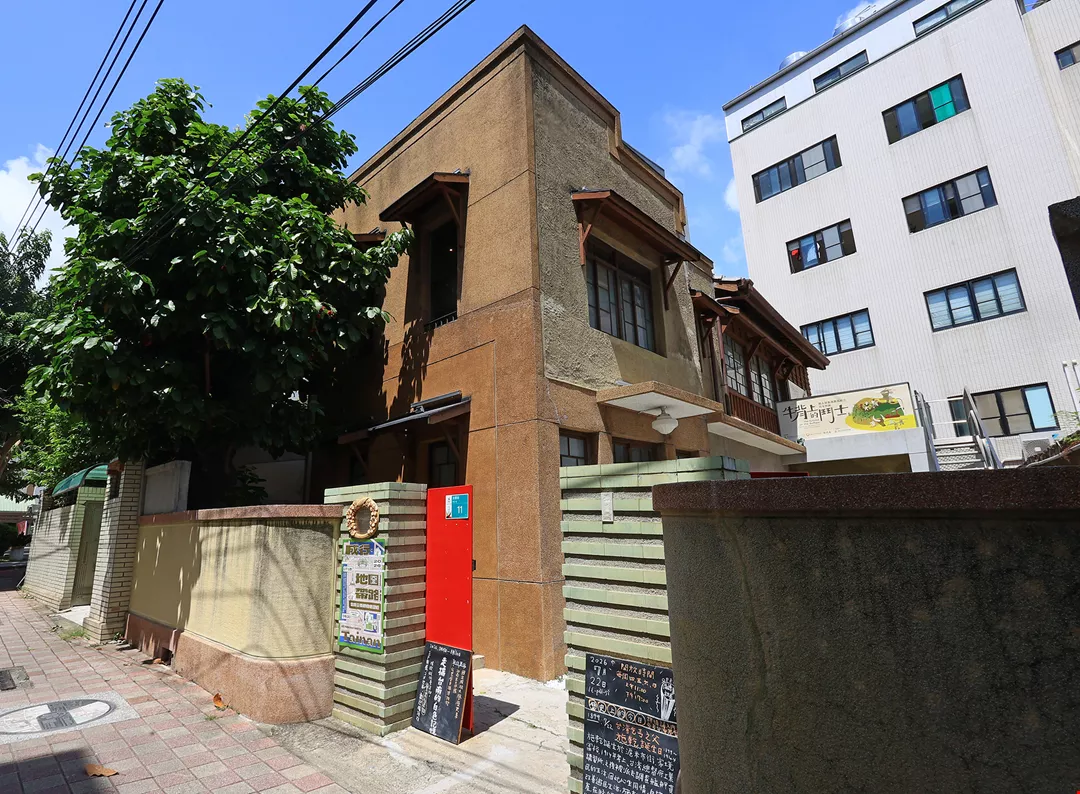
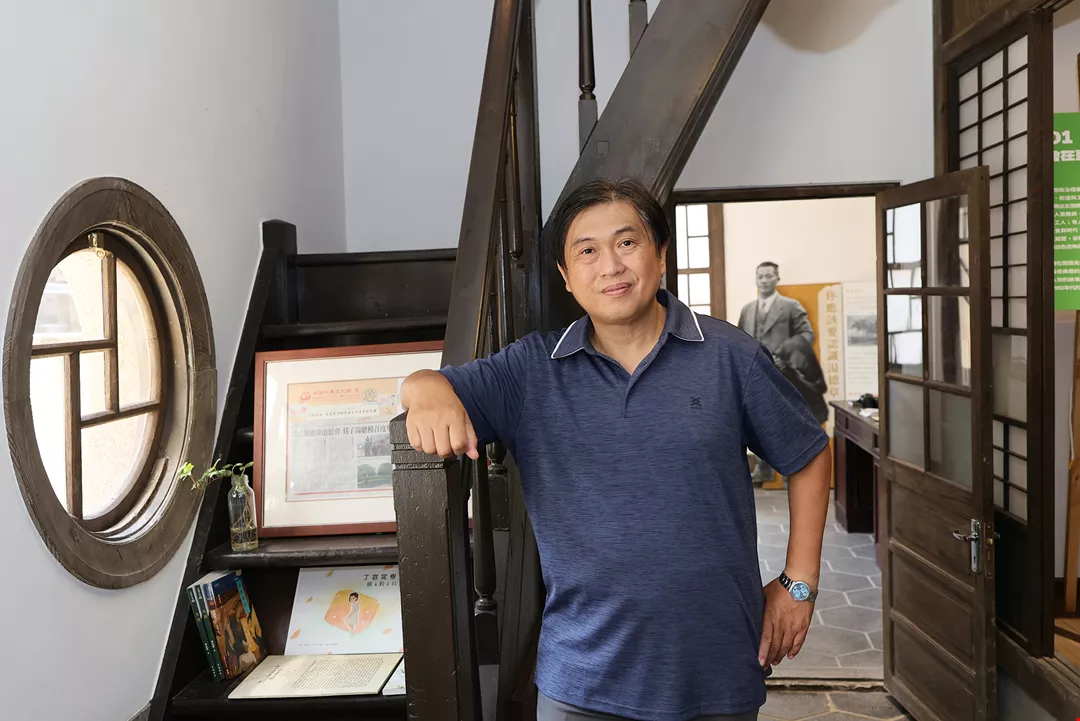
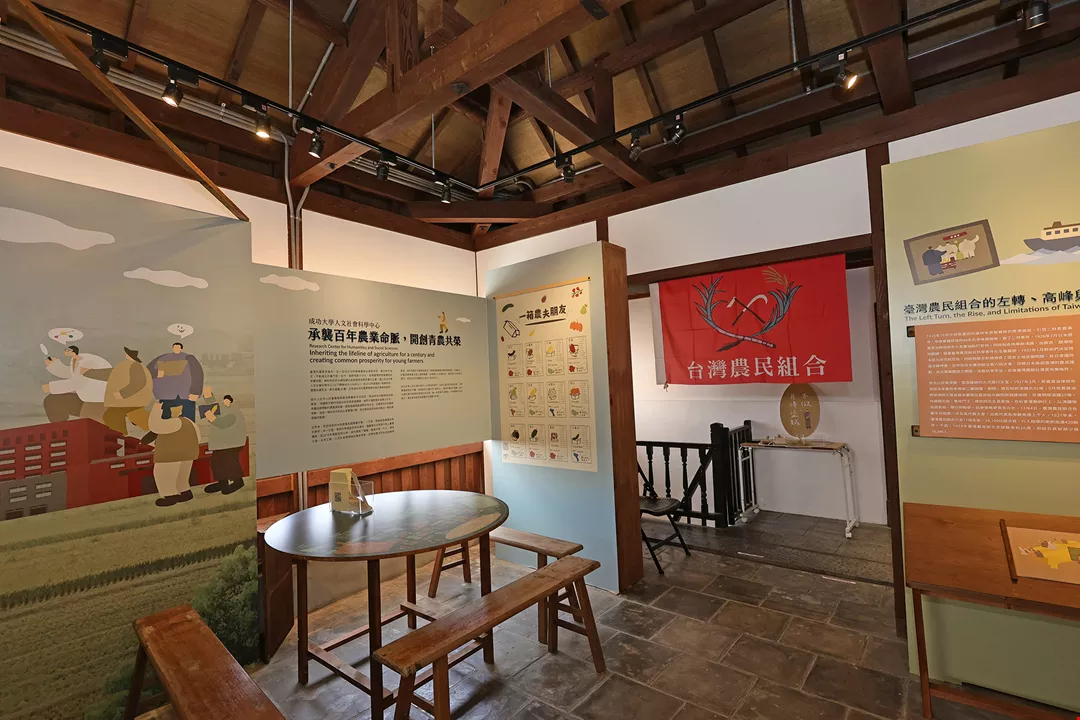
After Tang’s former residence was successfully saved from demolition, the property was registered as belonging to the Tang Te-chang Memorial Association, which manages and operates it like a trust.

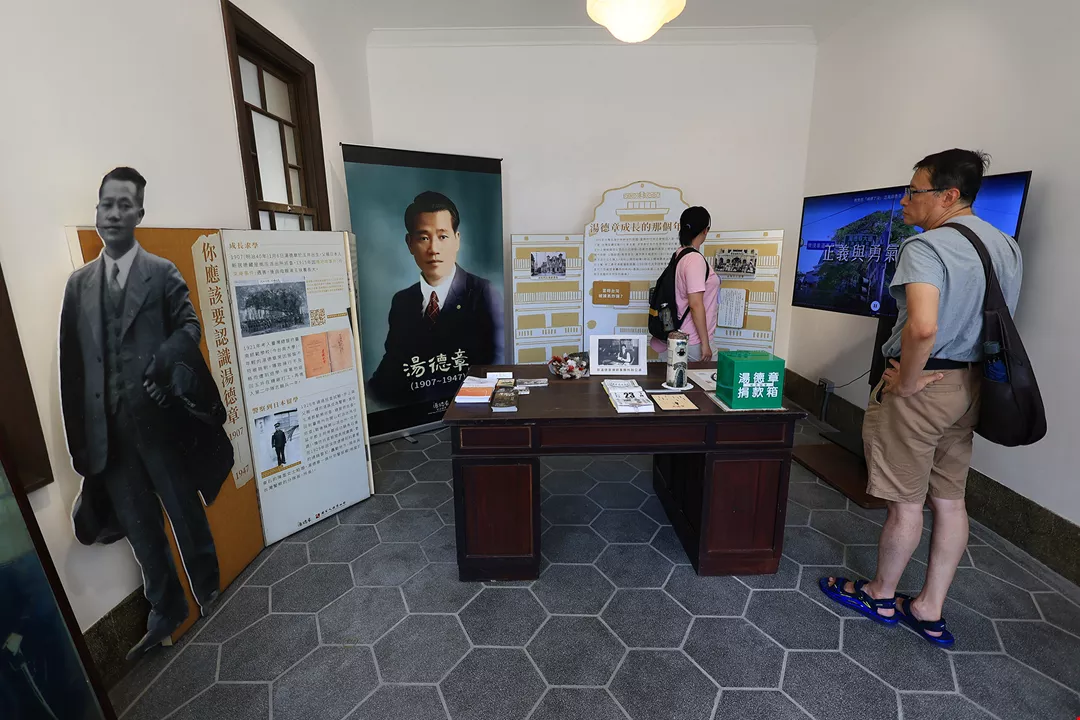
The desk Tang used in life is on display at his former residence.

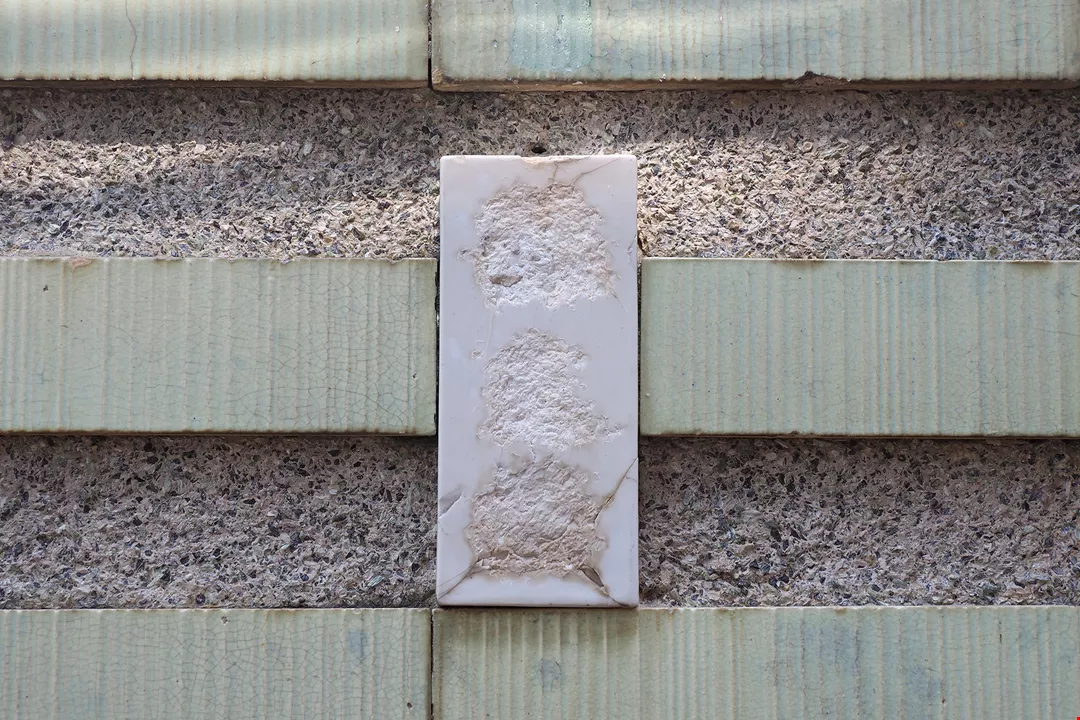
The defaced nameplate outside Tang Te-chang’s former residence bears witness to the impact of the White Terror.