In Praise of Nature-- The Yang San-lang Fine Arts Museum
Tsai Wen-ting / photos Pu Hua-chih / tr. by Jonathan Barnard
November 1998


Daybreak, 1997. The sun rising in the east reflects across a choppy sea. To capture the surging power of the ocean at the northeast corner of Taiwan, Yang San-lang often rose at 3:00 in the morning so as to get there in time for the break of day. (courtesy of the Yang San-lang Fine Arts Museum)
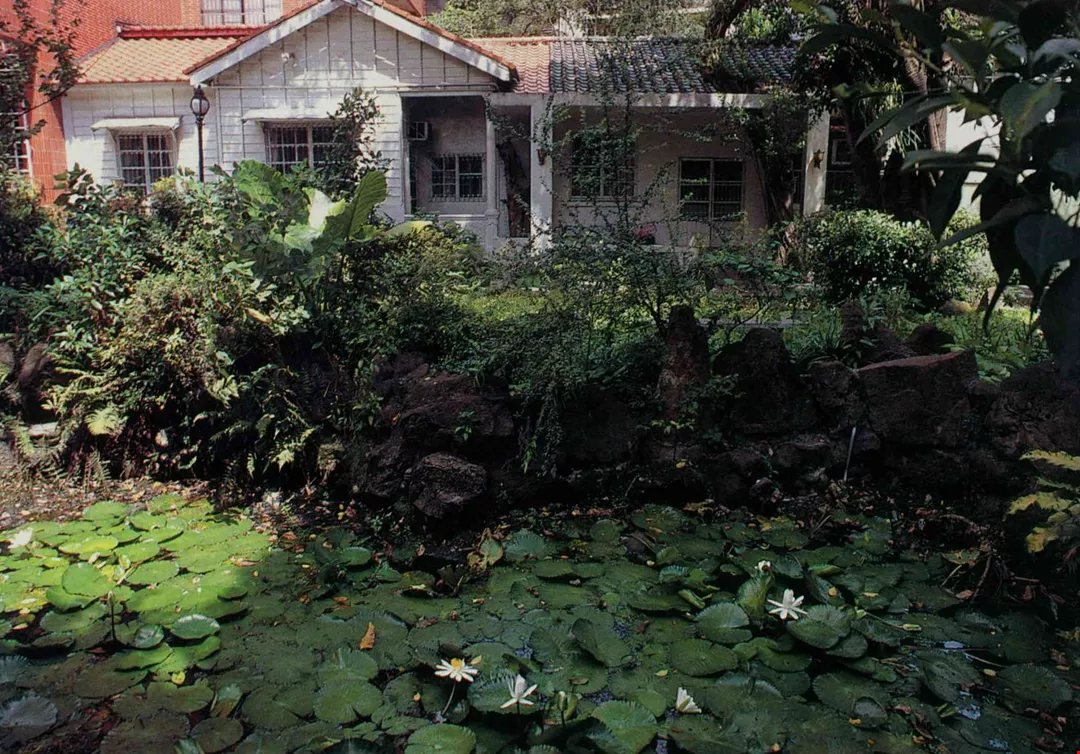
The house behind the pool of lotuses is where the artist was born and raised. The brick building to the house's left is the five-story Yang San-lang Fine Arts Museum.
The five-story Yang San-lang Fine Arts Museum holds paintings that are among the artist's greatest, and the studio in the old wooden building next door holds his paints, brushes and unfinished works. His presence is so vivid that one can virtually see Yang there himself, carefully creating his art.
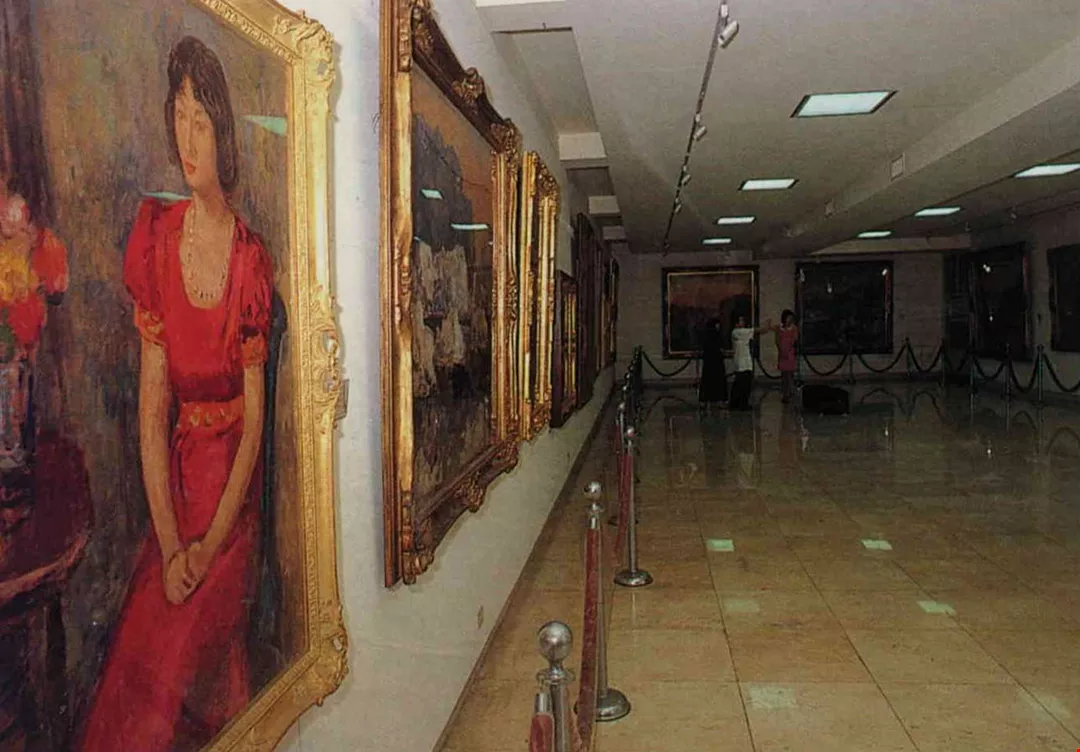
The Yang San-lang Fine Arts Museum holds all of the artist's large works from his later years, each taller than a man.
In his old house and studio and in the new museum devoted to his work you not only encounter the spirit that imbued Yang's life and work, but you can also trace the history of Taiwan's first generation of oil painters.
The famous soy milk shops in Yungho in Taipei County are packed as they always have been, but the alley next to them has been newly paved with special brick. Home to the Yang San-lang Fine Arts Museum, Po-ai Street has been designated an "arts thoroughfare" by the county government. It will be closed to traffic, and on weekends and holidays musical performances will be held here.
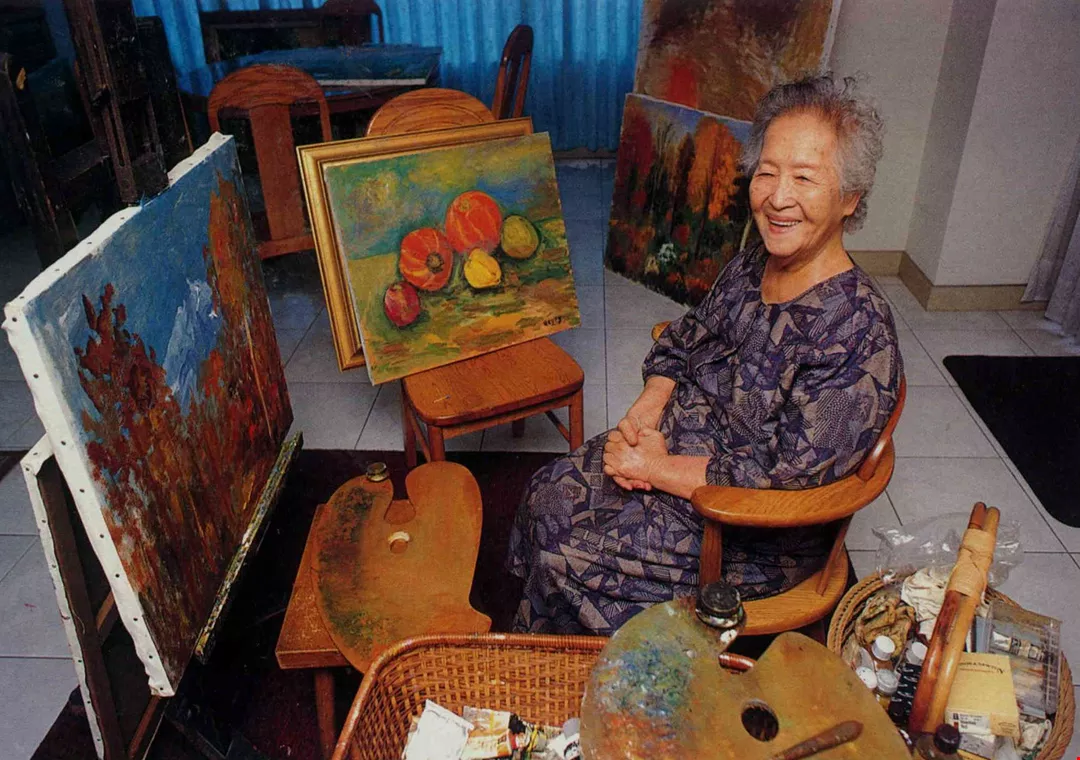
The 90-year-old Hsu Yu-yen, who was Yang's wife, secretary, babysitter and fellow artist, is still painting.
Walking through a gate, one is greeted by the scent of lotuses from a pool and two century-old trees that extend skyward over the eaves of the house. In an instant the noisy hustle and bustle of city life seems far away. At the back of the courtyard is a Japanese-style house with black roof tiles that was Yang San-lang's home and studio. The multi-storied brick building beside it is the Yang San-lang Fine Arts Museum. "Yang San-lang's Museum is the most beautiful of all private art museums," says Lin Hsin-yueh, an art critic and expert on old Taiwanese painters.Worshipper of nature
In front of the steps to the museum there is a statue of Yang San-lang by the artist Wu Hsuan-san which depicts Yang holding a brush and looking toward the lotus pool as he paints. In the large hall on the first floor more than 200 of his larger paintings are on display, including works depicting sunrises in northeast Taiwan, snowy landscapes in America, Canadian maples blazing red in fall, and vistas in the Nepalese Himalayas. "The larger his paintings are, the greater they are, and these large paintings from after he was 70 are his most important and representative," says Lin Hsin-yueh. Yang, whose work focused on nature throughout his life, had a hearty and robust character. "He was a real man." The powerful and moving brushstrokes in these large works that need no detailed commentary completely convey his forthright personality as well as the incomparable power of nature.
In Daybreak, which depicts dawn at the northeast corner of Taiwan, a choppy sea is in the foreground, and steep rocks loom on either side. The sun rising out of the sea has turned the sky to glitter. The colors of Yang San-lang's brushstrokes convey the limitless power of the sea and the imposing magnificence of daybreak over the ocean. "To appreciate Yang San-lang's work, I think it is best to trust your own eyes, rather than listen to your ears," says Lin Hsin-yueh, who believes that art schools and art critics are of no help in appreciating Yang San-lang's work.
Yang's work isn't merely aimed at faithfully capturing the appearance of nature. Instead, he tried to capture visually the essence of the ocean, the rising sun, the mountains and peaceful forests-getting a feel for the transformations of nature and holding these close to his heart so that they floated up into the consciousness of his paintings, where he evoked the call of nature through his use of color and his brushstrokes. Believing that one got in tune with nature's creative force only when painting directly from it, he was opposed to painting natural scenes from photographs (whether in Taiwan or abroad), because by so doing he felt that it would be impossible to have a dynamic conversation with nature.
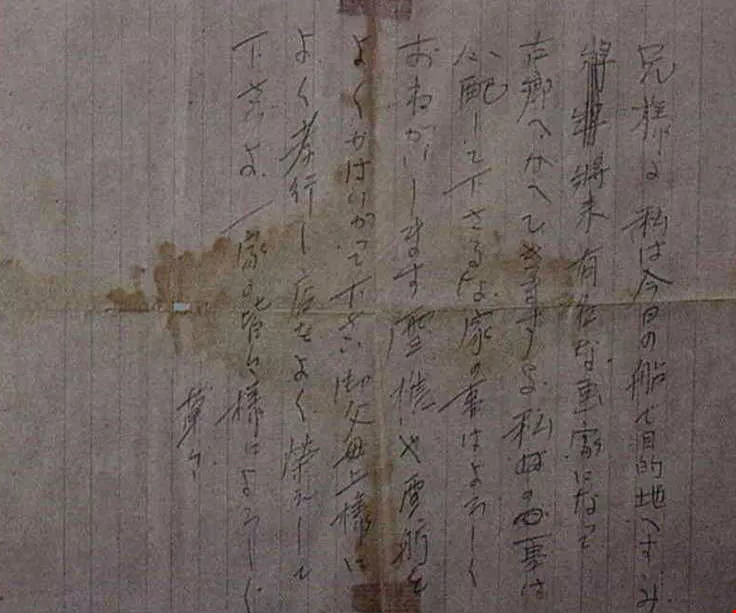
As a youth, Yang passionately loved painting. When he was 16, he went off to Japan to study art, leaving a note behind in which he explained that he wouldn't return until he had become a successful painter.
To remain faithful to his own artistic principles, it often took Yang three or four years to finish many of his larger works, which he might set aside for most of a year until the season rolled around again and he could continue to paint. When painting portraits, Yang wouldn't let his subjects sit peacefully. For his three renderings of Tsai Jui-yueh, Taiwan's first modern dancer, Yang painted as she flew around the dance floor.Painting was his duty
The art museum has already organized and framed for exhibition more than 600 of Yang's oil paintings, and in the storage room and tea room of his old house, nearly 1000 of his paintings are stacked in piles everywhere. "Painting was his duty; he threw all his energy into his work," says Yang's wife, the nonagenarian Hsu Yu-yen, who clearly admires her husband's passion for creation.
When he was young, Yang San-lang's studio and house were separate, and every day he would take his lunch box and go outside to paint or to his studio to put the finishing touches to his works. Up until he had a stroke in his 70s, he was constantly going outside to paint. "I'd see him working in his studio until midnight and wonder how he was going to get up at 3:00 the next morning to paint the sunrise in the northeast. But he would get himself up at 3:00 and wait outside for his students, so that they wouldn't ring the bell and wake me," says Hsu, smiling as she reminisces. Even when Yang was 80, she recalls, he would be out painting as typhoons approached Taiwan so that he could capture the different moods of the ocean sky. He maintained this passion for his work right up until 20 days before his death. Nearing death in the hospital, the painter was still exhorting his family to get his equipment. If the doctor had permitted it, he would have been painting in the hospital room. Although he couldn't go outside to sketch from nature, he wanted to paint the fresh cut flowers that friends had given him.
The works found in the museum are mostly landscapes that Yang painted on his world travels. Among these, on the second floor are works that Yang painted on his trip to Germany when he was 88. It was the last time he went abroad. From the first to the fourth floor, the collection spans the entirety of the artist's career, from the carefully composed and dark works of his youth to the boldly brushed and exuberantly colorful paintings of his later years. Thanks to the care taken by the artist and his wife, visitors to the museum are able to view his career in its entirety.
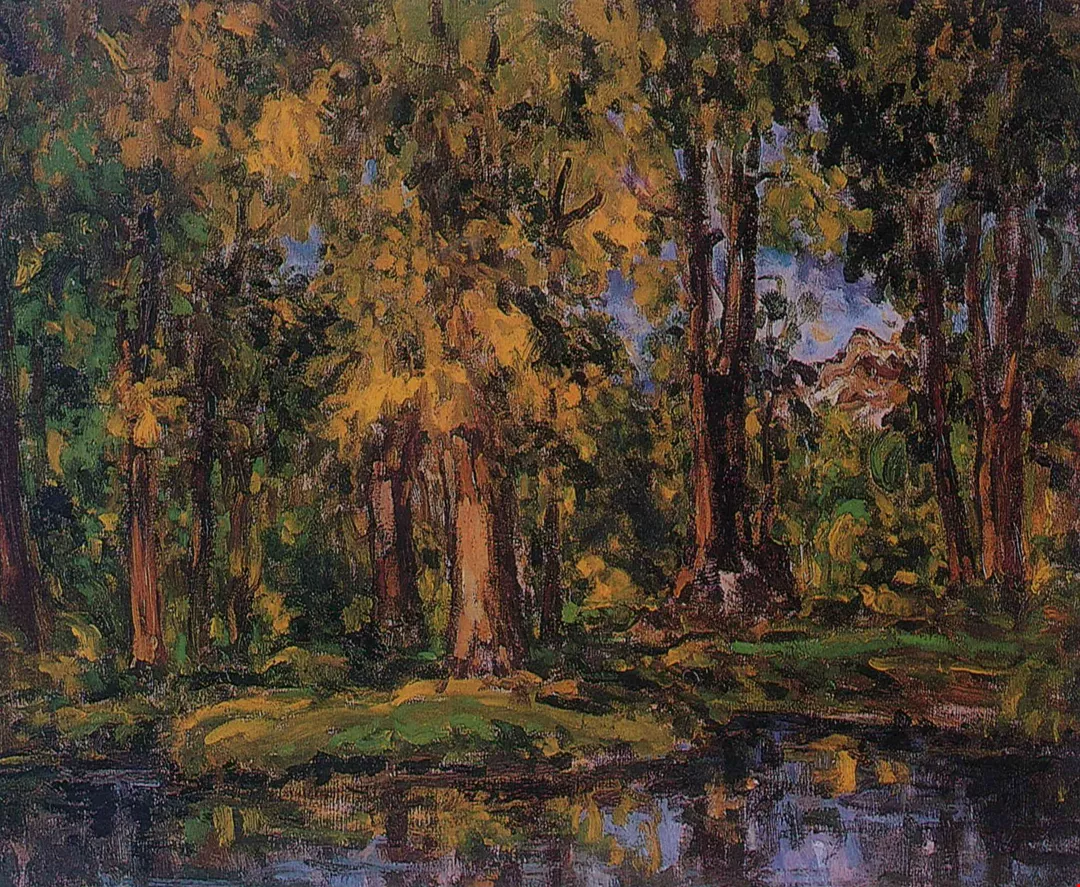
Sisters' Swamp, Chiayi, 1988. Yang San-lang, who spent a lifetime painting landscapes, traveled around the world to capture beautiful scenes of nature. (courtesy of the Yang San-lang Fine Arts Museum)
On the fifth floor are more works depicting nature from all over the world, but the style is delicate and graceful. It turns out that these are the works of Yang's wife, Hsu Yu-yen. Before Yang died he said in an interview that his wife was his "nurse, babysitter and critic." Hsu, who began studying painting when she was 14, and Yang were both artists, and they gave each other the greatest possible freedom and support. After they got engaged, Hsu went to Japan to study painting, and then when their oldest son was not even one month old Yang packed off to study in France. The husband would certainly never have tried to change the wife's paintings, and the wife wouldn't have dreamed of disturbing the husband when he was busy. That Yang could utterly devote himself to the creation of art, and that the museum could be organized to hold his work, are in no small part thanks to Hsu.The cradle of Taiwanese art
Returning to the large exhibition hall on the first floor of the museum, Hsu Yu-yen opens a door next to a painting and leads us into the painter's old home. This is where Hsu now lives, and where Yang was born in 1907. Yang San-lang's father, Yang Chung-tso, was a famous poet of that era, and this was the "Wang Creek Villa," whose grounds covered 180,000 square feet. When the chrysanthemums were in bloom, members of the social elite would gather here. Both in terms of artistic atmosphere and privilege, Yang San-lang clearly enjoyed more favorable circumstances and a more fertile environment than other artists of his era.
But even if he did have a privileged background, in the era before painting existed as a profession in Taiwan, Yang's father didn't support his son's ambitions. Passionate from birth, Yang saved money himself, and when he was 16 left a farewell note and boarded a boat for Japan. The young Yang wrote, "Older Brother, today I boarded a boat for my destination, and I will come home when I am a famous painter." This note and the reply that Yang's older brother cabled to the ship in support are documents lovingly preserved in Yang San-lang's old home. They show Yang's resolve and his courage to live by his ideals and also the path-breaking efforts that the first generation of Taiwanese artists took in establishing a place for artists in Taiwanese society.
For private art museums that aim to commemorate the life and work of individual artists, apart from showing their paintings, it is equally important to exhibit photographs of them taken throughout the course of their life, as well as their diaries, letters, notebooks and other related materials that reveal their art education, conception of painting, and the activities and impact of the various art movements of their times. These materials are primary sources in the history of art, and in this respect are just as important as the works of art themselves. "Through the old artists' works and written historical materials, the public can get an understanding of the special character of artistic development in the early period in Taiwan," says Lin Hsin-yueh. "The museum can thus be invested with double significance, providing both for appreciation of artistic creation and the understanding of history."
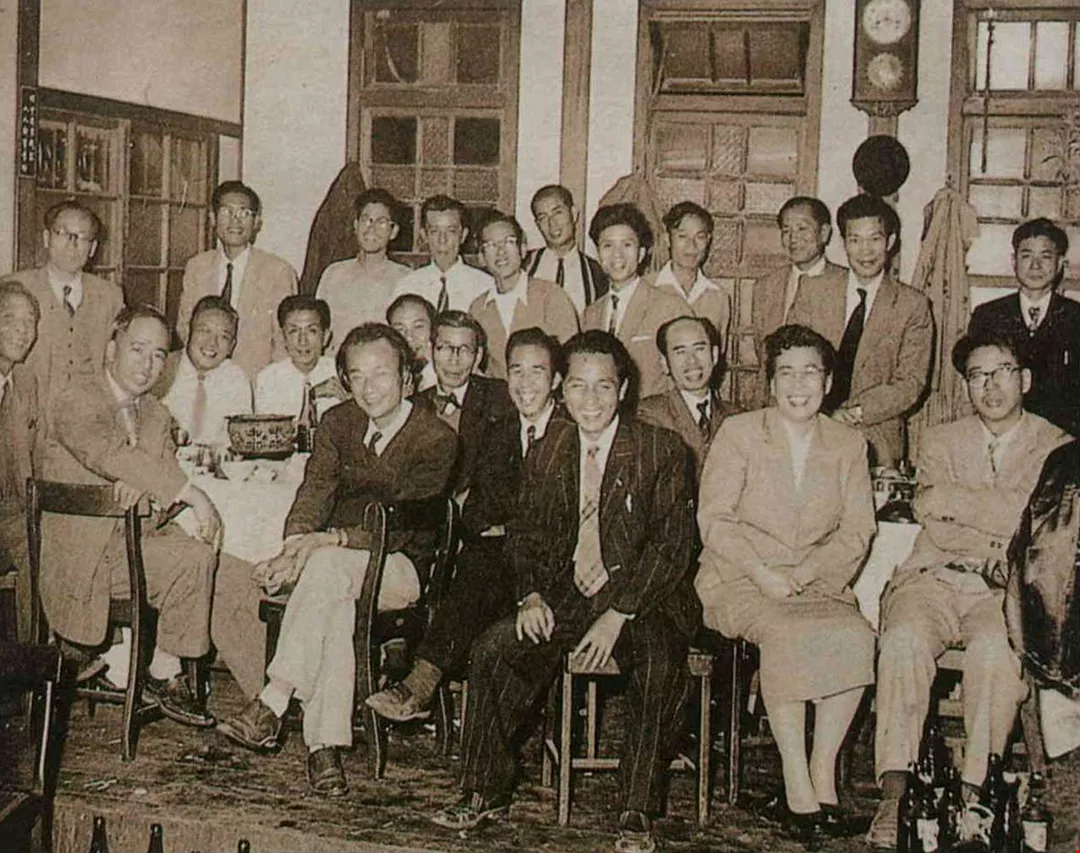
The Sun (or Taiyang) Arts Exhibition, which holds an important place in the history of art in Taiwan, was usually held in Yang's house. Yang is sitting fourth from the left. Other famous artists of his era, such as Kuo Hsueh-hu, Liao Chi-chun, Chen Chi n, Lin Yu- shan, Yen Shui-lung, and Lee Shih-chiao, are all here as well! (courtesy of the Yang San-lang Fine Arts Museum)
Yet, because of the artist's generosity to others when he was alive and the museum's current lack of professional administrators, the vast majority of old photographs and historical materials relating to Yang's life have either been scattered or damaged by insects. And although the museum has been established for seven years already, even the first steps to collect, organize and display such materials have yet to be taken. This is a source of great anxiety to Yang's 90-year-old wife. Three painters, one bed
When Yang was studying painting in Japan, the first "Taiwan Exhibition" was being held, and Yang, who was still studying art in Kansai, submitted a landscape he painted in Harbin entitled During Easter Vacation. The work was accepted and purchased by the Japanese governor-general for 150 yen (equal to about two-and-a-half years of a teacher's salary). When all of the major papers in Taiwan reported on this glorious achievement and the high price that the painting fetched, Yang's father's attitude about his son pursuing a career in painting changed, as he realized that painters could achieve respect and renown.
In 1929, having won the special distinction award at the Taiwan exhibition, Yang San-lang returned in glory to Taiwan and in 1932 he took his painting equipment to Paris, the world capital of art. Although Western art had already entered the age of cubism, Yang San-lang, enthralled with depicting nature, did not enter the mainstream, but instead spent his time in art museums studying French landscapes.
When Yang returned to Taiwan from France, he embarked on his most high-spirited and vigorous period of work. Taiwan's oldest art association the "Taiyang" or Sun Arts Association was established under Yang's leadership. This art group, which Yang affectionately referred to as his "son," was the largest private art organization in Taiwan during the Japanese era. It has existed now for 63 years, and its base of operations and activities used to be Yang's house.
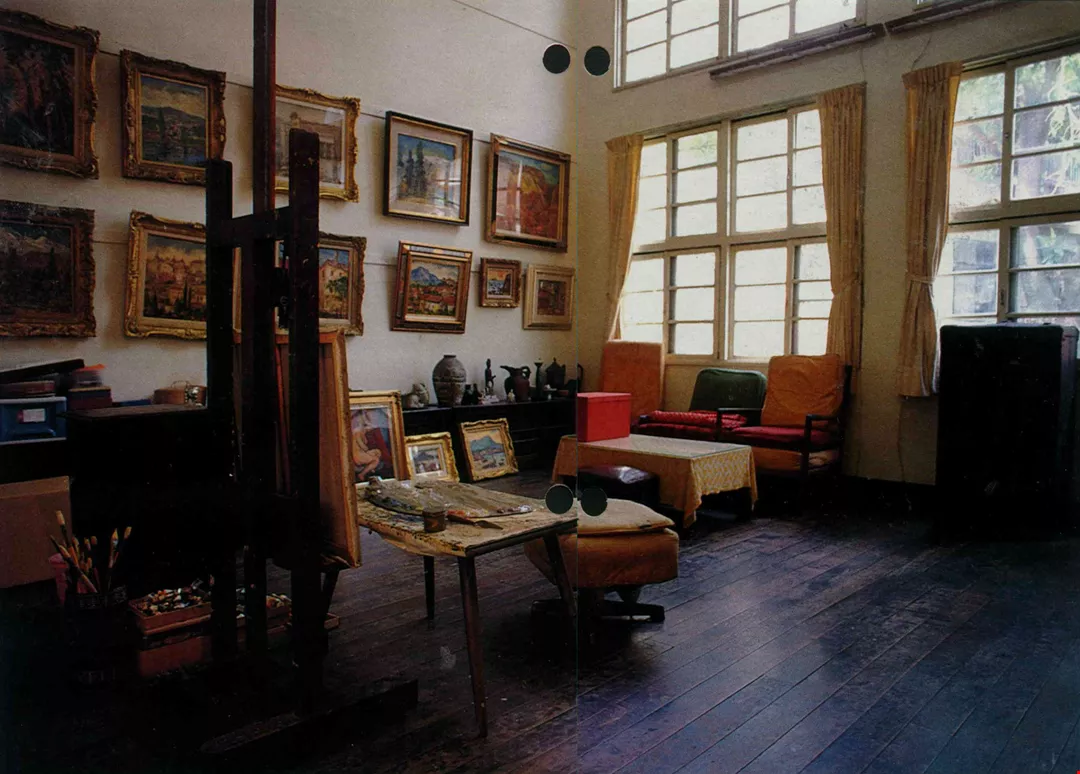
His bright, high-ceilinged studio was where Yang loved most to hang out. The unfinished paintings and the well worn brushes provide testimony to the artist's life.
Every spring for two or three weeks before the Sun Arts annual exhibition, large groups of painters would gather in Yang's house in the Tataocheng neighborhood, making it their office and flophouse. Artists such as Chen Teng-po and Li Mei-shu would sleep there. Hsu Yu-yen recalls that once, when the artists were particularly numerous, they had to sleep three to a bed.Calmness in adversity
After the retrocession of Taiwan, the Tataocheng neighborhood lost its status as a center of art and culture that it held during the Japanese era. This fact, combined with Yang's sense that he was getting on in years, prompted him to move back to his old family home in Yungho, where he built himself a studio. There he withstood the new wave of art in the late 1950s, when past glory made him and other first-generation artists targets for rejection by the younger generation of artists. In particular, Yang, as a leader of Sun Arts, came to be viewed as an out-of-date, dictatorial figure by the new generation of artists.
Yet, as before, Yang held to his conviction that painting which would stand the test of time must be resolutely pursued in an orderly, step-by-step fashion, starting from study and moving to original creation. In spite of the difficulties presented by the new era, Yang went on voicing low-key support for the annual Sun Arts Exhibition. Yang's house continued to be a place where the members of the association would gather and where Hsu Yu-yen would treat the assembled artists with great hospitality. In his studio Yang continued day and night to concentrate on his passionate depictions of nature, and students still came by to ask for his comments and advice.
Yang felt that artists had the right to choose their own way in art, and that it didn't matter if the way chosen was "old" or "new." As far as he was concerned, what is at the heart of artistic creativity wasn't a bunch of new theories but rather the lofty magnificence of a mountain range, the vast tumult of ocean waves, or a daybreak's power to move its viewers.
The 600 paintings in the museum do not reflect the changes wrought by these new schools of art, and Yang never adopted radically different styles during different periods. His paintings bore his signature, never dates and other annotations, because Yang felt that he might later want to revise any of his works. For him painting was just a beginning, and no work was ever finished.
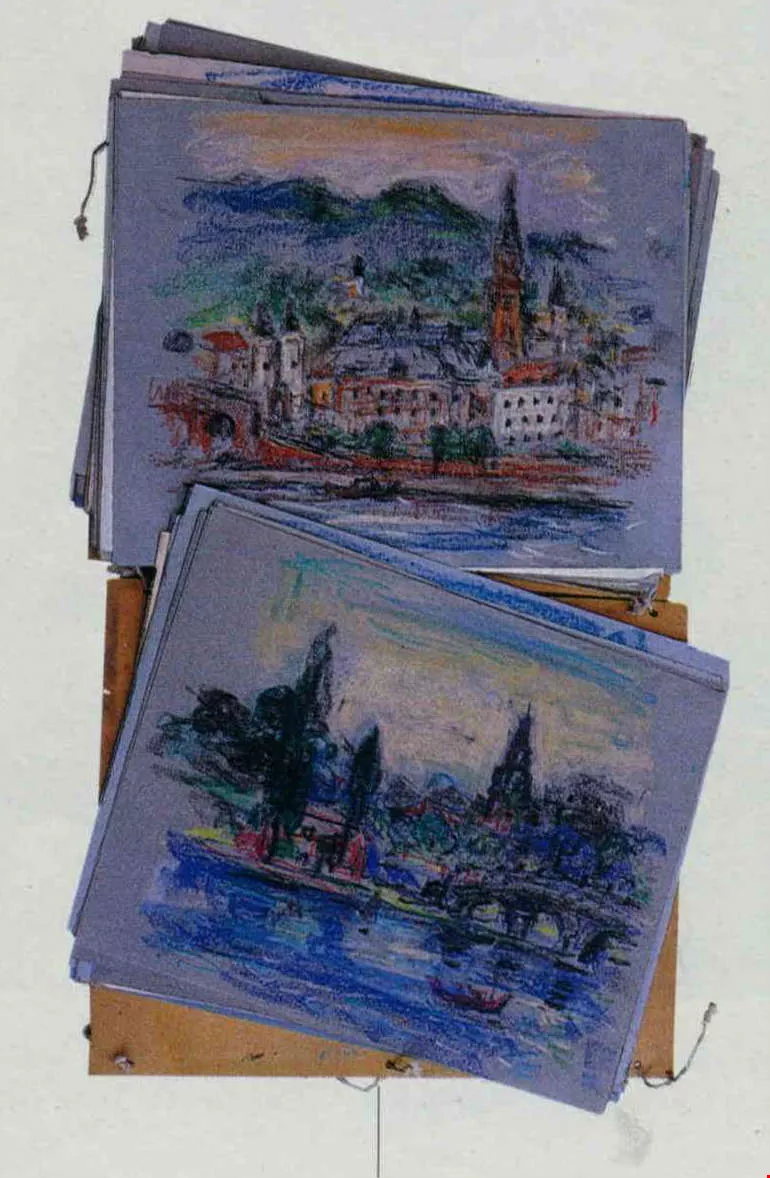
Through this stack of pastel sketches, Yang San-lang gave praise to nature.
Yang discovered transcendent joy in throwing himself heart and soul into painting. What he found most difficult was when reporters would ask him, "Mr. Yang, to what school of art does your work belong? Will your style of painting change?" "Can it be that only painting that people can't understand is called new?" he would wonder. "That only it is creative?" The creative conceptions of the older artists stood in marked contrast to those held by the newer crop of younger artists who came of age after the war.New schools, newer schools
New art movements always emerge in step with the changing times. Now those artists of the following generation who took up the banner of modernism and looked askance on Yang's generation are being viewed critically by the "native soil" artists who followed them for being too detached from the living environment. Conversely, the older artists of Yang's generation are once again regarded as important and are attracting great media attention.
In the Yang San-lang Fine Arts Museum, the works that Yang painted abroad from scenes of nature outnumber those of Taiwan, because nature is not subject to national boundaries. When the "native soil" art movement began, Yang continued as before seeking his themes from nature. Though he loved his "native soil," he felt that meant loving his friends and society and didn't mean exclusively painting old farms and the like. Yang had a very tolerant way of looking at the native soil movement.
In the old house, one ascends a flight of steps to enter Yang's studio, which was built 50 years ago with a raised ceiling and a wall of windows to provide the artist with ample light. Every day of the year, light floods every corner of the studio.
In the middle of the room are the painter's easel and oil paints. A rack in one corner holds handicrafts of various countries that Yang brought back from his travels, and a bookshelf on the opposite side of the room holds his notebooks, sketch pads, and address books containing the phone numbers of other artists. A heavy old trunk that is nearly 70 years old lies near a wall. "When he would come back from a trip abroad, my husband would always happily open this trunk, because it was mostly full of his own work," Hsu says, sighing softly as she remembers.
Visiting the home of the impressionist painter Monet, Yang was moved to say, "Wherever there is a blade of grass, a tree, a gust of wind, I am prompted to think of Monet." And today in the Yang San-lang Fine Arts Museum and studio, by the lotuses and old trees in the courtyard, and in the person of his white-haired wife, you can see Yang San-lang, someone who devoted his energy to artistic creation without regret and, as an expression of his faith in art, left many works behind for posterity.
At the end of the day, as the wife lingers in the museum or studio, it almost seems as if the husband has returned to work in his studio, and the paintings in the museum seem to bear marks of overnight revisions. Come on a Saturday or Sunday and have a look at the Yang San-lang Fine Arts Museum. Perhaps it will lead to a chance encounter with the artist himself.

@List.jpg?w=522&h=410&mode=crop&format=webp&quality=80)


