

North of San Francisco is a lovely little island with a beautiful name--Angel.
Angel Island was designated a state park by the California government in 1962. Eight years later, a newly arrived park ranger named Alexander Weiss noticed Oriental writing carved into the walls inside one of the buildings there. Knowing that the island had been used as a Japanese-American internment camp during World War Ⅱ, Weiss contacted a Japanese-American professor at San Francisco State University, who discovered that the inscriptions were Chinese poems, left behind by Chinese immigrants detained on the island from 1910 to 1940.
This two-story wooden building is now a museum, providing information on the early history of Chinese in the United States and displaying some of their records and objects.
In fact, the little building was once a prison. Angel Island in San Francisco Bay, like Ellis Island in New York harbor, was an immigration detention center, only here nearly all the detainees were Chinese. As many as 400 to 500 people were crammed into the facility at any time. Some 175,000 Chinese were kept here in all.
When Chinese crossed the Pacific and arrived in San Francisco, they were sent at once to the island. There they were detained until their fate was decided after a hearing--whether to be allowed into the U.S. or sent back to China. The waiting period could stretch from weeks to months or even years. The more literate detainees-- homesick, anxious about the future, and suffering from their loss of liberty--composed poetry on the walls of their quarters, venting their frustrations in verse.
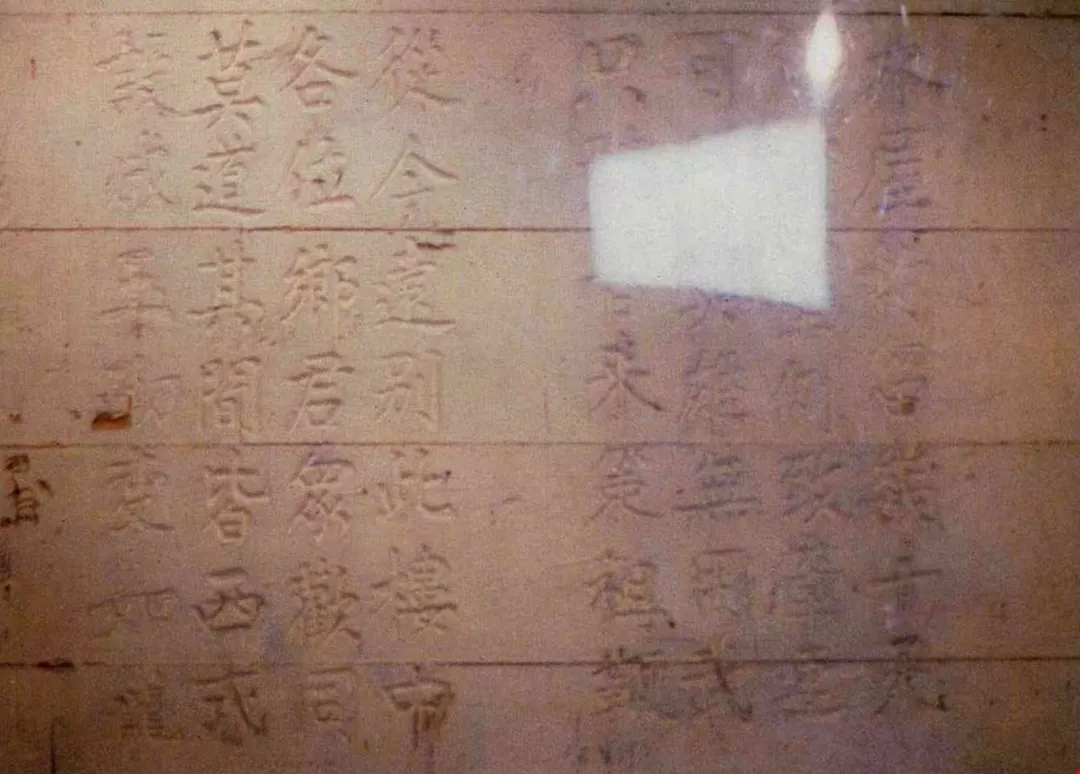
The walls were painted over several times, covering up the poems written in pencil or ink. Only those first written with a brush and then carved into the wood survived. A hundred and thirty-five of them are contained in Island, a book about the poetry and history of Chinese immigrants on Angel Island, published by the San Francisco Study Center.
"Four days before the Ch'i-ch'iao Festival,/ I boarded the steamship for America./ Time flew like a shooting arrow./ Already, a cool autumn has passed./ Counting on my fingers, several months have elapsed./ Still I am at the beginning of the road./ I have yet to be interrogated./ My heart is nervous with anticipation."
"America has power, but not justice./ In prison, we are victimized as if we were guilty./ Given no opportunity to explain, it is really brutal./ I bow my head in reflection but there is nothing I can do."
These two poems express something of the helplessness and anxiety felt by many of the detainees. One despondent inmate hanged himself during the night. The next day a couplet appeared on the wall: "I pray that the day you again enter the cycle of life; you'll not be a chap with a worthless life from a poor family."
Chinese began emigrating to the U.S. in large numbers during the California Gold Rush. Besides working in the mines, the immigrants also provided labor for railroad construction, fishing, agriculture, and light industry. At the peak of immigration, Chinese made up around one-fourth of the California work force.
The hard-working Chinese were soon accused of taking away jobs from whites. The infamous Chinese Exclusion Act of 1882 was the first law in U.S. history aimed at preventing immigration by a specific nationality.
The exclusion law did allow entry of any Chinese who could prove citizenship through paternal lineage. After the city's records of citizenship were destroyed in the San Francisco fire of 1906, many Chinese residents were able to claim they were citizens. The result was a proliferation of "paper sons" and "paper daughters"--immigrants who bought papers which identified them as the residents' children. The Bureau of Immigration responded by detaining Chinese immigrants for interrogation.
Typical questions asked during an interrogation were: How many houses are there in your village? How many chickens did you own? Which direction does the family altar face? Only if the detainee's answers matched those of the "father" would he or she be allowed into the country.
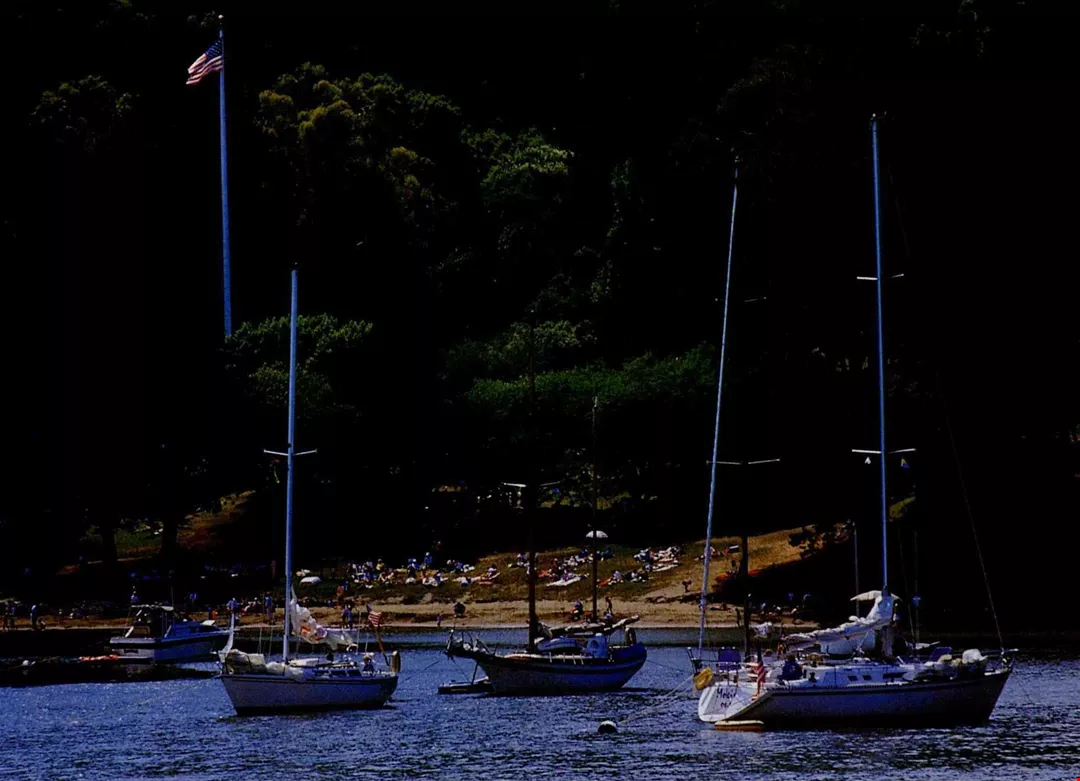
After a fire destroyed the center's administration building in 1940, the facility was shut down, ending the nightmare that Angel Island represented for Chinese people. The island has become a recreation area, and this chapter of its history has gradually been forgotten. Groups of visitors flock to the island on weekends for picnicking, camping, and bicycling... but few of them drop by the museum in the old wooden building on the north of the island.
The building seems to be a part of the past that no one wishes to recall. "Chinese don't want to bring up painful memories," a Chinese-American reporter says, "and Americans don't want to open old wounds." At a time when anti-Asian sentiment in the U.S. is running high, a visit to the museum on Angel Island can provide sobering food for thought.
[Picture Caption]
The museum on Angel Island contains interesting information about the early history of Chinese people in the U.S.
Under the Chinese Exclusion Act, Chinese were required to prove direct relationship to a U.S. citizen in order to enter the country.
The erstwhile detention building is now a museum.
A view of the building from the outside.
Written in tears, many of the poems that were carved on the walls by Chinese detainees are still visible today.
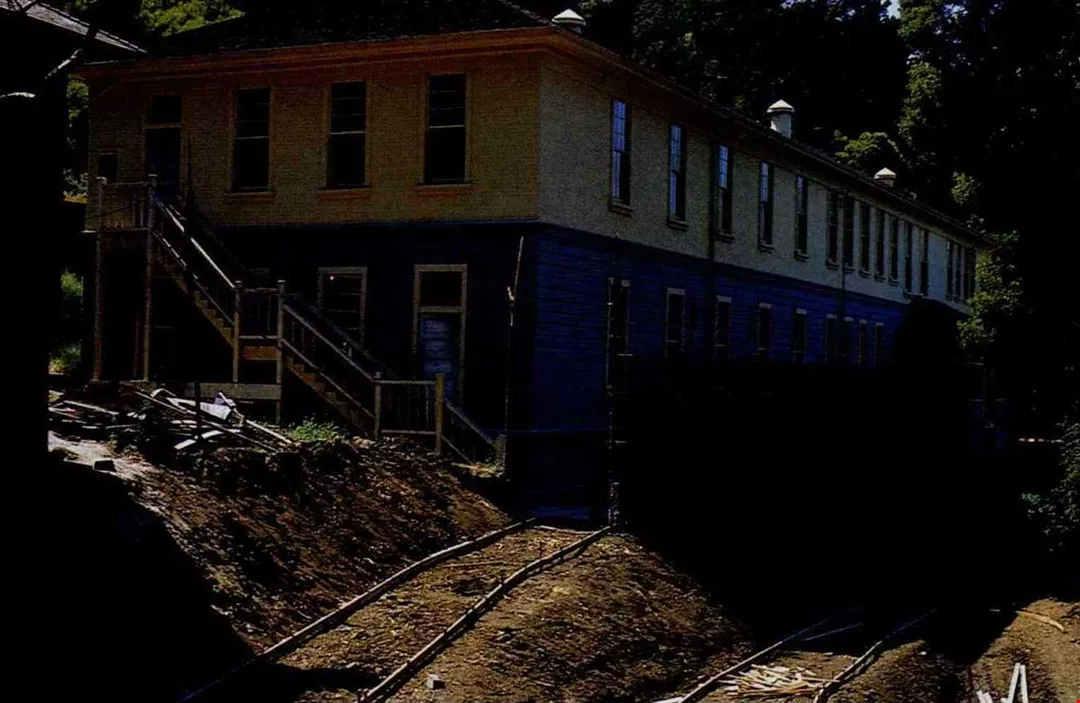
Even though the detainments ended half a century ago, a look through this barred window still gives one a chill.
A steel post with three levels on each side slept six people. In this way, 180 people could be squeezed into a single room.
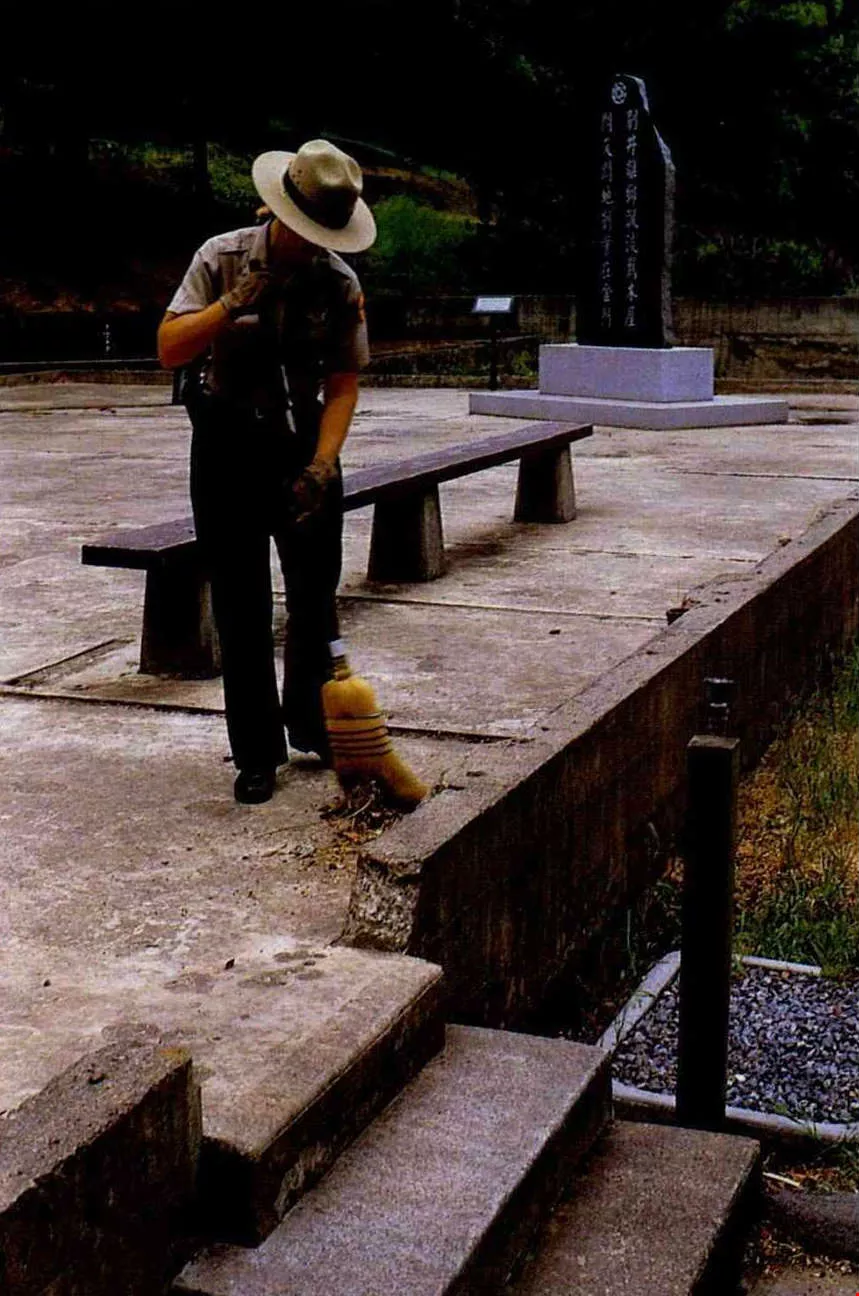
A stone stele near the museum stands as a memorial to the suffering which Chinese people endured on the island. The words read, "Leaving home we drifted here and were kept in this wooden house, hoping to build a new life in a new land here at Golden Gate."
Angel Island is now a popular recreation area.
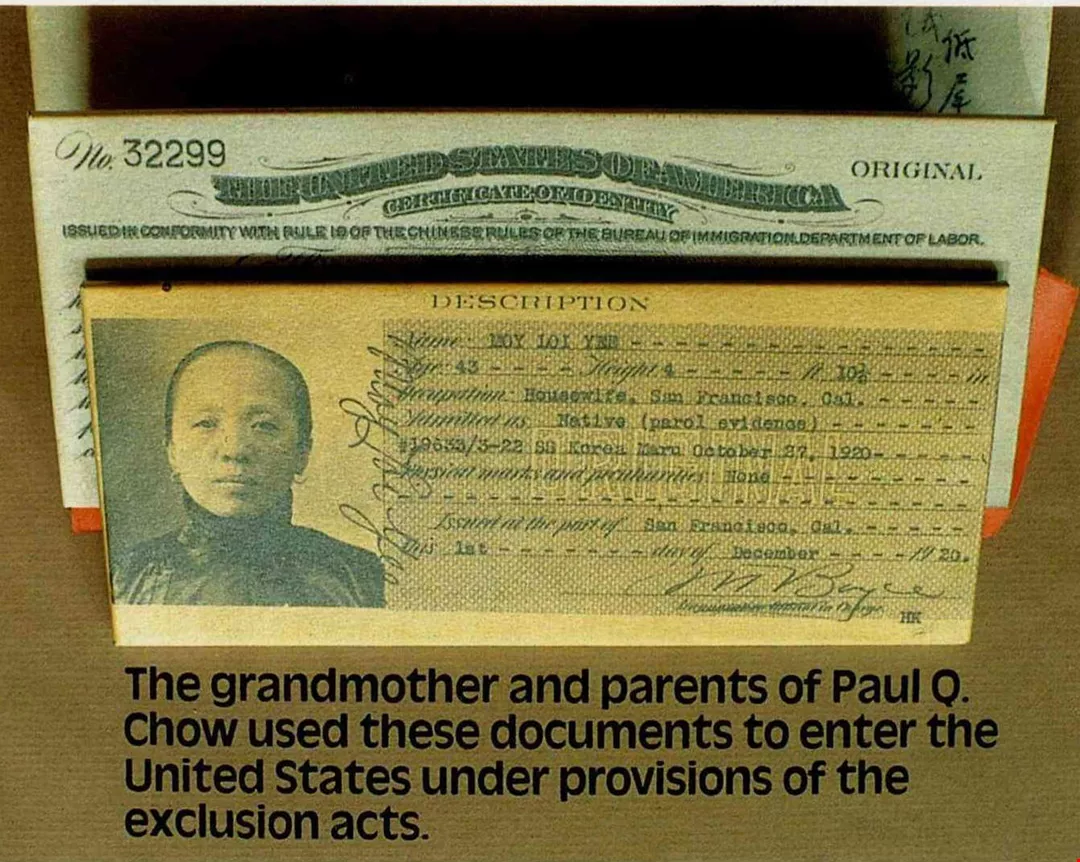
Under the Chinese Exclusion Act, Chinese were required to prove direct relationship to a U.S. citizen in order to enter the country.
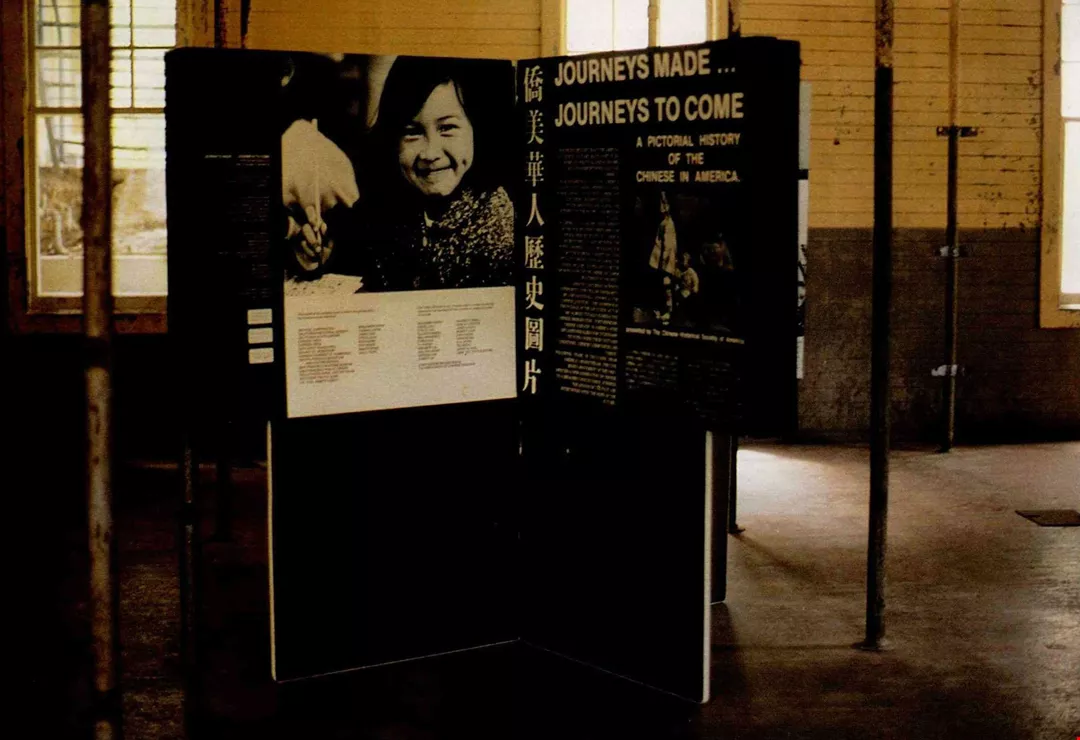
The erstwhile detention building is now a museum.
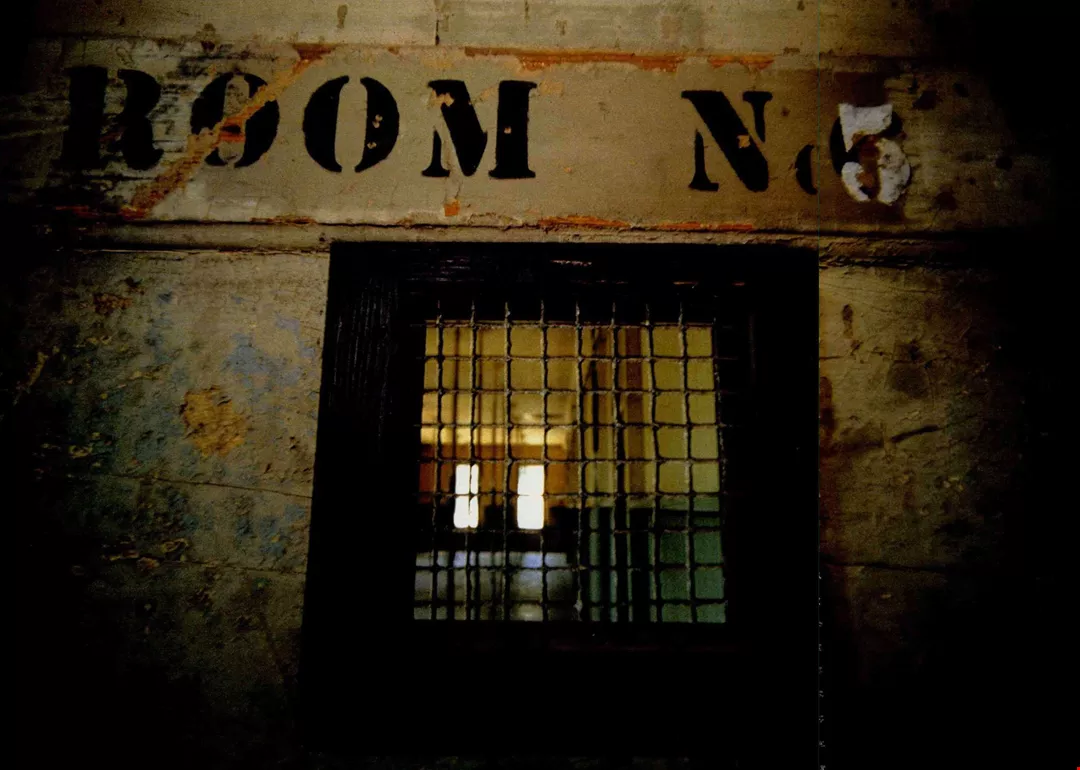
A view of the building from the outside.
Written in tears, many of the poems that were carved on the walls by Chinese detainees are still visible today.
Even though the detainments ended half a century ago, a look through this barred window still gives one a chill.
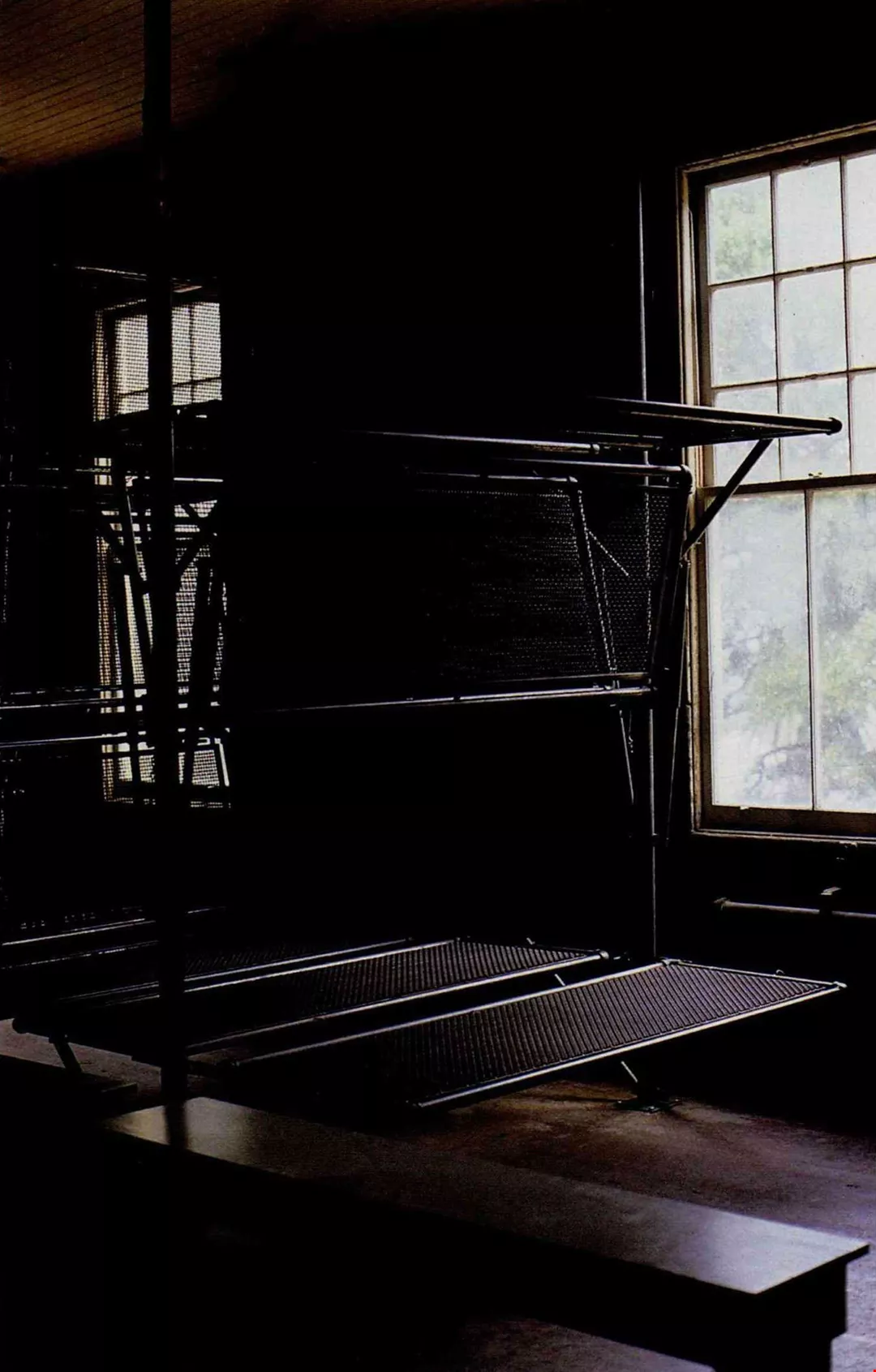
A steel post with three levels on each side slept six people. In this way, 180 people could be squeezed into a single room.
A stone stele near the museum stands as a memorial to the suffering which Chinese people endured on the island. The words read, "Leaving home we drifted here and were kept in this wooden house, hoping to build a new life in a new land here at Golden G.
Angel Island is now a popular recreation area.

@List.jpg?w=522&h=410&mode=crop&format=webp&quality=80)
@List.jpg?w=522&h=410&mode=crop&format=webp&quality=80)


