The Innovative Management of Nova Design
Liu Yingfeng / photos courtesy of Nova Design / tr. by Geof Aberhart
September 2013


This July, Nova Design added another trophy to their increasingly packed shelf as their sleek, silver Lion 3D Camera took the Best of the Best award at this year’s reddot design awards. Another of their designs, the portable Compact Clothes Dryer, also earned praise from the judges for its uniquely slim, swift functionality.
Such recognition is far from out of the ordinary for Nova Design, which leads one to wonder: how is it that this company continues to win design awards year after year? What is the secret to their constant creativity?
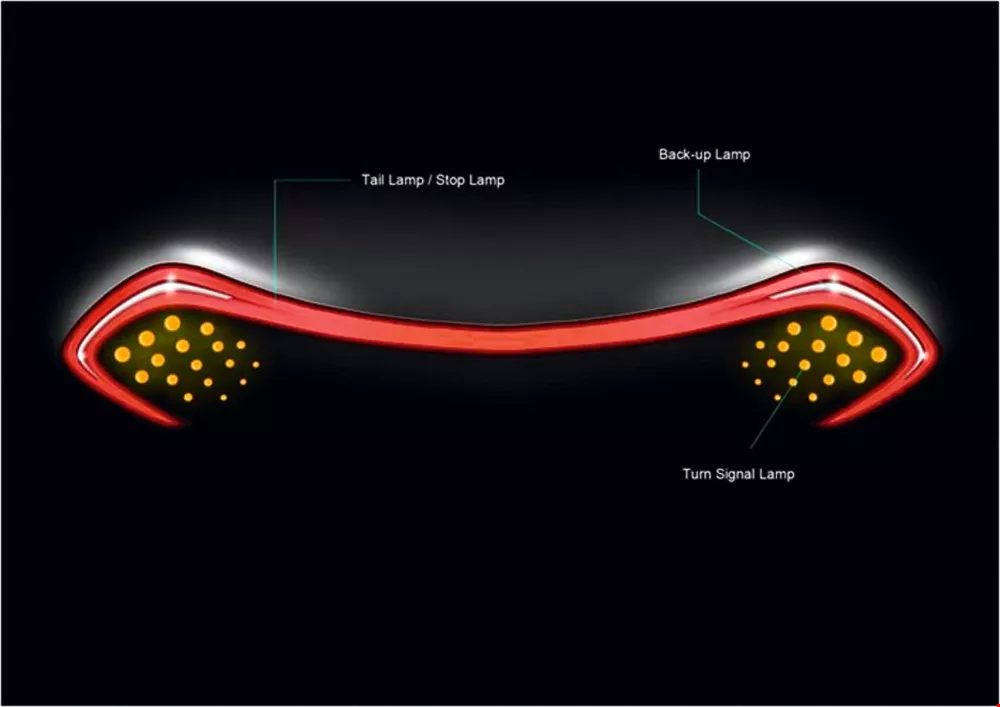
The sleek SYM Fighter scooter, with its flashing LED lights, zips through the streets. In a shop window sits a Tatung cooker, the brand a 50-year fixture in Taiwanese homes, but the design of this cooker features a new, stylish metallic look and is ringed with awards from the 2008 iF Design Awards.
From the lines, curves, colors, and materials, it’s clear that these elegant designs are the work of Taiwan’s biggest industrial design house, Nova Design.
The 25-year-old Nova Design is the biggest design house in the Chinese world, with a turnover over NT$400 million last year, and has become the hidden hero behind some of Taiwan’s leading product designs.
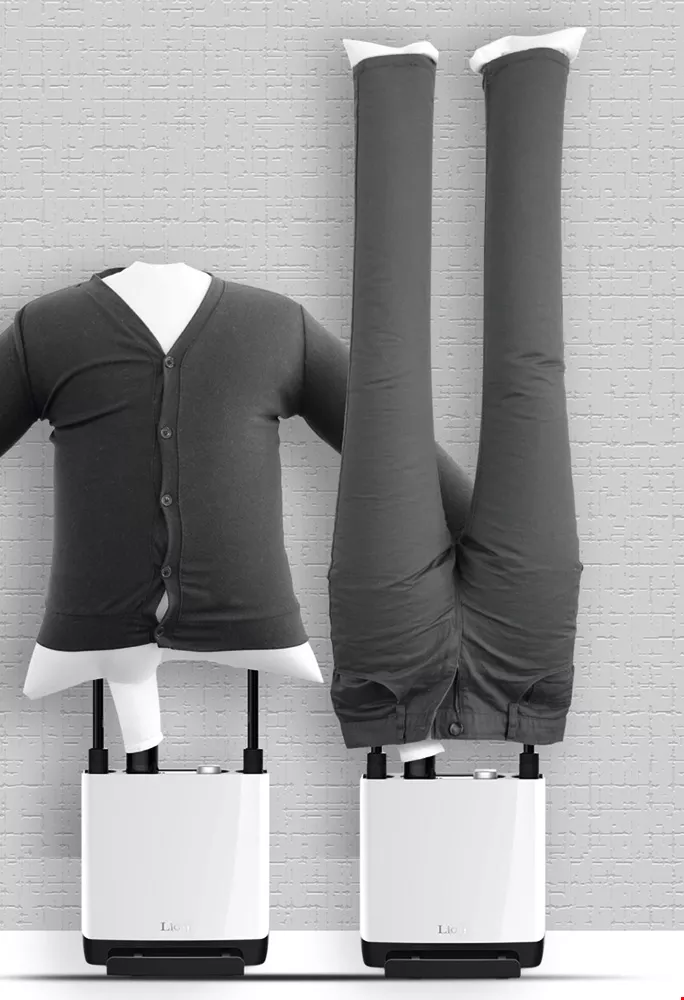
Motivated by the modern fixation on speed and convenience, Nova designed the Compact Clothes Dryer, a light, simple way to dry clothes while also keeping them wrinkle-free.
The 54-year-old chairman of Nova Design, Chen Wenlong, has been involved in the design field for over three decades. That 30-plus-year journey into industrial design, though, started with the simple act of skipping class one day.
In his final year at the fairly liberal Taichung First Senior High, the usually obedient Chen found he’d had enough of school one day and decided to visit an exhibition being held in the city by the American Institute in Taiwan. There he happened upon another exhibition being held by students of industrial design at National Cheng Kung University. Seeing the novel household furniture on display, Chen was inspired; he’d always loved drawing, and with this new discovery, he decided he wanted to study architecture, design, or something similar.
After testing into the Department of Industrial Design at NCKU, Chen set about reading widely on design, including subscribing to Italian magazine Auto & Design. In that publication, he read a feature on Italian automotive designer Giorgetto Giugiaro, who in 1968 founded Italdesign Giugiaro, an automotive design house that would go on to become the world’s largest. Giugiaro’s company has been responsible for many classic car designs, including the DeLorean DMC-12 featured in the Back to the Future trilogy. Chen had found his idol, and hoped one day to be a designer on a par with Giugiaro.
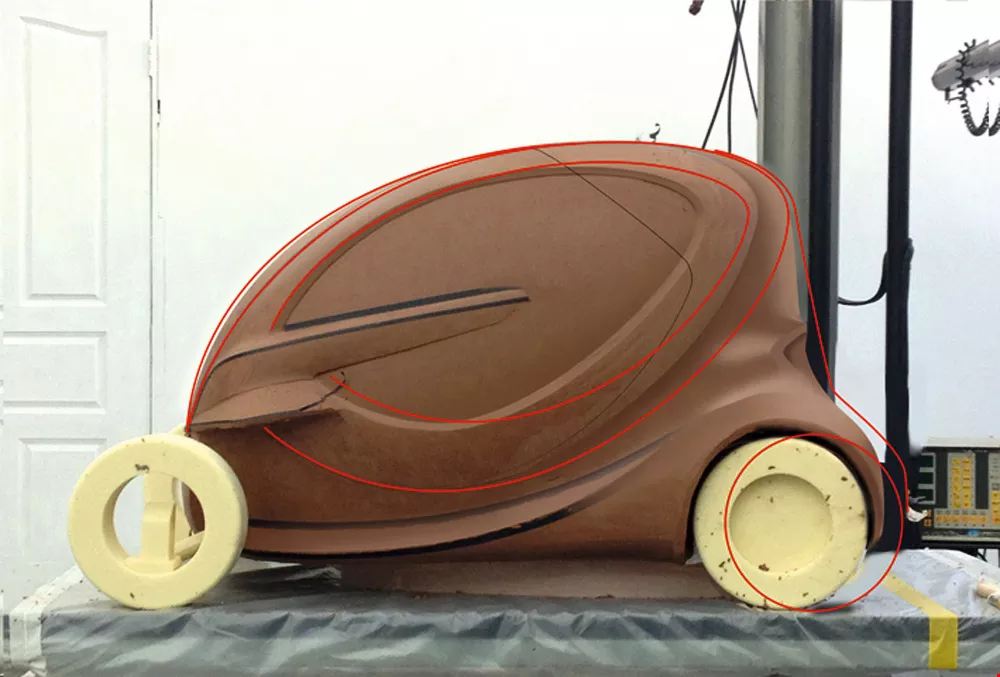
In Chen’s senior year, he and four classmates came together to work on a graduation project, opting to focus on automotive design. They went through a list of companies, asking one firm after the next if they would be willing to let the students help with a design, until they finally discovered that golf cart and brake pad manufacturer Ruidong was planning to develop a car. The company agreed to let the students work with them with on a full-scale “Mini-Car,” which not only passed test drives, but also won the top prize at the inaugural Young Designers’ Exhibition in 1982.
After graduating and completing his military service, Chen followed his fascination with automobiles into the automotive industry, joining car and scooter manufacturer Yeu Tyan Machinery. Then, in 1985, he moved on to a new position with scooter manufacturer Sanyang Industry, whose products go under the brand name SYM.
&nsp;
However, as part of Sanyang’s product design section, Chen’s designs had to be reviewed by the company’s Japanese partner Honda, with every change in design details or colors having to be submitted in writing for approval. This resulted in wasted days, and at times Chen even went months without word from the Japanese side.
In 1988, Sanyang decided to set up its own independent design unit to free itself from the strictures of Honda, founding Nova Design. The 28-year-old Chen, who had been with the company barely three years and had already been promoted to section chief, was chosen as deputy general manager, taking up the responsibility of leading a team of nearly 20 aspiring young designers. The rising design company began taking on more and more projects, facing ever more challenges along the way, until they learned a harsh lesson in 1993.
Nova were busy designing the exterior of a point-of-sale system for an overseas client when their lack of a strong management and oversight process came back to bite them: one of the design team had marked a dimension incorrectly, a mistake that was only caught after the production molds were made, when they discovered that the product could not be assembled. The client was obviously not pleased, not only having harsh words for them, but also imposing a penalty of NT$1 million.
To ensure the same mistake never happened again, Chen introduced ISO management systems in 1998, ensuring their processes were standardized. Four years later, he established a proper knowledge management system, aiming to make “spontaneous” bolts of creativity into more of an inevitability.
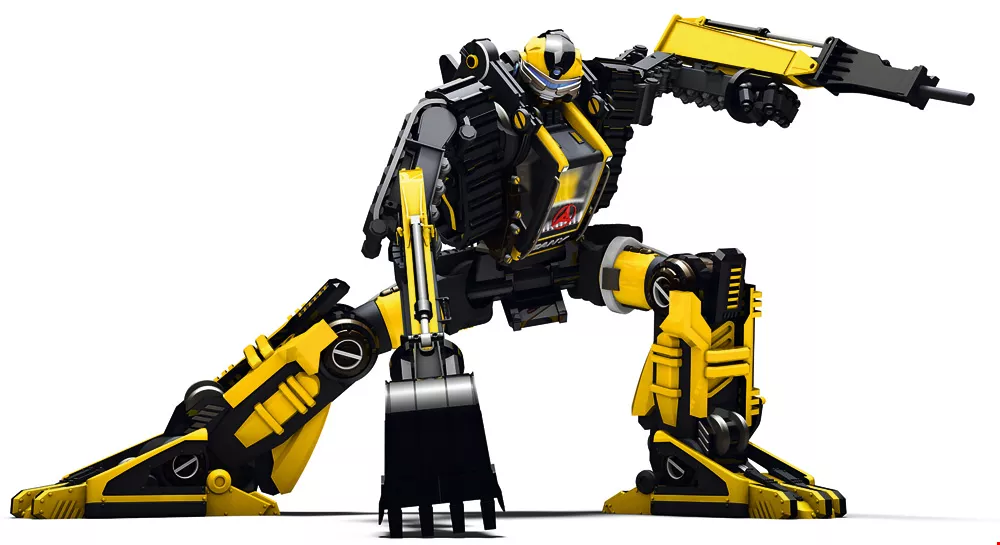
In September this year Nova’s “Transformer” excavator, designed for major mainland heavy machinery manufacturer Sany, will be on show in Taiwan.
At one point, Nova were working on the color design for a car with the help of an Italian consultant named Andreani. Nova’s team was still inexperienced, and took a number of meetings and discussions to come up with a final decision on the colors. But as soon as they showed their design to Andreani, he immediately offered a better suggestion. At first, Chen thought Andreani’s suggestion was simply an intuitive judgment, but after much investigation, he realized that what had seemed purely the product of intuition was actually the fruit of meticulous thought and a wealth of professional knowledge.
Unlike the manufacturing industry, where a company can have detailed and precise operating procedures, design is an entirely subjective field, so how can one really talk about “standardization”? Or so many believe; Chen, though, is not one of them.
He says that while manufacturing emphasizes externalized knowledge and its application to processes, procedures, and techniques, design emphasizes personal aesthetic judgment, a kind of internal knowledge. But through the establishment of a strong knowledge systems platform, even in design one can have steps to follow in every stage of the design process.
At Nova, both new recruits and veteran creatives are expected to read up on design history, color theory, materials, and every other detail for each project they take on. To that end, the company has a tremendous collection of information for designers to immerse themselves in and spark their creativity with.
&nsp;
By putting in place effective, systematized management, Nova found itself on a steady footing moving forward, until the company faced another major challenge in 2002.
That year, with government incentives, several Taiwanese companies set about starting their own design/R&D departments, including BenQ, Asus, Kuozui Motors, and Ford Taiwan. The industrial design field in Taiwan began to reach saturation, and Nova was forced to look offshore for more opportunities.
Chen had already begun looking outside Taiwan in 1997, making contacts in mainland China during his tenure as chairman of the Chinese Industrial Designers Association. At the time, mainland companies were only in the early stages of building their own brands, and Chen saw tremendous potential there, predicting that the mainland would become a hub for industrial design.
After years of observing, in 2003 Nova finally formally entered the mainland market, investing US$5 million to set up Nova Design (Shanghai) Ltd. With their eyes on the automotive design industry, Nova chose to put down stakes near the location of the Shanghai F1 Grand Prix track, in the heart of China’s automotive industry. Every aspect of their new facility, from equipment to factory floor layout, was designed with automotive design in mind.
Shanghai and Beijing play host to car shows in spring and winter respectively, and these shows are major, nerve-wracking events for Nova. They have only three or four months to complete the projects they receive ahead of these shows, having to go over more than 2000 individual details per project in that time, from steering wheels and doors to windows and seats. For the 2009 Shanghai spring show, Nova’s work was focused on “Mankind’s Future Lifestyle,” and the concept car they designed for mainland car company Geely became a highlight of the show.
To simulate future lifestyles, Nova’s team attempted to script various scenarios for the cars, developing concepts that fit each scenario and designing all-new models with the help of computerized systems and automotive clay models. At each year’s shows, several of the cars on display are the work of Nova.
Today, the mainland is the main focus of Nova’s work, earning the company some 55% of their annual NT$450 million operating revenue.
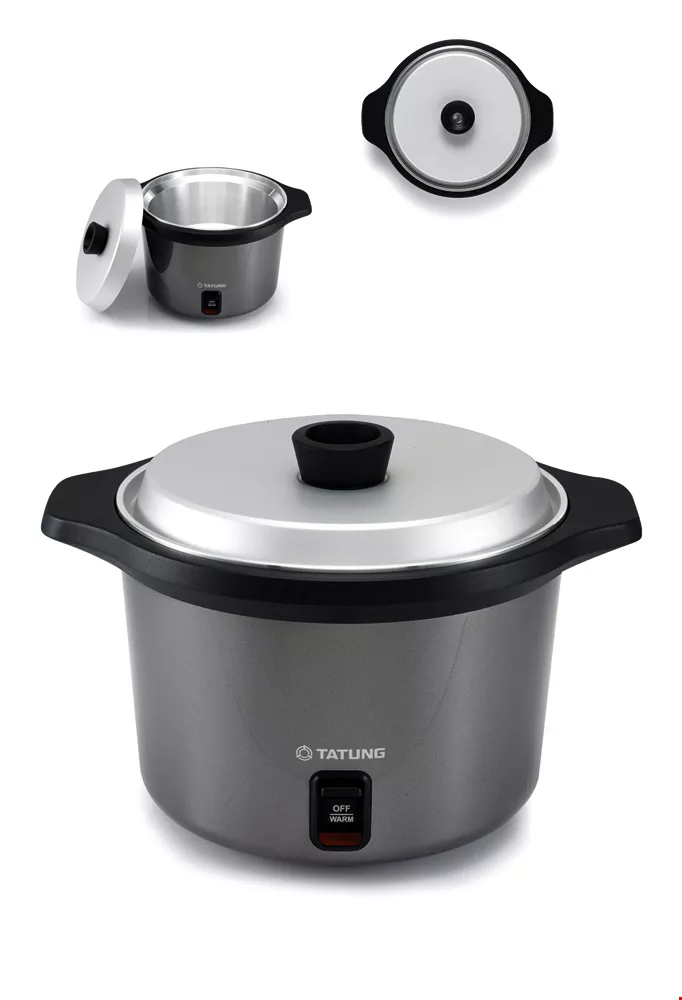
In 2008, Nova was tasked with creating a new design for the familiar Tatung-brand rice cooker. The result was a trendier appliance with fluid lines, a design that won the company acclaim at that year’s iF Design Awards.
Nova has been involved in designing a wide range of products, from vehicles to home electronics. In 2005, the company branched out into what was for them a new area of the home appliance market, refrigerators, working with mainland company Midea as the latter moved from contract manufacturing to building their own brand.
Having never designed refrigerators before, Nova had to start from scratch, conducting market research, visiting factories and retailers, and even talking with frontline sales staff. Initially Midea fridges were positioned in the middle of the price range, but customers often complained of handles breaking. After much research, Nova finally discovered that the problem was with the low quality of mainland roads, which meant many of the refrigerators were being bumped around and damaged in transit. In response, the company altered the design, strengthening the handles. In the years since, Nova has continued working with Midea, designing some 60-plus models of refrigerator.
Outside of the mainland market, Nova has accompanied their biggest shareholder Sanyang in expanding into Vietnam. In 2005, with the SYM brand well established in Taiwan, the company began looking at moving into the Vietnamese market. However, the Han Jung line of scooters that had been so well received by Taiwanese men was not so warmly welcomed by the Vietnamese. As it turned out, Vietnamese men prefer to ride motorcycles with more grunt and think of the ordinary Taiwanese scooter as a bit too sissy for their liking.
In response, Sanyang decided to change their focus to the women’s market. Nova began designing scooters better suited to the smaller frames of Vietnamese women, and transformed their designs from the old, more masculine look to a more flowing, gentle, feminine aesthetic. Vietnam’s women responded well, and Sanyang sold some 8000-plus of the new scooters, while Nova added another notch to their belt.
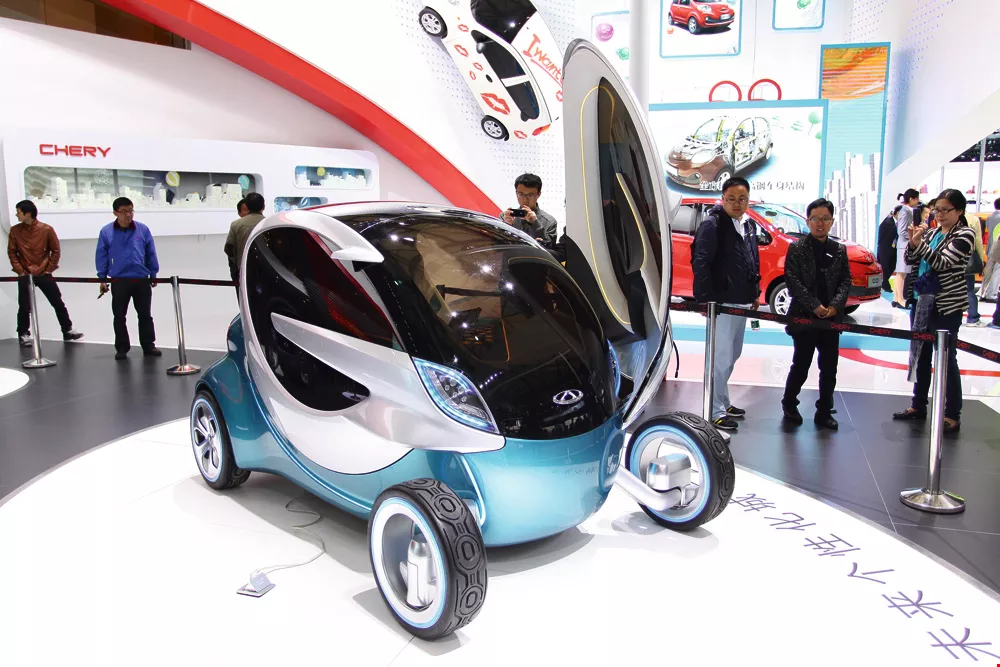
Nova has a strong knowledge management system in place to help keep a close eye on every stage of the design process, from sketches to modeling and prototyping. This photo shows one of Nova’s designs for car company Chery which was on show at Auto Shanghai 2013.
It can be hard for those in the design field to really quantify their work, and designers can be difficult to manage. As a result, while Taiwanese design companies may be brimming with creativity, they’re often lacking in business savvy.
Nova, as the name implies, aims to bring a new outlook to Taiwanese design, and to become a shining star in the Chinese design world. And now, with R&D centers set up in the US, Italy, Vietnam, and mainland China, Nova is set to explode onto the world stage.
&nsp;
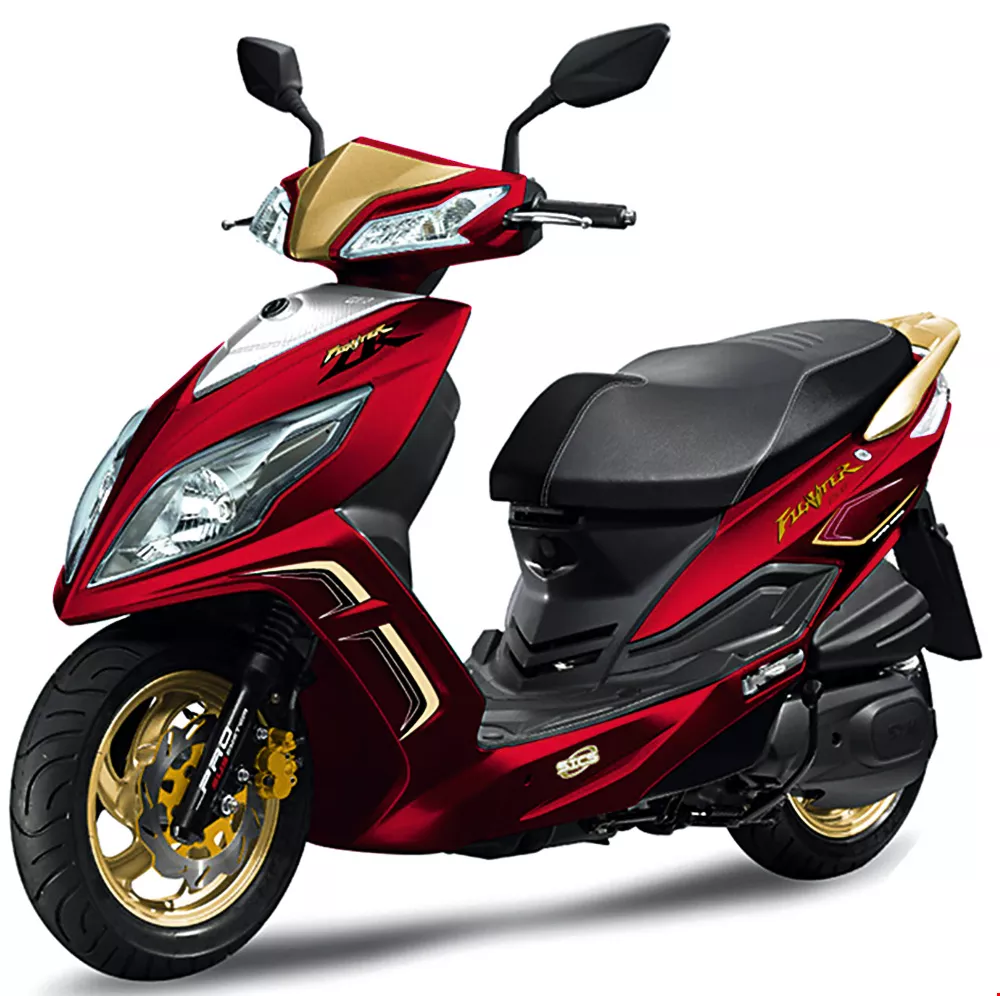
Nova’s design for the Han Jung line of scooters for Sanyang Industry was both Nova’s first taste of success and a huge help to Sanyang’s efforts to build their own brand.

@List.jpg?w=522&h=410&mode=crop&format=webp&quality=80)

@List.jpg?w=522&h=410&mode=crop&format=webp&quality=80)

@List.jpg?w=522&h=410&mode=crop&format=webp&quality=80)
@List.jpg?w=522&h=410&mode=crop&format=webp&quality=80)

