Letting tea trees grow on their own
Among the first farmers to join the Jingyuan Project was Yu Sanhe, founder of the Sanhe Tea Group.
Yu left home to make a living when he was young, returning to Pinglin mainly in order to take care of his aging parents. At around that same time as he came back, Tse-Xin was promoting organic farming locally, and he joined the transition because he shared its values.
Seeing that most tea farmers were getting on in years, Yu went a step further by experimenting with natural farming, managing his tea farm in a semi-wild way. He stopped fertilizing and pruning, keeping only essential tasks such as mowing and harvesting. With less human intervention, the tea trees in fact grew stronger.
Yu says unpruned tea trees can grow as tall as two and a half meters. At harvest time, ropes are needed to help pull them down, almost like raising a flag in reverse. Asked about the difference between wild-grown tea and organic tea, he says with a smile: “With organic tea, you drink its color, aroma, and flavor; with wild-grown tea, you drink its body and qi—its vital energy. After you drink it, your whole body warms up, as if the channels through which qi moves have opened up.”
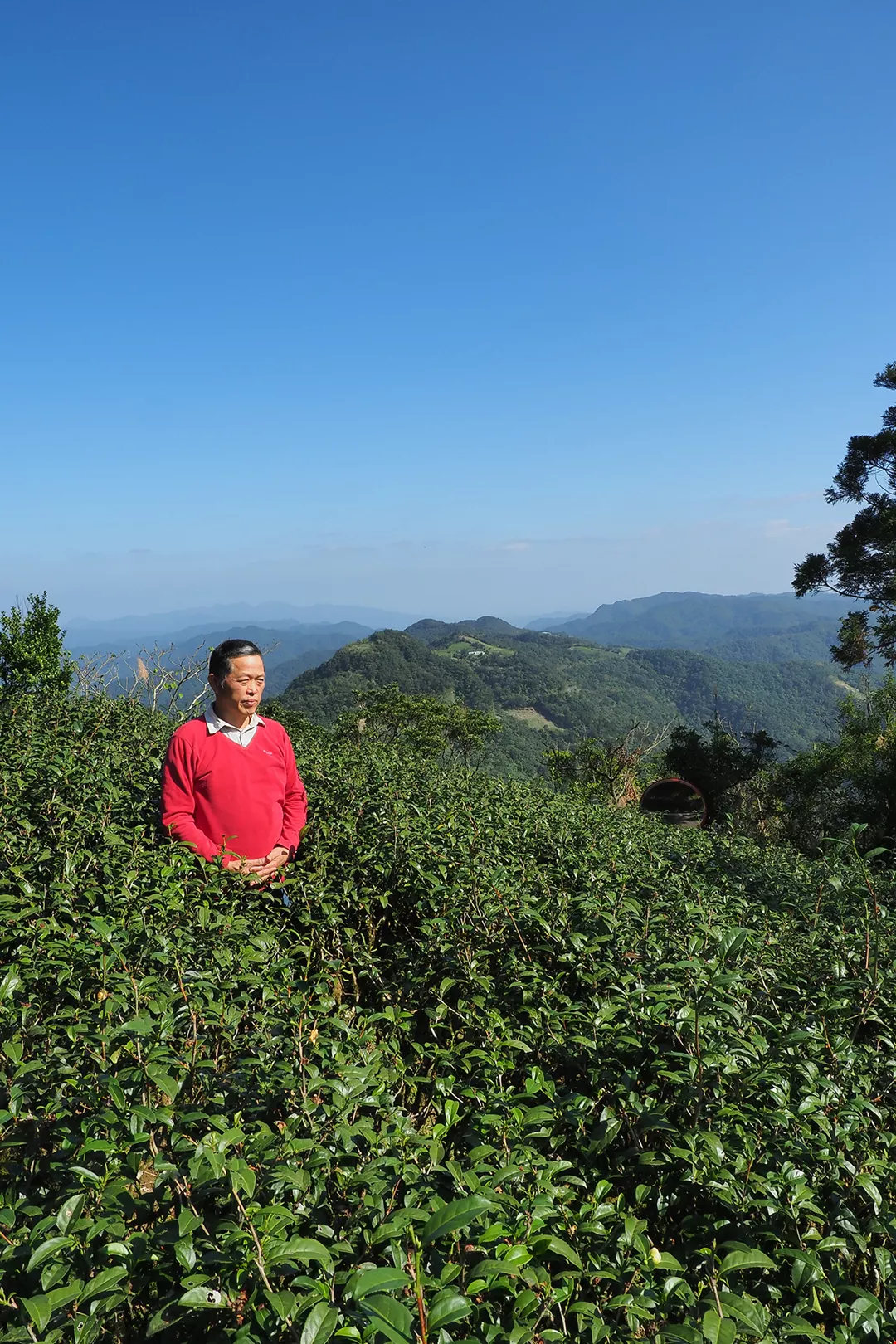
Taiwan Panorama first interviewed farmer Yu Sanhe years ago. After 18 years of organic and wild-grown tea cultivation, he still holds fast to the belief: “I don’t grow tea; I just maintain the environment!”



.jpg?w=1080&mode=crop&format=webp&quality=80)
 (1).jpg?w=1080&mode=crop&format=webp&quality=80)


@List.jpg?w=522&h=410&mode=crop&format=webp&quality=80)


