Digital transactions, financial inclusion
Abhishek returned to India in 2015, and working with his team, the company received a payments license from the RBI in 2021. At that time applicants included tech giants like Google and Facebook, but, as Abhishek proudly says, “We didn’t have a great deal of capital, but we found favor in the government’s eyes thanks to our technological advantages and our digital payments plan.”
Abhinav Saxena, Abhishek’s younger brother, who is likewise an engineer and currently serves as chief technology officer at Taisys India, notes: “We were the first company that was not a bank to get approval to issue digital stored-value cards.” Because they are extremely convenient, they have proven popular among a broad base of consumers, which is also the essence of “financial inclusion.”
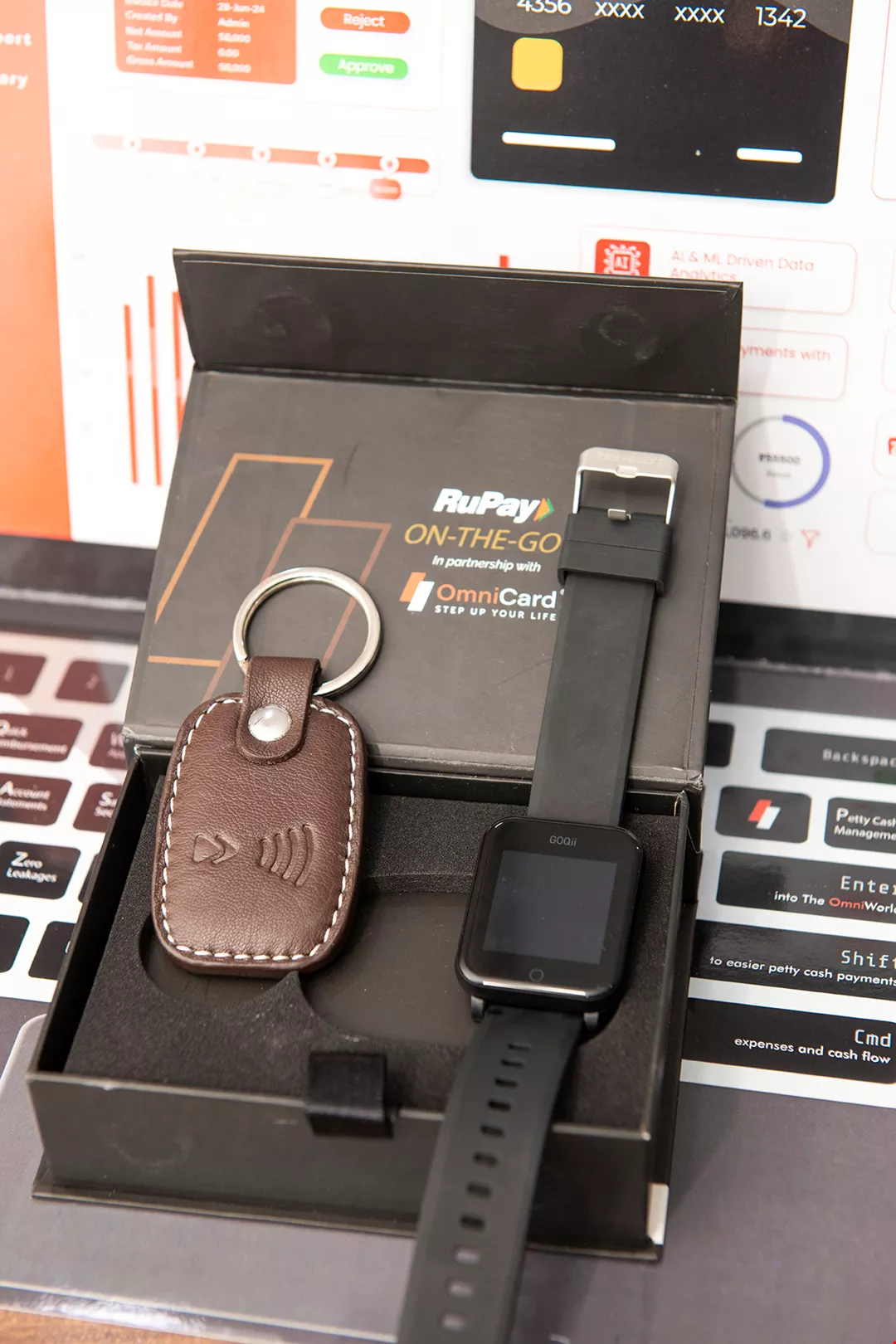
Abhinav explains that Taisys has integrated this payment system into mobile phones, wristbands, and key fobs, so that with a simple “beep” people can not only ride the metro and make purchases, but can also use their devices as access cards. The team at Taisys India has also developed a corporate version of their payments system for use by businesses. Via an easy-to-read spreadsheet which registers payments to and by employees, enterprises can manage their payroll, expenses and petty cash budgets, thereby reducing administrative costs by up to 20% and avoiding onerous paper-based reporting and reimbursement procedures for expenses.
Looking at the global market, Abhishek suggests that while back in the day not many companies could use online payment systems to deal with such corporate headaches, today 250 large hotel and restaurant chains and other companies with roughly 2 million users are doing so.