The New Tourism--Young Japanese Discover Taiwan
Chang Shih-lun / photos Jimmy Lin / tr. by Scott Gregory
March 2006


Over the last few years, there has been a perceptible increase in the number of Japanese tourists in Taipei. You see them everywhere--the National Palace Museum, the famed restaurant DinTaiFung, night markets, MRT stations--taking in the sights with guidebooks in hand, trying to get a glimpse of Taiwanese life.
It's true. For years, Japan has been Taiwan's largest source of international tourists. According to the Tourism Bureau, the number of Japanese tourists visiting Taiwan in 2005 reached 1,150,000--a new record. The ubiquitous Japanese tourist has become an important cultural phenomenon in Taiwan. Here's a look at why they choose to visit Taiwan, what their top destinations are, and what sort of activities they take part in during their visits.
Taiwan and Japan have had a close relationship historically, and there have been many exchanges on the private level as well. Though the two do not have formal diplomatic relations, more than 1.2 million Taiwanese visit Japan each year, and last year was the first time the number of Japanese tourists to Taiwan exceeded 1 million, reaching 1,150,000. That puts the total number of visitors between the two countries at around 2.4 million a year--a sizable number.
Growing anti-Japanese sentiment in many areas of China since April 2005 has caused a marked decline in Japanese tourism in China. While tourist departures from Japan's Kansai International Airport over the 2006 New Year holiday increased by 40% over 2005, the numbers visiting China fell by a third. China's loss was Taiwan's and Bangkok's gain.
It used to be that many Japanese "old-timers" who had connections to Taiwan from the colonial era would come back out of nostalgia, but in recent years, the average age of Japanese tourists to Taiwan has been dropping. What about Taiwan interests these children of the post-war era?

Taiwan's appeal
A 2004 Tourism Bureau survey shows that Japanese people's top three reasons for coming to Taiwan were the food, the proximity to home, and the low prices of goods. In other words, the temptations of Taiwan's rich gourmet culture are the biggest draw for Japanese. The DinTaiFung branch near Taipei's Yungkang Street is a good example. Thirty percent of the customers lining up every day for a chance to try the famous xiaolongbao dumplings are Japanese. The spot has become a must-see on Japanese tourists' lists.
As the flight from Japan to Taiwan is only just over three hours, competing airlines are advertising the fastest, most convenient flights for a "Taiwan Weekend" getaway. In addition, Japan is a high-income, high-cost nation. To the Japanese, Taiwan--where prices are about one third of those in Japan--is an attractive tourist destination. The Taiwanese' hospitable attitude toward Japanese visitors is also seen as an advantage not matched by other Asian destinations.
Looking from a geographical standpoint, we see that as more than three quarters of Japanese visitors make Taipei their base, the majority still keep to northern Taiwan during their trips. Of their most-visited destinations, night markets took first place with almost 50%. The National Palace Museum placed second, followed by Chiang Kai-shek Memorial Hall, Chiufen, Lungshan Temple, Tanshui, the Martyrs' Shrine, Hsimenting, Peitou, and Taipei 101--destinations in northern Taiwan dominate. But when asked their top ten destinations in Taiwan, Japanese list, in order, Wulai, Taroko Gorge, Chiufen, Sun Moon Lake, Kaohsiung's night market, the National Palace Museum, Taipei 101, Peitou, Shihlin Night Market, and Tanshui. Central and southern Taiwan prove to have much undeveloped potential for tourism.
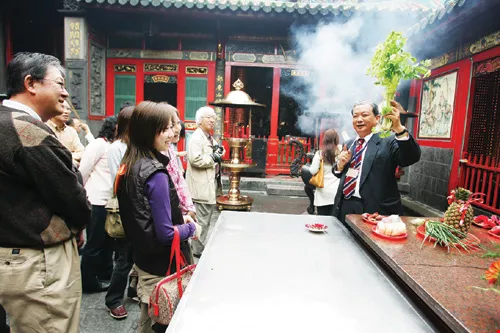
Longshan Temple
Taipei hotspots
According to Chen Tien-mao, a tour guide for more than 20 years, most Japanese tour groups now come on four-day, three-night trips focused on Taipei attractions. On their first day, he takes them to a night market. The bustling Shihlin market and the tourist-oriented Jaoho market are the most popular. The popularity of the Huahsi market--also known as "Snake Alley"--has declined as it has become run-down and grungy.
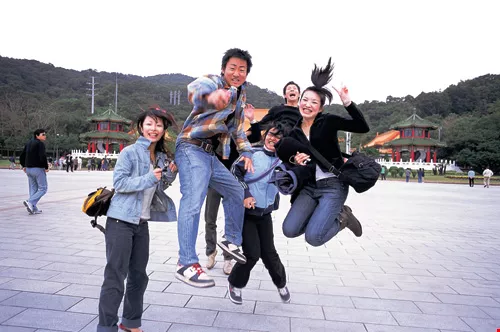
They hit the main sights on the second day. After breakfast, Chen takes the Japanese tour groups to the Martyrs' Shrine to see the 9:00 changing of the guard. The solemnity of the ceremony contrasts with the animated Japanese conversations, making an interesting scene. Since the end of World War II, the Japanese have been constitutionally barred from keeping a regular army and only permitted to have a Self-Defense Force. That makes the changing of the guard an exceptional event for them, and they never fail to snap a lot of pictures.
After visiting the Martyrs' Shrine, they make their way to the nearby National Palace Museum. It's home to the world's biggest and best collection of items from Chinese history, but close your eyes there and all the Japanese voices you hear might make you think you were in the middle of some museum in Tokyo.
After taking in the museum's precious collection, many Japanese tour groups head to the Grand Hotel, where the Shinto Taiwan Shrine stood during the Japanese colonial era. There they enjoy a gourmet Chinese meal and appreciate the view of Taipei below. They take a rest in the afternoon, then head to the Chiang Kai-shek Memorial Hall to see the majestic structure and the historical documents it contains. Afterward, it's back on the bus for a look at the Presidential Palace--the Taiwan Governor-General's Office during Taiwan's Japanese era. In the evening, they go to the Taoist Hsingtien Temple for a firsthand look at Taiwanese folk religion.
Most groups have their third day free. Some tourists use the day to get a more in-depth look at the National Palace Museum collection they flew through the day before. More take the MRT over to Taipei 101 so they can get a view from the top of the world's tallest building and shop in Taipei's Hsinyi district. Those seeking more insight into the everyday life of Taiwanese might choose to go for a leisurely walk around Lungshan Temple or Tanshui.
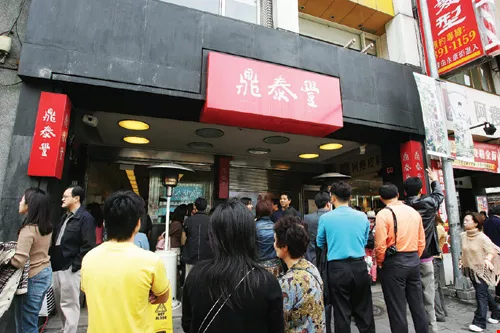
DinTaiFung
New wave of tourism
In the past, it was mostly the elder generation of Japanese who visited Taiwan. Recently, however, younger Japanese have been catching the Taiwan bug, and with them is coming a new mode of tourism.
Japan Asia Airways has been instrumental in attracting the younger visitors. JAA changed their focus to that demographic in the last few years, and in 1998 they hired the popular heartthrob Takeshi Kaneshiro as their spokesman. In 2000, they paired him with the famed Japanese comedian Ken Shimura so as to appeal to both young and old.
In the ad, the Japanese-Taiwanese Kaneshiro acts as a carefree, knowledgeable local guide, helping Shimura and Japanese youth become "old Taiwan hands." They go all over Taiwan--they're admiring the ocean in Chiufen, then in a flash they're on a ferry in Tanshui. Taiwanese delicacies like minced pork on rice, candied fruit, and hotpot are featured in primetime television ads, enticing viewers to visit. Pearl milk tea became a popular drink among Japanese youth after being featured in such a commercial. The series of commercials has been a hit in Japan, and over the last nine years, Takeshi Kaneshiro has become a sort of unofficial ambassador for Taiwan's tourism industry.

Taiwanese wedding photos overflow with creative energy, and many young Japanese women travel to Taiwan specially for photos like these.
Freestyle trips
The new wave of younger Japanese tourists is moving the industry away from the traditional "all-included" package tour. These tourists want more free time and place more importance on pursuing their own, personal interests. They aren't interested in overly regimented itineraries, and the tourism industry is changing its approach to accommodate them.
The Japan Travel Bureau was founded in 1912. It's now the world's largest tourism business. To expand their market share in Taiwan, they formed JTB Taiwan in 2004 in collaboration with Taiwan's South East Travel Service. JTB Taiwan was JTB's 71st branch office worldwide.
JTB Taiwan's general manager, Liao Kao-yi, says the number of independent Japanese travelers coming to Taiwan is on the rise, and "self-service" travel is a noticeable trend. Currently, group tours make up just 40% of the company's business. The remaining 60% comes from "assembled trips." Travelers choosing this option choose their flight, hotel, and activities themselves, or they sign up for individual activities after arriving in Taiwan on their own. Foodies, for example, might choose to go on a trip to DinTaiFung and the Jaoho market. Nostalgia lovers or fans of the films of famed Taiwanese director Hou Hsiao-hsien might want to take a trip by rail to Chiufen to see where City of Sadness was filmed. There are even trips available for those looking to get a massage or have a photo album made. All in all, JTB Taiwan now has more than 50 activities on offer to meet the various demands of young Japanese travelers.
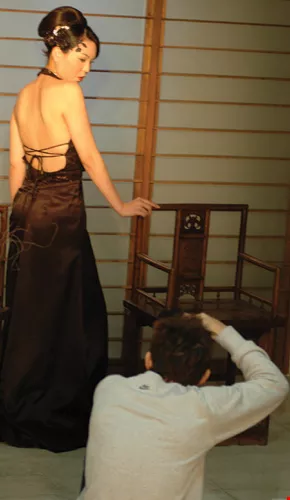
Taiwanese wedding photos overflow with creative energy, and many young Japanese women travel to Taiwan specially for photos like these.
Guides for all
Japanese consumers are always on the lookout for fresh information, and competition is hot in the guidebook market. According to the bookstore Kinokuniya, there are over 250 Japanese-language guidebooks to Taiwan in print. Many of those have specific themes--there's a visible trend toward specialization.
Author Yoshifumi Katakura has lived in Taiwan for many years. He has penned around a dozen travel guides about Taiwan, and writes columns for various Japanese magazines. He says that Japanese place great importance on the accuracy of travel information, and especially value maps, directions, opening hours, and whether or not Japanese is spoken. A guidebook should be packed with text and pictures to relieve the reader of a sense of uncertainty in an unfamiliar place. This kind of book needs to be updated every year to keep up to date.
The special themes of the guidebooks generally fall under the categories of history, modes of transportation, and food and leisure. They provide a foreign perspective on Taiwan, and introduce many things that even the locals don't know about. These specialized Japanese travel guides and the ways of travel they've made possible have been a factor in the recent increase in the numbers of younger visitors to Taiwan.
An Encyclopedia of Taiwan Delicacies, for example, lists everything from grand banquet halls to street vendors, all explained under the framework of Taiwan's unique "immigrant society." A Trip Through Taiwan's Cafes guides Japanese tourists through local coffee shops. The first stop is a cafe named after the Haruki Murakami novel Norwegian Wood, making the young Japanese crowd feel right at home.

Photo albums
New experiences
The trend among young Japanese toward individualized travel is creating a new experience-oriented travel culture. Starting from 7:30 a.m., waves of Japanese tourists come into a rice gruel shop in an alley off Chungshan North Road. They are foregoing the fancy breakfast at the hotels in order to get a taste of what the locals eat.
When young freelance worker Yuka Aoki first came to Taiwan four years ago, she fell in love with foot massages. It felt so good, she convinced the masseur to let her study with him for six months. "But it hurts to give a massage," she says. "Maybe I should have stuck with getting them!" Then she got into Taiwanese tea, and went to a tea shop to learn. She ended up becoming good friends with the owner. "You have to experience for yourself how great Taiwan is to really know," she says in accented Mandarin.
The new "must-try" experiences for Japanese--especially the ladies--are having photos taken and having your fortune told. The photos are put together into personal albums. In Japan, such albums and wedding photo albums are rather expensive, and the shots are serious and monotonous. Taiwan, by contrast, could be called the world capital of the photo album--they are cheaper to have made, the studios provide fun costumes, and the photographers pose their subjects in lively ways. The albums are a big hit with Japanese girls.
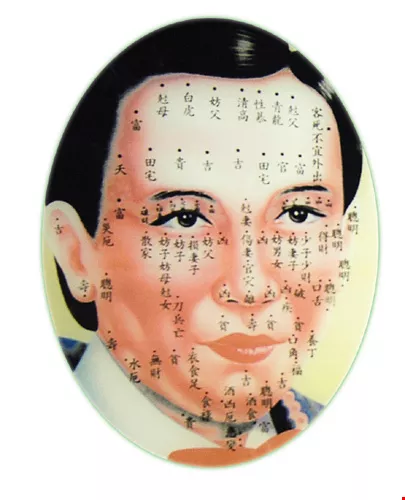
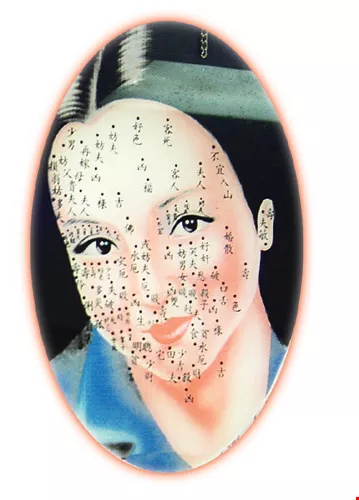
Along with having a photo album made, having your fortune told is also a popular activity for independent travelers. The most popular place to go a reading is the underpass near Hsingtien Temple, where there are over 20 fortune tellers operating from booths. Over the last couple years, the fortune tellers have noticed the influx of Japanese tourists and started to study Japanese. As placards reading "Japanese spoken here" were hung, you began to see lines of female Japanese tourists listening in rapt attention as the fortune tellers told them of their futures.
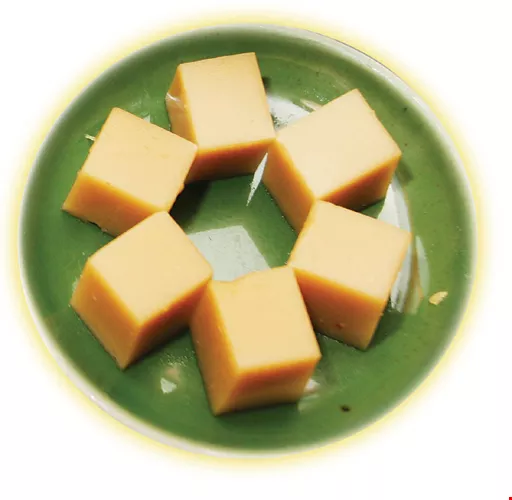
Snacks
Breaking out
Japanese are coming in larger numbers, they're younger, and they're taking a different style of trip. Whether Taiwan can break out of its current tourism mold is key to whether it can attract even more foreign tourists.
Katakura says that to most Japanese visitors, central, southern, and eastern Taiwan are still unfamiliar. But if foreigners want to strike out from Taipei on their own, they will find tourist infrastructure such as transportation and travel information lacking. As for group travel, the quality of guides for Japanese groups is uneven, and they often lack professionalism. There's still much room for improvement.
JTB Taiwan's Liao says that outside Taipei, there still aren't enough quality hotels. That makes it difficult for operators to put together an itinerary. Even the guesthouses that have become popular recently are yet to be certified in terms of quality or safety, so tour operators are not willing to book them for Japanese tourists.
From the first historical ties of over 100 years ago to the current yearly exchanges of over two million visitors, ties between Taiwan and Japan will only become closer. The mission now for Taiwanese and Japanese tourism businesses is to market and package Taiwan, and make sure this "industry without smokestacks" continues to grow.
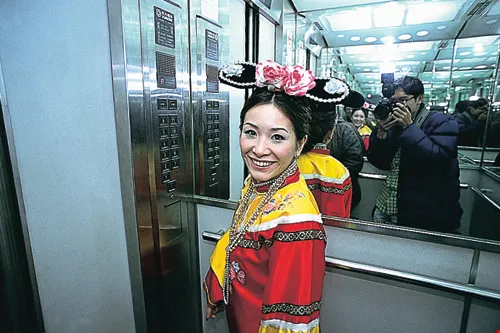
Taiwanese wedding photos overflow with creative energy, and many young Japanese women travel to Taiwan specially for photos like these.
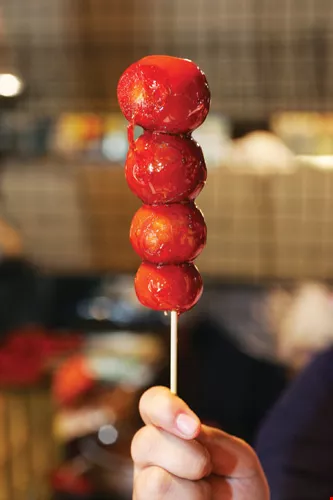
Candied gourds


Taiwanese wedding photos overflow with creative energy, and many young Japanese women travel to Taiwan specially for photos like these.
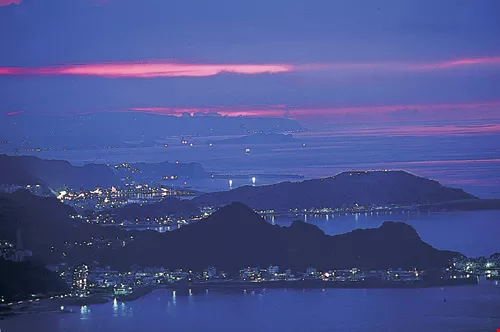
Chiufen
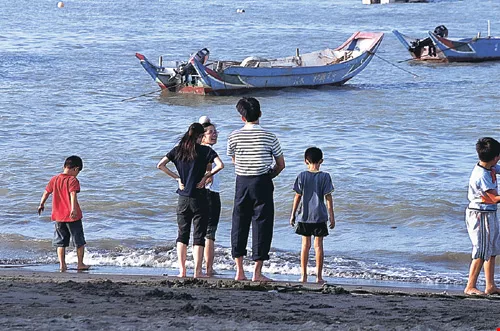
Tanshui
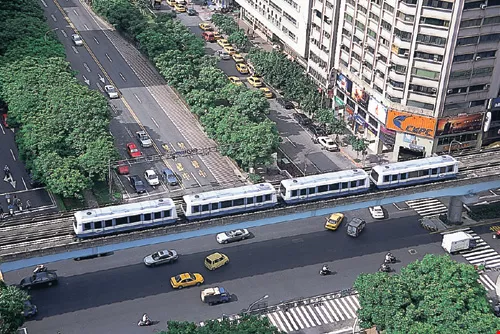
MRT
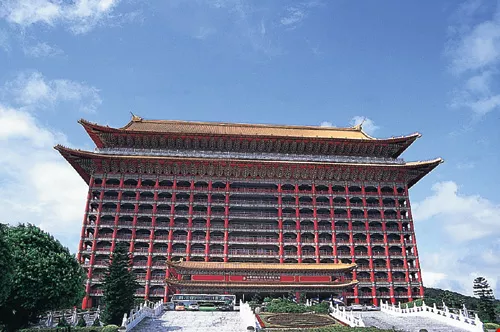
Grand Hotel
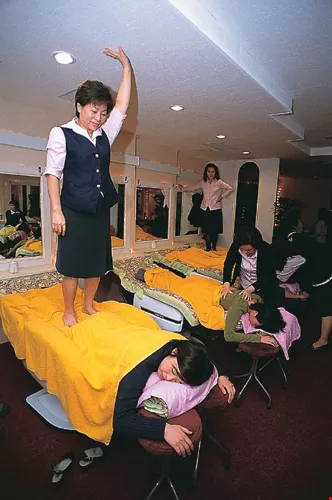
Cheap and relaxing Taiwanese massages have received a warm welcome from Japanese guests. Nearest in this photo is author Yuka Aoki.

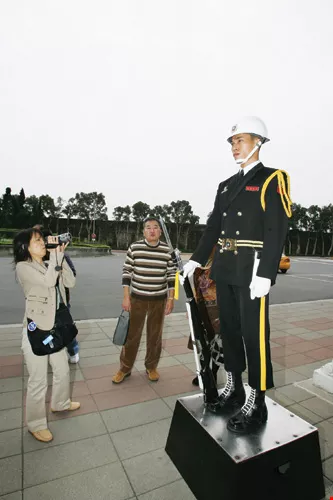
Martyr's Shrine
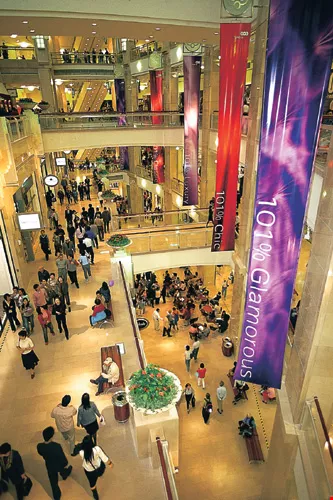
Delicious food, glorious scenery, and historical relics ensure visitors to Taiwan will have an unforgettable experience.
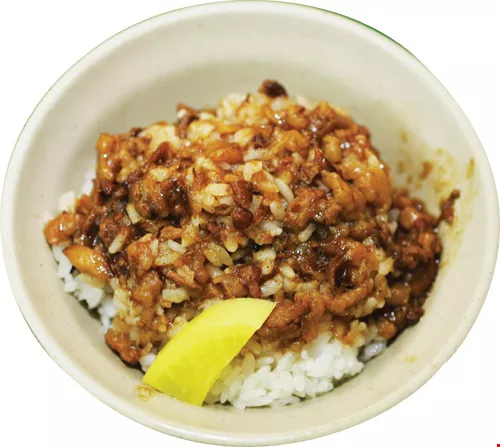
Stewed Meat on Rice
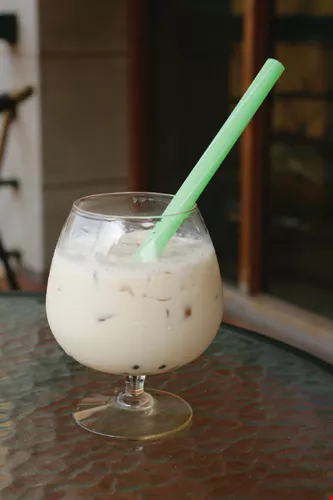
Pearl Milk Tea

Delicious food, glorious scenery, and historical relics ensure visitors to Taiwan will have an unforgettable experience.
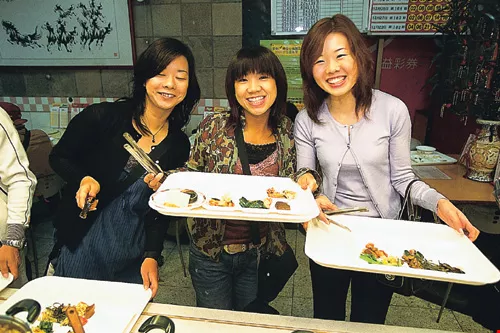
Delicious food, glorious scenery, and historical relics ensure visitors to Taiwan will have an unforgettable experience.
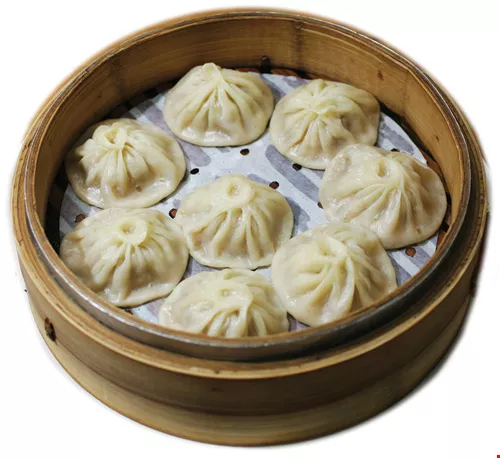
Steamed Xiaolongbao dumplings
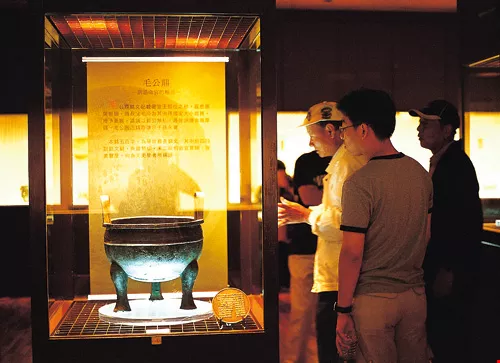
National Palace Museum
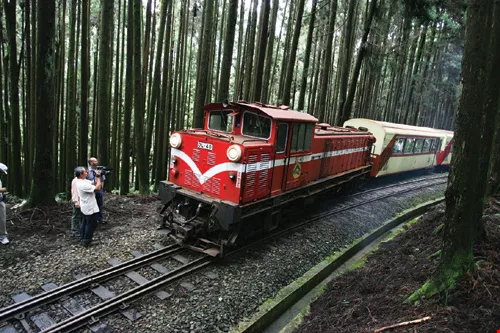
Alishan
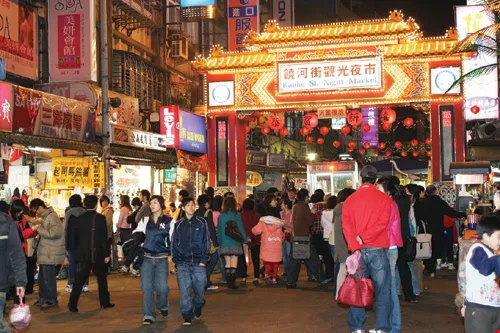
Night markets
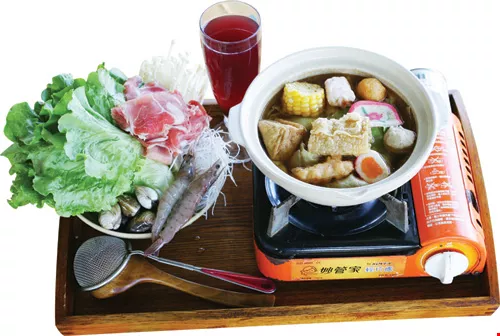
Hotpot

@List.jpg?w=522&h=410&mode=crop&format=webp&quality=80)
@List.jpg?w=522&h=410&mode=crop&format=webp&quality=80)


