Summer’s Super Celebrity
Taiwan’s New Panda
Chang Chiung-fang / photos courtesy of Taipei Zoo / tr. by Phil Newell
October 2013


This summer the place to look for good news has been the Taipei Zoo, with the baby rhinoceros “Xiqi” and the panda cub “Yuanzai” emerging into the world. Taiwanese have gotten particular pleasure from the delivery of the baby giant panda, which is classified as a “conservation-reliant endangered species” and has a very low birthrate. Yuanzai’s every move—raising her front legs, kicking out with her paws, opening her eyes, rolling over—has captivated the public. More unexpectedly, her birth has also become a focus of international attention. This summer there has been no other animal able to match the celebrity status of Taiwan’s Yuanzai.
There is a Taiwanese song that tells us, “The elephant’s trunk rises up, all the world has hope; the peacock flashes its beautiful plumage, no one can stay sad forever….”
Children are naturally fascinated by animals, and thus by zoos. Over the years, animal celebrities in Taiwan—from the elephants Linwang and Malan, through emperor penguins and koala bears, to the pandas Tuan Tuan and Yuan Yuan who arrived four-plus years ago—have added color and happiness to the lives of children passing through their years of innocence.
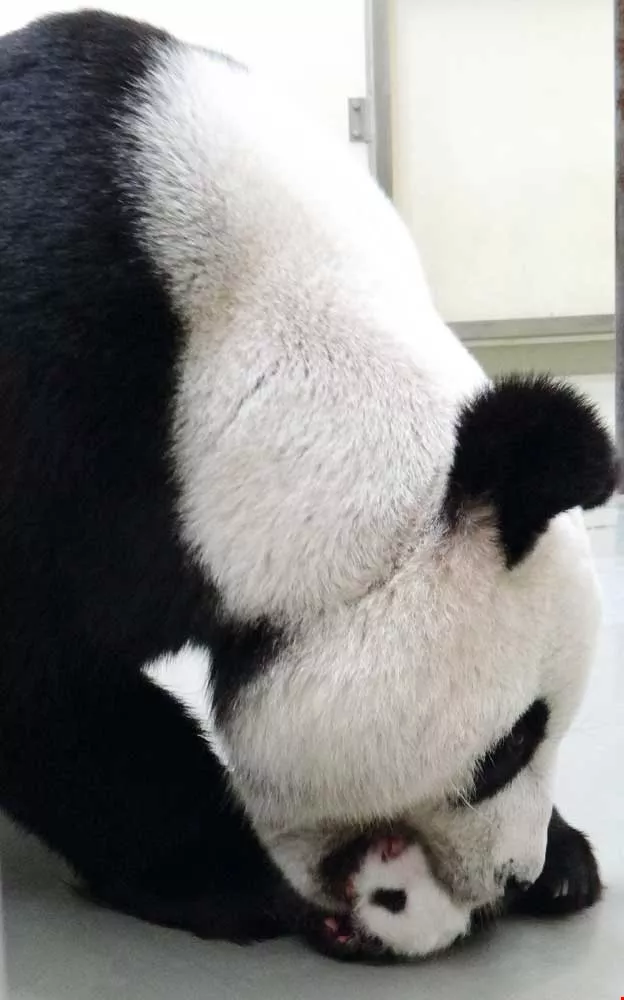
Baby Yuanzai had to be separated from her mother early on because of injury. The high-risk attempt to reunite her with mother Yuan Yuan was a real test for both Mom and the zoo’s panda team. So it was gratifying to everyone to find that Yuan Yuan’s maternal instincts proved so strong.
The Panda House at the Taipei Zoo is fully enclosed in soundproof glass, so that the pandas are not disturbed by sounds or filming by zoo visitors. They can carry on climbing trees and eating fruit with leisure and contentment in a world that is all their own. James C.H. Chang, who heads up the committee overseeing panda reproduction at the Taipei Zoo, says that during the summer the temperature in the panda enclosure is kept below 26°C, whereas in the winter they open the enclosure so the pandas can get some outdoor activity. At that time the temperature can fall into the teens, so that the pandas still feel the change of seasons, to make their enclosure more similar to a wild environment.
On peak days nearly 20,000 people come to see Tuan Tuan and Yuan Yuan. The Panda House limits the flow of visitors to a rate of 400 every ten minutes.
The two pandas, who just recently turned nine years old, became proud parents in July.
When Yuanzai was born on the evening of July 6, she was only 15.5 centimeters long and weighed a mere 183.4 grams. She was completely hairless, and looked more like a tiny mouse. There was nothing remotely “bearish” about her.
Yuan Yuan’s “blessed event” has been a tremendous thrill to the zookeepers. Considering that pandas are rare and endangered, everyone was extremely proud and delighted about Taiwan being able to add a new individual to the population.
The panda is considered to be a “living fossil.” Its population reached its peak back in the mid to late Pleistocene epoch, 500,000 to 700,000 years ago. But as a result of environmental change and hunting by humans, numbers declined sharply. Statistics from mainland China indicate that today there are only about 1600 pandas living in the mountain forests of the provinces of Sichuan, Gansu, and Shaanxi. Another 300 or so are being raised worldwide in manmade surroundings.
With its natural habitat swiftly being lost and fragmented as a result of deforestation and the death of large swaths of bamboo, “ex-situ captive breeding” has become the essential last line of defense for the panda.
Aside from the main base of panda reproduction in Sichuan, the task of building up the panda population falls to pairs of pandas given by mainland China to cooperating institutions in other countries, including the US, Mexico, Austria, Germany, Japan, Spain, and Thailand.
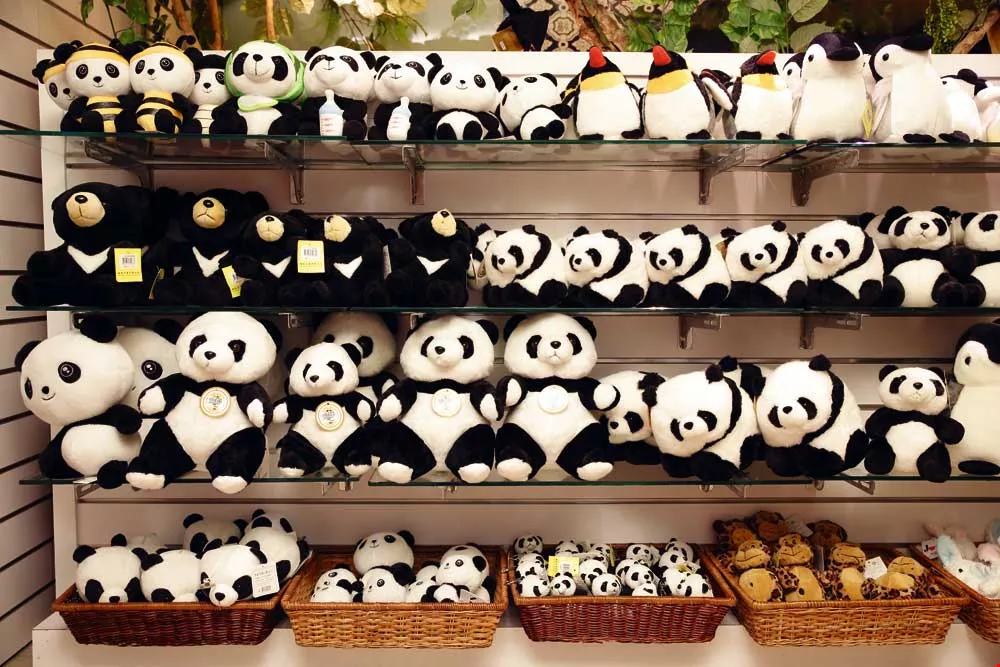
The birth of baby Yuanzai has added a new celebrity to the Taipei Zoo, and sparked a surge in sales of panda peripherals.
Unlike other countries, which must make “conservation donations” each year to mainland China to “rent” their pandas, Taiwan acquired its pair in an exchange, sending one pair each of Formosan sika and Formosan serow to mainland China. This does not, however, in any way release Taiwan’s pandas from the responsibility of participating in the critical mission of perpetuating the species.
The main problem with reproduction from a small number of animals is inbreeding, with an ever-shrinking gene pool. Research organizations in mainland China, the US, and other countries have worked on a program to identify feasible pairings by cross-grading all males against all females using a “Mate Suitability Index” (MSI).
Another limitation is that pandas have only one breeding season per year. The female goes into estrus once a year, for only a short period, in February or March. Since 2011, the Taipei Zoo has been following a two-track policy of natural breeding and artificial insemination in order to increase the odds of a successful child-“bearing.”
Though the panda team at the zoo has less than five years of experience, they have made great strides in the area of artificial insemination. James Chang has even improved the traditional devices used for collecting and implanting sperm to reduce leakage and waste.
“Panda sperm is collected by electric shock, so it’s really a shame if the some of the sperm is lost in the process. And then after going through all that to get the sperm, it’s even a bigger shame if it doesn’t get safely delivered into the mother,” says Chang. His improved devices have proven so useful that he gave some to experts from mainland China (who were in Taiwan to assist the Taipei Zoo team) to take back to Sichuan.
Yuan Yuan’s pregnancy was the result of artificial insemination. She and Tuan Tuan were sent into their “nuptual chamber” back in March, but were not successful. So the conservation team then took a sample of Tuan Tuan’s sperm and implanted it into Yuan Yuan. But because Yuan Yuan refused to cooperate with attempted ultrasound exams, the team had no way of knowing whether they had been successful or not. It was only when Yuan Yuan’s appetite began to decline in mid-June—a clear sign of pregnancy—that they could celebrate.
James Chang notes that the team had over the past few years conducted seven artificial insemination procedures on Yuan Yuan, and last year even tried using sperm from a male panda in mainland China, but again without success.
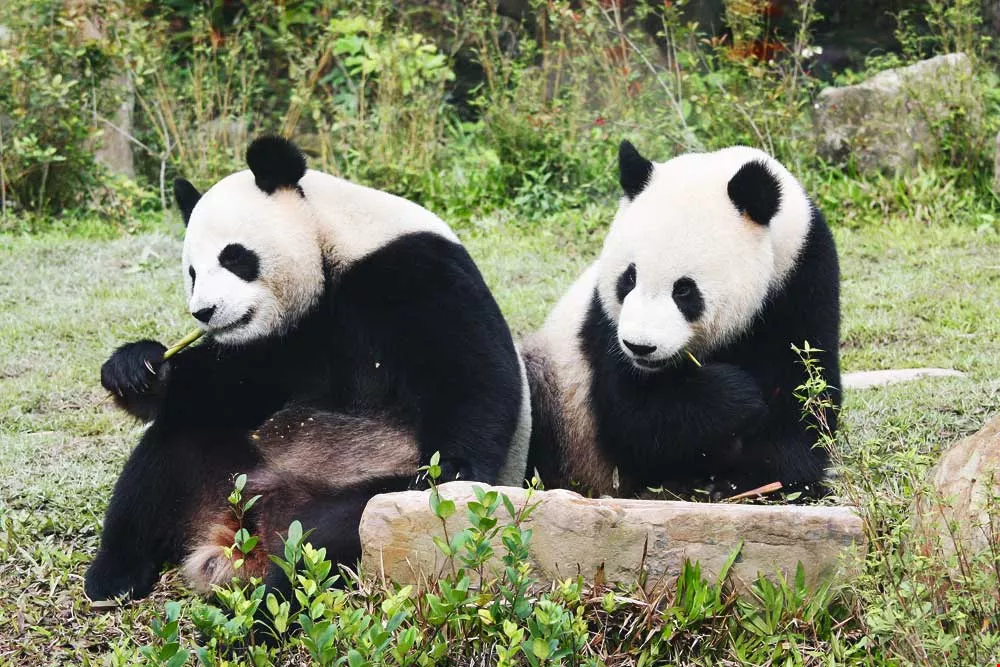
Yuan Yuan and Tuan Tuan, who just recently had their ninth birthdays, have been “upgraded” to parent status!
From the moment Yuan Yuan’s condition became known, she had six pairs of eyes—four zookeepers, the director of the Panda House, and one researcher—following her in rotation at all times, not willing to take the slightest risk of missing anything. The reason is that panda reproduction is very difficult, and since the gestation period can last anywhere from 72 to 324 days (some bears experience embryonic diapause, in which the embryo does not immediately implant in the uterus), there was no way of knowing when Yuan Yuan would deliver. It was only when Yuan Yuan produced Yuanzai on Day 112 that the panda conservation team could at last breathe a sigh of relief.
But while Yuanzai’s birth meant the end of one source of anxiety, it was the beginning of an even bigger challenge, because no one had any experience looking after a baby panda.
In order for the conservation team to provide the highest standard of care, they formed a medical task force that included veterinarians and doctors from Taiwan’s leading academic institutions. The list of consulting doctors—which includes anesthesiologists and pediatricians—reads like a Who’s Who of the local medical profession.
In fact, it is quite a remarkable accomplishment that Tuan Tuan and Yuan Yuan have been able to produce offspring. James Chang relates that there are three great obstacles to panda reproduction. First, the estrus obstacle: The female is in heat for only about two weeks each year, and even then there is in fact merely a single opportunity for a successful coupling—and only if the female is interested in the male.
Second, the mating obstacle. Chang says that the reproductive organ of the male is thick and short, and the bears are obviously very large creatures (Tuan Tuan weighing in at 113 kilos and Yuan Yuan at 120), so that successful copulation is tricky. It is not unusual for one or both bears to lose interest if the level of difficulty proves to be too high.
Third, the nurturing obstacle: Chang says that early on there was a high death rate for newly born pandas (three to seven days), mainly because some mothers don’t lactate at once and there is no milk for the newborn cub.
Nurturing is a huge challenge because the panda is “altricial.” This means that, in contrast to “precocial” animals that can move about immediately after birth, the panda is completely helpless. At birth the baby is less than 1/1000th of its eventual body weight, it can’t even open its eyes until about six weeks, and its four limbs only begin getting strength at three or four months. But as humans have accumulated more experience over time, the survival rate for pandas has increased from something over 40% ten years ago to over 90% today.
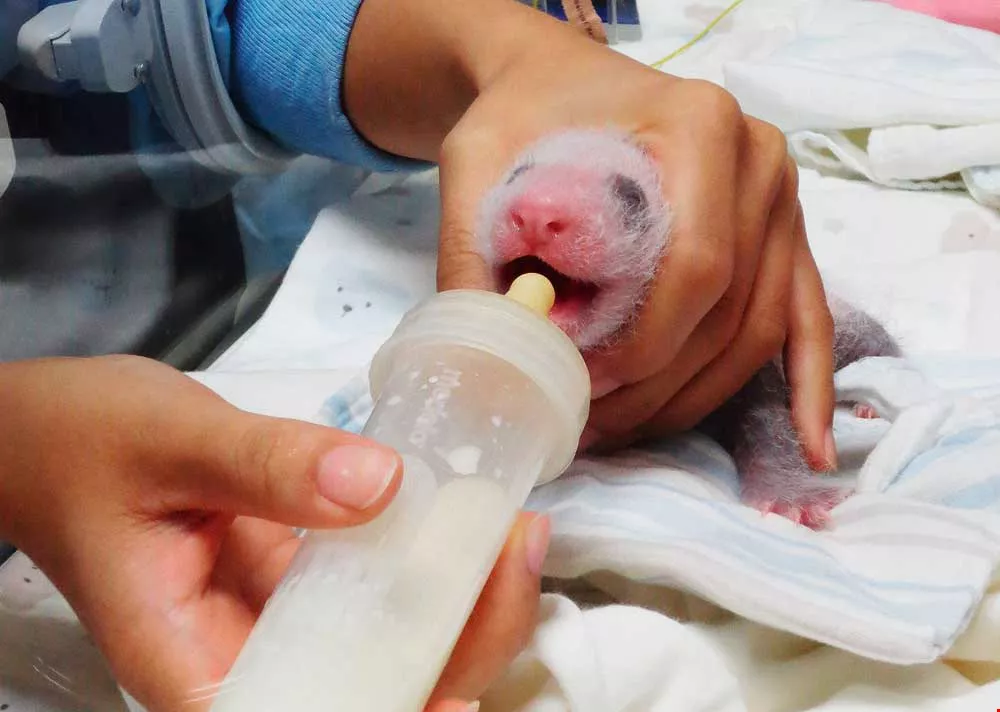
Starting as naked, mouse-like critter, Yuanzai has gradually developed into a young black-and-white panda. Getting the highest standard of medical care and with the best wishes of Taiwan’s people helping her along, she is taking care of her job of growing up.
But for Yuanzai, there was a fourth difficulty on top of the three we have just talked about.
When Yuanzai was born, Yuan Yuan accidentally injured her baby’s leg with a bite, so the team put Yuanzai into an incubator for safety. But in the interests of Yuanzai’s welfare, they never abandoned attempts to restore her to her mother’s embrace, which was finally accomplished 34 days after they were separated.
“This was huge for us,” says James Chang. The rearing of a baby panda should be left as much as possible to the mother. If for any reason the mother is unable to handle it, or the cub must be taken away because of illness or injury, the typical outcome is that humans have to complete the nurturing process; rarely is the infant returned to the mother. Therefore Taiwan’s case is an exceptional, precedent-setting one, and is the main reason why Yuanzai has attracted so much international enthusiasm.
Chang states that 28 baby pandas have been born worldwide this year, of which 18 were in the Wolong Nature Reserve in Sichuan, but not one of them has gotten the global attention that Yuanzai has. It is clear that this dramatic process of reuniting a cub with its mother has proven to be not only scientifically pioneering but also captivating on an emotional level.
Chang explains, “Generally speaking, animals don’t ever go back once they are weaned away or separated.” In fact, giving a baby animal back to its mother after a long period of separation is little different to the mother from giving her a piece of meat. Those offspring lucky enough to escape being eaten will simply be ignored. But taking into account natural maternal instincts, the ideal thing is still to return an infant to its mother, and to do so as early as possible.
But there was still quite a debate over whether or not to give Yuanzai back to Yuan Yuan. Having finally succeeded, after so many travails, in using artificial insemination to produce Yuanzai, nobody wanted all that toil to come to naught simply because of a sudden act of carelessness by Yuan Yuan.
What decided the issue, says Chang, was “basic values.” The zoo wanted Yuanzai not merely to survive, but also to have a good quality of life, so they took the gamble. During the whole process the conservation team endeavored to help Yuan Yuan (who had never had a baby before) to learn “childrearing skills,” and they even squeezed out milk from her each day so that she would continue to lactate and be prepared to feed Yuanzai.
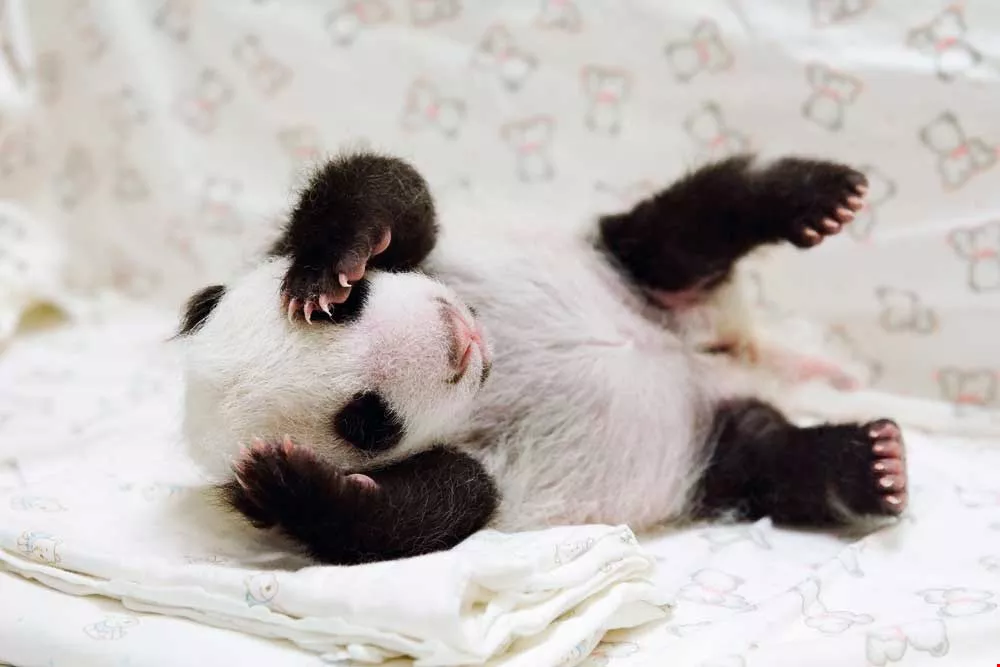
Countless admiring adjectives have been rained down on Yuanzai, “adorable” being the most common theme. Her birth has been a source of joy for everyone.
But there were still misgivings that Yuan Yuan might bite Yuanzai again, so the team made up a Yuanzai doll of the same size and weight as the real thing, to let Yuan Yuan “practice.” They even asked for help from Chou Cheng-ying, a professor in the Department of Bio-Industrial Mechatronics Engineering at National Taiwan University, to make a third-generation Yuanzai with limbs that moved and that could emit sounds. Although it was not finished by the time that Yuanzai was successfully returned to her mother, this meticulously produced mock-up shows just how thorough the panda reproduction team was.
Yuanzai has grown from her birth weight of 183.4 grams to a current weight of over four kilos, about the same as a one-month-old human baby. Except for drinking milk, she does nothing but sleep. James Chang says that Yuanzai’s “coming-out party” will probably be around the end of this year or early next year, at which time they expect the adorable six-month-old “sprout” to attract a huge wave of fans.
The birth of a panda has brought great delight to the people of Taiwan. Some gush that the cub is the cutest thing around, and many have found Yuan Yuan’s maternal behavior very heartwarming. No doubt a lot of people have found themselves thinking: “You can make it, Yuanzai!”
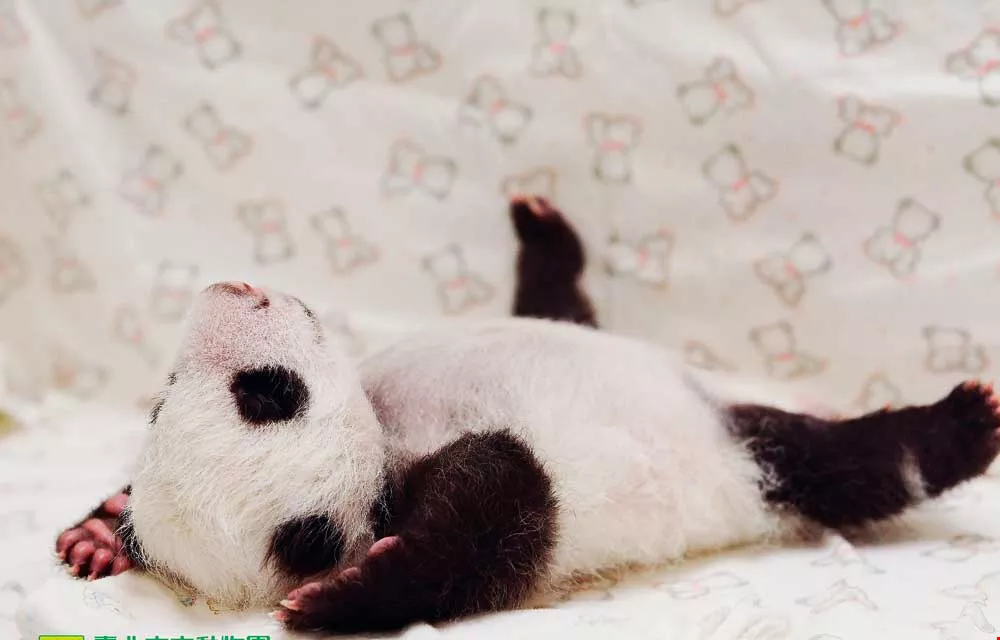
Countless admiring adjectives have been rained down on Yuanzai, “adorable” being the most common theme. Her birth has been a source of joy for everyone.
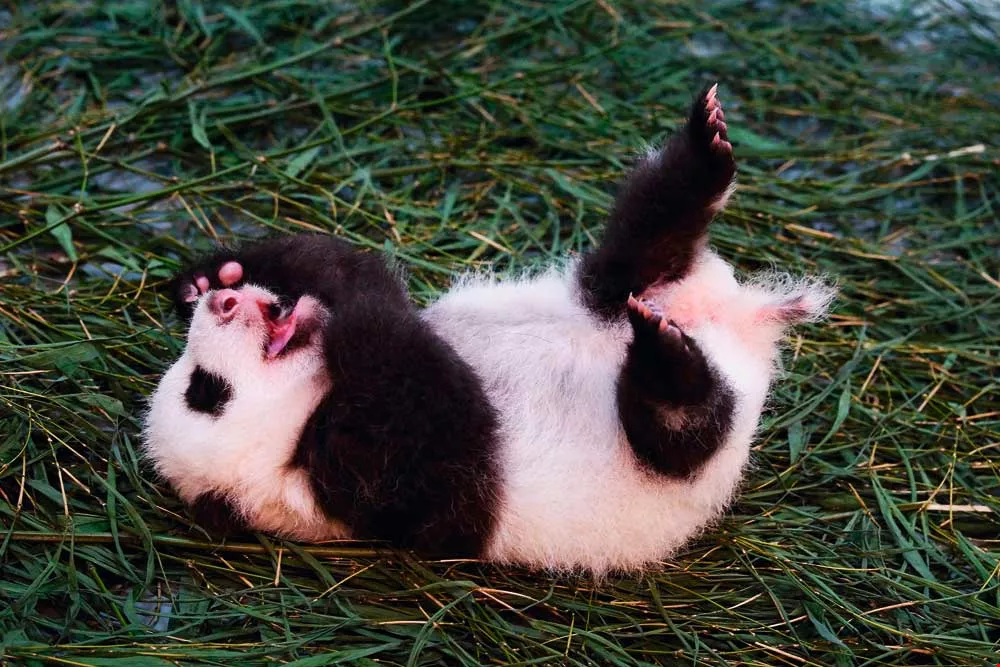
Countless admiring adjectives have been rained down on Yuanzai, “adorable” being the most common theme. Her birth has been a source of joy for everyone.
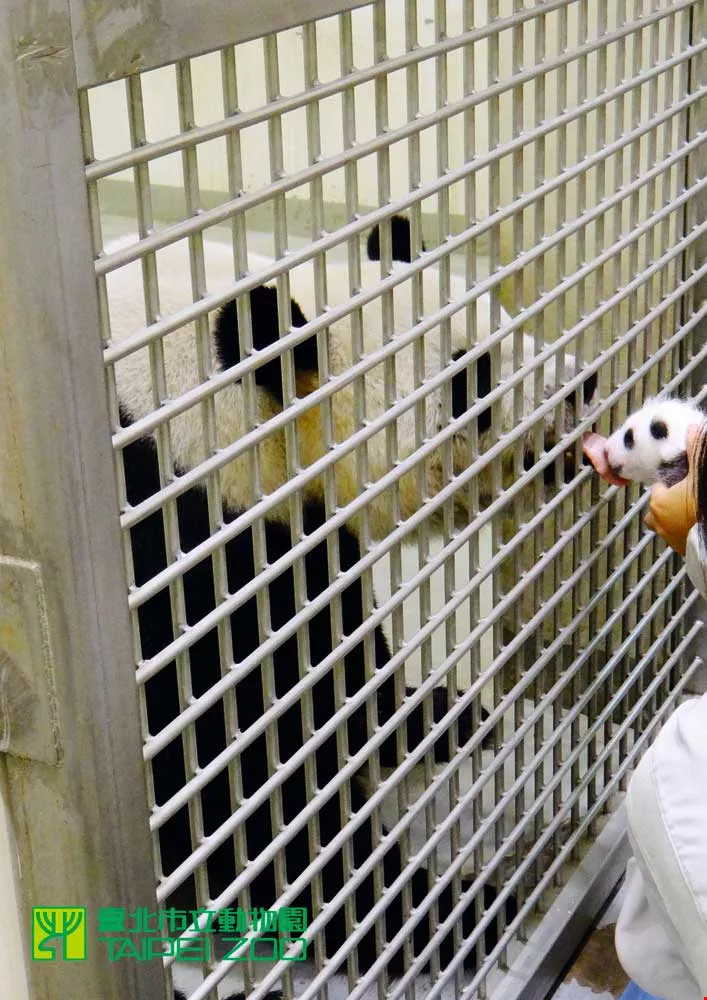
Baby Yuanzai had to be separated from her mother early on because of injury. The high-risk attempt to reunite her with mother Yuan Yuan was a real test for both Mom and the zoo’s panda team. So it was gratifying to everyone to find that Yuan Yuan’s maternal instincts proved so strong.
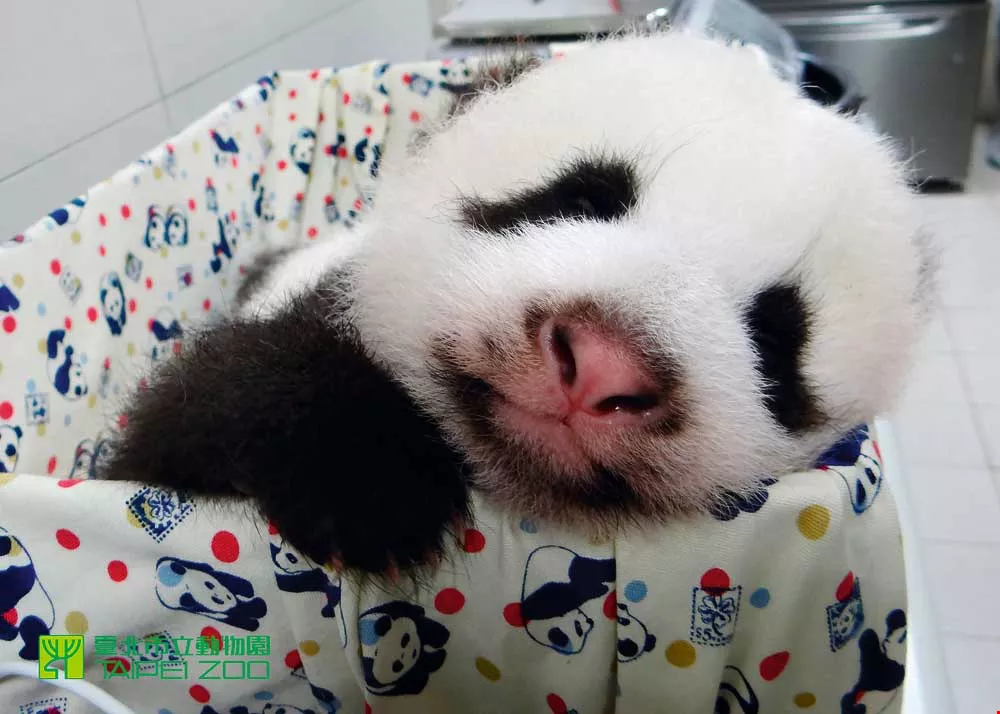
Countless admiring adjectives have been rained down on Yuanzai, “adorable” being the most common theme. Her birth has been a source of joy for everyone.
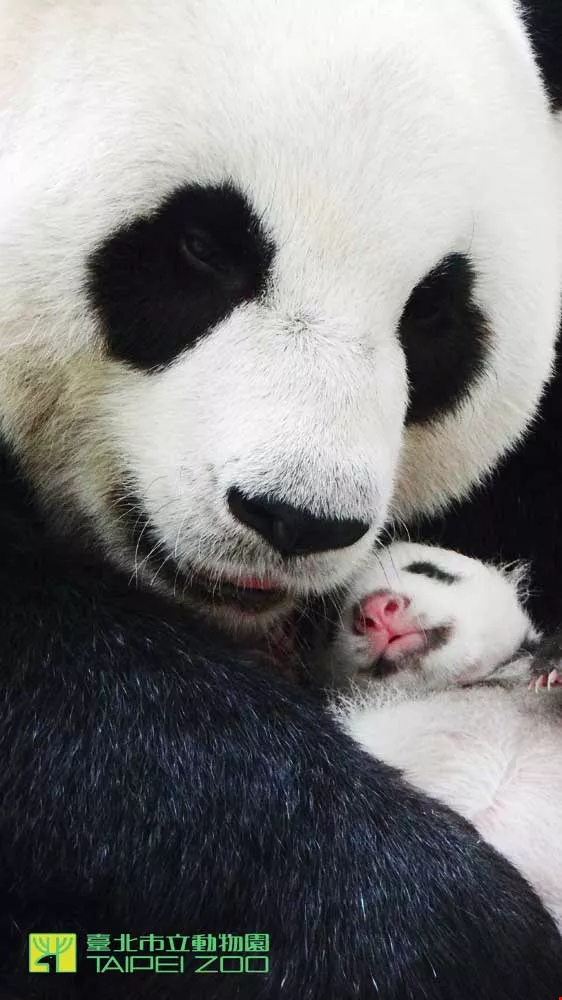
Baby Yuanzai had to be separated from her mother early on because of injury. The high-risk attempt to reunite her with mother Yuan Yuan was a real test for both Mom and the zoo’s panda team. So it was gratifying to everyone to find that Yuan Yuan’s maternal instincts proved so strong.
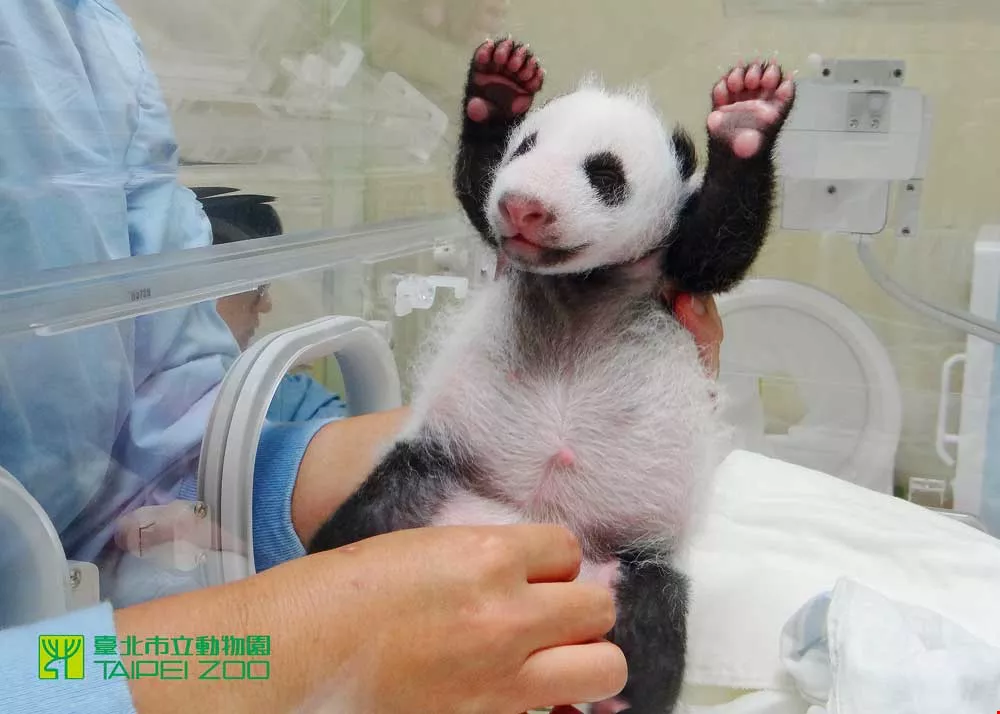
Starting as naked, mouse-like critter, Yuanzai has gradually developed into a young black-and-white panda. Getting the highest standard of medical care and with the best wishes of Taiwan’s people helping her along, she is taking care of her job of growing up.
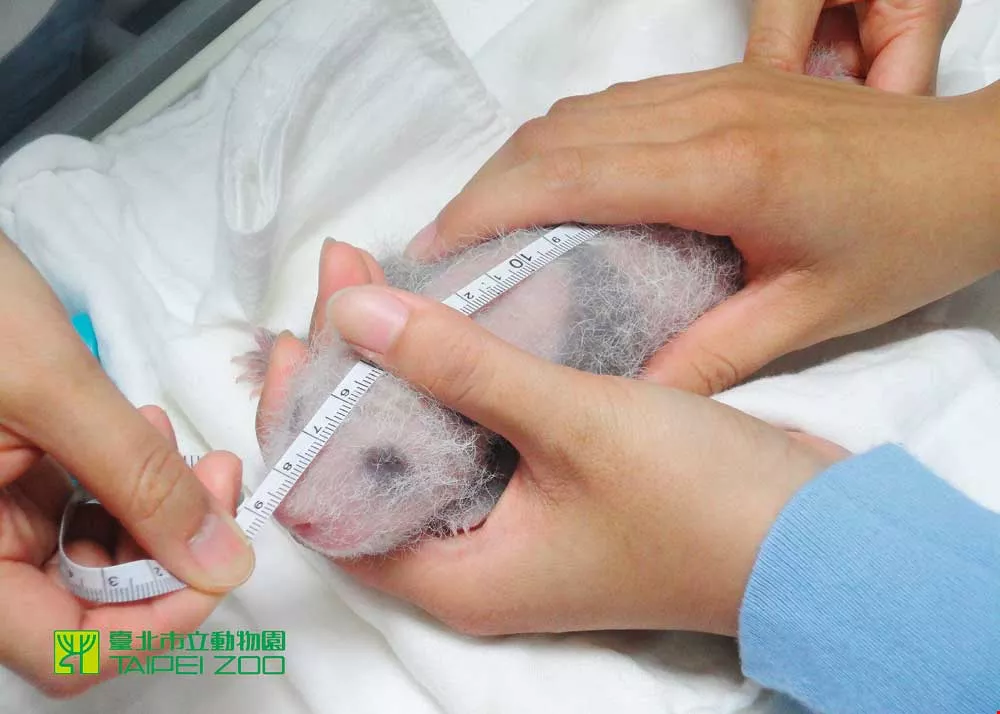
Starting as naked, mouse-like critter, Yuanzai has gradually developed into a young black-and-white panda. Getting the highest standard of medical care and with the best wishes of Taiwan’s people helping her along, she is taking care of her job of growing up.
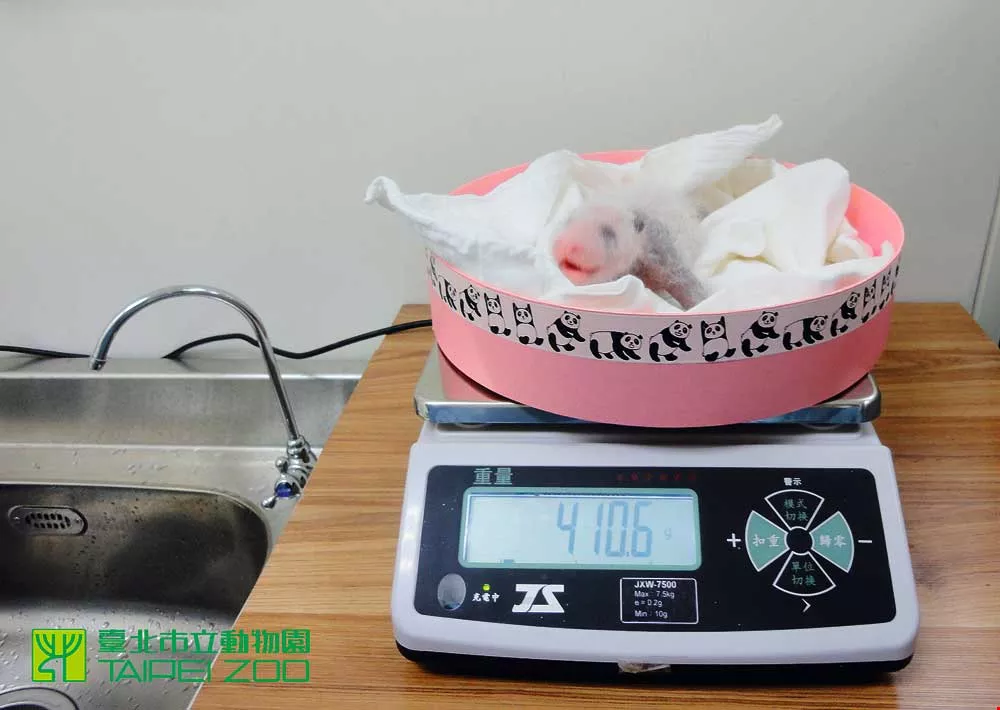
Starting as naked, mouse-like critter, Yuanzai has gradually developed into a young black-and-white panda. Getting the highest standard of medical care and with the best wishes of Taiwan’s people helping her along, she is taking care of her job of growing up.
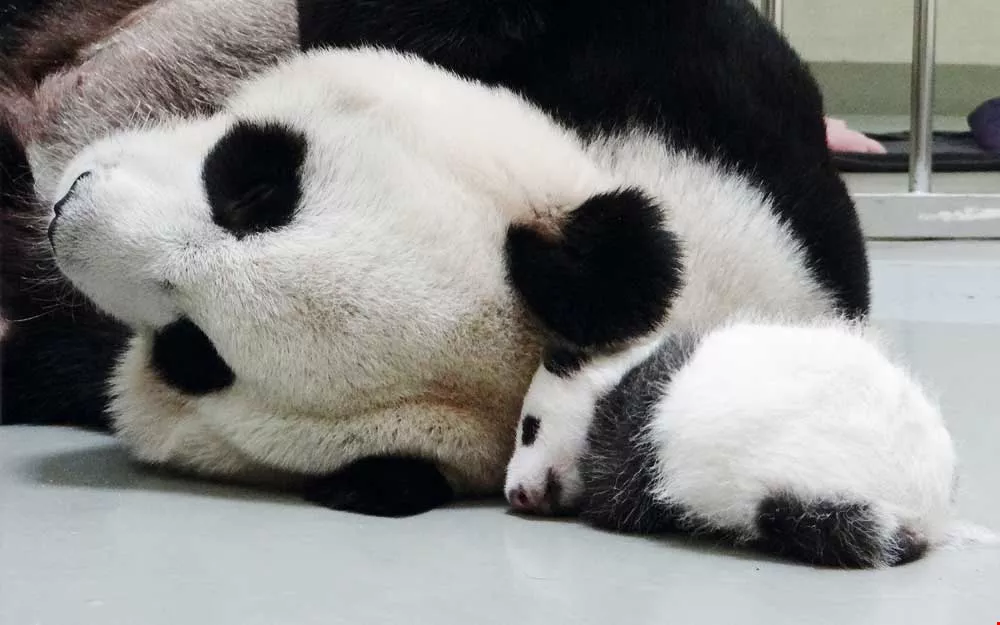
Baby Yuanzai had to be separated from her mother early on because of injury. The high-risk attempt to reunite her with mother Yuan Yuan was a real test for both Mom and the zoo’s panda team. So it was gratifying to everyone to find that Yuan Yuan’s maternal instincts proved so strong.
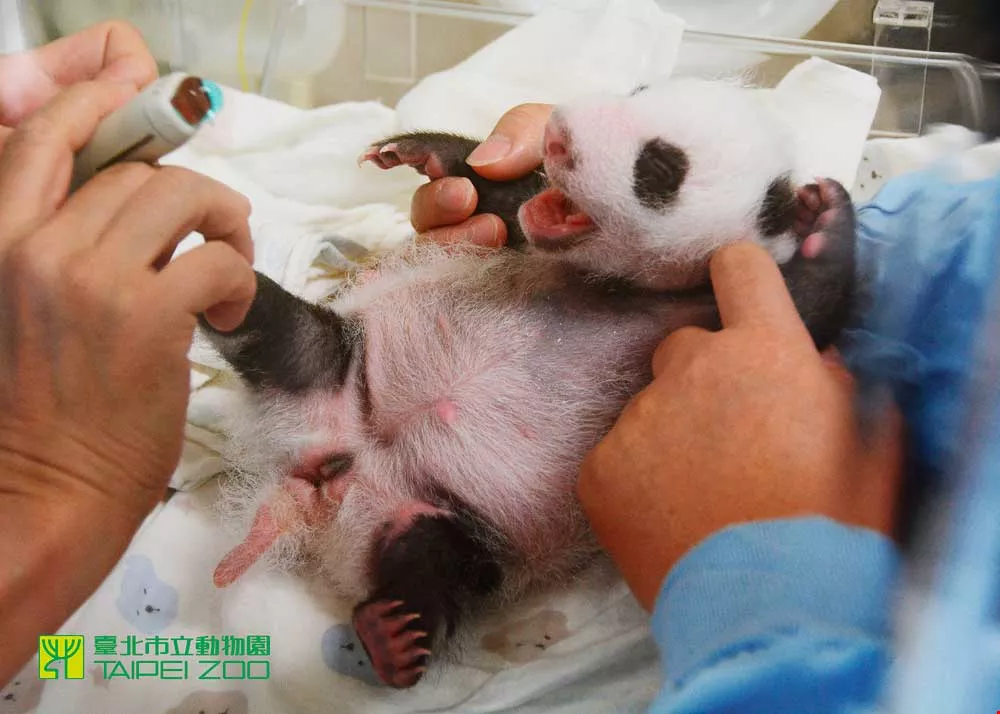
Starting as naked, mouse-like critter, Yuanzai has gradually developed into a young black-and-white panda. Getting the highest standard of medical care and with the best wishes of Taiwan’s people helping her along, she is taking care of her job of growing up.
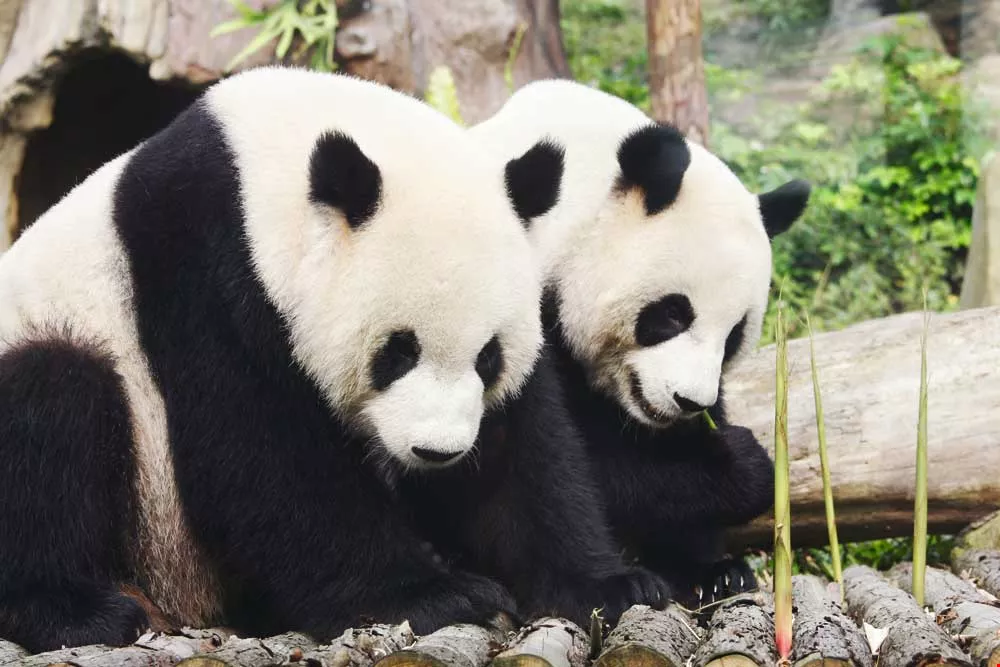
Yuan Yuan and Tuan Tuan, who just recently had their ninth birthdays, have been “upgraded” to parent status!
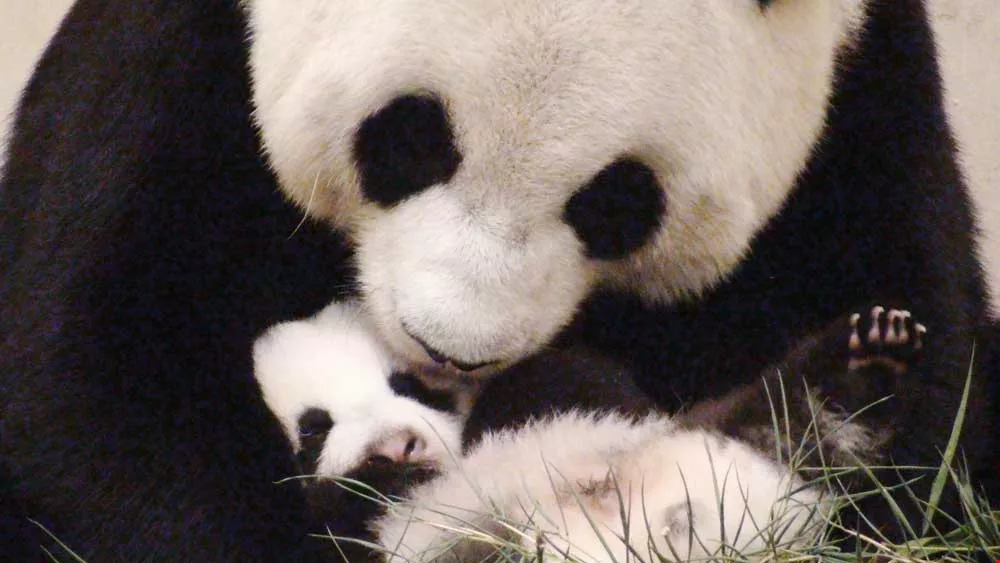
Baby Yuanzai had to be separated from her mother early on because of injury. The high-risk attempt to reunite her with mother Yuan Yuan was a real test for both Mom and the zoo’s panda team. So it was gratifying to everyone to find that Yuan Yuan’s maternal instincts proved so strong.

@List.jpg?w=522&h=410&mode=crop&format=webp&quality=80)

@List.jpg?w=522&h=410&mode=crop&format=webp&quality=80)


