In 1970 the Aswan High Dam was completed to the excited expectations of the Egyptian people, Soviet engineers, and the world media.
The largest of a series of dams on the Nile, the Aswan Dam was predicted to store 163 million cu. m. of water, to produce 10 billion kilowatts of power annually, and to provide irrigation for an additional 1.3 million acres of cultivated land area. All this was projected to permit recovery of the US$1 billion dollar cost of the dam within two years and to double the Egyptian economy within ten.
Today, 16 years later, Egyptians are demanding it be "torn down."
Problems began with one of the dam's primary objectives, assuring an abundant water supply. The lake behind the dam, targeted for filling by the time the dam went into operation in 1970, could be only half filled by opening day. Experts discovered that, because of evaporation and underground seepage, filling might require anywhere from 20 to 200 years more.
The dam did enable the addition of some 300,000 acres of new land, but farmers soon found that they now had to apply artificial fertilizer to their fields, something they had never needed to do before. The dam had blocked up the rich, flood-borne silt that had nurtured the fertile Nile Valley for millennia.
The fate of the Nile Delta has been even worse. Salt that was formerly flushed out to sea by the flood waters has been increasing the salinity of the soil. Measures to prevent the land from becoming useless are estimated would cost US$1 billion--the same as the original price of the dam.
Another problem is downstream erosion. Silt-free water flows much faster than silt-loaded water and so threatens to undermine the foundations of many of the 550 bridges between the dam and the sea. A project proposed to reduce the erosion, known as the Nile Cascade, would involve the construction of 10 new barrier dams and would cost about a quarter of a billion US dollars.
Since the construction of the Aswan Dam, several million more Egyptians have become infected with bilharzia, a debilitating disease already causing an economic loss to the country of about US$560 million a year. The disease has spread because the snails that carry the disease no longer die off during the seasonal drying up of fields and canals that occurred when the valley was flood-irrigated.
The effect of the dam extends to other nations bordering on the Mediterranean Sea. The rich nutrients and organic matter previously carried into the sea by the Nile provided excellent food for fish. Now that the dam has cut off this flow, Egypt's fish harvests have dropped precipitously. Sardine fishery is reported to have practically disappeared.
The Egyptian people now have only one wish: to tear down the Aswan Dam. But the cost of decommissioning the dam and of restoration has not been determined. Nor is anyone certain whether the environment would return to its original state or what new effects might be produced.
"Dams will bankrupt the Third World," the World Bank warned last year.
Dams certainly have many benefits, such as power generation, flood prevention, even recreation. As a result, developing countries over the last couple of decade have borrowed foreign capital to build larger and larger dams to show as the fruits of development.
Although some dams have performed up to expectations, examples of those that failed to pay off or produced unexpected side effects abound. Besides Aswan, dams in Surinam, Ghana, and the U.S. have all run into massive environmental problems.
"Nature is interlocked; if you break a basic rule, it causes a domino-like chain reaction," a professor at National Taiwan University cautions. "So before you build a dam, you need to investigate the local environment and understand the possible effects of construction. And the bigger the project, the more careful you must be."
In 1984 the World Bank demanded that complete environmental impact assessments be submitted for every large-scale water project that it was asked to finance. Work on dams in planning or under construction in many countries stopped. First, the Soviet Union halted its plan to build the world's largest dam; Malaysia canceled a US$3 billion dam; Brazil, its 25-dam Amazon project....
Right at the height of this "anti-dam" wave, the Communist Chinese announced their decision to construct a huge dam with the world's largest electric generating capacity at Sanhsia ("Three Gorges") on the Yangtze River, attracting the concern of ecologists around the world.
According to the Communists, the Sanhsia Dam would involve a cost of US$18 billion, would generate 67.7 billion kwh of power a year, would supply electricity for the mainland's "Four Modernizations," and would solve the flooding problems on the lower Yangtze, which are due largely to upstream deforestation.
Many Western engineers were itching to get started, but ecologists were not so sanguine.
As to the flood problem, half of the water in the Yangtze comes from tributaries downstream from Sanhsia, tributaries whose upper streams have been just as seriously deforested. "The dam may block the flow from Szechuan Province, but it won't stop the flooding from Hupeh and Hunan. It's almost certain the dam won't solve the flood problem," Huang Juihsiang, a research fellow at the University of Hawaii, foresees.
Besides not solving the flooding, the dam may entail Aswan-like problems.
The Yangtze has been the "granary" of China for thousands of years, owing primarily to the fertile "black soil" that the river deposits on its downstream shores. In contrast, the yellow loess washed down by the Yellow River in the north is of little value. Because of this, the North of China depends on the South for food.
If the Sanhsia Dam, like the Aswan, were to block up the fertile river silt, the Yangtze River could become threatened with the same fate as that of the Nile.
The construction of the Sanhsia Dam has produced some argument within the Communist regime itself. One report predicts that the silt carried into the dam would plug the dam up in 35 years and that Chungking would become a dead harbor.
Some people fear that the investment tied up in the dam, which will not go into operation until the next century, will put a halt to other urgently needed construction projects. Others point to the wide area that will be submerged by the lake behind the dam, the high cost of resettling inhabitants, and the damage that will be caused to one of China's most celebrated scenic areas.
Despite the voices of protest, the Sanhsia plan goes ahead.
Should it be built? Which is more important to 1.1 billion Chinese on the mainland: the dam's possible environmental damage or its possible economic benefits? Everyone has a different view.
Is caution not in order? The decision will affect not only this generation of Chinese, but future generations in ages to come.
[Picture Caption]
The Aswan Dam, for which Egyptians held such high hopes, is the source of a host of problems. (courtesy of Global Publishing Co.)
The water in the Yangtze (r.) is now nearly as muddy as the Yellow River's (l.). Will the Sanhsia Dam help clear it up?
Facilitating navigation is one of the benefits the Sanhsia Dam is promised to deliver.
Kochou Dam, a preliminary project for the Sanhsia Dam, will soon be completed.
Location of the Proposed Sanhsia Dam
Source: Sinorama files
[Picture]
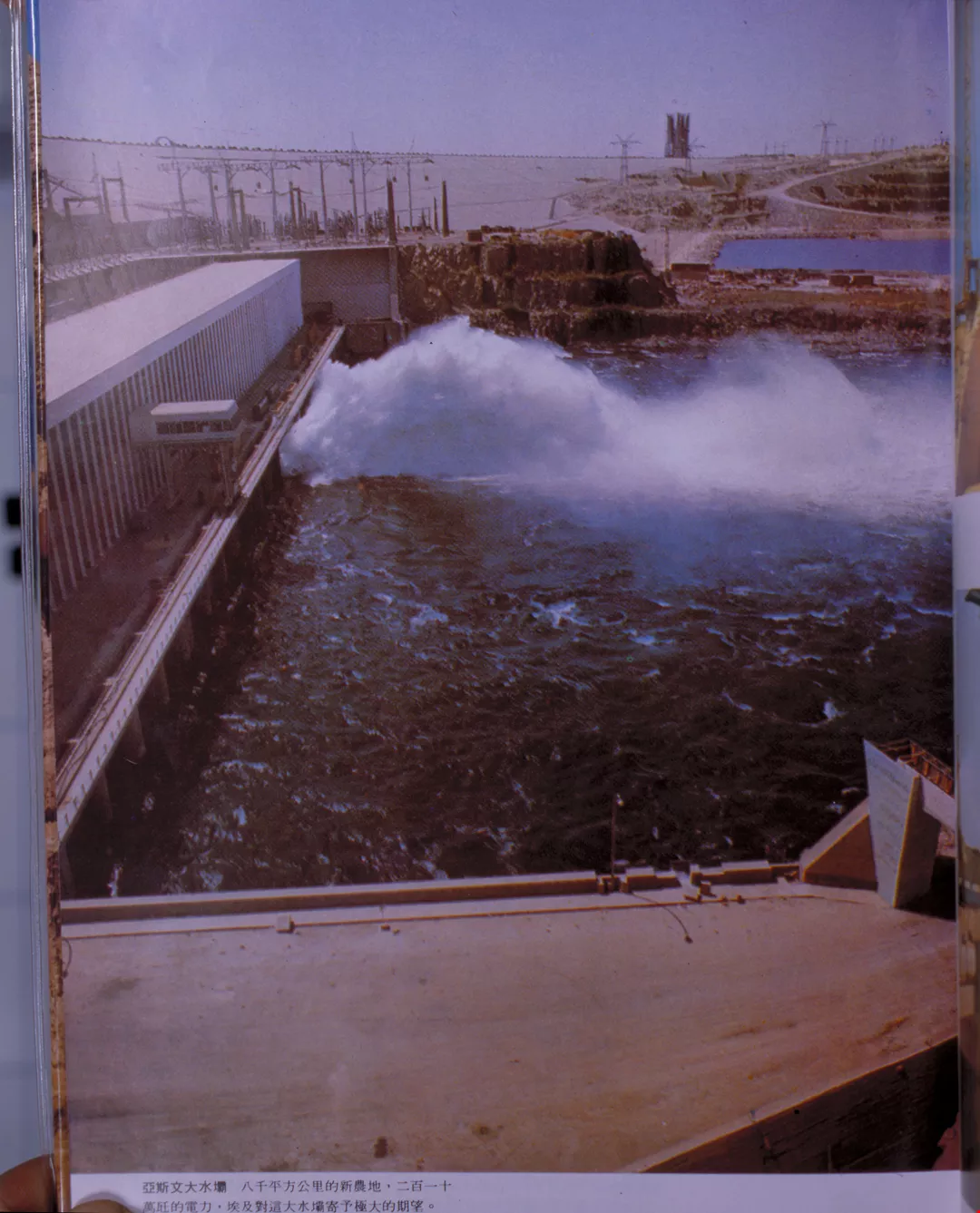
The Aswan Dam, for which Egyptians held such high hopes, is the source of a host of problems. (courtesy of Global Publishing Co.)
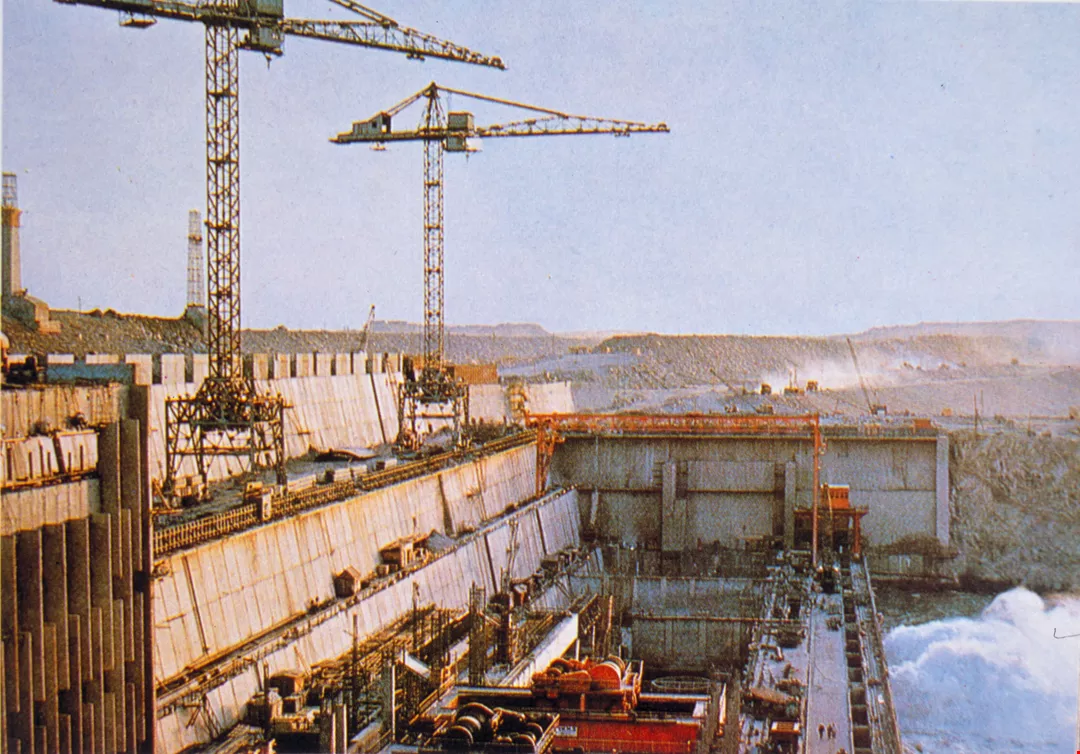
The Aswan Dam, for which Egyptians held such high hopes, is the source of a host of problems. (courtesy of Global Publishing Co.)
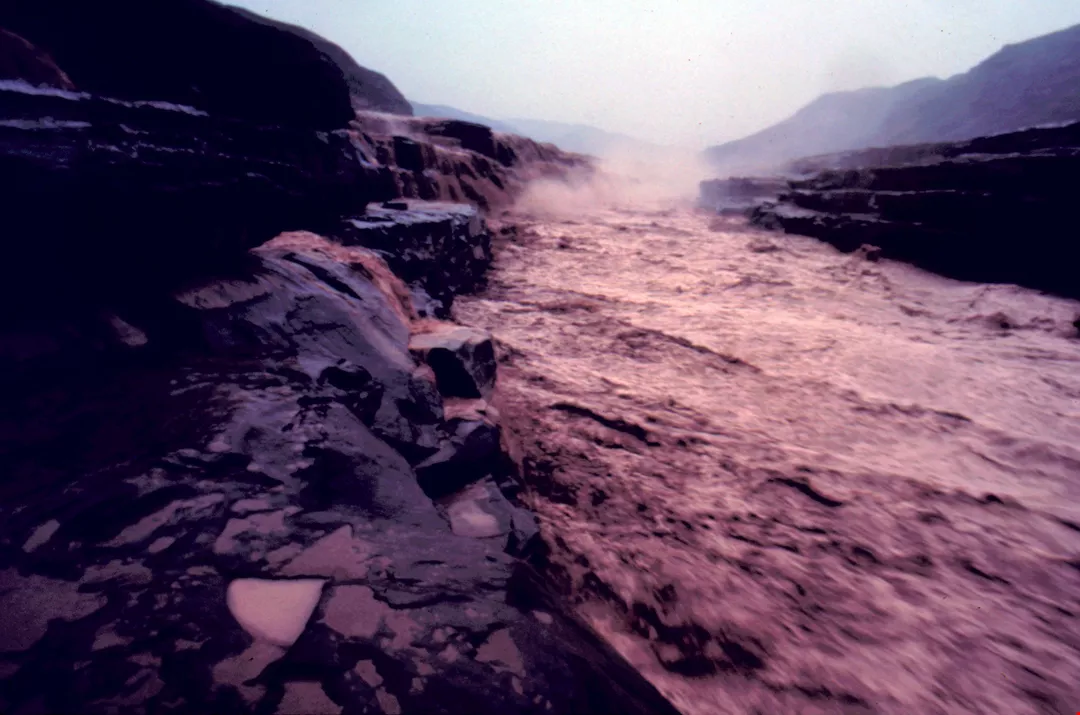
The water in the Yangtze (r.) is now nearly as muddy as the Yellow River's (l.). Will the Sanhsia Dam help clear it up?
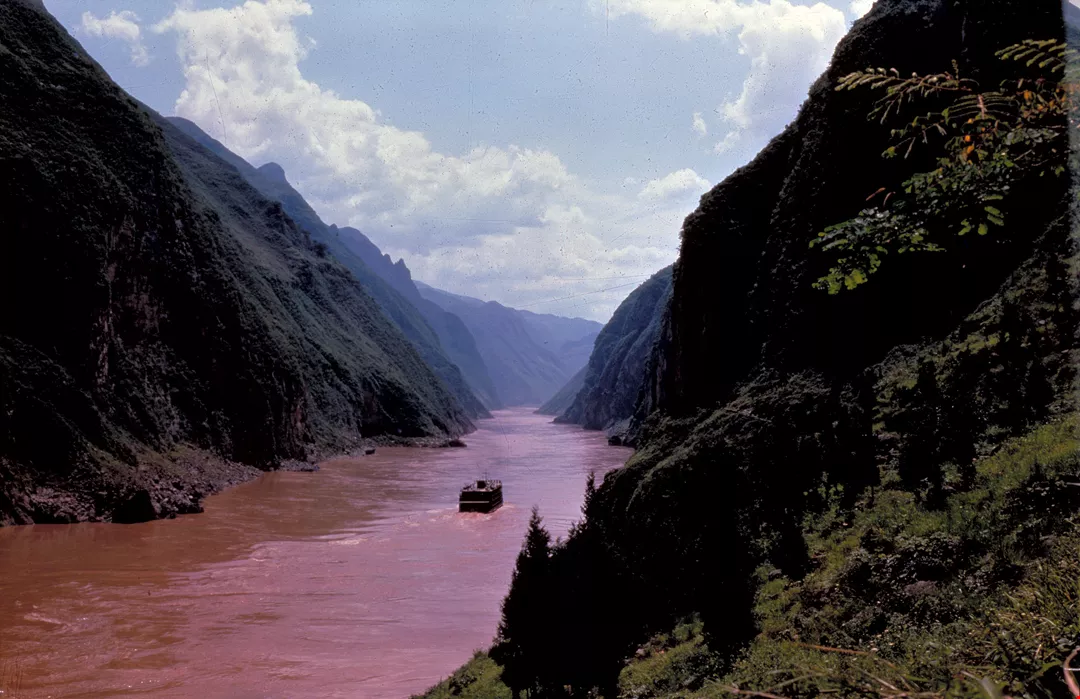
The water in the Yangtze (r.) is now nearly as muddy as the Yellow River's (l.). Will the Sanhsia Dam help clear it up?
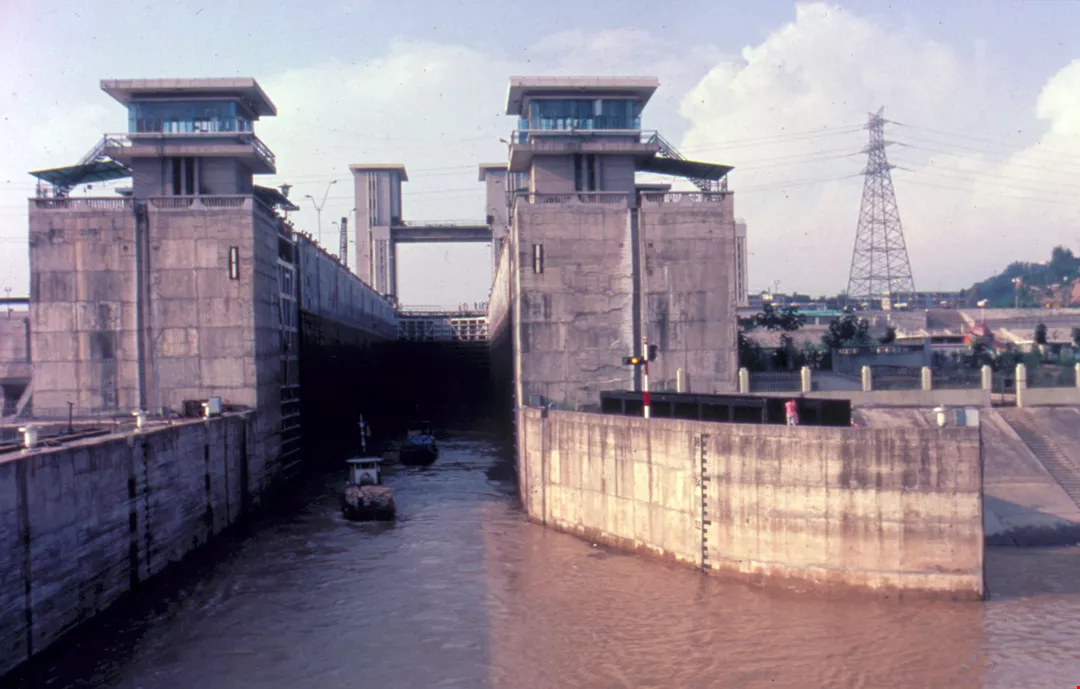
Kochou Dam, a preliminary project for the Sanhsia Dam, will soon be completed.
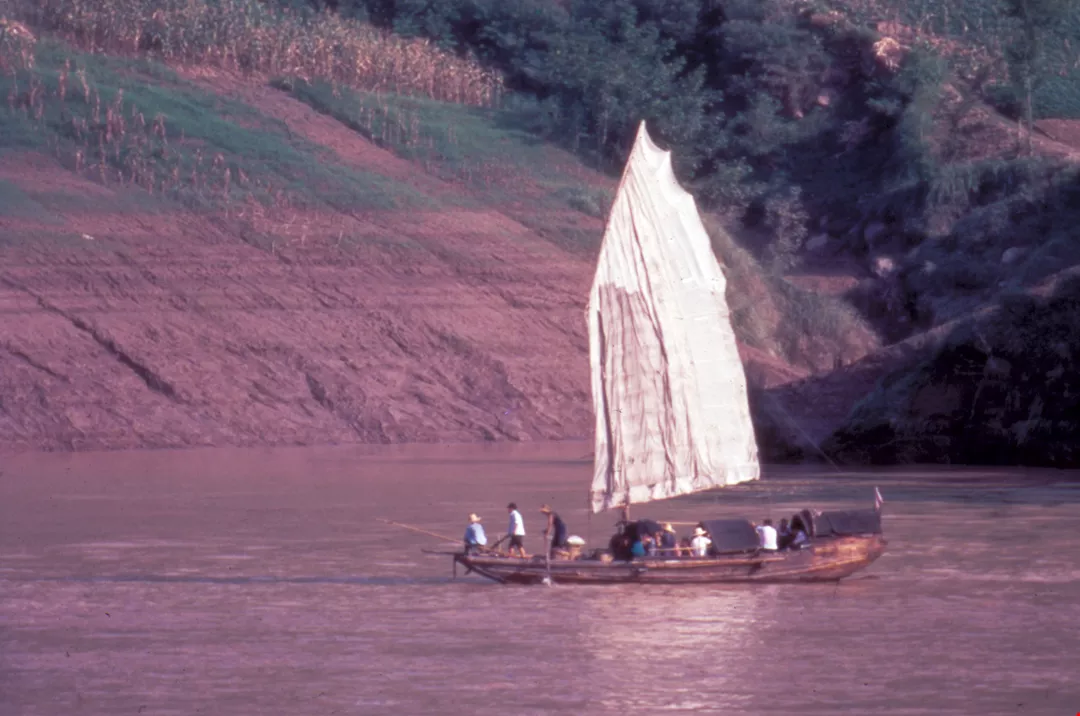
Facilitating navigation is one of the benefits the Sanhsia Dam is promised to deliver.



@List.jpg?w=522&h=410&mode=crop&format=webp&quality=80)

@List.jpg?w=522&h=410&mode=crop&format=webp&quality=80)


@List.jpg?w=522&h=410&mode=crop&format=webp&quality=80)

@List.jpg?w=522&h=410&mode=crop&format=webp&quality=80)