Connecting with listeners
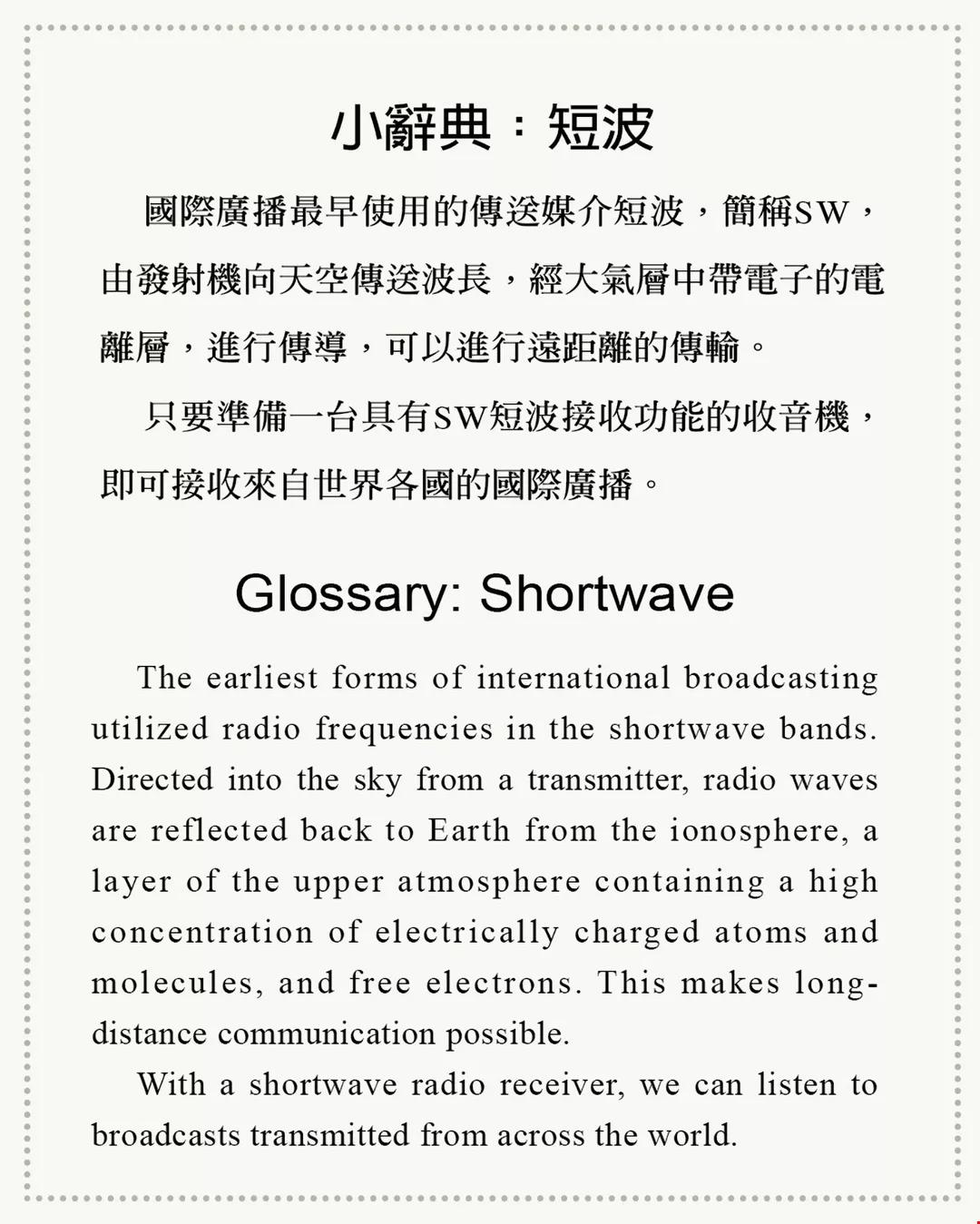
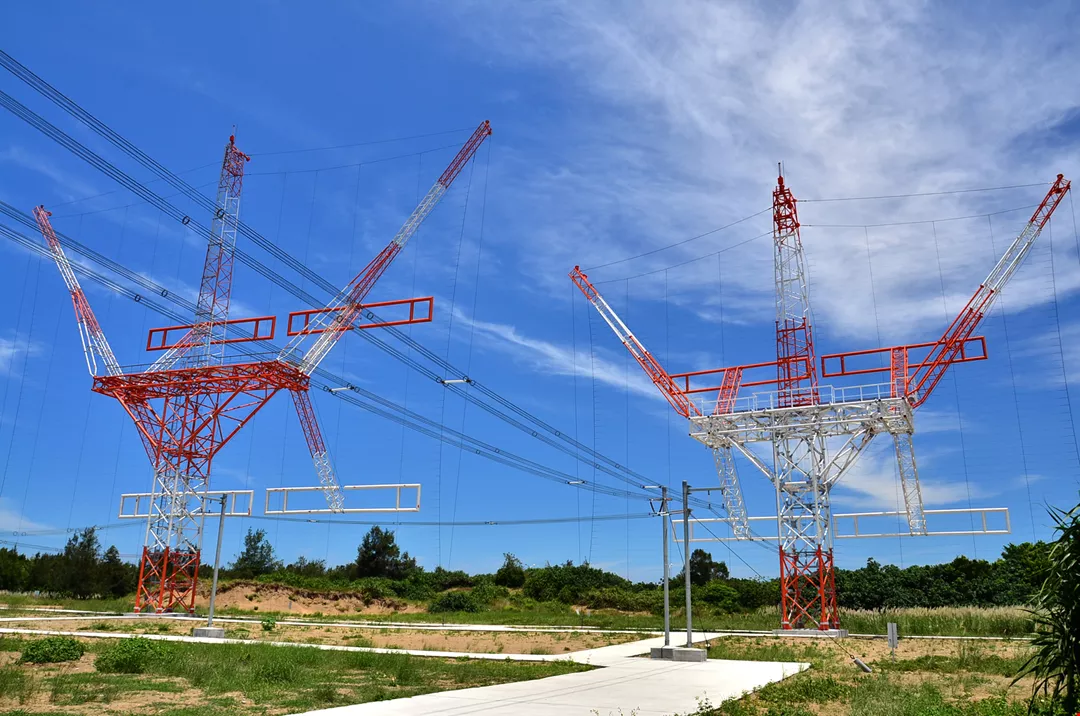
RTI’s shortwave transmissions often underscore the importance of Taiwan’s geographical location. Cheryl Lai says that RTI’s shortwave broadcasts can easily reach authoritarian countries such as North Korea, China, Russia, and Myanmar, where there is a lack of transparent political information. Seawater is a good medium for shortwave broadcasting as radio waves are reflected between the sea’s surface and the ionosphere. Even people on international cargo ships or on fishing vessels plying distant seas across Oceania have access to shortwave broadcasts.
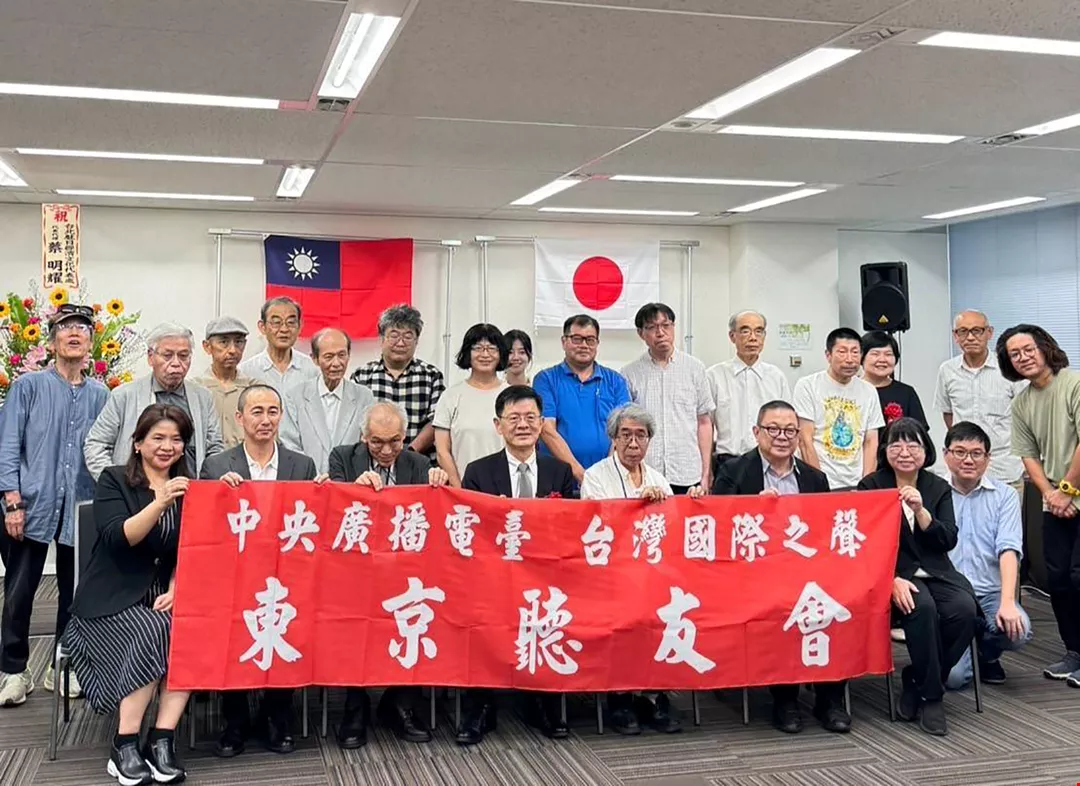
Lai tells us that numerous North Korean defectors have visited RTI, where they are welcomed by the Korean-language presenters. Chang Jui-chang, president of RTI, recalls receiving a reception report from a Korean American living in New York State who had listened to a show originally aimed for the Korean Peninsula. Perhaps thanks to propitious weather conditions, the shortwave signal that day had “spilled over,” traveling across the North Pole to reach America, and the listener had happened to turn on the radio at exactly the right time.
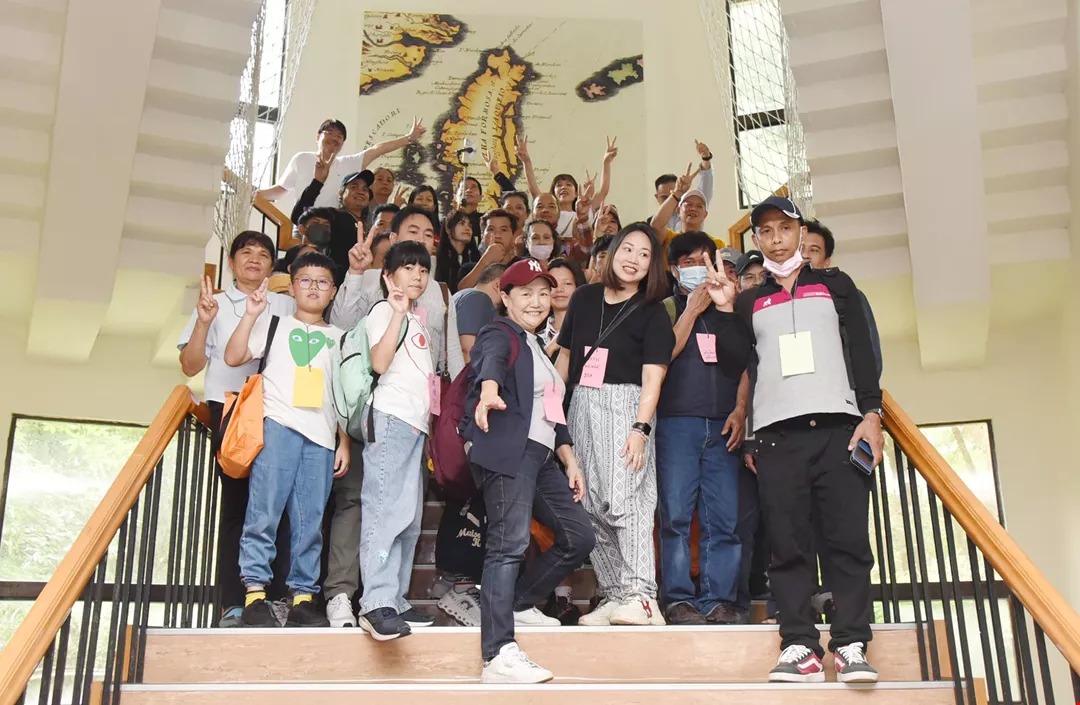
RTI reaches out to its listeners through social media and video sharing platforms such as YouTube. Lai says that RTI is now crafting new Mandarin and English-language shows to suit the podcast format, with a view to attracting younger audiences. At the same time, RTI continues to offer shortwave broadcasts, catering to more senior listeners and shortwave radio enthusiasts.
Visit RTI’s website to listen to a wealth of fascinating programs. Or turn on your shortwave radio, pull out the aerial, and twist the tuning knob, and you’ll be greeted by that welcoming phrase “This is Radio Taiwan International” or its equivalent in a dazzling array of languages. Thanks to RTI, voices from Taiwan continue to ripple across the world, speaking to the hearts of listeners both here and abroad.
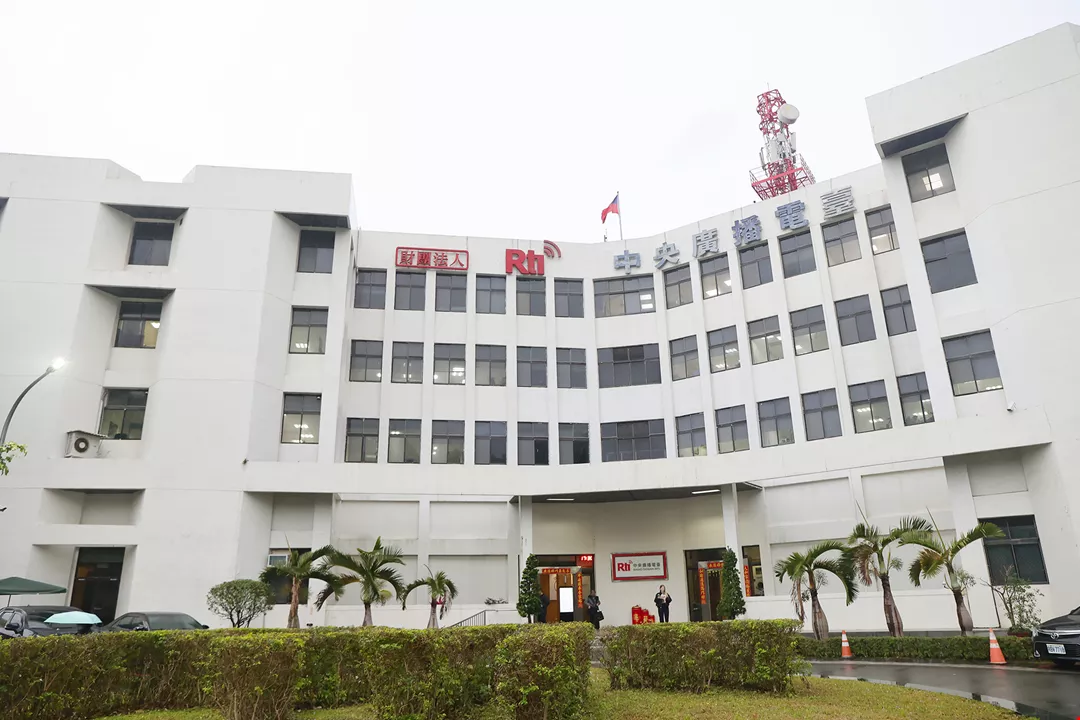
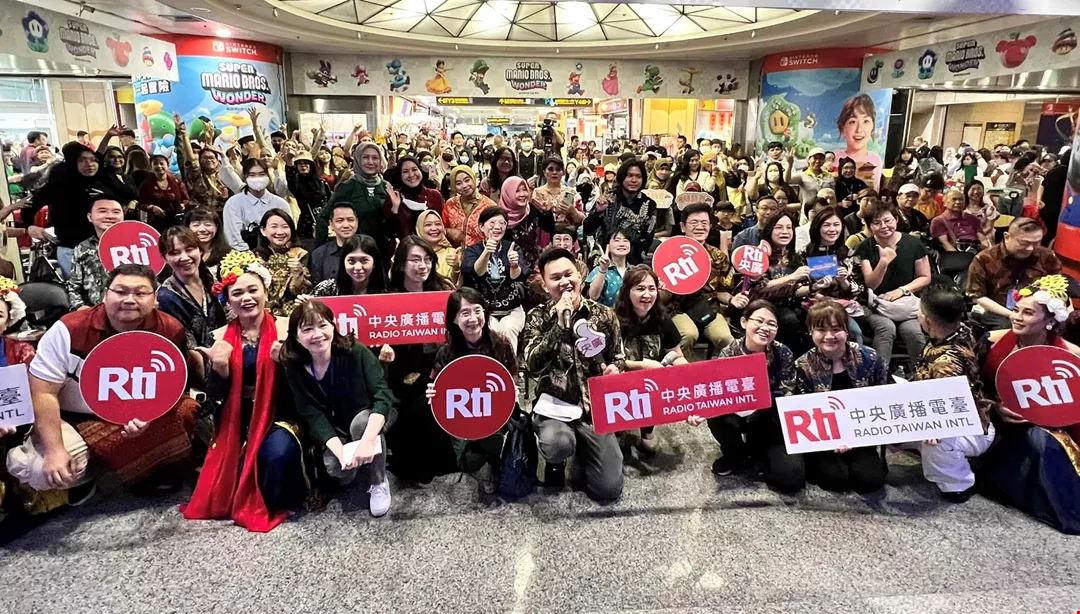
By broadcasting to nearly 150 countries across the world, RTI plays a vital role in cultural diplomacy, enabling listeners to connect with Taiwan. (photo by Jimmy Lin)



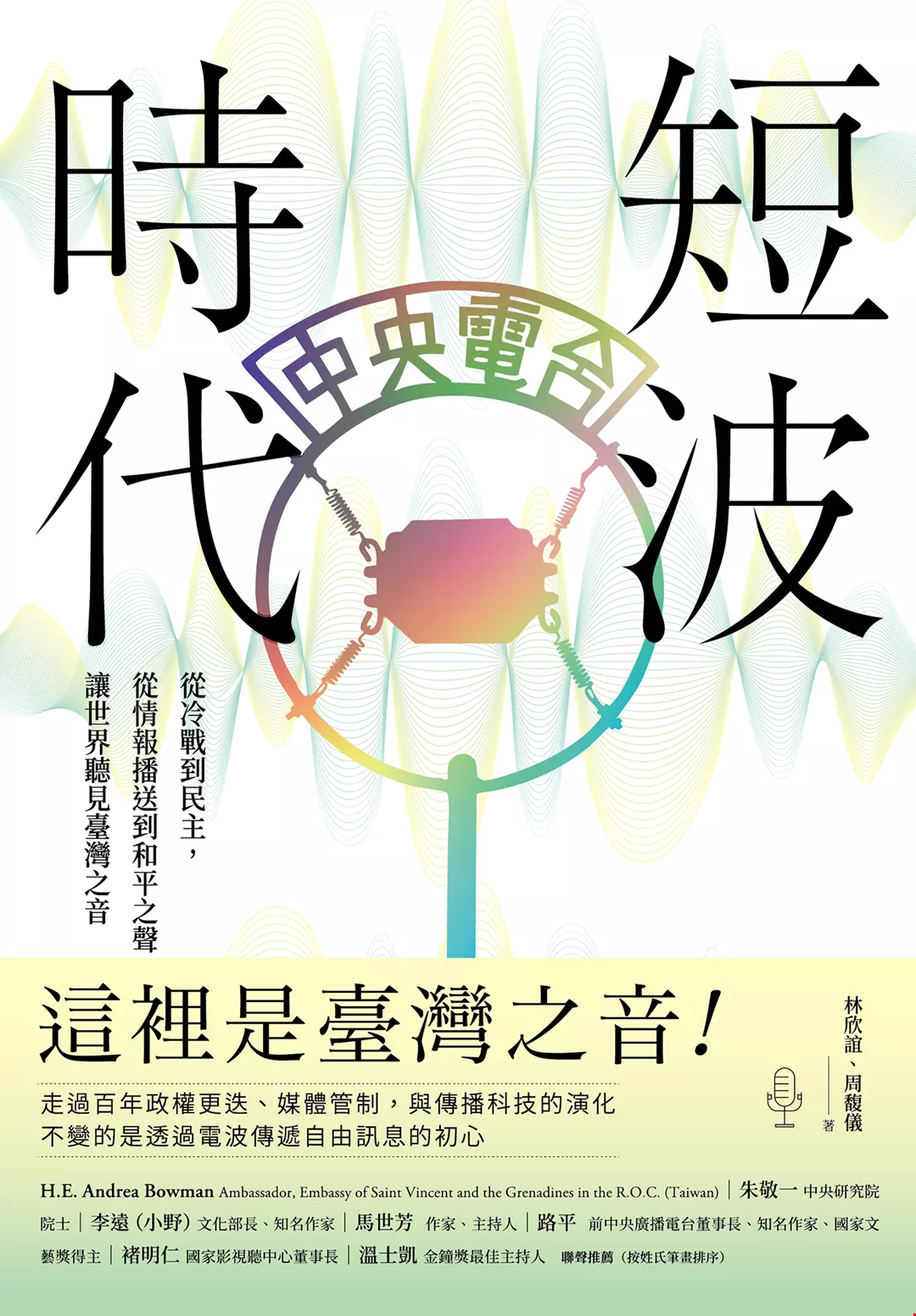

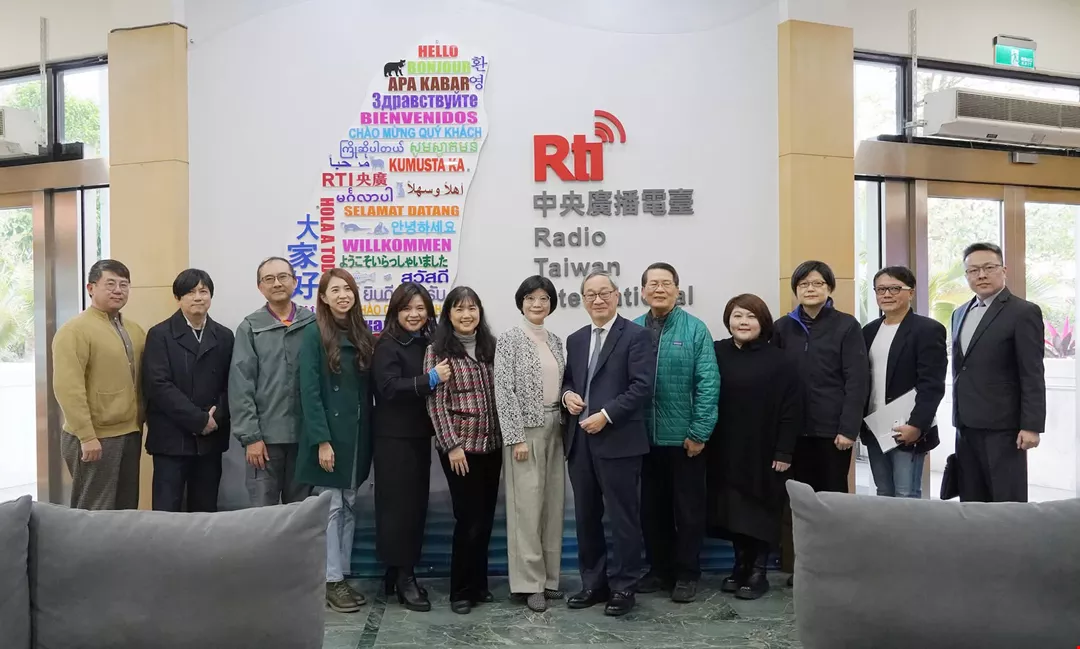




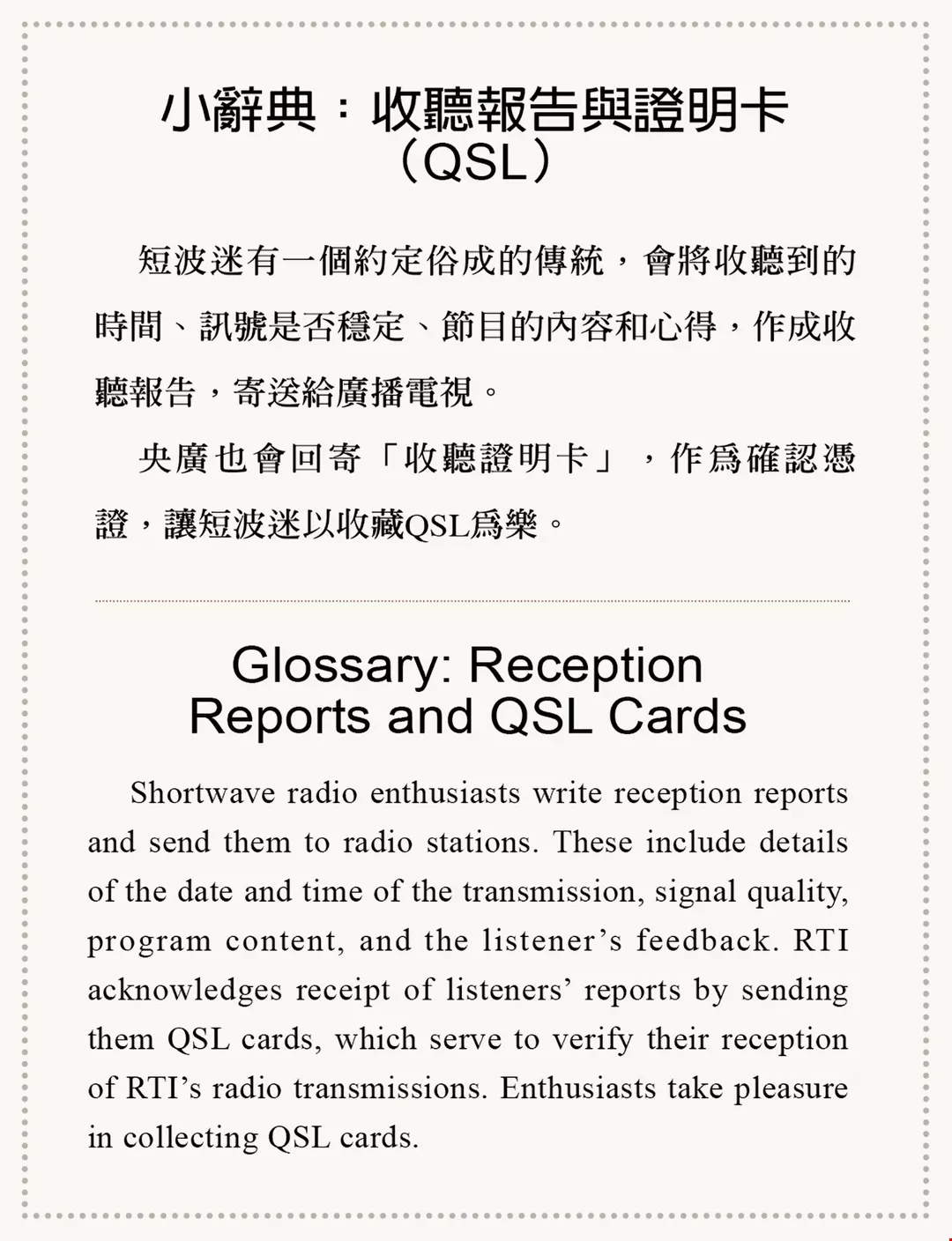




@List.jpg?w=522&h=410&mode=crop&format=webp&quality=80)

@List.jpg?w=522&h=410&mode=crop&format=webp&quality=80)
@List.jpg?w=522&h=410&mode=crop&format=webp&quality=80)
