As part of their mental training, athletes imagine themselves playing their best in order that they may improve their performance. Actors, on the other hand, try to recall their deepest and most painful memories to give their acting more life and dramatic power. The aim of these two methods is identical, to allow the performer to do his or her best. Yet why are they so different?
The former approach, used by athletes, falls under the psychological heading of image therapy. Requiring no physical activity to reach its goal, the method might be considered a type of positive thinking exercise. Pleasant experiences are reinforced, and negative stimuli are reduced to a bare minimum.
Pole vaulters who have suffered mishaps, for example, might later experience fear and anxiety before competing. With counseling, the athlete can be made to face his problem, remembering his name being called, the beginning of his run, speeding up, takeoff, and clearing the bar, all to make him express his tension so as to help him learn to relax.
Relaxation training uses a tension-and release method. Athletes clench their fists and imagine the sensation of their pulse quickening and palms sweating. After a while they begin slowly to relax their muscles and forget their tension. Repeated practice can aid athletes master the art of self-relaxation and conquer anxiety.
"This type of therapy does not plumb the inner depths. It might be considered as the most direct way to strengthen confidence, where the subject treats his body as an instrument, making it most suitable for athletes and dancers," says Cho Ming of the Lan Ling Theatre. Adds psychologist Wu Ching-chi, "The margin between victory and defeat is so close. The athlete conceives of himself as competing against his own limitations and the record. If he entertains the possibility of failure, then defeat becomes more likely."
Actors, however, face a different situation, with extensive self-analysis being a fundamental part of their craft. "If I cannot face myself, how can I penetrate other people?" says Cho Ming.
Two years ago, Lan Ling Theatre integrated drama and psychology in their "psychodramas," the first performances of their kind in Taiwan. There were three actors, the protagonist (the patient), the director who cures him and controls the play, an the analyst who aids the protagonist in expressing and acting out his feelings. Subjects included a child's fear of abandonment on the first day of school, the loss of one's parents, and the frustration of not placing into college.
For his Experimental Acting Work shop, Cho consulted Wu. Wu relates, "I asked them 20 questions, including their most painful, embarrassing, and distasteful experiences. I even asked them what they would want engraved on their tombstone and other questions they didn't like. Their first response was total bewilderment. After they began thinking about them, some started to cry. Later, though, everyone opened up. Many people broke through many years of ambivalent feelings that they had toward their fathers. They stopped avoiding and started to face their frustrations. Out of this came much of the inspiration for Lan Ling."
"Positive thinking and psychodrama," continues Wu, "are both a type of self-exploration. The former deals with concrete acts, while the latter aims at the human heart. They try to do different things for different kinds of people. It depends on the situation."
[Picture Caption]
Ku Chin-shui deep in concentration as he practices the discus. (Photo by Lin Ming-yung).
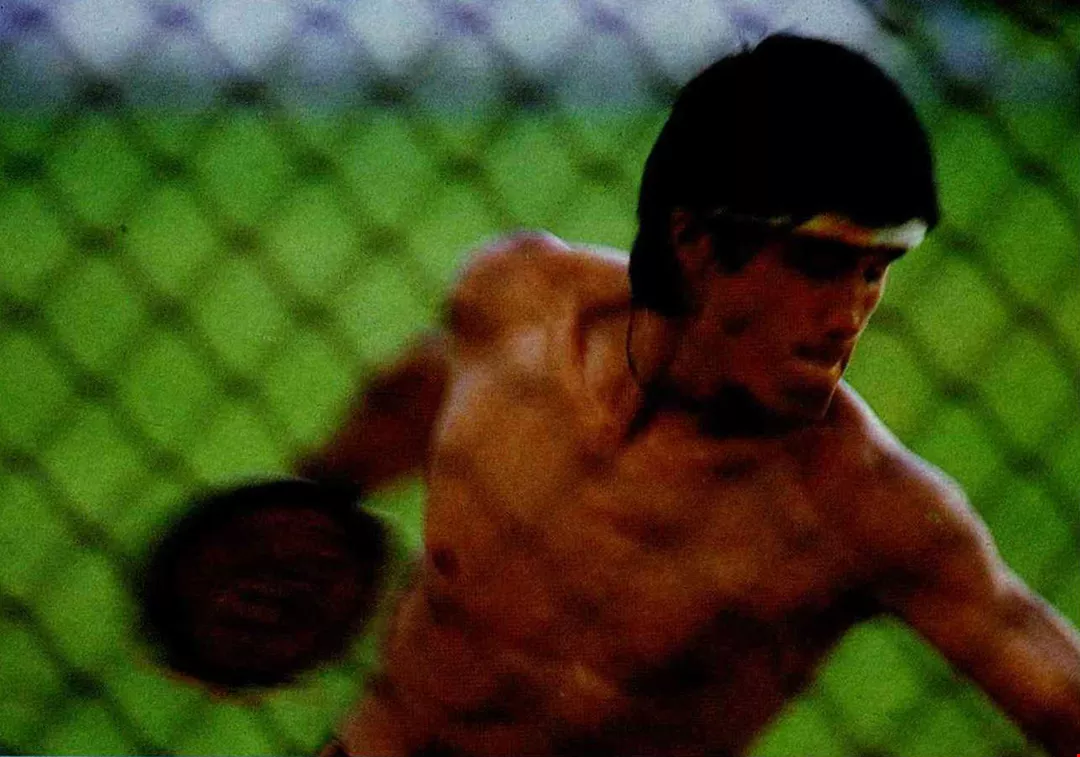
Ku Chin-shui deep in concentration as he practices the discus. (Photo by Lin Ming-yung).
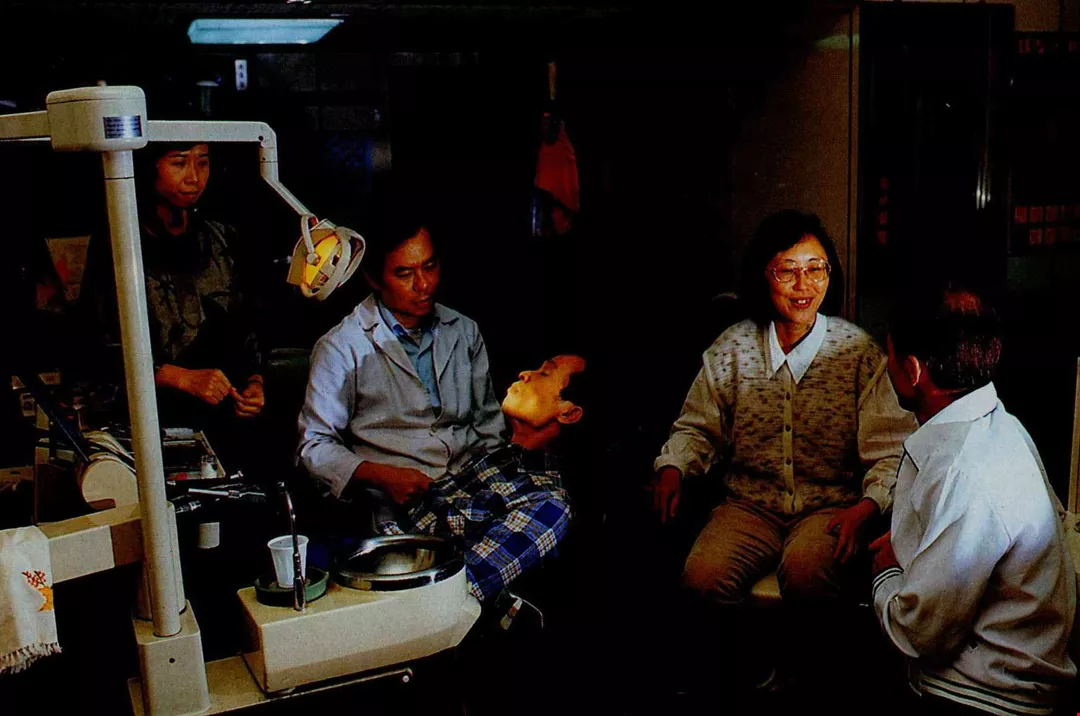
The dentist's office beside the Tsoying oil refinery counts among its clients many athletes from the Center.
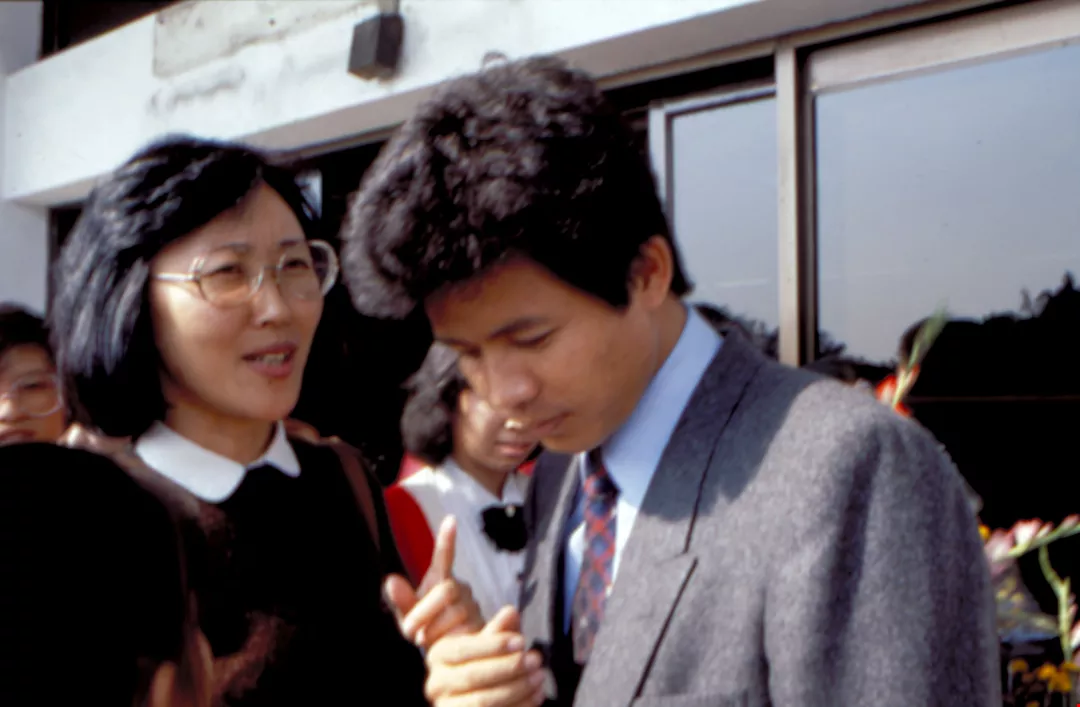
Lu gives a word of advice to baseball star Chuang Sheng-hsiung.




@List.jpg?w=522&h=410&mode=crop&format=webp&quality=80)

@List.jpg?w=522&h=410&mode=crop&format=webp&quality=80)

@List.jpg?w=522&h=410&mode=crop&format=webp&quality=80)
@List.jpg?w=522&h=410&mode=crop&format=webp&quality=80)
