Visiting the Kaohsiung Incident cityscape
Commissioned by the Taiwan Association for Human Rights and others, local historian Chen Kun-yi compared city spaces with old photographs and laid out a “Kaohsiung Incident route” through the Dagangpu area.
Because the Gushan Incident on the previous night can be said to have sparked the expanded mobilization of demonstrators the next day, Chen recommends that visitors first take the light rail to reach the site of that event: the Gushan Precinct police building and the former Southern Taiwan headquarters of the Taiwan Garrison Command (TGC).
On December 9, 1979, two volunteers were driving around to inform people about the scheduled event on the 10th. They were stopped, arrested, and detained by officers from Gushan Precinct. A crowd gathered to demand their release on bail and surrounded the building. However, the police took advantage of a secret air-raid-shelter tunnel to smuggle the two out to the TGC, where they were tortured to extract confessions.
Next up on the tour is the former Kaohsiung office of Formosa magazine, known in Chinese as Meilidao, after which the Kaohsiung Incident is also known as the Formosa Incident or Meilidao Incident. Located at the intersection of Zhongshan Road and Datong Road, the building has been renovated multiple times, variously hosting a barbecue restaurant, eyewear shop, and teak furniture store. Today it stands empty, available to rent. Chen can’t help but sigh that this building—which has long been registered as a cultural heritage site—has not been converted into an exhibition space devoted to memories of the democracy movement.
Meanwhile, not far away is Xinxing Police Station, the headquarters from which the riot suppression force was directed, and where representatives of Formosa magazine negotiated with the police.

Chen Kun-yi feels that visiting historic sites can evoke a “resonant” understanding of the events that took place there that goes beyond the written word.
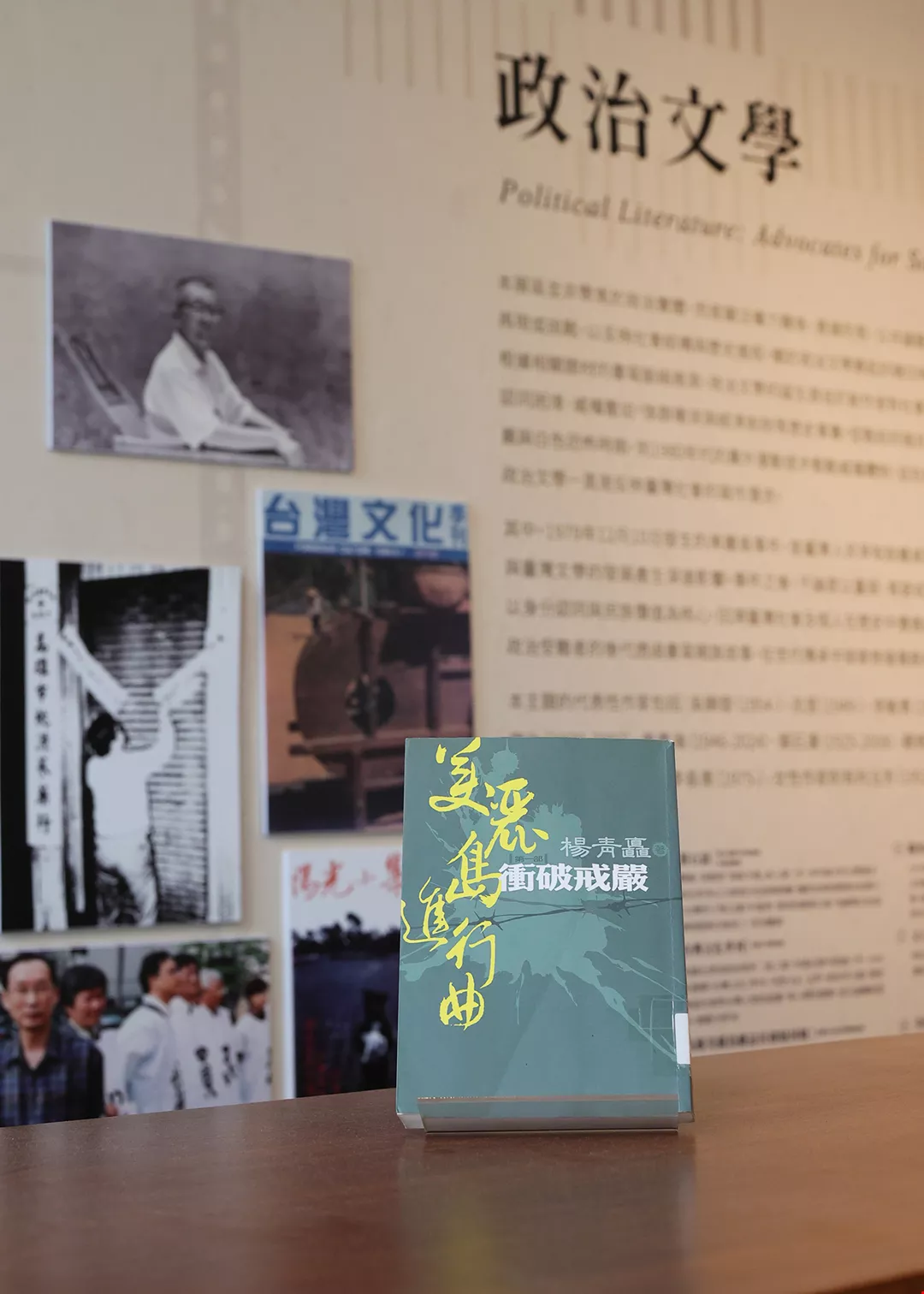
The Kaohsiung Literature Library curates exhibitions on political literature and introduces the city’s human rights landscape.



@List.jpg?w=522&h=410&mode=crop&format=webp&quality=80)


@List.jpg?w=522&h=410&mode=crop&format=webp&quality=80)
